Spiritual & Wellness: Homestay Experiences in Nepal

Homestays in Nepal

Homestays in Nepal offer a special chance to experience the heart of Nepali communities. Staying with a local family lets you share their way of life, traditions, and stories. You are welcomed not just as a guest but as a friend or family member.

These stays are more than just a place to sleep. For example, whether you’re cooking together or laughing over a shared meal, you’ll take part in everyday life. Homestays in Nepal range from simple guest rooms in busy cities to shared spaces in peaceful mountain villages. In this blog, Himalayan Circuit shows you the beauty, warmth, and honest hospitality that make homestays in Nepal so special.

Experiencing Life with a Local Family in Nepal

Arrival and First Impressions

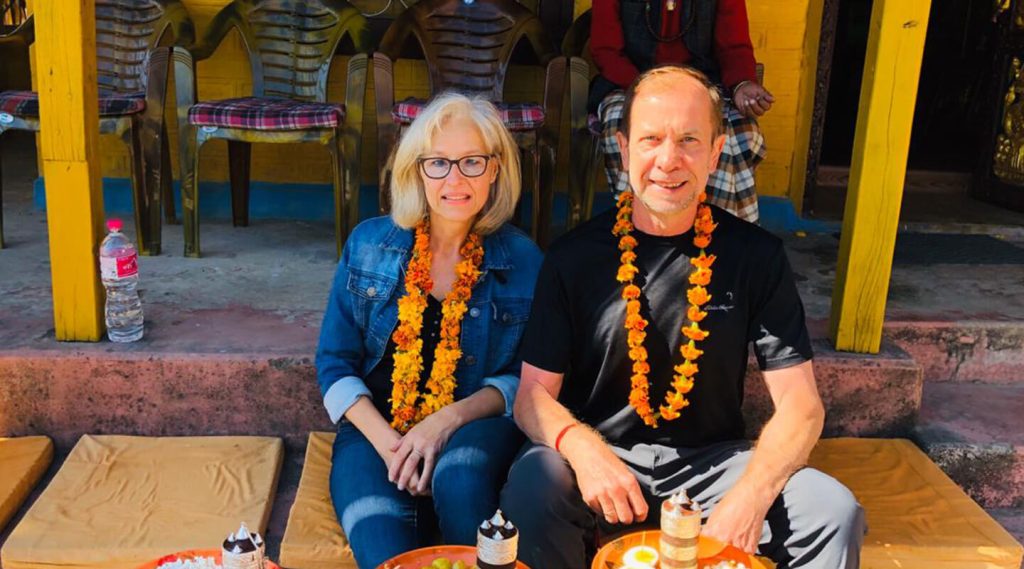
As soon as you arrive, warm smiles and traditional Nepali greetings welcome you. Locals press their palms together and say Namaste. Sometimes, they also greet you with garlands, tika, flowers, or a khada (a traditional scarf).

You’ll get a short tour of the house. Most homes are cozy and simple, built in the Nepali style. After settling in, the family introduces you to the surroundings and explains the way of life you’ll enjoy during your stay.

Daily Life and Routine with the Family

Living with a local family lets you see how people in Nepal spend their days. You will surely discover things that surprise you. For instance, the day often starts with a morning prayer and a short puja, followed by a comforting cup of tea.

Throughout the day, family members share the housework. Meanwhile, children get ready for school. You’ll see people working in the fields, filled with crops that change with the seasons. You are welcome to join them, whether gathering fresh produce or helping with simple tasks around the house.

In rural areas, animals are a big part of daily life. Tending to them is important, and you can take part in this too. In the evening, the family comes together for dinner. They sit as a group and talk over big plates of dal bhat, sharing stories and laughter.

Nepali Cuisine: Cooking and Dining with the Family

Learning how to Cook the Nepali Meal.

There is no fixed menu at a homestay. Instead, you simply eat what the family eats. The meals are simple but full of rich flavors. Common dishes include dal bhat, dhido, momo, sel roti, and gundruk, all made with fresh local ingredients.

What’s more, you can learn to cook these traditional meals. The hosts are happy to teach you. Cooking and eating these warm, home-cooked meals with the family makes every meal feel like a celebration of togetherness.

Cultural Immersion and Festive Celebrations

One of the best parts of staying with a local family is joining their festivals. These events bring Nepal’s colorful culture and long-standing traditions to life.

Festivals like Dashain, Tihar, Holi, Teej, and Losar are celebrated all year. Each one blends religious devotion, cultural practices, and community bonding. Every festival has its own customs, prayers, foods, and joyful activities. Being part of these celebrations with locals is a rich and unforgettable experience.

Exploring the Village

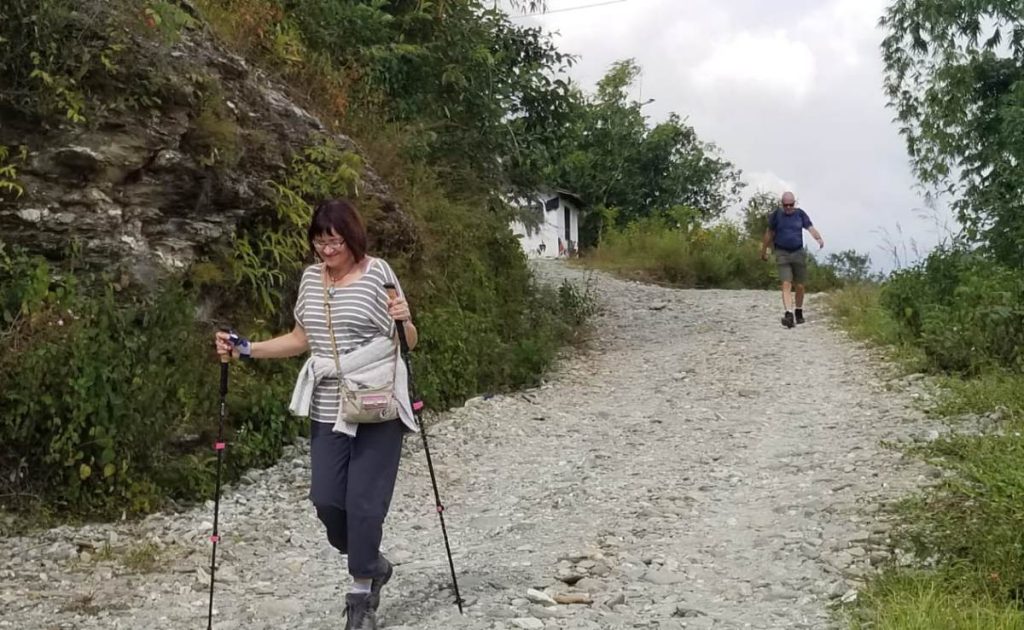
In today’s fast-moving world, spending time in these quiet villages is refreshing. Each day brings new discoveries. For example, you might walk along narrow paths, wander through green fields, or simply breathe in the clean, fresh air while listening to birds.

The Bonding Experience and Life Lessons

By the end of your stay, you won’t feel like a guest anymore. You’ll feel like part of the family. Even neighbours often stop to say hello or invite you for tea.

Experiencing life with a local family in Nepal fills you with love and warmth. You’ll learn the value of simplicity, the strength of community, and the beauty of small moments. Nepali people believe in Atithi Devo Bhava — “The guest is god.” As a result, you will feel not just welcomed but truly cherished.

Throughout your stay, you’ll find a new family and a new place to call home. It’s about noticing the small, beautiful rhythms of village life while creating memories that stay with you forever.

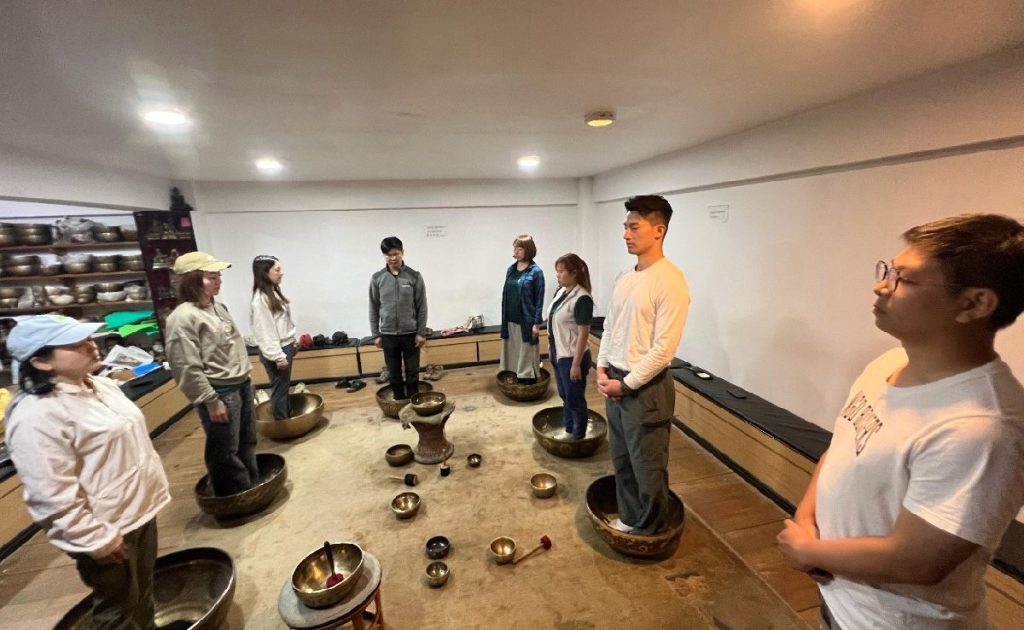
Spiritual & Wellness: Singing Bowl Therapy for Mind and Body

Singing bowl Therapy

At Himalayan Circuit, we believe that travel is not just about visiting new places but immersing yourself in the rich cultural heritage that makes a destination unique. One of Nepal’s most profound experiences is Singing Bowl Therapy, offering a powerful path to relaxation and healing.

Discover the Healing Power of Singing Bowls

Singing bowls, often called “healing bowls,” produce enchanting sounds and vibrations that can deeply soothe the mind and body. Their ability to bring tranquility and well-being is unmatched. These bowls combine artistic craftsmanship with therapeutic power, guiding you toward peace and balance. Whether you’re seeking to relieve stress or connect with your inner self, the soothing sounds of a singing bowl provide a harmonious escape.

A Rich History of Healing

Singing bowls boast a history that spans over three thousand years, rooted in the ancient cultures of the Himalayas. Initially, people used these bowls for everyday tasks, like cooking and holding water. Over time, however, they discovered their healing potential. Water stored in these bowls was believed to have restorative qualities. Today, alongside other traditional healing tools such as the bajra and shamanic drums, singing bowls continue to play an important role in well-being. Their calming vibrations echo the universal “Om,” a sound believed to connect us with higher consciousness.

The Global Resurgence of Singing Bowls

Today, singing bowls are more popular than ever. Known as Himalayan, Om, or Tibetan bowls, they were once cherished by monks and lamas who meditated in the tranquil monasteries of the Himalayas. Now, people around the world are embracing their calming vibrations. These bowls offer more than just meditative benefits—they balance energy and promote relaxation. In today’s hectic world, their soothing effects provide a welcome sense of peace.

The Craftsmanship Behind Singing Bowls

Each singing bowl is a masterpiece, crafted by hand using a unique blend of metals. The artisans carefully shape and hammer each bowl to produce its distinct sound. The secret techniques behind these bowls have been passed down through generations, adding to their mystique and allure. These beautifully crafted instruments are not just for meditation—they embody the artistic and cultural traditions of Nepal.

Experience the Magic of Singing Bowls

At Himalayan Circuit, we invite you to experience the transformative power of singing bowls on our cultural tours. Imagine feeling the gentle vibrations as they wash over you, calming your mind and soul. This experience, set amidst the breathtaking landscapes of Nepal, offers you the chance to connect with both the culture and your inner peace.

Join Us on a Soulful Journey

Are you ready to explore the soulful vibrations of Nepal? Embark on a journey that nourishes both body and spirit. Visit our website at Himalayan Circuit to learn more about our cultural tours and discover how you can experience this ancient singing bowl therapy.

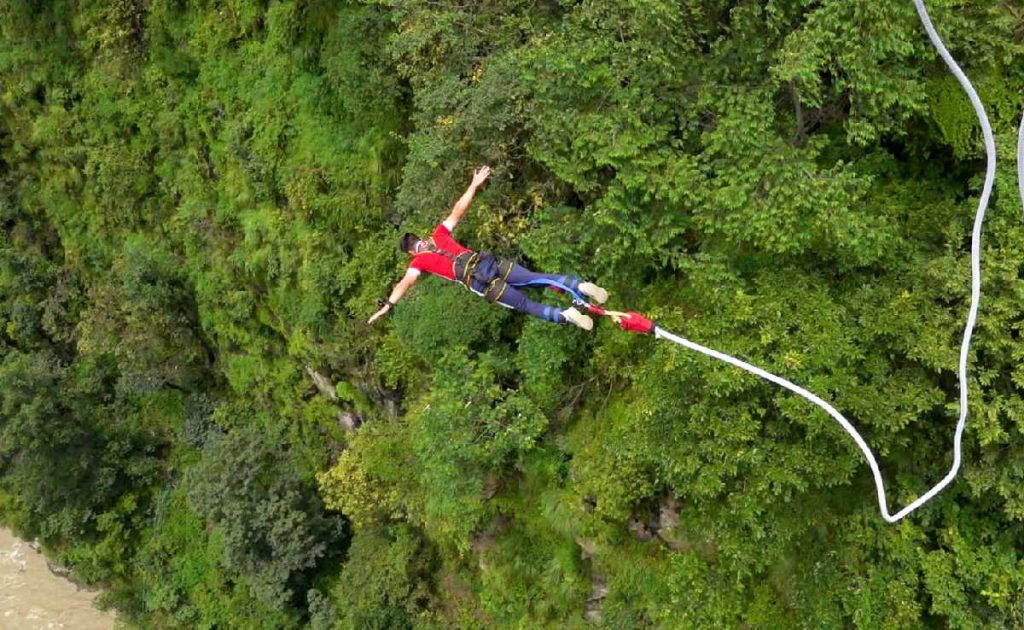
Adventure Sports: Bungee Jumping for Adrenaline Seekers in Nepal

Bungee in Nepal

“Life is either a daring adventure or nothing at all”

From trekking the highest peaks in the world to rafting in fast-flowing rivers, Nepal is a paradise for adventure seekers. One major attraction is bungee jumping. Bungee jumping in Nepal offers a breathtaking and heart-pounding experience.

Bungee jumping is one of the most thrilling activities that gets your heart racing. Imagine jumping off a high suspension bridge into a deep valley with a river rushing below. The ever-flowing rivers and stunning landscapes make Nepal one of the best places in the world for bungee jumping.

The thrill of bungee jumping can be best experienced in Nepal, where you’re surrounded by mountains, rivers, local lifestyle, and unique jump bases. The best time for bungee jumping in Nepal is from March to May and September to November, when the weather is dry and cool.

Bungee jumping in Nepal is perfect for those who want to add thrill to their vacations. Himalayan Circuit Treks organizes bungee jumping trips in Nepal, offering quality service at a low cost. Both individuals and groups can benefit from the custom itineraries and packages available.

Top Bungee Jumping Spots in Nepal

The Last Resort (Bhote Koshi Bungee Jump)

  • Height: 160 meters

  • Location: 100 kilometers from Kathmandu, near the Bhote Koshi River

  • Jump Site: Suspension bridge over the Bhote Koshi Gorge

  • Scenery: Lush green hills, deep valleys, and the roaring Bhote Koshi River

The Last Resort is the first bungee jumping spot in Nepal and still one of the most popular. It offers the ultimate experience for thrill-seekers. Located in a gorge near the Tibetan border, the jump site is a three-hour drive from Kathmandu along the Araniko Highway.

The thrill of leaping into thin air gets the heart racing. Adventurers plunge 160 meters toward the river, getting pulled up just in time. Other activities at The Last Resort include rock climbing, hiking, and rafting.

Hemja Bungee Jump (Pokhara)

  • Height: 80 meters

  • Location: Near Pokhara

  • Jump Site: Steel tower with views of the Annapurna range

  • Scenery: The Seti River, nearby hills, and the Himalayas

If you’re seeking excitement in a scenic city, bungee jumping in Pokhara should be on your list. Known for adventure sports and amazing views, Pokhara offers a bungee jump full of heart-racing thrill.

Located in Hemja, Kaski, the jump platform reaches a height of 80 meters and includes a 20-meter-deep artificial pond. The views of the Himalayas and natural surroundings add to the excitement and beauty of the jump.

Kusma Bungee Jump

  • Height: 228 meters (2nd highest in the world)

  • Location: Kusma, Parbat District (approx. 60 km from Pokhara)

  • Jump Site: Suspension bridge over the Kali Gandaki River

  • Scenery: Deep gorges, lush hills, and the roaring river below

The Kusma Bungee Jump is located between the Baglung and Kushma districts. It’s connected by a 520-meter suspension bridge over the Kali Gandaki River gorge. At 228 meters, it is Nepal’s highest and the second-highest bungee jump in the world.

This site offers a thrilling free fall with stunning views of surrounding valleys and mountains. Other attractions at Kusma include Swing Jump, Tandem Swing, Sky Cycling, Sky Gliding, Wishing Hand, Sky Café, and Crazy Bridge.

An Unforgettable Adventure Awaits

Bungee jumping in Nepal is a once-in-a-lifetime experience. It’s not just about the thrill of the free fall — it’s the stunning natural backdrop that makes it unforgettable.

Whether you dive into the depths of Bhote Koshi, enjoy the scenery of Pokhara, or take on the world-class Kusma jump, the experience will stay with you forever.

If you’re ready to overcome your fears and try one of the most adventurous activities in the world, Himalayan Circuit can help plan your trip. Add something truly special to your journey with a bungee jumping adventure in Nepal.

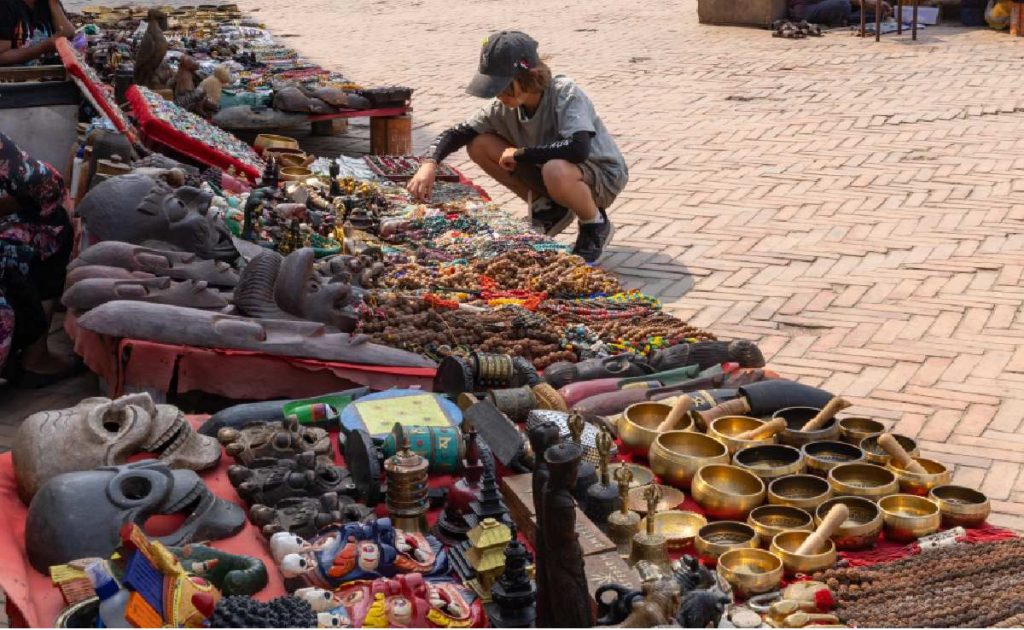
Food & Lifestyle: Practical Shopping Tips for Your Nepal Trip

Shopping in Nepal

Visiting Nepal offers you opportunities to observe majestic mountains, heavenly natural environment, beautiful architecture, vibrant culture, and experience the warm hospitality of local people. Wouldn’t it be wonderful to take some of these memories to your home? So, we strongly advise you to do shopping in Nepal. In this blog we’ll talk about what to do and what not to do during your shopping time.  

Nepal is a hub for shopping enthusiasts where you can purchase Thangka paintings, unique spices, exotic souvenirs, traditional jewelry, hemp bags, khukuri, statues, and handicrafts. The bustling market of Kathmandu, luxury shops of Pokhara, traditional crafts of the mountain villages, ancient cities of Bhaktapur and Patan will make your shopping experience special.

Dos:

  • Do Visit Local Markets: We suggest you to visit the local markets in Kathmandu. New Road, Durbar Square area, Indra Chok, Asan Bazaar, Thamel, Makhan Tole, and Old Freak Street are some of the popular shopping points in the street of Kathmandu. Here, you can shop a variety of items that are high in quality and items that reflect Nepalese culture. 

  • Do Research & do Prepare: Before you head towards the market, we suggest you to do proper research on the products or items that you are interested to buy. Getting to know the quality, prices, and originality helps you to choose and purchase authentic products at at reasonable cost. 

  • Bargain Respectfully: You will get to see a person bargaining in the local markets, as bargaining is common in Nepal. We suggest you to do friendly and respectful bargaining, as it could lead to better deals. You can begin bargaining by offering the price by reducing 20-30% of the seller’s initial price. This will lead to a mutually agreeable amount.

  • Do Carry Cash: Most of the tourist hubs and high-end shops accept credit cards, but we suggest you to carry cash with you before heading towards the local market. As most of the local markets operate on a cash-only basis, carrying Nepalese rupees in small denominations will make your transaction easy.

  •  Look for Authenticity: We suggest you to look for authenticity while purchasing items like silver jewelry or Pashmina shawls. Some of the shops claim to sell authentic items, but quality may differ. For example, if you are purchasing pashmina, you can check its authenticity by touching it. It feels soft and warm to the touch as it is made from fine cashmere wool.
  • Do Take Your Time: Shopping is more than just purchasing an item in Nepal. The narrow street, vibrant shops, people bargaining, and cultural stuff in and around the shopping area make your shopping time more memorable. So, do take time to purchase the products you like at a reasonable cost and don’t miss out on hidden gems.

Dont’s:

  • Don’t Buy Without Comparing: There might be the same product with different quality in the market. So, you need to do research, visit different shops compare the products, compare the price and finally choose the product to purchase. 

  • Don’t Settle for the First Price: Don’t purchase a product straight away, as the initial price for the product might be high. We suggest you to visit different shops before purchasing and do respectful bargaining before purchasing product. 

  • Don’t Overpack Your Bags: Don’t purchase excessive items as your baggage could be overpacked.  Weight restrictions and luggage space should be kept in mind while shopping. So, we suggest you to buy meaningful and unique items that you can take back home as a memory of Nepal. 

  • Don’t Ignore Quality: Don’t ignore the quality while shopping, as you can find similar product with different quality in different shops. While purchasing products, look for finishing of the product, packaging of the product, detailing on artwork, and check the stitching on garments. 

  • Don’t Disregard Sustainability: Don’t disregard sustainability by purchasing products made from unsustainable materials or endangered species. We suggest you to opt for eco-friendly and ethically sourced items and avoid purchasing items made from ivory or animal skins. Together we should prioritize sustainable tourism.

  • Don’t Forget to Ask About Export Rules: As there are restrictions to export certain items, you should not forget to research or consult about the export rules before you purchase any products. Exporting items such as animal products, religious artifacts, and antiques can create issues at customs as there are strict regulations on such items. 

The rich traditions, cultural exchanges, vibrant colors, friendly people, and warm hospitality make shopping in Nepal a wonderful experience. Following the above do’s and don’ts will make your shopping easier, and you can take home some quality products as a memory of your pleasant trip to this heavenly country. 

Shopping in Nepal is more than just purchasing an item. It’s more about the people, cultural exchange, stories, vibrant atmosphere, and memories behind each purchase. Enjoy your shopping


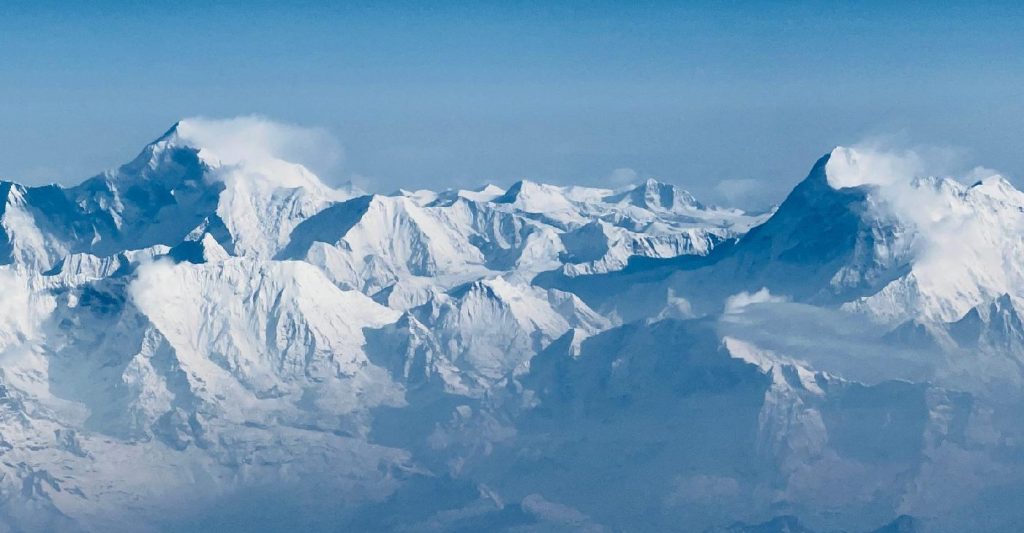
Everest Region: EBC & Gokyo Lakes Trekking Guide in Detail

Everest Region

The Everest Region Trekking Guide starts here—taking you through one of the most awe-inspiring trekking destinations in the world. Home to Mount Everest (8,848 meters), this region offers more than just a glimpse of the highest peak on Earth. It presents a complete Himalayan experience filled with spectacular landscapes, authentic Sherpa culture, and unforgettable trails. Whether you’re aiming for Everest Base Camp or seeking tranquility at the Gokyo Lakes, this guide will help you prepare for your trek with all the essentials.

1. Everest Base Camp Trek: The Ultimate Trekking Adventure

The Everest Base Camp (EBC) Trek is the most popular route in the region, attracting adventurers from around the globe. It’s the heart of any Everest Region Trekking Guide.

Highlights:

  • Flight to Lukla: Begin with an exciting mountain flight from Kathmandu to Lukla.
  • Sherpa Villages: Walk through culturally rich villages like Namche Bazaar and Tengboche.
  • Panoramic Mountain Views: Witness Mount Everest, Lhotse, Ama Dablam, and more.
  • Everest Base Camp (5,364m): Stand at the foot of the world’s tallest mountain.
  • Tengboche Monastery: A serene spiritual stop with views of Everest.

Best for: Experienced trekkers and adventure lovers looking to stand face-to-face with Everest.

2. Gokyo Lakes Trek: A Peaceful Alternative

The Gokyo Lakes Trek is a quieter and equally scenic journey within the Everest Region.

Highlights:

  • Gokyo Ri (5,357m): Offers one of the best panoramic views of Mount Everest.
  • Turquoise Lakes: Explore the stunning glacial Gokyo Lakes.
  • Less Crowded Trails: A peaceful trail with fewer trekkers.

Best for: Nature lovers and those seeking a less crowded alternative to EBC.

3. When to Trek in the Everest Region

The best times for trekking in the Everest Region are:

  • Spring (March to May): Blooming rhododendrons and stable weather.
  • Autumn (September to November): Clear skies and excellent visibility.

Avoid monsoon (June–August) due to heavy rain, and winter (December–February) unless you’re prepared for extreme cold.

4. Trekking Challenges & Altitude Sickness

The Everest Region Trekking Guide wouldn’t be complete without addressing the challenges:

  • Difficulty: Moderate to difficult, depending on the route.
  • Altitude Sickness: Acclimatization is key. Symptoms include headaches, nausea, and fatigue. Stay hydrated, ascend slowly, and take rest days.

Our experienced guides are trained to monitor altitude-related symptoms and keep you safe throughout the journey.

5. Teahouse Experience & Local Cuisine

Trekking in the Everest Region means staying in teahouses—simple lodges run by locals offering basic amenities, hearty meals, and a warm place to rest. Popular dishes include:

  • Dal Bhat (lentils, rice, and vegetables)
  • Momos (dumplings)
  • Sherpa stew

This adds cultural immersion to your trekking experience.

6. Permits and Essentials

To trek in the Everest Region, you need:

  • Sagarmatha National Park Entry Permit
  • TIMS Card (Trekkers’ Information Management System)

These are arranged by your trekking company or can be acquired in Kathmandu.

7. Why Choose Himalayan Circuit for Your Everest Trek

At Himalayan Circuit, we specialize in personalized treks across Nepal, including expert-crafted Everest Region trekking itineraries. Here’s what we offer:

  • Tailored routes for EBC, Gokyo, and more
  • Acclimatization-focused planning
  • Experienced, licensed guides and porters
  • Easy permit support
  • Comfortable and authentic teahouse stays

Plan Your Everest Region Trekking Adventure Today

Whether you’re planning your first trek or your next great Himalayan journey, this Everest Region Trekking Guide gives you the foundation to get started. Reach out to Himalayan Circuit to start crafting your unforgettable Everest adventure.

Nepal Diary: 10-Day Mountains, Culture & Wildlife

10 Day Nepal Itinerary

Nepal is a country of incredible natural beauty, rich history, and diverse culture. From the bustling streets of Kathmandu to the serene landscapes of Bandipur, this 10-day Nepal itinerary is perfect for those seeking a mix of cultural exploration, wildlife adventures, and stunning mountain views.

This 10-day Nepal itinerary includes: Kathmandu, Chitwan, Bandipur, Nagarkot, and Bhaktapur

Day 1-2: Kathmandu – Explore the Cultural Heart of Nepal

Start your journey in Kathmandu, the vibrant capital of Nepal. Known for its ancient temples and historical sites, Kathmandu offers a unique blend of culture and spirituality.

  • Pashupatinath Temple: A UNESCO World Heritage Site, this sacred Hindu temple is one of the most important pilgrimage sites in Nepal. Don’t miss the evening aarti (ritual) by the Bagmati River.
  • Swayambhunath (Monkey Temple): Offering panoramic views of Kathmandu Valley, this ancient stupa is a must-visit. It’s a great spot to see the city and interact with playful monkeys.
  • Boudhanath Stupa: Another UNESCO-listed site, Boudhanath is one of the largest stupas in Nepal. Here, you can witness Tibetan Buddhist rituals and enjoy a peaceful atmosphere.

Tip: Explore the bustling streets of Thamel for souvenirs, local food, and a taste of Kathmandu’s nightlife.

Day 3-5: Chitwan National Park – Wildlife Safari Adventure

Next, travel to Chitwan National Park (5-6 hours by car), one of the best places in Nepal for wildlife experiences. The park is home to rare animals like the one-horned rhinoceros, Bengal tigers, and exotic birds.

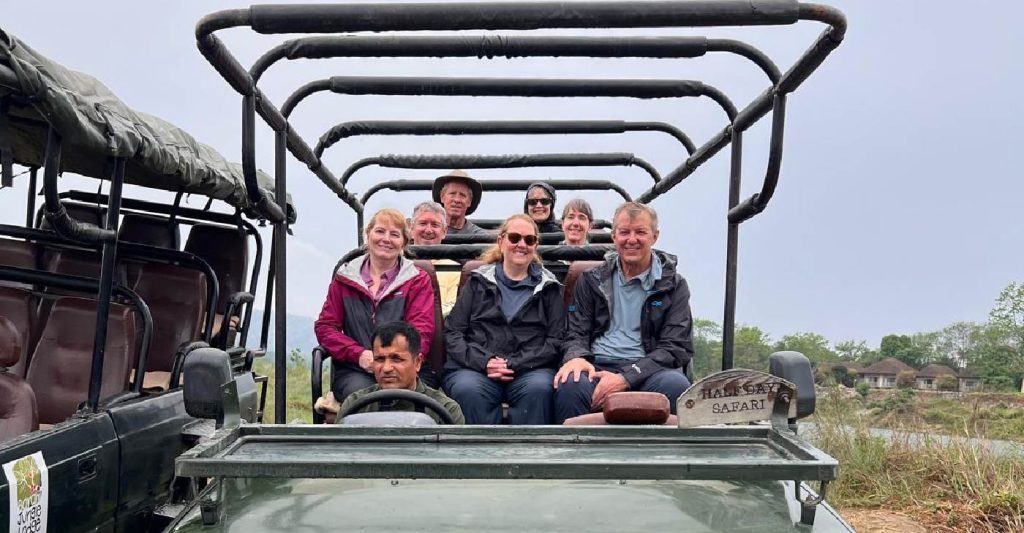
  • Jeep Safari: Go on a thrilling jeep safari through the jungle, where you might spot rhinos, tigers, and elephants.
  • Canoe Ride: Paddle along the Rapti River and spot crocodiles, birds, and lush greenery.
  • Tharu Village Visit: Explore a local Tharu village to learn about the culture and lifestyle of this indigenous group.

Tip: Stay in a jungle lodge for an authentic experience, and enjoy local Tharu dances in the evening.

Day 6-7: Bandipur – Peaceful Hilltop Retreat

From Chitwan, take a scenic drive to Bandipur, a charming hilltop village known for its traditional Newar culture and stunning mountain views. It’s a great place to relax and enjoy the beauty of the Himalayas.

  • Village Walks: Wander through the cobblestone streets and enjoy the traditional architecture of Bandipur. Visit local temples and enjoy the peaceful surroundings.
  • Hiking: Take a short hike to Tundikhel for panoramic views of the Annapurna and Manaslu ranges.
  • Relax: Enjoy a cup of local tea while admiring the beautiful landscape.

Tip: If you’re into caves, make sure to visit Siddha Cave, one of the largest caves in Nepal.

Day 8: Nagarkot – Stunning Himalayan Sunrise

After Bandipur, head to Nagarkot (4-5 hours by car), famous for its sunrise and sunset views of the Himalayas.

  • Sunrise Viewpoint: Wake up early for a spectacular sunrise view of Mount Everest and the surrounding peaks.
  • Hiking and Relaxation: Enjoy a nature walk or simply relax and take in the breathtaking mountain scenery.

Tip: Stay in a mountain resort for the best views of the Himalayas.

Day 9: Bhaktapur or Panauti & Namo Buddha – Cultural Exploration

On Day 9, you have two options for cultural exploration:

  • Option 1: Bhaktapur
    Visit Bhaktapur Durbar Square, a UNESCO World Heritage Site known for its stunning palaces, temples, and traditional Newar architecture. Don’t forget to try juju dhau (king curd), a local delicacy.
  • Option 2: Panauti & Namo Buddha
    Panauti is a charming town filled with ancient temples. Continue to Namo Buddha, a sacred Buddhist site offering peace and fantastic views of the mountains.

Day 10: Departure – Last Day in Kathmandu

On your final day, relax in Kathmandu before your departure.

  • Visit Durbar Square for a last look at Kathmandu’s royal history.
  • Stroll through the Garden of Dreams, a peaceful spot to unwind.

Tip: Shop for souvenirs in Thamel or relax in a café before heading to the airport.

Travel Tips for Nepal:

  • Weather: The weather varies across Nepal. Kathmandu and Chitwan are warm, while Bandipur and Nagarkot are cooler, especially in the mornings and evenings.
  • Local Currency: Nepalese Rupee (NPR). Carry cash as some rural areas may not have ATMs.
  • Health & Safety: Travel insurance is recommended. Carry basic medications for stomach issues or altitude sickness.
  • Cultural Respect: Always dress modestly, especially when visiting temples or sacred sites.

This 10-day Nepal itinerary offers a perfect blend of culture, wildlife, and natural beauty. From the ancient temples of Kathmandu to the peaceful mountains of Bandipur and Nagarkot, and the wildlife adventures in Chitwan, Nepal is a country full of unforgettable experiences.

Ready to explore Nepal? Plan your trip with this detailed itinerary and create memories that will last a lifetime!


Nepal Travel Guide: Using eSIM for Trekking and Travel

eSIM in Nepal

Whether you’re dreaming of conquering the trails to Everest Base Camp, exploring the ancient wonders of Kathmandu, or immersing yourself in the serene beauty of the Annapurna Circuit and even the lesser-known landscapes of Langtang, staying connected is no longer a hassle. Forget the inconvenience of physical SIM cards! With the rise of eSIM for Nepal, travelers can now enjoy seamless connectivity from the moment they arrive. This ultimate guide will walk you through the best international eSIM providers and data plans to keep you online throughout your Nepalese journey.

What is an eSIM and Why is it a Game-Changer for Travelers?

An eSIM (embedded SIM) is a digital SIM card built directly into your phone. It allows you to activate a mobile data plan from a provider without needing a physical SIM card. This means you can easily purchase and set up your connectivity before you even set foot in Nepal. Once activated, you can use mobile data, make calls (depending on the plan), and send texts as needed. Most modern smartphones, including iPhone (XR and later), Google Pixel (3 and later), and many Android devices, are eSIM-enabled phones.

For international travelers heading to Nepal, eSIM technology is truly revolutionary. Imagine landing in Kathmandu and instantly having access to the internet to navigate, contact your accommodation, or share your arrival – all thanks to a pre-purchased eSIM for travelers in Nepal.

Why Choose an eSIM for Your Nepal Adventure?

Nepal’s diverse landscapes, from the bustling capital to remote trekking routes, demand reliable communication. Whether you need to navigate unfamiliar streets in Kathmandu, stay in touch with loved ones while trekking the Annapurna Circuit, or share breathtaking views from your Everest Base Camp trek, a stable internet connection is invaluable.

Here’s why using an eSIM in Nepal is the perfect choice:

  • Unparalleled Convenience: Activate your eSIM plan digitally before you even depart for Nepal. No more searching for local SIM cards at the airport or dealing with language barriers.
  • Cost-Effective Connectivity: International eSIM providers often offer significantly more competitive rates compared to traditional roaming charges, saving you money while you explore Nepal.
  • Ultimate Flexibility: Choose from a wide range of  data plans tailored to your specific travel duration and data needs, whether it’s a short city visit or an extended trek through Langtang.
  • Reliable and Seamless Connectivity: eSIMs connect to local networks like Nepal Telecom (NTC) and Ncell, providing robust coverage in both urban and many rural areas, ensuring seamless connectivity in Nepal.

Top Global eSIM Providers for Your Trip to Nepal

Choosing the right international eSIM provider is crucial for a smooth and connected trip. Here are some of the leading global eSIM solutions offering services in Nepal:

  • Airalo eSIM: A popular choice known for its user-friendly app and a wide variety of Nepal eSIM plans catering to different data needs and trip lengths. Airalo offers affordable options and easy management.
  • GigSky eSIM: Another excellent provider with a broad selection of affordable eSIM data plans covering Nepal extensively, including popular trekking regions. GigSky provides easy activation via their app and QR code.
  • Truphone eSIM: Renowned for its reliable international eSIM servicesTruphone ensures seamless connectivity throughout your travels in Nepal with their easy-to-activate eSIM data plans.
  • World Mobile eSIM: Ideal for travelers seeking generous data allowances, World Mobile offers global eSIM solutions with coverage in Nepal, providing a worry-free roaming experience.
  • Holafly eSIM: Praised for high customer satisfaction, Holafly offers global eSIM solutions with affordable data plans specifically for Nepal, ensuring reliable service throughout your adventure.
  • Nomad eSIM: Introduced by LotusFlare, Nomad eSIM simplifies mobile connectivity for international travelers to Nepal, offering easy activation and competitively priced eSIM plans.
  • Roamless eSIM: Specializing in eSIM services for global travelersRoamless guarantees uninterrupted mobile data access, whether you’re in Kathmandu or trekking in the Himalayas, ensuring an easy and stress-free experience with their Nepal eSIM.

How to Effortlessly Activate Your eSIM in Nepal

Setting up your eSIM for your Nepal trip is a straightforward process:

  1. Choose Your Provider: Select one of the reputable international eSIM providers that offer coverage in Nepal (e.g., AiraloGigSkyTruphoneWorld MobileHolaflyNomad eSIMRoamless).
  2. Purchase Your Plan: Visit the provider’s website or app to choose and purchase the eSIM data plan that best suits your travel needs and duration in Nepal.
  3. Activate Your eSIM: Upon purchase, you will typically receive a QR code and detailed instructions. Scan the QR code with your eSIM-enabled phone and follow the steps to activate your plan. This usually needs to be done when you have a stable internet connection (before or upon arrival at your accommodation in Nepal).
  4. Enjoy Seamless Connectivity: Once activated, your eSIM will automatically connect to a local network in Nepal, providing you with mobile data for navigation, communication, and sharing your incredible experiences.

Stay Connected and Explore Nepal with Ease

eSIM technology has truly transformed the way international travelers stay connected, making it the perfect solution for your Nepalese adventure. Whether you’re embarking on a challenging trek to Everest Base Camp, exploring the cultural heart of Kathmandu, discovering the stunning landscapes of the Annapurna Circuit, or venturing into the serene beauty of Langtang, an eSIM ensures you have reliable mobile coverage. Choose from leading global eSIM providers like AiraloGigSkyTruphoneWorld MobileHolaflyNomad eSIM, and Roamless, and enjoy the convenience of seamless connectivity in Nepal from the moment you arrive.


Annapurna Region: Astam Eco Village in Annapurna Foothills

Astam Eco Village

Looking for a peaceful escape from the noise and crowds of the city but don’t have time for a long trek? Astam Eco Village is the perfect destination! Nestled at the base of the Annapurna Himalayas, this eco-village offers breathtaking views of the mountains without the need for an exhausting trek. It’s ideal for anyone seeking tranquility, an authentic Nepali village experience, and a chance to learn about sustainable farming.

Highlights of the Astam Eco Village Trek

Incredible 360-Degree Views

Astam Eco Village offers some of the best panoramic views of the Annapurna range. From here, you can see the iconic Machhapuchhre (Fishtail) Mountain and the entire Annapurna range. Whether you’re watching the sunrise over Annapurna or the sunset behind Fishtail, the scenery is absolutely stunning.

The Shortest and Easiest Trek Near Pokhara

If you’re short on time but still want to experience the beauty of the Annapurna region, Astam Eco Village is the perfect trek for you. This short, easy hike takes only a few hours and offers incredible mountain views. It’s one of the best short treks near Pokhara, perfect for those looking for a quick adventure.

Experience Traditional Nepali Village Life

Astam Eco Village is a great place to immerse yourself in traditional Nepali village life. As you explore the village, you’ll see how locals live and work in harmony with nature. The village follows sustainable farming practices, making it an excellent example of eco-friendly living. You’ll get a glimpse into rural life and understand the importance of sustainability in the Annapurna region.

Sustainable Farming and Alternative Resource Use

Astam is committed to sustainability. The village uses organic farming methods to grow food and has adopted alternative resources to protect the environment. If you’re interested in eco-tourism in Nepal, Astam is a must-visit. It’s a great place to learn about how communities work with nature to maintain a sustainable lifestyle.

Enjoy Organic Food

After your trek, enjoy a delicious organic lunch made with fresh, local produce grown in the village. You’ll taste the best of Nepali farm-to-table cuisine while connecting with the village’s sustainable farming practices.

Learn About Village Farming Life

Farming is at the heart of life in Astam Eco Village. During your visit, you can observe or even participate in various farming activities. The community grows rice, maize, and other crops using organic methods. Learn about their agricultural practices that protect the environment and ensure the health of the land for future generations.

Beautiful Sunrise and Sunset Views

The sunrise and sunset views from Astam Eco Village are some of the best in the region. The sunlight hitting the peaks of the Annapurna range and Machhapuchhre creates a magical atmosphere. Whether you wake up early for the sunrise or return in time for the sunset, you’re guaranteed a breathtaking experience.

Why Choose Astam Eco Village?

Astam Eco Village is perfect for those who want to explore the Annapurna region but don’t have time for a long trek. It’s an eco-friendly village where you can enjoy stunning views of the Annapurna Himalayas, learn about sustainable farming, and experience traditional Nepali village life. Whether you’re a nature lover, an eco-tourist, or simply looking for a relaxing day trip, Astam has something to offer.

What You Need to Know

  • Best Time to Visit: The ideal time to visit Astam Eco Village is in the spring (March–May) and autumn (September–November), when the weather is clear and the views are best.
  • Difficulty: Easy. This is a gentle hike suitable for all fitness levels. Perfect for beginners or anyone looking for a short trek.
  • What to Bring: Comfortable shoes, sunscreen, a hat, a water bottle, and a camera. If you plan to stay overnight, bring a light sleeping bag and extra clothing.
  • Cost: The trek is free, but you’ll spend money on meals and possibly accommodation in the village.

If you’re looking for a short, easy trek to experience the beauty of the Annapurna region, Astam Eco Village is the place to be. With incredible sunrise and sunset views, a glimpse into sustainable farming, and an authentic Nepali village experience, this trek offers all the rewards without the challenges of a long hike.

Astam Eco Village is a perfect blend of nature, culture, and sustainability. It’s one of the best Nepal hiking destinations for those who are short on time but want to experience the beauty of the Annapurna foothills.

So, pack your bags, put on your hiking shoes, and get ready for a peaceful and rewarding adventure at Astam Eco Village—one of the most serene and scenic places near Pokhara!

Festivals & Culture: Ghode Jatra Festival Celebration in Kathmandu

Ghode Jatra in Nepal

Ghode Jatra, also known as the Horse Festival, is one of the most vibrant and exciting traditional festivals in Nepal. Celebrated annually in the Kathmandu Valley, it falls on the full moon day of Chaitra (March/April). The festival is a blend of culture, history, and thrilling horse races, making it a major event for both locals and visitors.

The Legend Behind Ghode Jatra

Ghode Jatra has deep historical and mythical roots. According to legend, a demon once terrorized the Kathmandu Valley, particularly the area where Tundikhel ground is now located. To defeat this menace, the Malla kings organized a grand horse race, believing that the sound of galloping horses would drive the demon away. The tradition continues to this day, with the festival symbolizing victory over evil.

How is Ghode Jatra Celebrated?

The Nepal Army and Police organize the festival’s main event at Tundikhel, where a grand horse parade and races take place. Skilled riders display their impressive horsemanship, performing daring stunts and acrobatic feats. The festival also features masked dances, cultural performances, and sporting events. Local communities actively participate, adding to the festive atmosphere with music, dance, and traditional feasts.

The Significance of Ghode Jatra

Ghode Jatra is more than just an entertaining spectacle—it is a symbol of unity and cultural pride. The festival brings together people from different backgrounds, strengthening community bonds. It also reflects Nepal’s deep connection with its history, keeping ancient traditions alive in the modern era.

Experience Horse Riding in Nepal

For those inspired by Ghode Jatra, Nepal offers incredible horse-riding opportunities. Guided tours allow visitors to explore stunning landscapes while experiencing the country’s rich culture. Popular horse-riding destinations include:

1. Annapurna Circuit

One of Nepal’s most scenic routes, the Annapurna Circuit offers breathtaking mountain views, lush forests, and traditional villages. Riding through these landscapes provides a unique and immersive experience.

2. Langtang Valley

Located near Kathmandu, Langtang National Park is an excellent destination for horse riding. With diverse flora and fauna, stunning mountain views, and rich Tamang culture, this trail is a favorite among nature lovers.

3. Manaslu Circuit

This remote trail takes riders through picturesque villages, dense forests, and high-altitude passes. The Manaslu region offers an off-the-beaten-path adventure for those seeking tranquility and cultural immersion.

4. Pokhara

Known for its serene lakes and breathtaking mountain views, Pokhara is a popular tourist destination. Horse-riding tours around Phewa Lake and the surrounding hills provide a peaceful yet adventurous escape.

5. Chitwan National Park

For wildlife enthusiasts, Chitwan National Park offers an exciting way to explore the jungle on horseback. Riders can witness diverse wildlife, including rhinos, elephants, and even tigers in their natural habitat.

Ghode Jatra is a must-see festival that showcases Nepal’s rich traditions, history, and cultural vibrancy. Whether you witness the thrilling horse races in Kathmandu or embark on a horse-riding adventure across Nepal’s diverse landscapes, the spirit of Ghode Jatra lives on in every hoofbeat. Plan your trip this March and experience the magic of Nepal with the Himalayan Circuit!


Wildlife & Nature: Exploring Red Panda Habitats and Spots in Nepal

Red Panda tour in Nepal

Nepal is a wildlife enthusiast’s paradise, and one of its most captivating and elusive residents is the red panda. Known for its charming appearance and secretive nature, this rare creature is a true treasure for those lucky enough to encounter it. While the red panda is notoriously difficult to spot in the wild, Nepal offers several exceptional locations where you can embark on thrilling adventures to catch a glimpse of this fascinating animal in its natural habitat. With the expert guidance of Himalayan Circuit, you can explore these red panda hotspots while trekking through some of the world’s most breath-taking landscapes.

In this guide, we’ll introduce you to Nepal’s top red panda destinations and why they should be at the top of your wildlife bucket list.

1. Kanchenjunga Conservation Area

Location: Eastern Nepal, Bordering Sikkim (India)
Why It’s Special: Kanchenjunga, the third-highest mountain in the world, offers more than just incredible mountain views. The surrounding conservation area is a prime habitat for red pandas, boasting diverse ecosystems ranging from subtropical forests to alpine meadows at 2,500–4,000 meters above sea level.

What to Expect: Trekking through Kanchenjunga is a unique blend of awe-inspiring mountain scenery and exceptional wildlife encounters. Along the trail, you’ll pass through bamboo groves and rhododendron forests, all while keeping an eye out for red pandas. Other wildlife in the region includes Himalayan tahr, snow leopards, and various species of pheasants. The area’s remoteness ensures a peaceful and immersive trekking experience.

Best Time to Visit: Spring and autumn offer clear weather and optimal wildlife sightings.

2. Makalu Barun National Park

Location: Eastern Nepal, Near China
Why It’s Special: Makalu Barun is one of Nepal’s least explored parks, and its rugged, remote terrain makes it a sanctuary for wildlife, including the red panda. The park is home to an impressive variety of species, thanks to its wide range of habitats—from tropical forests to alpine meadows.

What to Expect: This national park is perfect for adventurous trekkers seeking solitude and biodiversity. The landscape is challenging but rewarding, with steep trails offering breathtaking views of the Himalayas. Along with red pandas, you may encounter clouded leopards, various bird species, and rare plants. The park’s untouched beauty ensures a truly wild experience.

Best Time to Visit: Spring and autumn provide the best trekking conditions and wildlife sightings.

3. Ilam

Location: Eastern Nepal, Near India
Why It’s Special: Ilam is famous for its cool climate, lush tea gardens, and the surrounding forests of Panchthar and Taplejung, which provide an ideal habitat for red pandas. It’s also one of the more accessible destinations for spotting red pandas in Nepal.

What to Expect: Ilam offers a moderate trek through scenic tea estates and charming villages. Along the way, you might spot red pandas in the surrounding forests, known for their cooler temperatures and dense foliage. In addition to red pandas, this area is rich in local culture, offering a perfect blend of nature and tradition.

Best Time to Visit: Winter and early spring offer cooler temperatures, which help improve wildlife sightings.

4. Koshi Tappu Wildlife Reserve

Location: Eastern Nepal, Near the Saptakoshi River
Why It’s Special: While primarily known for birdwatching, Koshi Tappu is also home to a small population of red pandas. This diverse wildlife reserve features subtropical forests, wetlands, and grasslands, creating an ecosystem rich in biodiversity.

What to Expect: Koshi Tappu offers a mix of birdwatching and wildlife spotting, with opportunities to see red pandas in their natural habitat. The wetlands are teeming with waterfowl, wild buffalo, and other wildlife, providing photographers and nature lovers with ample opportunities to capture stunning images.

Best Time to Visit: Winter is the best time for a more peaceful wildlife experience, with fewer tourists around.

5. Rara National Park

Location: Mid-Western Nepal
Why It’s Special: Rara National Park is one of the most tranquil and remote parks in Nepal, home to the stunning Rara Lake and pristine alpine landscapes. The park also supports a small population of red pandas, especially during the winter months, making it a hidden gem for wildlife enthusiasts.

What to Expect: The park offers a serene trekking experience through dense forests, offering breathtaking views of snow-capped mountains and alpine lakes. The calm surroundings and unspoiled beauty of Rara create an ideal setting for those hoping to catch a glimpse of the elusive red panda.

Best Time to Visit: Winter provides the best chance for red panda sightings, along with a peaceful trekking experience.

6. Balephi Valley

Location: Central Nepal, Foothills of the Himalayas
Why It’s Special: Balephi Valley is a less-visited destination, offering an off-the-beaten-path trekking experience. The valley’s bamboo and oak forests provide the perfect environment for red pandas to thrive, and its peaceful atmosphere makes it a great place for wildlife watching.

What to Expect: Trek through lush forests and quaint villages, where you might spot red pandas in their natural habitat. Balephi Valley’s quiet charm, combined with its rich biodiversity, makes it a special location for those seeking a more intimate wildlife experience.

Best Time to Visit: Spring and autumn offer optimal trekking conditions and wildlife sightings.

7. Dolpa

Location: Mid-Western Nepal
Why It’s Special: Dolpa is one of Nepal’s most remote regions, known for its Tibetan culture, pristine landscapes, and wild terrain. The forests around Phoksundo Lake are home to red pandas, making this a unique spot for wildlife lovers looking for adventure.

What to Expect: The rugged terrain and high-altitude lakes make Dolpa a challenging but rewarding trekking destination. Along with red pandas, trekkers can enjoy views of alpine lakes, Tibetan monasteries, and mountain passes. The solitude and natural beauty of Dolpa make it a truly unforgettable destination.

Best Time to Visit: Late spring to early autumn offers the best trekking conditions.

Why Choose Himalayan Circuit for Your Red Panda Tour?

The Himalayan Circuit offers expertly crafted itineraries to help you make the most of your red panda adventure in Nepal. With years of experience, their knowledgeable guides are not only well-versed in the local wildlife but also take an eco-conscious approach to trekking, ensuring that your visit is both enriching and responsible. Their tours are designed to be immersive, allowing you to fully experience Nepal’s biodiversity while respecting the environment and local cultures.

A Wildlife Adventure of a Lifetime

Nepal offers some of the best opportunities in the world to spot red pandas in the wild, and with the guidance of the Himalayan Circuit, you can explore the most spectacular landscapes while seeking out this elusive creature. Whether you’re trekking through the high-altitude forests of Kanchenjunga or the peaceful valleys of Rara, the memories you create on this wildlife adventure will stay with you for a lifetime.

Don’t miss your chance to see the red panda in its natural habitat—book your journey today with Himalayan Circuit for an unforgettable wildlife experience in Nepal!

Nepal Diary: Spring Adventure & Rich Culture Journey in Nepal

View of the Mountains in the spring season

Spring in Nepal is a time of vibrant landscapes, pleasant weather, and rich cultural experiences. The hills and valleys burst into color with blooming rhododendrons, while the Himalayas stand tall against crystal-clear skies. Whether you’re an adventurer, a nature lover, or a cultural explorer, spring offers the perfect setting for an unforgettable journey.

The Himalayas in Spring: A Trekker’s Paradise

As winter fades, the Himalayas transform into a breathtaking wonderland. Lush forests, blooming flowers, and gushing rivers create a stunning contrast against the towering snow-capped peaks. This season offers the best trekking conditions—comfortable temperatures, clear views, and stable weather.

Nepal is home to some of the world’s highest and most iconic mountains:

  • Mount Everest (8,848m) – the tallest mountain on Earth.
  • Kangchenjunga (8,586m) – a massive peak on Nepal’s eastern border.
  • Manaslu (8,163m) – a remote and less crowded trekking gem.

Spring is the ideal time to explore famous trekking routes like the Everest Base Camp Trek, Annapurna Circuit, and Manaslu Circuit. The scenery is mesmerizing, and the experience is enriched by encounters with local culture.

Cultural and Spiritual Wonders

Beyond the mountains, Nepal’s cultural heritage shines in spring. Festivals like Holi (the festival of colors) and Bisket Jatra bring energy and joy to the streets. Temples and stupas, such as Swayambhunath (Monkey Temple) and Pashupatinath, offer deep spiritual experiences.

Spring is also a great time to explore heritage sites in Kathmandu, Bhaktapur, and Patan, where ancient architecture and rich history captivate visitors.

Why Visit Nepal in Spring?

  • Mild weather: Ideal for trekking and sightseeing.
  • Stunning scenery: Blooming rhododendrons and panoramic mountain views.
  • Rich culture: Festivals, traditions, and warm hospitality.
  • Adventure opportunities: Trekking, paragliding, rafting, and wildlife safaris.

Plan Your Spring Adventure

Nepal in spring is a land of endless beauty and adventure. Whether you’re hiking in the Himalayas or exploring the cultural gems of Kathmandu, this season promises an experience like no other.

Pack your bags, lace up your boots, and get ready to discover Nepal’s breath taking landscapes and vibrant traditions. Spring is calling—are you ready?

Offbeat Treks: Tsho Rolpa & Dhudhkunda Hidden Trek Adventure

Tsho Rolpa glacial Lake

Are you an adventure seeker craving a unique trekking experience in Nepal? The Tsho Rolpa & Dhudhkunda Trek offers the perfect blend of stunning Himalayan landscapes, high-altitude challenges, and rich cultural immersion. Located in the serene Rolwaling Valley, this trek takes you to pristine glacial lakes and sacred sites revered by the Sherpa communities.

Why Choose the Tsho Rolpa & Dhudhkunda Trek?

For trekkers who enjoy challenging terrain and breathtaking views, this trek is a must-do. Here’s why:

  • Scenic Beauty: From glacial lakes to snow-capped peaks, the views are mesmerizing.
  • Sherpa Culture: Immerse yourself in the spiritual traditions and hospitality of the Sherpa people.
  • Remote & Peaceful: Escape the crowds and find tranquility on Nepal’s quieter paths.

Trek Highlights:

Tsho Rolpa Lake (15,026 ft / 4,580 m)

One of Nepal’s largest and most beautiful glacial lakes, Tsho Rolpa is surrounded by towering peaks and glaciers. Its turquoise waters offer a serene and awe-inspiring sight.

Dhudhkunda Lake (15,419 ft / 4,700 m)

A sacred high-altitude lake revered by Sherpas, Dhudhkunda provides panoramic views of the Himalayas. It’s a deeply spiritual spot that will leave you with lasting memories.

Sherpa Culture & Hospitality

Along the way, you’ll visit ancient Buddhist monasteries, witness Sherpa rituals, and enjoy the warm hospitality of these mountain people.

Day-by-Day Itinerary:

  • Day 1: Arrive in Kathmandu, explore the vibrant Thamel district.
  • Day 2: Visit Kathmandu Durbar Square and prepare for your trek.
  • Day 3: Drive to Charikot, and trek to Simigaon, a peaceful Sherpa village.
  • Day 4: Trek to Dongang (9,157 ft / 2,791 m) through lush forests and villages.
  • Day 5: Continue to Beding (12,107 ft / 3,690 m), the largest village in the Rolwaling Valley.
  • Day 6: Acclimatization day at Beding. Hike to Dolma Khang Base Camp (13,780 ft / 4,200 m).
  • Day 7: Trek to Na Village (13,724 ft / 4,183 m) and continue to the stunning Tsho Rolpa Lake (15,026 ft / 4,580 m).
  • Day 8: Trek to Dhudhkunda Lake (15,419 ft / 4,700 m) with breathtaking views of the Himalayas.
  • Day 9: Trek to Gangorkhola and drive back to Kathmandu.
  • Day 10: Rest in Kathmandu before your return flight home.

Why the Tsho Rolpa & Dhudhkunda Trek is a Must-Do

  1. Stunning Natural Beauty From the sparkling Tsho Rolpa to the majestic Mount Gaurishankar (23,134 ft / 7,134 m), the trek offers incredible scenery, including high-altitude meadows, glaciers, and dense forests.
  2. Sherpa Culture & Spirituality Experience the peace and spiritual energy of Sherpa villages. Visit monasteries, see daily rituals, and enjoy the warmth of the Sherpa people.
  3. Escape the Crowds Unlike the more popular Everest Base Camp or Annapurna Circuit treks, this route offers solitude and the chance to connect deeply with nature.
  4. High-Altitude Challenge With Dhudhkunda Lake at 15,419 feet (4,700 m), this trek offers a true high-altitude adventure. It challenges your endurance while rewarding you with stunning views.

Travel Tips for the Tsho Rolpa & Dhudhkunda Trek

  1. Packing Essentials Make sure to bring sturdy trekking boots, a thermal jacket, water bottles, and a good sleeping bag. Don’t forget your camera for the unforgettable views.
  2. Health & Safety Altitude sickness is a risk, so take it slow and drink plenty of water. Acclimatize properly and follow your guide’s advice to ensure safety.
  3. Best Time to Trek The best months to visit are March-May and September-November. These months offer clear skies, mild temperatures, and ideal trekking conditions.
  4. Local Cuisine Savor traditional Nepali dishes like dal bhat (lentil soup with rice), momos (dumplings), and Sherpa stew to keep your energy up during the trek.

Why the Tsho Rolpa & Dhudhkunda Trek is Unforgettable

The Tsho Rolpa & Dhudhkunda Trek is an adventure that blends challenging high-altitude trekking, peaceful Sherpa culture, and some of the most scenic landscapes in Nepal. Whether you’re drawn to the glacial lakes, the sacred sites, or the stunning Himalayan vistas, this trek will leave you with memories to last a lifetime.

If you’re looking for a trek that offers beauty, challenge, and deep cultural immersion, the Tsho Rolpa & Dhudhkunda Trek should be at the top of your list!

Nepal Diary: Discover Why Himalayan Circuit Unlocks Your Expedition

Himalayan circuit eco friendly bottle


Planning a trip to the Himalayas? Himalayan Circuit offers a professional, reliable, and personalized travel experience that ensures your adventure is unforgettable. Here’s why so many travelers choose us:

1. Experienced Guides and Local Expertise

  • With years of experience in the region, our team knows the Himalayas inside and out. You’ll be guided by local experts who understand the culture, terrain, and safety requirements, making your trip smooth and enjoyable.

2. Customizable Trips

  • Whether you’re looking for a challenging trek, a cultural experience, or a luxurious retreat, we offer tailor-made itineraries to suit your interests and fitness level. Your trip is designed just for you!

3. Sustainable and Responsible Travel

  • We care about the environment and local communities. By traveling with us, you’re supporting eco-friendly tourism and helping to preserve the natural beauty and culture of the Himalayas.

4. Wide Range of Destinations

  • From Nepal, Bhutan to India and Tibet, we offer a variety of destinations across the Himalayas. Whether you want to trek to Everest Base Camp or explore Bhutan’s temples, we’ve got the perfect trip for you.

5. Personalized Customer Service

  • From your first inquiry to the end of your trip, our team is always here to assist. We ensure you have all the information and support you need, making the whole process easy and stress-free.

6. All-Inclusive Packages

  • Many of our packages include everything you need: transportation, accommodation, meals, and permits. This means no hidden fees or surprises – just a smooth, hassle-free experience.

7. Safety and Comfort

  • Your safety is our top priority. We follow strict safety protocols and offer comfortable accommodations throughout your trip. Whether you’re trekking or relaxing, we ensure your well-being at every step.

8. Small Group Tours

  • We keep group sizes small so you can enjoy a more personalized experience. You’ll get to know your guide and fellow travelers better, and have more flexibility during the trip.

9. Cultural Immersion

  • Experience the rich culture of the Himalayas firsthand. From visiting ancient monasteries to meeting local people, we give you a chance to connect deeply with the places you visit.

10. Great Value for Money

  • We offer competitive pricing for high-quality services. You’ll enjoy an amazing Himalayan experience without breaking the bank.

Ready to Book Your Himalayan Adventure?

Take the first step toward an unforgettable journey. Whether you’re planning a trek or cultural tour, Himalayan Circuit has the perfect experience waiting for you. Contact us today to start planning your dream trip to the Himalayas!

Nepal Diary: Best Things To Do in Nepal – A Complete Guide

Best things to do in Nepal/ trekking

Nepal is a must- visit destination for travelers seeking stunning mountain landscapes, rich cultural heritage, and thrilling adventures. Whether you’re interested in trekking in Nepal, exploring wildlife, or learning about local culture, Nepal offers a wide variety of experiences. At Himalayan Circuit, we specialize in creating custom tours in Nepal that showcase the best of this incredible country. Here’s why Nepal should be at the top of your travel bucket list.

1. Trekking in Nepal: Explore the Heart of the Himalayas

Nepal is famous for its trekking trails, which attract adventurers from all over the world. Some of the best treks in the world can be found here, offering stunning views of the Himalayas and remote villages. From the Everest Base Camp trek to the Annapurna Circuit, there’s something for every kind of traveler.

  • Everest Base Camp Trek: The Everest Base Camp trek is one of the most popular treks in the world. It takes you to the base of Mount Everest, the tallest mountain on Earth. This trek is perfect for those seeking an unforgettable adventure through Sherpa villages and Buddhist monasteries, all with incredible views of Everest.
  • Annapurna Circuit Trek: Known for its diverse landscapes, the Annapurna Circuit trek offers stunning mountain views, scenic valleys, and picturesque villages. This trek is perfect for those who want to experience the beauty of the Annapurna Range and enjoy a multi-day adventure through different terrains.
  • Langtang Valley Trek: If you’re looking for a quieter trek with breathtaking views, the Langtang Valley trek is a hidden gem. This trek offers beautiful views of snow-capped peaks, glaciers, and alpine meadows, making it a great alternative to the more crowded routes.

2. Nature and Wildlife in Nepal: A Paradise for Nature Lovers

Nepal’s diverse landscapes include everything from lush jungles to high-altitude meadows. The country is home to a variety of wildlife, including the endangered Bengal tiger, one-horned rhinoceros, and many rare bird species. The Chitwan National Park and Bardia National Park are some of the best places to visit for wildlife safaris.

  • Chitwan National Park: Located in Nepal’s Terai region, Chitwan National Park is a UNESCO World Heritage Site and one of the best places for a wildlife safari. You can explore the park on an elephant ride, jeep safari, or even a boat ride along the Rapti River to spot rhinos, tigers, and other wildlife.
  • Bardia National Park: For a more off-the-beaten-path experience, Bardia National Park is an excellent choice. It’s less crowded than Chitwan, offering a peaceful and immersive wildlife experience. The park is home to elephants, tigers, and rhinos, making it a paradise for nature lovers.

3. Nepal’s Rich Culture: Explore Ancient Temples and Festivals

Nepal’s culture is deeply influenced by Hinduism and Buddhism. The country is filled with UNESCO World Heritage Sites, including ancient temples, stupas, and palaces. The city of Kathmandu is the cultural heart of Nepal, where you can experience traditional festivals, dance, and cuisine.

  • Kathmandu Valley: The Kathmandu Valley is a cultural hub with historical sites like Swayambhunath Stupa (Monkey Temple), Pashupatinath Temple, and Durbar Square. This area is rich in history, offering visitors a chance to explore centuries-old temples and shrines.
  • Pokhara: Known for its natural beauty, Pokhara is also a great place to experience Nepal’s cultural festivals. Tihar and Dashain are celebrated with colorful processions, traditional dances, and family gatherings. Pokhara is also the gateway to the Annapurna region, making it the perfect place to relax after a trek.

4. Adventure Activities in Nepal: Thrills for Every Traveler

Nepal offers more than just trekking. If you’re an adventure enthusiast, Nepal is the perfect place to try activities like paragliding, white-water rafting, and mountain biking. These activities allow you to experience Nepal’s landscapes from unique perspectives.

  • Paragliding in Pokhara: If you want to see Nepal from the sky, paragliding over Pokhara offers breathtaking views of the Annapurna Range and Phewa Lake. It’s one of the most popular adventure activities in Nepal, giving you a bird’s-eye view of the stunning landscape.
  • White-water Rafting in Nepal: Nepal’s fast-flowing rivers, like the Trishuli River and the Bhote Koshi River, are perfect for white-water rafting. Whether you’re a beginner or an experienced rafter, these rivers offer exciting rapids and amazing scenery.
  • Mountain Biking: For those who love cycling, Nepal has some of the best mountain biking trails. Kathmandu Valley, Pokhara, and the Annapurna region all offer diverse routes for mountain bikers of all levels.

5. Spiritual Sites in Nepal: Connect with Peace and Tranquility

Nepal is a spiritual destination for many travelers. The country is home to several sacred sites for Hindus and Buddhists, offering a peaceful retreat from the hustle and bustle of daily life.

  • Lumbini: Lumbini is the birthplace of Buddha, making it a must-visit spiritual destination. The Maya Devi Temple and the Sacred Garden are perfect places for reflection and peace.
  • Muktinath: Situated in the Annapurna region, Muktinath Temple is sacred to both Hindus and Buddhists. The temple is located at the foot of the Himalayas, and the views are simply stunning.

Your Custom Nepal Adventure

At HimalayanCircuit, we specialize in crafting custom Nepal tours that suit your unique interests. Whether you’re looking to explore Nepal’s culture, embark on an epic trekking adventure, or discover the beauty of Nepal’s wildlife, we’ll design an itinerary just for you. Our expert guides, local knowledge, and commitment to responsible tourism ensure that your Nepal adventure will be memorable.

Why Visit Nepal?

Nepal offers so much more than mountains. From the majestic Himalayas to the peaceful jungles of Chitwan, Nepal is a land of adventure, beauty, and culture. At Himalayan Circuit, we are ready to help you explore the best of Nepal with a personalized tour that fits your travel style. Start planning your adventure today and make your dream trip to Nepal come true!

Nepal Diary: Frequently Asked Questions for Traveling in Nepal

FAQs about traveling to Nepal

Planning a trip to Nepal? At Himalayan Circuit, we are dedicated to making your journey unforgettable. Whether you’re visiting for the first time or returning for more adventure, we’ve put together a list of frequently asked questions (FAQs) about traveling to Nepal to help you prepare. This guide covers everything from visa requirements to travel tips, ensuring your trip to Nepal goes smoothly.

1. Do I need a visa to visit Nepal?

Yes, most international travelers need a tourist visa to visit Nepal. You can obtain a 15-day visa for $30 USD (or the equivalent in Nepali Rupees) upon arrival at Tribhuvan International Airport in Kathmandu or at land border entry points. You can also apply for an eVisa online before your trip via the Nepal eVisa website. Visa extensions are available if you wish to stay longer.

2. When is the best time to travel to Nepal?

Best Time to Visit Nepal: A Quick Guide

The best time to visit Nepal is during autumn (September to November) and spring (March to May). These seasons offer clear skies, mild temperatures, and excellent conditions for trekking, sightseeing, and outdoor adventures.

Autumn (September to November)

Autumn provides crisp weather, fresh trails, and stunning Himalayan views, making it ideal for trekking. It’s also the season for major festivals like Dashain and Tihar, adding a cultural touch to your visit.

Spring (March to May)

Spring brings warmer temperatures and blooming rhododendron forests, perfect for trekking and exploring Nepal’s natural beauty. It’s also the best time for clear views of the Himalayas.

Winter (December to February)

Winter can be cold, especially in higher altitudes, but it’s still great for lower-altitude treks and cultural tours in places like Kathmandu and Pokhara.

Monsoon (June to August)

The monsoon season brings heavy rains, making trekking challenging. However, if you’re focused on cultural sightseeing, the lush landscapes can still be beautiful.

3. What vaccinations do I need before traveling to Nepal?

Vaccinations are recommended for travelers heading to Nepal. Common vaccines include:

  • Routine vaccines: MMR, DTaP, Polio, Flu.
  • Travel-related vaccines: Hepatitis A, Hepatitis B, Typhoid, and Malaria (if visiting high-risk areas). It’s important to visit your healthcare provider 4-6 weeks before your trip. For more information on vaccinations, check out the CDC Travel Health page.

4. What currency is used in Nepal, and how can I exchange money?

The official currency in Nepal is the Nepalese Rupee (NPR), denoted as NRs. Notes are available in denominations of 5, 10, 20, 50, 100, 500, and 1000 rupees, while coins are available in 1, 2, and 5 rupees. While US dollars are accepted in major tourist areas, it’s recommended to use local currency for everyday purchases.

How to Exchange Money in Nepal

You can exchange foreign currency at banks, money exchange offices, or ATMs in cities like Kathmandu, Pokhara, and Chitwan. For the most accurate rates, visit Nepal Rastra Bank or reliable exchange counters.

Using Credit Cards in Nepal

In Kathmandu and other major cities, you can use credit cards (Visa, MasterCard, American Express) at many tourist spots, but cash is preferred in rural areas and remote villages. Always carry enough cash for your trip.

ATMs in Nepal

ATMs are available in larger cities, and most charge a fee (around 500 NPR) for foreign card withdrawals. ATM access is limited in remote areas, so it’s best to withdraw enough cash before heading out.

Cash on Trekking Routes

If you’re trekking in Nepal, cash is king. While some popular trekking routes may have ATMs, they are limited, and fees are high. Carry enough Nepalese Rupees to cover your entire trek.

For up-to-date exchange rates, visit Nepal Rastra Bank.

5. Is Nepal a safe destination for tourists?

Yes, Nepal is generally a safe destination for travelers. The country is peaceful, and the locals are welcoming. However, like any travel destination, it’s important to remain cautious, especially in unfamiliar areas.

Safety Tips for Traveling in Nepal:

  1. Be Mindful of the Monsoon Season
    Mudslides and rockslides are common during the monsoon (June to August), especially in remote regions. Check the weather before trekking.
  2. Stay Safe in Crowded Areas
    Petty theft can occur in busy tourist spots. Keep your belongings secure.
  3. Trekking Safety
    Hire a certified guide for trekking in high-altitude areas and be mindful of altitude sickness.
  4. Respect Local Culture
    Nepal has a rich cultural heritage—respect local traditions and customs to ensure a positive experience.

For more detailed safety advice, check out our Safe Trip Abroad Handbook, available on our website.

Nepal is a generally safe country for tourists, but being cautious and prepared will help you have a worry-free trip.

6. What are the best transportation options in Nepal?

In Nepal, you’ll find several transportation options:

  • Flights: We recommend flying with Buddha Air, which is known for its reliable domestic flights. You can book flights from Kathmandu to Pokhara, Chitwan, and other cities. Visit Buddha Air for more information.
  • Tourist buses: Comfortable and affordable, these buses connect major tourist cities like Kathmandu, Pokhara, and Chitwan.
  • Private vehicles: Great for flexibility and comfort, ideal for group travel.
  • Public transport: Taxis and local buses are available, though they can be crowded and less reliable.

7. What are the food available in Nepal?

Nepal offers a rich and diverse food culture influenced by its many regions and ethnic groups. From traditional Nepali dishes to street food and international cuisine, there’s something for every traveler to enjoy. Here’s a guide to the food in Nepal that you can expect during your visit:

1. Traditional Nepali Cuisine:

  • Dal Bhat: The cornerstone of Nepali meals, dal bhat consists of lentil soup (dal) served with steamed rice (bhat). This hearty dish is often accompanied by vegetables, pickles (achar), and sometimes meat or fish. It’s a nutritious and filling meal that is typically eaten twice daily by locals.
  • Momo: Nepali dumplings, filled with spiced meat (usually chicken, pork, or buffalo) or vegetables, are a popular street food and snack. They can be steamed or fried and are often served with a spicy dipping sauce.
  • Sel Roti: This traditional Nepali rice donut is made from rice flour, sugar, and milk, commonly served during festivals and celebrations.

2. Nepali Street Food:

  • Chatamari: Known as Nepali pizza, chatamari is a rice crepe topped with meat, eggs, or vegetables. It’s a favorite in the Newar community and can be found in Kathmandu and Bhaktapur.
  • Samosas: These fried, triangular pastries are filled with spiced potatoes, peas, and sometimes meat. Samosas are a popular snack and street food throughout Nepal.

3. Spices and Flavors:

Nepali cuisine is flavorful, with an emphasis on spices like turmeric, cumin, garlic, and ginger. Achar, a spicy pickle made from fruits, vegetables, or even meats, is often served alongside meals to add an extra layer of flavor.

4. Beverages in Nepal:

  • Chiya: Nepali tea is typically served with milk and sugar, and it’s a popular drink throughout the day, especially in the morning or during breaks.
  • Raksi: A traditional alcoholic drink made from rice or millet, raksi is commonly consumed during festivals and celebrations.

5. Vegetarian and Vegan Dishes:

Given Nepal’s strong Hindu and Buddhist influences, there are many vegetarian and vegan options. Dishes like vegetable curry, dal, lentils, and spinach-based dishes are widely available and commonly eaten.

6. International Cuisine:

In major tourist cities like Kathmandu and Pokhara, you’ll find international food options, including pizza, pasta, and even fast food chains. However, local Nepali cuisine is the real highlight of your visit.

When visiting Nepal, expect a variety of traditional Nepali foods like dal bhat, momos, and thukpa, along with delicious street food such as chatamari and samosas. Whether you prefer vegetarian or meat-based dishes, Nepal’s cuisine will offer something to satisfy every palate. Be sure to try these local specialties for an authentic food experience!


8. What should I pack for my trip to Nepal?

Packing for Nepal depends on your activities, but here’s a general packing list to help ensure you’re ready for anything, from trekking in the Himalayas to exploring Kathmandu.

1. Trekking Gear

If you’re planning on trekking, make sure to pack:

  • Comfortable hiking boots: Choose sturdy, well-broken-in boots for comfort and protection.
  • Warm clothing: Layering is key, especially in the mountains where temperatures can drop even in summer.
  • Quality backpack: A comfortable, well-fitting backpack is essential for carrying your gear during treks.
  • Sleeping bag: If you’re trekking, a good sleeping bag suitable for the altitude is necessary for comfort and warmth.

2. Clothing

Nepal’s weather can vary greatly by region and altitude:

  • Light clothes for warm weather: Cotton shirts, shorts, and comfortable shoes for lowland and city exploration.
  • Extra layers for cooler mountain temperatures: Fleece jackets, down jackets, and thermals are crucial for the chilly mountain evenings and early mornings.

3. Health and Personal Items

  • Medications: If you’re on any regular medication, make sure to bring enough for your entire trip, as some prescriptions may be hard to find.
  • Sunscreen: The Nepali sun can be intense, especially in higher altitudes. Be sure to pack high-SPF sunscreen to protect your skin.
  • Hand sanitizer: Handy for keeping clean when handwashing facilities are limited.
  • Insect repellent: Especially important if you’re traveling during the monsoon season (June to August) when mosquitoes are more prevalent.

4. Travel Essentials

  • Power adapter: Nepal uses Type C, D, and M plugs, so be sure to bring a universal adapter for your devices.
  • Camera: You’ll want to capture the stunning landscapes, vibrant culture, and historic sites. Don’t forget extra memory cards and batteries.
  • Good map: Whether you’re trekking or exploring cities, a reliable map of Nepal or a trekking guidebook can be invaluable.

5. Other Helpful Items

  • Water bottle: Stay hydrated, especially if you’re trekking in remote areas.
  • Travel insurance details: Always carry a copy of your travel insurance information in case of emergencies.
  • Flashlight or headlamp: Essential for trekking in remote areas where electricity might be scarce.

Your Nepal packing list will depend on your specific plans, but with these essential items for trekking, clothing, health, and travel essentials, you’ll be well-prepared for your adventure. Whether you’re trekking in the mountains or exploring the streets of Kathmandu, make sure you’re equipped for all of Nepal’s incredible experiences!

9. Do I need a guide for trekking in Nepal?

Hiring a licensed trekking guide is highly recommended when trekking in Nepal, especially in remote or high-altitude regions. A professional guide can ensure your safety, enrich your experience, and help you navigate Nepal’s stunning but challenging trekking routes. Here’s why hiring a guide is a smart choice for your trek:

1. Safety and Altitude Sickness Prevention

Trekking at high altitudes in Nepal, such as on the Everest Base Camp trek or the Annapurna Circuit, poses the risk of altitude sickness. A licensed trekking guide is trained to identify symptoms of altitude sickness and implement acclimatization techniques to help minimize risks. Guides also know the proper procedures to follow in case of emergency, ensuring your safety throughout the trek.

2. Local Expertise and Cultural Insights

A licensed guide will offer local knowledge and cultural insights, enriching your experience as you explore Nepal’s mountain villages, temples, and natural beauty. They can explain the region’s history, share local stories, and suggest hidden gems along the trekking trail that you might miss on your own.

3. Navigating Trekking Routes and Trails

Nepal’s trekking routes can be challenging, especially in remote areas with rugged terrain. A certified trekking guide is familiar with the trails and ensures that you stay on the right path. They also help manage difficult sections of the trek, ensuring you don’t get lost or waste time on incorrect routes.

4. Logistics and Permits

Guides handle all the essential logistics of your trek, including arranging permits, accommodation, and meals along the way. Their knowledge of local guesthouses and restaurants will help you find the best places to rest, ensuring a comfortable and stress-free trekking experience.

5. A More Enjoyable Experience

Beyond safety and logistics, a guide makes your trekking experience more enjoyable. They can recommend the best spots for photography, help you engage with locals, and make your trek more culturally immersive. A guide helps you get the most out of your Nepal trek, whether you’re hiking through villages, monasteries, or national parks.

While some trekkers may choose to go solo, hiring a licensed guide for trekking in Nepal is strongly recommended, especially for high-altitude treks or remote regions. Guides enhance your safety, help you prevent altitude sickness, and provide valuable cultural insights that make your trek more memorable. To ensure a smooth and enjoyable experience, it’s always best to book your licensed trekking guide through a trusted agency.

For more information on certified guides, visit the Nepal Tourism Board.

10. How can I prevent altitude sickness in Nepal?

Altitude sickness is common above 2,500 meters (8,200 feet). To reduce the risk:

  • Ascend slowly and allow time for acclimatization.
  • Drink plenty of water and avoid alcohol.
  • If you feel symptoms like headache or dizziness, descend to a lower altitude and seek medical help immediately. For more information, visit the CDC Travel Health page on altitude sickness.

11. How can I stay connected in Nepal?

Staying connected in Nepal is easy, whether you’re in Kathmandu, Pokhara, or the Himalayas. With reliable mobile networks, affordable data plans, and eSIM technology, keeping in touch is hassle-free. Here’s everything you need to know about staying connected in Nepal:

  1. Purchase a Local SIM Card in Nepal

One of the most affordable and convenient ways to stay connected is by purchasing a local SIM card. NTC Nepal (Nepal Telecom) and NCell Nepal offer competitive data plans, voice calls, and SMS services for both short-term and long-term visitors. You can buy a SIM card at Tribhuvan International Airport in Kathmandu, local mobile shops, or service centers in major cities like Pokhara and Chitwan. Be sure to bring your passport for SIM registration.

  1. eSIM Options for Travelers in Nepal

If you have an eSIM-compatible phone, Nepal offers a great option for staying connected without needing a physical SIM card. NTC Nepal and NCell Nepal both provide eSIM services, allowing you to activate local mobile data without the hassle of swapping SIM cards. You can also use global eSIM providers like Airalo, Truphone, or GigSky for international data plans that work in Nepal.

  1. Mobile Network Coverage in Nepal

In major cities like Kathmandu and Pokhara, mobile network coverage is reliable, and you can easily access mobile data and voice calls. However, as you head into more remote areas or embark on trekking routes in the Himalayas, mobile coverage can be spotty. For areas with limited coverage, consider renting a satellite phone for uninterrupted communication.

  1. Wi-Fi Access in Hotels and Cafes

Free Wi-Fi is widely available in hotels, cafes, and tourist spots in cities like Kathmandu and Pokhara. However, Wi-Fi speeds can be slower in more rural areas. In popular tourist spots, you can enjoy free internet access, though it may not always be as fast as you’re used to.

  1. Use Messaging Apps and Social Media

Most messaging apps like WhatsApp, Facebook Messenger, and Viber work well in Nepal, especially if you have mobile data or Wi-Fi. These apps are widely used by locals and travelers alike, allowing for easy communication, including voice calls and video chats.

Whether you’re in a city or trekking through remote areas, staying connected in Nepal is easy with a local SIM card, eSIM service, and reliable Wi-Fi options. eSIM technology offers an added convenience for those with compatible devices, eliminating the need for physical SIM cards. If you’re venturing into the mountains, be prepared for limited mobile coverage and consider satellite phones for communication. With these simple steps, you’ll enjoy seamless connectivity during your Nepal adventure.

For more details on SIM cards, check NTC Nepal or NCell Nepal.

12. What cultural norms should I follow in Nepal?

Nepal is a country steeped in rich cultural traditions and religious customs. As a visitor, it’s essential to respect these local norms to ensure a positive and respectful experience. Here are some key cultural etiquette tips to follow when traveling in Nepal:

1. Remove Your Shoes Before Entering Temples and Sacred Sites

In Nepal, it is customary to remove shoes when entering temples, monasteries, or any sacred sites. This is a sign of respect for the holy space and is an important part of Nepali culture. You may also be asked to remove your shoes when visiting local homes or certain cultural buildings.

2. Greet with Namaste

The traditional Nepali greeting is Namaste, where you press your palms together in a prayer-like gesture and bow slightly. This respectful greeting is commonly used when meeting someone or saying goodbye. It’s a sign of goodwill and respect for others, especially in the context of Nepal’s Hindu and Buddhist traditions.

3. Dress Modestly, Especially in Religious Sites

Nepal is a conservative society, especially in religious and rural areas. Modest dress is important when visiting religious sites like temples and monasteries. For both men and women, covering the shoulders and knees is considered respectful. Avoid wearing revealing clothing in sacred areas or when interacting with local communities.

4. Avoid Public Displays of Affection

Public displays of affection, such as kissing or hugging, are generally not appropriate in Nepal, particularly in more rural or conservative areas. While this may be accepted in some tourist spots, it’s best to refrain from such behavior to respect local customs.

5. Be Mindful of Local Customs and Traditions

Nepal is home to a diverse population with varying ethnic and religious practices. Always be respectful and ask for permission before taking photos of people, particularly in rural areas or sacred spaces. Also, when engaging with local customs, always take care to approach them with respect and openness.

By following these cultural norms in Nepal, you’ll show respect for the country’s traditions and ensure a more fulfilling travel experience. Removing shoes, greeting with Namaste, dressing modestly, and avoiding public affection are just a few ways to honor Nepal’s cultural values. Remember, understanding and respecting local customs will help you connect with the Nepali people and make your trip more enjoyable. For more travel tips and personalized assistance, visit HimalayanCircuit.com and start planning your adventure in Nepal!

13. Is Nepal only for trekkers?

Absolutely not! While Nepal is globally renowned for its trekking adventures, it offers a wide variety of attractions for all types of travelers. Whether you’re interested in culture, wildlife, or simply relaxing in stunning landscapes, Nepal has something for everyone. Here’s what else you can enjoy in Nepal besides trekking:

1. Cultural Tours in Kathmandu Valley

Nepal is rich in history and culture, and the Kathmandu Valley is a treasure trove of UNESCO World Heritage Sites. Explore the ancient cities of Kathmandu, Patan, and Bhaktapur, with their stunning temples, palaces, and Durbar Squares. Discover Nepal’s vibrant art and architecture while learning about its fascinating history.

2. Wildlife Safaris in Chitwan and Bardia National Parks

For nature enthusiasts, Nepal is home to incredible wildlife safaris in Chitwan National Park and Bardia National Park. Experience the thrill of spotting bengal tigers, one-horned rhinoceroses, and a variety of birds and animals. These parks offer unforgettable wildlife experiences, perfect for families and adventure seekers alike.

3. Scenic Boat Rides on Phewa Lake in Pokhara

If you’re looking for a more relaxing experience, enjoy a serene boat ride on Phewa Lake in Pokhara. Surrounded by lush hills and the stunning Annapurna Range, the lake offers a peaceful setting for leisurely activities suhttps://himalayancircuit.com/tour/pokhara-city-tourch as kayaking, fishing, or just enjoying the view.

4. Explore Nepal’s Temples, Monasteries, and Tibetan Settlements

Nepal is home to several temples, monasteries, and Tibetan settlements that offer insight into the country’s rich spiritual heritage. Visit sacred places like the Swayambhunath Stupa (Monkey Temple), Lumbini (the birthplace of Buddha), and the monasteries in the Everest region to deepen your cultural and spiritual connection with Nepal.

5. Adventure Sports and Outdoor Activities

For those seeking adrenaline, Nepal offers a range of adventure sports including paragliding in Pokhara, white-water rafting on the Trisuli River, and mountain biking in the hills. Whether you’re a thrill-seeker or a nature lover, there’s plenty to do beyond trekking.

Nepal is not just for trekkers; it’s a diverse destination with a wealth of cultural, natural, and spiritual experiences. Whether you’re interested in exploring ancient temples, going on a wildlife safari, or enjoying outdoor adventures, Nepal offers something for every traveler.

Start planning your Nepal itinerary today and discover the many faces of this beautiful country!

We hope this FAQ has helped you prepare for your trip. At Himalayan Circuit, we’re here to assist with all your travel needs. If you have any more questions or need help planning your trip, don’t hesitate to reach out.

Get ready to explore the breath-taking beauty, rich culture, and warm hospitality of Nepal!

Nepal Diary: Top Regions to Visit and Experience in Nepal

Lumbini Peace Stupa

Nepal is a land of stunning landscapes, rich culture, and thrilling adventures. From the towering Himalayas to peaceful jungles, each region offers something unique. Whether you want a relaxing getaway, an exciting trek, or a deep cultural dive, Nepal has it all. This guide will help you choose best region to visit in Nepal on your interests.

1. Kathmandu Valley: Nepal’s Cultural Heart

Kathmandu Valley is the cultural epicenter of Nepal, filled with ancient temples, vibrant streets, and rich traditions. It’s perfect for those interested in history and culture.

  • Kathmandu: Explore iconic landmarks like the Swayambhunath Stupa (Monkey Temple), Pashupatinath Temple, and Durbar Square. Discover local markets and indulge in traditional Nepali cuisine.
  • Bhaktapur & Patan: These ancient cities just outside Kathmandu showcase stunning temples and beautiful squares. Experience the old-world charm and Newar culture.

Ideal for: History enthusiasts, culture seekers, and those who appreciate ancient architecture.

2. Annapurna Region: A Trekker’s Paradise

Known worldwide for its trekking routes, the Annapurna Region offers breath taking views and various trekking options for all fitness levels.

  • Annapurna Circuit: This classic trek takes you around the Annapurna Massif, providing spectacular views of peaks like Annapurna I and Machapuchare. The landscape changes from lush forests to high-altitude deserts.
  • Ghorepani Poon Hill Trek: A shorter trek perfect for photographers, with incredible sunrise views over the Annapurna and Dhaulagiri ranges.

Ideal for: Trekking lovers, nature enthusiasts, and those wanting to see the Himalayas up close.

3. Everest Region: The Ultimate Trek to the Highest Peak

The Everest Region is home to the world’s tallest mountain, offering awe-inspiring treks and dramatic landscapes.

  • Everest Base Camp Trek: Walk to the base of Mount Everest, passing through Sherpa villages and Buddhist monasteries, while surrounded by stunning Himalayan scenery.
  • Gokyo Lakes Trek: A less crowded trek with incredible views of Everest and turquoise glacial lakes.

Ideal for: Experienced trekkers and anyone wanting to experience Mount Everest firsthand.

4. Langtang Region: A Peaceful Escape

For those seeking a quieter trek, the Langtang Region offers serene landscapes and Tibetan culture.

  • Langtang Valley Trek: This trek takes you through lush forests and offers stunning views of the Langtang Himal. You’ll also explore traditional Tibetan villages along the way.

Ideal for: Nature lovers and those looking for a peaceful trekking experience.

5. Chitwan & Bardia: A Wildlife Lover’s Dream

If wildlife is your focus, the Terai Region is a must-visit. Both Chitwan and Bardia National Parks offer exceptional wildlife experiences.

  • Chitwan National Park: A UNESCO World Heritage site, home to rhinos, Bengal tigers, and elephants. Explore the park through jeep safaris, elephant rides, or boat trips.
  • Bardia National Park: A less crowded alternative, perfect for spotting wildlife and birdwatching.

Ideal for: Wildlife enthusiasts and nature lovers.

6. Pokhara: Adventure & Relaxation in One

Pokhara is Nepal’s adventure capital, surrounded by the majestic Annapurna Mountain Range. It’s also a great place to relax by Phewa Lake.

  • Paragliding: Experience stunning aerial views of Pokhara and its surrounding mountains.
  • Adventure Activities: In addition to trekking, enjoy boating, mountain biking, and zip-lining.

Ideal for: Adventure seekers and those who want to unwind by the lake.

7. Lumbini: A Spiritual Retreat

For a peaceful and spiritual experience, Lumbini, the birthplace of Buddha, offers a tranquil space for meditation and reflection.

  • Lumbini Garden: Visit the Maya Devi Temple, marking the birthplace of Buddha, and explore nearby monasteries built by various countries.

Ideal for: Spiritual travelers and those seeking peace and serenity.

How to Choose the Right Region for You

Each region of Nepal offers unique experiences. If you’re into culture, Kathmandu Valley is a great choice. For trekking, Annapurna and Everest regions offer some of the best trails. Wildlife lovers should head to Chitwan or Bardia, while adventure enthusiasts will love Pokhara. Langtang is perfect for a peaceful trek, and Lumbini is ideal for spiritual retreats.

At HimalayanCircuit, we specialize in creating personalized tours to suit your interests. Whether you’re looking to trek in the Himalayas, explore Nepal’s wildlife, or dive into its rich culture, we’ll help you plan the trip of a lifetime.