Nepal Travel News: How Homestay Tourism Has Evolved in Nepal

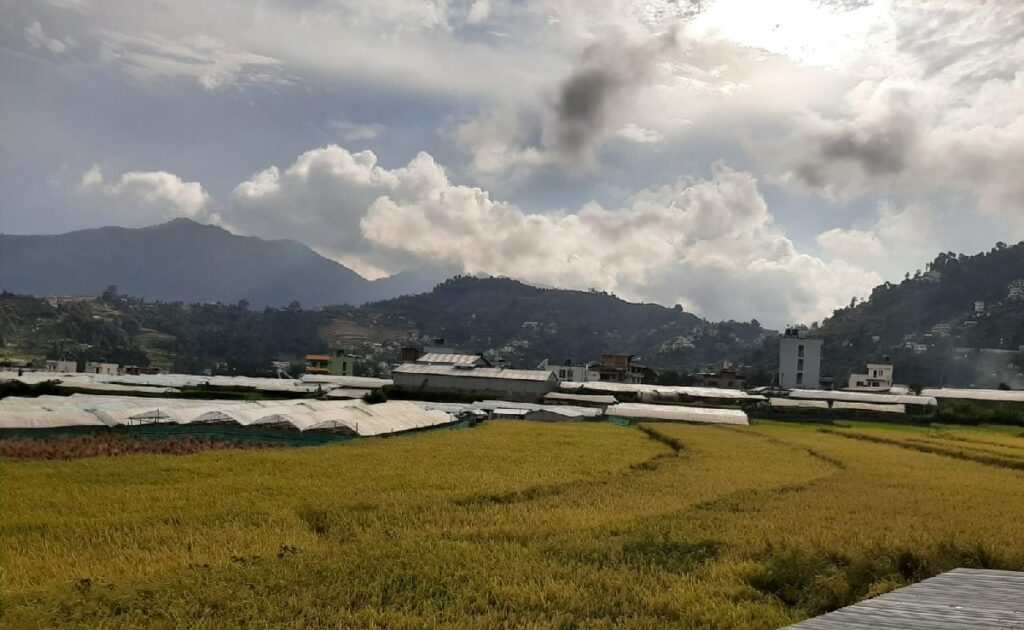
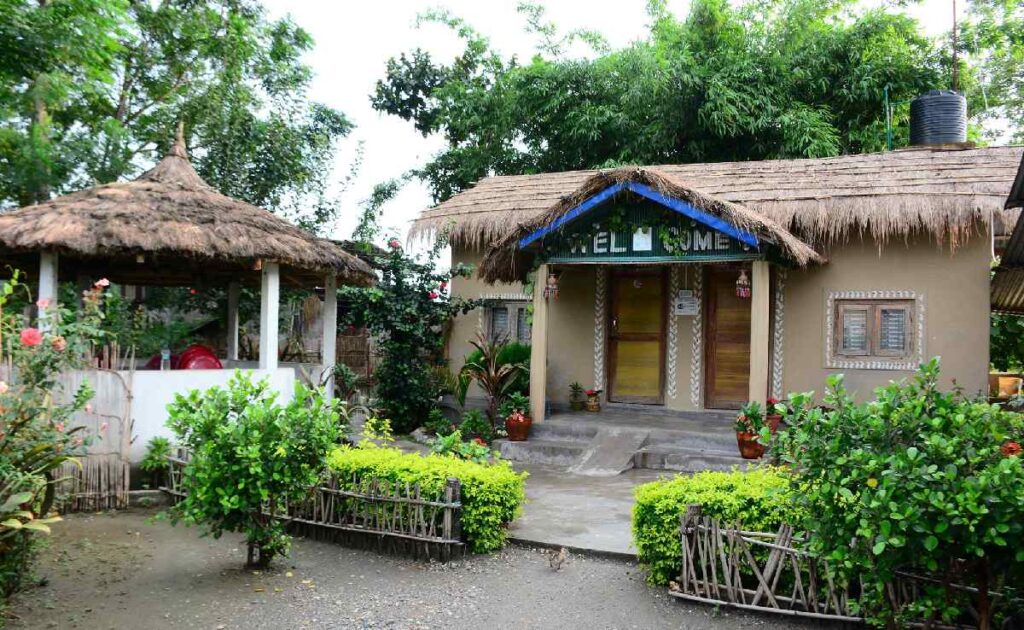
Welcome in sirubari

Nepal, a country renowned for its majestic Himalayas, vibrant cultures, and spiritual magnetism, has evolved into a multi-dimensional travel destination. Beyond its well-trodden trekking trails and heritage cities, one of the most transformative tourism trends in recent decades has been the development of homestay tourism. Homestays, as an alternative to commercial hotels, have empowered rural communities, preserved cultural heritage, and promoted sustainable and inclusive tourism. This article traces the chronological journey of homestay tourism in Nepal and analyzes its current landscape.

The Roots: Ecotourism and Community Participation

The seeds of homestay tourism in Nepal were sown in the late 1980s through the concept of community-based ecotourism. Ghandruk, a scenic Gurung village nestled in the Annapurna Conservation Area, became a pioneering site for this initiative. Managed under the auspices of the Annapurna Conservation Area Project (ACAP), this early experiment introduced the idea that local people could be key custodians and beneficiaries of tourism. The approach combined nature conservation, cultural preservation, and economic development.

By placing communities at the heart of tourism, this model demonstrated how tourism could serve as a tool for rural empowerment rather than exploitation. Although homestays were not formally structured at this stage, the Ghandruk pilot laid the conceptual foundation for future developments.

Timeline of Community Homestay Development in Nepal

Homestay tourism has become an engine of rural transformation in Nepal, evolving from modest conservation efforts to a thriving network of community-powered hospitality across the nation. The table below chronicles major developments—highlighting the communities involved, geographic expansion, and the progression toward sustainable and inclusive tourism.

Year / Period Community Homestays & Milestones Location / Entity Significance
Late 1980s Community-based ecotourism initiated Ghandruk (ACAP) Foundation for participatory tourism[1]
1998 First structured homestay community Sirubari, Syangja First model homestay village[2]
2000 Cultural immersion homestay started Ghale Gaun, Lamjung Gurung cultural tourism[2]
2002–2007 UNDP-backed homestay proliferation Mustang, Ilam, Poverty alleviation through tourism[3]
2008 Homestays recognized in tourism policy MoCTCA Policy-level inclusion[4]
2010 Homestay directives formalized Government of Nepal Legal framework established[5]
2009–2010 New community homestays Lwang Ghalel, Bhakunde Expansion to new hill villages[6]
2011 Tharu community homestay begins Dalla, Bardiya Terai eco-cultural tourism[7]
2012 CHN founded; new trekking homestay Panauti, Narchyang Digital access and offbeat trekking[8]
2013 Jungle and hill homestays expanded Amaltari, Patlekhet Wildlife and cultural blend[8]
2014 Homestays in eastern Nepal initiated Shree Antu (Ilam), Namje (Dhankuta) Tea and Magar heritage tourism[8]
2016 Homestays legally classified as tourism businesses Industrial Enterprises Act Eligible for loans and grants[9]
2019 Remote homestay expansion Chillikot, Dang Mid-west inclusion[10]
2020–2021 Pandemic pivot to domestic tourism Nationwide Hygiene protocols and local marketing[11]
2024 CHN’s Community Connect & Machhapuchchhre Homestay relaunched Kaski Post-COVID revival with 23 organic homes[12]

This enriched timeline reflects the growing complexity and reach of Nepal’s community homestay movement—from the early days in Sirubari and Ghandruk to recent additions in Eastern and mid-west regions. It demonstrates how policy frameworks, digital platforms like CHN, and renewed post-pandemic resilience have woven a diverse tapestry of community tourism across mountains, hills, and plains.

Conclusion

The history of homestay tourism in Nepal is not merely a record of projects and policies; it is a story of people and places—of ordinary families turning their homes into windows to Nepal’s heart and soul. From the pioneering model in Sirubari to the digital outreach of CHN’s Community Connect, homestays have evolved into more than just lodging—they are powerful tools for cultural preservation, economic inclusion, and responsible travel.

As Nepal continues to position itself as a sustainable tourism destination, investing in the homestay sector—through capacity building, quality assurance, infrastructure, and inclusive governance—will be key. In the face of globalization, climate change, and evolving travel preferences, homestays offer a grounded, human-scale approach that reconnects travelers with authenticity, communities with opportunity, and tourism with purpose.

References

Government of Nepal, Ministry of Culture, Tourism and Civil Aviation. (2008). Tourism Policy 2008. Kathmandu, Nepal: MoCTCA.

Government of Nepal, Ministry of Culture, Tourism and Civil Aviation. (2010). Homestay Operation Directives 2010 (2067 B.S.). Kathmandu: MoCTCA.

Nepal Tourism Board. (2019). Homestay Program in Nepal: Opportunities and Challenges. Kathmandu: NTB Research Division.

United Nations Development Programme (UNDP). (2007). Tourism for Rural Poverty Alleviation Programme: Final Evaluation Report. Kathmandu: UNDP Nepal.

Nepal Rastra Bank. (2021). Impact of Tourism on Rural Economies: A Study on Homestay and Local Enterprises. Kathmandu: NRB Publications.

Shrestha, P. M., & Shrestha, B. R. (2015). Community-based Homestay Tourism in Nepal: Practices and Prospects. The Gaze: Journal of Tourism and Hospitality, 7(1), 1–21. https://doi.org/10.3126/gaze.v7i0.14046

Regmi, R. R. (2020). Rural Tourism and Homestay in Nepal: A Study of Community Empowerment in Sirubari and Ghalegaun. Kathmandu University School of Management (Master’s Thesis).

By: HC Research Team

Adventure Sports: Himalayan ATV Adventures & Experiences

ATV Adventure Tours in Nepal: Thrill through the Himalayas

Nepal is a paradise for trekking and mountaineering with diverse landscapes and breathtaking Himalayan Mountains. Besides these, Nepal is also an exciting destination for off-road adventures. The ATV adventure trip is one of the most thrilling activities is a great way to experience nature and get some fresh air.

Whether you are adventure junkies or just want to ride through breathtaking scenes, ATV ride tour is a great way to explore high peaks, river valleys, and succulent forests of Nepal. Riding in the terrain through the steep hills of Pokhara, Chitwan’s jungle, or even in the Kathmandu Valley is more than just a ride; this is also a journey to explore the wild side of Nepal.

Why Choose an ATV Adventure in Nepal? 

  • Scenic immersion: ATV ride tour in Nepal offers an adventurous ride through rugged terrains, green hills, and local villages where you get close to nature. The smell of forest, the sound of birds, fresh air and a stop wherever the view demands a photo makes your ride more beautiful.
  • Thrilling off-road adventure: The ride through rugged terrains, dense forest, rocky paths, mountain passes, and rolling hills offers a variety of riding challenges making your journey thrilling and adventurous.
  • Customized for all level: ATV ride tour in Nepal offers something for all, weather you are a beginner or an experienced rider. The ATV tours are customized as per your skill and need.   
  • Group friendly: ATV ride tour in Nepal is a fun experience for all age groups, weather you are travelling solo, with friends or with families.

Top ATV Tour Destinations in Nepal:

  • Pokhara:

Pokhara, a peaceful city close to mountains and lakes is an excellent site for adventure junkies to engage in exciting experiences. ATV ride in Pokhara offers an exciting drive through the standing trails of Sarangkot with Phewa Lake, Mt. Annapurna, and Mt. Fishtail watching you from every turn. 

An ATV ride in Pokhara offers you the opportunity to explore the rich cultural, and historical sites of the region, as well as beautiful views of the Fewa Lake and the thrilling off-road track through the hills and forests.

The ATV ride tour in Pokhara will be the most pleasant thing that you can do in this beautiful city. The diverse landscape of Pokhara makes it a popular starting place for off-road activities. The ATV ride tour in Pokhara is convenient points like Sarangkot and Pame.   

  • Kathmandu Valley ATV tours:

An ATV ride tour in the Kathmandu Valley is a fun opportunity to move away from the movement of the city and look at the grand slopes, forest walks and historical communities. 

An ATV ride tour in the Kathmandu Valley offers blending adventure with cultural exploration while riding through the visit through Temples, Churches, Monasteries, talking with the local people, and enjoying the panoramic views of the valley.

Diverse landscapes of the valley, including both smooth dirt path and rugged off-road, makes it excellent for both a quick half-day ride and extended day ride. Many groups also ride at sunrise or sunset, which has scenes of the stunning Himalayas. 

  • Chitwan National Park ATV tours:

ATV rides in Chitwan National Park are a great way to experience off-road excitement, given wildlife. This is a great way to experience breathtaking scenes and wildlife of southern Nepal.    

ATV rides in Chitwan National give you the opportunity to see the specific nature and beauty of the park along with rhinoceros, elephants and other animals. Some ATV rides also include cultural activities such as visiting Tharu villages and seeing traditional performances.

Due to its flat but diverse landscape, Terai is ideal for beginners and who are looking for a beautiful ride rather than a technical challenge.    

  • Chitlang ATV tours:

Chitlang is a hidden gem located just two hours from Kathmandu. It is known for its terraced farm, rich history and peaceful natural surroundings.    An ATV can take you to jungles, rice fields and a small village. You can also discover the history and culture of Chitlang.

Chailang offers an incredible ATV adventure tour in Nepal, filled with breathtaking landscape, friendly locals and real compassion, whether you are riding on smooth open fields or difficult jungle trails.

The ATV ride tour in Nepal is an incredible off-road adventure in Nepal. Whether you’re new to ATVs or have been riding them for a long time, ATV ride tour in Nepal ensures an exciting journey for all. An ATV ride tour allows you to discover hidden secrets and breathtaking surroundings of Nepal.     

ATV ride tour enables you to see its natural beauty and cultural wealth from another point of view. Each corner and turn offers fresh discoveries. So, pack your bags and get prepared for a thrilling off-road experience in Nepal with the Himalayan Circuit that will last a lifetime.

Slide Background
Nature & Landscape
Get ready for a challenging but beautiful high-altitude trek

Nepal is known for her three distinct ecological zones namely Terai Hills and Himalayas You can experience the plain landscapes and the dense jungles with the wild animals Hills have the terraces for ..

previous arrowprevious arrow
next arrownext arrow

Nepal Travel News: Overview of Tourism Associations in Nepal

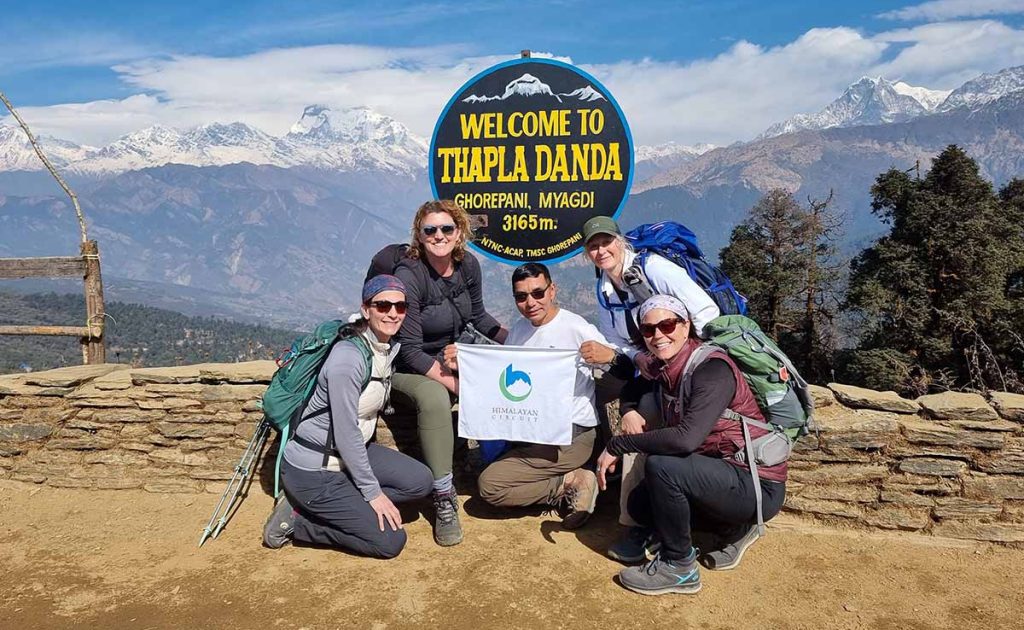
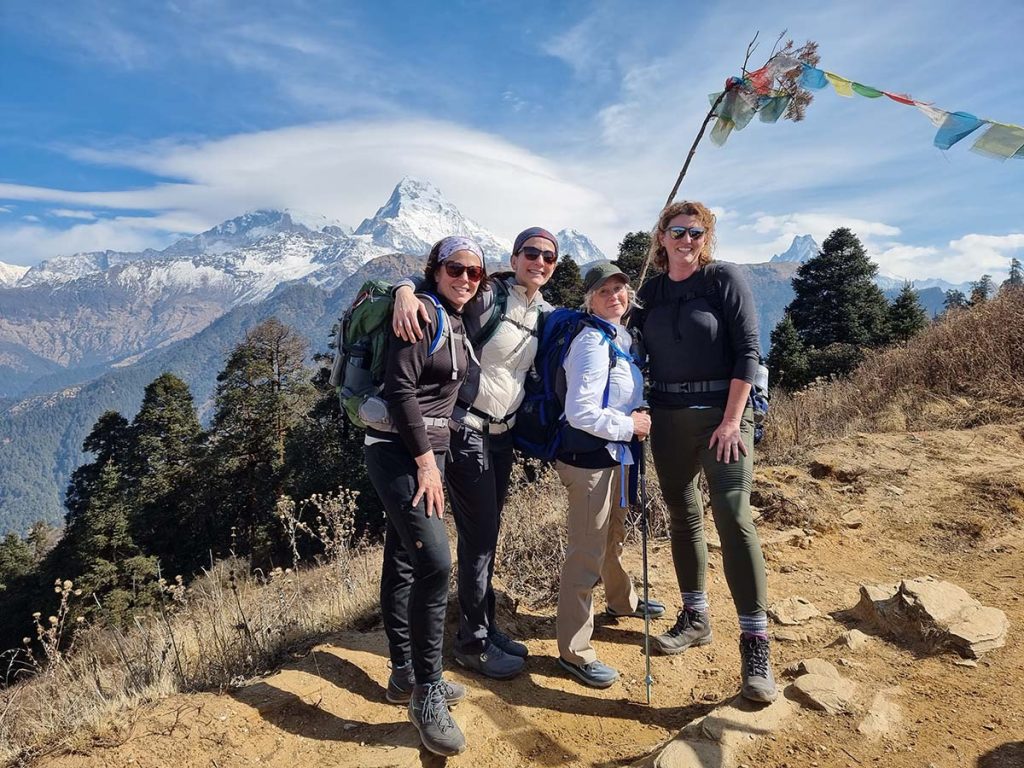
4 Clients with 1 Guide in Thapla Danda

Tourism Associations in Nepal play a vital role in shaping the country’s rapidly growing travel industry. Once known mainly for Mount Everest, Nepal has become a dream destination for travelers worldwide. Behind the scenes, these associations work hard to promote adventure, culture, and sustainable tourism — making Nepal’s tourism identity stronger each year.

Over the years, the tourism industry has expanded beyond trekking and mountaineering. It now includes adventure sports, cultural tourism, eco-tourism, and wellness travel. As a result, tourism contributes significantly to the national economy, creates employment, supports rural development, and connects Nepal with the global travel scene.

From the chaotic charm of Kathmandu and the scenic beauty of Pokhara to remote trekking routes and UNESCO World Heritage sites, travelers are often amazed by the experiences they can gain in such a small country.

Importance of Tourism Associations

Have you wondered how Nepal’s tourism industry stays organized, professional, and continues to grow? A big part of the credit goes to the country’s tourism associations. These organizations work behind the scenes to keep everything running smoothly.

They protect the interests of tour operators, guides, hoteliers, and adventure companies. At the same time, they help set quality standards, provide training, and ensure services are safe and reliable.

Tourism associations act as the glue that holds the entire travel industry together. Without them, it would be difficult to ensure quality, safety, and sustainability in this sector.

This blog explores the most influential organizations shaping Nepal’s tourism landscape.

Major Tourism Associations in Nepal

Nepal Tourism Board (NTB)

The Nepal Tourism Board is the national tourism organization, established in 1998. Its mission is to develop, promote, and market Nepal as a must-visit destination.

Since its formation, NTB has united the government and the private sector to promote Nepal through campaigns like “Visit Nepal.” It also helps boost local tourism entrepreneurs and create global visibility.

Nepal Association of Tour and Travel Agents (NATTA)

Founded in 1966 by forward-thinking travel professionals, NATTA is one of the oldest tourism organizations in Nepal. It is dedicated to strengthening Nepal’s tour and travel industry.

It represents a wide network of tour operators, travel agencies, and transport service providers across the country. NATTA also advocates for a better business environment and offers training programs to improve professionalism.

Hotel Association of Nepal (HAN)

HAN serves as the voice of Nepal’s hospitality industry. Its mission is to promote and strengthen hospitality services across the country.

Established in 1966/67, this non-profit organization works for the welfare of hoteliers. It ensures that hotels meet international standards while promoting sustainable practices. HAN also partners with the government and global tourism bodies to boost Nepal’s hospitality image.

Tourist Guide Association of Nepal (TURGAN)

TURGAN is a professional organization dedicated to the rights and welfare of licensed tourist guides and escorts. These individuals play a key role in welcoming and guiding visitors.

TURGAN promotes accurate information, ethical guiding practices, and enriching visitor experiences. In addition, it offers training and certification to ensure guides meet national and international standards.

Other Notable Associations

The Pacific Asia Travel Association (PATA) connects Nepal with broader Asia-Pacific travel trends and global markets.

The Trekking Agencies Association of Nepal (TAAN) represents trekking agencies. It ensures that trekking across the Himalayas is safe, well-regulated, and sustainable.

The Nepal Mountaineering Association (NMA) promotes mountaineering and coordinates climbing expeditions. It plays a major role in managing peak climbing activities.

For river adventures, the Nepal Association of Rafting Agents (NARA) supports rafting and kayaking operators. It promotes eco-friendly and safe practices in water sports.

The Tourism Entrepreneurs Women Association of Nepal (TEWAN) adds a gender-inclusive dimension. It empowers women through training, advocacy, and entrepreneurship support.

Together, these associations keep Nepal’s tourism industry thriving, exciting, and more inclusive than ever.

Driving Growth Through Collaboration

Nepal’s tourism industry depends heavily on the teamwork found within its associations. By bringing together diverse voices, these tourism associations in Nepal create a collaborative and innovative environment.

Their efforts build trust among stakeholders and provide stability in times of change. They also nurture talent and ensure long-term growth.

To conclude, it’s the people working behind the scenes — united by shared goals — who truly shape the future of tourism in Nepal.

Nepal Travel News: The International Airports in Nepal

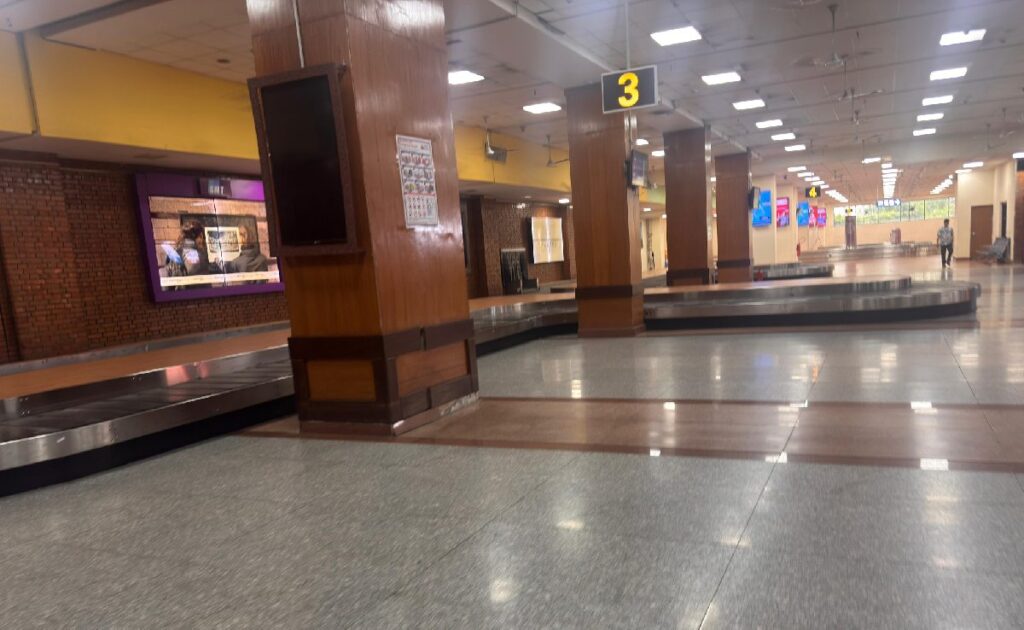
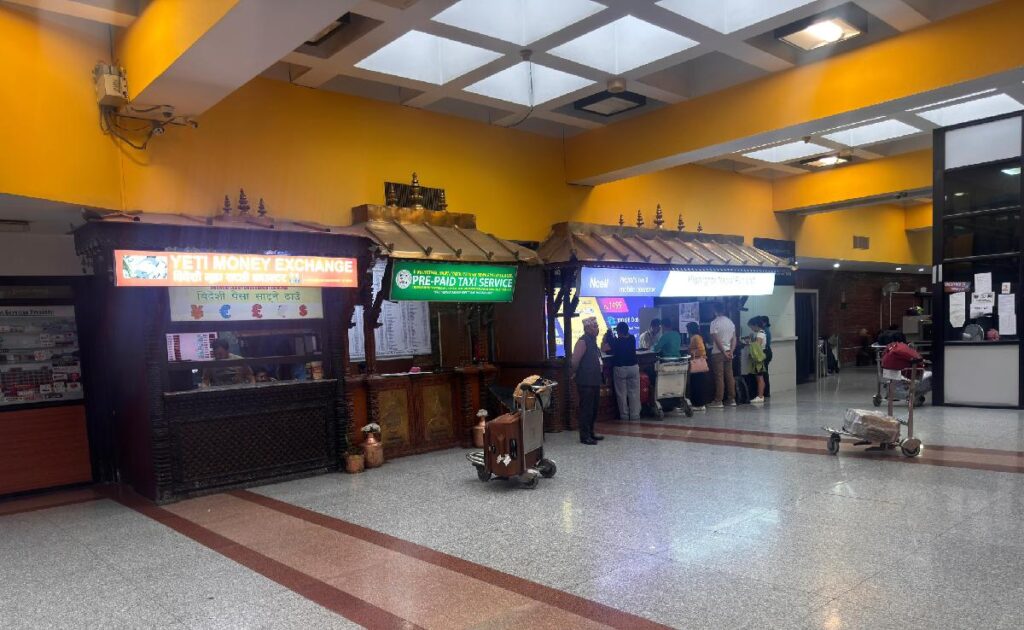
Airport arrival procedure in Nepal

International airports in Nepal are playing a major role in reshaping the country’s tourism landscape. With the addition of modern gateways in Pokhara and Bhairahawa, Nepal is more connected than ever

However, things are changing. Nepal is now improving its aviation sector to support its growing tourism. The openings of Pokhara International Airport and Gautam Buddha International Airport in Bhairahawa have made travel easier and more direct.

These new airports help share tourism benefits across the country. They reduce travel time, support local economies, and allow visitors to reach different parts of Nepal more easily.

In this blog, The Himalayan Circuit gives you a detailed look at Nepal’s existing and upcoming international airports.

1. Tribhuvan International Airport – Kathmandu’s Main Gateway

Tribhuvan International Airport, once called Gauchaur Airport, is Nepal’s oldest and busiest international airport. Renamed in 1955, it’s located in Kathmandu, the heart of Nepal’s political and cultural life.

TIA has a 3,350-meter runway and connects Nepal to over 40 cities in 17 countries. Major airlines like Qatar Airways and Turkish Airlines operate flights here.

Thanks to its central location, travelers can quickly access key attractions such as Swayambhunath (Monkey Temple), Pashupatinath Temple, Patan, and Bhaktapur. These UNESCO World Heritage Sites are just a short drive away.

Moreover, TIA is the main starting point for treks to the Everest, Langtang, and Annapurna regions.

2. Bhairahawa’s Gautam Buddha International Airport

In May 2022, Gautam Buddha International Airport opened in Bhairahawa. Named after Lord Buddha, who was born nearby in Lumbini, this is Nepal’s second international airport.

The airport lies about 270 kilometers from Kathmandu. Its 3,000-meter runway and modern terminal can handle large planes and many passengers. This makes travel more convenient for both domestic and international tourists.

Because it is close to the Indian border, this airport offers easy access to southern Nepal. Its biggest advantage is its direct connection to Lumbini, a spiritual hub and UNESCO site.

In addition, travelers can explore Kapilvastu Museum and Chitwan National Park, both nearby.

3. Pokhara International Airport – Nepal’s New Tourism Hub

Pokhara International Airport, opened in 2023, is another major addition to Nepal’s aviation system. Built with help from China, this airport replaces the older domestic terminal.

It meets international standards with longer runways and upgraded terminals. As a result, reaching Pokhara—one of Nepal’s top tourist cities—is now quicker and more comfortable.

The airport is useful for those heading to the Annapurna region or Muktinath Temple. Visitors can also enjoy local highlights like Phewa Lake, Sarangkot, World Peace Pagoda, and Begnas Lake.

4. The Future of International Airports in Nepal – Nijgadh

Nijgadh International Airport is a proposed airport in Bara District, about 150 kilometers from Kathmandu. This large-scale project is being planned to reduce traffic at TIA.

It is expected to have one of the longest runways in South Asia and will handle millions of travelers every year. The goal is to create a major travel hub for the eastern and central Terai region.

The airport will also improve access to places like Parsa National Park and Gadhimai Temple, helping promote tourism and development.

Nepal’s international airports in Nepal plays a key role in tourism, trade, and cultural exchange. As more airports open and old ones improve, travel becomes smoother and more accessible.

For visitors, this means shorter trips, fewer layovers, and easier access to Nepal’s top destinations. In short, these gateways are shaping a more connected and welcoming future.

With every new flight, Nepal opens up a little more—inviting the world to experience its beauty, culture, and adventure.

Nepal Diary: Road Trip Highlights from Kathmandu to Chitwan

Travel is more than just moving from one place to another — it’s about embracing new destinations, cultures, and experiences. So why rush when every mile offers something worth exploring? The 175 km Kathmandu to Chitwan road trip via the Prithvi Highway captures this perfectly. It offers a journey that is as rewarding as the destination itself.

This route connects the vibrant urban life of Kathmandu with the serene natural beauty of Chitwan. Along the way, it weaves through cultural landmarks, religious sites, and scenic landscapes. Therefore, the journey becomes a memorable part of any Nepal adventure.
Here are some of the best spots and activities along the Kathmandu to Chitwan road trip:

Chandragiri Hills

Start your journey with a peaceful walk at Chandragiri Hills. The panoramic views of the Himalayas are spectacular from here. In addition, visit the Bhaleshwar Mahadev Temple, which adds a spiritual touch to the surroundings. For adventure seekers, a cable car ride over the lush forests offers sweeping views of Kathmandu Valley. You can also opt for a short hike to enjoy the natural beauty.

CHandragiri hills

Manakamana Temple

The Manakamana Temple is a perfect cultural and spiritual stopover along the Prithvi Highway. Dedicated to the goddess Bhagawati, this hilltop temple is popular among devotees. A scenic cable car ride from Kurintar takes you to the temple. From here, you can enjoy panoramic views of the Trishuli River and surrounding hills.

Trishuli River Rafting

For a burst of adventure, consider rafting on the Trishuli River. Half-day and full-day rafting trips are available along the highway. Travelers can float past terraced fields, rolling hills, and scattered villages. This activity, therefore, adds the right amount of thrill and scenic charm to your trip.

Rafting in Seti River

Malekhu

Take a break in Malekhu, a riverside town known for its local fish delicacies. You can enjoy freshly caught fish from the Trishuli River, prepared with local spices. In addition, small shops here offer snacks, fruits, and handmade goods reflecting local culture.

Jalbire Waterfall

Located near Mugling, Jalbire Waterfall (also known as Lamo Jharna) is a beautiful 60-meter cascade surrounded by lush greenery. After a long drive, this spot offers a refreshing break. You can dip in the cool waters, listen to birdsong, and immerse yourself in nature.

Devghat

Just before reaching Chitwan, consider a side trip to Devghat. It is a revered pilgrimage site where the Trishuli and Kali Gandaki rivers meet. Known for its mythological and spiritual significance, Devghat is home to ashrams, Sanskrit schools, and temples. In fact, it’s especially popular during Makar Sankranti. This site offers a glimpse into Nepal’s deep-rooted Vedic traditions.

The Kathmandu to Chitwan road trip, with its cultural stops and scenic diversions, is one of the best ways to experience Nepal’s diverse landscapes and heritage. From the calm of Chandragiri Hills at the start to the wildlife safaris of Chitwan at the end, this route lets you slow down and truly connect with Nepal — its people, nature, and spirit.

Take the Kathmandu to Chitwan road trip offered by Himalayan Circuit and discover Nepal the way it’s meant to be seen — one unforgettable stop at a time.

Slide Background
Nature & Landscape
Get ready for a challenging but beautiful high-altitude trek

Nepal is known for her three distinct ecological zones namely Terai Hills and Himalayas You can experience the plain landscapes and the dense jungles with the wild animals Hills have the terraces for ..

previous arrowprevious arrow
next arrownext arrow

Nepal Diary: Celebrating 10 Years of TravelLocal & Himalayan Circuit

Himalayan Circuit Team

For a remarkable decade, the collaboration between TravelLocal and Himalayan Circuit has flourished, fundamentally reshaping the landscape of personalized travel within the awe-inspiring Himalayas. Beginning in November 2014, this alliance was born from TravelLocal’s visionary approach: to connect adventurous travelers directly with the profound expertise of local insiders right from the initial planning stages. This core principle aimed to empower travelers by granting them direct access to the knowledge and passion of those who call the Himalayas home. Over the years, this initial vision has not only been realized but has also evolved into a powerful and responsive synergy, built on mutual trust, unparalleled local insight, and an unwavering commitment to crafting truly unforgettable, tailor-made journeys for every individual. This enduring partnership stands as a shining example of how collaboration can elevate the travel experience for both the explorer and the local community.

The impact of this partnership extends beyond just facilitating exceptional trips; it has played a crucial role in strengthening local tour operators like Himalayan Circuit from the ground up. By establishing a direct conduit between travelers and these destination experts, the collaboration eliminated the need for traditional intermediaries in the planning process. This “no middleman” approach not only streamlines communication and ensures a more personalized experience but also directly empowers local businesses. Travelers benefit from interacting directly with the “Destination Experts”. This direct engagement fosters a deeper connection and ensures that every aspect of the journey is meticulously tailored to the traveler’s specific desires and expectations, leading to higher satisfaction and more authentic experiences.

The success of this decade-long partnership is underpinned by several key pillars that consistently prioritize traveler satisfaction and operational excellence:

  • Satisfaction Guaranteed, Right from the Planning Phase: The journey begins with a thorough understanding of the traveler’s unique aspirations. Through clear and direct communication facilitated by TravelLocal’s platform, the expert team at Himalayan Circuit ensures that every detail of the itinerary is meticulously crafted and perfectly aligned with the client’s vision.
  • Extensive Local Knowledge and Dedicated Support: Himalayan Circuit’s strength lies in its deep-rooted local expertise. Their passionate team possesses an intimate understanding of the Himalayan terrain, culture, and hidden gems, translating into truly authentic and enriching experiences. Throughout the journey, travelers are supported by these dedicated local experts, ensuring a seamless and safe adventure.

The operational framework of this partnership boasts unique selling points designed to enhance the traveler’s experience:

  • Welcome Through the Main Point of Contact: Upon arrival, travelers are warmly greeted by their dedicated travel planner – the very person who helped craft their bespoke itinerary. This personal touch establishes immediate rapport and ensures a smooth transition into their Himalayan adventure.
  • Deep Understanding of Wishes and Flexibility: The entire operation is centered around understanding and fulfilling the traveler’s specific desires. Having been integral to the custom planning process, the on-ground team is well-equipped to cater to individual preferences. Furthermore, the private, custom-made nature of the trips allows for remarkable flexibility, even during the journey, enabling adjustments to accommodate unforeseen circumstances and enhance the overall experience.

Beyond the immediate travel experience, the partnership fosters continued service and a sense of trust:

  • Service Beyond Completion and TravelLocal’s Assurance: Both Himalayan Circuit and TravelLocal are committed to building lasting relationships with their clients, offering continued support and welcoming feedback even after the trip concludes. TravelLocal’s head office provides an additional layer of security and trust through its certifications and dedication to responsible travel practices.
  • A Mutually Beneficial and Responsible Model: The collaboration embodies a responsive and truly win-win model. A significant portion of the trip revenue directly benefits the local economies within the Himalayan regions, fostering sustainable tourism and empowering local communities. Travelers appreciate being both valued clients of TravelLocal and cherished guests of the local Himalayan Circuit team, creating a sense of shared value and responsibility.

Himalayan Circuit proudly celebrates this significant milestone of a decade in partnership with TravelLocal. Their collaborative spirit, unwavering commitment to quality, and shared passion for authentic and responsible travel have enabled us to craft countless extraordinary experiences for travelers from every corner of the globe. As we reflect on ten years of successful synergy, connecting travelers directly with our local expertise and crafting personalized Himalayan adventures, we eagerly anticipate many more years of shared success, continued growth, and the creation of even more unforgettable journeys in this majestic region. We invite you  on your own Himalayan adventure with our trusted partners at TravelLocal (travellocal.com) and explore the wonders of the Himalayas through the local knowledge of Himalayan Circuit (himalayancircuit.com). Connect with our dedicated Destination Experts, Anish for English-speaking markets and Shiva for the German-speaking market, to begin planning your tailor-made experience. Thank you, TravelLocal, for this exceptional partnership model that genuinely prioritizes the traveler and empowers local expertise. Together, we are truly reimagining the art of travel in the Himalayas, one personalized adventure at a time. Here’s to the next decade of shared success and breathtaking journeys!

Slide Background
Nature & Landscape
Get ready for a challenging but beautiful high-altitude trek

Nepal is known for her three distinct ecological zones namely Terai Hills and Himalayas You can experience the plain landscapes and the dense jungles with the wild animals Hills have the terraces for ..

previous arrowprevious arrow
next arrownext arrow

Nepal Diary: Your Mountain Flights Guide Experience in Nepal

Mountain Flight in Nepal

Watching the sunrise over the Himalayan peaks from a plane window is a memory that lasts forever. A mountain flight in Nepal offers a chance to witness some of the world’s highest mountains, including Mount Everest, Cho Oyu, and Lhotse, without the demands of trekking. From the comfort of your seat, soak in sweeping views of snow-covered summits rising above 8,000 meters.

The Everest scenic flight is perfect for travelers who want to experience the grandeur of the Himalayas but have limited time or physical constraints. This Himalayan sightseeing tour combines ease and elevation, making it one of the most accessible highlights of Nepal adventure tourism.

Why You Should Take a Mountain Flight in Nepal

  • See Mount Everest and other peaks up close without trekking

  • Experience the Himalayas from the comfort of a plane seat

  • Fits easily into short Nepal itineraries

  • Ideal for families, solo travelers, and seniors

  • No need for trekking gear or physical preparation

  • Safer and less weather-dependent than high-altitude treks

  • Capture stunning aerial photos and videos

  • Fly over glaciers, ridges, valleys, and Sherpa villages

  • Enjoy peaceful views of clouds, snowfields, and mountain terrain

  • Combine with other attractions in Nepal for a full adventure

The In-Flight Experience

A mountain flight in Nepal lasts about 45 minutes to 1 hour, operating daily from Tribhuvan International Airport, Kathmandu. Small aircraft with large windows ensure everyone has a clear view of the mountains.

As the flight departs early in the morning, you’ll leave behind the city and fly toward a world of snow and silence. The landscape shifts from green hills to deep valleys and then to jagged ridges and glistening peaks. You’ll get uninterrupted views of snow-covered summits and the endless sky.

Each passenger receives a mountain range map to identify peaks, and the pilot often announces landmarks as you fly by. Cameras click constantly as travelers capture the beauty around them. The aircraft flies close enough to the mountains to feel like you’re among them, not just above.

On the return leg, you’ll notice new angles and landscapes you missed on the way out, giving a fresh perspective on the Himalayas before landing back in Kathmandu.

Best Time for Mountain Flights in Nepal

The best months for a mountain flight in Nepal are January to May and September to December. During these seasons, skies are usually clear and visibility is excellent. You’ll see sparkling peaks, clear lakes, and glaciers in their full glory.

Flights operate year-round, but monsoon and winter months can bring unpredictable weather. It’s best to plan your flight in the recommended seasons for the clearest views.

The Himalayas have mesmerized travelers for generations. While trekking and climbing are classic ways to explore them, an Everest scenic flight offers an easy and breathtaking alternative. It’s one of the best ways to experience the beauty of Nepal’s mountains with minimal effort.

If your journey brings you to Nepal, don’t miss this adventure. Book your Everest scenic flight with Himalayan Circuit, sit back, and let the Himalayas take your breath away.

Spiritual & Wellness: Homestay Experiences in Nepal

Homestays in Nepal

Homestays in Nepal offer a special chance to experience the heart of Nepali communities. Staying with a local family lets you share their way of life, traditions, and stories. You are welcomed not just as a guest but as a friend or family member.

These stays are more than just a place to sleep. For example, whether you’re cooking together or laughing over a shared meal, you’ll take part in everyday life. Homestays in Nepal range from simple guest rooms in busy cities to shared spaces in peaceful mountain villages. In this blog, Himalayan Circuit shows you the beauty, warmth, and honest hospitality that make homestays in Nepal so special.

Experiencing Life with a Local Family in Nepal

Arrival and First Impressions

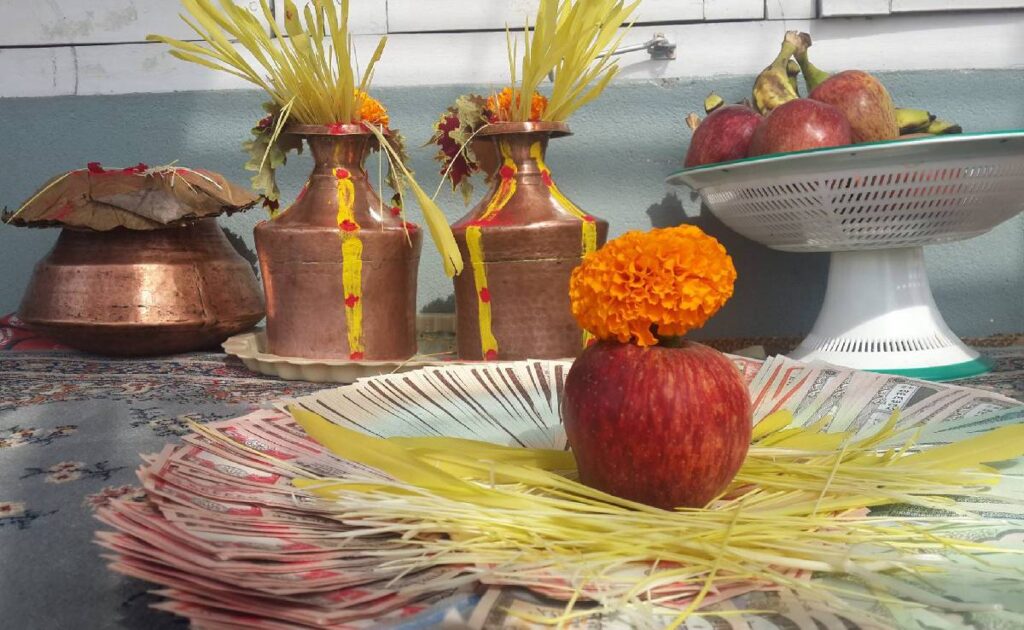
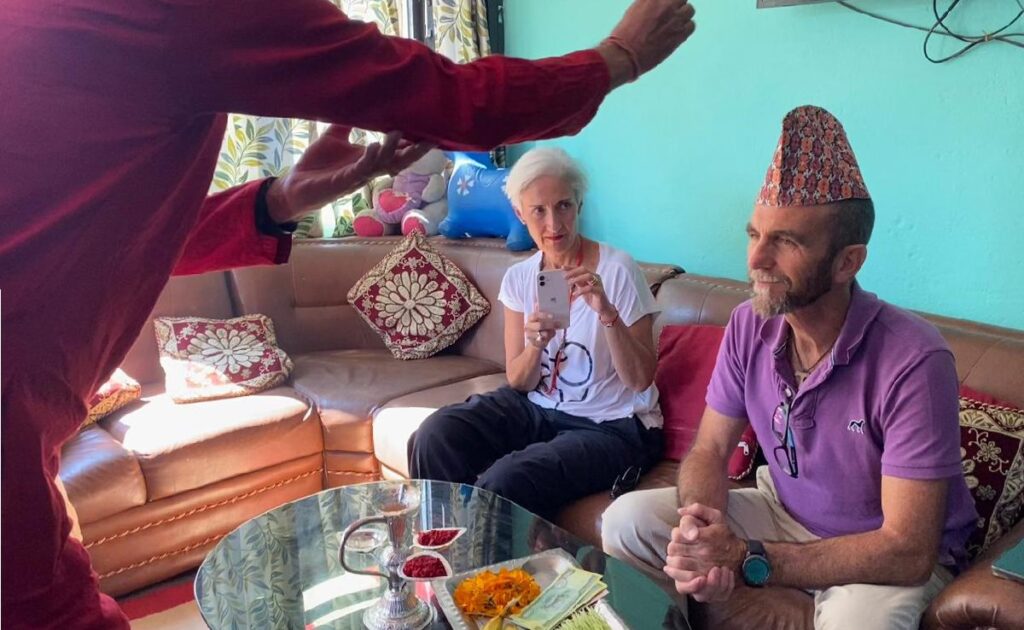
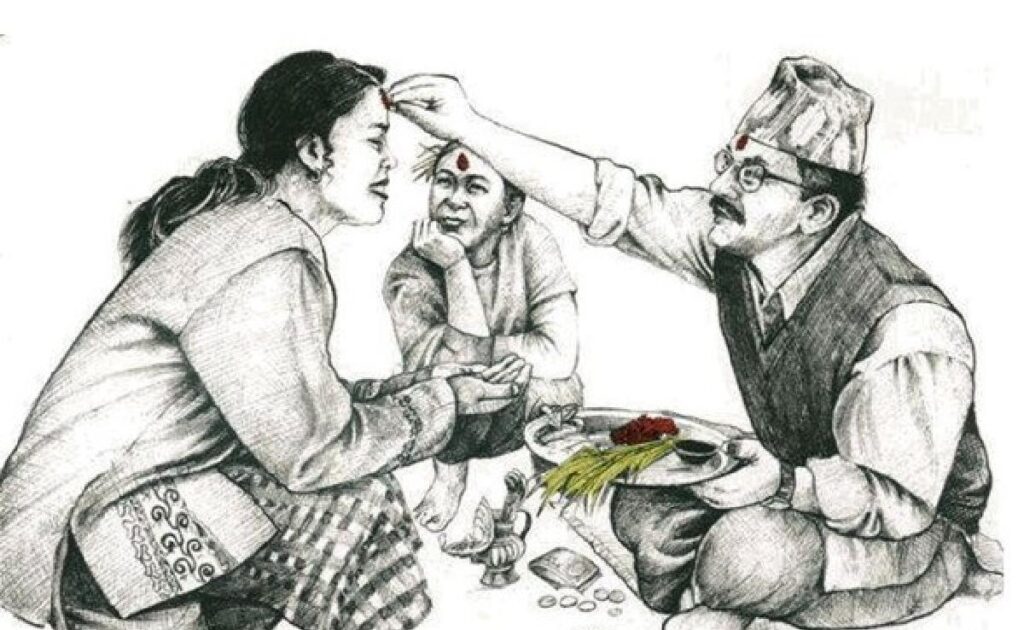
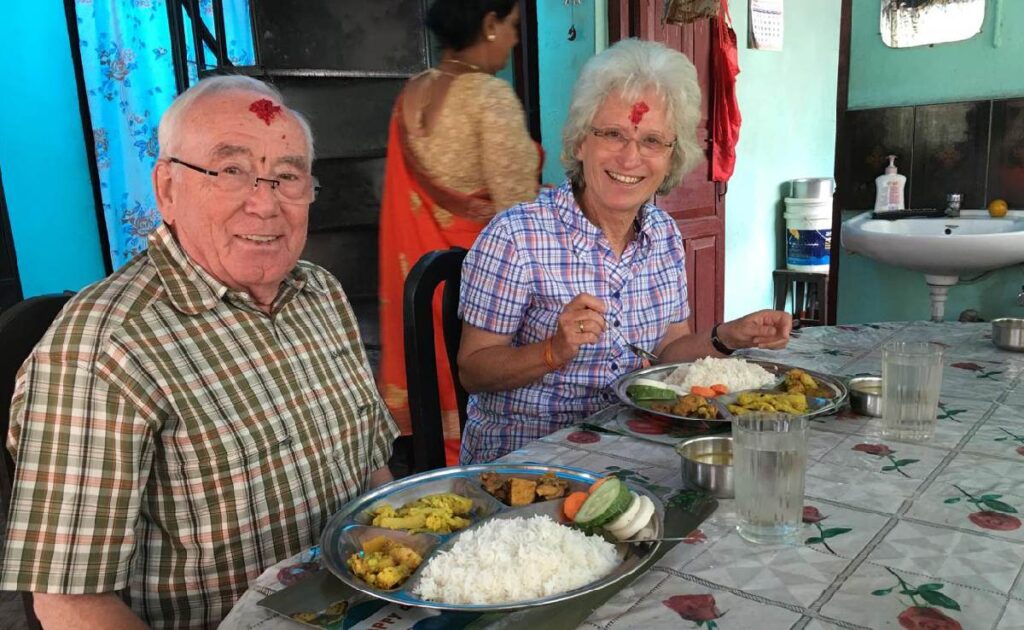
As soon as you arrive, warm smiles and traditional Nepali greetings welcome you. Locals press their palms together and say Namaste. Sometimes, they also greet you with garlands, tika, flowers, or a khada (a traditional scarf).

You’ll get a short tour of the house. Most homes are cozy and simple, built in the Nepali style. After settling in, the family introduces you to the surroundings and explains the way of life you’ll enjoy during your stay.

Daily Life and Routine with the Family

Living with a local family lets you see how people in Nepal spend their days. You will surely discover things that surprise you. For instance, the day often starts with a morning prayer and a short puja, followed by a comforting cup of tea.

Throughout the day, family members share the housework. Meanwhile, children get ready for school. You’ll see people working in the fields, filled with crops that change with the seasons. You are welcome to join them, whether gathering fresh produce or helping with simple tasks around the house.

In rural areas, animals are a big part of daily life. Tending to them is important, and you can take part in this too. In the evening, the family comes together for dinner. They sit as a group and talk over big plates of dal bhat, sharing stories and laughter.

Nepali Cuisine: Cooking and Dining with the Family

Learning how to Cook the Nepali Meal.

There is no fixed menu at a homestay. Instead, you simply eat what the family eats. The meals are simple but full of rich flavors. Common dishes include dal bhat, dhido, momo, sel roti, and gundruk, all made with fresh local ingredients.

What’s more, you can learn to cook these traditional meals. The hosts are happy to teach you. Cooking and eating these warm, home-cooked meals with the family makes every meal feel like a celebration of togetherness.

Cultural Immersion and Festive Celebrations

One of the best parts of staying with a local family is joining their festivals. These events bring Nepal’s colorful culture and long-standing traditions to life.

Festivals like Dashain, Tihar, Holi, Teej, and Losar are celebrated all year. Each one blends religious devotion, cultural practices, and community bonding. Every festival has its own customs, prayers, foods, and joyful activities. Being part of these celebrations with locals is a rich and unforgettable experience.

Exploring the Village

In today’s fast-moving world, spending time in these quiet villages is refreshing. Each day brings new discoveries. For example, you might walk along narrow paths, wander through green fields, or simply breathe in the clean, fresh air while listening to birds.

The Bonding Experience and Life Lessons

By the end of your stay, you won’t feel like a guest anymore. You’ll feel like part of the family. Even neighbours often stop to say hello or invite you for tea.

Experiencing life with a local family in Nepal fills you with love and warmth. You’ll learn the value of simplicity, the strength of community, and the beauty of small moments. Nepali people believe in Atithi Devo Bhava — “The guest is god.” As a result, you will feel not just welcomed but truly cherished.

Throughout your stay, you’ll find a new family and a new place to call home. It’s about noticing the small, beautiful rhythms of village life while creating memories that stay with you forever.

Spiritual & Wellness: Singing Bowl Therapy for Mind and Body

Singing bowl Therapy

At Himalayan Circuit, we believe that travel is not just about visiting new places but immersing yourself in the rich cultural heritage that makes a destination unique. One of Nepal’s most profound experiences is Singing Bowl Therapy, offering a powerful path to relaxation and healing.

Discover the Healing Power of Singing Bowls

Singing bowls, often called “healing bowls,” produce enchanting sounds and vibrations that can deeply soothe the mind and body. Their ability to bring tranquility and well-being is unmatched. These bowls combine artistic craftsmanship with therapeutic power, guiding you toward peace and balance. Whether you’re seeking to relieve stress or connect with your inner self, the soothing sounds of a singing bowl provide a harmonious escape.

A Rich History of Healing

Singing bowls boast a history that spans over three thousand years, rooted in the ancient cultures of the Himalayas. Initially, people used these bowls for everyday tasks, like cooking and holding water. Over time, however, they discovered their healing potential. Water stored in these bowls was believed to have restorative qualities. Today, alongside other traditional healing tools such as the bajra and shamanic drums, singing bowls continue to play an important role in well-being. Their calming vibrations echo the universal “Om,” a sound believed to connect us with higher consciousness.

The Global Resurgence of Singing Bowls

Today, singing bowls are more popular than ever. Known as Himalayan, Om, or Tibetan bowls, they were once cherished by monks and lamas who meditated in the tranquil monasteries of the Himalayas. Now, people around the world are embracing their calming vibrations. These bowls offer more than just meditative benefits—they balance energy and promote relaxation. In today’s hectic world, their soothing effects provide a welcome sense of peace.

The Craftsmanship Behind Singing Bowls

Each singing bowl is a masterpiece, crafted by hand using a unique blend of metals. The artisans carefully shape and hammer each bowl to produce its distinct sound. The secret techniques behind these bowls have been passed down through generations, adding to their mystique and allure. These beautifully crafted instruments are not just for meditation—they embody the artistic and cultural traditions of Nepal.

Experience the Magic of Singing Bowls

At Himalayan Circuit, we invite you to experience the transformative power of singing bowls on our cultural tours. Imagine feeling the gentle vibrations as they wash over you, calming your mind and soul. This experience, set amidst the breathtaking landscapes of Nepal, offers you the chance to connect with both the culture and your inner peace.

Join Us on a Soulful Journey

Are you ready to explore the soulful vibrations of Nepal? Embark on a journey that nourishes both body and spirit. Visit our website at Himalayan Circuit to learn more about our cultural tours and discover how you can experience this ancient singing bowl therapy.

Adventure Sports: Bungee Jumping for Adrenaline Seekers in Nepal

Bungee in Nepal

“Life is either a daring adventure or nothing at all”

From trekking the highest peaks in the world to rafting in fast-flowing rivers, Nepal is a paradise for adventure seekers. One major attraction is bungee jumping. Bungee jumping in Nepal offers a breathtaking and heart-pounding experience.

Bungee jumping is one of the most thrilling activities that gets your heart racing. Imagine jumping off a high suspension bridge into a deep valley with a river rushing below. The ever-flowing rivers and stunning landscapes make Nepal one of the best places in the world for bungee jumping.

The thrill of bungee jumping can be best experienced in Nepal, where you’re surrounded by mountains, rivers, local lifestyle, and unique jump bases. The best time for bungee jumping in Nepal is from March to May and September to November, when the weather is dry and cool.

Bungee jumping in Nepal is perfect for those who want to add thrill to their vacations. Himalayan Circuit Treks organizes bungee jumping trips in Nepal, offering quality service at a low cost. Both individuals and groups can benefit from the custom itineraries and packages available.

Top Bungee Jumping Spots in Nepal

The Last Resort (Bhote Koshi Bungee Jump)

  • Height: 160 meters

  • Location: 100 kilometers from Kathmandu, near the Bhote Koshi River

  • Jump Site: Suspension bridge over the Bhote Koshi Gorge

  • Scenery: Lush green hills, deep valleys, and the roaring Bhote Koshi River

The Last Resort is the first bungee jumping spot in Nepal and still one of the most popular. It offers the ultimate experience for thrill-seekers. Located in a gorge near the Tibetan border, the jump site is a three-hour drive from Kathmandu along the Araniko Highway.

The thrill of leaping into thin air gets the heart racing. Adventurers plunge 160 meters toward the river, getting pulled up just in time. Other activities at The Last Resort include rock climbing, hiking, and rafting.

Hemja Bungee Jump (Pokhara)

  • Height: 80 meters

  • Location: Near Pokhara

  • Jump Site: Steel tower with views of the Annapurna range

  • Scenery: The Seti River, nearby hills, and the Himalayas

If you’re seeking excitement in a scenic city, bungee jumping in Pokhara should be on your list. Known for adventure sports and amazing views, Pokhara offers a bungee jump full of heart-racing thrill.

Located in Hemja, Kaski, the jump platform reaches a height of 80 meters and includes a 20-meter-deep artificial pond. The views of the Himalayas and natural surroundings add to the excitement and beauty of the jump.

Kusma Bungee Jump

  • Height: 228 meters (2nd highest in the world)

  • Location: Kusma, Parbat District (approx. 60 km from Pokhara)

  • Jump Site: Suspension bridge over the Kali Gandaki River

  • Scenery: Deep gorges, lush hills, and the roaring river below

The Kusma Bungee Jump is located between the Baglung and Kushma districts. It’s connected by a 520-meter suspension bridge over the Kali Gandaki River gorge. At 228 meters, it is Nepal’s highest and the second-highest bungee jump in the world.

This site offers a thrilling free fall with stunning views of surrounding valleys and mountains. Other attractions at Kusma include Swing Jump, Tandem Swing, Sky Cycling, Sky Gliding, Wishing Hand, Sky Café, and Crazy Bridge.

An Unforgettable Adventure Awaits

Bungee jumping in Nepal is a once-in-a-lifetime experience. It’s not just about the thrill of the free fall — it’s the stunning natural backdrop that makes it unforgettable.

Whether you dive into the depths of Bhote Koshi, enjoy the scenery of Pokhara, or take on the world-class Kusma jump, the experience will stay with you forever.

If you’re ready to overcome your fears and try one of the most adventurous activities in the world, Himalayan Circuit can help plan your trip. Add something truly special to your journey with a bungee jumping adventure in Nepal.

Food & Lifestyle: Practical Shopping Tips for Your Nepal Trip

Shopping in Nepal

Visiting Nepal offers you opportunities to observe majestic mountains, heavenly natural environment, beautiful architecture, vibrant culture, and experience the warm hospitality of local people. Wouldn’t it be wonderful to take some of these memories to your home? So, we strongly advise you to do shopping in Nepal. In this blog we’ll talk about what to do and what not to do during your shopping time.  

Nepal is a hub for shopping enthusiasts where you can purchase Thangka paintings, unique spices, exotic souvenirs, traditional jewelry, hemp bags, khukuri, statues, and handicrafts. The bustling market of Kathmandu, luxury shops of Pokhara, traditional crafts of the mountain villages, ancient cities of Bhaktapur and Patan will make your shopping experience special.

Dos:

  • Do Visit Local Markets: We suggest you to visit the local markets in Kathmandu. New Road, Durbar Square area, Indra Chok, Asan Bazaar, Thamel, Makhan Tole, and Old Freak Street are some of the popular shopping points in the street of Kathmandu. Here, you can shop a variety of items that are high in quality and items that reflect Nepalese culture. 

  • Do Research & do Prepare: Before you head towards the market, we suggest you to do proper research on the products or items that you are interested to buy. Getting to know the quality, prices, and originality helps you to choose and purchase authentic products at at reasonable cost. 

  • Bargain Respectfully: You will get to see a person bargaining in the local markets, as bargaining is common in Nepal. We suggest you to do friendly and respectful bargaining, as it could lead to better deals. You can begin bargaining by offering the price by reducing 20-30% of the seller’s initial price. This will lead to a mutually agreeable amount.

  • Do Carry Cash: Most of the tourist hubs and high-end shops accept credit cards, but we suggest you to carry cash with you before heading towards the local market. As most of the local markets operate on a cash-only basis, carrying Nepalese rupees in small denominations will make your transaction easy.

  •  Look for Authenticity: We suggest you to look for authenticity while purchasing items like silver jewelry or Pashmina shawls. Some of the shops claim to sell authentic items, but quality may differ. For example, if you are purchasing pashmina, you can check its authenticity by touching it. It feels soft and warm to the touch as it is made from fine cashmere wool.
  • Do Take Your Time: Shopping is more than just purchasing an item in Nepal. The narrow street, vibrant shops, people bargaining, and cultural stuff in and around the shopping area make your shopping time more memorable. So, do take time to purchase the products you like at a reasonable cost and don’t miss out on hidden gems.

Dont’s:

  • Don’t Buy Without Comparing: There might be the same product with different quality in the market. So, you need to do research, visit different shops compare the products, compare the price and finally choose the product to purchase. 

  • Don’t Settle for the First Price: Don’t purchase a product straight away, as the initial price for the product might be high. We suggest you to visit different shops before purchasing and do respectful bargaining before purchasing product. 

  • Don’t Overpack Your Bags: Don’t purchase excessive items as your baggage could be overpacked.  Weight restrictions and luggage space should be kept in mind while shopping. So, we suggest you to buy meaningful and unique items that you can take back home as a memory of Nepal. 

  • Don’t Ignore Quality: Don’t ignore the quality while shopping, as you can find similar product with different quality in different shops. While purchasing products, look for finishing of the product, packaging of the product, detailing on artwork, and check the stitching on garments. 

  • Don’t Disregard Sustainability: Don’t disregard sustainability by purchasing products made from unsustainable materials or endangered species. We suggest you to opt for eco-friendly and ethically sourced items and avoid purchasing items made from ivory or animal skins. Together we should prioritize sustainable tourism.

  • Don’t Forget to Ask About Export Rules: As there are restrictions to export certain items, you should not forget to research or consult about the export rules before you purchase any products. Exporting items such as animal products, religious artifacts, and antiques can create issues at customs as there are strict regulations on such items. 

The rich traditions, cultural exchanges, vibrant colors, friendly people, and warm hospitality make shopping in Nepal a wonderful experience. Following the above do’s and don’ts will make your shopping easier, and you can take home some quality products as a memory of your pleasant trip to this heavenly country. 

Shopping in Nepal is more than just purchasing an item. It’s more about the people, cultural exchange, stories, vibrant atmosphere, and memories behind each purchase. Enjoy your shopping


Everest Region: EBC & Gokyo Lakes Trekking Guide in Detail

Everest Region

The Everest Region Trekking Guide starts here—taking you through one of the most awe-inspiring trekking destinations in the world. Home to Mount Everest (8,848 meters), this region offers more than just a glimpse of the highest peak on Earth. It presents a complete Himalayan experience filled with spectacular landscapes, authentic Sherpa culture, and unforgettable trails. Whether you’re aiming for Everest Base Camp or seeking tranquility at the Gokyo Lakes, this guide will help you prepare for your trek with all the essentials.

1. Everest Base Camp Trek: The Ultimate Trekking Adventure

The Everest Base Camp (EBC) Trek is the most popular route in the region, attracting adventurers from around the globe. It’s the heart of any Everest Region Trekking Guide.

Highlights:

  • Flight to Lukla: Begin with an exciting mountain flight from Kathmandu to Lukla.
  • Sherpa Villages: Walk through culturally rich villages like Namche Bazaar and Tengboche.
  • Panoramic Mountain Views: Witness Mount Everest, Lhotse, Ama Dablam, and more.
  • Everest Base Camp (5,364m): Stand at the foot of the world’s tallest mountain.
  • Tengboche Monastery: A serene spiritual stop with views of Everest.

Best for: Experienced trekkers and adventure lovers looking to stand face-to-face with Everest.

2. Gokyo Lakes Trek: A Peaceful Alternative

The Gokyo Lakes Trek is a quieter and equally scenic journey within the Everest Region.

Highlights:

  • Gokyo Ri (5,357m): Offers one of the best panoramic views of Mount Everest.
  • Turquoise Lakes: Explore the stunning glacial Gokyo Lakes.
  • Less Crowded Trails: A peaceful trail with fewer trekkers.

Best for: Nature lovers and those seeking a less crowded alternative to EBC.

3. When to Trek in the Everest Region

The best times for trekking in the Everest Region are:

  • Spring (March to May): Blooming rhododendrons and stable weather.
  • Autumn (September to November): Clear skies and excellent visibility.

Avoid monsoon (June–August) due to heavy rain, and winter (December–February) unless you’re prepared for extreme cold.

4. Trekking Challenges & Altitude Sickness

The Everest Region Trekking Guide wouldn’t be complete without addressing the challenges:

  • Difficulty: Moderate to difficult, depending on the route.
  • Altitude Sickness: Acclimatization is key. Symptoms include headaches, nausea, and fatigue. Stay hydrated, ascend slowly, and take rest days.

Our experienced guides are trained to monitor altitude-related symptoms and keep you safe throughout the journey.

5. Teahouse Experience & Local Cuisine

Trekking in the Everest Region means staying in teahouses—simple lodges run by locals offering basic amenities, hearty meals, and a warm place to rest. Popular dishes include:

  • Dal Bhat (lentils, rice, and vegetables)
  • Momos (dumplings)
  • Sherpa stew

This adds cultural immersion to your trekking experience.

6. Permits and Essentials

To trek in the Everest Region, you need:

  • Sagarmatha National Park Entry Permit
  • TIMS Card (Trekkers’ Information Management System)

These are arranged by your trekking company or can be acquired in Kathmandu.

7. Why Choose Himalayan Circuit for Your Everest Trek

At Himalayan Circuit, we specialize in personalized treks across Nepal, including expert-crafted Everest Region trekking itineraries. Here’s what we offer:

  • Tailored routes for EBC, Gokyo, and more
  • Acclimatization-focused planning
  • Experienced, licensed guides and porters
  • Easy permit support
  • Comfortable and authentic teahouse stays

Plan Your Everest Region Trekking Adventure Today

Whether you’re planning your first trek or your next great Himalayan journey, this Everest Region Trekking Guide gives you the foundation to get started. Reach out to Himalayan Circuit to start crafting your unforgettable Everest adventure.

Nepal Diary: 10-Day Mountains, Culture & Wildlife

10 Day Nepal Itinerary

Nepal is a country of incredible natural beauty, rich history, and diverse culture. From the bustling streets of Kathmandu to the serene landscapes of Bandipur, this 10-day Nepal itinerary is perfect for those seeking a mix of cultural exploration, wildlife adventures, and stunning mountain views.

This 10-day Nepal itinerary includes: Kathmandu, Chitwan, Bandipur, Nagarkot, and Bhaktapur

Day 1-2: Kathmandu – Explore the Cultural Heart of Nepal

Start your journey in Kathmandu, the vibrant capital of Nepal. Known for its ancient temples and historical sites, Kathmandu offers a unique blend of culture and spirituality.

  • Pashupatinath Temple: A UNESCO World Heritage Site, this sacred Hindu temple is one of the most important pilgrimage sites in Nepal. Don’t miss the evening aarti (ritual) by the Bagmati River.
  • Swayambhunath (Monkey Temple): Offering panoramic views of Kathmandu Valley, this ancient stupa is a must-visit. It’s a great spot to see the city and interact with playful monkeys.
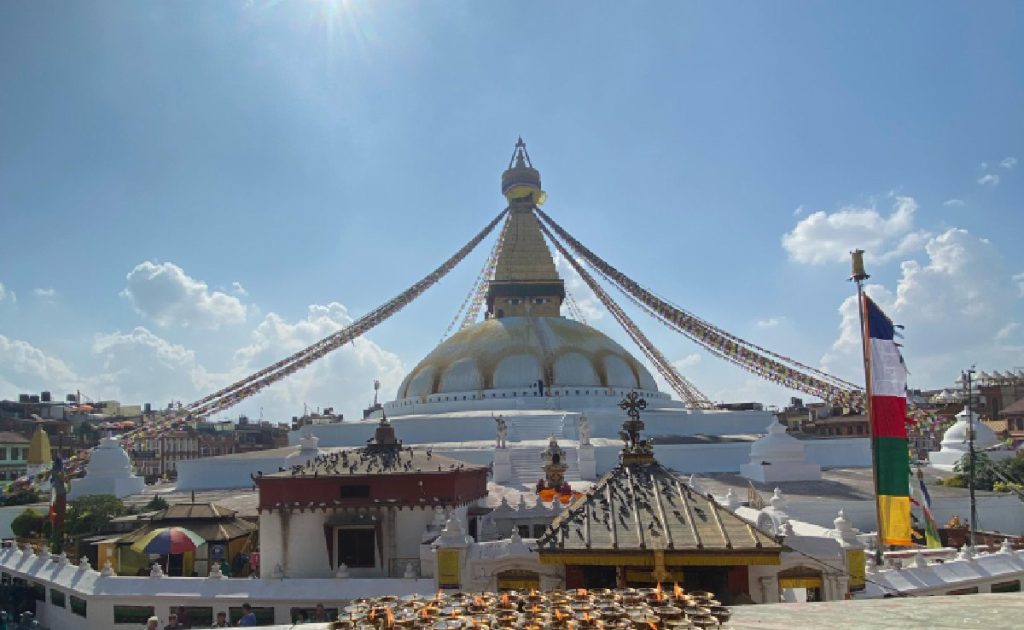
  • Boudhanath Stupa: Another UNESCO-listed site, Boudhanath is one of the largest stupas in Nepal. Here, you can witness Tibetan Buddhist rituals and enjoy a peaceful atmosphere.

Tip: Explore the bustling streets of Thamel for souvenirs, local food, and a taste of Kathmandu’s nightlife.

Day 3-5: Chitwan National Park – Wildlife Safari Adventure
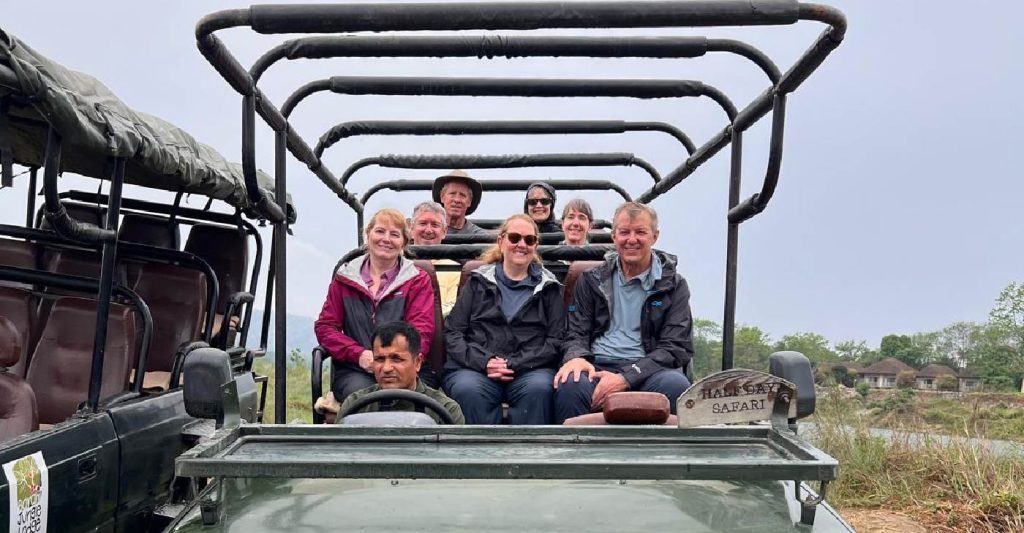
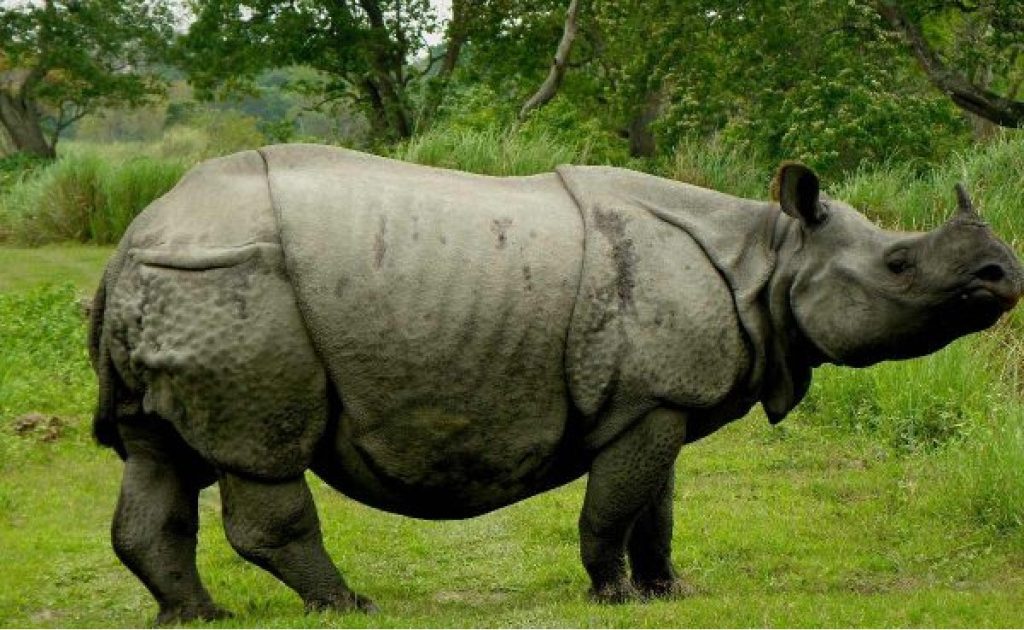
Next, travel to Chitwan National Park (5-6 hours by car), one of the best places in Nepal for wildlife experiences. The park is home to rare animals like the one-horned rhinoceros, Bengal tigers, and exotic birds.

  • Jeep Safari: Go on a thrilling jeep safari through the jungle, where you might spot rhinos, tigers, and elephants.
  • Canoe Ride: Paddle along the Rapti River and spot crocodiles, birds, and lush greenery.
  • Tharu Village Visit: Explore a local Tharu village to learn about the culture and lifestyle of this indigenous group.

Tip: Stay in a jungle lodge for an authentic experience, and enjoy local Tharu dances in the evening.
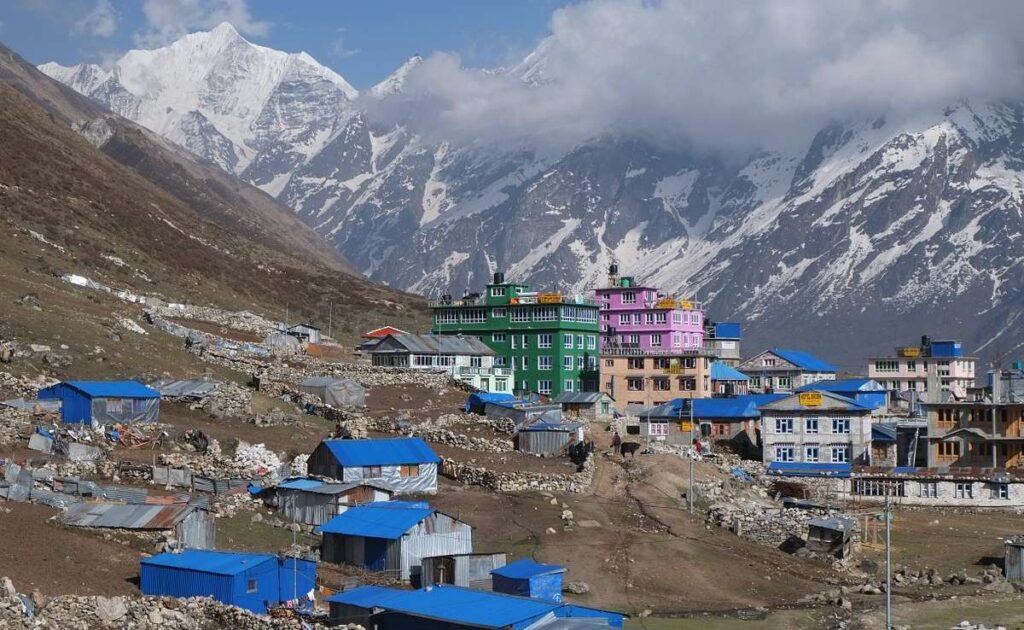
Day 6-7: Bandipur – Peaceful Hilltop Retreat

From Chitwan, take a scenic drive to Bandipur, a charming hilltop village known for its traditional Newar culture and stunning mountain views. It’s a great place to relax and enjoy the beauty of the Himalayas.

  • Village Walks: Wander through the cobblestone streets and enjoy the traditional architecture of Bandipur. Visit local temples and enjoy the peaceful surroundings.
  • Hiking: Take a short hike to Tundikhel for panoramic views of the Annapurna and Manaslu ranges.
  • Relax: Enjoy a cup of local tea while admiring the beautiful landscape.

Tip: If you’re into caves, make sure to visit Siddha Cave, one of the largest caves in Nepal.

Day 8: Nagarkot – Stunning Himalayan Sunrise

After Bandipur, head to Nagarkot (4-5 hours by car), famous for its sunrise and sunset views of the Himalayas.

  • Sunrise Viewpoint: Wake up early for a spectacular sunrise view of Mount Everest and the surrounding peaks.
  • Hiking and Relaxation: Enjoy a nature walk or simply relax and take in the breathtaking mountain scenery.

Tip: Stay in a mountain resort for the best views of the Himalayas.

Day 9: Bhaktapur or Panauti & Namo Buddha – Cultural Exploration

On Day 9, you have two options for cultural exploration:

  • Option 1: Bhaktapur
    Visit Bhaktapur Durbar Square, a UNESCO World Heritage Site known for its stunning palaces, temples, and traditional Newar architecture. Don’t forget to try juju dhau (king curd), a local delicacy.
  • Option 2: Panauti & Namo Buddha
    Panauti is a charming town filled with ancient temples. Continue to Namo Buddha, a sacred Buddhist site offering peace and fantastic views of the mountains.

Day 10: Departure – Last Day in Kathmandu

On your final day, relax in Kathmandu before your departure.

  • Visit Durbar Square for a last look at Kathmandu’s royal history.
  • Stroll through the Garden of Dreams, a peaceful spot to unwind.

Tip: Shop for souvenirs in Thamel or relax in a café before heading to the airport.

Travel Tips for Nepal:

  • Weather: The weather varies across Nepal. Kathmandu and Chitwan are warm, while Bandipur and Nagarkot are cooler, especially in the mornings and evenings.
  • Local Currency: Nepalese Rupee (NPR). Carry cash as some rural areas may not have ATMs.
  • Health & Safety: Travel insurance is recommended. Carry basic medications for stomach issues or altitude sickness.
  • Cultural Respect: Always dress modestly, especially when visiting temples or sacred sites.

This 10-day Nepal itinerary offers a perfect blend of culture, wildlife, and natural beauty. From the ancient temples of Kathmandu to the peaceful mountains of Bandipur and Nagarkot, and the wildlife adventures in Chitwan, Nepal is a country full of unforgettable experiences.

Ready to explore Nepal? Plan your trip with this detailed itinerary and create memories that will last a lifetime!


Nepal Travel Guide: Using eSIM for Trekking and Travel

eSIM in Nepal

Whether you’re dreaming of conquering the trails to Everest Base Camp, exploring the ancient wonders of Kathmandu, or immersing yourself in the serene beauty of the Annapurna Circuit and even the lesser-known landscapes of Langtang, staying connected is no longer a hassle. Forget the inconvenience of physical SIM cards! With the rise of eSIM for Nepal, travelers can now enjoy seamless connectivity from the moment they arrive. This ultimate guide will walk you through the best international eSIM providers and data plans to keep you online throughout your Nepalese journey.

What is an eSIM and Why is it a Game-Changer for Travelers?

An eSIM (embedded SIM) is a digital SIM card built directly into your phone. It allows you to activate a mobile data plan from a provider without needing a physical SIM card. This means you can easily purchase and set up your connectivity before you even set foot in Nepal. Once activated, you can use mobile data, make calls (depending on the plan), and send texts as needed. Most modern smartphones, including iPhone (XR and later), Google Pixel (3 and later), and many Android devices, are eSIM-enabled phones.

For international travelers heading to Nepal, eSIM technology is truly revolutionary. Imagine landing in Kathmandu and instantly having access to the internet to navigate, contact your accommodation, or share your arrival – all thanks to a pre-purchased eSIM for travelers in Nepal.

Why Choose an eSIM for Your Nepal Adventure?

Nepal’s diverse landscapes, from the bustling capital to remote trekking routes, demand reliable communication. Whether you need to navigate unfamiliar streets in Kathmandu, stay in touch with loved ones while trekking the Annapurna Circuit, or share breathtaking views from your Everest Base Camp trek, a stable internet connection is invaluable.

Here’s why using an eSIM in Nepal is the perfect choice:

  • Unparalleled Convenience: Activate your eSIM plan digitally before you even depart for Nepal. No more searching for local SIM cards at the airport or dealing with language barriers.
  • Cost-Effective Connectivity: International eSIM providers often offer significantly more competitive rates compared to traditional roaming charges, saving you money while you explore Nepal.
  • Ultimate Flexibility: Choose from a wide range of  data plans tailored to your specific travel duration and data needs, whether it’s a short city visit or an extended trek through Langtang.
  • Reliable and Seamless Connectivity: eSIMs connect to local networks like Nepal Telecom (NTC) and Ncell, providing robust coverage in both urban and many rural areas, ensuring seamless connectivity in Nepal.

Top Global eSIM Providers for Your Trip to Nepal

Choosing the right international eSIM provider is crucial for a smooth and connected trip. Here are some of the leading global eSIM solutions offering services in Nepal:

  • Airalo eSIM: A popular choice known for its user-friendly app and a wide variety of Nepal eSIM plans catering to different data needs and trip lengths. Airalo offers affordable options and easy management.
  • GigSky eSIM: Another excellent provider with a broad selection of affordable eSIM data plans covering Nepal extensively, including popular trekking regions. GigSky provides easy activation via their app and QR code.
  • Truphone eSIM: Renowned for its reliable international eSIM servicesTruphone ensures seamless connectivity throughout your travels in Nepal with their easy-to-activate eSIM data plans.
  • World Mobile eSIM: Ideal for travelers seeking generous data allowances, World Mobile offers global eSIM solutions with coverage in Nepal, providing a worry-free roaming experience.
  • Holafly eSIM: Praised for high customer satisfaction, Holafly offers global eSIM solutions with affordable data plans specifically for Nepal, ensuring reliable service throughout your adventure.
  • Nomad eSIM: Introduced by LotusFlare, Nomad eSIM simplifies mobile connectivity for international travelers to Nepal, offering easy activation and competitively priced eSIM plans.
  • Roamless eSIM: Specializing in eSIM services for global travelersRoamless guarantees uninterrupted mobile data access, whether you’re in Kathmandu or trekking in the Himalayas, ensuring an easy and stress-free experience with their Nepal eSIM.

How to Effortlessly Activate Your eSIM in Nepal

Setting up your eSIM for your Nepal trip is a straightforward process:

  1. Choose Your Provider: Select one of the reputable international eSIM providers that offer coverage in Nepal (e.g., AiraloGigSkyTruphoneWorld MobileHolaflyNomad eSIMRoamless).
  2. Purchase Your Plan: Visit the provider’s website or app to choose and purchase the eSIM data plan that best suits your travel needs and duration in Nepal.
  3. Activate Your eSIM: Upon purchase, you will typically receive a QR code and detailed instructions. Scan the QR code with your eSIM-enabled phone and follow the steps to activate your plan. This usually needs to be done when you have a stable internet connection (before or upon arrival at your accommodation in Nepal).
  4. Enjoy Seamless Connectivity: Once activated, your eSIM will automatically connect to a local network in Nepal, providing you with mobile data for navigation, communication, and sharing your incredible experiences.

Stay Connected and Explore Nepal with Ease

eSIM technology has truly transformed the way international travelers stay connected, making it the perfect solution for your Nepalese adventure. Whether you’re embarking on a challenging trek to Everest Base Camp, exploring the cultural heart of Kathmandu, discovering the stunning landscapes of the Annapurna Circuit, or venturing into the serene beauty of Langtang, an eSIM ensures you have reliable mobile coverage. Choose from leading global eSIM providers like AiraloGigSkyTruphoneWorld MobileHolaflyNomad eSIM, and Roamless, and enjoy the convenience of seamless connectivity in Nepal from the moment you arrive.


Annapurna Region: Astam Eco Village in Annapurna Foothills

Astam Eco Village

Looking for a peaceful escape from the noise and crowds of the city but don’t have time for a long trek? Astam Eco Village is the perfect destination! Nestled at the base of the Annapurna Himalayas, this eco-village offers breathtaking views of the mountains without the need for an exhausting trek. It’s ideal for anyone seeking tranquility, an authentic Nepali village experience, and a chance to learn about sustainable farming.
Highlights of the Astam Eco Village Trek

Incredible 360-Degree Views

Astam Eco Village offers some of the best panoramic views of the Annapurna range. From here, you can see the iconic Machhapuchhre (Fishtail) Mountain and the entire Annapurna range. Whether you’re watching the sunrise over Annapurna or the sunset behind Fishtail, the scenery is absolutely stunning.
The Shortest and Easiest Trek Near Pokhara

If you’re short on time but still want to experience the beauty of the Annapurna region, Astam Eco Village is the perfect trek for you. This short, easy hike takes only a few hours and offers incredible mountain views. It’s one of the best short treks near Pokhara, perfect for those looking for a quick adventure.

Experience Traditional Nepali Village Life

Astam Eco Village is a great place to immerse yourself in traditional Nepali village life. As you explore the village, you’ll see how locals live and work in harmony with nature. The village follows sustainable farming practices, making it an excellent example of eco-friendly living. You’ll get a glimpse into rural life and understand the importance of sustainability in the Annapurna region.

Sustainable Farming and Alternative Resource Use

Astam is committed to sustainability. The village uses organic farming methods to grow food and has adopted alternative resources to protect the environment. If you’re interested in eco-tourism in Nepal, Astam is a must-visit. It’s a great place to learn about how communities work with nature to maintain a sustainable lifestyle.

Enjoy Organic Food

After your trek, enjoy a delicious organic lunch made with fresh, local produce grown in the village. You’ll taste the best of Nepali farm-to-table cuisine while connecting with the village’s sustainable farming practices.

Learn About Village Farming Life

Farming is at the heart of life in Astam Eco Village. During your visit, you can observe or even participate in various farming activities. The community grows rice, maize, and other crops using organic methods. Learn about their agricultural practices that protect the environment and ensure the health of the land for future generations.

Beautiful Sunrise and Sunset Views

The sunrise and sunset views from Astam Eco Village are some of the best in the region. The sunlight hitting the peaks of the Annapurna range and Machhapuchhre creates a magical atmosphere. Whether you wake up early for the sunrise or return in time for the sunset, you’re guaranteed a breathtaking experience.

Why Choose Astam Eco Village?

Astam Eco Village is perfect for those who want to explore the Annapurna region but don’t have time for a long trek. It’s an eco-friendly village where you can enjoy stunning views of the Annapurna Himalayas, learn about sustainable farming, and experience traditional Nepali village life. Whether you’re a nature lover, an eco-tourist, or simply looking for a relaxing day trip, Astam has something to offer.

What You Need to Know

  • Best Time to Visit: The ideal time to visit Astam Eco Village is in the spring (March–May) and autumn (September–November), when the weather is clear and the views are best.
  • Difficulty: Easy. This is a gentle hike suitable for all fitness levels. Perfect for beginners or anyone looking for a short trek.
  • What to Bring: Comfortable shoes, sunscreen, a hat, a water bottle, and a camera. If you plan to stay overnight, bring a light sleeping bag and extra clothing.
  • Cost: The trek is free, but you’ll spend money on meals and possibly accommodation in the village.

If you’re looking for a short, easy trek to experience the beauty of the Annapurna region, Astam Eco Village is the place to be. With incredible sunrise and sunset views, a glimpse into sustainable farming, and an authentic Nepali village experience, this trek offers all the rewards without the challenges of a long hike.

Astam Eco Village is a perfect blend of nature, culture, and sustainability. It’s one of the best Nepal hiking destinations for those who are short on time but want to experience the beauty of the Annapurna foothills.

So, pack your bags, put on your hiking shoes, and get ready for a peaceful and rewarding adventure at Astam Eco Village—one of the most serene and scenic places near Pokhara!

Festivals & Culture: Ghode Jatra Festival Celebration in Kathmandu

Ghode Jatra in Nepal

Ghode Jatra, also known as the Horse Festival, is one of the most vibrant and exciting traditional festivals in Nepal. Celebrated annually in the Kathmandu Valley, it falls on the full moon day of Chaitra (March/April). The festival is a blend of culture, history, and thrilling horse races, making it a major event for both locals and visitors.

The Legend Behind Ghode Jatra

Ghode Jatra has deep historical and mythical roots. According to legend, a demon once terrorized the Kathmandu Valley, particularly the area where Tundikhel ground is now located. To defeat this menace, the Malla kings organized a grand horse race, believing that the sound of galloping horses would drive the demon away. The tradition continues to this day, with the festival symbolizing victory over evil.

How is Ghode Jatra Celebrated?

The Nepal Army and Police organize the festival’s main event at Tundikhel, where a grand horse parade and races take place. Skilled riders display their impressive horsemanship, performing daring stunts and acrobatic feats. The festival also features masked dances, cultural performances, and sporting events. Local communities actively participate, adding to the festive atmosphere with music, dance, and traditional feasts.

The Significance of Ghode Jatra

Ghode Jatra is more than just an entertaining spectacle—it is a symbol of unity and cultural pride. The festival brings together people from different backgrounds, strengthening community bonds. It also reflects Nepal’s deep connection with its history, keeping ancient traditions alive in the modern era.

Experience Horse Riding in Nepal

For those inspired by Ghode Jatra, Nepal offers incredible horse-riding opportunities. Guided tours allow visitors to explore stunning landscapes while experiencing the country’s rich culture. Popular horse-riding destinations include:

1. Annapurna Circuit

One of Nepal’s most scenic routes, the Annapurna Circuit offers breathtaking mountain views, lush forests, and traditional villages. Riding through these landscapes provides a unique and immersive experience.

2. Langtang Valley

Located near Kathmandu, Langtang National Park is an excellent destination for horse riding. With diverse flora and fauna, stunning mountain views, and rich Tamang culture, this trail is a favorite among nature lovers.

3. Manaslu Circuit

This remote trail takes riders through picturesque villages, dense forests, and high-altitude passes. The Manaslu region offers an off-the-beaten-path adventure for those seeking tranquility and cultural immersion.

4. Pokhara

Known for its serene lakes and breathtaking mountain views, Pokhara is a popular tourist destination. Horse-riding tours around Phewa Lake and the surrounding hills provide a peaceful yet adventurous escape.

5. Chitwan National Park

For wildlife enthusiasts, Chitwan National Park offers an exciting way to explore the jungle on horseback. Riders can witness diverse wildlife, including rhinos, elephants, and even tigers in their natural habitat.

Ghode Jatra is a must-see festival that showcases Nepal’s rich traditions, history, and cultural vibrancy. Whether you witness the thrilling horse races in Kathmandu or embark on a horse-riding adventure across Nepal’s diverse landscapes, the spirit of Ghode Jatra lives on in every hoofbeat. Plan your trip this March and experience the magic of Nepal with the Himalayan Circuit!