World Heritage Sites in Kathmandu Valley

World Heritage Site in Kathmandu: Swayambhunath

A cultural tour in Nepal will give you a glimpse of the real Nepal.  Nepal is a melting pot of several cultures and religions that live in perfect harmony with each other. You can learn about the original inhabitants of Kathmandu, the Newars, in a cultural tour through the Kathmandu Valley. 

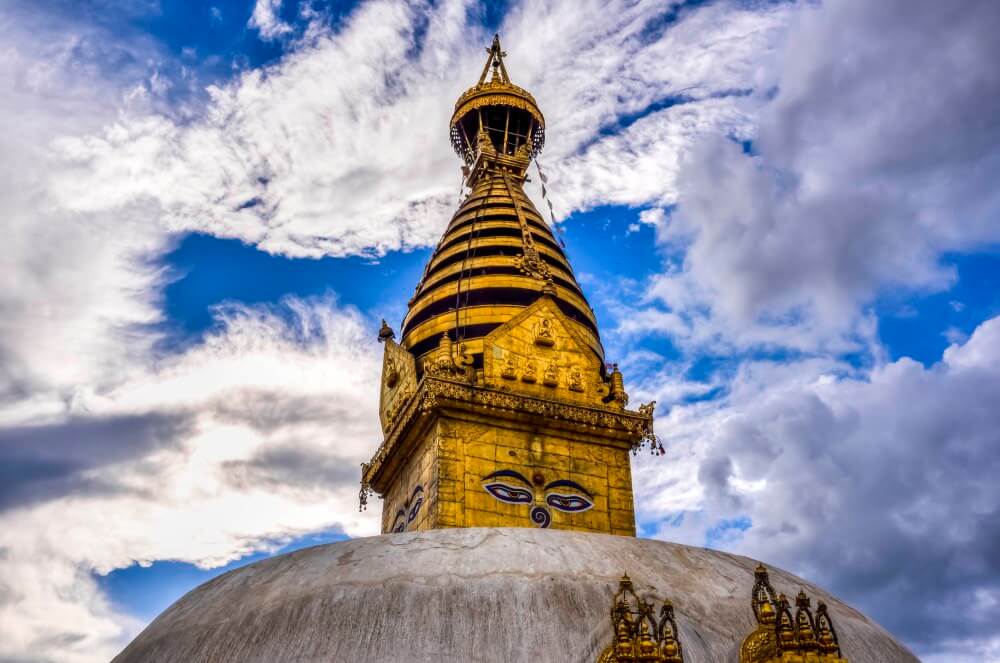
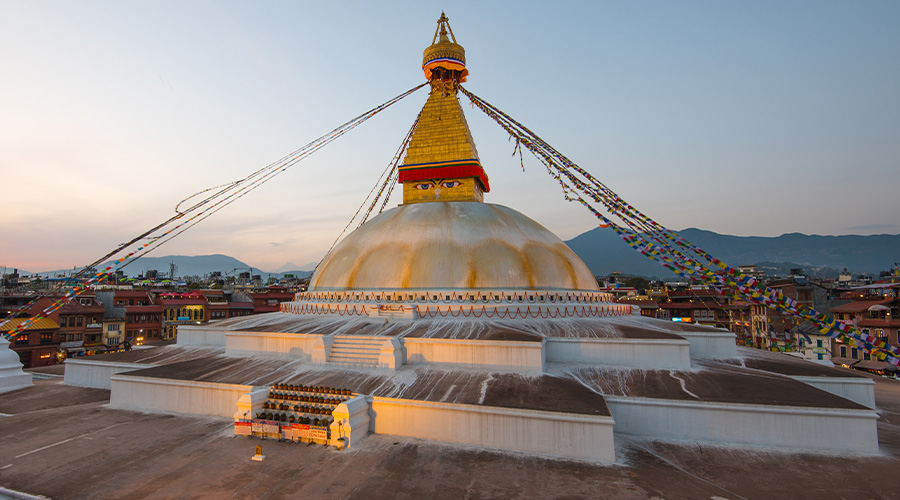
This cultural heritage sites in Kathmandu is a combination of cultural and natural value making it an excellent inclusion on the list of world heritage sites. There are temples made of brick and roofs covered with small overlapping terracotta tiles, along with rich carvings in roof struts, windows, and doorways. A stupa’s form is simple, but powerful, with massive whitewashed hemispheres holding gilded cubes depicting the ever-seeing Buddha’s eyes.

There are seven World Heritage Sites within a radius of 20 kilometers of Kathmandu, making it the city with the most World Heritage Sites in the world. The lifestyle, culture, traditions, and craftsmanship of the locals contributed immensely to this. You can witness mixed culture and tradition with mixed settlement of people within this small city during your cultural tour. Throughout this small city, you can observe diverse cultures and traditions.

List of World Heritage Sites in Kathmandu Valley:

  • Kathmandu Durbar Square:

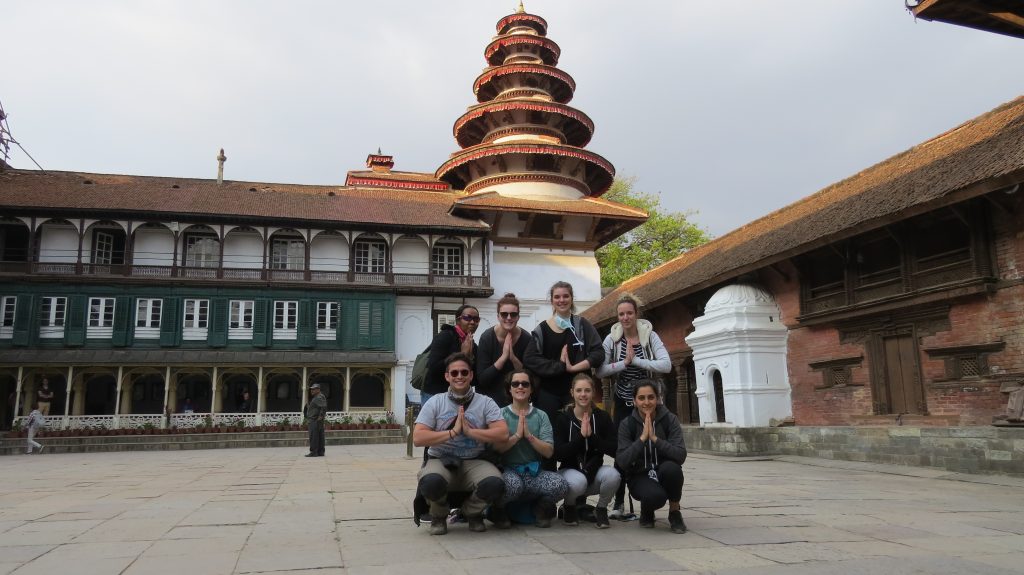
Inside Kathmandu Durbar Square

A visit to Kathmandu Durbar Square will allow you to witness ancient statues, fountains, ponds, and a series of courtyards, such as Mohan Chok and Sundari Chok. Kathmandu Durbar Square was home to the palaces of several of the kings of Kathmandu, including the Malla and Shah dynasty.

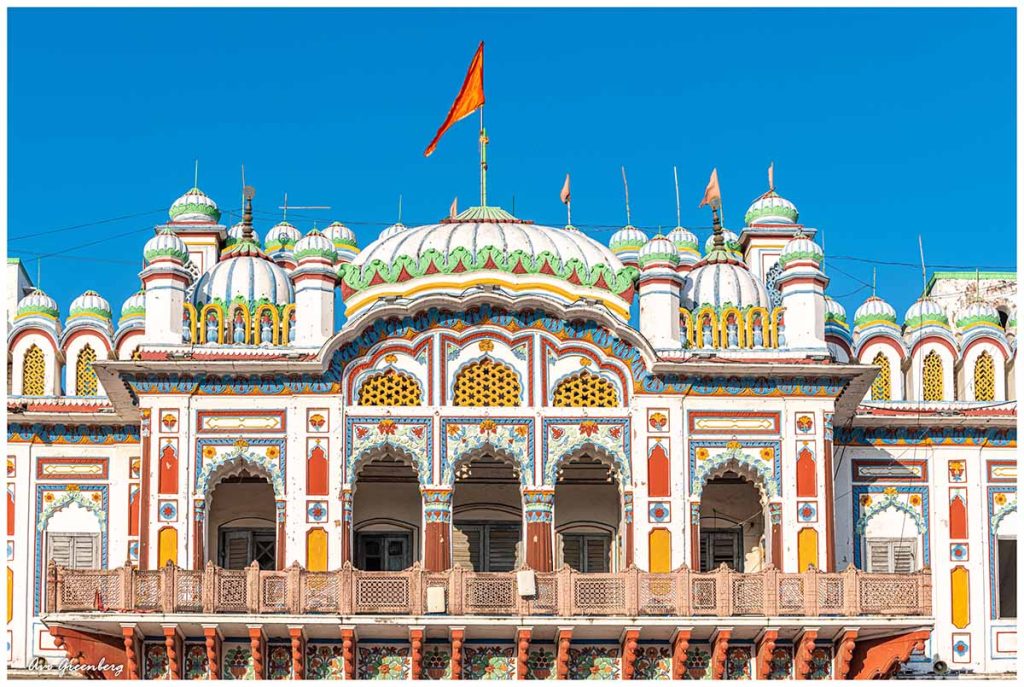
The major attractions you will get to see during your cultural tour in the Durbar square that reflect Nepli art, architecture, culture, and history include Jagannath Temple, Mahendreswara Temple, Nautale Durbar (nine-storied structure), Kal Bhairav, Bhagwati Temple, Kotilingeshwara Mahadev (a Shiva temple carved from stone), Kumari Bahal, Saraswati Temple, and the magnificent Taleju Temple. You can also witness different festivals and religious rituals celebrated in the durbar square during your visit. 

  • Bhaktapur Durbar Square:

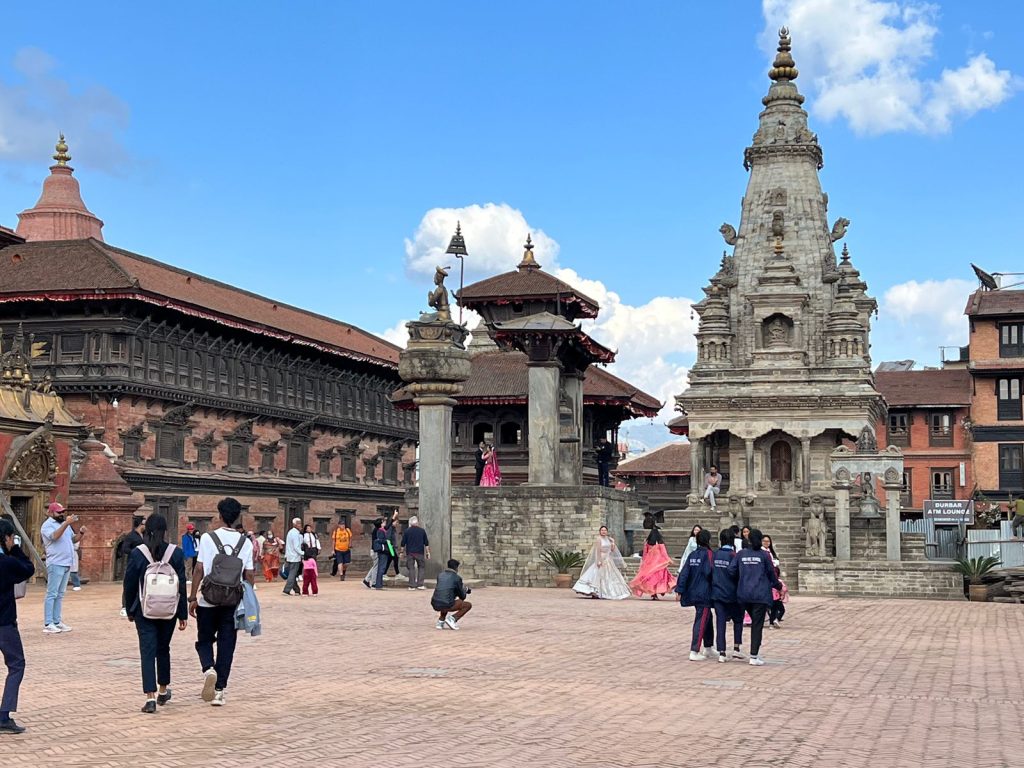
Bhaktapur Durbar Square

The best way you can discover Bhaktapur is by strolling through narrow streets, passing residents’ homes, temples, and courtyards, and then visiting the market. Known as the ‘city of devotees’, Bhaktapur is known for its stunning culture, elegant art, colorful festivals, traditional dances, and the typical Newar lifestyle. 

A visit to Durbar square will catch your interest in so many areas, including the 55 window palace, Nyatapola temple, Golden gate, Lion’s Gate, mini Pashupatinath temple, Batsala and the Bhairavanath temple. This ancient masterpiece can truly be called an “Open Museum” with many examples of wooden sculptures, colossal pagodas, and temples dedicated to many different gods and goddesses.

  • Patan Durbar Square:

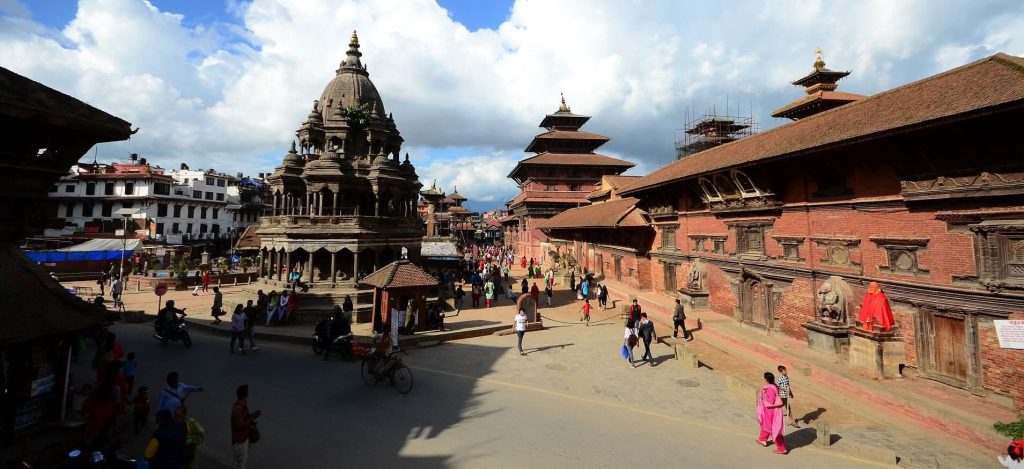
Patan Durbar Square

Patan Durbar Square which is also known for its artistic heritage is the oldest among the three durbar squares in the Kathmandu valley. As one of the oldest Buddhist cities in the world, Patan Durbar Square is home to many Hindu temples and Buddhist monuments with beautiful carvings, bronze gateways, and guardian deities. 

Among the notable temples, courtyards, and buildings you will get to observe in Patan Durbar Square during your cultural tour are Taleju Bhawani Temple, Sundari Chowk, Keshav Narayan Chowk, Krishna Mandir, Mul Chok, and Bhimsen Temple.

  • Pashupatinath Temple:

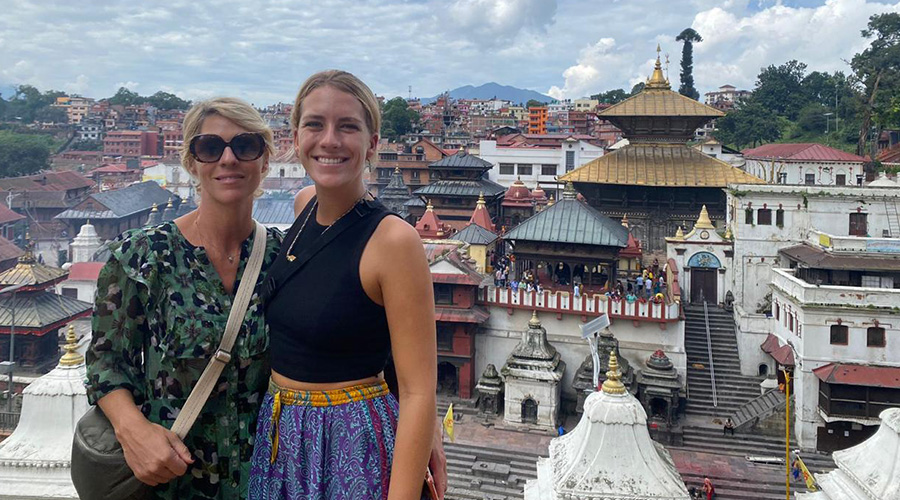
Pashupatinath Temple

This holy Hindu temple devoted to Lord Shiva, is one of the biggest and most sacred of the Shiva temples in the world. There are thousands of pilgrims from around the world who come to pay respect to Lord Shiva and seek blessings from him at the Pashupatinath temple. The rituals performed in Pashupatinath will fascinate you. A practice of burning dead bodies and mourning in full view of temple-visitors is a unique practice that you cannot witness elsewhere.

Along with the main shrine of Pashupatinath temple, there are dozens of smaller temples you can see, like Vatasala temple, Guhyeshwari temple, Ram temple, etc. Several paintings depicting sexuality can be found on the temple roof, and near the temple is a ceremonial cremation ground, an indication that death is not something to be feared and sexuality is not something to be detested.

  • Swyambhunath Stupa

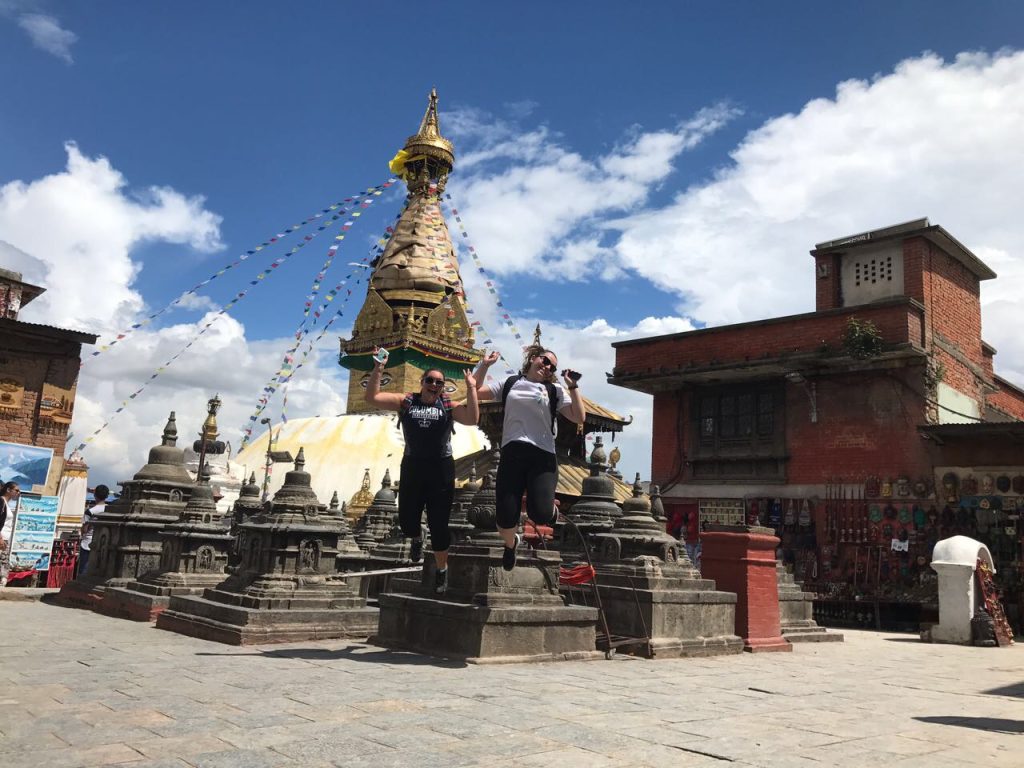
Swyambhunath Stupa / Monkey Temple

Swyambhunath Stupa is the most ancient, most iconic and most visited holy shrine in the Kathmandu valley. Various temples and shrines comprise this complex, which is sacred to Buddhists and Hindus equally. The site of Swyambhunath offers a panoramic view of the valley and is a site you must visit during your cultural tour in Nepal.

This Buddhist site in the center of a Hindu temple is one of the rare places in the world where we can witness complete harmony between two religions. The Swyambhu complex contains temples and shrines that are historically and culturally significant, including Harati Devi temple, Shantipur (Palace of Peace), Pratapur and Anantapur, as well as the World Peace Pond and Buddha Amideva Park. 

  • Boudhanath Stupa

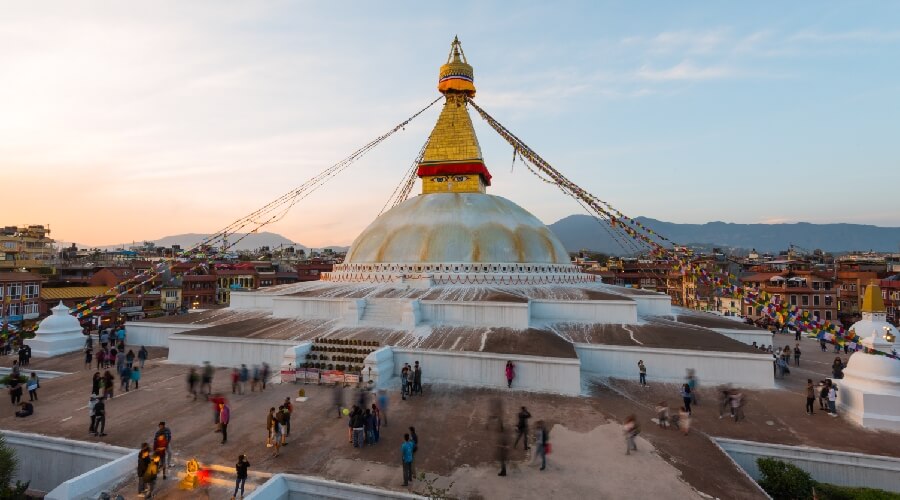
Boudhanath Stupa

Boudhanath Stupa represents Buddhist culture and tradition which is said to have been created just after the death of the Buddha. Built around the 14th century, the stupa is a historical pilgrimage site for Buddhists across the world. Stupa possesses a peaceful and serene aura that can inspire you and bring good vibes. Since ancient times, Boudhanath has been an important pilgrimage site for Tibetan Buddhists and Nepalese. 

You can see Tibetan Buddhist monks and nuns chanting the mantra ‘Om Mani Padme Hum’ as you walk around the Stupa. With a strong presence of Tibetans and Sherpas in the surroundings, you can gain a sense of Himalayan and Tibetan culture. The Bouthanath area is also a place to shop for local and branded products, where you can purchase handmade clothing, traditional Thangkas, and cashmere items.

  • Changunarayan Temple
Changunarayan templel

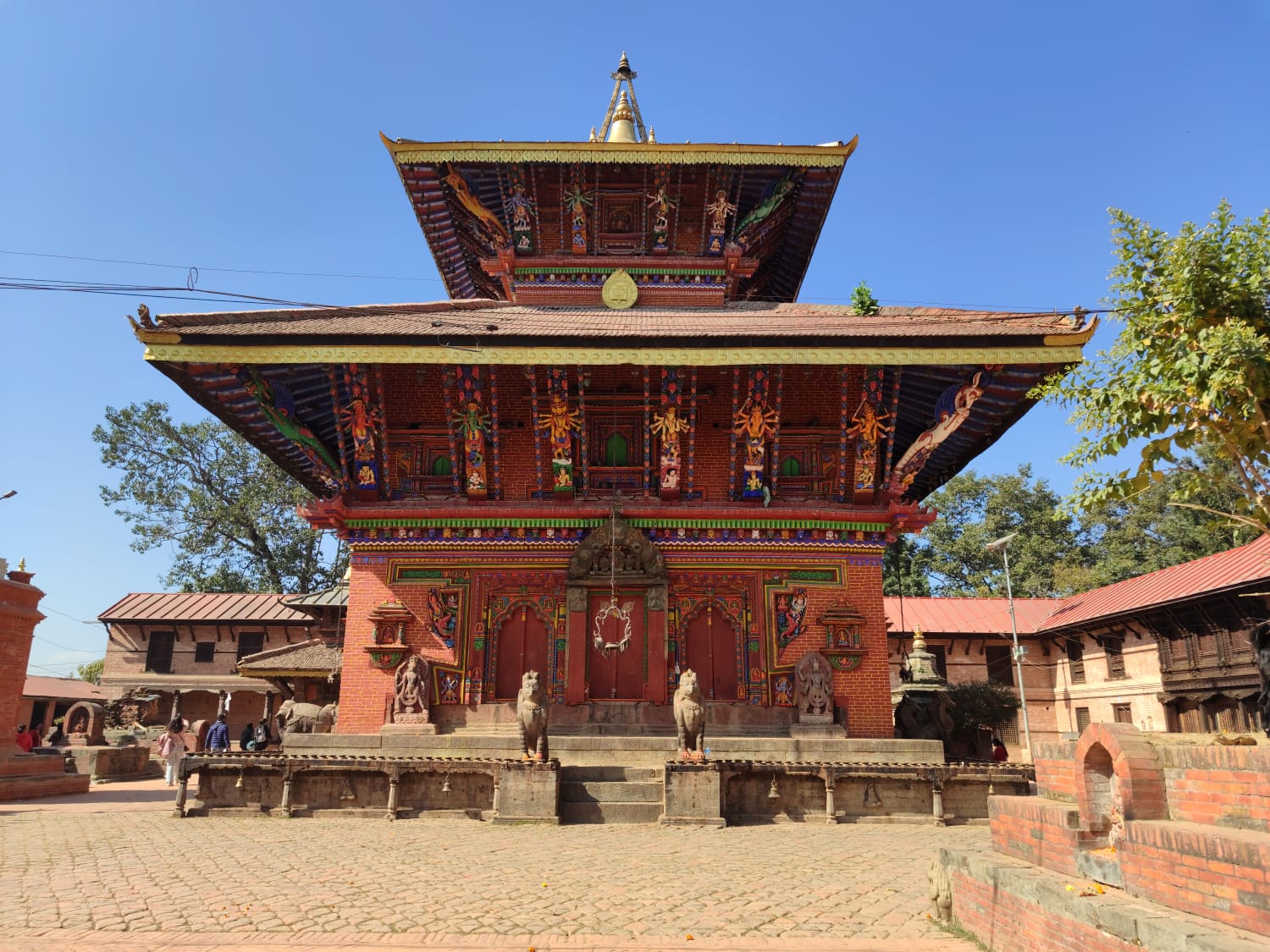
The traditional Nepali style temple dictated to Lord Vishnu is the oldest Hindu temple in the country. The carvings in the main temple and the statues that surround it make you feel like you’re walking in a museum. Within the Changunarayan premises are the Chinna Masta Temple, Kileshwor Mahadev Temple, Vaikuntha Vishnu, Garuda Narayan, Vishnu Vikrant, Narshima and Changunarayan Temple in the middle. A walk around the surrounding area reveals typical Newari and Gurung tradition and culture.

Explore the charms of the world in the small city of Kathmandu. Your cultural tour to Nepal will be enriched by the beauty of three Durbar Squares, ancient Stupas, temples and invaluable insights of a rich cultural and religious heritage.

Crossing Thorang La – Annapurna Circuit

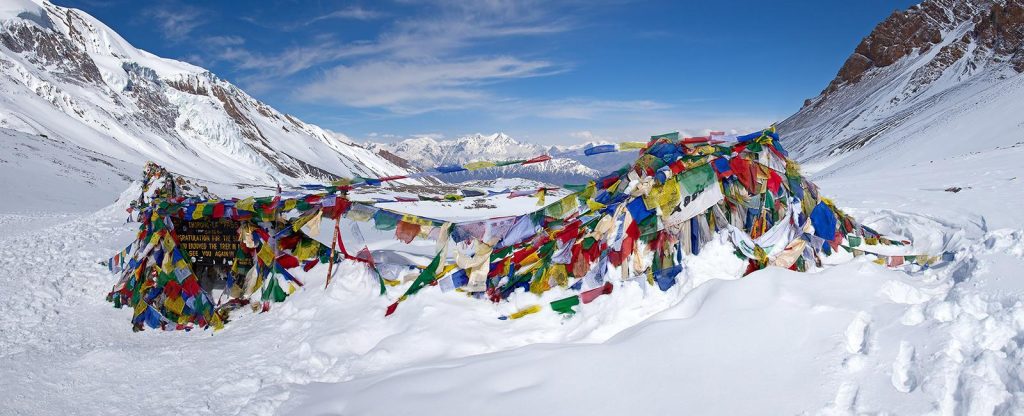
Annapurna Circut: Thorang La Pass

Crossing over Thorong La Pass is both the highlight and the biggest challenge of completing the Annapurna Circuit. Trekking the Annapurna Circuit has changed a lot over the last twenty years as roads have replaced trails along a significant portion of the traditional trek. The stretch of the trek from Manang to Mulktinath over the pass is the last stretch of the circuit that remains completely roadless.

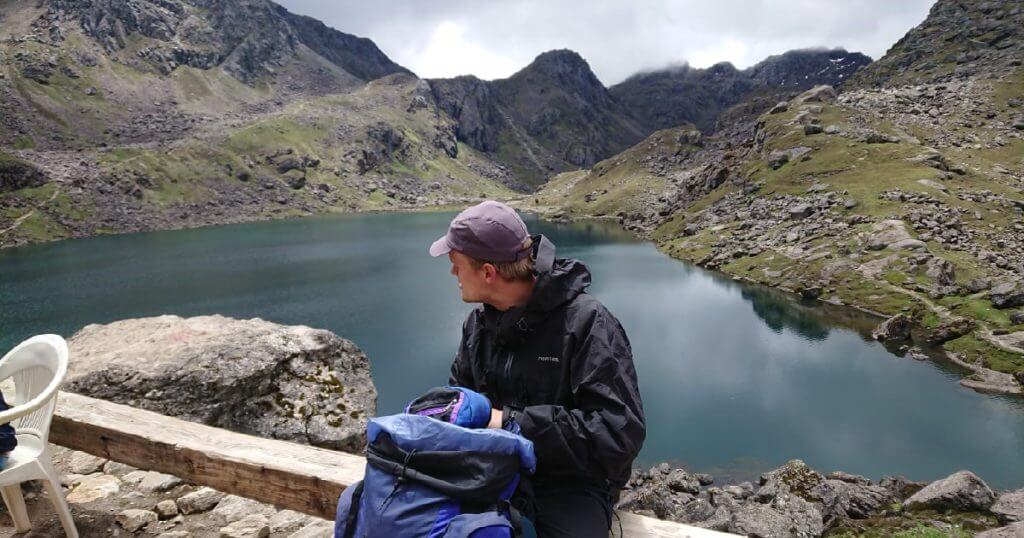
The pass is the highest point on the entire 300km Annapurna Circuit and at 5,416m (17,769 ft) is higher than Everest Base Camp (5,380 m). The trek between Manang and Thorong La is one of the most beautiful parts of the Annapurna Circuit with majestic views on the way up of Gangapurna, Annapurna III and Chulu West. Once you get closer to the pass Khatung Kang and the colorful peak of Thourungtse (6481m) come into view and from the top one can see out to the valley of the Kali Gandaki and the region of the upper Mustang. It’s a steep climb from the pass down to the booming village of Mulktinath 3710m which is famous for its sacred temple.

Most trekkers start the Annapurna Circuit in either Besisahar (the district headquarters) or a little further up the road in Syange and spend the next 4 or 5 days trekking to Manang. It’s possible to get a jeep all the way up to Manang but this shortens the trek quite a bit and does not allow for adequate time to acclimatize. The trek is not entirely along the road and you have a number of options in places to hike on the other side of the canyon and avoid any traffic. Even if you do opt for the road traffic is fairly light since the road is quite rough and travel is slow. It’s a full days jeep ride from Besisahar to Manang. The road actually improves quite a bit after Chame so if you have made it that far in jeep you might want to continue all the way to Manang. If you do decide on the jeep I suggest you spend at least 3 days in Manang to acclimatize before setting out for the pass. Manang is beautiful village with some great day hikes so it’s the perfect place to stop and acclimatize before tackling the pass.

Continuing on from Manang the route gets a bit steeper and the terrain more rugged. On the way up to Yak Kharta you will have some great views of Chulu West, one of Nepal’s 33 designated trekking peaks. Continuing from Yak Kharta one crosses a large suspension that goes over the upper Jarsang Khola before continuing up the steep walled canyon which in times of heavy snowfall is at risk of avalanches. Thorong Phedi is probably the best option for a nights rest before crossing the pass in the morning. Its possible to continue another hour up to Thorong High View Camp but the lodging is better in Thorong Phedi and staying lower longer probably makes sense in terms of avoiding altitude problems. Although if you have been following the traditional route and don’t have a headache it might be worth continuing up to the high camp just to make the following day easier.

The trail is quite steep between Thorong Phedi and Thorong High View Camp. Most trekkers will start the climb up to the pass around 4am in order to avoid the gusty winds that come up later in the day. Looking back towards Manang on the way up to Thorong High View Camp one has excellent views of Annapurna III and Gangapurna. Once you pass Thorong High View Camp it’s just a long gradual uphill hike to the top of the pass. A number of times it will look like the pass is in view only to find it’s another ridge or moraine in the distance. When you finally reach the pass you are rewarded with fantastic views in all directions. Don’t overlook the difficulty of getting down to Mulktinath which is a fairly steep decent of about 1500m. In front of you are views of the Mustang Region and the 8000+m peak of Dhaulagiri. If you’re tired or would like to stay in a quite village I suggest Chabarbu which is about an hour before Mulktinath. It’s possible to rent motorcycles in Chabarbu and skip the last part of the trek to Mulktinath.

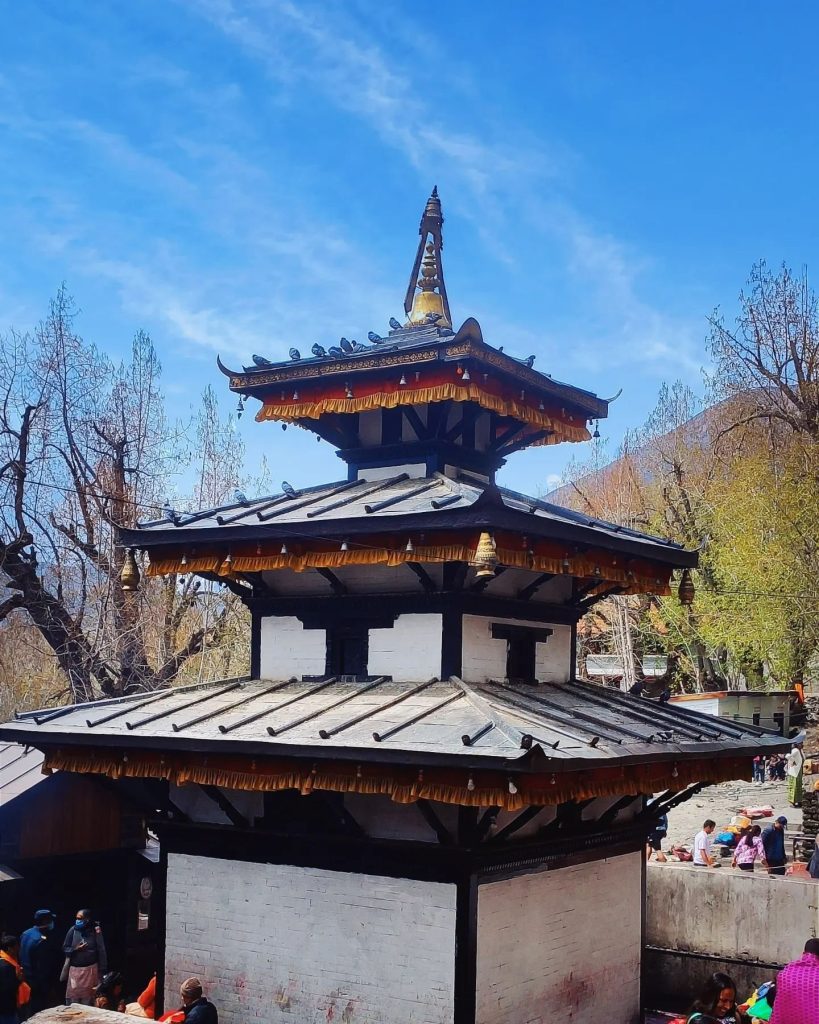
Regular buses and jeeps ply the road between Jomsom and Mulktinath so it’s possible to start the day in Thorong Phedi and make it to Jomsom by nightfall and take a flight the next morning back to Pokhara. Of course if you have time the best option is to continue trekking several more days down the Kali Gandaki Gorge which is said to be the world’s deepest. If you’re spending the night in Mulktinath a good option is the Bob Marley Guesthouse where you can unwind with a hot shower, pool and a beer. If you want to treat yourself Mulktinath has a couple of pricey options as well that attract the many pilgrims who travel to the temple which is just above the city. The temple with its ever flowing 104 waterspouts is certainly worth a visit. Hindus frequently travel great distances to the temple to collect water from the spouts which is said to cure any type of sickness.

Crossing the pass in the opposite direction is not advisable since it does not give one enough time to acclimatize. However, if you have spent a couple of nights in Mulktinath this might be an option.

Thorong La: What’s the Best Season?
September to November: This is the most popular time of year (particularly October). The weather is generally good and the air quality is generally good with excellent mountain views.

December to February: Most years it’s possible to do the trek but heavy snowfall can close the pass for days or even weeks at a time. Avalanches and white out conditions can make for potentially dangerous conditions. Its good time of year to avoid the crowds but one has to be prepared for snow and also to turn around if conditions become unfavorable.

March to May: Nice weather and generally not very crowded. Some slight chance of snow on the pass in March and April.

June to August: The Annapurna Circuit is one of the better options during the monsoon. The start of the trek near Besisahar and the end of the trek can get quite a bit of rain but the stretch of the trail from Chame to Jomsom generally lies within a rainshadow created by the Annapurna Range and is generally much drier. This is one of the few good trekking options in Nepal during the monsoon. The monsoon rains although limited do lead to excellent wildflower viewing.

Thorong La: Annapurna Circuit in 8 Days
The quickest trek over the pass is to take a jeep all the way to Manang from Kathmandu and then spend a couple of days acclimatizing and doing day hikes before going over the pass. It’s possible to cross the pass and fly back to Pokhara via Jomsom in as little as 8 days roundtrip form Kathmandu. However, this should be done only by experienced trekkers who have trekked at altitude before and are prepared to turn around should altitude related symptoms develop.

Thorong La: Internet Access
Currently Manang is the last option until Mulktinath for internet. I spoke with one of the tea houses owners in Yak Kharta in May of 2016 and was told that internet would soon be coming. For now getting online in Thorong Phedi and Thorong High View Camp is not possible.

A Journey of Culture and Adventure

Discover the Magic of Nepal: A Journey of Culture and Adventure

What are you up to right now? Don’t you ever get tired of the same old routine? It’s like you’re stuck in this never-ending loop, right? Well, if you’re itching for a change in your life, you might want to consider this: pack your bags, book a ticket, and hit the road. Explore a place you’ve never been to, meet strangers, and navigate with nothing but a map. You don’t need much stuff; just bring what you’ll likely use along the way. It’s time to embark on an adventure that will inject some freshness into your life, and Nepal might be the perfect destination for just that.

Travel has the power to inject new life into your daily grind. It can offer you a different perspective or even set you on a new path in life. So, if you’re looking for an adventure in an up-and-coming destination, consider Nepal. As a developing country, it’s brimming with exciting and uncharted experiences.
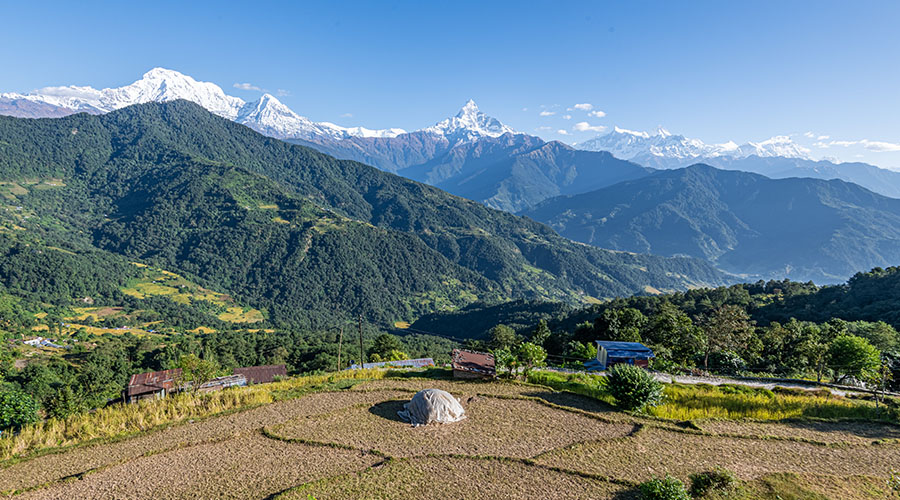
Why should you travel? Well, think about it: from the moment you wake up in the morning to when you lay down to sleep at night, you’re constantly on the move. But those daily routines can become monotonous. We all crave something new, something unexpected, and that’s where travel comes in.

Traveling doesn’t just involve a change of scenery; it’s a chance to break away from the ordinary and immerse yourself in new experiences. It’s a chance to make friends you’d never meet otherwise, to be your true self, and to learn life’s lessons in a unique way. It can even contribute to a healthier, more fulfilling life.

Traveling makes you feel alive. It widens your horizons and nourishes your soul. It’s about discovery, escape, and learning. It’s a challenge to step outside your comfort zone. And if you’re seeking all of these, Nepal is the ideal destination.
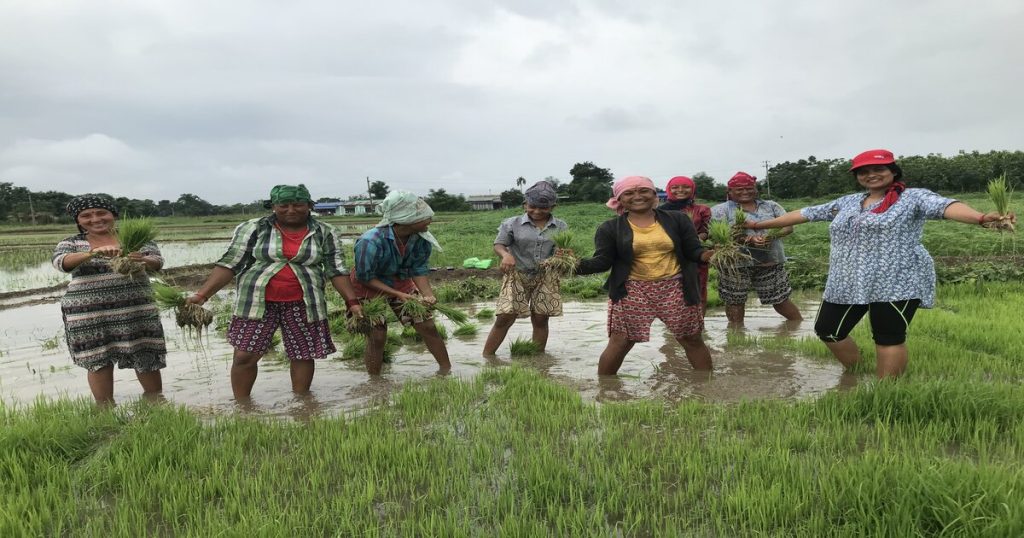
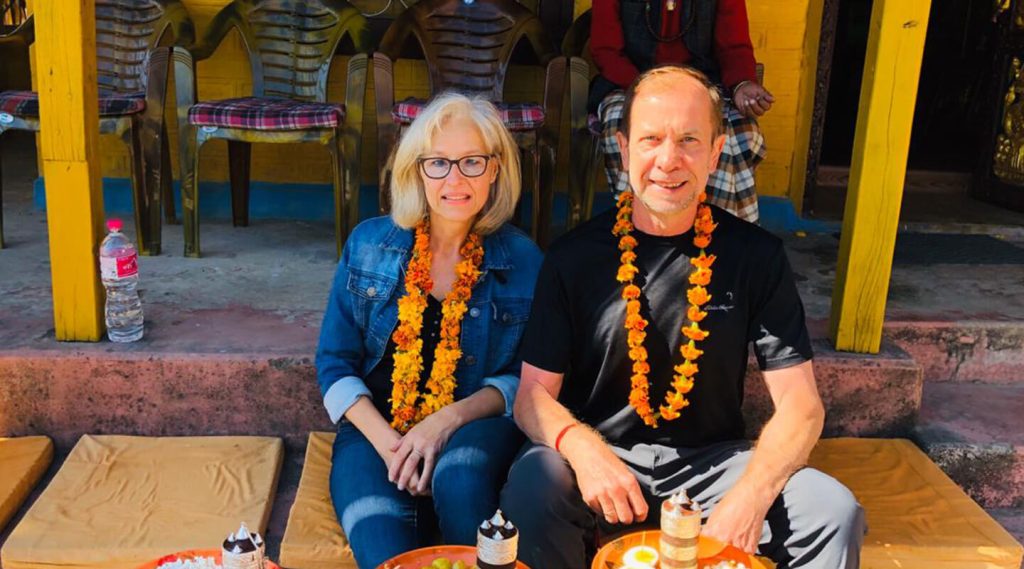
Nepal isn’t just one of the best travel spots; it’s the best. Nature has bestowed this country with a bounty of beauty, and its rich culture further enchants visitors. Every year, people from all walks of life come to Nepal to create lasting memories and collect diverse experiences.

There are no age restrictions when it comes to exploring Nepal. Whether you’re an adrenaline junkie craving adventure or someone who just wants to unwind, Nepal has something to offer you. If you wish to bask in nature’s glory, it’s all around you. If you’re keen to immerse yourself in diverse cultures and lifestyles, Nepal’s regions will surprise you with their distinctiveness.

Nepal is a tapestry of cultures and natural wonders. Every corner you turn reveals a new culture, language, and lifestyle. Just as every morning brings a fresh start, every part of Nepal guarantees a unique experience with its distinct food, traditions, and festivals.

Traveling in Nepal is like opening a treasure chest of happiness and excitement. Whether you’re scaling majestic mountains or simply lounging in their shadow, communing with nature or diving into the tapestry of human cultures, Nepal has it all.