Top 10 sacred places of Nepal

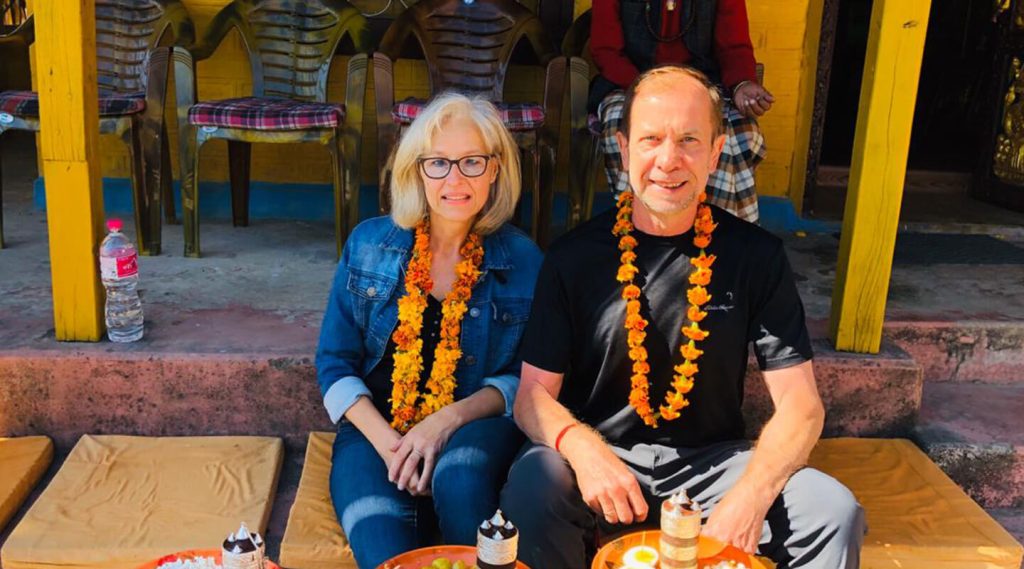
Offering tika

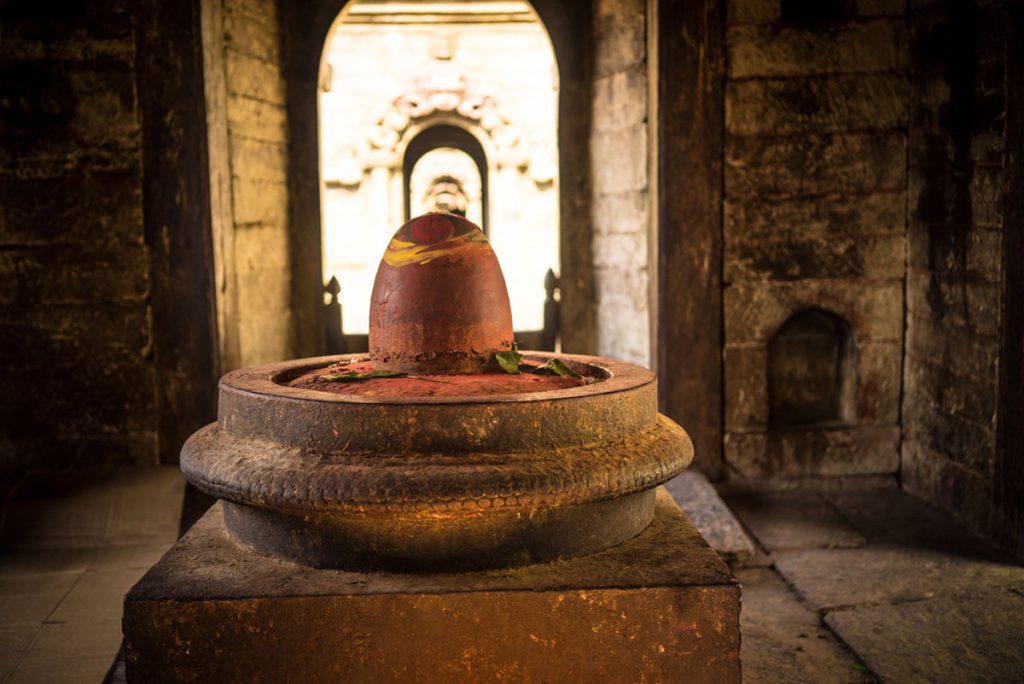
Nepal is a secular country where the people of diverse religious belief live in harmony. Nepal’s sacred places have a long history dating back to the days before the country was unified.  

Nepal is believed to be the home to 33 million god and goddess. Temples and religious sites located in different corners of Nepal are dedicated to these god and goddess. There is a strong belief among the Nepalese people that their wish gets fulfilled when they visit the temple and pray. 

The Nepalese people visit these sacred places because they have a deep conviction that God is present there. The religious mythologies attached to the sacred sites have kept them religious to this day.  Devotees offer milk, sweets, fruits, garlands, and bow down to the shrine to seek blessings from the god.

The following are the sacred places in Nepal that Nepalese visit more frequently. 

It was once said that there are more temples in Kathmandu Valley than houses, and more statues of gods and goddesses than residents. The Kathmandu valley is like an open air museum, filled with religious aspects, and people of all cultures live in harmony. The beautiful valley is home to seven UNESCO world heritage sites and is a sacred place for Hindus and Buddhists alike.

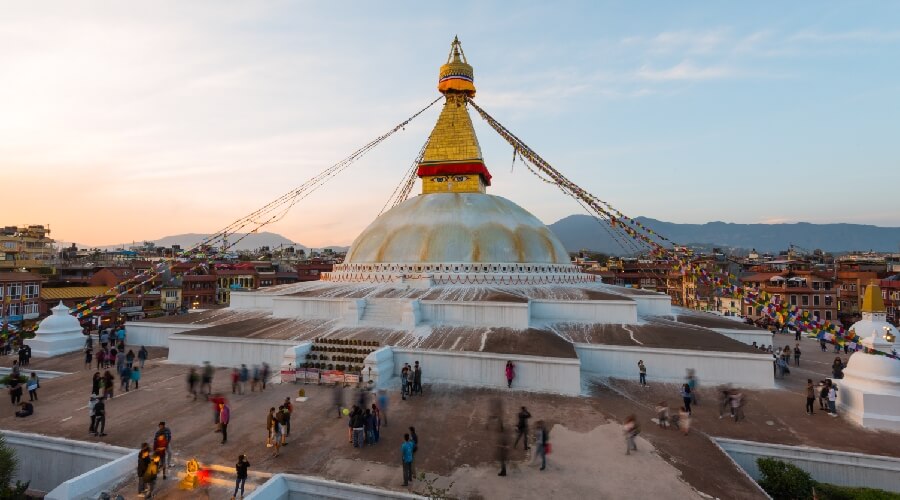
The Boudhanath Stupa and Swyambhunath Stupa are sacred Buddhist pilgrimage destinations that attract pilgrims from all over the world. Similarly, Pashupatinath Temple, Changunarayan Temple, Swyambhunath Temple and Budhanilkantha Temple area must visit pilgrimage sites for Hindus. A visit to this city rich with cultural and religious aspects is not to be missed out on.

Lumbini mayadevi temple

Lumbini is the birthplace of Lord Buddha and is one of the holiest places to visit in Nepal. Also listed in World Heritage Sites, Lumbini is home to many eye catching monasteries and Buddhist centers built by various countries with strong Buddhist traditions. 

The site is one of the four sacred sites that Buddha reportedly suggested to his disciples and followers to visit. There are several religiously significant attractions in Lumbini such as the Maya Devi temple, Ashoka pillar and the remains of the Lumbini palace that you should not miss-out visiting.

  • Muktinath Temple

Muktinath Temple (3,710m) is a sacred place to both Hindus and Buddhists located in Mustang district of Nepal. As a symbol of religious symbiosis, this temple represents the fusion of Hindu and Buddhist religion. Devotees visit here with a belief that taking a bath in the 108 waterspouts (Muktidhara), releases all the negativity from their bodies and receive salvation. It is said that the holy shrine has arisen on its own and is also one of 108 Vaishnava shrines.

Gosaikunda Lake

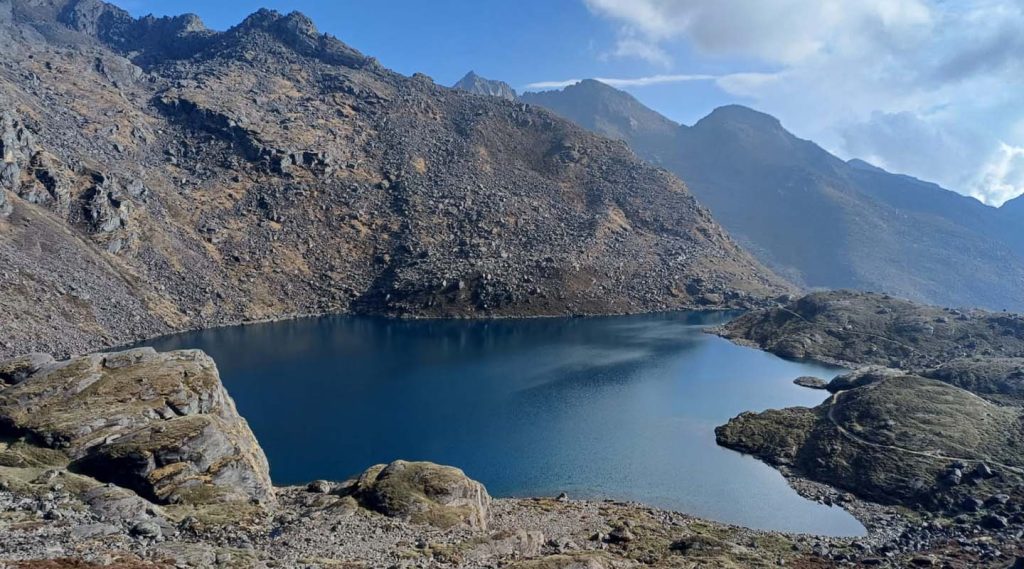
Gosaikunda, located in Langtang National Park, is a holy place for Hindus, and thousands of pilgrims flock here every year during the Janai Purnima and Gangadashahara festivals. According to Hindu mythology, gods Shiva and Gauri lived here. Located 4,380m above sea level, this Hindu pilgrimage site is also a popular trekking destination. 

There are all total 108 holy lakes in this region which makes a visit to this sacred place exciting and spiritual for visitors. Lake Gosaikunda is also one of the major highlights of Langtang trek.

  • Janakpur Dham

Janakpur is a major pilgrimage site for Hindus because it is the place where Goddess Sita was born and where she married Lord Ram. This sacred place is just not known for beautiful temples and monuments, but also for its arts, rich cultural history, literature and language.  The Janaki Temple dedicated to Goddess Sita, Ram Mandir, Vivah Mandap, Gangasagar and Swargadwar are major attractions for visitors. Hindu pilgrims from all part of Nepal and India visit this holy site due to its religious wealth.  

  • Halesi Mahadev Temple

Halesi Mahadev

Known as Pashupatinath of western Nepal, the Haleshi Mahadev Temple (3,100 ft) in Khotang district is a sacred place to Hindu, Buddhists and Kirantis.  According to traditional beliefs, sinners cannot pass through this passage, but by confessing wrongdoing they will be able to pass. It is said that devotees come from far and wide to worship Lord Shiva, with a belief that Haleshi Mahadev grants prosperity to poor and knowledge and wisdom to ignorant. 

  •  Pathivara Temple

The Pathivara temple is a sacred place for Hindus as well as Limbu people. It is located in Taplejung district at an elevation of 3,794 meters (12,444.32 feet), which is also a secondary route of the Kanchenjunga trek. 

A visit to this sacred place tests our devotion and patience as it offers a thrilling journey to reach the temple. It is believed that Goddess Pathivara possesses supernatural powers and is capable of fulfilling the requests of those who visit her temple and make offerings.

  • Chitwan Devghat

Devghat is a popular pilgrimage site in Chitwan, located at the junction of the Kali Gandaki and Trisuli River. As per Hindu Culture, “Ghat” denotes a sacred place where cremation and last rituals are conducted or performed by the family members or close relatives after the death of Hindu people. 

Devghat is a must-visit sacred place for Hindu followers and spiritual seekers as the area is surrounded with numerous temple, cave, and historical sites. A holy bath here is believed to wash away sins, which draws devotees from far and wide to take a holy bath. 

  • Dolakha Bhimsen

Dolakha Bhimsen popularly known as Bhimeshwor temple lies in Dolakaha district of eastern Nepal. The temple situated in the lap of Mt. Gauri Shankar is regarded as the abode of Lord Shiva and his consort Goddess Parvati. There is a belief that Bhimsen’s statue occasionally emits fluid-like drops, which signals any bad fortune that might happen in the country. Numerous people visit and perform puja in this sacred temple to make god happy. 

  •  Baraha Chhetra (Kshetra)

Baraha Kshetra is a Hindu pilgrimage site in Sunsari district, located at the junction of Sapta Koshi and Koka River. This sacred place is one of the oldest shrines in Nepal, mentioned and glorified in multiple Puranas including Varaha Purana, Brahma Purana, and Skanda Purana and is even included in the epic Mahabharata.

It is believed that the lifting of a stone in front of the temple will determine whether a person is sinless or sinful. It is said that only the persons of virtue can lift the stone. According to Hindu belief, people who have lost their parents must perform sradda (offering to ancestors) at this sacred place so that their parents’ souls will cross the astral River Baitarni and not wander between the heaven and hell. 

All of these fascinating facts about the temple make it a popular pilgrimage site and a must visit sacred place in Nepal. 

Visit the sacred places of Nepal at least once in your lifetime to bring good luck and positivity in your life. 

Adventure Tourism in Nepal

Welcome to nepal

A great destination for adventure lovers, Nepal offers outdoor activities such as trekking, mountaineering, rock climbing, bungee jumping, rafting, canyoning, cannoning, jungle safari, and much more. Nepal has been a unique destination for adventure seekers from around the world for a long time and trekking is still the most popular activity in the country. 

Trekking and exploring Nepal are ideal because of its geographical and natural diversity as well as its wide variety of exotic cultures. A trek in the Himalayas of Nepal provides one with the unique opportunity to observe its cultural facets and take in the breathtaking beauty of nature. This country has an unparalleled natural beauty, as well as a culture that can’t be found anywhere else.

A journey through Nepal offers a variety of exciting adventures, where you can marvel at the surrounding beautiful landscapes and get close to its warm people, from the Gangetic plains and its verdant jungles where Royal Bengal Tigers and one-horned rhinoceros roam, to the Yak and Yeti trails to Mount Everest.

Trekking:

Trekking in Annapurna region

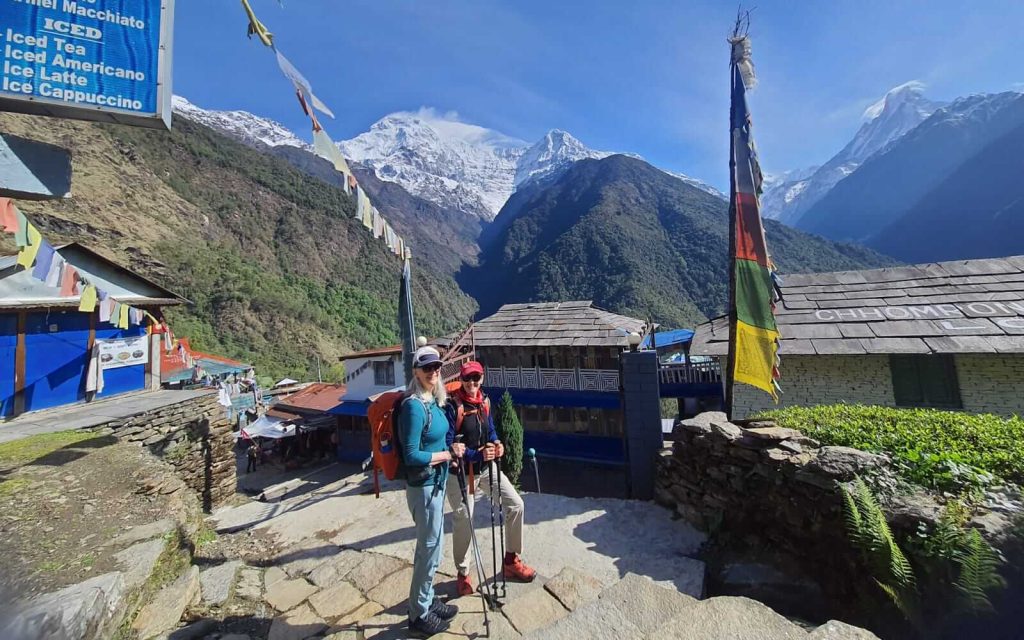
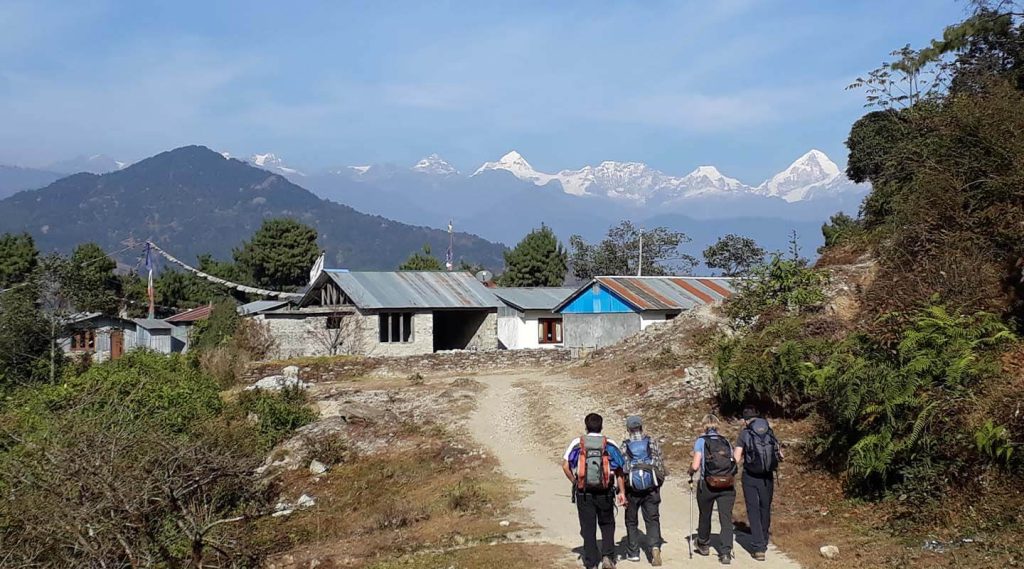
There are thousands of trekkers who travel hundreds of miles every year in Nepal, making trekking one of the most popular activities there. As a world-renowned trekking destination, Nepal boasts a wide variety of routes through villages, forests, national parks, suspension bridges, rivers, valleys, glaciers, and other breathtaking natural features.

You get to experience Nepalese culture, traditions, lifestyle, and cuisine while trekking in remote ethnic villages. You can enjoy amazing views of the Himalayan ranges along the way as you trek in Nepal from its lowlands of the terai region to high mountainous regions.


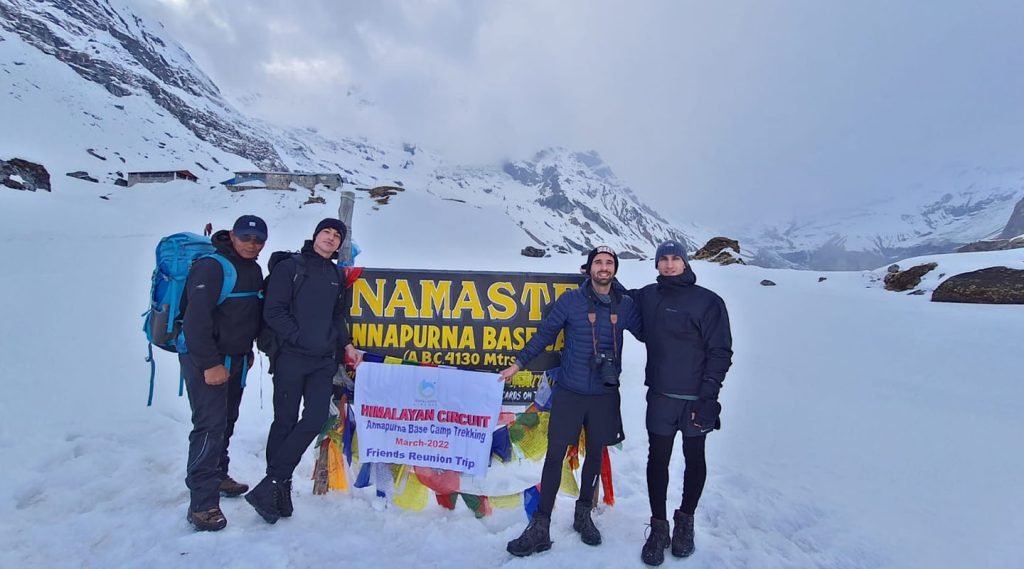
Each trek in Nepal has its own method of attracting visitors. Nepal offers a number of popular treks, including Annapurna Base Camp Trek, Everest Base Camp Trek, Upper Mustang Valley Trek, Upper Dolpa TrekLangtang Valley Trek, Tilicho Lake Trek, etc.

Paragliding:

Paragliding

Are you looking for a way to make your heart race as you soar high in the Nepalese skies? You should not miss paragliding in Nepal. 

The trip will take you through villages, monasteries, lakes, emerald jungles, and temples with the most incredible views. With Himalayan griffins, eagles, and kites flying around you, you get the sensation of flying like a bird. You can enjoy bird’s-eye views of underneath valleys, landscapes, rivers, forests, etc while floating in the air, giving you lifetime memories.

Among the most popular paragliding destinations in Nepal are Pokhara, Godavari, Chapakharka, Kot Danda, and Bandipur

Bungy Jumping:

Bungee jumping in Nepal is an exciting way to experience some thrills while you are in Nepal. The activity has become increasingly popular in the last few years out of all the activities in Nepal. There are three locations in Nepal where you can Bungee Jump: Bhotekoshi, Pokhara, and Kusma.

A bungee jump is one of the most thrilling experiences one can ever have. Get ready for a free fall, unlike anything you’ve ever experienced before. Both locals and tourists participate in this activity to get thoroughly entertained. The views in Nepal are spectacular, which makes it the perfect place to do bungy jumping.  

Mountaineering:

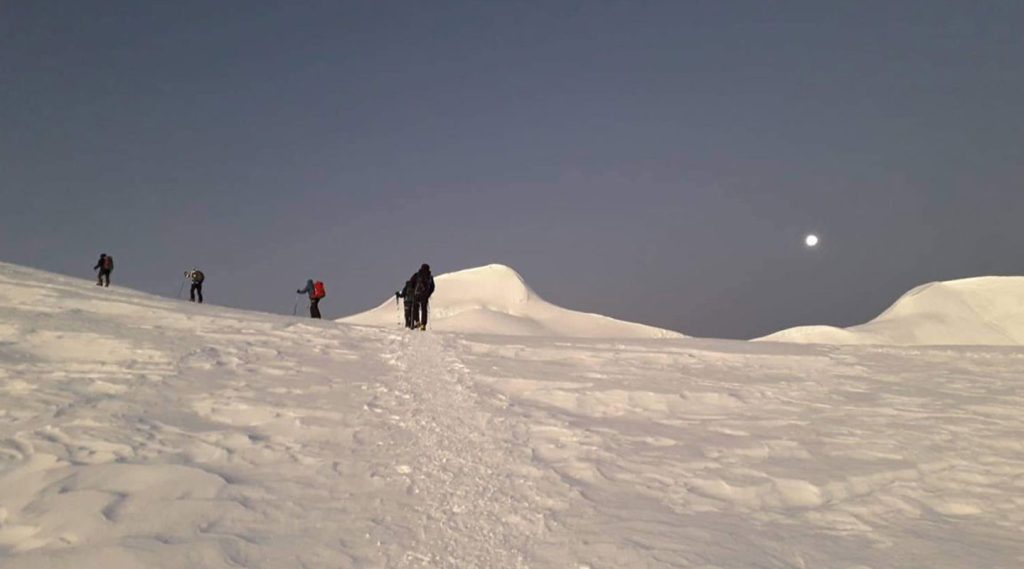
Mountaineering in Nepal is the most challenging and rewarding adventure you can have in the country. Taking a peak climbing trip in Nepal takes you to Nepal’s Himalayan Mountains, including Mount Everest (8848 m), which is the highest mountain on the planet. Nepal has had eight of the world’s highest peaks and has been the site of some of the most impressive mountaineering achievements. Today, Nepal has 326 peaks that are open for mountaineering.

Nepal is home to thousands of mountaineers who climb big mountains and smaller trekking peaks every year. Under the supervision and instruction of a climbing leader/guide, a mountaineering expedition includes basic climbing skills such as using an ice axe, crampons, and ropes under the same conditions as challenging treks.

Rafting:

Nepal is a paradise for river runners and one of the most popular destinations for rafting. There are various grades of whitewater rafting trips that are perhaps dependent on the interest and choice of the individual. For those seeking long days of adventure, rafting the Sun Koshi and Karnali together is a good option, combined with a safari tour in one of the nearer national parks. Those looking for a smooth run and experience can raft on Trishuli and Seti for short runs.

There are numerous world-class rivers in Nepal that offer thrilling river rafting experiences. Nepal offers stunning mountain scenery, thrilling white water rapids, warm water, and fascinating cultural attractions that make it an ideal white water rafting destination. A pleasant weather and warm water make September to early December and March to June the best time of year to go rafting in Nepal.

Mountain Flight:

Mountain Flight

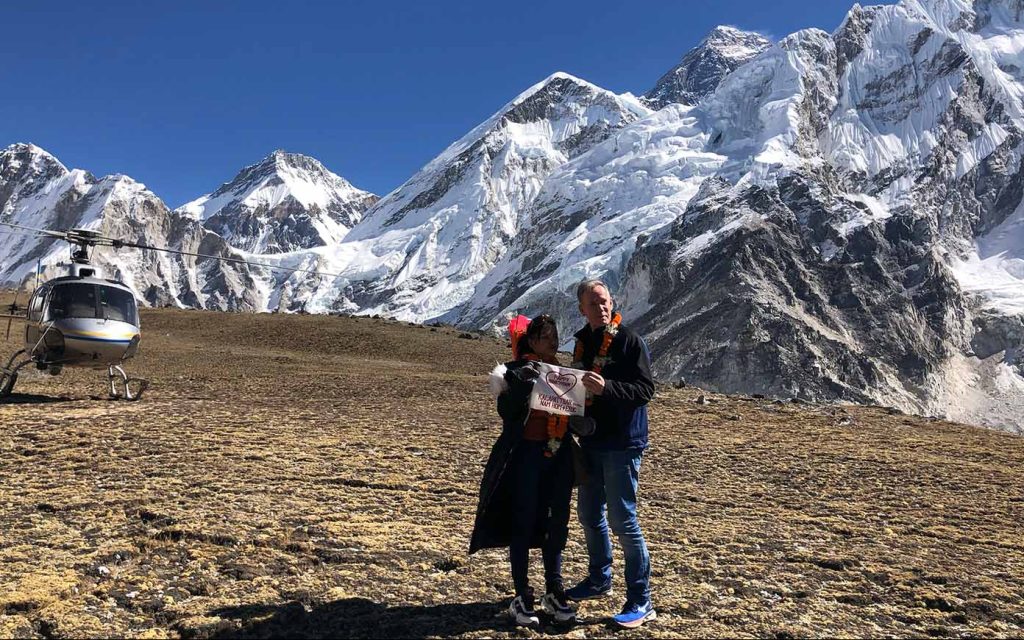
An exclusive mountain flight tour package in Nepal provides a scenic view of Mount Everest, the highest peak on Earth, and other series of giant panorama Himalayan ranges, and Tibetan plateaus, at a close range up to 5 nautical miles away, with an in-flight duration of 1 hour departing from Kathmandu domestic airport.  Nepal’s mountain flights appeal to a wide range of travelers. 

Mountain flight tours are for travelers who want to see Mount Everest but can’t trek or have a short amount of time for a trek and interested in Mount Everest but can’t go trekking.  It gives you a fantastic view of Mountain Everest (8848m), Gaurishankar (7134m), Cho Oyu (8201m), Lhotse (8516m), Amadablum (6856m), as well as several dozens of other peaks and the Tibetan plateau.

Zip Flyer:

Zip flyer

Embrace your fear of heights and buckle up your belts since Nepal has some of the most thrilling zip lines to explore. Here, you will enjoy minutes of acute thrills and adventure on the steep and long zip lines. Forests surrounded by tall mountain ranges and dark green forests will amaze you. A zip flying experience here is enhanced by nature’s exceptional beauty.

The most popular zip line destinations in Nepal are Sarangkot, Dhulikhel, Bandipur, Kusma, Makwanpur, etc. 

Rock Climbing:

Climbing the natural rock formations or climbing man-made rock walls is a challenging sport in Nepal. Climbers in Nepal benefit from an attractive rock climbing experience that is physically and mentally challenging, testing their strength, endurance, agility, balance, and mental control. If you are looking to experience some cliffhanger activity in Nepal, Kathmandu valley offers a lot of places where you can crawl up vertical cliffs.

You can explore a variety of wild locations throughout the valley while climbing, including birdwatching, and experiencing some of the valley’s wildlife. Several excellent cliffs can be climbed in Nagarjun and Shivapuri hills, which are both within walking distance of the city. The most popular rock climbing destinations in Nepal are Nagarjun forest, Hattiban, Namche Bazaar, Bimal Nagar, and Nagarkot.

Canyoning:

Canoeing

Canyoning typically involves technical descents, such as abseils and rope work, technical climbing or down-climbing, technical jumps, and/or technical swims. Canyoning is often done in remote and rugged locations where narrow gorges are cut into the bedrock stone, which creates multiple drops and gorgeous sculpted walls. 

One of the most exciting and thrilling adventures in Nepal is canyoning, which is performed on the rivers of Nepal. Nepal’s high altitude and unique topography provide a unique experience unlike any other. The sport of canyoning can be extremely difficult or extremely easy, but the emphasis is usually on fun and aesthetics rather than pure difficulty. Nepal’s most popular canyoning destinations are Jalbire, Raindi Khola, and Jagat Khola. 

Top 10 Treks Around the World

Trekking in lust green forst

It is often said that, “the best view comes after the hardest climbs”. All you require is a fit pair of legs, sturdy pair of lungs and a strenuous sprit to tackle the trekking trails. There are several factors to consider when determining the top mountains in the world, and some of the tallest peaks are relatively easy to climb. 

No matter your level of experience or altitude preference, you’ll find a trekking route to fit your needs. There are lots of options for every level of trekkers. Here, we’ve put together a list of best treks throughout the world, from jungle trails to breathe-taking mountain trails of Nepal.

Trekking in Annapurna region

Distance: 131 km (81 miles)

Duration: 15-21 Days

Level: Moderate to challanging

Annapurna Circuit has been named as the best long-distance treks in the world, as you will get to see diverse climatic zones, world’s deepest Kaligandaki gorge (2,520 m), world’s highest Tilicho Lake (4919m), Mt. Dhaulagiri (8167 m), Mt. Annapurna I (8091 m) and diverse Nepalese landscape and culture. The Annapurna trek is a great way to see a little bit of everything that Nepal has to offer. As you journey down from the highest point of the trek Throng La Pass (5416 m), you will see Tibetan-influenced temples, Hindu temples, and the local communities of the Mustang Valley.

  • Kungsleden (The King’s Trail)

kungsleden, sweden

Distance: 105 km

Duration: 10-12 days

Level: Easy to moderate

The Kungsleden trekking trail takes you through one of Sweden’s most beautiful mountain landscapes and is ideal for first-time hikers as well as experienced mountaineers. This trekking trail is popularly known as the ‘King of Trails’ and reaches an altitude of 3,770 feet of elevation at the Tjäktja Pass, the highest point of the trek. Kungsleden offers high mountain peaks, birch and coniferous forest, lakes and wetlands, and passes through four national parks i.e. Sarek, Abisko, Pieljekaise and Stora Sjöfallet, which are among the most breathtaking place on earth.

  • GR20, Corsica, France

GR20, France, Croatia

Distance: 168 km (Round trip)

Duration: 15 days

Level: Difficult

The GR20 is one of Europe’s toughest and longest long-distance trekking trails with a highest altitude of 2141 meters. Mountain walkers with a good sense of balance are required for this trek as it includes scrambling, ladders, the use of chains, and a confident footstep while climbing the rocky landscape and mountain ridges. This is one of the best trekking trails of the world with spectacular views and stunning rock formations.

Everest base camp

Distance: 80 miles (130km) round trip

Duration: 2 weeks

Level: Moderate

Getting to Everest base camp is more than just a trek since every bend in this trail feels like “the path to heaven. In this trekking region you can see the world’s tallest mountain, Mt Everest (8848m), which is the Jewel of Nepal. The Khumbu glacier, winding river valleys, mountain monasteries, and Sherpa villages will test your endurance and muscles to the limit.

Kanchanjunga

Distance: 220 km

Duration: 21 Days

Level: Difficult

Kanchenjunga trekking route is one of the unexplored trekking routes located in eastern Nepal that offers wonderful snow-capped mountains, scenic routes, delightful views and breathetaking views of the Himalayas. As we walk along this trekking route, we will get to see amazing valleys, amazing cultures and traditions, spectacular views of frozen lake, massive wildlife in Kanchenjunga conservation area and a glimpse of third highest mountain on earth, Mt. Kanchenjunga (8586m).

  • Kilimanjaro, Tanzania 

Kilimanjaro

Distance: 37-90 km

Duration: 5-9 days

Level: Moderate

A trip to Mount Kilimanjaro (5895m) on the African continent is an experience of a lifetime since it’s the tallest freestanding mountain in the world. The trekking trail leads from hot deserts of Africa to alpine fields, snow-covered peaks, tropical rain forests, and moorlands of Kilimanjaro in just a few days – the perfect for those seeking something new. 

  • Markha Valley Trek, Ladakh, India

Distance: 80km

Duration: 6-7 days

Level: Moderate

Markha Valley Trek offers a great deal of value for a classic trekking route and is a fantastic option for trekking in summer months in the Himalayas. As you trek through the Markha Valley in Ladakh, you will experience some of northern India’s most spectacular scenery, beautiful villages surrounded by towering mountains, as well as many monasteries that have earned this region the nickname “Little Tibet”. Home stays are available along the trek, which offers an in-depth look into local life. This trek reaches a maximum elevation of 5260m at Kongmaru La.

  • Routeburn Track, New Zealand

Distance: 32km

Duration: 3-4 days

Level: Moderate

A walk along the Routeburn Track opens up a breathtaking panoramic view of snow-capped peaks, glacial valleys, glistering alpine lakes and Routeburn River. It features impressive views of Mt Tutuko (2746m), Fiordland’s highest peak, the stunning  kōtukutuku (tree fuschia), and Harris Saddle, the track’s highest elevation at 1,255 metres. Also, the Routeburn Track offers great options for guided and independent day hikes. 

  • Gunung Rinjani, Indonesia

Gunung Rinjani

Distance: 24 km

Duration: 2 Days

Level: Moderate

Mount Rinjani(3726m) popularly known as Gunung Rinjani, is an active volcano on the Indonesian Island of Lombok in Indonesia and has been a favorite destination for backpackers. A variety of religious activities take place in the mountain, which is sacred to both the Hindus and the Sasak tribes. Mount Rinjani is a part of Gunung Rinjani National Park, which covers 41,330 hectares where the tropical flora and fauna of Southeast Asia and Australasia meets. 

  • The Haute Route, France-Switzerland

Distance: 125 miles (200km)

Duration: 10-12 days

Level: Medium-High

The beautiful route takes you to the wildest part of Switzerland as you pass deep valleys, rocky peaks, endless glaciers, lagoons of surreal colors, and village huts filled with friendly people and pure mountain air. The route begins in Chamonix, in front of the famous Mont Blanc, which is the highest mountain in Europe. After crossing over several passes that reach nearly 3,000 meters high, the tour comes to an end in Zermatt.

Going to the mountains is like going home and wilderness is a necessity. The best trekking trails around the world are waiting for your footsteps, so when are you going on your next trek?

Mardi Himal Trek

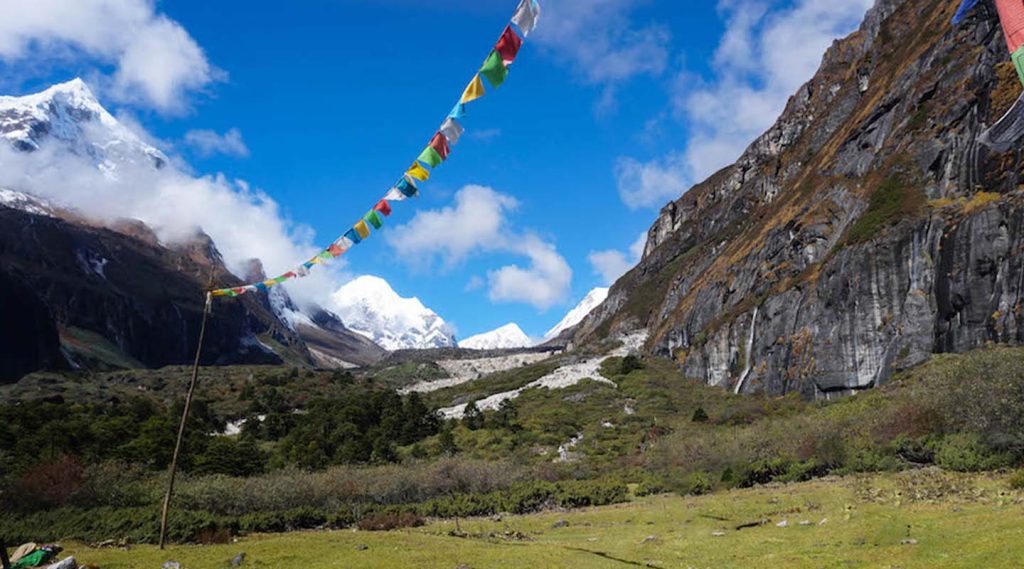
A Mardi Himal Trek offers the beauty of the Nepali mountains with fewer crowds, authentic teahouses, stunning rhododendron forests, and incredible Annapurna Mountain Range views. Mardi Himal trek offers a breathtaking experience surrounded by green hills and snow capped mountains while you walk in pristine forests filled with oaks and rhododendrons.

There are stunning views of Annapurna and Dhaulagiri on the west and Machhapuchhre and Manaslu on the east as one hike along a high ridge with the Mardi Himal range behind. You can get up close to mighty peaks such as Mardi Himal, Machhapuchhre, Annapurna South, and Hiunchuli.

Trekking on Mardi Himal involves walking on a narrow ridgeline surrounded by spectacular Annapurna Massifs. Budding photographers and filmmakers will have ample opportunities to capture dramatic mountain images thanks to the unobstructed and exposed views. The Mardi Himal Trek in the Annapurna region is a good choice for novices and experienced trekkers alike.

Mardi Himal Trek Highlights:

Fishtail mountain

  •         You will begin your trip in Pokhara, Nepal’s most popular tourist destination. 
  •         You will get to see the sights of Annapurna and Machhapuchhre up close.
  •         You will get to discover rich mountain cultures, incredible landscape, lush green jungles, and breathtaking natural scenery.
  •         This trek will allow you to see the sky-dominating Annapurna South (7219m), Himchuli (7893m), Lamjung Himal (6,983m), Machhapuchhre             (6993m), Mardi Himal (5587m), and many more impressive peaks. 
  •         You will get to witness a breathtaking sunset from Mardi Camp over Fishtail.

Why you’ll love this trip?

Mardi Himal Trek

Located on a side trail of the Annapurna Base Camp hike, the Mardi Himal Trek offers great views of lesser-known parts of the Annapurna Massif. This trek is a little rougher, a bit more exciting, and most importantly, less crowded than other treks in the Annapurna Region.

You will reach Mardi Himal Base Camp at 4,500 meters (17,763 ft). This trek originally had a limited number of teahouses, but since about 2011, there have been many teahouses available along the trail.

A trip to Mardi Himal trek offers a picturesque and overwhelming experience surrounded by green hills and snowcapped mountains along with walks in the pristine forest filled with rhododendrons and oak trees.

The Mardi Khola valley with snow-covered Annapurna can be enjoyed while sharing meals with friends and strangers after you reach the Mardi Base Camp (4500 m) after acclimatizing at the two high camps.

The Mardi Himal trek leads along a high ridge with views of the Annapurna range and Dhaulagiri in the west and the Machhapuchhre and Manaslu mountain range in the east.

Unique experiences in Mardi Trek:

Mountains above clouds

  •         Mardi Himal Trek is a short trekking tour in the Mardi Himal that takes you to high altitudes of the Himalayas, so you can see the mountain ranges up close and unobstructed.
  •         The Mardi Himal Trek route consists of eight camps where you can enjoy the views, including Base Camp (4,500 meters), High Camp (3,600 meters), Babal Dada Low Camp (3,150 meters), Kokar Forest Camp (2,600 meters), Pitam Deurali (2,100 meters), (1,750 meters), etc.
  •         The Mardi Himal Trek is a moderately challenging trek in the Annapurna region. The first couple of days are easy, and then the latter days become more challenging as you gain elevation toward base camp. This trek, however, is comparatively easy compared to others in the Annapurna region.
  •         Mardi Himal trekking adventure takes you through green and peaceful forests, offering a wonderful experience of walking through the wilderness.
  •         As the Mardi Himal Trek follows a fairly simple route, it is one of the best options for solo trekkers.


Mardi Himal Trek Route:

Path-to-mardi

Mardi Himal Trek takes you to the top of Mardi Himal in the Annapurna region of Nepal. Pokhara is the starting point for the Mardi Himal trek, after which you take the drive to Kande and trek from there to Pothana or Deurali.

Then we move to the low camp, then on to the high camp, and finally on to Mardi base camp. Then we trek down to Siding after the wonderful experience in base camp. Afterward, we return to Pokhara by private vehicle (jeep, car, van, etc.).

Mardi Himal Trek: How difficult is it?

snow in mardi

You don’t need super fitness for this trek, however moderate fitness is still required since you’re trekking through the Himalayas of Nepal. You will have to cross some rocky sections near the high camp and base camp.

The Mardi Himal Trek is a normal to moderate-level trek in the Annapurna region. Trekking with a basic level of fitness is possible, but a good training program will make your trek more rewarding. The trek does not require climbing skills.

When to trek?

Sunrise from mardi

Mardi Trek is best done in the autumn, from mid-September to mid-October, and from late November to early December. March–May is the second best season of the year to go to Mardi trekking.

The skies are clear during December – January – February, but the weather can get very cold and snowfall can close passes. May to June is Nepal’s hot pre-monsoon season, which is still a good time to trek to Mardi.

During the winter, the paths going to the Mardi Himal are usually covered in snow, and the weather becomes exceedingly dry and frigid. Snow-covered mountains and visual splendor, however, make this time of year a memorable one.

A hike up the Mardi Himal will surely remain in your memory. There will always be something to cherish about the scenic beauty and the enthralling atmosphere.

Experience a true adventure by trekking to Mardi with the Himalayan Circuit, which will bring you through a lush forest of pines, rhododendrons, oaks, and dense Gurung villages.

Yoga Retreats in Nepal

Yoga retreat

Vanda Scaravelli once said, “Practicing yoga is like being on a body holiday”. Yoga is the addition of strength, energy, and beauty to the body, mind, and soul. Embark on a trip to Nepal and discover the spiritual side of Nepal for the awakening of your inner self.

A yoga retreat is a wonderful way to escape the chaos of everyday life and establish healthy boundaries through your spiritual side. Yoga retreats in Nepal offer both individual and group practitioners the chance to rejuvenate and nourish their bodies while reconnecting with their inner selves.

Yoga retreats or yoga holidays take place in a destination with natural beauty, including hills, rivers, trees, mountains, and fresh air. Meditation and yoga practice in such an environment help individuals connect more deeply with themselves and with nature by bringing out the best relaxation of the body, mind, and soul.  

Nepal would be an ideal destination for those seeking a true yoga retreat. One cannot find a better destination to find true inner peace in a retreat, than under majestic mountain ranges, green hills, rivers, lakes, and lush green trees surrounded by natural beauty at its best.

Who can take part on this tour?

Yoga in Nepal

The tour is suitable for anyone who has a basic level of fitness. Since our yoga retreat tour includes hiking, you should be able to walk without getting out of breath. Our hikes will be easy as we will walk along the nice trail, through the forest, and through rice fields.


Why Yoga Retreat in Nepal?

Yoga with sunrise

It’s no surprise that yoga and meditation originated in Nepal. Yoga has been practiced by yogis and Rishis (sages) in this beautiful country since ancient times to achieve wisdom. The yogic vibrations of such great people infuse this land with an atmosphere that creates an exquisite practice.

As Nepal is a land of both Hindu and Buddhist philosophy, yoga retreats provide a perfect blend of those practices. There are also a lot of lakes, forests, jungles, caves, rivers, and waterfalls in Nepal, which make it an ideal destination for yoga and meditation. 

Meditation has been practiced here by thousands of Yoga Rishis who use their asanas to meditate on nature since time immemorial. Yoga practices are best practiced on Nepali hills as you can enjoy pristine forests and mountain ranges crammed with abundant natural resources.

The climate of Nepal is mild throughout the year, even in the monsoon season, making it perfect for yogic practice. Yoga is easier to master in this beautiful country because its spiritualism has never been affected by modernization. 

The yogic disciplines of Hatha Yoga, Tantra, Mantra, and many more are said to have been developed in the Himalayas of Nepal. This sacred country is also the birthplace of Lord Buddha, who preached world peace through meditation and the dissemination of knowledge.

Yoga Retreat in Nepal

Yoga Retreat in Nepal

Kathmandu and Pokhara have many yoga retreat centers that cater to those who want to stay after or before trekking or tours, as well as short and long holiday packages. 

Yoga retreat services include cleansing acts, yoga asanas, meditation, theory lessons, massage, Shirodhara, steam baths, reflexology, herbal tea, food, and lodging.

Benefits of taking Yoga Retreat tour in Nepal?

Yoga in Nepal

Technology and machinery have made life easier in today’s world, but people are more stressed. The result is that you can only achieve maximum physical development while unknowingly and inadvertently missing out on human development. 

Yoga has proven to be one of the most effective ways of reducing stress. Therefore, in such a situation, take a break for yoga. Relieve your stress and anxiety, and you’ll feel more refreshed and focused. 

You will be able to make better decisions if you take a yoga retreat tour in Nepal. This will lead to increased productivity and innovation. Himalayan Circuit offers you yoga retreat tour can help you stay positive, manage your team well, and enhance team spirit. 

The Himalayan Mountains have been a source of peace and wisdom for several hundred years. Yoga is a practice of body postures that is the union of the soul and the body. The benefits of yoga and meditation for your body are undeniable, as yoga stimulates your body and improves your flexibility. 

By combining meditation and breathing techniques, you can improve your respiration and subtly boost your energy level, which can also cure many inflammatory diseases when practiced regularly. Yoga and meditation are beneficial to people of all ages, from young to old.

Nepal’s Land of Buddha with enormous stupas and monasteries is one of the best places to connect with your spiritual nature to experience unforgettable adventures. Through spiritual tours focused on spiritual healing, awakening, and enlightenment, the Himalayan Circuit aims to make your spiritual excursion memorable. 

The Best Trekking Trails in the Annapurna Region

Annapurana Base Camp

A walk in nature is like witnessing a thousand miracles. Trekking in Nepal gives you the chance to relax and awaken your inner spirituality, inspired by its natural beauty, cultural diversity, and the gracious hospitality of its people. 

Nepal is a dreamland for adventure lovers, with majestic mountains, gentle slopes, and fertile valleys. There is a vast variety of terrains, from steamy jungles and the lowlands of Terai to the highest peaks on earth. People of all ages and capabilities can trek in Nepal, choosing to climb to wild and lofty places or easy, short hikes.

The Annapurna trekking trails are considered some of the best in the world, thanks to the spiritual and visual experiences they offer. Snow-covered slopes, tropical jungles, bamboo forests, eco-systems, and a diversity of cultures make it a perfect trekking destination.

Located in the North-central part of Nepal, the Annapurna region includes 30 peaks higher than 6,000 metres. In 1950, Maurice Herzog became the first to reach the summit. The region is bordered on the East by the Marshyangdi River, the Kali Gandaki Gorge in the West, the Pokhara Valley in the South, and the Nepal-Tibetan border in the North. 

According to Hindu mythology, the mountain is the home of the goddess Annapurna, who nourishes her people with food and water.


What makes the Annapurna Trekking Trails so special?

Annapurna

Trekking is in between hiking and climbing: walking along a variety of trails with your equipment during the day and camping in the mountains at night. Trekking trails in Annapurna can take days or even weeks to complete depending on their length.

The trails here display environmental and cultural diversity, such as bamboo forests, tropical jungles, snow-covered slopes, and the humbling Himalayas. Here are some more reasons to visit this beautiful place:

  • The trekking trails in this region are very well protected and the authorities of Nepal are working hard to increase safety for tourists, especially in the case of medical emergencies.
  • The climate is mild during the trekking season, so you won’t get too hot!
  • There is a wide variety of accommodations in the Annapurna trekking region, from traditional tea house lodges to Western-style luxury hotels.
  • Visiting the snowy peaks, interacting with the local people, and experiencing the cultural and spiritual sites, such as Buddhist Stupas and Hindu shrines, are just a few of the experiences that will make the trip memorable.
  • Enjoy the delicious local cuisine, such as momo (Nepalese dumplings), nutritious soups, traditional Dal bhat and yak burgers.
  • The Annapurna region is a great place for trekkers of all levels of experience. 
  • The area offers affordable prices.


Top Trekking Trails in Annapurna:

Trekking in Annapurna region

The Annapurna Sanctuary is a short and easy trek that takes you up to 1,130 metres in altitude and offers comfortable accommodation. Starting in Pokhara it passes rhododendrons, birches, oaks, and bamboo plants. Upon reaching the Sanctuary, you can see Machhapuchre, Fang, Gangapurna, Annapurna I, moraine fields, and glaciers.

ThorangLa Pass

The Annapurna Circuit trek is considered one of the world’s classics as you pass through conifer forests, murky jungle rivers, and ice wastes. The snow-covered Thorung La Pass (5,416m), the Hindu holy site Muktinath (3,750m), river gorges, and Buddhist pilgrimage sites make it one of the best trekking destinations in the world.

Poon Hill

The Poon Hill trek offers beautiful forests, enchanting villages and stunning mountain views that showcase what trekking in Nepal has to offer. Seeing the sunrise passing through the shining Annapurna I (8,091m), Himchuli (6,441m), and Fishtail (6,993m) is the major highlight of this trek. Poonhill itself is another major attraction. 

  • Tilicho trek

Tilicho Lake

The Tilicho trek gives you the chance to explore the highest lake in the world. Trekking starts from Manang and continues through pine forests and screed slopes to a pass at 5,005m with spectacular views of the lake. It is one of the finest routes in Nepal, combining a varied landscape, people, culture, and many waterfalls.

  • Khopra Ridge trek

Landscape view of Himalaya

The Khopra Danda trek offers a peaceful journey through beautiful villages, lush forests, and lofty viewpoints alongside Annapurna South. The main attractions are views of Dhaulagiri (8,167m) and Khayer Lake (4,600m).

  • Nar-Phu trek

Trekking in mountains

The trail follows wild and difficult terrain that is particularly suitable for braver trekkers. Attractions include narrow gorges, yak herding, stone houses, prayer flags, Kang La Pass and high mountains. Trekkers also call it Kang La Pass trek, as you need to cross it at 5,320m.

The Annapurna trekking trails appeal to those seeking an adventurous journey in the Nepali Himalayan region while experiencing diverse scenery, geology, and climates. Check out the Himalayan Circuit website if you are looking for exciting trek packages in the Annapurna region. 

Pack your bags and get ready to witness the unexpected beauty of these natural wonders in Nepal!

Community Based Tourism in Nepal

Kathmandu City

Imagine yourself visiting a completely different place from your hometown, with a totally different culture and a lifestyle that you’re completely unfamiliar with. You might find dozens of destinations searching in Google but being part of community-based tourism in Nepal is the best gateway to discover new places and get real life experience of rural lifestyles, preferably in an unspoiled traditional village. Here, visitors can explore the wildlife, local habitats, and be a part of the local culture and rituals. The best way to understand Nepal’s traditions and culture is by visiting its villages.

Community based tourism (CBT) is a form of sustainable tourism that allows travellers to engage with the local communities they visit and learn more about their culture and daily lives. CBT provides travellers with the opportunity to learn about another culture, diversity, customs, language, social norms, cultural beliefs, etc.  This type of tourism in Nepal consists of activities such as home stays, village tours, storytelling, cooking and crafting together and farm visits, etc where visitors can observe the local culture and interact with local community members.  The hospitality and friendly attitude towards tourists makes them feel at home.

Bandipur homestay

Home stays and other forms of community-based tourism are gaining popularity among travellers today given that they provide authentic, unique experiences while also providing value to local communities. There is already a growing niche market as more and more people today are interested in getting to know the local communities and interacting with the local people. Community-based tourism was developed with the objective of alleviating poverty in low-income and minority communities by developing and promoting the local tradition, culture and local resources.  Members of a community join together and take collective actions to achieve all forms of well-being including social, economic, cultural and environmental.

rice plantation

Nepal offers a unique experience for foreign tourists by allowing them to stay with the family as members, and not as guests. These tourists become part of the community during their stay. The villagers greet visitors with flowers, tikas, and even Panche Baza (traditional Nepalese music) in some of the villages. They are also invited to take part in local festivals, rice plantations, production of handicraft works, milking a cow, and even cooking.  People of rural villages in Nepal take pride in talking about their everyday lives and sharing personal stories with guests. The villages in Nepal are also known for their breathtaking views of the Himalayas and beautiful sunrises, which tourists will not want to miss out on. 

Welcome in sirubari

‘Community-based tourism’ originated in Nepal in the Gurung community of Sirubari, Syangja, by developing the village as a model with the purpose of experiencing local life. Homestays including Ghalegaun, Kaulepani, Balthali, Madi village, Machhapuchhre, Ghandruk and Panauti are some of the other popular community based tourism destinations in Nepal. One of the most important aspects of this form of tourism in Nepal is that visitors can experience a completely different environment, breathe fresh air, and eat organic foods and vegetables. Waking up to the sunrise with shining mountains in the background, exploring natural beauty during the day, and engaging in cultural programs in the evening can make anyone forget their home place.

foreigner in chitwan national park

Travelers during hiking, trekking or short tours in different regions of Nepal can engage in different community based activities like purchasing local made products, having a meal at a local tea house lodge or by engaging in cultural programs organized by the local community. Travelers can also participate in cooking with local people as a form of responsible tourism, tasting the local food, learning about traditional recipes, or even taking cooking classes. Taking part in and appreciating local festivals gives the community a sense of pride and inspires people to preserve their culture. The visitor may participate in community projects in various areas, such as parks, health clinics, schools, orphanages, protected areas, libraries, conservation research centers, and protected areas, and an extensive range of other worthy projects. Travelers who are interested in community development can volunteer in the school or instruct local women contributing to their personal growth.

Community-based tourism benefits both hosts and guests, as it enables tourists to gain a true sense of belonging in the community and experience authentic travel, while also ensuring that the revenue generated by tourism stays within the community. Tourism based on the community not only preserves the environment, but also fosters cultural preservation, environmental protection, social responsibility, and enhances livelihoods while enhancing a deeper connection between hosts and visitors.

Kathmandu Valley Cultural Tours

Kathmandu Swyambhu

It was once said that in Kathmandu, there were more temples than houses and more statues of gods than residents. Kathmandu city, which dates back to the eighth century, is like an open-air museum. Kathmandu, also called city of temples, is a valley surrounded by snow-capped peaks and forested hills. Kathmandu is the ideal destination for culture tour in Nepal. Kathmandu is the capital of Nepal and the gateway for foreign tourists visiting Nepal. 

Kathmandu has been a popular backpackers’ destination and base camp for those interested in exploring the Himalayas. Culturally and artistically rich, the city of Kathmandu is also home to 7 world heritage sites that include bustling temples, Buddhist Stupas and historic monuments. 

The bowl-shaped valley is around 1400 meters above sea level (4500 feet), and contains two sister cities; Patan and Bhaktapur. Kathmandu valley which is also known as the ‘tri-city’ is often referred to as a treasure house of art and sculptures.  With its unique architecture, Stupas, squares, and museums, Kathmandu’s three cities is the best destination to experience cultural tour in Nepal.

The traditions, religious beliefs, languages, social organizations and people make up Nepal’s culture. Historical monuments, music, dance, literature, sacred pilgrimage sites, and language reflect the richness of Nepalese culture. Interaction with the ethnic communities enhances the excitement and provides insight into Nepali lifestyle.

World Heritage Sites located in Kathmandu Valley:

There are seven World Heritage Sites within a radius of 20 kilometers of Kathmandu, making it the city with the most World Heritage Sites in the world. The rural lifestyle, culture, traditions, and craftsmanship of the locals contributed immensely to this. You can witness mixed culture and tradition with mixed settlement of people within this small city. 

The World Heritage sites in Kathmandu include Kathmandu Durbar Square, Bhaktapur Durbar Square, Patan Durbar Square, Pashupatinath, Swyambhuanth Stupa, Boudhanath Stupa & Changunarayan Temple. 

Highlights of World Heritage Sites in Kathmandu Valley:

kathmandu durbar local market

  • A visit to Kathmandu Durbar Square will allow you to witness ancient statues, newari architecture, temples, and old Royale Palace that reflects Nepali art, culture, and history.

bhaktapur durbar square

  • Known as the ‘city of devotees’, Bhaktapur is known for its stunning culture and you can observe elegant art, colorful festivals, traditional dances, and the typical Newar lifestyle visiting there. 

Patan Durbar Square

  • Patan Durbar Square is one of the oldest Buddhist site in the World and home to many Hindu temples and Buddhist monuments with beautiful carvings, bronze gateways, and guardian deities that draws visitor’s attention.

Pashupatinath temple

  • Pashupatinath is one of the biggest Hindu temple in the world there people around the World come to pay respect to Lord Shiva and seek blessings from him. A unique feature of the temple is a practice of burning dead bodies and mourning in full view of temple-visitors. You cannot witness this unique practice elsewhere.

World Heritage Site in Kathmandu: Swayambhunath

  • Swayambhunath Stupa is the most ancient, most iconic and most visited holy shrine in the Kathmandu valley. Various temples and shrines comprise this complex, which is sacred to Buddhists and Hindus equally. There is religious harmony between two religions at this site, making it worthwhile to visit.

Bouddhanath stupa

  • Boudhanath Stupa represents Buddhist culture and tradition which is said to have been created just after the death of the Buddha. The peaceful and calm environment of this pilgrimage site will catch your attention. 

culture

  • Changunarayan temple is a traditional Nepali style temple dictated to Lord Vishnu. The carvings in the main temple and the statues that surround it make you feel like you’re walking in a museum.

Festivals celebrated in Kathmandu Valley

Tika and Jamara

The festivals that are celebrated throughout the year are also a major part of cultural tourism in Kathmandu. There are actually more festivals celebrated in Kathmandu than the number of days in a year combined. Nepal is a secular state where all religions enjoy respect for one another’s culture and tradition. The people of Kathmandu celebrate different types of festivals according to their religion. These festivals offer a unique experience for tourists, and you will love participating in them.

Highlights of Festivals celebrated in Kathmandu Valley:

  • Known as the land of festivals, Nepal is a place of celebration for one community or another every single day.
  • Every festivals celebrated has its own meaning and people celebrate their festivals with fun and joy. 
  • Kathmandu celebrates its festivals and events with the same fervor and enthusiasm as it did hundreds of years ago when people did not have other means of entertainment.
  • Taking pride in one’s own culture and respecting others’ culture is the most amazing part of celebrating festivals in Nepal.

Community home stay in Kathmandu

Kathmandu City 

A home stay in Kathmandu gives you the opportunity to experience Nepal through the eyes of the local people by taking part in local festival activities, eating home-cooked food, and experiencing daily rituals. Kathmandu’s community home stays offer visitors the chance to experience Nepalese hospitality and culture.  

Highlights of Community Home-Stay in Kathmandu Valley:

  • The host community shows their warm welcome to visitors by putting tika (a mark worn on the forehead by Hindus), offering flowers, and organizing cultural dances.
  • You will get an opportunity to experience the unique culture, norms, and lifestyle of the locals. 
  • You can even participate in local festivals and be a part of celebration along with the local community. 

Taking a cultural tour in Nepal is the best way to experience the diversity of the country. Be prepared to be inspired and to experience the Nepali culture, a culture you have never experienced before. 

Traveling to Nepal during the Monsoon season

Trekking in Nepal: Blog Feature Photo

Travelers often like to feel the rain, while others just  get wet. Travelers wait for it to rain and then go out into the street. The experience of traveling in the monsoon rains is truly magical, something that should be experienced by everyone at least once.

Traveling and trekking in Nepal during the monsoon season has a certain charm. In Nepal, the monsoon season begins in June and lasts until August. Monsoons provide the best opportunity to enjoy nature in Nepal and gain the finest travel experience. 

Travel during the monsoon season can provide a number of added benefits including savings on luxury hotels, a greener landscape, smaller crowds, and the chance to attend some of Nepal’s most elaborate festivals. Monsoon brings more spectacular sunrises and sunsets, as well as a better view of the mountains. 

During the rainy season, traveling can be more challenging. Travel plans can change, delays can occur, and there is more water everywhere. However, the monsoon season is one of the most beautiful times of the year, and you can only appreciate its beauty if you witness it in full glory. 

Get ready for this monsoon and visit Nepal with us to enjoy the mischievous sky and fresh air.


Trekking during Monsoon, is it worthwhile?

People are becoming more and more open to the idea of touring and trekking during the monsoon season. Trekking in the monsoon season offers many hidden benefits, such as the lack of crowds, so you can enjoy many places all by yourself. You may want to explore Nepal during the monsoons for a number of reasons.

Beautiful Sunrises: 

Sunrise-Nagarkot

During the night, it usually rains, and in the morning the sky begins to clear. One of the most picturesque sights in the world is when the sun breaks through those rain-bearing clouds, drenching the snow-covered mountains in brilliant colors.

Lush, Green Beauty: 

River and Hills

During the monsoon season, the Nepalese Himalayas are especially beautiful. Throughout the trails, lush vegetation is growing, and flowers are blooming everywhere. The terraced fields look wonderful during this period.

Destinations during the Monsoon season:

  1.   Explore the cultural richness of World Heritage Sites

World Heritage Site in Kathmandu: Swayambhunath

The beautiful heritage sites in Nepal are open and safe to visit throughout the monsoon season.The stone and metal around the temples also make lovely photographs if it’s been raining.

You can traverse the medieval Kathmandu valley for historical, cultural, and religious explorations. It is great for those who are interested in exploring the architecture, cultures, and traditions of Kathmandu, Bhaktapur, and Patan.

Also possible during the monsoon are visits to Lumbini and Chitwan National Parks which are both World Heritage Sites. Travel is not affected during these months either, as flights and transportation remain normal.

  1.   Pokhara

Mountain Ranges in Pokhara

Pokhara is considered one of the most beautiful valleys in Nepal. This valley is located in the Kaski district in the western part of Nepal and is famous for having many beautiful lakes. Thus, Pokhara is also called the City of Lakes’. 

The city also consists of many caves, waterfalls, rivers, hills, mountains, trek and adventurous places, and natural beauty. So naturally, the place offers you a lot to enjoy during the monsoon.

  1.   Chitwan

foreigner in chitwan national park

Chitwan is located 150 km southwest of the capital, Kathmandu; that includes Chitwan National Park (a Natural World Heritage Site), Ranipokhari, Bishazari Lake, Jalbire waterfall, Shiraiculi hill, and many more.  

Chitwan can engage you with activities like elephant ride and bathe, cultural programs by the Tharu community, the sunset view from Narayani riverbank, crocodile breeding centre, and many more during monsoon.

  1.   Upper Mustang

Upper Mustang

Though Upper Mustang is considered the desert of Nepal, a trek in the monsoon is great fun. It is so because the wind in other seasons is menacing and may ruin your trek. It never rains in Mustang but the rain shadow in the monsoon makes the wind less active, which eases the trip and shows the breathtaking art of nature.

  1.   Dolpa

upper dolpa

Rain shadow areas such as Dolpo (upper and lower), Upper Mustang, Nar-Phu Valley, and Upper Manang are ideal for trekking in the monsoon season. They do not experience heavy rainfall.

Moreover, you can see cultural blends, traditional performances, ancient scenery, marvelous scenery, and primitive caves in addition to the unique and varied landscapes, especially during the monsoon season.

  1.   Bandipur

bandipur streets

Located in western Nepal’s Tanahun district, Bandipur is one of the most popular tourist destinations to visit during the monsoon. Aside from the 18th-century houses that have been turned into restaurants, the place also has temples, caves, amazing valleys, and forests, along with natural views of green hills. A special treat during the monsoon season is to watch the sunrises and sunsets.

  1.   Trishuli River

Trihsuli river

If you want to experience the adventurous side of the Himalayas, then the Trishuli River is a great destination. Trishuli River offers a unique opportunity for adventurers to view an incredible glacier while experiencing the natural beauty of the surrounding area during the monsoon season.

The Trishuli River which originates through a forest valley is one of Nepal’s most popular destinations for rafting, kayaking, day trips, and camping. 

  1.   Enjoy Agricultural Activities

Ghandruk-mountain-range

In Nepal, agricultural activities are heavily dependent on the monsoon. Planting corn, planting rice in paddy fields, and other agricultural activities can be enjoyed almost everywhere in the country. Taking part in such activities can give you a sense of how locals live and what they do.

The monsoon season in Nepal is an ideal time for travel, as you can enjoy a lot of activities despite the rain. So, get your bags packed and get ready for your journey.


Top 5 Destinations to visit in Nepal for 2024

With the New Year comes a new beginning. Why not visit some new destinations in Nepal this year? 

Nepal is a country located in the Himalayas, attracting both adventurers and culture enthusiasts. As we approach 2024, this captivating country is more alluring than ever. Featuring the highest peaks in the world, including Annapurna and Everest, and a vibrant mix of cultures, Nepal offers visitors a variety of experiences to choose from.

For those seeking new horizons in 2024, the Himalayan Circuit Trek reveals the top 5 destinations that promise an immersive and unparalleled journey. You can discover Nepal’s hidden gems and evolving landscapes, regardless of whether you are an avid trekker, history buff, or spiritual seeker.

Rara Lake

Imagine yourself sitting peacefully on the shore of a beautiful lake, listening to the beautiful sounds of birds in the background, and feeling the cold wind of the Himalayas. Rara Lake is such hidden gem that you should not miss out. A visit to Rara Lake allows you to explore pristine wilderness of Rara National Park through scenic trails. It’s time to discover vibrant flora, encounter wildlife, and experience a diverse ecosystem by immersing yourself in nature.

Located in Nepal’s northwestern region, Rara Lake is an ideal destination for those seeking solitude in the pristine wilderness. Rara Lake is the largest lake in Nepal and lies within Rara National Park. Traveling to Rara Lake can be done by scenic flight, jeep or trekking. 

During a clear day, you can enjoy a stunning view of the lake’s crystalline waters reflecting the surrounding mountains and snow-capped peaks. Camping beside the lake, gazing at the stars, and interacting with the locals offers an unforgettable experience of solitude and natural beauty.

  • Illam: Enjoy a fresh cup of tea

Located in eastern Nepal, Illam is one of the most picturesque hill stations, with stunning tea gardens. A visit to Ilam Tea Garden offers unforgettable visual cultural, as well as an educational experience where you can admire the beauty and lush vegetation of Kanchenjung and learn about ancient farming traditions.

Ilam is considered a paradise by nature lovers and tea enthusiasts. Known as the “Tea Garden of Nepal”, Ilam is known for its sprawling tea Garden covered in hills. 

You can take a guided tour of the tea gardens and watch the tea being processed closely. Moreover, Ilam offers trekking opportunities in Mai Pokhari Lake and Tinjure Milke Jaljale mountain range. Experience the local lifestyle and spend the night at a tea factory for a truly memorable experience.

Gosainkunda Lake

The holy GosaiKunda Lake is a popular destination for Hindus and Buddhists, and is famous for its scenic and breathtaking beauty. Holy GosaiKunda Lake Trek is an ideal short trek for those with limited time and looking for an authentic Himalayan experience. This is a pilgrimage journey to sacred lakes and pristine nature to achieve inner peace and a soulful experience.

With an altitude of 4,380 meters, the holy lake of Gosaikunda is not only a destination; it’s a journey, and an adventure rolled into one. A journey to the holy lake of Gosaikunda passes through dense forests, picturesque villages against a backdrop of snow-capped mountains. The combination of high altitude travel and cultural immersion makes the trip a unique and spiritually rich experience. The best time to trek the trails is in the summer, when the trails are decorated with vibrant rhododendrons.

  • Bandipur: A Crown Jewel of Nepal

Bandipur Village

Bandipur is one of the hidden gems of central Nepal, with traditional Newari architecture, breathtaking Himalayan scenery, and beautiful countryside walks. Bandipur is the perfect destination for those looking for a hassle-free vacation in the Himalayas leaving the rest of the world behind. Also, it’s a great place to stop and see the Nepalese countryside while driving between Pokhara and Kathmandu.

With its preserved cultural heritage and traditional architecture, this well-preserved city in the foothills of the Himalayas evokes an old-world charm and one can take a leisurely stroll through streets lined with historic buildings and luxury hotels. The Annapurna and Dhaulagiri ranges can be seen from a vantage point of the city. You can involve in various activities in Bandipur like paragliding, hiking, or just enjoying the tranquility of the surrounding mountains. Bandipur is a testament to Nepal’s commitment to sustainable tourism, offering an authentic experience without compromising its cultural value.

Tansen: A Cultural Oasis in the Hills

Foreigner in Palpa Museum.

Tansen is one of the popular cities of Nepal that is famous for its natural beauty and is also considered as a cultural center. Known for its cobbled streets, medieval architecture and vibrant local life, this hidden gem is a treasure trove of old World charm. Tansen is also famous for handicrafts, textiles, organic coffee, Dhaka clothes, and Karuwa, among others.

The major attractions of Tansen include its ancient culture, beautiful Newar houses and tall views of the Himalayas like Dhaulagiri in the north-west, Annapurna in the north and Manaslu in the north-east. Here you can stroll along the banks of the Kali Gandaki River and visit the Rani Mahal, the main attraction of the city. An ancient palace that tells stories of a bygone era can be explored at Tansen Durbar. The city is also a pot of multiculturalism, where many cultures coexist in harmony.

Ultimately, Nepal’s beauty lies not only in its breathtaking scenery but also in the richness of its traditions and the warmth of its people. Himalayan Circuit Treks welcomes you on a journey through the top 5 destinations in Nepal for 2024 that will leave a lasting impression.

Traveling isn’t just about the places you go; it’s about the experiences you’ve gathered and the relationships you’ve built. So pack your bags, embrace the unknown, and let Nepal work its magic on you. The Himalayas await a year filled with discoveries, adventures, and unforgettable moments. Happy New Year.

10 Best Reasons to Visit Nepal

Landscape view of Himalaya

A visitor to Nepal once said, “Heaven is a myth, Nepal is real”.

A trip to Nepal is a once-in-a-lifetime experience for every traveler. The land of Nepal is unique, precious, and a perfect destination for travelers. The Nepalese are friendly, simple, and warm people who make you feel right at home.

Nepal is known worldwide as the country of Mount Everest, the highest peak in the world, and as the birthplace of Gautam Buddha, Asia’s light. Thousands of tourists visit Nepal every year to make everlasting memories in this beautiful country. 

The country’s majestic mountains, its rich culture and heritage, and the land of Buddha attract tourists from around the globe.

Whether it’s the breathtaking Himalayas or the enlightenment that this country offers, you never know what will await you on your incredible journey to Nepal. 

Check out our list of the top 10 reasons why you should visit Nepal.

  • Prepare yourself for a trek among the World’s highest peaks:

Nepal has long been a favorite destination for trekkers that come from all over the world. The country offers numerous hiking options, including a one-day trip just outside the city to an unforgettable trek up the world’s tallest mountain. 

Nepal is also known as the Kingdom of the Himalayas as it has eight of the top ten highest peaks in the world, including Mount Everest, also known as “Sagarmatha” in the local language. 

The variety of treks available in Nepal ranges from easy to difficult. Furthermore, each region in Nepal has its own unique flora and fauna, culture, heritage, and history. 

No matter whether you want a challenging trek or an easier trek with your family, Nepalese trekking offers a variety of options that cannot be found anywhere else in the world.

Among some of Nepal’s famous multiple-day trekking routes are Annapurna Base Camp, Everest Base Camp, Annapurna Circuit Trek, Ghorepani Poon Hill, Mardi Himal, and Dhampus Trek. One-day treks to Shivapuri, Nagarkot, Dhulikhel, and Nagarjun are also popular among tourists.

  • Live museum of culture and tradition:

As a live museum of culture and tradition, Nepal’s cultural and geographical diversity will leave you breathless. The entire year is filled with a variety of festivals, which are social, cultural, and religious.

Taking a tour of the different parts of Nepal and learning about each region’s customs is an enjoyable experience because of this diversity in religion and multiculturalism.

Every part of the country is inhabited by a different religion, and there is excellent tolerance between them. It is an enjoyable experience to watch the temple functions and listen to the mantras. 

  • City with the highest number of World Heritage site in the world:

Nepal is home to several UNESCO World Heritage Sites. There are seven sites in Kathmandu valley alone within the radius of 20km, including Kathmandu Durbar Square, Bhaktapur Durbar Square, Patan Durbar Square, Pashupatinath, Swayambhunath, Boudhanath, and Changunarayan. The other World Heritage Sites include Chitwan National Park, Sagarmatha National Park and Lumbini. 

As you tour the World Heritage Sites in Nepal, you will not only witness Nepal’s rich cultural heritage but also step back in time as you experience its architectural wonders. Nepal is an excellent place to visit if you want to see as many UNESCO World Heritage Sites as possible.

  • Affordable hotel, restaurants and trekking destinations:

Visiting Nepal is very affordable, so you do not have to spend a great deal of money here. Plan your trip to this country efficiently and have a great time according to your budget. 

A Nepal visit offers a beautiful country, scenic views, hospitable people, rich culture, pleasant climate, and reasonable costs. Nepal offers reasonably priced hotels, restaurants, hiking, and trekking destinations. 

Compared to other nations, domestic flights, roadways, and other travel costs are also less expensive. Moreover, you can buy items here at very low prices.

  • Delicious Dal Bhat Tarkari and MoMos:

Nepalese cuisine is among the most popular cuisines in the world due to the wide variety of flavors and tastes it combines. This makes Nepalese food so delicious anywhere it is served. 

Nepalese dishes have their own variations, and they are generally considered healthier than the cuisine of other nations in South East Asia. 

Among the best foods to try in Nepal are dhal bat, the national dish (lentil or chicken curry, boiled rice with vegetables, pickles, and roti bread), as well as momo (the Nepalese version of dumplings).

  • Be a part of average to extreme adventure activities in Nepal:

Nepal has eight of the world’s ten highest peaks, which many adventurers explore every year for trekking and climbing, making it an ideal destination for adrenaline junkies. You can engage in countless other adventurous activities on the Roof of the World.

Adventure activities of various kinds can be enjoyed in Nepal including paragliding, white water rafting, mountain flight tour, going on a safari, trekking, zip-lining, canoeing and bird watching to mention a few. 

  • Hospitality of Neplease will make you feel at home :

Nepal is a safe destination to visit. There is no danger in Kathmandu or Pokhara, which are Nepal’s two biggest cities. Out of the city, you will find many villages surrounded by lush valleys and mountains where the locals will make you feel at home. 

Nepal is known for being politically stable and the people are friendly toward visitors. Though there are some difficult hikes, there are clear paths, guides are available, and any dangers can be managed, such as altitude sickness, by considering your experience level.
  • Amazon of Asia:

Known as the Amazon of Asia, Nepal is home to an immense diversity of plant and animal life, ranging from tropical Terai jungle to snow-capped alpine terrain. 

Even though Nepal accounts for just 0.1% of the earth’s surface, it has a diverse range of wildlife, including the greater one-horned rhinoceros, the danphe (or Himalayan monal), the Bengal tiger, the red panda, and snow leopard to name some.

Ten National Parks, six Conservation Areas, three Wildlife Reserves, and one Hunting Reservation make Nepal an ideal place to encounter wildlife. Nepal is also home to a variety of rare flora and fauna.

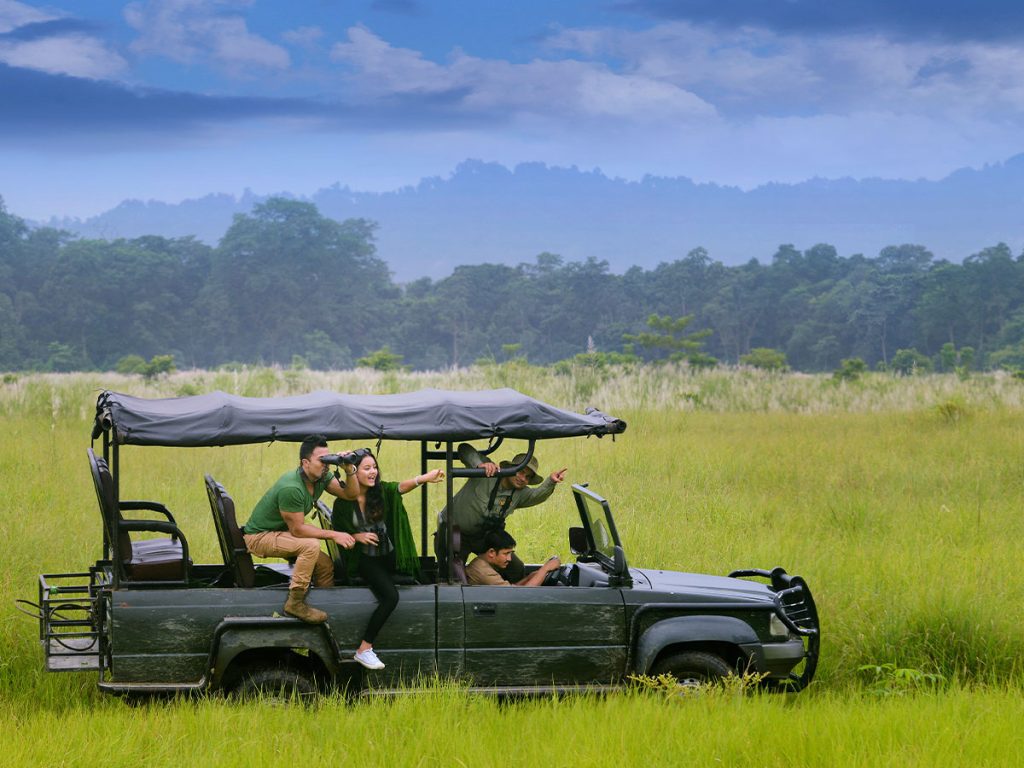
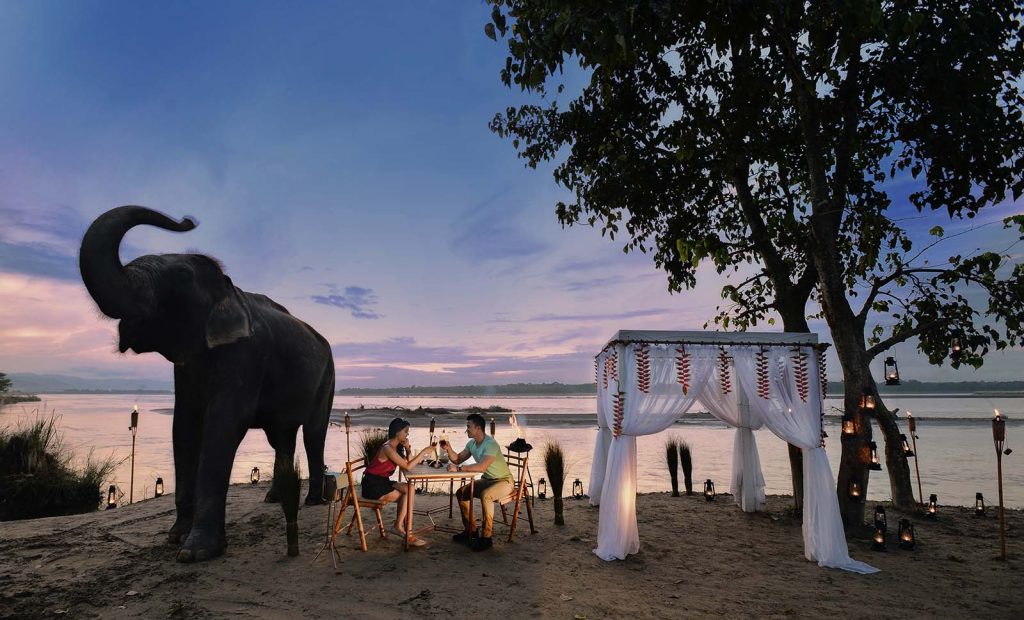
The Terai region of Nepal is perfect for wildlife tours in Nepal where you can walk through serene forested trails. You will be able to observe various wild animals roaming around their natural habitat when you take a jungle safari.

Chitwan National Park and the Bardiya National Park are the most popular national parks in Nepal for wildlife viewing. It is possible to see rhinoceroses, elephants, tigers, leopards, and buffaloes, to name some.

  • Sacred place for Hinduism and Buddhism:

‘Hindu’ mythology has a very close connection with Nepal, and there are a number of temples, monasteries, and ancient ghats that are considered holy in Nepal. You can witness many unique rituals in these places, including architectural beauty and spiritual significance.  

Nepal is home to many spiritual sites like Lumbini, Boudha, Swayambhunath, Pashupatinath, Janki Mandir, Halesi Mahadev temple, Patan Durbar Square, Bhaktapur Durbar Square, Kathmandu Durbar Square, and Muktinath just to name a few. 

  •  Purchase handcrafted products that are only available in Nepal::

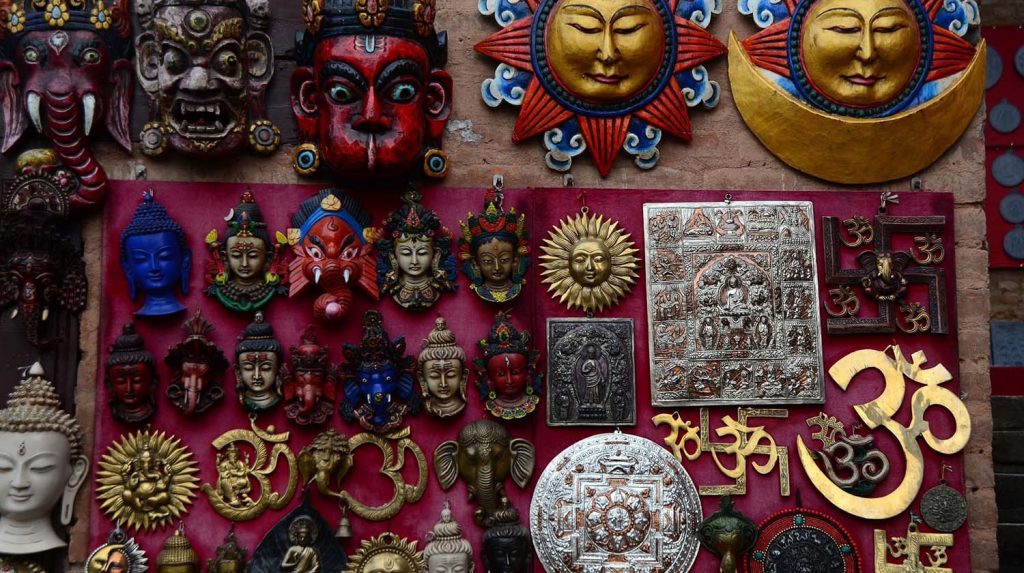
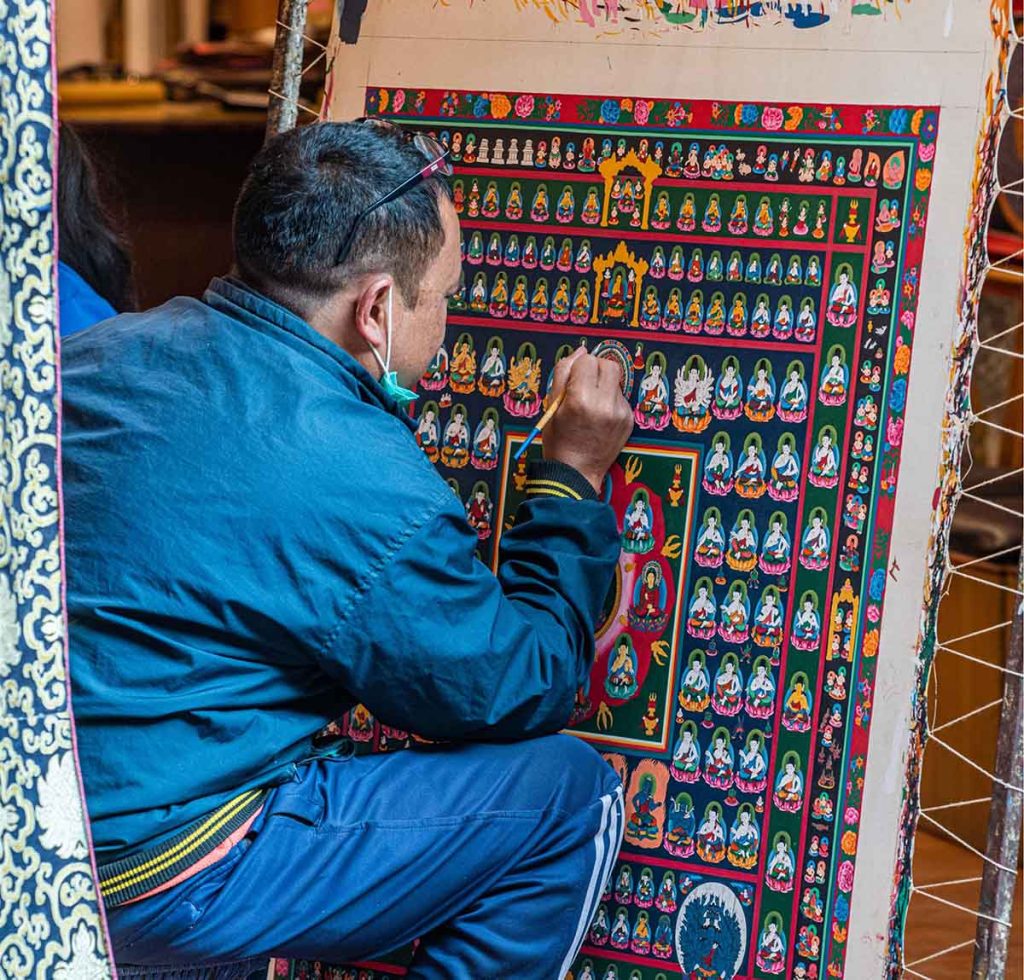
You will find many souvenir stalls at every tourist destination in the country, where you can purchase Thangkas, singing bowls, Pashminas, rice paper, Khukuris, or masks among other items. The majority of these souvenirs can only be found in Nepal.  

You can buy any of these souvenir items from Nepal for your family, friends, or beloved ones as a special gift from Nepal. You can get colorful, handmade, and unique products, especially in Kathmandu and Pokhara- great shopping destinations in Nepal. 

Nepal is a small and affordable country to visit. The food and mountains of Nepal are amazing, and the Nepalese people are very friendly and generous. 

A trip to Nepal will definitely capture your heart as it offers a variety of cultures, natural flora and fauna, unique cultural values, and social practices that make it unique from other places in the world.

Best Himalayas View during the Sunrise in Trekking Zones

Sunrise view in Annapurna Region.

Are you thinking about trekking in Nepal? Excellent choice. The country offers fun and challenging trekking options for everyone, regardless of their experience level. 

The country offers some of the most beautiful views of mountains in the world in the sunshine. The experience of witnessing the sunrise over the Himalayas gives you one of the most memorable moments of your life. 

There are many places in Nepal where you can see the most beautiful sunrises and sunsets over the Himalayas, beautiful nature, and amazing landscapes. An immersion in fresh cool air & sunlight will provide you with a warm environment.

There are lots of hill stations and places where you can witness beautiful sunrises and the beautiful Himalayas. Check out our other blog for the list of “Top 10 places for Himalayan views during sunrise” by following the link below.

Listed below are the best spots in trekking zones for seeing the sunrise over the Himalayas:

  1. Everest Trekking 

The Everest region in Nepal is probably one of the most famous trekking areas in Nepal. This region is home to the highest mountain in the world, Mt Everest at 8,848 meters, and offers some of the world’s best trekking routes. 

It’s about Mt Everest, the Sherpa culture, and the incredible mountain views as well as the adventurous hikes through forested terrain and on barren rocks.

Kala Pathar offers a stunning sunrise view during the morning hike through this trekking zone. Gokyo Everest Trek is one of the most incredible viewpoints of the Everest region and offers a breathtaking sunrise view.

You can find some extraordinary views and take some amazing sunrise photos from the three passes, such as Renjo La (5,360m), Cho La (5,420m), and Kong Ma La (5,540m). 

  1. Annapurna Trekking 

Annapurna Trekking is considered Nepal’s most beautiful trekking region with diverse terrain that ranges from lush jungles to barren deserts filled with mountain peaks. Trekking in the Annapurna region is an excellent opportunity to see the beauty of the Himalayas. 

The beautiful sight of the mighty Himalayas being brightened by the morning sun rays flowing through the casements of mountains is a sight not to be missed. Sunlight kissing the slopes of mountains like Machhapuchhre, Annapurna, Dhaulagiri, Himchuli, and other lofty peaks won’t let your eyes and camera rest.

There is a famous sunrise vantage point on Poon Hill during the Annapurna Trek. Experience the quintessential daily routine of nature by watching the sunrise over the Himalayas during the Annapurna Trek.

  1. Manaslu Trekking 

Manaslu Trek, where Mt Manaslu (8,156m) lies, is one of the more secluded trekking regions of Nepal. The trekking area is both beautiful and undisturbed by modernization, making it a spiritual and satisfying experience for many.

The Manaslu Trek provides beautiful views of sunrises at Larke La Mountain Pass (5,160m), Manaslu Base Camp (4,800m) and Ganesh Himal Base Camp (4,200m). This trekking zone offers the best views of culture, mountains, and nature during sunrise. 

  1. Dhaulagiri Trekking 

At an elevation of 8167 meters above sea level, Dhaulagiri is the world’s seventh highest mountain that includes a taste of all of the trekking environments that Nepal has to offer. The trail is also popular for its circuit trek, which is one of the longest treks in Nepal and includes both camping and lodging. 

A breath-taking sunrise from Dharapani, the base camp of Dhaulagiri, the French Col, and Dhampus Pass is quiet, serene, and full of adventure and excitement. 

Dhaulagiri Circuit Sunrise Trek combines a variety of Nepal trek features in a single trip, as it includes remote and beautiful views in a wild landscape as one can find in the high mountains of Nepal.

  1. Makalu Trek

Trekking in the Makalu region of eastern Nepal is an exceptional trek that combines a rich cultural heritage, unmatched beauty, and biological diversity. 

Beautiful mountains, pristine forests, and an abundance of different plants, animals, and friendly locals with rich and varied cultures and customs are all highlights of this natural paradise.

The sunrise views are spectacular here, from Mount Makalu (8463m), Chamlang Himal, and Barun Valley.

  1. Kanchanjunga Trek

Kanchanjunga trek is an ideal destination for adventure travelers in Nepal that want to explore local culture, lifestyle, and heritage as well as experience the most remote and tranquil atmosphere of remote terrain rich in flora and fauna, breathtaking waterfalls, wildlife, and panoramic Himalayan vistas.

Sunrise with a breathtaking view seen from this point is truly mesmerizing. Kanchenjunga treks can enlighten your soul with thousands of unexpected miracles. So let’s say hello to Kanchenjunga.  

  1. Langtang Trek

The Langtang region is known for its natural peace and a combination of glorious cultural villages, the Tamang Heritage Trek, and the spectacular Helambu valley and Gosainkunda holy lakes. 

Enjoy the spectacular sunrise on the tops of Langtang Himal (6581m), Langtang Lirung (7234m), Ganesh Himal 1 (7406m), Yala Peak (5560m), Ganjala Chuli (5844m), Langshisa (Ri 6310m), Tembthang (5702m), Salbachum (6707m), and many more.

  1. Upper Mustang

Mustang is covered with magnificent trekking zones hidden behind the majestic Himalayan ranges. Lo Manthang trekking is one of the most fulfilling trekking treks for those who are interested in experiencing the hospitality and warmth of the locals living in such a remote area.

Trekking in the Upper Mustang is a moderate trek and offers an opportunity for close-up views of the primitive society which remains unaffected by modernization. If you are looking for a spectacular sunrise view and beautiful landscape along with Tibetan culture, then this is the trip for you.

Come and experience the Best Himalayan View during the Sunrise in the trekking regions of Nepal with Himalayan Circuit Team.

Nepal’s Adventure Tourism: A Journey into the Unknown

Paragliding and the Machhapuchhre is behind.

Helen Keller once said, “Life is either a great adventure or nothing”. Adventure by its very nature is an unusual, exciting and risk taking activity. It is something where participants can put themselves in a position where they are confronted by challenges and gain something or learn something meaningful from those experiences. Adventure is what every traveler craves these days. Tourism of this nature includes any type of activity that involves adventure and thrills while traveling.

Nepal is surrounded by the Himalayas and has huge potential for adventure tourism. Nepal is the ideal destination for anyone looking to experience true adventure. Relaxing, shopping, or sight-seeing won’t suffice for modern travellers as they seek breathtaking and thrilling experiences. Nepal is the perfect place for those who are ready to challenge their limits with heart pumping activities.

The adventure tourism sector in Nepal has grown quickly in the recent years. It is now a billion dollar industry and Nepal is considered to be one of the top thrill seeking destinations in the world due to its unique culture and diverse landscape. The distinct natural beauty of Nepal with thousands of majestic snowcapped mountains, the Himalayas, forests, rivers, lakes and waterfalls along with natural flora and fauna can be a satisfying tool for adventure lovers.

Aside from the many possibilities in adventure tourism in Nepal; trekking, bungee jumping, paragliding, rafting, hiking, jungle safari, zip-lining, kayaking, etc are the ones that are popular and are available in different parts of the country. 

Existing Adventure Tourism Activities in Nepal

It was mountaineering that opened Nepal to the outside world after the country first opened its doors to climbers in 1949. The appeal of mountaineering grew as many  wanted to scale various Himalayan heights after Sir Ed. Hillary and Tenzing Norgay set their first ever foot on the summit of Mt. Everest in May 1953. Eight of the world’s ten highest peaks are located in Nepal, including Mt. Everest, the highest peak on the planet. There is no surprise that the adventure and challenge that mountaineering brings are still prevalent and continue to draw many foreign visitors year after year.

Nepal is also known as a trekker’s paradise because it features spectacular routes from various geographical regions, ranging from high altitude to easy walking routes. Moreover, trekking in Nepal offers an opportunity to experience Nepal’s ethnic diversity as one passes through picturesque and charming villages in the Everest, Langtang and Annapurna regions.

As a land of numerous world class rivers arising from the melting snow on the Himalayan Terrain, Nepal offers fun and exciting river rafting experiences. Rivers such as the Trishuli, Bhotekoshi, SunKoshi, Marshyangdi, and Karnali offer adventure sports like rafting and kayaking where you can also choose to camp on the riverside while enjoying the culture and natural beauty.

A bungee jump is the ultimate thrill in Nepal, and you can experience it at three different spots, Last Resort, Kushma Bungee Jump, and High Ground Bungee Jump. With a height of 228 meters, Kushma has Nepal’s highest bungee jump and the second highest in the world.

Paragliding is another adventure activity that allows you to fly like a bird in the sky and discover the wonders of nature as you glide over monasteries, temples, lakes, and the jungle along with a spectacular aerial view of the Himalayas. 

Nepal has been a popular mountain biking destination in the world in recent years as it offers incredible scenic views of the sky-dominating peaks, terraces, valleys and hills while racing down the dirt roads. 

Adventure seekers can participate in a variety of other activities. Those who cannot trek to see mountains up close can enjoy a mountain flight to see majestic peaks, glaciers, and valleys. In the same way, canyoning can be an adventurous way to explore Nepalese rivers. Another exciting adventure activity that has gained popularity in recent years is zip-line tours, due to the ultimate thrill it promises. Sport lovers can also challenge themselves while rock climbing which can be experienced in different parts of the country. The backpacking trend is also growing in Nepal as people today prefer traveling independently.  

Nepal has infinite potentiality for adventure seekers as it has a lot to offer those looking for an adrenaline rush through adventure tourism. New destinations and different adventure activities are being explored with an aim to satisfy adventure lovers during off season as well. 

If you never want to get bored, seek some adventure in Nepal.

Wildlife Photography Tour in Nepal

Baby and Mother rhino together.

The art of wildlife photography combines a love of photography with an appreciation for nature, offering photographers the chance to capture breathtaking images of animals in their natural habitat. The incredible diversity and wildlife of Nepal make it an unforgettable destination for wildlife photography.

Nepal is known for its magnificent mountains and breathtaking landscapes. Nepal is an ideal destination for wildlife photographers due to its high mountains and lush valleys. A wildlife photography journey in this breathtaking Himalayan country is like walking into a wildlife archive.

A wide variety of wildlife can be found in Nepal, including many endangered and elusive species. With a unique biodiversity, Nepal is a popular destination for wildlife tourists, offering photographers a wide range of wildlife in its unique habitats, from the tropical Terai plains to the magnificent Himalayas.

A wildlife photography trip to Nepal is like stepping into a history book filled with rare and exotic animals in a breathtaking environment. This blog aims to provide an exploration of Nepal’s wildlife, a guide to the best spots for photography, and some tips for capturing these life-changing experiences.

Top Destinations for Wildlife Photography:

Chitwan National Park:

The Chitwan National Park is one of the most famous wildlife parks in Asia. The dense forest covered an area of 952 square kilometers, with 729 square kilometers reserved for buffer zones. 

Chitwan’s subtropical climate offers an ideal habitat for a wide variety of birds, mammals, and reptiles, including the Big 3 of Nepalese wildlife: Royal Bengal tigers, Asian elephants, and Greater One-Horned Rhinos. 

The region is also home to several animal species, including wild water buffalo, four-horned antelopes, swamp deer, and spotted linsangs. This safari trip allows you to photograph and view wildlife from a large safari vehicle.


Bardia National Park:

The Bardia National Park in Nepal, which covers 968 square kilometers, was established in 1976 and later declared a protected area. It encompasses a total of 507 square kilometers. The Babai River crosses the area and this area is surrounded by grasslands, forests, and rivers.

The park is home to over 435 resident and migratory birds and 642 species of animals. The unspoiled wilderness around Bardia National Park is famous for bear chases, Rajbang tigers marking their territory, and elephant sightings. There is a majestic royal Bengal tiger living among the untamed wildlife in its natural habitat.  

The wildlife safari experience will thrill you and fill your camera with wildlife photos. Designed specifically for those who love wildlife photography, this trip gives you the chance to capture everything through your camera lens.

Koshi Tappu Wildlife Reserve:

Wildlife photography is a passion for many, and what better way to satisfy this passion than to take a hike in nature? The Koshi Tappu Wildlife Sanctuary, located in eastern Nepal, offers a unique photographic and wildlife experience.

The Koshi Tappu Wildlife Sanctuary covers an impressive 175 square kilometers and is Nepal’s oldest wildlife sanctuary. Koshi Tappu Wildlife Sanctuary is known for its diverse birdlife and biodiversity on the Saptakoshi River plains. 

Koshi Tappu is a paradise for bird watchers and photographers, with more than 500 species of birds, including migratory birds from Siberia and Tibet. The reserve is home to a variety of wildlife, including wild water buffalo, whales, dolphins, and the elusive Bengal tiger as well as an abundance of birds.

Sagarmatha National Park:

The Sagarmatha National Park is situated in the heart of the majestic Himalayas, making it a paradise for nature lovers and wildlife photographers alike. With some of the world’s most famous and endangered species at its doorstep, the Sagarmatha National Park offers a unique chance to discover their magnificent natural world.

Located in the Solu-Khumbu region of Nepal, Sagarmatha National Park offers breathtaking scenery and a variety of wildlife, ranging from dense plain forests to towering Himalayan peaks. This habitat is home to a wide variety of wildlife and flora, providing a haven for wildlife photographers. 

Trekking through Everest National Park for wildlife photography promises to be an unforgettable experience. With its fascinating biodiversity, breathtaking landscapes, and rich cultural heritage, the park provides an ideal backdrop for capturing the wild beauty of the Himalayas.

A wildlife photography trip in Nepal is a dream come true for every avid wildlife photographer. Nepal offers some of the most unique creatures in the world, with diverse wildlife, beautiful scenery, and knowledgeable guides. 

Wildlife photography tours in Nepal provide a unique opportunity to see natural wonders up close. Prepare yourself to capture unforgettable moments when you visit this incredible country with the Himalayan Circuit Treks.

World Heritage Sites in Kathmandu Valley

World Heritage Site in Kathmandu: Swayambhunath

A cultural tour in Nepal will give you a glimpse of the real Nepal.  Nepal is a melting pot of several cultures and religions that live in perfect harmony with each other. You can learn about the original inhabitants of Kathmandu, the Newars, in a cultural tour through the Kathmandu Valley. 

This cultural heritage sites in Kathmandu is a combination of cultural and natural value making it an excellent inclusion on the list of world heritage sites. There are temples made of brick and roofs covered with small overlapping terracotta tiles, along with rich carvings in roof struts, windows, and doorways. A stupa’s form is simple, but powerful, with massive whitewashed hemispheres holding gilded cubes depicting the ever-seeing Buddha’s eyes.

There are seven World Heritage Sites within a radius of 20 kilometers of Kathmandu, making it the city with the most World Heritage Sites in the world. The lifestyle, culture, traditions, and craftsmanship of the locals contributed immensely to this. You can witness mixed culture and tradition with mixed settlement of people within this small city during your cultural tour. Throughout this small city, you can observe diverse cultures and traditions.

List of World Heritage Sites in Kathmandu Valley:

  • Kathmandu Durbar Square:

Inside Kathmandu Durbar Square

A visit to Kathmandu Durbar Square will allow you to witness ancient statues, fountains, ponds, and a series of courtyards, such as Mohan Chok and Sundari Chok. Kathmandu Durbar Square was home to the palaces of several of the kings of Kathmandu, including the Malla and Shah dynasty.

The major attractions you will get to see during your cultural tour in the Durbar square that reflect Nepli art, architecture, culture, and history include Jagannath Temple, Mahendreswara Temple, Nautale Durbar (nine-storied structure), Kal Bhairav, Bhagwati Temple, Kotilingeshwara Mahadev (a Shiva temple carved from stone), Kumari Bahal, Saraswati Temple, and the magnificent Taleju Temple. You can also witness different festivals and religious rituals celebrated in the durbar square during your visit. 

  • Bhaktapur Durbar Square:

Bhaktapur Durbar Square

The best way you can discover Bhaktapur is by strolling through narrow streets, passing residents’ homes, temples, and courtyards, and then visiting the market. Known as the ‘city of devotees’, Bhaktapur is known for its stunning culture, elegant art, colorful festivals, traditional dances, and the typical Newar lifestyle. 

A visit to Durbar square will catch your interest in so many areas, including the 55 window palace, Nyatapola temple, Golden gate, Lion’s Gate, mini Pashupatinath temple, Batsala and the Bhairavanath temple. This ancient masterpiece can truly be called an “Open Museum” with many examples of wooden sculptures, colossal pagodas, and temples dedicated to many different gods and goddesses.

  • Patan Durbar Square:

Patan Durbar Square

Patan Durbar Square which is also known for its artistic heritage is the oldest among the three durbar squares in the Kathmandu valley. As one of the oldest Buddhist cities in the world, Patan Durbar Square is home to many Hindu temples and Buddhist monuments with beautiful carvings, bronze gateways, and guardian deities. 

Among the notable temples, courtyards, and buildings you will get to observe in Patan Durbar Square during your cultural tour are Taleju Bhawani Temple, Sundari Chowk, Keshav Narayan Chowk, Krishna Mandir, Mul Chok, and Bhimsen Temple.

  • Pashupatinath Temple:

Pashupatinath Temple

This holy Hindu temple devoted to Lord Shiva, is one of the biggest and most sacred of the Shiva temples in the world. There are thousands of pilgrims from around the world who come to pay respect to Lord Shiva and seek blessings from him at the Pashupatinath temple. The rituals performed in Pashupatinath will fascinate you. A practice of burning dead bodies and mourning in full view of temple-visitors is a unique practice that you cannot witness elsewhere.

Along with the main shrine of Pashupatinath temple, there are dozens of smaller temples you can see, like Vatasala temple, Guhyeshwari temple, Ram temple, etc. Several paintings depicting sexuality can be found on the temple roof, and near the temple is a ceremonial cremation ground, an indication that death is not something to be feared and sexuality is not something to be detested.

  • Swyambhunath Stupa

Swyambhunath Stupa / Monkey Temple

Swyambhunath Stupa is the most ancient, most iconic and most visited holy shrine in the Kathmandu valley. Various temples and shrines comprise this complex, which is sacred to Buddhists and Hindus equally. The site of Swyambhunath offers a panoramic view of the valley and is a site you must visit during your cultural tour in Nepal.

This Buddhist site in the center of a Hindu temple is one of the rare places in the world where we can witness complete harmony between two religions. The Swyambhu complex contains temples and shrines that are historically and culturally significant, including Harati Devi temple, Shantipur (Palace of Peace), Pratapur and Anantapur, as well as the World Peace Pond and Buddha Amideva Park. 

  • Boudhanath Stupa

Boudhanath Stupa

Boudhanath Stupa represents Buddhist culture and tradition which is said to have been created just after the death of the Buddha. Built around the 14th century, the stupa is a historical pilgrimage site for Buddhists across the world. Stupa possesses a peaceful and serene aura that can inspire you and bring good vibes. Since ancient times, Boudhanath has been an important pilgrimage site for Tibetan Buddhists and Nepalese. 

You can see Tibetan Buddhist monks and nuns chanting the mantra ‘Om Mani Padme Hum’ as you walk around the Stupa. With a strong presence of Tibetans and Sherpas in the surroundings, you can gain a sense of Himalayan and Tibetan culture. The Bouthanath area is also a place to shop for local and branded products, where you can purchase handmade clothing, traditional Thangkas, and cashmere items.

  • Changunarayan Temple
Changunarayan templel

The traditional Nepali style temple dictated to Lord Vishnu is the oldest Hindu temple in the country. The carvings in the main temple and the statues that surround it make you feel like you’re walking in a museum. Within the Changunarayan premises are the Chinna Masta Temple, Kileshwor Mahadev Temple, Vaikuntha Vishnu, Garuda Narayan, Vishnu Vikrant, Narshima and Changunarayan Temple in the middle. A walk around the surrounding area reveals typical Newari and Gurung tradition and culture.

Explore the charms of the world in the small city of Kathmandu. Your cultural tour to Nepal will be enriched by the beauty of three Durbar Squares, ancient Stupas, temples and invaluable insights of a rich cultural and religious heritage.

Crossing Thorang La – Annapurna Circuit

Annapurna Circut: Thorang La Pass

Crossing over Thorong La Pass is both the highlight and the biggest challenge of completing the Annapurna Circuit. Trekking the Annapurna Circuit has changed a lot over the last twenty years as roads have replaced trails along a significant portion of the traditional trek. The stretch of the trek from Manang to Mulktinath over the pass is the last stretch of the circuit that remains completely roadless.

The pass is the highest point on the entire 300km Annapurna Circuit and at 5,416m (17,769 ft) is higher than Everest Base Camp (5,380 m). The trek between Manang and Thorong La is one of the most beautiful parts of the Annapurna Circuit with majestic views on the way up of Gangapurna, Annapurna III and Chulu West. Once you get closer to the pass Khatung Kang and the colorful peak of Thourungtse (6481m) come into view and from the top one can see out to the valley of the Kali Gandaki and the region of the upper Mustang. It’s a steep climb from the pass down to the booming village of Mulktinath 3710m which is famous for its sacred temple.

Most trekkers start the Annapurna Circuit in either Besisahar (the district headquarters) or a little further up the road in Syange and spend the next 4 or 5 days trekking to Manang. It’s possible to get a jeep all the way up to Manang but this shortens the trek quite a bit and does not allow for adequate time to acclimatize. The trek is not entirely along the road and you have a number of options in places to hike on the other side of the canyon and avoid any traffic. Even if you do opt for the road traffic is fairly light since the road is quite rough and travel is slow. It’s a full days jeep ride from Besisahar to Manang. The road actually improves quite a bit after Chame so if you have made it that far in jeep you might want to continue all the way to Manang. If you do decide on the jeep I suggest you spend at least 3 days in Manang to acclimatize before setting out for the pass. Manang is beautiful village with some great day hikes so it’s the perfect place to stop and acclimatize before tackling the pass.

Continuing on from Manang the route gets a bit steeper and the terrain more rugged. On the way up to Yak Kharta you will have some great views of Chulu West, one of Nepal’s 33 designated trekking peaks. Continuing from Yak Kharta one crosses a large suspension that goes over the upper Jarsang Khola before continuing up the steep walled canyon which in times of heavy snowfall is at risk of avalanches. Thorong Phedi is probably the best option for a nights rest before crossing the pass in the morning. Its possible to continue another hour up to Thorong High View Camp but the lodging is better in Thorong Phedi and staying lower longer probably makes sense in terms of avoiding altitude problems. Although if you have been following the traditional route and don’t have a headache it might be worth continuing up to the high camp just to make the following day easier.

The trail is quite steep between Thorong Phedi and Thorong High View Camp. Most trekkers will start the climb up to the pass around 4am in order to avoid the gusty winds that come up later in the day. Looking back towards Manang on the way up to Thorong High View Camp one has excellent views of Annapurna III and Gangapurna. Once you pass Thorong High View Camp it’s just a long gradual uphill hike to the top of the pass. A number of times it will look like the pass is in view only to find it’s another ridge or moraine in the distance. When you finally reach the pass you are rewarded with fantastic views in all directions. Don’t overlook the difficulty of getting down to Mulktinath which is a fairly steep decent of about 1500m. In front of you are views of the Mustang Region and the 8000+m peak of Dhaulagiri. If you’re tired or would like to stay in a quite village I suggest Chabarbu which is about an hour before Mulktinath. It’s possible to rent motorcycles in Chabarbu and skip the last part of the trek to Mulktinath.

Regular buses and jeeps ply the road between Jomsom and Mulktinath so it’s possible to start the day in Thorong Phedi and make it to Jomsom by nightfall and take a flight the next morning back to Pokhara. Of course if you have time the best option is to continue trekking several more days down the Kali Gandaki Gorge which is said to be the world’s deepest. If you’re spending the night in Mulktinath a good option is the Bob Marley Guesthouse where you can unwind with a hot shower, pool and a beer. If you want to treat yourself Mulktinath has a couple of pricey options as well that attract the many pilgrims who travel to the temple which is just above the city. The temple with its ever flowing 104 waterspouts is certainly worth a visit. Hindus frequently travel great distances to the temple to collect water from the spouts which is said to cure any type of sickness.

Crossing the pass in the opposite direction is not advisable since it does not give one enough time to acclimatize. However, if you have spent a couple of nights in Mulktinath this might be an option.

Thorong La: What’s the Best Season?
September to November: This is the most popular time of year (particularly October). The weather is generally good and the air quality is generally good with excellent mountain views.

December to February: Most years it’s possible to do the trek but heavy snowfall can close the pass for days or even weeks at a time. Avalanches and white out conditions can make for potentially dangerous conditions. Its good time of year to avoid the crowds but one has to be prepared for snow and also to turn around if conditions become unfavorable.

March to May: Nice weather and generally not very crowded. Some slight chance of snow on the pass in March and April.

June to August: The Annapurna Circuit is one of the better options during the monsoon. The start of the trek near Besisahar and the end of the trek can get quite a bit of rain but the stretch of the trail from Chame to Jomsom generally lies within a rainshadow created by the Annapurna Range and is generally much drier. This is one of the few good trekking options in Nepal during the monsoon. The monsoon rains although limited do lead to excellent wildflower viewing.

Thorong La: Annapurna Circuit in 8 Days
The quickest trek over the pass is to take a jeep all the way to Manang from Kathmandu and then spend a couple of days acclimatizing and doing day hikes before going over the pass. It’s possible to cross the pass and fly back to Pokhara via Jomsom in as little as 8 days roundtrip form Kathmandu. However, this should be done only by experienced trekkers who have trekked at altitude before and are prepared to turn around should altitude related symptoms develop.

Thorong La: Internet Access
Currently Manang is the last option until Mulktinath for internet. I spoke with one of the tea houses owners in Yak Kharta in May of 2016 and was told that internet would soon be coming. For now getting online in Thorong Phedi and Thorong High View Camp is not possible.