Top 10 sacred places of Nepal

Offering tika

Nepal is a secular country where the people of diverse religious belief live in harmony. Nepal’s sacred places have a long history dating back to the days before the country was unified.  

Nepal is believed to be the home to 33 million god and goddess. Temples and religious sites located in different corners of Nepal are dedicated to these god and goddess. There is a strong belief among the Nepalese people that their wish gets fulfilled when they visit the temple and pray. 

The Nepalese people visit these sacred places because they have a deep conviction that God is present there. The religious mythologies attached to the sacred sites have kept them religious to this day.  Devotees offer milk, sweets, fruits, garlands, and bow down to the shrine to seek blessings from the god.

The following are the sacred places in Nepal that Nepalese visit more frequently. 
It was once said that there are more temples in Kathmandu Valley than houses, and more statues of gods and goddesses than residents. The Kathmandu valley is like an open air museum, filled with religious aspects, and people of all cultures live in harmony. The beautiful valley is home to seven UNESCO world heritage sites and is a sacred place for Hindus and Buddhists alike.

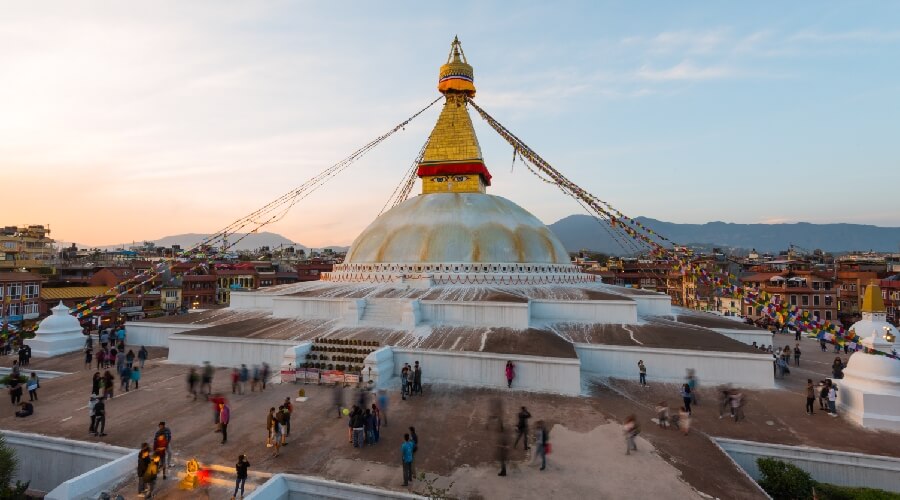
The Boudhanath Stupa and Swyambhunath Stupa are sacred Buddhist pilgrimage destinations that attract pilgrims from all over the world. Similarly, Pashupatinath Temple, Changunarayan Temple, Swyambhunath Temple and Budhanilkantha Temple area must visit pilgrimage sites for Hindus. A visit to this city rich with cultural and religious aspects is not to be missed out on.

Lumbini mayadevi temple

Lumbini is the birthplace of Lord Buddha and is one of the holiest places to visit in Nepal. Also listed in World Heritage Sites, Lumbini is home to many eye catching monasteries and Buddhist centers built by various countries with strong Buddhist traditions. 

The site is one of the four sacred sites that Buddha reportedly suggested to his disciples and followers to visit. There are several religiously significant attractions in Lumbini such as the Maya Devi temple, Ashoka pillar and the remains of the Lumbini palace that you should not miss-out visiting.

  • Muktinath Temple

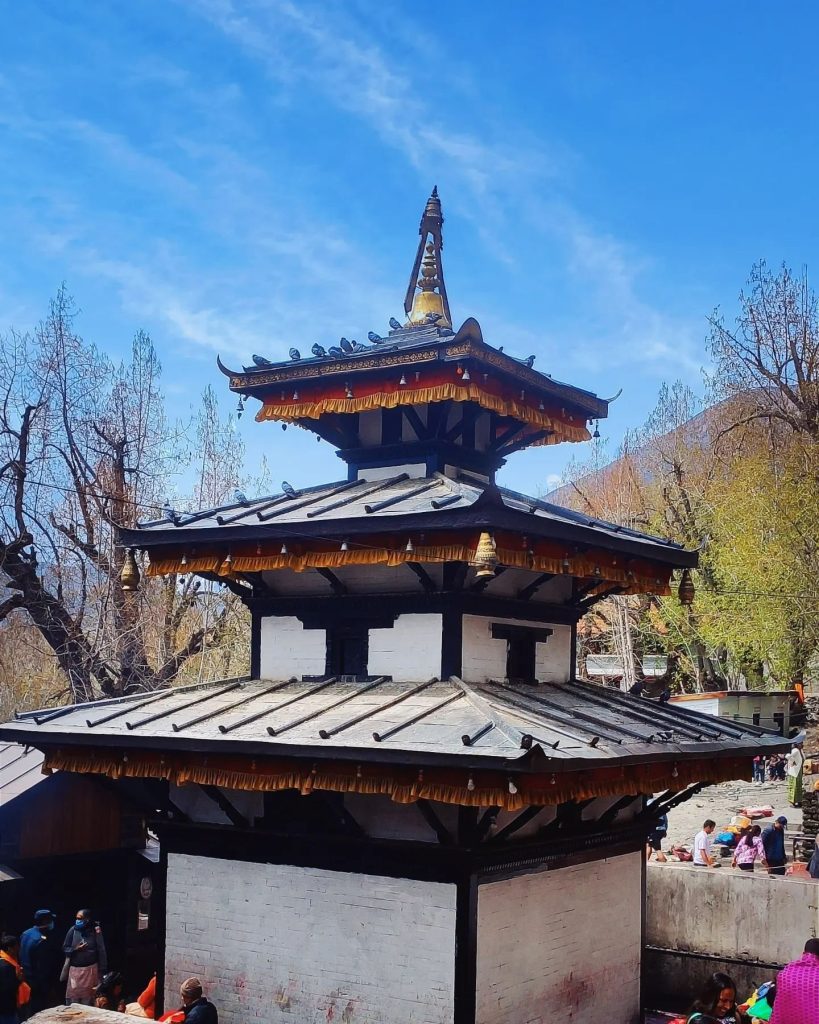
Muktinath Temple (3,710m) is a sacred place to both Hindus and Buddhists located in Mustang district of Nepal. As a symbol of religious symbiosis, this temple represents the fusion of Hindu and Buddhist religion. Devotees visit here with a belief that taking a bath in the 108 waterspouts (Muktidhara), releases all the negativity from their bodies and receive salvation. It is said that the holy shrine has arisen on its own and is also one of 108 Vaishnava shrines.
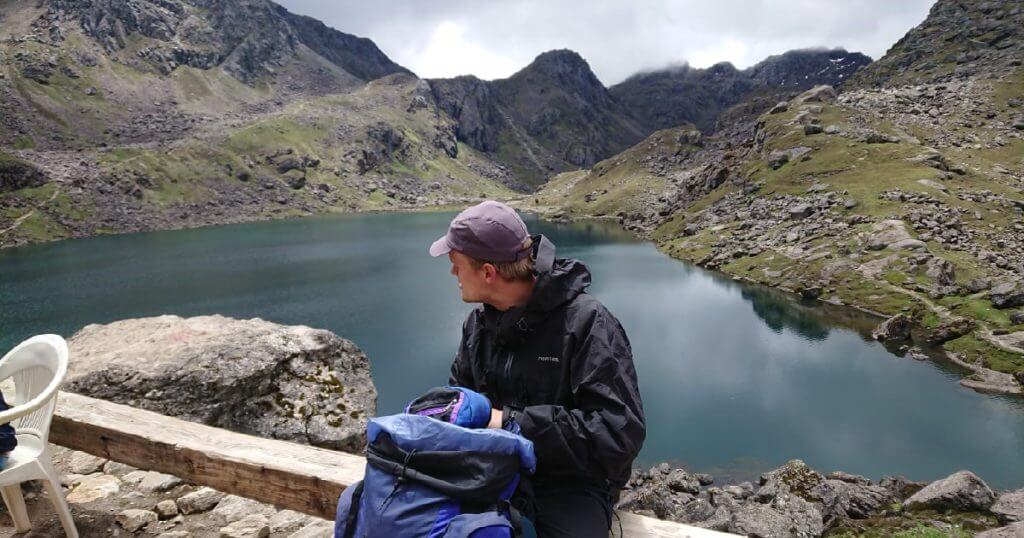
Gosaikunda Lake

Gosaikunda, located in Langtang National Park, is a holy place for Hindus, and thousands of pilgrims flock here every year during the Janai Purnima and Gangadashahara festivals. According to Hindu mythology, gods Shiva and Gauri lived here. Located 4,380m above sea level, this Hindu pilgrimage site is also a popular trekking destination. 

There are all total 108 holy lakes in this region which makes a visit to this sacred place exciting and spiritual for visitors. Lake Gosaikunda is also one of the major highlights of Langtang trek.

  • Janakpur Dham

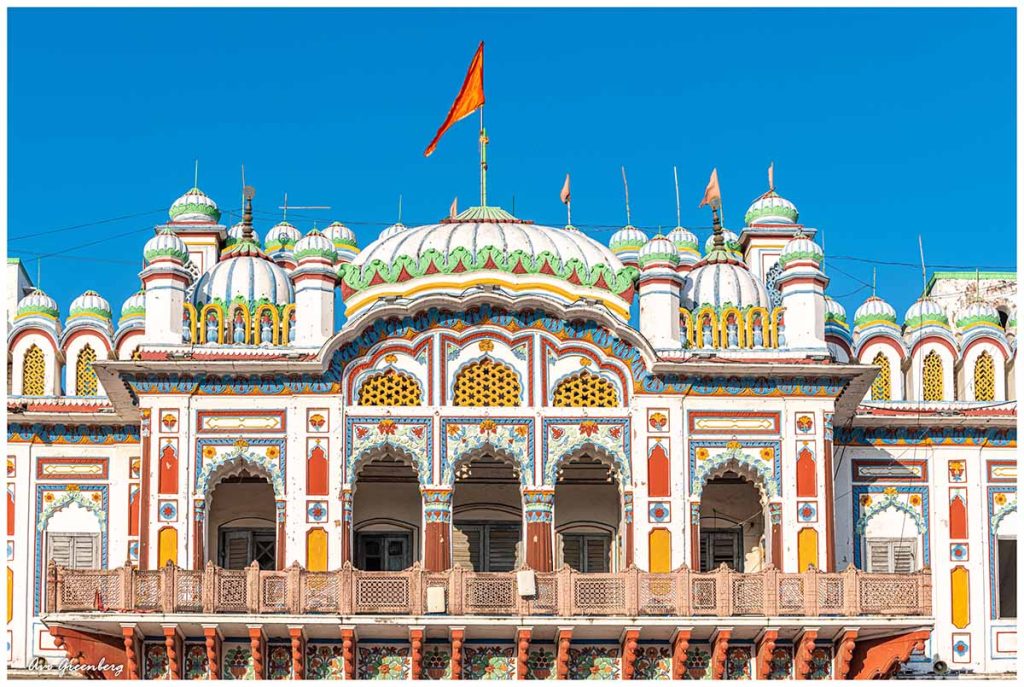
Janakpur is a major pilgrimage site for Hindus because it is the place where Goddess Sita was born and where she married Lord Ram. This sacred place is just not known for beautiful temples and monuments, but also for its arts, rich cultural history, literature and language.  The Janaki Temple dedicated to Goddess Sita, Ram Mandir, Vivah Mandap, Gangasagar and Swargadwar are major attractions for visitors. Hindu pilgrims from all part of Nepal and India visit this holy site due to its religious wealth.  

  • Halesi Mahadev Temple

Halesi Mahadev

Known as Pashupatinath of western Nepal, the Haleshi Mahadev Temple (3,100 ft) in Khotang district is a sacred place to Hindu, Buddhists and Kirantis.  According to traditional beliefs, sinners cannot pass through this passage, but by confessing wrongdoing they will be able to pass. It is said that devotees come from far and wide to worship Lord Shiva, with a belief that Haleshi Mahadev grants prosperity to poor and knowledge and wisdom to ignorant. 

  •  Pathivara Temple

The Pathivara temple is a sacred place for Hindus as well as Limbu people. It is located in Taplejung district at an elevation of 3,794 meters (12,444.32 feet), which is also a secondary route of the Kanchenjunga trek. 

A visit to this sacred place tests our devotion and patience as it offers a thrilling journey to reach the temple. It is believed that Goddess Pathivara possesses supernatural powers and is capable of fulfilling the requests of those who visit her temple and make offerings.

  • Chitwan Devghat

Devghat is a popular pilgrimage site in Chitwan, located at the junction of the Kali Gandaki and Trisuli River. As per Hindu Culture, “Ghat” denotes a sacred place where cremation and last rituals are conducted or performed by the family members or close relatives after the death of Hindu people. 

Devghat is a must-visit sacred place for Hindu followers and spiritual seekers as the area is surrounded with numerous temple, cave, and historical sites. A holy bath here is believed to wash away sins, which draws devotees from far and wide to take a holy bath. 

  • Dolakha Bhimsen

Dolakha Bhimsen popularly known as Bhimeshwor temple lies in Dolakaha district of eastern Nepal. The temple situated in the lap of Mt. Gauri Shankar is regarded as the abode of Lord Shiva and his consort Goddess Parvati. There is a belief that Bhimsen’s statue occasionally emits fluid-like drops, which signals any bad fortune that might happen in the country. Numerous people visit and perform puja in this sacred temple to make god happy. 

  •  Baraha Chhetra (Kshetra)

Baraha Kshetra is a Hindu pilgrimage site in Sunsari district, located at the junction of Sapta Koshi and Koka River. This sacred place is one of the oldest shrines in Nepal, mentioned and glorified in multiple Puranas including Varaha Purana, Brahma Purana, and Skanda Purana and is even included in the epic Mahabharata.

It is believed that the lifting of a stone in front of the temple will determine whether a person is sinless or sinful. It is said that only the persons of virtue can lift the stone. According to Hindu belief, people who have lost their parents must perform sradda (offering to ancestors) at this sacred place so that their parents’ souls will cross the astral River Baitarni and not wander between the heaven and hell. 

All of these fascinating facts about the temple make it a popular pilgrimage site and a must visit sacred place in Nepal. 

Visit the sacred places of Nepal at least once in your lifetime to bring good luck and positivity in your life. 

Yoga Retreats in Nepal

Yoga retreat

Vanda Scaravelli once said, “Practicing yoga is like being on a body holiday”. Yoga is the addition of strength, energy, and beauty to the body, mind, and soul. Embark on a trip to Nepal and discover the spiritual side of Nepal for the awakening of your inner self.

A yoga retreat is a wonderful way to escape the chaos of everyday life and establish healthy boundaries through your spiritual side. Yoga retreats in Nepal offer both individual and group practitioners the chance to rejuvenate and nourish their bodies while reconnecting with their inner selves.

Yoga retreats or yoga holidays take place in a destination with natural beauty, including hills, rivers, trees, mountains, and fresh air. Meditation and yoga practice in such an environment help individuals connect more deeply with themselves and with nature by bringing out the best relaxation of the body, mind, and soul.  

Nepal would be an ideal destination for those seeking a true yoga retreat. One cannot find a better destination to find true inner peace in a retreat, than under majestic mountain ranges, green hills, rivers, lakes, and lush green trees surrounded by natural beauty at its best.

Who can take part on this tour?

Yoga in Nepal

The tour is suitable for anyone who has a basic level of fitness. Since our yoga retreat tour includes hiking, you should be able to walk without getting out of breath. Our hikes will be easy as we will walk along the nice trail, through the forest, and through rice fields.


Why Yoga Retreat in Nepal?

Yoga with sunrise

It’s no surprise that yoga and meditation originated in Nepal. Yoga has been practiced by yogis and Rishis (sages) in this beautiful country since ancient times to achieve wisdom. The yogic vibrations of such great people infuse this land with an atmosphere that creates an exquisite practice.

As Nepal is a land of both Hindu and Buddhist philosophy, yoga retreats provide a perfect blend of those practices. There are also a lot of lakes, forests, jungles, caves, rivers, and waterfalls in Nepal, which make it an ideal destination for yoga and meditation. 

Meditation has been practiced here by thousands of Yoga Rishis who use their asanas to meditate on nature since time immemorial. Yoga practices are best practiced on Nepali hills as you can enjoy pristine forests and mountain ranges crammed with abundant natural resources.

The climate of Nepal is mild throughout the year, even in the monsoon season, making it perfect for yogic practice. Yoga is easier to master in this beautiful country because its spiritualism has never been affected by modernization. 

The yogic disciplines of Hatha Yoga, Tantra, Mantra, and many more are said to have been developed in the Himalayas of Nepal. This sacred country is also the birthplace of Lord Buddha, who preached world peace through meditation and the dissemination of knowledge.

Yoga Retreat in Nepal

Yoga Retreat in Nepal

Kathmandu and Pokhara have many yoga retreat centers that cater to those who want to stay after or before trekking or tours, as well as short and long holiday packages. 

Yoga retreat services include cleansing acts, yoga asanas, meditation, theory lessons, massage, Shirodhara, steam baths, reflexology, herbal tea, food, and lodging.

Benefits of taking Yoga Retreat tour in Nepal?

Yoga in Nepal

Technology and machinery have made life easier in today’s world, but people are more stressed. The result is that you can only achieve maximum physical development while unknowingly and inadvertently missing out on human development. 

Yoga has proven to be one of the most effective ways of reducing stress. Therefore, in such a situation, take a break for yoga. Relieve your stress and anxiety, and you’ll feel more refreshed and focused. 

You will be able to make better decisions if you take a yoga retreat tour in Nepal. This will lead to increased productivity and innovation. Himalayan Circuit offers you yoga retreat tour can help you stay positive, manage your team well, and enhance team spirit. 

The Himalayan Mountains have been a source of peace and wisdom for several hundred years. Yoga is a practice of body postures that is the union of the soul and the body. The benefits of yoga and meditation for your body are undeniable, as yoga stimulates your body and improves your flexibility. 

By combining meditation and breathing techniques, you can improve your respiration and subtly boost your energy level, which can also cure many inflammatory diseases when practiced regularly. Yoga and meditation are beneficial to people of all ages, from young to old.

Nepal’s Land of Buddha with enormous stupas and monasteries is one of the best places to connect with your spiritual nature to experience unforgettable adventures. Through spiritual tours focused on spiritual healing, awakening, and enlightenment, the Himalayan Circuit aims to make your spiritual excursion memorable. 

Community Based Tourism in Nepal

Kathmandu City

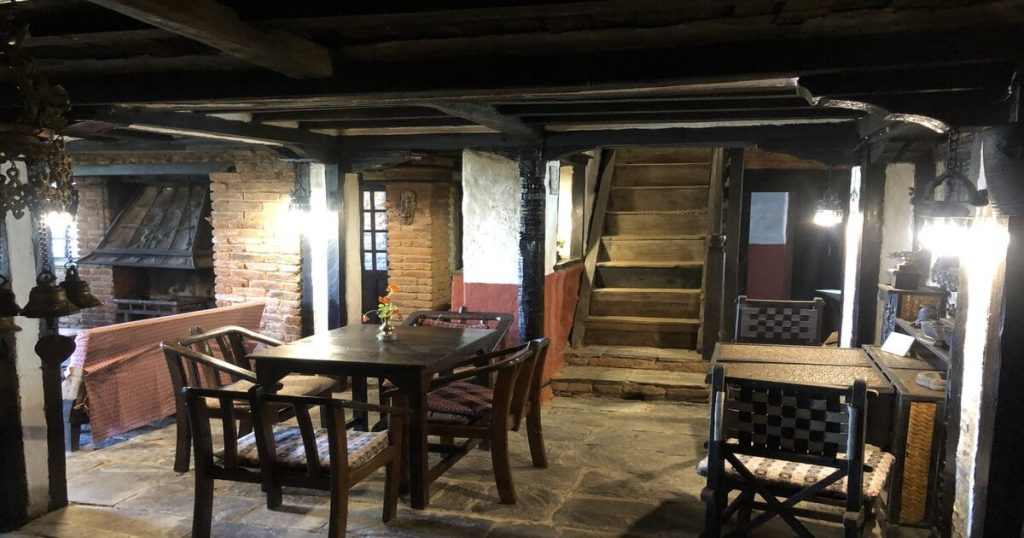
Imagine yourself visiting a completely different place from your hometown, with a totally different culture and a lifestyle that you’re completely unfamiliar with. You might find dozens of destinations searching in Google but being part of community-based tourism in Nepal is the best gateway to discover new places and get real life experience of rural lifestyles, preferably in an unspoiled traditional village. Here, visitors can explore the wildlife, local habitats, and be a part of the local culture and rituals. The best way to understand Nepal’s traditions and culture is by visiting its villages.

Community based tourism (CBT) is a form of sustainable tourism that allows travellers to engage with the local communities they visit and learn more about their culture and daily lives. CBT provides travellers with the opportunity to learn about another culture, diversity, customs, language, social norms, cultural beliefs, etc.  This type of tourism in Nepal consists of activities such as home stays, village tours, storytelling, cooking and crafting together and farm visits, etc where visitors can observe the local culture and interact with local community members.  The hospitality and friendly attitude towards tourists makes them feel at home.

Bandipur homestay

Home stays and other forms of community-based tourism are gaining popularity among travellers today given that they provide authentic, unique experiences while also providing value to local communities. There is already a growing niche market as more and more people today are interested in getting to know the local communities and interacting with the local people. Community-based tourism was developed with the objective of alleviating poverty in low-income and minority communities by developing and promoting the local tradition, culture and local resources.  Members of a community join together and take collective actions to achieve all forms of well-being including social, economic, cultural and environmental.

rice plantation

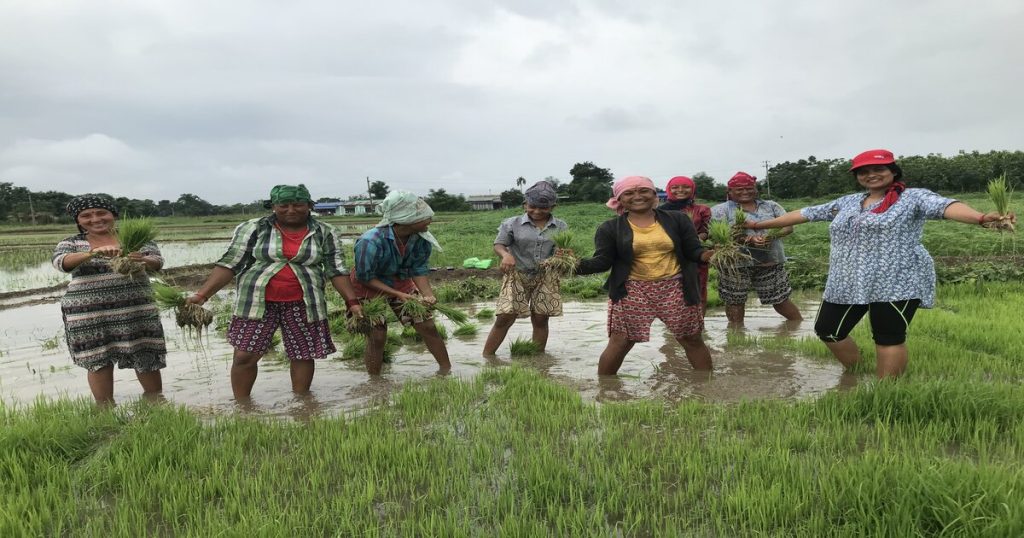
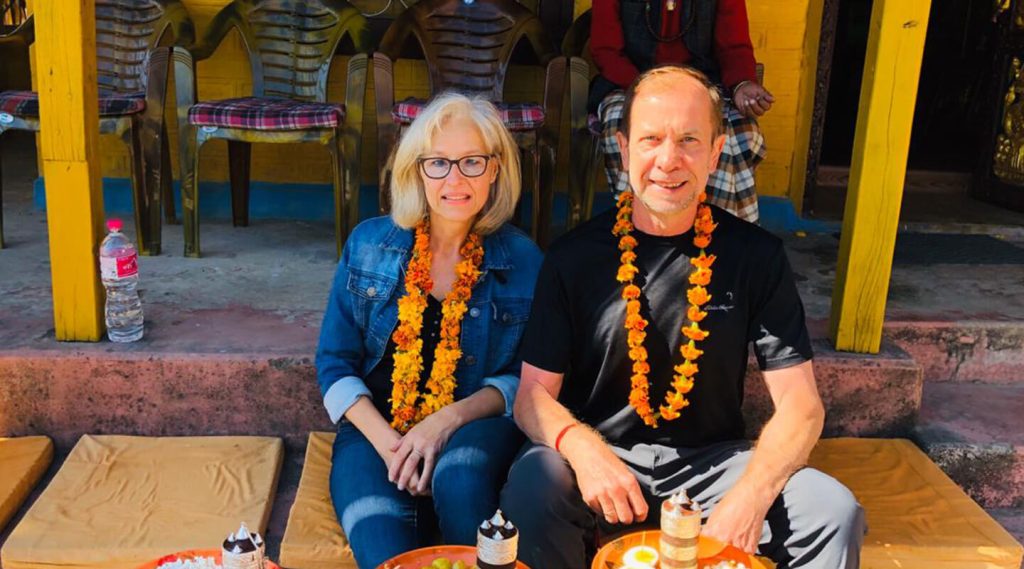
Nepal offers a unique experience for foreign tourists by allowing them to stay with the family as members, and not as guests. These tourists become part of the community during their stay. The villagers greet visitors with flowers, tikas, and even Panche Baza (traditional Nepalese music) in some of the villages. They are also invited to take part in local festivals, rice plantations, production of handicraft works, milking a cow, and even cooking.  People of rural villages in Nepal take pride in talking about their everyday lives and sharing personal stories with guests. The villages in Nepal are also known for their breathtaking views of the Himalayas and beautiful sunrises, which tourists will not want to miss out on. 

Welcome in sirubari

‘Community-based tourism’ originated in Nepal in the Gurung community of Sirubari, Syangja, by developing the village as a model with the purpose of experiencing local life. Homestays including Ghalegaun, Kaulepani, Balthali, Madi village, Machhapuchhre, Ghandruk and Panauti are some of the other popular community based tourism destinations in Nepal. One of the most important aspects of this form of tourism in Nepal is that visitors can experience a completely different environment, breathe fresh air, and eat organic foods and vegetables. Waking up to the sunrise with shining mountains in the background, exploring natural beauty during the day, and engaging in cultural programs in the evening can make anyone forget their home place.

foreigner in chitwan national park

Travelers during hiking, trekking or short tours in different regions of Nepal can engage in different community based activities like purchasing local made products, having a meal at a local tea house lodge or by engaging in cultural programs organized by the local community. Travelers can also participate in cooking with local people as a form of responsible tourism, tasting the local food, learning about traditional recipes, or even taking cooking classes. Taking part in and appreciating local festivals gives the community a sense of pride and inspires people to preserve their culture. The visitor may participate in community projects in various areas, such as parks, health clinics, schools, orphanages, protected areas, libraries, conservation research centers, and protected areas, and an extensive range of other worthy projects. Travelers who are interested in community development can volunteer in the school or instruct local women contributing to their personal growth.

Community-based tourism benefits both hosts and guests, as it enables tourists to gain a true sense of belonging in the community and experience authentic travel, while also ensuring that the revenue generated by tourism stays within the community. Tourism based on the community not only preserves the environment, but also fosters cultural preservation, environmental protection, social responsibility, and enhances livelihoods while enhancing a deeper connection between hosts and visitors.

Kathmandu Valley Cultural Tours

Kathmandu Swyambhu

It was once said that in Kathmandu, there were more temples than houses and more statues of gods than residents. Kathmandu city, which dates back to the eighth century, is like an open-air museum. Kathmandu, also called city of temples, is a valley surrounded by snow-capped peaks and forested hills. Kathmandu is the ideal destination for culture tour in Nepal. Kathmandu is the capital of Nepal and the gateway for foreign tourists visiting Nepal. 

Kathmandu has been a popular backpackers’ destination and base camp for those interested in exploring the Himalayas. Culturally and artistically rich, the city of Kathmandu is also home to 7 world heritage sites that include bustling temples, Buddhist Stupas and historic monuments. 

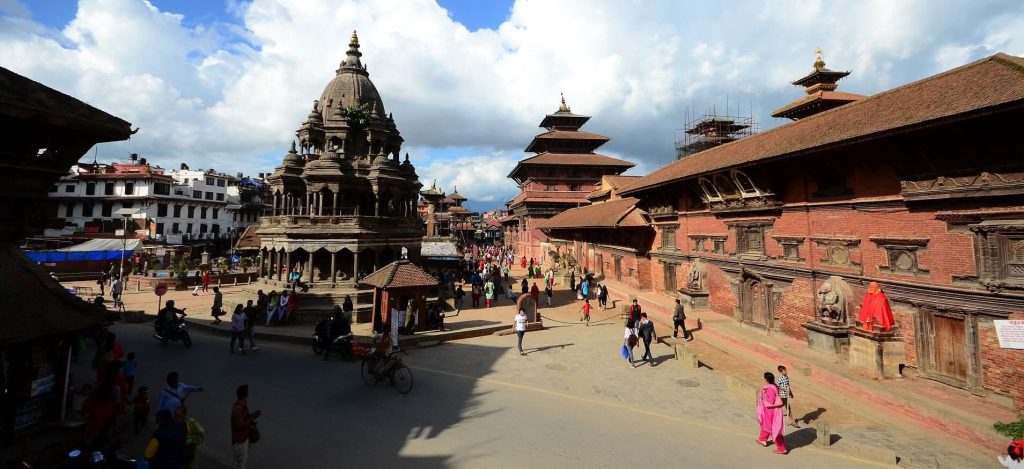
The bowl-shaped valley is around 1400 meters above sea level (4500 feet), and contains two sister cities; Patan and Bhaktapur. Kathmandu valley which is also known as the ‘tri-city’ is often referred to as a treasure house of art and sculptures.  With its unique architecture, Stupas, squares, and museums, Kathmandu’s three cities is the best destination to experience cultural tour in Nepal.

The traditions, religious beliefs, languages, social organizations and people make up Nepal’s culture. Historical monuments, music, dance, literature, sacred pilgrimage sites, and language reflect the richness of Nepalese culture. Interaction with the ethnic communities enhances the excitement and provides insight into Nepali lifestyle.

World Heritage Sites located in Kathmandu Valley:

There are seven World Heritage Sites within a radius of 20 kilometers of Kathmandu, making it the city with the most World Heritage Sites in the world. The rural lifestyle, culture, traditions, and craftsmanship of the locals contributed immensely to this. You can witness mixed culture and tradition with mixed settlement of people within this small city. 

The World Heritage sites in Kathmandu include Kathmandu Durbar Square, Bhaktapur Durbar Square, Patan Durbar Square, Pashupatinath, Swyambhuanth Stupa, Boudhanath Stupa & Changunarayan Temple. 

Highlights of World Heritage Sites in Kathmandu Valley:

kathmandu durbar local market

  • A visit to Kathmandu Durbar Square will allow you to witness ancient statues, newari architecture, temples, and old Royale Palace that reflects Nepali art, culture, and history.

bhaktapur durbar square

  • Known as the ‘city of devotees’, Bhaktapur is known for its stunning culture and you can observe elegant art, colorful festivals, traditional dances, and the typical Newar lifestyle visiting there. 

Patan Durbar Square

  • Patan Durbar Square is one of the oldest Buddhist site in the World and home to many Hindu temples and Buddhist monuments with beautiful carvings, bronze gateways, and guardian deities that draws visitor’s attention.

Pashupatinath temple

  • Pashupatinath is one of the biggest Hindu temple in the world there people around the World come to pay respect to Lord Shiva and seek blessings from him. A unique feature of the temple is a practice of burning dead bodies and mourning in full view of temple-visitors. You cannot witness this unique practice elsewhere.

World Heritage Site in Kathmandu: Swayambhunath

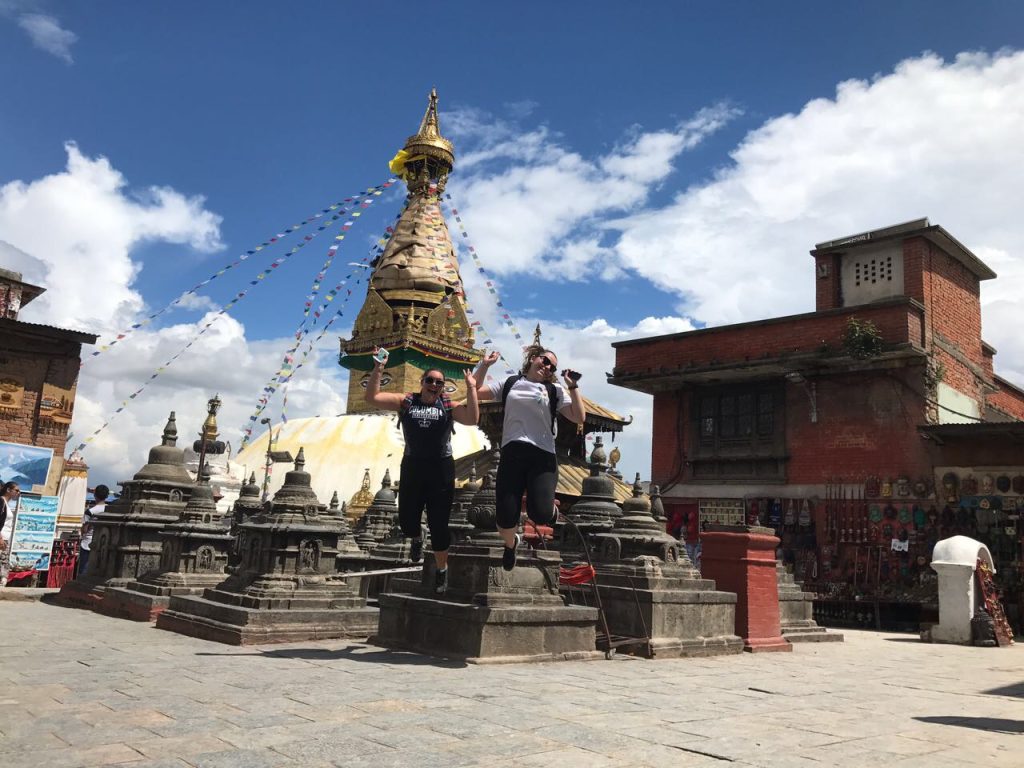
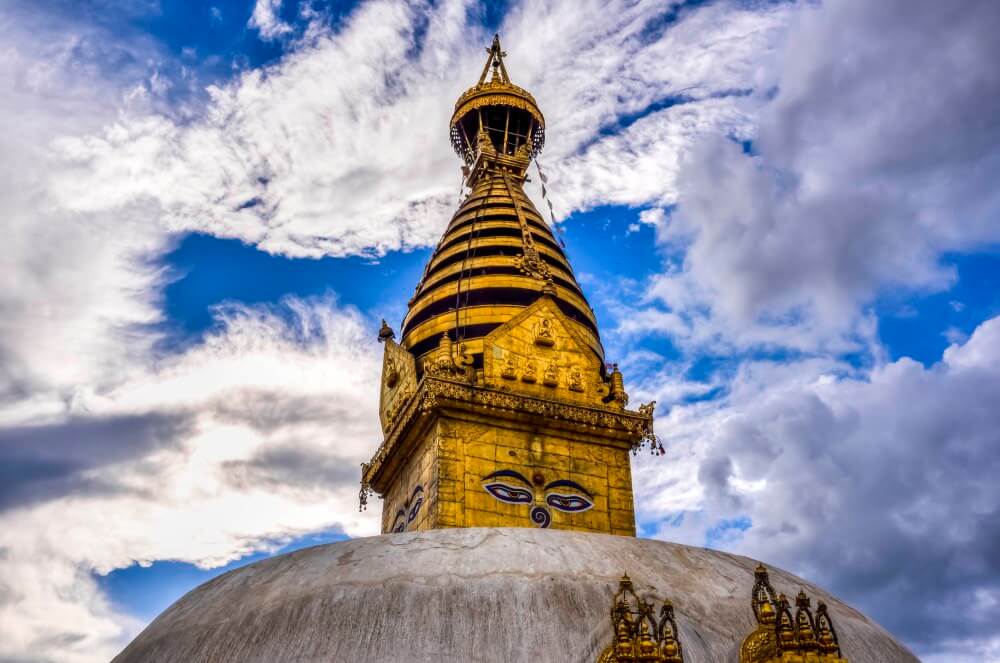
  • Swayambhunath Stupa is the most ancient, most iconic and most visited holy shrine in the Kathmandu valley. Various temples and shrines comprise this complex, which is sacred to Buddhists and Hindus equally. There is religious harmony between two religions at this site, making it worthwhile to visit.

Bouddhanath stupa

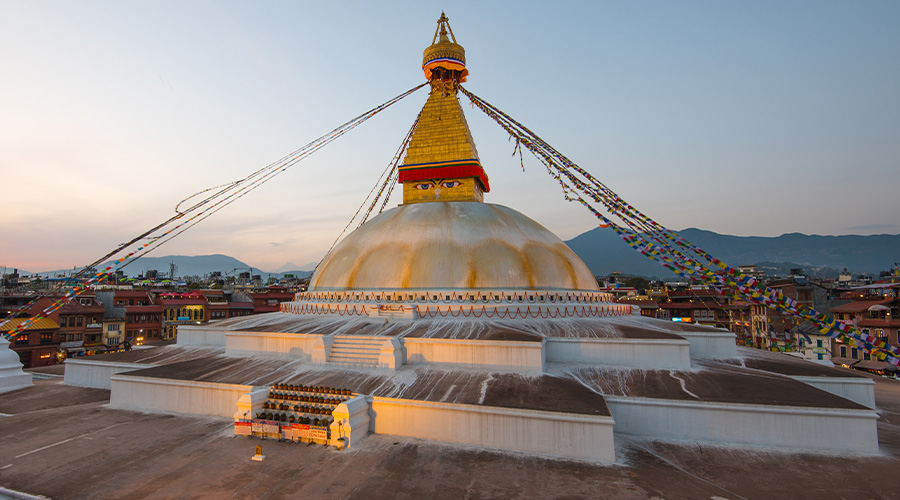
  • Boudhanath Stupa represents Buddhist culture and tradition which is said to have been created just after the death of the Buddha. The peaceful and calm environment of this pilgrimage site will catch your attention. 

culture

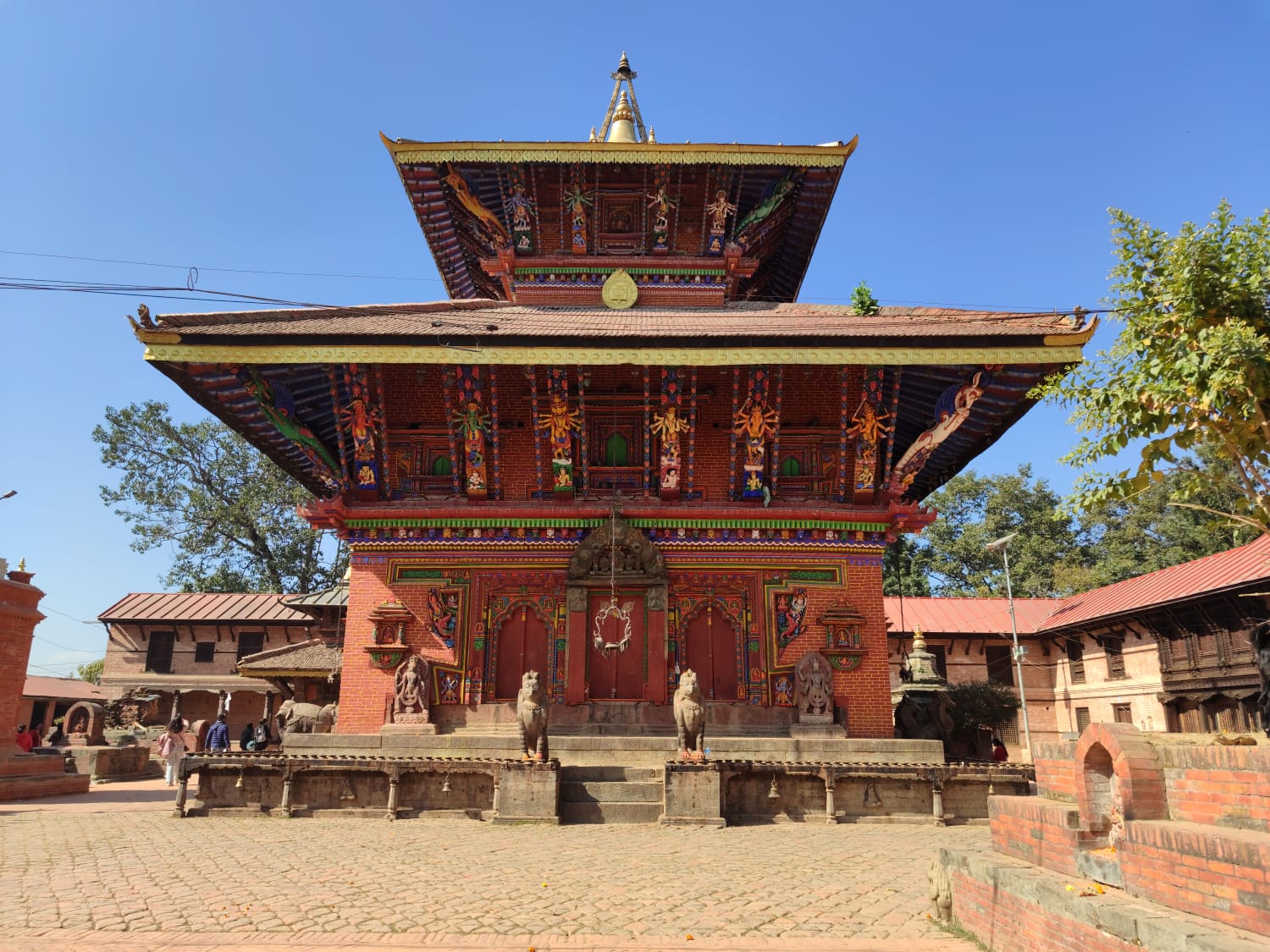
  • Changunarayan temple is a traditional Nepali style temple dictated to Lord Vishnu. The carvings in the main temple and the statues that surround it make you feel like you’re walking in a museum.

Festivals celebrated in Kathmandu Valley

Tika and Jamara

The festivals that are celebrated throughout the year are also a major part of cultural tourism in Kathmandu. There are actually more festivals celebrated in Kathmandu than the number of days in a year combined. Nepal is a secular state where all religions enjoy respect for one another’s culture and tradition. The people of Kathmandu celebrate different types of festivals according to their religion. These festivals offer a unique experience for tourists, and you will love participating in them.

Highlights of Festivals celebrated in Kathmandu Valley:

  • Known as the land of festivals, Nepal is a place of celebration for one community or another every single day.
  • Every festivals celebrated has its own meaning and people celebrate their festivals with fun and joy. 
  • Kathmandu celebrates its festivals and events with the same fervor and enthusiasm as it did hundreds of years ago when people did not have other means of entertainment.
  • Taking pride in one’s own culture and respecting others’ culture is the most amazing part of celebrating festivals in Nepal.

Community home stay in Kathmandu

Kathmandu City 

A home stay in Kathmandu gives you the opportunity to experience Nepal through the eyes of the local people by taking part in local festival activities, eating home-cooked food, and experiencing daily rituals. Kathmandu’s community home stays offer visitors the chance to experience Nepalese hospitality and culture.  

Highlights of Community Home-Stay in Kathmandu Valley:

  • The host community shows their warm welcome to visitors by putting tika (a mark worn on the forehead by Hindus), offering flowers, and organizing cultural dances.
  • You will get an opportunity to experience the unique culture, norms, and lifestyle of the locals. 
  • You can even participate in local festivals and be a part of celebration along with the local community. 

Taking a cultural tour in Nepal is the best way to experience the diversity of the country. Be prepared to be inspired and to experience the Nepali culture, a culture you have never experienced before. 

World Heritage Sites in Kathmandu Valley

World Heritage Site in Kathmandu: Swayambhunath

A cultural tour in Nepal will give you a glimpse of the real Nepal.  Nepal is a melting pot of several cultures and religions that live in perfect harmony with each other. You can learn about the original inhabitants of Kathmandu, the Newars, in a cultural tour through the Kathmandu Valley. 

This cultural heritage sites in Kathmandu is a combination of cultural and natural value making it an excellent inclusion on the list of world heritage sites. There are temples made of brick and roofs covered with small overlapping terracotta tiles, along with rich carvings in roof struts, windows, and doorways. A stupa’s form is simple, but powerful, with massive whitewashed hemispheres holding gilded cubes depicting the ever-seeing Buddha’s eyes.

There are seven World Heritage Sites within a radius of 20 kilometers of Kathmandu, making it the city with the most World Heritage Sites in the world. The lifestyle, culture, traditions, and craftsmanship of the locals contributed immensely to this. You can witness mixed culture and tradition with mixed settlement of people within this small city during your cultural tour. Throughout this small city, you can observe diverse cultures and traditions.

List of World Heritage Sites in Kathmandu Valley:

  • Kathmandu Durbar Square:

Inside Kathmandu Durbar Square

A visit to Kathmandu Durbar Square will allow you to witness ancient statues, fountains, ponds, and a series of courtyards, such as Mohan Chok and Sundari Chok. Kathmandu Durbar Square was home to the palaces of several of the kings of Kathmandu, including the Malla and Shah dynasty.

The major attractions you will get to see during your cultural tour in the Durbar square that reflect Nepli art, architecture, culture, and history include Jagannath Temple, Mahendreswara Temple, Nautale Durbar (nine-storied structure), Kal Bhairav, Bhagwati Temple, Kotilingeshwara Mahadev (a Shiva temple carved from stone), Kumari Bahal, Saraswati Temple, and the magnificent Taleju Temple. You can also witness different festivals and religious rituals celebrated in the durbar square during your visit. 

  • Bhaktapur Durbar Square:

Bhaktapur Durbar Square

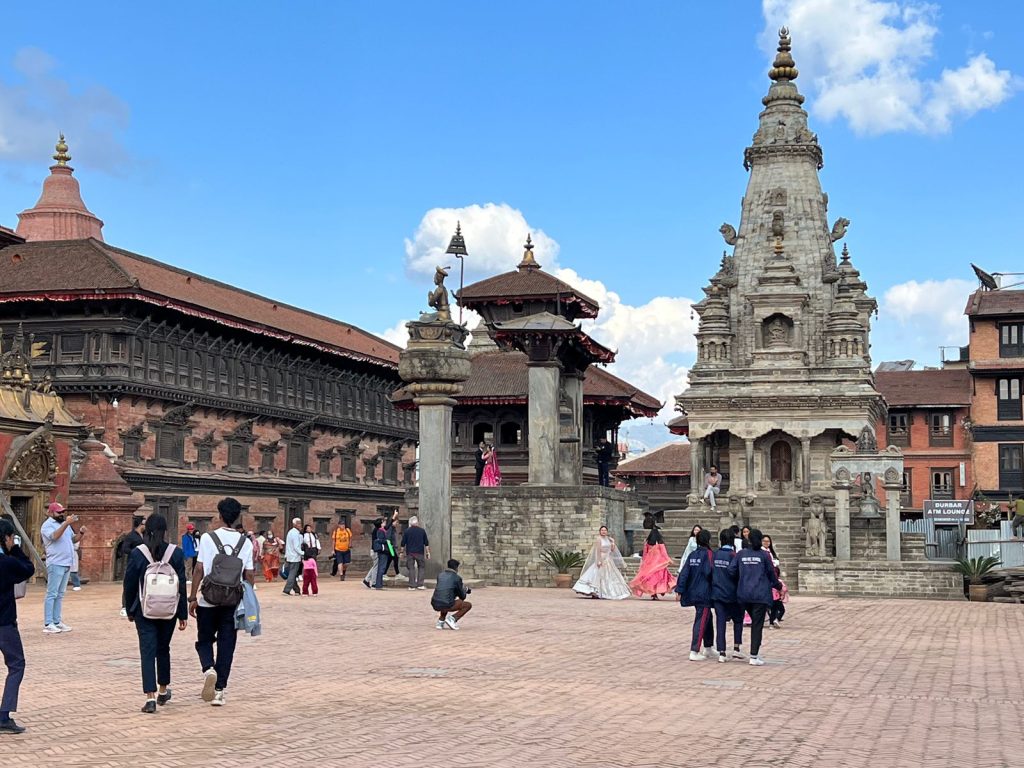
The best way you can discover Bhaktapur is by strolling through narrow streets, passing residents’ homes, temples, and courtyards, and then visiting the market. Known as the ‘city of devotees’, Bhaktapur is known for its stunning culture, elegant art, colorful festivals, traditional dances, and the typical Newar lifestyle. 

A visit to Durbar square will catch your interest in so many areas, including the 55 window palace, Nyatapola temple, Golden gate, Lion’s Gate, mini Pashupatinath temple, Batsala and the Bhairavanath temple. This ancient masterpiece can truly be called an “Open Museum” with many examples of wooden sculptures, colossal pagodas, and temples dedicated to many different gods and goddesses.

  • Patan Durbar Square:

Patan Durbar Square

Patan Durbar Square which is also known for its artistic heritage is the oldest among the three durbar squares in the Kathmandu valley. As one of the oldest Buddhist cities in the world, Patan Durbar Square is home to many Hindu temples and Buddhist monuments with beautiful carvings, bronze gateways, and guardian deities. 

Among the notable temples, courtyards, and buildings you will get to observe in Patan Durbar Square during your cultural tour are Taleju Bhawani Temple, Sundari Chowk, Keshav Narayan Chowk, Krishna Mandir, Mul Chok, and Bhimsen Temple.

  • Pashupatinath Temple:

Pashupatinath Temple

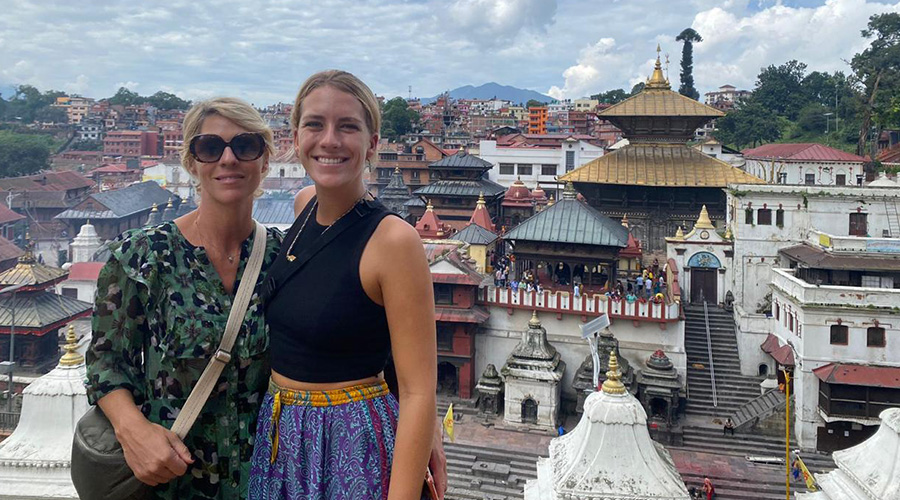
This holy Hindu temple devoted to Lord Shiva, is one of the biggest and most sacred of the Shiva temples in the world. There are thousands of pilgrims from around the world who come to pay respect to Lord Shiva and seek blessings from him at the Pashupatinath temple. The rituals performed in Pashupatinath will fascinate you. A practice of burning dead bodies and mourning in full view of temple-visitors is a unique practice that you cannot witness elsewhere.

Along with the main shrine of Pashupatinath temple, there are dozens of smaller temples you can see, like Vatasala temple, Guhyeshwari temple, Ram temple, etc. Several paintings depicting sexuality can be found on the temple roof, and near the temple is a ceremonial cremation ground, an indication that death is not something to be feared and sexuality is not something to be detested.

  • Swyambhunath Stupa

Swyambhunath Stupa / Monkey Temple

Swyambhunath Stupa is the most ancient, most iconic and most visited holy shrine in the Kathmandu valley. Various temples and shrines comprise this complex, which is sacred to Buddhists and Hindus equally. The site of Swyambhunath offers a panoramic view of the valley and is a site you must visit during your cultural tour in Nepal.

This Buddhist site in the center of a Hindu temple is one of the rare places in the world where we can witness complete harmony between two religions. The Swyambhu complex contains temples and shrines that are historically and culturally significant, including Harati Devi temple, Shantipur (Palace of Peace), Pratapur and Anantapur, as well as the World Peace Pond and Buddha Amideva Park. 

  • Boudhanath Stupa

Boudhanath Stupa

Boudhanath Stupa represents Buddhist culture and tradition which is said to have been created just after the death of the Buddha. Built around the 14th century, the stupa is a historical pilgrimage site for Buddhists across the world. Stupa possesses a peaceful and serene aura that can inspire you and bring good vibes. Since ancient times, Boudhanath has been an important pilgrimage site for Tibetan Buddhists and Nepalese. 

You can see Tibetan Buddhist monks and nuns chanting the mantra ‘Om Mani Padme Hum’ as you walk around the Stupa. With a strong presence of Tibetans and Sherpas in the surroundings, you can gain a sense of Himalayan and Tibetan culture. The Bouthanath area is also a place to shop for local and branded products, where you can purchase handmade clothing, traditional Thangkas, and cashmere items.

  • Changunarayan Temple
Changunarayan templel

The traditional Nepali style temple dictated to Lord Vishnu is the oldest Hindu temple in the country. The carvings in the main temple and the statues that surround it make you feel like you’re walking in a museum. Within the Changunarayan premises are the Chinna Masta Temple, Kileshwor Mahadev Temple, Vaikuntha Vishnu, Garuda Narayan, Vishnu Vikrant, Narshima and Changunarayan Temple in the middle. A walk around the surrounding area reveals typical Newari and Gurung tradition and culture.

Explore the charms of the world in the small city of Kathmandu. Your cultural tour to Nepal will be enriched by the beauty of three Durbar Squares, ancient Stupas, temples and invaluable insights of a rich cultural and religious heritage.