Adventure Sports: Nepal Hanging Bridge Adventure Experience

Yak crossing a hanging bridge in Nepal, with scenic mountain views.

Across Nepal’s landscapes, hanging bridges built with metal cables and wooden or metal planks connect remote communities. These hanging bridges in Nepal are not only engineering marvels but gateways to adventure. They offer exciting crossings over rivers, deep valleys, and mountain scenery. Whether you are trekking or exploring countryside trails, these bridges bring a memorable thrill.

High Altitude Thrills: Finest Hanging Bridges in Nepal

The Hillary Bridge: Gateway to Everest

The Hillary Bridge is an iconic entrance to the Everest region. It is named after Sir Edmund Hillary and stands as a symbol of adventure, history, and resilience. The bridge spans the Dudh Koshi River at an altitude of 135 meters. It leads trekkers toward the bustling Namche Bazaar.

Crossing this swinging bridge while hearing the river below is both humbling and exciting. You will meet hikers, yaks, and porters along the way. The fluttering prayer flags bring a sense of peace, making this crossing unforgettable.

Samrong Khola Footbridge: Pathway to Annapurna Base Camp

The Samrong Khola Footbridge is a striking route towards Annapurna Base Camp (ABC). It stretches 287 meters long and rises 135 meters above the Samrong Khola. It is the longest and tallest suspension bridge in the Kaski region.

The bridge links distant villages and offers clear views of valleys, peaks, and rivers. Trekkers often pause here to enjoy the peaceful surroundings and the breathtaking view of Mt. Annapurna.

Kushma Mudikuwa Footbridge: A Hidden Gem in Parbat

Located in Kushma, Parbat, the Kushma Mudikuwa Footbridge is both scenic and impressive. The bridge spans 359 meters and allows travelers to enjoy panoramic views of hills and valleys.

It is part of the historic Footbridge Trail of Parbat and follows the legacy of the Kushma Gyadi Bridge. The crossing is peaceful and offers beautiful natural surroundings.

Gandaki Golden Bridge: Timeless Beauty

The Gandaki Golden Bridge once held a height record and remains a beloved landmark. It hangs 122 meters above the river and offers great views of nearby mountains and rivers.

The bridge’s golden fences make it a favorite spot for photographers and visitors. Whether you cross it or pause to admire, it is a treat for the eyes.

Kushma Bungee Footbridge: For the Brave-hearted

The Kushma Bungee Footbridge, known as “The Cliff,” offers one of the highest bungee jumps in the world. It hangs 200 meters above the ground and gives clear views of the valley below.

Even if you don’t plan to jump, walking across the bridge is a thrilling experience. The cool breeze and height make the crossing exciting.

Nepal’s suspension bridges are more than crossings. They connect people, places, and cultures against the backdrop of the Himalayas. Whether you are trekking, seeking adventure, or enjoying nature, these bridges leave a lasting memory.

When you visit Nepal, explore these remarkable structures. Each bridge has its own story and scenery. You will discover not just new paths but a deeper connection to Nepal’s landscapes and communities.

Nepal Diary: Your Mountain Flights Guide Experience in Nepal

Mountain Flight in Nepal

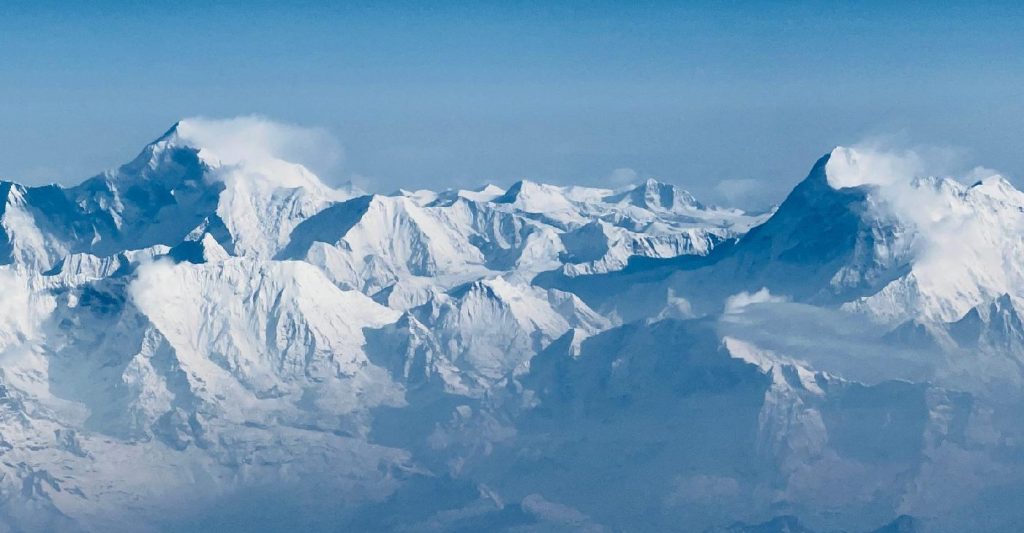
Watching the sunrise over the Himalayan peaks from a plane window is a memory that lasts forever. A mountain flight in Nepal offers a chance to witness some of the world’s highest mountains, including Mount Everest, Cho Oyu, and Lhotse, without the demands of trekking. From the comfort of your seat, soak in sweeping views of snow-covered summits rising above 8,000 meters.

The Everest scenic flight is perfect for travelers who want to experience the grandeur of the Himalayas but have limited time or physical constraints. This Himalayan sightseeing tour combines ease and elevation, making it one of the most accessible highlights of Nepal adventure tourism.

Why You Should Take a Mountain Flight in Nepal

  • See Mount Everest and other peaks up close without trekking

  • Experience the Himalayas from the comfort of a plane seat

  • Fits easily into short Nepal itineraries

  • Ideal for families, solo travelers, and seniors

  • No need for trekking gear or physical preparation

  • Safer and less weather-dependent than high-altitude treks

  • Capture stunning aerial photos and videos

  • Fly over glaciers, ridges, valleys, and Sherpa villages

  • Enjoy peaceful views of clouds, snowfields, and mountain terrain

  • Combine with other attractions in Nepal for a full adventure

The In-Flight Experience

A mountain flight in Nepal lasts about 45 minutes to 1 hour, operating daily from Tribhuvan International Airport, Kathmandu. Small aircraft with large windows ensure everyone has a clear view of the mountains.

As the flight departs early in the morning, you’ll leave behind the city and fly toward a world of snow and silence. The landscape shifts from green hills to deep valleys and then to jagged ridges and glistening peaks. You’ll get uninterrupted views of snow-covered summits and the endless sky.

Each passenger receives a mountain range map to identify peaks, and the pilot often announces landmarks as you fly by. Cameras click constantly as travelers capture the beauty around them. The aircraft flies close enough to the mountains to feel like you’re among them, not just above.

On the return leg, you’ll notice new angles and landscapes you missed on the way out, giving a fresh perspective on the Himalayas before landing back in Kathmandu.

Best Time for Mountain Flights in Nepal

The best months for a mountain flight in Nepal are January to May and September to December. During these seasons, skies are usually clear and visibility is excellent. You’ll see sparkling peaks, clear lakes, and glaciers in their full glory.

Flights operate year-round, but monsoon and winter months can bring unpredictable weather. It’s best to plan your flight in the recommended seasons for the clearest views.

The Himalayas have mesmerized travelers for generations. While trekking and climbing are classic ways to explore them, an Everest scenic flight offers an easy and breathtaking alternative. It’s one of the best ways to experience the beauty of Nepal’s mountains with minimal effort.

If your journey brings you to Nepal, don’t miss this adventure. Book your Everest scenic flight with Himalayan Circuit, sit back, and let the Himalayas take your breath away.

Everest Region: EBC & Gokyo Lakes Trekking Guide in Detail

Everest Region

The Everest Region Trekking Guide starts here—taking you through one of the most awe-inspiring trekking destinations in the world. Home to Mount Everest (8,848 meters), this region offers more than just a glimpse of the highest peak on Earth. It presents a complete Himalayan experience filled with spectacular landscapes, authentic Sherpa culture, and unforgettable trails. Whether you’re aiming for Everest Base Camp or seeking tranquility at the Gokyo Lakes, this guide will help you prepare for your trek with all the essentials.

1. Everest Base Camp Trek: The Ultimate Trekking Adventure

The Everest Base Camp (EBC) Trek is the most popular route in the region, attracting adventurers from around the globe. It’s the heart of any Everest Region Trekking Guide.

Highlights:

  • Flight to Lukla: Begin with an exciting mountain flight from Kathmandu to Lukla.
  • Sherpa Villages: Walk through culturally rich villages like Namche Bazaar and Tengboche.
  • Panoramic Mountain Views: Witness Mount Everest, Lhotse, Ama Dablam, and more.
  • Everest Base Camp (5,364m): Stand at the foot of the world’s tallest mountain.
  • Tengboche Monastery: A serene spiritual stop with views of Everest.

Best for: Experienced trekkers and adventure lovers looking to stand face-to-face with Everest.

2. Gokyo Lakes Trek: A Peaceful Alternative

The Gokyo Lakes Trek is a quieter and equally scenic journey within the Everest Region.

Highlights:

  • Gokyo Ri (5,357m): Offers one of the best panoramic views of Mount Everest.
  • Turquoise Lakes: Explore the stunning glacial Gokyo Lakes.
  • Less Crowded Trails: A peaceful trail with fewer trekkers.

Best for: Nature lovers and those seeking a less crowded alternative to EBC.

3. When to Trek in the Everest Region

The best times for trekking in the Everest Region are:

  • Spring (March to May): Blooming rhododendrons and stable weather.
  • Autumn (September to November): Clear skies and excellent visibility.

Avoid monsoon (June–August) due to heavy rain, and winter (December–February) unless you’re prepared for extreme cold.

4. Trekking Challenges & Altitude Sickness

The Everest Region Trekking Guide wouldn’t be complete without addressing the challenges:

  • Difficulty: Moderate to difficult, depending on the route.
  • Altitude Sickness: Acclimatization is key. Symptoms include headaches, nausea, and fatigue. Stay hydrated, ascend slowly, and take rest days.

Our experienced guides are trained to monitor altitude-related symptoms and keep you safe throughout the journey.

5. Teahouse Experience & Local Cuisine

Trekking in the Everest Region means staying in teahouses—simple lodges run by locals offering basic amenities, hearty meals, and a warm place to rest. Popular dishes include:

  • Dal Bhat (lentils, rice, and vegetables)
  • Momos (dumplings)
  • Sherpa stew

This adds cultural immersion to your trekking experience.

6. Permits and Essentials

To trek in the Everest Region, you need:

  • Sagarmatha National Park Entry Permit
  • TIMS Card (Trekkers’ Information Management System)

These are arranged by your trekking company or can be acquired in Kathmandu.

7. Why Choose Himalayan Circuit for Your Everest Trek

At Himalayan Circuit, we specialize in personalized treks across Nepal, including expert-crafted Everest Region trekking itineraries. Here’s what we offer:

  • Tailored routes for EBC, Gokyo, and more
  • Acclimatization-focused planning
  • Experienced, licensed guides and porters
  • Easy permit support
  • Comfortable and authentic teahouse stays

Plan Your Everest Region Trekking Adventure Today

Whether you’re planning your first trek or your next great Himalayan journey, this Everest Region Trekking Guide gives you the foundation to get started. Reach out to Himalayan Circuit to start crafting your unforgettable Everest adventure.

Luxury Travel: Ultimate Luxury Trekking & Tours Experience in Nepal

luxury wildlife tour

Are you looking for an unforgettable luxury holiday in Nepal? Whether you want to trek the majestic Everest Base Camp, explore the cultural treasures of Kathmandu, or experience the serene beauty of Pokhara, Nepal offers the perfect blend of adventure and comfort. With Himalayan Circuit, you can enjoy the best trekking and luxury tours in Nepal that combine world-class service, breath taking views, and cultural richness.

Luxury Trekking in Nepal: Explore the Himalayas in Comfort

Nepal is home to some of the world’s most famous trekking routes. However, you don’t have to compromise comfort for adventure. With our luxury trekking packages, you’ll enjoy high-end lodges, delicious meals, and top-notch services while exploring the natural wonders of Nepal.

  1. Everest Base Camp Luxury Trek

One of the most iconic treks in the world is the Everest Base Camp Trek. This trek brings you close to the world’s highest peak, Mount Everest, offering stunning views of the Himalayas. With luxury trekking options, you’ll stay in luxurious mountain lodges that offer comfortable rooms, hot showers, and gourmet meals. Relax in front of a fire after a long day of hiking, and enjoy the spectacular views of the Everest region.

  1. Annapurna Sanctuary Luxury Trek

The Annapurna Sanctuary Trek takes you through beautiful forests, traditional villages, and the stunning Annapurna mountain range. With a luxury trekking package, you’ll stay in cozy lodges with high-end facilities and personal services. Enjoy panoramic views of the Annapurna range while relishing fine dining and comfort.

  1. Manaslu Circuit Trek – Luxury Adventure

The Manaslu Circuit Trek offers an off-the-beaten-path adventure, showcasing the remote beauty of Nepal. As part of our luxury package, you’ll enjoy boutique lodges, private guides, and exceptional service, ensuring that you experience this less-crowded region in comfort.

Luxury Tours in Nepal: Discover Culture and Nature

If trekking isn’t your thing, don’t worry! Nepal has plenty to offer through its luxury tours. From exploring ancient temples in Kathmandu to going on a wildlife safari in Chitwan, luxury tours allow you to enjoy the cultural richness and natural beauty of Nepal with ease.

    4. Kathmandu Valley Heritage Tour

Kathmandu, Nepal’s capital, is home to several UNESCO World Heritage Sites. Explore Durbar Square, Pashupatinath Temple, and Swayambhunath Stupa (Monkey Temple) with a private guide, and stay in luxury hotels offering the best comfort and service. This tour is perfect for history lovers and those looking to experience Nepal’s vibrant culture.

  1. Chitwan National Park Safari – A Luxurious Wildlife Experience

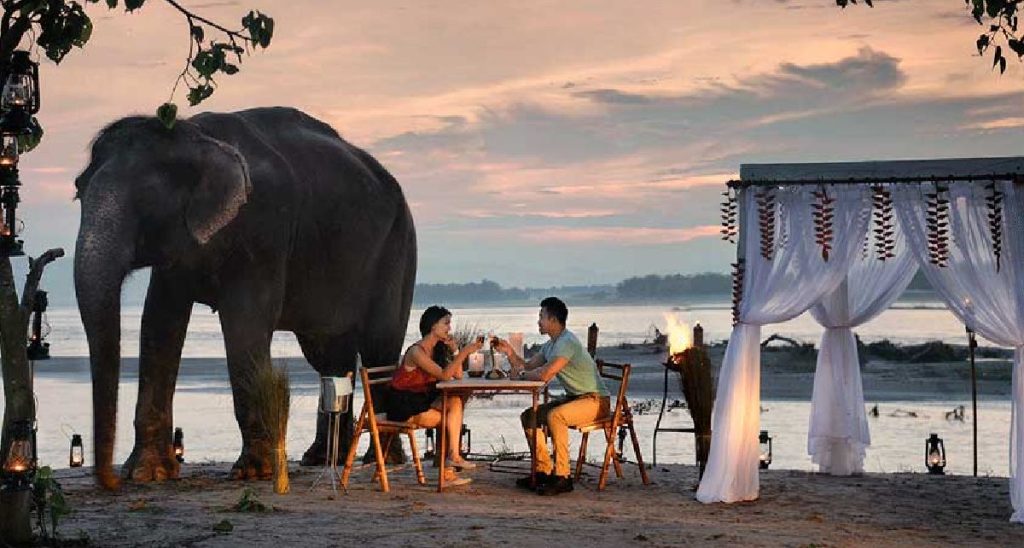
For a unique adventure, explore Chitwan National Park on a luxury safari. The park is home to rhinos, tigers, elephants, and many other species. Stay in high-end resorts, enjoy a jungle jeep safari, or take a boat ride on the Rapti River. Luxury resorts offer fantastic amenities like spas, infinity pools, and gourmet meals, ensuring a relaxing wildlife experience.

  1. Pokhara Lakeside Luxury Retreat

Pokhara is known for its serene lakes and stunning mountain views. On a luxury tour of Pokhara, stay in lakeside resorts with private villas and enjoy a range of activities like boating on Phewa Lake or paragliding with views of the Annapurna Range. Pokhara offers the perfect mix of relaxation and adventure.

Tailored Luxury Itineraries: Custom Holidays in Nepal

At Himalayan Circuit, we know that every traveler has unique preferences. That’s why we offer tailored luxury itineraries to ensure your holiday is exactly what you dream of. Whether you prefer a quiet cultural tour, an exciting trekking adventure, or a mix of both, we can design your ideal Nepal experience.

What’s Included in Our Luxury Nepal Packages?

  • Private Guides and Porters: Expert guides and friendly porters make your journey smooth and enjoyable.
  • High-End Accommodation: Stay in the best hotels, luxury lodges, and resorts across Nepal.
  • Gourmet Meals: Indulge in delicious meals from top chefs, offering both local and international cuisine.
  • Private Transport: Enjoy comfortable, private vehicles for all your travels.
  • Exclusive Experiences: Take scenic helicopter rides, go on private tours, and enjoy personalized service throughout your trip.

Why Choose Himalayan Circuit for Your Luxury Nepal Holiday?

  • Expert Knowledge: With years of experience in Nepal tourism, we offer the best advice and services.
  • Comfort and Service: We guarantee a smooth and comfortable journey with world-class service at every step.
  • Eco-Friendly and Responsible Travel: We care about Nepal’s environment and local communities and promote sustainable tourism.
  • Tailored to You: Our custom itineraries ensure you have the best holiday experience based on your preferences.

Book Your Luxury Nepal Holiday Today!

Nepal’s stunning landscapes, rich culture, and amazing wildlife await you. Whether you’re looking for an adventure-packed trekking experience or a relaxing cultural tour, Himalayan Circuit offers luxury holidays that combine comfort with unforgettable experiences.

Visit Himalayan Circuit today to plan your dream holiday in Nepal and start your journey of a lifetime.

Nepal Diary: Best Things To Do in Nepal – A Complete Guide

Best things to do in Nepal/ trekking

Nepal is a must- visit destination for travelers seeking stunning mountain landscapes, rich cultural heritage, and thrilling adventures. Whether you’re interested in trekking in Nepal, exploring wildlife, or learning about local culture, Nepal offers a wide variety of experiences. At Himalayan Circuit, we specialize in creating custom tours in Nepal that showcase the best of this incredible country. Here’s why Nepal should be at the top of your travel bucket list.

1. Trekking in Nepal: Explore the Heart of the Himalayas

Nepal is famous for its trekking trails, which attract adventurers from all over the world. Some of the best treks in the world can be found here, offering stunning views of the Himalayas and remote villages. From the Everest Base Camp trek to the Annapurna Circuit, there’s something for every kind of traveler.

  • Everest Base Camp Trek: The Everest Base Camp trek is one of the most popular treks in the world. It takes you to the base of Mount Everest, the tallest mountain on Earth. This trek is perfect for those seeking an unforgettable adventure through Sherpa villages and Buddhist monasteries, all with incredible views of Everest.
  • Annapurna Circuit Trek: Known for its diverse landscapes, the Annapurna Circuit trek offers stunning mountain views, scenic valleys, and picturesque villages. This trek is perfect for those who want to experience the beauty of the Annapurna Range and enjoy a multi-day adventure through different terrains.
  • Langtang Valley Trek: If you’re looking for a quieter trek with breathtaking views, the Langtang Valley trek is a hidden gem. This trek offers beautiful views of snow-capped peaks, glaciers, and alpine meadows, making it a great alternative to the more crowded routes.

2. Nature and Wildlife in Nepal: A Paradise for Nature Lovers

Nepal’s diverse landscapes include everything from lush jungles to high-altitude meadows. The country is home to a variety of wildlife, including the endangered Bengal tiger, one-horned rhinoceros, and many rare bird species. The Chitwan National Park and Bardia National Park are some of the best places to visit for wildlife safaris.

  • Chitwan National Park: Located in Nepal’s Terai region, Chitwan National Park is a UNESCO World Heritage Site and one of the best places for a wildlife safari. You can explore the park on an elephant ride, jeep safari, or even a boat ride along the Rapti River to spot rhinos, tigers, and other wildlife.
  • Bardia National Park: For a more off-the-beaten-path experience, Bardia National Park is an excellent choice. It’s less crowded than Chitwan, offering a peaceful and immersive wildlife experience. The park is home to elephants, tigers, and rhinos, making it a paradise for nature lovers.

3. Nepal’s Rich Culture: Explore Ancient Temples and Festivals

Nepal’s culture is deeply influenced by Hinduism and Buddhism. The country is filled with UNESCO World Heritage Sites, including ancient temples, stupas, and palaces. The city of Kathmandu is the cultural heart of Nepal, where you can experience traditional festivals, dance, and cuisine.

  • Kathmandu Valley: The Kathmandu Valley is a cultural hub with historical sites like Swayambhunath Stupa (Monkey Temple), Pashupatinath Temple, and Durbar Square. This area is rich in history, offering visitors a chance to explore centuries-old temples and shrines.
  • Pokhara: Known for its natural beauty, Pokhara is also a great place to experience Nepal’s cultural festivals. Tihar and Dashain are celebrated with colorful processions, traditional dances, and family gatherings. Pokhara is also the gateway to the Annapurna region, making it the perfect place to relax after a trek.

4. Adventure Activities in Nepal: Thrills for Every Traveler

Nepal offers more than just trekking. If you’re an adventure enthusiast, Nepal is the perfect place to try activities like paragliding, white-water rafting, and mountain biking. These activities allow you to experience Nepal’s landscapes from unique perspectives.

  • Paragliding in Pokhara: If you want to see Nepal from the sky, paragliding over Pokhara offers breathtaking views of the Annapurna Range and Phewa Lake. It’s one of the most popular adventure activities in Nepal, giving you a bird’s-eye view of the stunning landscape.
  • White-water Rafting in Nepal: Nepal’s fast-flowing rivers, like the Trishuli River and the Bhote Koshi River, are perfect for white-water rafting. Whether you’re a beginner or an experienced rafter, these rivers offer exciting rapids and amazing scenery.
  • Mountain Biking: For those who love cycling, Nepal has some of the best mountain biking trails. Kathmandu Valley, Pokhara, and the Annapurna region all offer diverse routes for mountain bikers of all levels.

5. Spiritual Sites in Nepal: Connect with Peace and Tranquility

Nepal is a spiritual destination for many travelers. The country is home to several sacred sites for Hindus and Buddhists, offering a peaceful retreat from the hustle and bustle of daily life.

  • Lumbini: Lumbini is the birthplace of Buddha, making it a must-visit spiritual destination. The Maya Devi Temple and the Sacred Garden are perfect places for reflection and peace.
  • Muktinath: Situated in the Annapurna region, Muktinath Temple is sacred to both Hindus and Buddhists. The temple is located at the foot of the Himalayas, and the views are simply stunning.

Your Custom Nepal Adventure

At HimalayanCircuit, we specialize in crafting custom Nepal tours that suit your unique interests. Whether you’re looking to explore Nepal’s culture, embark on an epic trekking adventure, or discover the beauty of Nepal’s wildlife, we’ll design an itinerary just for you. Our expert guides, local knowledge, and commitment to responsible tourism ensure that your Nepal adventure will be memorable.

Why Visit Nepal?

Nepal offers so much more than mountains. From the majestic Himalayas to the peaceful jungles of Chitwan, Nepal is a land of adventure, beauty, and culture. At Himalayan Circuit, we are ready to help you explore the best of Nepal with a personalized tour that fits your travel style. Start planning your adventure today and make your dream trip to Nepal come true!

Everest Region: Lukla to Tengboche Trek Adventure in the Himalayas

Everest Region Trek: Lukla to Tengboche Adventure

Nepal’s Everest Region is a dream destination for trekkers seeking the beauty of Mount Everest and the rich culture of the Sherpa people. If you’re looking for a shorter trek that offers stunning views of the Himalayas without the long, strenuous challenge of reaching the Everest Base Camp, the Everest region trek from Lukla to Tengboche is perfect. This 10-day trek provides a moderate hiking experience with breathtaking scenery, Sherpa culture, and the iconic views of Mount Everest.

For more information on booking this trek, visit our Everest Base Camp Trek.

Elevation of Kathmandu: 1,400 meters (4,593 feet)

Arriving in Kathmandu, you’ll be welcomed by your guide and transferred to your hotel. Take the day to adjust to the vibrant city atmosphere to prepare for your trek.  Kathmandu, the capital of Nepal, is bustling with life, culture, and history. In the evening, stroll through Thamel, a lively district full of cafes, shops, and restaurants. It’s a great place to try local dishes and purchase any last-minute trekking gear.

Suggested Activities:

  • Visit Durbar Square, a UNESCO World Heritage Site
  • Explore the Swayambhunath Stupa (Monkey Temple)
  • Enjoy a traditional Nepali dinner

Day 2: Kathmandu to Lukla and Trek to Phakding

Flight Duration: 30 minutes
Elevation of Lukla: 2,860 meters (9,383 feet)
Elevation of Phakding: 2,610 meters (8,563 feet)
Distance to Phakding: 8 km (5 miles)
Trekking Time: 3-4 hours

Catch an early flight to Lukla, offering amazing views of the Himalayas. After landing, start your trek towards Phakding, a peaceful village along the Dudh Koshi River. The trail is easy on the first day, passing through Sherpa villages and lush pine forests. It’s a great way to start the trek gently.

Day 3: Phakding to Namche Bazaar

Elevation Gain: 2,610 meters (8,563 feet) to 3,440 meters (11,283 feet)
Distance: 10 km (6.2 miles)
Trekking Time: 5-6 hours

The next day, the trek becomes a bit more challenging as you make your way to Namche Bazaar. This lively town, known as the Sherpa capital, is the perfect place to acclimatize. The trail passes through dense forests, with several suspension bridges crossing the Dudh Koshi River. Along the way, you’ll be treated to stunning views of Mount Thamserku and Ama Dablam.

Day 4: Acclimatization Day in Namche Bazaar

Elevation: 3,440 meters (11,283 feet)

To ensure you adjust to the altitude, spend a day in Namche Bazaar. You can hike up to the Everest View Hotel (3,880 meters / 12,730 feet) for stunning panoramic views of Mount Everest, Ama Dablam, and Lhotse. Alternatively, explore the Sherpa village, visit the Sherpa Museum, or shop in the bustling market. This day allows you to rest and get used to the high altitude.

Day 5: Namche Bazaar to Tengboche

Elevation Gain: 3,440 meters (11,283 feet) to 3,860 meters (12,664 feet)
Distance: 10 km (6.2 miles)
Trekking Time: 5-6 hours

Today’s trek takes you from Namche Bazaar to Tengboche, famous for its beautiful Tengboche Monastery. The trail ascends through forests of pine, offering spectacular views of Mount Everest and Ama Dablam. Upon reaching Tengboche, you can visit the monastery and take in the incredible Himalayan views.

Day 6: Trek from Tengboche to Dingboche

Elevation Gain: 3,860 meters (12,664 feet) to 4,410 meters (14,470 feet)
Distance: 12 km (7.5 miles)
Trekking Time: 5-6 hours

On Day 6, you will trek from Tengboche to Dingboche. This part of the trek takes you through alpine meadows, past traditional Sherpa villages, and across the Imja Khola river. The journey is slightly more challenging due to the higher altitude. Dingboche offers a great place for acclimatization and is surrounded by amazing views of Ama Dablam and Island Peak.

Day 7: Dingboche to Namche Bazaar

Elevation Drop: 4,410 meters (14,470 feet) to 3,440 meters (11,283 feet)
Distance: 10 km (6.2 miles)
Trekking Time: 4-5 hours

Today marks the start of your descent back to Namche Bazaar. While downhill trekking is generally easier, the steep sections still require caution. The journey offers one last chance to enjoy views of Mount Everest and Ama Dablam as you head back to the vibrant Sherpa town.

Day 8: Namche Bazaar to Lukla

Elevation Drop: 3,440 meters (11,283 feet) to 2,860 meters (9,383 feet)
Distance: 10 km (6.2 miles)
Trekking Time: 5-6 hours

On the final trekking day, you’ll descend to Lukla. This part of the journey takes you through more forests and smaller villages, following the Dudh Koshi River. Once you arrive in Lukla, enjoy your last night in the Everest Region and celebrate the completion of your trek.

Day 9: Lukla to Kathmandu

Flight Duration: 30 minutes
Elevation of Kathmandu: 1,400 meters (4,593 feet)

After breakfast, take your flight back to Kathmandu. The 30-minute flight offers amazing aerial views of the Himalayas, including Mount Everest. Once in Kathmandu, you’ll have time to relax, shop for souvenirs, or visit nearby sites like the Boudhanath Stupa.

Day 10: Departure from Kathmandu

Elevation of Kathmandu: 1,400 meters (4,593 feet)

On your last day, you’ll either rest or take a final stroll through Kathmandu before heading to the airport for your departure.

Trek Summary

  • Total Trekking Distance: 60 kilometers (37.2 miles) round-trip
  • Total Elevation Gain: From 2,860 meters (9,383 feet) in Lukla to 3,860 meters (12,664 feet) in Tengboche
  • Average Trekking Hours per Day: 4-6 hours, depending on terrain and altitude
  • Trekking Duration: 6 days of trekking with 1 acclimatization day in Namche Bazaar


The adventorous trek through Lukla to Tengboche is a fantastic option for trekkers who want to see the Himalayas and Mount Everest without committing to a long and strenuous trek. With moderate difficulty, iconic views, and cultural experiences, it’s suitable for trekkers of all levels.

If you’re ready for this unforgettable adventure, check out more details and book your trip at Himalayan Circuit. Our expert guides and seamless logistics will ensure you have a safe and memorable journey in Nepal.

Everest Region: Tea House and Lodge Stays Across the Everest Region

The trek to Everest Base Camp (EBC) is a once-in-a-lifetime adventure, and the Tea Houses along the way provide a memorable experience. Often run by Sherpa families, the rustic yet charming accommodations add to the trek’s authenticity with a “pay as you stay” style. 

Treks to Everest Base Camp along with a teahouse stay have become synonymous with Everest Base Camp trek. A teahouse is generally a stopover where trekkers get food, stay overnight, and use other services.

The Nepalese Himalayas Teahouses provide a comfortable yet humble approach to trekking in the Everest Base Camp Trek.  Also, it gives you a chance to meet other trekkers and see a typical Nepal that you wouldn’t see camping alone.

The Himalayan Circuit Treks highly recommend teahouse trekking since you will have the opportunity to meet and speak with the local people, who are very hospitable, kind, and accommodating.

What to expect in Tea House Lodge Accommodations in Everest:

  • The quality, services, and facilities of tea houses can vary depending on their elevation. The tea houses at lower elevations offer more amenities than those at higher elevations. 
  • A twin-room accommodation is available at almost all tea houses on the Everest Base Camp Trek, and there is also the possibility of getting a single room during off-trekking seasons, but you have to share it with fellow trekkers during peak seasons.
  • You can expect a pillow, bedsheet, coverlet, or duvet in the bedroom, but there is no heating system in the rooms, so if you want an extra blanket or duvet, you can get it on request. 
  • On Everest Base Camp Trek Trails, tea houses offer a variety of hygienic and nutritious cuisine including typical Nepali dishes like Dal, bhat, tarkari, as well as momo, noodles, potatoes, soup, pizza, meat, etc. As Lukla and Namche are the tourist hubs of this region, the tea houses at Lukla and Namche include many international and national 5-star hotels’ menus.
  • The Everest Region offers cold showers for free, and many tea houses offer hot showers using gas geysers or solar geysers. There are tea houses that also provide hot bucket water, but for the hot shower, you have to pay extra.
  • Internet access is available in most tea houses on Everest Base Camp Trek, but Wi-Fi hot spots require extra charges. Internet connectivity at Lukla and Namche bazaar is surprisingly strong; however, at higher elevations, it will be weak.
  • Many tea houses along the Everest Base Camp Trekking Trails have good facilities for toilets and bathrooms. While lower-elevation tea houses have modern flush toilets, higher elevation tea houses have manual flush toilets, and some even have traditional squat toilets outside in the middle of the night. 
  • You can book Tea House Lodge Accommodations in Everest on-site or through a travel agency. Book your Tea House Lodge Accommodations through a reputed travel agency who will assist you in arranging this as part of their trekking packages.

Tea House Lodge Accommodation in Everest:

  • Lukla:

The trek to Everest begins and ends in Lukla, which is also known as the gateway to the Everest region. Since the trail from Lukla to Phakding is only 3-4 hours long, trekkers usually do not accommodate in Lukla on the first day. Instead, they go to Phakding for an overnight stay. 

The teahouses in Lukla offer standard, comfortable, clean rooms and you can order from a menu of your choice, except for alcoholic beverages. There are several teahouses in Lukla, including Sunny Garden Hotel, Nest Teahouse, Khumbu Resort, and Buddha Lodge.

  • Phakding:

After arriving at Lukla, you will begin trekking to Phakding and stay in well-managed teahouses in Phakding standard where you can get reasonable accommodations. The Tea House Lodges in Phakding offer a wide range of accommodations, from luxury lodges to backpacker teahouses.

A variety of accommodations are available at the hotel, including rooms at a moderate price, as well as rooms with nice furnishings, as well as luxury accommodations. Phakding has several teahouses, including Hotel Snowland, Kala Patthar Lodge, Hotel Beer Garden, and Hotel Mountain.

  • Namche Bazaar:

A major sherpa town in the Khumbu region, Namche is known for its high-quality lodges, affordable teahouses, markets, restaurants, cafes, museums, and other attractions. A few days are recommended here to help you acclimatize before you continue your trek.

Your teahouse or lodge will provide all essential amenities and provide you with a menu of your choice. Several teahouses are available in Namche, including the Hilton Hotel, the Sherpaland Hotel, the Green Tara Hotel, and the Namche Guest House.

  • Tengboche:

Tengboche is usually the next stop after Namche Bazaar, on the other side of Imja Khola. The village of Tengboche is situated on the slopes of Mt. Khumbila, one of Tibet’s most sacred mountains. 

The region is home to some of the most renowned monasteries in Khumbu. While staying in the local lodges, you can attend the morning prayers at Tengboche monastery, where you will feel a sense of peace and new vibrations.

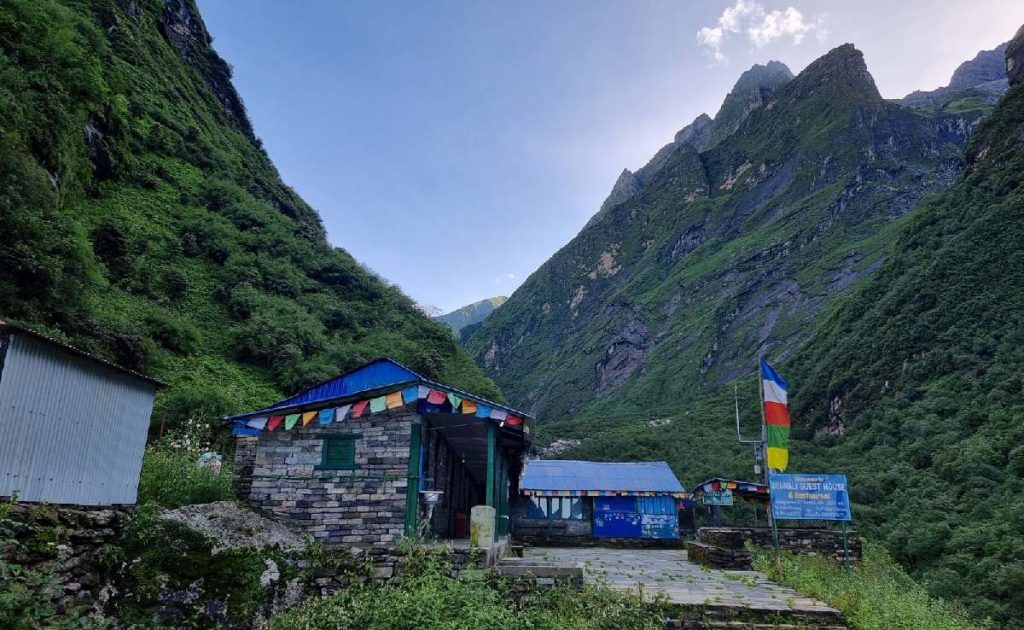
Tengboche’s typical tea houses and lodging accommodations are simple stone and wood structures with a kitchen, dining hall, and bathroom.  Tengboche’s most popular teahouses are Himalayan, Tengboche Guest House, and Hotel Tashi Delek.

Dingboche:

Dingboche is a remote area with only a few teahouses for trekkers to stay in at an elevation of 4400m above sea level. There aren’t many single rooms available here, but there are still a few teahouses with attached bathrooms.

Solo travelers who are traveling during peak trekking season are unlikely to get accommodation unless they reserve their rooms early. Many trekkers spend an extra night in Dingboche in order to further acclimatize.

Dingboche teahouses or lodges typically have a kitchen, a dining room, and a bathroom. Hotel Good Luck, Hotel Yak, Hotel Valley View, and Hotel Summit are the most popular Tea House Lodge Accommodations.

  • Lobuche:

A bustling place during peak seasons, Lobuche is home to hundreds of trekkers, porters, and Sherpas. Lobuche has a lot of primitive lodging accommodations, and the number of options and quality decrease as you go higher. 

Lobuche’s teahouses are generally stone huts with shared bunks although a few modern lodges have opened in recent years. In comparison to teahouses at lower latitudes, the amenities and room facilities are obviously inferior. 


There are now shared bathrooms, squatty toilets, a dining hall with a fireplace, and charging ports in the teahouses as well. The most popular teahouses in Lobuche include Hotel Mother Earth, Himalayan Eco Lodge, New EBC Guest House, and Oxygen Home.

Gorekshep:

A trek to Everest Base Camp requires more than 5180 meters of elevation, and Gorekshep is the last Tea House Lodge accommodation location. Only a few teahouses are found here, and most of them are crowded during peak seasons. 

Despite the simple and basic nature of teahouses, there are only one or two standard teahouses at Gokyo, with or without attached bathrooms. Gorekshep has several popular lodges and teahouses, including Yeti Resort, Snowland Highest Inn, Everest Inn, Himalayan Lodge, and Buddha Lodge.

A  trek to Everest Base Camp offers you a variety of accommodation facilities according to the elevation and location. You can book your Everest Base Camp trek with Himalayan Circuit Treks for the best teahouse lodge accommodation in Everest in advance.

Everest Region: Pikey Peak Trek with Stunning Everest Views

If you’re looking for an exciting yet peaceful trekking experience in the Everest region of Nepal, the Pikey Peak Trek is a fantastic option. This 10-day trek offers incredible views of Mount EverestLhotse, and Makalu, all while taking you through the quieter, lesser-known parts of the Solu region. Perfect for those who want to escape the crowds but still experience the beauty of the Himalayas.

At Himalayan Circuit, we offer a guided Pikey Peak trek that combines adventure, culture, and breathtaking scenery. Whether you’re a seasoned trekker or a beginner, this trek provides the perfect balance of challenge and reward.

Why Choose the Pikey Peak Trek?

  1. Unforgettable Views of Mount Everest and the Himalayas

One of the biggest highlights of the Pikey Peak Trek is the stunning panoramic view from the summit. Standing at 4,065 metersPikey Peak offers a clear view of Mount EverestLhotseMakalu, and other towering peaks in the Everest region. The sunrise from the peak is especially spectacular, with the golden light illuminating the majestic snow-capped mountains.

  1. Off-the-Beaten-Path Trekking Experience

Unlike popular treks like the Everest Base Camp trek, the Pikey Peak Trek takes you through less crowded routes. This means you can enjoy a more peaceful and serene trekking experience, free from the hustle and bustle of the main tourist trails. You’ll trek through remote villages, dense forests, and alpine meadows, all while soaking in the natural beauty of the Khumbu region.

  1. Immerse Yourself in Sherpa Culture

On the Pikey Peak trek, you’ll have the chance to learn about the rich culture and traditions of the Sherpa people. Along the way, you’ll visit Buddhist monasteries, interact with locals, and explore charming Sherpa villages like Junbesi and Bhandar. This is a great opportunity to understand the unique way of life in the Himalayas.

  1. Moderate Difficulty for All Skill Levels

The Pikey Peak Trek is considered a moderate trek, making it suitable for most trekkers with average fitness levels. While it involves uphill climbs and some physical effort, the pace is gradual, allowing plenty of time for acclimatization. Whether you’re a beginner or an experienced trekker, this trek offers a manageable challenge with great rewards.

  1. A Perfect Trek for Nature Lovers and Photographers

The trek takes you through lush forestspicturesque villages, and mountain ridges, all offering stunning views of the surrounding landscape. Whether you’re an avid photographer or simply someone who loves nature, the Pikey Peak Trek is perfect for capturing the beauty of the Himalayas.

What to Expect on the Pikey Peak Trek

Altitude and Acclimatization

The highest point of the trek is Pikey Peak at 4,065 meters. The trek’s gradual ascent helps with altitude acclimatization, reducing the risk of altitude sickness. You’ll have plenty of opportunities to rest and adjust before reaching the summit, ensuring a safe and comfortable trekking experience.

Accommodation on the Trek

Throughout the Pikey Peak Trek, you will stay in local teahouses and lodges, which offer a comfortable and authentic experience. These teahouses are run by local families, where you can enjoy homemade food and connect with the community.

Local Cuisine

The trek offers a chance to try traditional Nepali dishes, such as dal bhat (lentils and rice), momos (dumplings), and Tibetan bread. These meals provide the energy you need to continue trekking each day and help you experience local flavors.

Best Time to Trek Pikey Peak

The best times to do the Pikey Peak Trek are during the spring (March to May) and autumn (September to November). During these seasons, the weather is clear, temperatures are moderate, and you’ll get the best views of the surrounding peaks.

  • Spring (March to May): Mild temperatures, clear skies, and great visibility of the mountains.
  • Autumn (September to November): Ideal weather for trekking with stable conditions and great mountain views.

Packing for the Pikey Peak Trek

To make your trek comfortable, it’s essential to pack the right gear. Here’s what to bring:

  • Warm layers for chilly mornings and evenings.
  • Good trekking boots for comfortable walking on mountain trails.
  • Rain gear in case of unexpected showers.
  • Sun protection (sunscreen, hat, and sunglasses).
  • A quality sleeping bag for chilly nights in the teahouses.
  • Trekking poles to assist with balance during steep climbs.

Why Book Your Pikey Peak Trek with Himalayan Circuit?

At Himalayan Circuit, we provide an expertly guided trekking experience. Our experienced guides are locals who know the region well and will ensure that your trek is safe, enjoyable, and culturally enriching. We take care of all logistics, including permits, accommodation, and meals, so you can focus on enjoying your adventure.

Book Your Pikey Peak Trek Today: 

The Pikey Peak Trek is a perfect choice for those looking to experience the beauty of the Everest region without the crowds. With stunning views, rich Sherpa culture, and a moderate level of difficulty, this trek offers something for everyone. Whether you’re a nature lover, a photographer, or simply looking for an unforgettable adventure, the Pikey Peak Trek is sure to leave you with lasting memories.

Book your Pikey Peak Trek with Himalayan Circuit today, and start planning your dream trek in the heart of the Himalayas.

Top 5 family trips of Nepal

Family trek to Gokyo- Everest Region.

Awe-inspiring landscapes, vibrant culture, and warm hospitality beckon visitors to Nepal, which is nestled in the heart of the Himalayas. Nepal offers a wealth of enriching experiences for families seeking adventure and bonding. 

Nepal offers a treasure trove of memories, from the Annapurna and Everest regions to Kathmandu, its ancient city. You can indulge your wanderlust in Nepal’s diverse offerings, no matter whether you’re a nature-loving family or a history buff.

In this blog, the Himalayan Circuit Treks presents the top five family tours in Nepal, all of which promise an exciting mix of exploration, learning, and fun.

Kathmandu Valley: A Cultural Odyssey

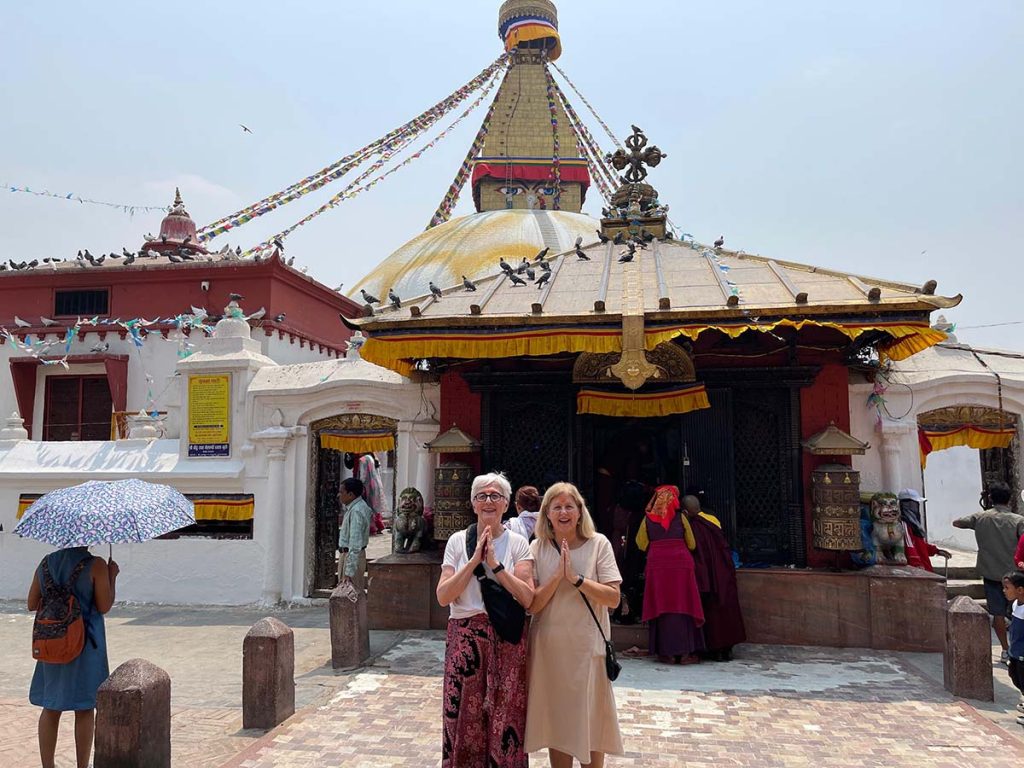
Boudhanath Stupa

The Kathmandu Valley is a treasure trove of historical and cultural sites, such as ancient temples and vibrant markets. Visiting Kathmandu and its surrounding areas offers families an opportunity to learn about the culture of the region.

The Durbar Square in Kathmandu, Bhaktapur, and Patan are UNESCO World Heritage Sites that offer a glimpse into Nepal’s rich history and architecture. Swayambhunath Stupa, also known as the Monkey Temple, offers panoramic views of the valley and a chance to observe local religious practices. 

There is a mystique to the cultural journey through the valley which is enhanced by the Living Goddess Kumari, a young girl who is revered as a living deity. Explore Bouddhnath Stupa (the world’s tallest stupa) and Pashupatinath Temple (the Hindu Temple), where you and your family can discover new cultures and lifestyles.

Pokhara: Serenity and Adventure Combined

Mountain Ranges in Pokhara

A picturesque city nestled in the Annapurna range, Pokhara is known for its tranquil lakes, stunning mountain views, and adventure activities. It is a wonderful vacation destination that combines relaxation with a bit of adventure for families.

Boating on Phewa Lake is a serene experience that the whole family can enjoy surrounded by the Annapurna and Machapuchare mountains. Those who are more adventurous may wish to try paragliding over the city to get a better view of the landscape. A family trip to Pokhara is enhanced by the International Mountain Museum and Gupteshwor Cave, which provide educational benefits.

Everest Base Camp Trek: A Family Adventure of a Lifetime

Everest Family Trek

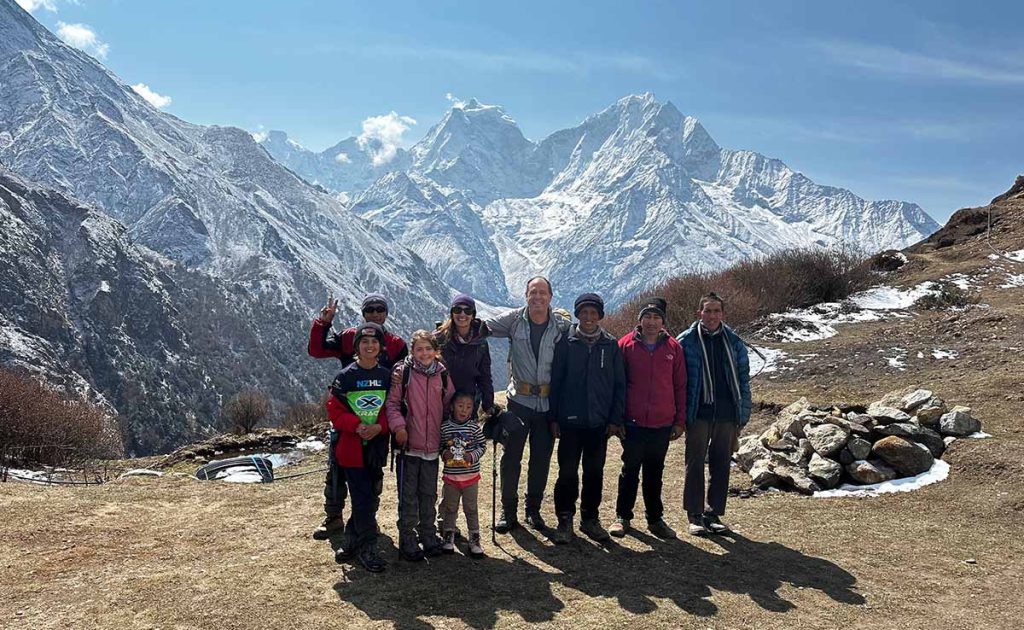
A trek to Everest Base Camp is an exhilarating and iconic experience for families with an adventurous spirit. This trek takes you through picturesque villages, dense forests, and high-altitude landscapes, perfectly blending natural beauty and cultural immersion. The journey to Mount Everest’s base camp will be a family bonding experience everyone will cherish.

Families will enjoy this trek, which provides manageable daily walking distances and well-planned acclimatization days. As your family travels through the mountains, you will get to know local Sherpa communities and gain insight into their unique way of life. An enriching adventure for families seeking a challenge, the trek offers incredible views of Everest and its surrounding peaks and the camaraderie built along the way.

Chitwan National Park: Wildlife Safari Extravaganza

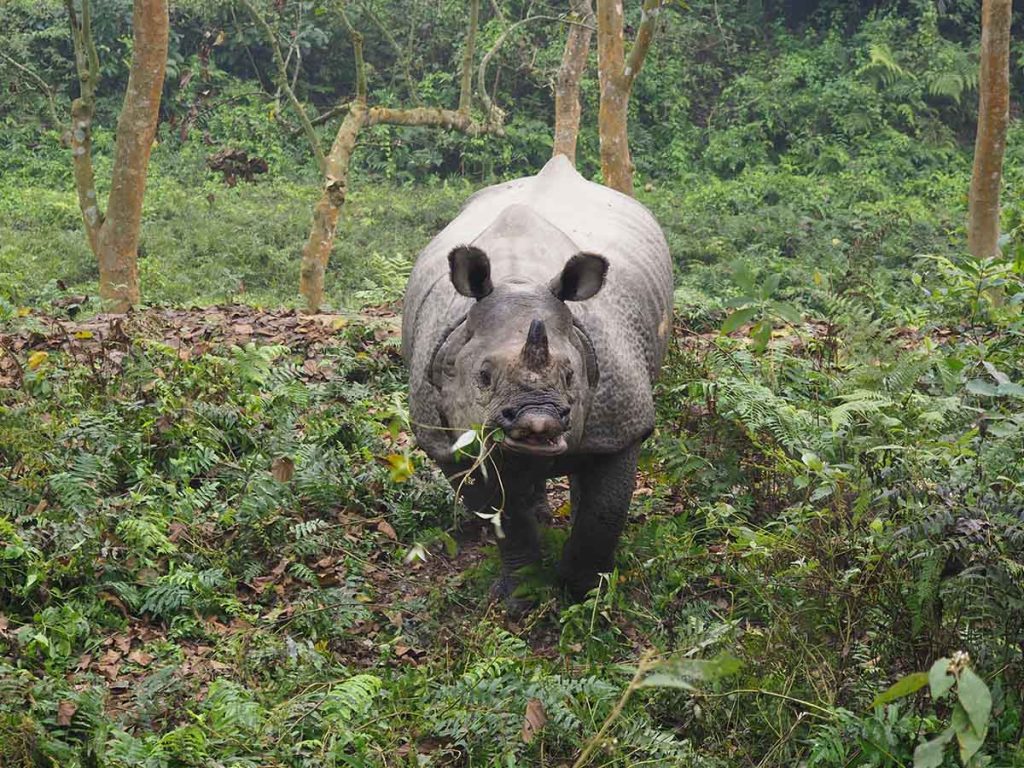
Rhino in Chitwan National Park

The Chitwan National Park offers exciting safari adventures for families curious about wildlife. It is home to diverse flora and fauna, including one-horned rhinoceros and Bengal tigers, both of which are endangered in the subtropical lowlands of Nepal. Families can witness these majestic creatures in their natural habitat when they embark on a jungle safari with experienced guides.

The Chitwan National Park not only offers wildlife encounters but also cultural excursions. The adventure can be enriched by a cultural immersion visit to Tharu villages, known for their traditional dances and hospitality. The Chitwan National Park is a great family destination because it offers elephant rides, canoeing, and bird watching.

Annapurna Family Trek: Scenic Trails for All Ages

Annapurna Family Trek

Annapurna Family Trek is designed specifically for families seeking a trekking experience that caters to different ages. There are stunning views of the Annapurna and Dhaulagiri mountain ranges as the trails wind through rhododendron forests, charming villages, and terraced fields.

The trek is less strenuous than the Everest Base Camp trek, so it is a good option for families with children. Cultural experiences are enhanced by the warm hospitality of the Gurung and Magar communities along the way. A famous viewpoint on the trek, Poon Hill, offers a spectacular sunrise over the Himalayas, creating lasting memories for families.

Nepal offers a variety of landscapes and a rich cultural heritage that are perfect for family adventures. Every tour offers unique experiences that will strengthen your family bonds and create cherished memories for years to come.

Nepal’s top family tours represent the country’s natural wonders along with its transformative power, creating unforgettable moments that transcend time and leave a lasting impression. Take your family on a journey with Himalayan Circuit Treks and discover what Nepal has to offer.

Trekking during the Holi Festival in Nepal

Holi Celebration

Nepal is a land of diverse cultures and traditions, with its unique festivals and stunning natural beauty. One of the most vibrant festivals in Nepal is Holi, also known as the Festival of Colors. This festival celebrates the victory of good over evil and the arrival of spring. 

Trekking during the Holi Festival in Nepal is a unique and unforgettable experience that combines the joy and festivity of Holi with the natural beauty of Nepal’s landscapes. This tour will take you on a journey to some of the best trekking destinations in Nepal during the Holi Festival.

You will witness and participate in the traditional Holi celebrations of different ethnic groups while trekking through remote villages, scenic routes, and diverse landscapes. You will have an opportunity to interact with the locals, explore the culture and traditions of Nepal, and create unforgettable memories.

The Holy festivals in Nepal are celebrated with great enthusiasm and are a wonderful time to explore the country’s rich culture and natural beauty. To learn more about Holi festival tour in Nepal, you can check out our blog Holi Festival Tour in Nepal.

The colorful and joyous festival is celebrated across the country, and it is a perfect time to experience the beauty of Nepal’s landscapes and culture through trekking. The Himalayan Circuit presents the highlights of trekking during the Holi Festival in Nepal and some of the best trekking destinations.

Why Trek During Holi?

Trekking in lust green forst

Trekking during Holi offers a unique and unforgettable experience. Not only can you enjoy the natural beauty of Nepal’s mountains and landscapes, but you can also witness and participate in the festivities of Holi. 

The trekking trails in Nepal are usually less crowded during the festival, as many locals are celebrating with their families and friends. This means you can enjoy a quieter and more peaceful trekking experience, with plenty of opportunities to immerse yourself in the local culture.

Another benefit of trekking during Holi is the weather. Spring is one of the best times to trek in Nepal, as the weather is usually clear and dry. This means you can enjoy stunning views of the Himalayas and other natural landscapes. 

The days are also longer during the spring, giving you more time to explore and enjoy the scenery.

Best trekking destinations during the Holi Festival Tour:

Himalayan circuit offers you the best trekking destinations in Nepal for Holi festival tours:

Everest base camp

Spring is one of the best times to trek to Everest Base Camp, as the weather is usually clear and dry. The trek takes around two weeks and offers stunning views of the Himalayas, as well as the chance to experience the unique Sherpa culture.

Annapurana Base Camp

This trek is one of the most popular and adventurous treks in Nepal, offering stunning views of the Annapurna range, diverse landscapes, and rich cultural experiences. 

During the Holi Festival, you can trek through remote villages and experience the traditional Holi celebrations of the Gurung and Thakali people.

Langtang Valley

Langtang Valley trek is another great option during the Holy Festival in Nepal. The trek takes around 7-9 days and offers breathtaking views of the Langtang mountain range. You can also experience the cultural traditions of the local communities during the festival.

Upper Mustang

The Upper Mustang region is a remote area in Nepal that is rich in Tibetan culture and history. Trekking in this region is particularly stunning during the Holy Festival, as you can witness local traditions and festivities. 

The trek typically takes around 10-14 days and can be done during the spring or autumn. 

Island Peak

The Khumbu region, located in northeastern Nepal, is home to many of the world’s highest peaks, including Mount Everest. 

This area is particularly beautiful during the Holy Festival, and you can experience local traditions and festivities. The trek typically takes around 10-14 days and can be done during the spring or autumn. 

  • Trek to Tsum Valley:

The Tsum Valley is a hidden gem in Nepal that is rich in Buddhist culture and history. The trek to Tsum Valley is particularly beautiful during the Holy Festival, as you can witness local traditions and festivities. 

The trek typically takes around 14-18 days and can be done during the spring or autumn.

Trekking during the Holi Festival in Nepal is a fantastic way to experience the beauty of Nepal’s landscapes and culture. It is a unique and unforgettable experience that should be on every trekker’s bucket list. 

Nepal offers a variety of trekking destinations, each with its own charm, and during Holi, you can experience the traditional Holi celebrations of different ethnic groups. 

Book your trip with the Himalayan Circuit with the right planning and preparation to create unforgettable memories. So, pack your bags and come to Nepal to experience the best of both worlds!

Top 10 Treks Around the World

Trekking in lust green forst

It is often said that, “the best view comes after the hardest climbs”. All you require is a fit pair of legs, sturdy pair of lungs and a strenuous sprit to tackle the trekking trails. There are several factors to consider when determining the top mountains in the world, and some of the tallest peaks are relatively easy to climb. 

No matter your level of experience or altitude preference, you’ll find a trekking route to fit your needs. There are lots of options for every level of trekkers. Here, we’ve put together a list of best treks throughout the world, from jungle trails to breathe-taking mountain trails of Nepal.

Trekking in Annapurna region

Distance: 131 km (81 miles)

Duration: 15-21 Days

Level: Moderate to challanging

Annapurna Circuit has been named as the best long-distance treks in the world, as you will get to see diverse climatic zones, world’s deepest Kaligandaki gorge (2,520 m), world’s highest Tilicho Lake (4919m), Mt. Dhaulagiri (8167 m), Mt. Annapurna I (8091 m) and diverse Nepalese landscape and culture. The Annapurna trek is a great way to see a little bit of everything that Nepal has to offer. As you journey down from the highest point of the trek Throng La Pass (5416 m), you will see Tibetan-influenced temples, Hindu temples, and the local communities of the Mustang Valley.

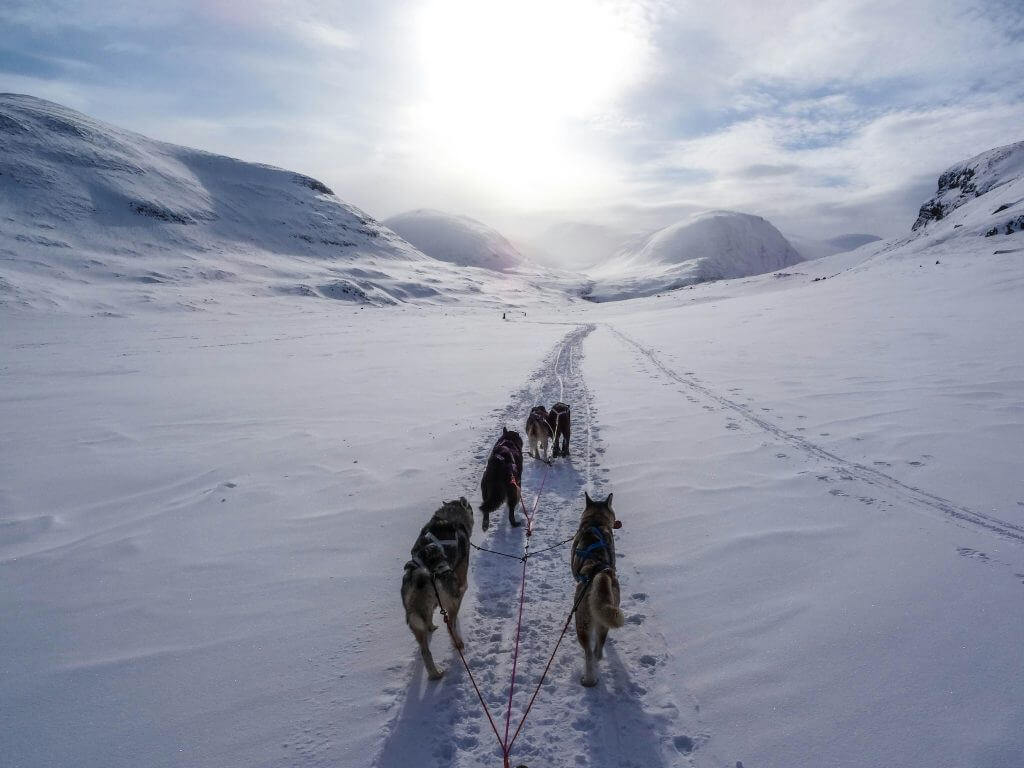
  • Kungsleden (The King’s Trail)

kungsleden, sweden

Distance: 105 km

Duration: 10-12 days

Level: Easy to moderate

The Kungsleden trekking trail takes you through one of Sweden’s most beautiful mountain landscapes and is ideal for first-time hikers as well as experienced mountaineers. This trekking trail is popularly known as the ‘King of Trails’ and reaches an altitude of 3,770 feet of elevation at the Tjäktja Pass, the highest point of the trek. Kungsleden offers high mountain peaks, birch and coniferous forest, lakes and wetlands, and passes through four national parks i.e. Sarek, Abisko, Pieljekaise and Stora Sjöfallet, which are among the most breathtaking place on earth.

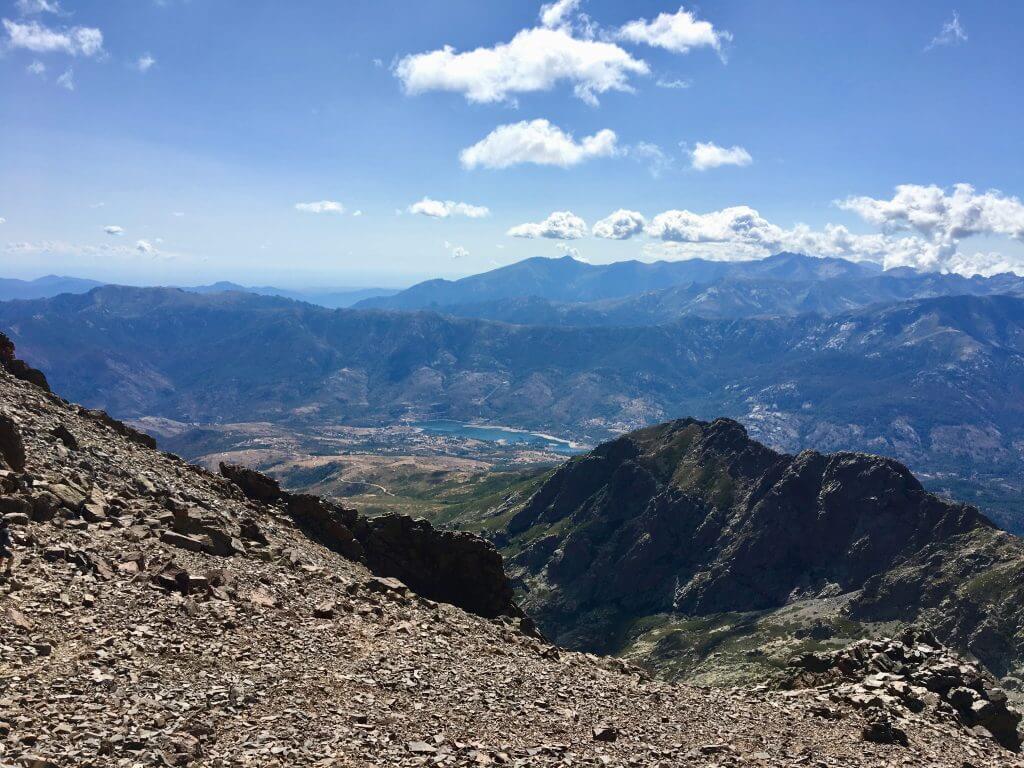
  • GR20, Corsica, France

GR20, France, Croatia

Distance: 168 km (Round trip)

Duration: 15 days

Level: Difficult

The GR20 is one of Europe’s toughest and longest long-distance trekking trails with a highest altitude of 2141 meters. Mountain walkers with a good sense of balance are required for this trek as it includes scrambling, ladders, the use of chains, and a confident footstep while climbing the rocky landscape and mountain ridges. This is one of the best trekking trails of the world with spectacular views and stunning rock formations.

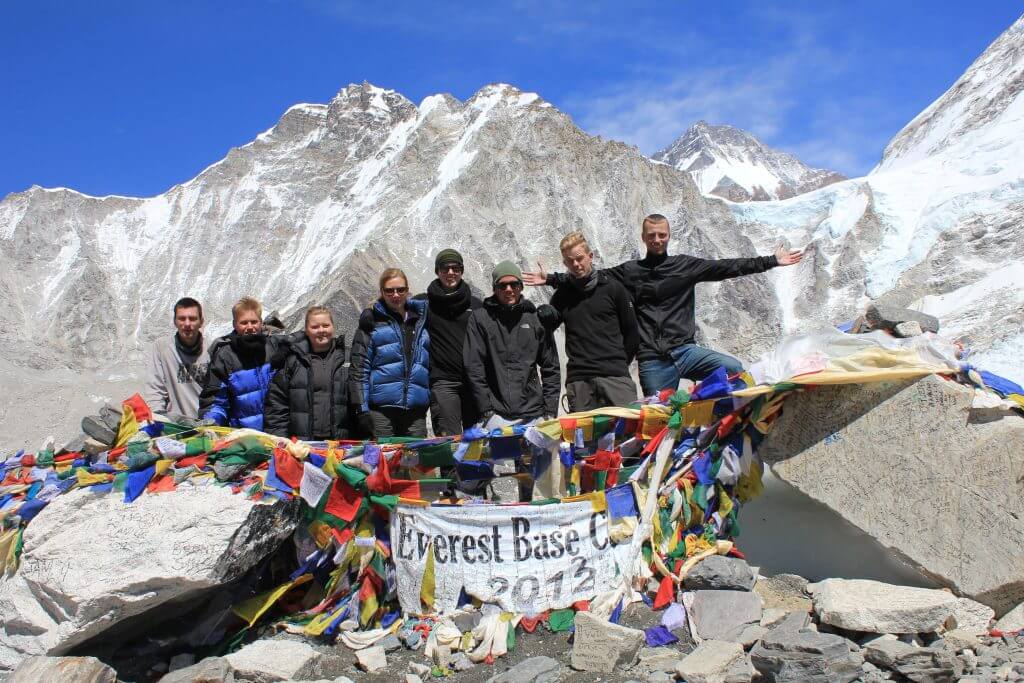
Everest base camp

Distance: 80 miles (130km) round trip

Duration: 2 weeks

Level: Moderate

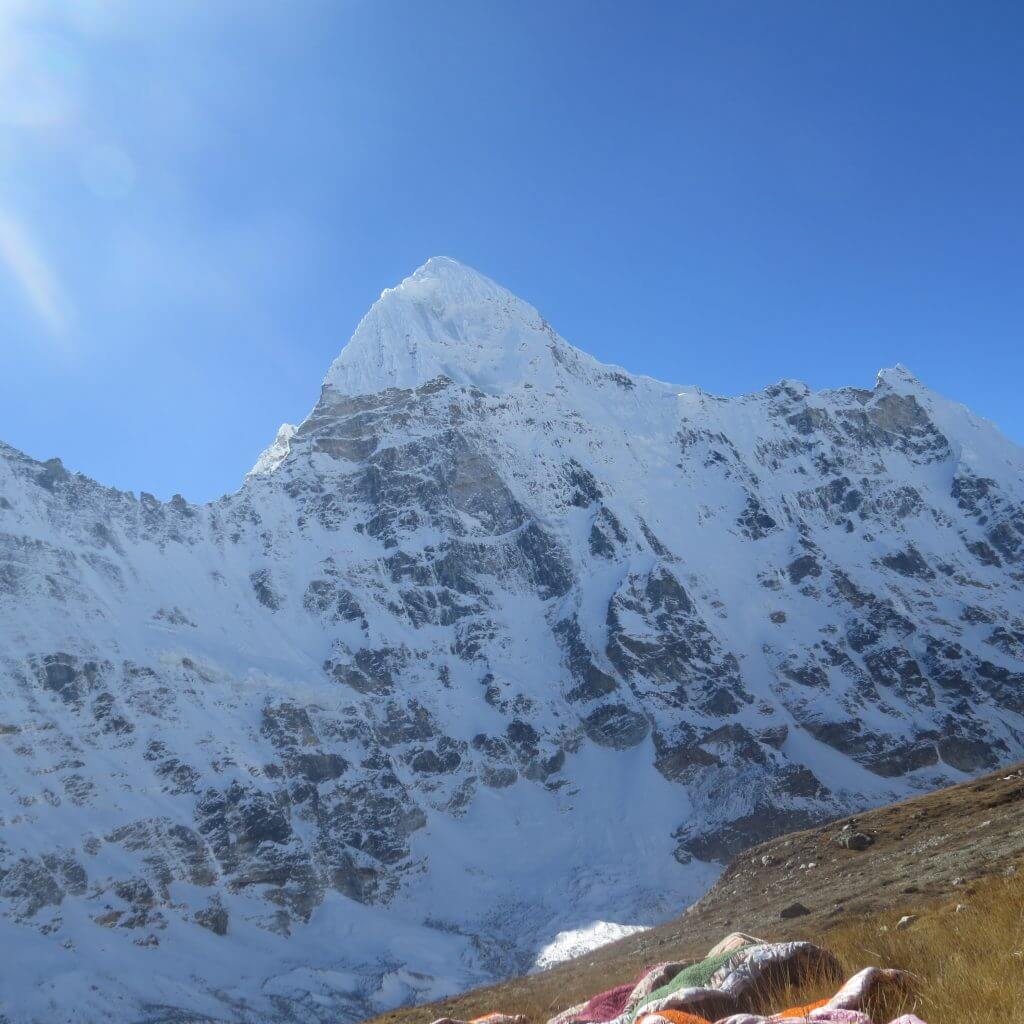
Getting to Everest base camp is more than just a trek since every bend in this trail feels like “the path to heaven. In this trekking region you can see the world’s tallest mountain, Mt Everest (8848m), which is the Jewel of Nepal. The Khumbu glacier, winding river valleys, mountain monasteries, and Sherpa villages will test your endurance and muscles to the limit.

Kanchanjunga

Distance: 220 km

Duration: 21 Days

Level: Difficult

Kanchenjunga trekking route is one of the unexplored trekking routes located in eastern Nepal that offers wonderful snow-capped mountains, scenic routes, delightful views and breathetaking views of the Himalayas. As we walk along this trekking route, we will get to see amazing valleys, amazing cultures and traditions, spectacular views of frozen lake, massive wildlife in Kanchenjunga conservation area and a glimpse of third highest mountain on earth, Mt. Kanchenjunga (8586m).

  • Kilimanjaro, Tanzania 

Kilimanjaro

Distance: 37-90 km

Duration: 5-9 days

Level: Moderate

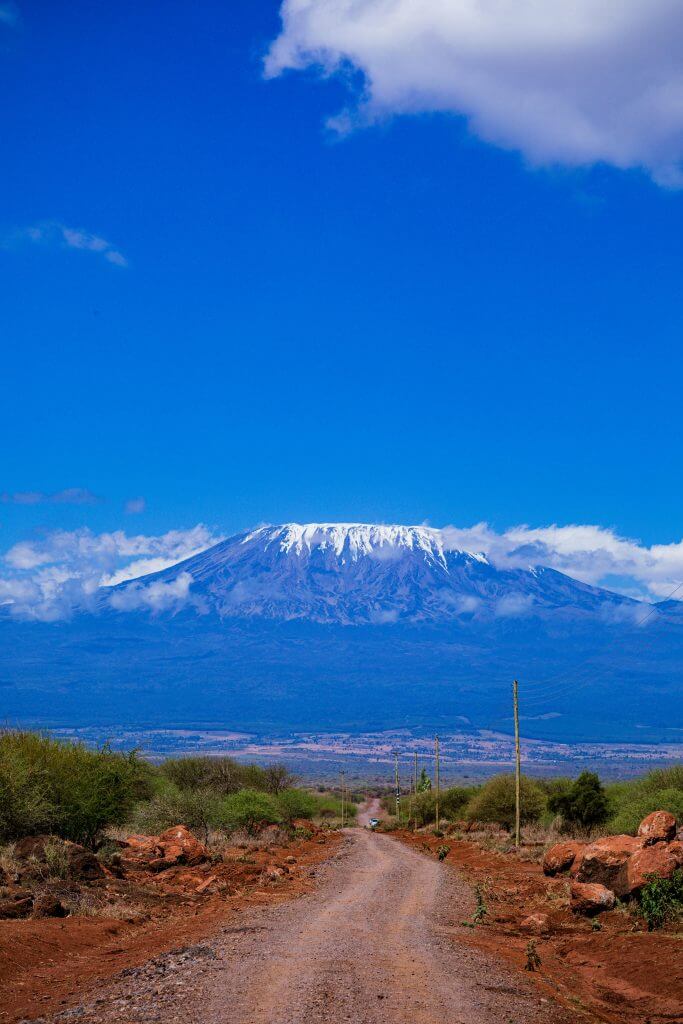
A trip to Mount Kilimanjaro (5895m) on the African continent is an experience of a lifetime since it’s the tallest freestanding mountain in the world. The trekking trail leads from hot deserts of Africa to alpine fields, snow-covered peaks, tropical rain forests, and moorlands of Kilimanjaro in just a few days – the perfect for those seeking something new. 

  • Markha Valley Trek, Ladakh, India

Distance: 80km

Duration: 6-7 days

Level: Moderate

Markha Valley Trek offers a great deal of value for a classic trekking route and is a fantastic option for trekking in summer months in the Himalayas. As you trek through the Markha Valley in Ladakh, you will experience some of northern India’s most spectacular scenery, beautiful villages surrounded by towering mountains, as well as many monasteries that have earned this region the nickname “Little Tibet”. Home stays are available along the trek, which offers an in-depth look into local life. This trek reaches a maximum elevation of 5260m at Kongmaru La.

  • Routeburn Track, New Zealand

Distance: 32km

Duration: 3-4 days

Level: Moderate

A walk along the Routeburn Track opens up a breathtaking panoramic view of snow-capped peaks, glacial valleys, glistering alpine lakes and Routeburn River. It features impressive views of Mt Tutuko (2746m), Fiordland’s highest peak, the stunning  kōtukutuku (tree fuschia), and Harris Saddle, the track’s highest elevation at 1,255 metres. Also, the Routeburn Track offers great options for guided and independent day hikes. 

  • Gunung Rinjani, Indonesia

Gunung Rinjani

Distance: 24 km

Duration: 2 Days

Level: Moderate

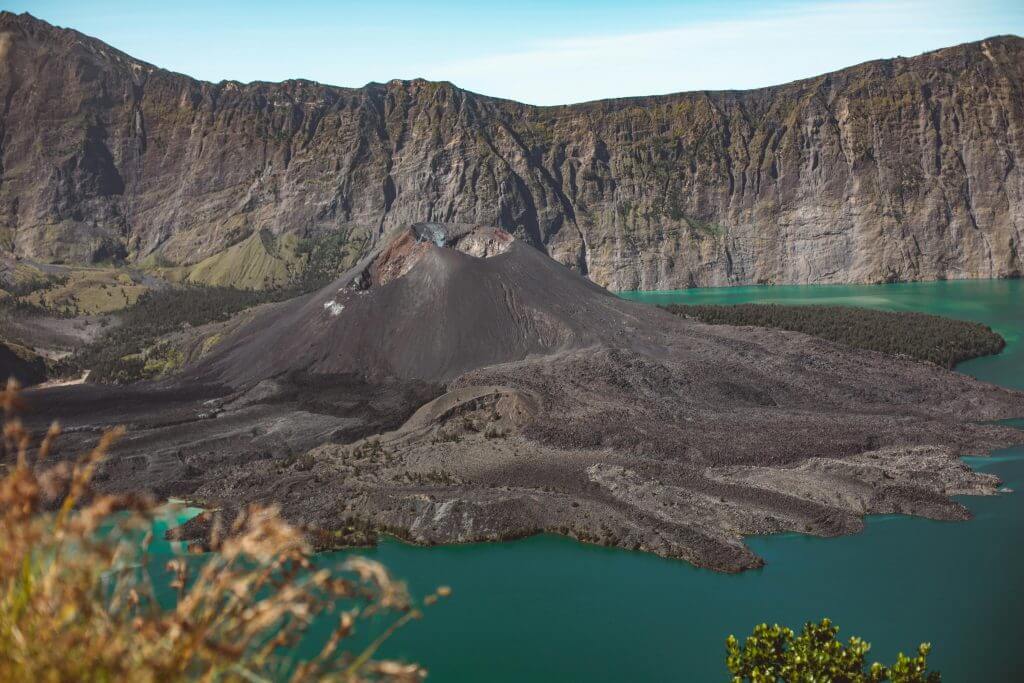
Mount Rinjani(3726m) popularly known as Gunung Rinjani, is an active volcano on the Indonesian Island of Lombok in Indonesia and has been a favorite destination for backpackers. A variety of religious activities take place in the mountain, which is sacred to both the Hindus and the Sasak tribes. Mount Rinjani is a part of Gunung Rinjani National Park, which covers 41,330 hectares where the tropical flora and fauna of Southeast Asia and Australasia meets. 

  • The Haute Route, France-Switzerland

Distance: 125 miles (200km)

Duration: 10-12 days

Level: Medium-High

The beautiful route takes you to the wildest part of Switzerland as you pass deep valleys, rocky peaks, endless glaciers, lagoons of surreal colors, and village huts filled with friendly people and pure mountain air. The route begins in Chamonix, in front of the famous Mont Blanc, which is the highest mountain in Europe. After crossing over several passes that reach nearly 3,000 meters high, the tour comes to an end in Zermatt.

Going to the mountains is like going home and wilderness is a necessity. The best trekking trails around the world are waiting for your footsteps, so when are you going on your next trek?