Langtang Region: Altitude Guide & Acclimatization Tips

The Langtang trek in Nepal is a journey through changing landscapes — from lush forests and riverside trails to high alpine valleys surrounded by snowcapped peaks. Starting at just 1,460 meters in Syabrubesi, the trail climbs steadily to Kyanjin Gompa at 3,870 meters, offering dramatic elevation changes that define the Langtang trek altitude experience.

This rapid vertical gain — over 2,400 meters in just a few days — makes the trek both thrilling and physically demanding. The thinner air affects your body before you realize it, which is why understanding the altitude profile and preparing properly is essential for a safe, rewarding experience.

In this blog, we’ll explore how altitude impacts your trek day by day and share practical tips for acclimatization, gear, and pacing — so you can stay healthy and make the most of your Langtang adventure.

Langtang Trek Overview: Route, Distance & Highlights
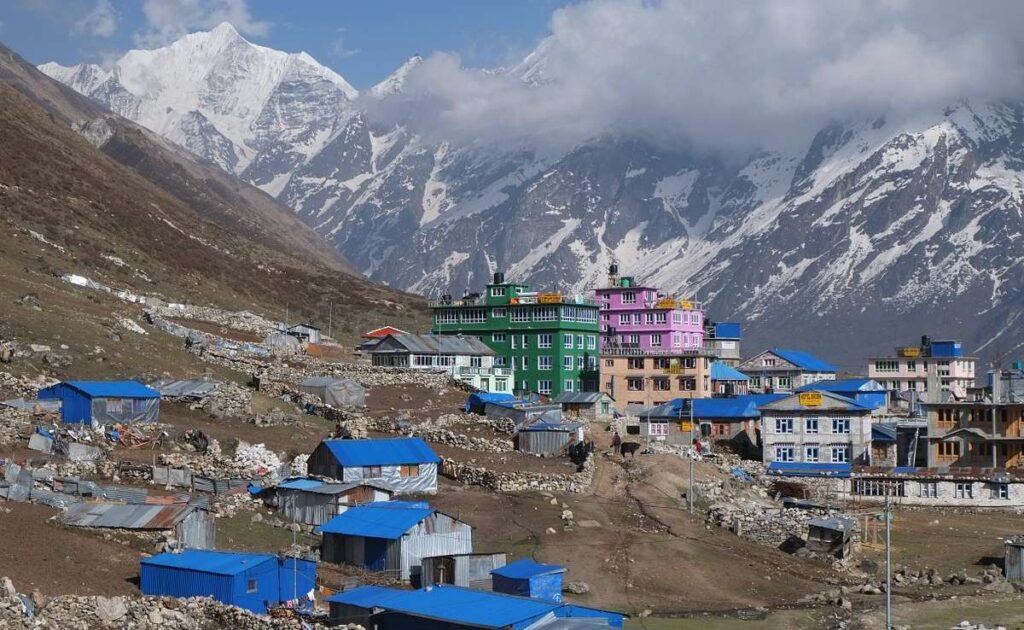
Langtang Valley Elevation

The Langtang trek lies just north of Kathmandu and is one of Nepal’s most accessible yet rewarding treks. This 7 to 10-day journey covers roughly 60 to 75 kilometers and blends natural beauty, cultural encounters, and scenic mountain views into one unforgettable trail.

The trek starts from Syabrubesi (1,460 m), where you enter lush sub-tropical forests filled with bamboo, rhododendron, and river crossings. From here, the route gently ascends through villages like Lama Hotel (2,470 m) and Langtang Village (3,430 m) before reaching the spiritual and scenic hub of Kyanjin Gompa (3,870 m), nestled beneath Langtang Lirung (7,227 m).

As you ascend, the landscape shifts dramatically — dense forests give way to alpine woodlands, open meadows, and finally, a wide glacial valley. The mountains grow taller, the villages feel more remote, and the air becomes thinner and cooler with each step.

Langtang Trek Altitude Profile: Day-by-Day Breakdown

Altitude plays a subtle but powerful role in shaping your trekking experience. You’ll notice your breathing, energy levels, and pace shifting as you gain elevation — especially beyond 3,000 meters.

Here’s a breakdown of the altitude gain and key elevation points on a standard 7-day Langtang trek itinerary:

Day Route Elevation (m) Altitude Gain
Day 1 Syabrubesi 1,460
Day 2 Syabrubesi to Lama Hotel 2,470 +1,010 m
Day 3 Lama Hotel to Langtang Village 3,430 +960 m
Day 4 Langtang Village to Kyanjin Gompa 3,870 +440 m
Day 5 Acclimatization at Kyanjin Gompa 3,870
Day 6 Return to Lama Hotel 2,470 -1,400 m
Day 7 Lama Hotel to Syabrubesi 1,460 -1,010 m

Tip: Altitude affects everyone differently. Prioritize slow and steady walking, especially above 3,000 meters. Taking a rest day in Kyanjin Gompa for acclimatization significantly lowers your risk of altitude sickness.

What to Pack for High Altitude Trekking

At higher altitudes, your comfort and safety rely heavily on the right gear. Weather can shift rapidly, and your body will need support to adapt to colder temperatures and thinner air.

Here are key packing essentials for the Langtang trek:

  • Layered Clothing:

  • Base Layer: Moisture-wicking thermal tops and bottoms.
  • Mid Layer: Insulating fleece or down jacket.
  • Outer Layer: Waterproof and windproof shell jacket.
  • Trekking Shoes:
    Well-broken-in boots with good grip for rocky terrain.

  • Accessories:
    Hat, gloves, neck buff, sunglasses, sunscreen (high SPF), lip balm with UV protection.

  • Trekking Poles:
    Helps reduce strain on knees and improves balance on descents.

  • Water Purification:
    Bring a filter or purification tablets — safe water is critical at high altitude.

  • Energy Snacks:
    Carry nuts, energy bars, and dry fruits to refuel during long hiking days.

  • Medications:
    Include altitude sickness medication as advised by your doctor, along with personal prescriptions.

Tips for Acclimatization & Staying Healthy

  1. Follow the “climb high, sleep low” rule — especially around Kyanjin Gompa where you can do a short hike to a nearby ridge or Kyanjin Ri and descend back to sleep.
  2. Stay hydrated: Drink at least 3–4 liters per day, especially in dry mountain air.
  3. Eat well: Even if your appetite decreases, try to eat warm, carbohydrate-rich meals.
  4. Avoid alcohol: It worsens dehydration and altitude symptoms.
  5. Go slow: Listen to your body, rest when needed, and don’t rush the trek.

Let the Trek Teach You

The Langtang trek is more than just a physical journey — it’s a lesson in patience, presence, and inner clarity. With every step, you adjust to the terrain, the climate, and your own rhythm. There’s no need to rush. The mountains are not going anywhere.

Whether you’re walking through rhododendron forests or standing beneath the towering peaks of Langtang Lirung, remember — it’s not about how fast you get there, but how deeply you connect with the journey.

So take it slow. Stay aware. Let the trek unfold one step at a time.

Nepal Diary: Best Things To Do in Nepal – A Complete Guide

Best things to do in Nepal/ trekking

Nepal is a must- visit destination for travelers seeking stunning mountain landscapes, rich cultural heritage, and thrilling adventures. Whether you’re interested in trekking in Nepal, exploring wildlife, or learning about local culture, Nepal offers a wide variety of experiences. At Himalayan Circuit, we specialize in creating custom tours in Nepal that showcase the best of this incredible country. Here’s why Nepal should be at the top of your travel bucket list.

1. Trekking in Nepal: Explore the Heart of the Himalayas

Nepal is famous for its trekking trails, which attract adventurers from all over the world. Some of the best treks in the world can be found here, offering stunning views of the Himalayas and remote villages. From the Everest Base Camp trek to the Annapurna Circuit, there’s something for every kind of traveler.

  • Everest Base Camp Trek: The Everest Base Camp trek is one of the most popular treks in the world. It takes you to the base of Mount Everest, the tallest mountain on Earth. This trek is perfect for those seeking an unforgettable adventure through Sherpa villages and Buddhist monasteries, all with incredible views of Everest.
  • Annapurna Circuit Trek: Known for its diverse landscapes, the Annapurna Circuit trek offers stunning mountain views, scenic valleys, and picturesque villages. This trek is perfect for those who want to experience the beauty of the Annapurna Range and enjoy a multi-day adventure through different terrains.
  • Langtang Valley Trek: If you’re looking for a quieter trek with breathtaking views, the Langtang Valley trek is a hidden gem. This trek offers beautiful views of snow-capped peaks, glaciers, and alpine meadows, making it a great alternative to the more crowded routes.

2. Nature and Wildlife in Nepal: A Paradise for Nature Lovers

Nepal’s diverse landscapes include everything from lush jungles to high-altitude meadows. The country is home to a variety of wildlife, including the endangered Bengal tiger, one-horned rhinoceros, and many rare bird species. The Chitwan National Park and Bardia National Park are some of the best places to visit for wildlife safaris.

  • Chitwan National Park: Located in Nepal’s Terai region, Chitwan National Park is a UNESCO World Heritage Site and one of the best places for a wildlife safari. You can explore the park on an elephant ride, jeep safari, or even a boat ride along the Rapti River to spot rhinos, tigers, and other wildlife.
  • Bardia National Park: For a more off-the-beaten-path experience, Bardia National Park is an excellent choice. It’s less crowded than Chitwan, offering a peaceful and immersive wildlife experience. The park is home to elephants, tigers, and rhinos, making it a paradise for nature lovers.

3. Nepal’s Rich Culture: Explore Ancient Temples and Festivals

Nepal’s culture is deeply influenced by Hinduism and Buddhism. The country is filled with UNESCO World Heritage Sites, including ancient temples, stupas, and palaces. The city of Kathmandu is the cultural heart of Nepal, where you can experience traditional festivals, dance, and cuisine.

  • Kathmandu Valley: The Kathmandu Valley is a cultural hub with historical sites like Swayambhunath Stupa (Monkey Temple), Pashupatinath Temple, and Durbar Square. This area is rich in history, offering visitors a chance to explore centuries-old temples and shrines.
  • Pokhara: Known for its natural beauty, Pokhara is also a great place to experience Nepal’s cultural festivals. Tihar and Dashain are celebrated with colorful processions, traditional dances, and family gatherings. Pokhara is also the gateway to the Annapurna region, making it the perfect place to relax after a trek.

4. Adventure Activities in Nepal: Thrills for Every Traveler

Nepal offers more than just trekking. If you’re an adventure enthusiast, Nepal is the perfect place to try activities like paragliding, white-water rafting, and mountain biking. These activities allow you to experience Nepal’s landscapes from unique perspectives.

  • Paragliding in Pokhara: If you want to see Nepal from the sky, paragliding over Pokhara offers breathtaking views of the Annapurna Range and Phewa Lake. It’s one of the most popular adventure activities in Nepal, giving you a bird’s-eye view of the stunning landscape.
  • White-water Rafting in Nepal: Nepal’s fast-flowing rivers, like the Trishuli River and the Bhote Koshi River, are perfect for white-water rafting. Whether you’re a beginner or an experienced rafter, these rivers offer exciting rapids and amazing scenery.
  • Mountain Biking: For those who love cycling, Nepal has some of the best mountain biking trails. Kathmandu Valley, Pokhara, and the Annapurna region all offer diverse routes for mountain bikers of all levels.

5. Spiritual Sites in Nepal: Connect with Peace and Tranquility

Nepal is a spiritual destination for many travelers. The country is home to several sacred sites for Hindus and Buddhists, offering a peaceful retreat from the hustle and bustle of daily life.

  • Lumbini: Lumbini is the birthplace of Buddha, making it a must-visit spiritual destination. The Maya Devi Temple and the Sacred Garden are perfect places for reflection and peace.
  • Muktinath: Situated in the Annapurna region, Muktinath Temple is sacred to both Hindus and Buddhists. The temple is located at the foot of the Himalayas, and the views are simply stunning.

Your Custom Nepal Adventure

At HimalayanCircuit, we specialize in crafting custom Nepal tours that suit your unique interests. Whether you’re looking to explore Nepal’s culture, embark on an epic trekking adventure, or discover the beauty of Nepal’s wildlife, we’ll design an itinerary just for you. Our expert guides, local knowledge, and commitment to responsible tourism ensure that your Nepal adventure will be memorable.

Why Visit Nepal?

Nepal offers so much more than mountains. From the majestic Himalayas to the peaceful jungles of Chitwan, Nepal is a land of adventure, beauty, and culture. At Himalayan Circuit, we are ready to help you explore the best of Nepal with a personalized tour that fits your travel style. Start planning your adventure today and make your dream trip to Nepal come true!

Kathmandu Diary: Kathmandu to Gosaikunda Journey

Kathmandu & Gosaikunda Trek: Nature and Sacred Lakes

Nepal is known for its breathtaking landscapes, rich spiritual heritage, and stunning trekking routes. The Kathmandu & Gosaikunda Trek: Nature and Sacred Lakes, combines the beauty of the Himalayas with spiritual significance, offering trekkers an memorable adventure. Over the course of 10 days, you’ll experience vibrant Kathmandu, trek through lush forests, and reach Gosaikunda Lake, one of the most sacred Hindu pilgrimage sites in Nepal. This trek is ideal for those who seek majestic mountain views and a deep connection with nature and spirituality.

Day 1-2: Exploring Kathmandu’s Cultural Wonders

Your adventure begins in Kathmandu, Nepal’s vibrant capital. Kathmandu is renowned for its rich history, cultural landmarks, and religious significance. Spend the first two days discovering some of the city’s most iconic sites:

  • Boudhanath Stupa: One of the largest Buddhist stupas in Nepal, Boudhanath offers a peaceful atmosphere for meditation. The stupa’s giant mandala and the surrounding Tibetan handicraft shops make this place a must-visit for spiritual seekers.
  • Swayambhunath (Monkey Temple): Perched on a hilltop, Swayambhunath provides panoramic views of the Kathmandu Valley. Known as the Monkey Temple, it is home to a large population of monkeys and is a major religious site in Nepal.
  • Patan and Bhaktapur: Take a short drive from Kathmandu to visit Patan Durbar Square and Bhaktapur Durbar Square, both UNESCO World Heritage Sites. Explore medieval temples, intricate carvings, and traditional architecture, which offer a glimpse into Nepal’s rich cultural and artistic heritage.

Day 3-8: Drive from Kathmandu to Dhunche and Trek to Gosaikunda

After two days of cultural exploration, begin your trek by taking a scenic 7-8 hour drive from Kathmandu to Dhunche(1,965 meters / 6,447 feet), the gateway to the Gosaikunda Trek. The 130 km (81 miles) journey offers stunning views of rural Nepal, including terraced fields, forests, and glimpses of the Langtang Himal mountain range. This scenic drive serves as an excellent introduction to Nepal’s rural beauty.

Upon arrival in Dhunche, you’ll rest and prepare for the trek ahead. The Gosaikunda Trek is known for its natural beauty, spiritual significance, and breathtaking views. Gosaikunda Lake, located at 4,380 meters (14,370 feet), is a sacred Hindu site and attracts many pilgrims, making this trek a meaningful spiritual journey.

Trekking from Dhunche to Sing Gompa

  • Trekking Distance: 11 km (6.8 miles)
  • Trekking Time: 4-5 hours
  • Elevation Gain: 1,965 meters (6,447 feet) to 3,330 meters (10,922 feet)

Your trek begins in Dhunche, where you will ascend through lush forests of oak and rhododendron. The well-marked trail passes small villages, providing a glimpse into the everyday life of the Sherpa people. Along the way, you will enjoy spectacular views of the Langtang Himal, Ganesh Himal, and Manaslu peaks.

Your first overnight stay will be at Sing Gompa (3,330 meters / 10,922 feet), a peaceful village with a monastery. Sing Gompa is the perfect place for acclimatization, offering magnificent mountain views and a serene environment to relax.

Trek to Gosaikunda Lake

  • Trekking Distance: 10 km (6.2 miles)
  • Trekking Time: 5-6 hours
  • Elevation Gain: 3,330 meters (10,922 feet) to 4,380 meters (14,370 feet)

The following day, continue your trek towards Gosaikunda Lake. The trail becomes steeper as you approach the lake, but the stunning mountain views make the effort worthwhile. Gosaikunda Lake is sacred to Hindus, especially during the Janai Purnima festival, when thousands of pilgrims come to bathe in its holy waters.

At an elevation of 4,380 meters (14,370 feet), you will be surrounded by snow-capped peaks, and the crystal-clear waters of the lake will reflect the beauty of the sky. Spend time exploring the area, resting by the lake, and soaking in the tranquil atmosphere. This spot offers one of the most spectacular and serene views in the entire Langtang Region.

Day 9-10: Return to Kathmandu and Departure

After your visit to Gosaikunda Lake, begin your descent back to Dhunche, retracing your steps through the lush forests and small villages. The return journey offers more opportunities to enjoy the stunning mountain views.

Once you arrive in Dhunche, take the scenic drive back to Kathmandu. You’ll pass through picturesque landscapes before reaching the capital city.

On Day 10, depending on your flight schedule, you can spend the day shopping in Kathmandu’s Thamel district or simply relax before heading to the airport for your departure.

The Kathmandu & Gosaikunda Trek: Nature and Sacred Lakes, is the perfect combination of nature, culture, and spirituality. With breathtaking mountain views, serene sacred lakes, and an enriching cultural experience, this trek is ideal for nature lovers and spiritual seekers alike. Whether you’re looking to connect with Nepal’s sacred sites or simply want to experience the majestic Himalayan landscapes, this trek has it all.

If you’re ready to embark on a journey of spiritual discovery and explore the natural beauty of Nepal, book your Gosaikunda Trek with Himalayan Circuit today and start your unforgettable adventure to Gosaikunda Lake.

For more details and to book your trek, visit Himalayan Circuit – Langtang Valley with Gosaikunda Trek.

Langtang Valley Trekking

Trekking through the Langtang Valley offers one of Nepal’s most scenic routes, and it was once the favorite of trekkers seeking outstanding landscapes, authentic culture, and heartwarming hospitality in delightful guest houses.

A journey through Langtang valley gives you the opportunity to see dramatic Langtang Himalayan ranges, cattle grazing meadows, streams, rhododendron and pine forests, and Buddhist cultural sites.

Langtang Valley Trek is a fantastic family trek in Nepal that offers a variety of experiences for all ages. The trek offers the best views of the trans-Himalayan landscape, the Tibetan plateau, and Tibetan culture and traditions. 

The Langtang Valley Trek route offers a more leisurely experience than other trekking routes, as it ascends gradually through rocky farmlands and dense subtropical Langtang forests, making it suitable for old and young trekkers alike.

Moreover, the trek offers spectacular views of different peaks including Langtang Lirung, Langtang Ri, Changbu, Langshisha Ri, Gangchenpo, Yala Peak and many other neighboring peaks. 

Trip Highlight:

  • Magnificent Panorama Scenarios:

The trip takes you through sparsely populated and remote parts, but the breathtaking views of the Langtang Lirung (7324m), Gangchempo (7205m), Porong Ri (7292m), and Yala peak (5520m) leave you speechless.

Additionally, the glacier moraine vistas will provide you with an excellent view of Langtang Lirung, which stands out beautifully against the clear blue sky.

  • Perfect Family Trekking Route in Nepal:

Langtang valley is ideally suited for families with children who wish to take them away from the hectic pace of everyday life. 

Family treks in Langtang Valley are short and well-maintained, allowing you and your children to experience pristine nature and culture.

  • Kyanjin Gompa (3870m):

Kyanjin Gompa is a great place to discover hidden natural beauty in the Langtang Valley. In the village, you can also find monasteries and a cheese factory that makes some of the best cheese around Langtang. 

You will gain a deeper understanding of the locals’ lives through a visit to Kyanjin village or Kyanjing gompa. Interacting with the local communities and taking photos of their children are among the trek’s highlights.

  • Langtang National Park (Buffer Zone):

A popular park among nature lovers, Langtang National Park blends natural scenery and a colorful bounty of wildlife, including a variety of flora and fauna. 

There are several types of wildlife you can see in the Langtang Valley Trek, including red pandas, snow leopards, Himalayan Thars, wild sheep, and yaks. 

There are also more than 250 species of birds at the Himalayan Park, including the Himalayan Monal and Satyr Tragopan.

This beautiful park gives you a chance to see the wild vegetation of Nepal in its natural habitat while also being surrounded by lush natural beauty.

  • Culture and festival of Tamangs:

Among the main settlements in the valley are the Tamang, Sherpa, and Bhote tribes, each with a unique culture reflected in their homes, monasteries, and chortens. 

The valley is home to a wide variety of cultures, customs, rituals, and perspectives on life. The Langtang valley trek offers a chance to experience the exquisite beauty of this valley.

  • Sacred Gosainkunda Lakes (4,380 Metres):

There is a holy lake called Gosainkunda in Langtang, which is one of the highlights of this region. Saraswati Kunda, Bhairab Kunda, Surya Kunda, Naga Kunda, and Gosainkunda are among the most fascinating and popular lakes in the region.

Further, Gosainkunda is also worshipped on special occasions by Hindus and Buddhists. In addition, Langtang Tamang Heritage Trek offers you the best chance to experience local religion, culture, and festivals.

Alternative Treks around the Langtang Valley:

There are a number of popular trekking routes surrounding the Langtang valley trek, such as Tamang Heritage Trail, Langtang Valley Ganjala Pass Trek, Helambu Circuit Trek, and Pangsang Pass with Rubby Valley Trek. 

The Langtang valley trek is best to explore the sacred Gosaikunda Lake through Gosainkunda Pass Trek, and Gosainkunda Lake Trek.

Langtang Valley Trek: When is the best time to trek?

It is best to trek the Langtang Valley Trek during the fall season (September – mid-December) and spring season (March-May). The climate is moderate and pleasant, and the views are beautiful, but it can still be very cold at night. 

The Langtang Valley Trek is also enjoyable in spring when the evergreen forest is awash with Rhododendron blossoms. Even in summer and winter, Langtang National Park is a great place to hike.

The Himalayan Circuit invites you to escape the crowds of the city and explore unknown remote lands. 

The Himalayan Circuit offers Langtang Valley Treks to take you to a world that’s full of sweeping vistas, soaring peaks, and mysterious forests.

Trekking during the Holi Festival in Nepal

Holi Celebration

Nepal is a land of diverse cultures and traditions, with its unique festivals and stunning natural beauty. One of the most vibrant festivals in Nepal is Holi, also known as the Festival of Colors. This festival celebrates the victory of good over evil and the arrival of spring. 

Trekking during the Holi Festival in Nepal is a unique and unforgettable experience that combines the joy and festivity of Holi with the natural beauty of Nepal’s landscapes. This tour will take you on a journey to some of the best trekking destinations in Nepal during the Holi Festival.

You will witness and participate in the traditional Holi celebrations of different ethnic groups while trekking through remote villages, scenic routes, and diverse landscapes. You will have an opportunity to interact with the locals, explore the culture and traditions of Nepal, and create unforgettable memories.

The Holy festivals in Nepal are celebrated with great enthusiasm and are a wonderful time to explore the country’s rich culture and natural beauty. To learn more about Holi festival tour in Nepal, you can check out our blog Holi Festival Tour in Nepal.

The colorful and joyous festival is celebrated across the country, and it is a perfect time to experience the beauty of Nepal’s landscapes and culture through trekking. The Himalayan Circuit presents the highlights of trekking during the Holi Festival in Nepal and some of the best trekking destinations.

Why Trek During Holi?

Trekking in lust green forst

Trekking during Holi offers a unique and unforgettable experience. Not only can you enjoy the natural beauty of Nepal’s mountains and landscapes, but you can also witness and participate in the festivities of Holi. 

The trekking trails in Nepal are usually less crowded during the festival, as many locals are celebrating with their families and friends. This means you can enjoy a quieter and more peaceful trekking experience, with plenty of opportunities to immerse yourself in the local culture.

Another benefit of trekking during Holi is the weather. Spring is one of the best times to trek in Nepal, as the weather is usually clear and dry. This means you can enjoy stunning views of the Himalayas and other natural landscapes. 

The days are also longer during the spring, giving you more time to explore and enjoy the scenery.

Best trekking destinations during the Holi Festival Tour:

Himalayan circuit offers you the best trekking destinations in Nepal for Holi festival tours:

Everest base camp

Spring is one of the best times to trek to Everest Base Camp, as the weather is usually clear and dry. The trek takes around two weeks and offers stunning views of the Himalayas, as well as the chance to experience the unique Sherpa culture.

Annapurana Base Camp

This trek is one of the most popular and adventurous treks in Nepal, offering stunning views of the Annapurna range, diverse landscapes, and rich cultural experiences. 

During the Holi Festival, you can trek through remote villages and experience the traditional Holi celebrations of the Gurung and Thakali people.

Langtang Valley

Langtang Valley trek is another great option during the Holy Festival in Nepal. The trek takes around 7-9 days and offers breathtaking views of the Langtang mountain range. You can also experience the cultural traditions of the local communities during the festival.

Upper Mustang

The Upper Mustang region is a remote area in Nepal that is rich in Tibetan culture and history. Trekking in this region is particularly stunning during the Holy Festival, as you can witness local traditions and festivities. 

The trek typically takes around 10-14 days and can be done during the spring or autumn. 

Island Peak

The Khumbu region, located in northeastern Nepal, is home to many of the world’s highest peaks, including Mount Everest. 

This area is particularly beautiful during the Holy Festival, and you can experience local traditions and festivities. The trek typically takes around 10-14 days and can be done during the spring or autumn. 

  • Trek to Tsum Valley:

The Tsum Valley is a hidden gem in Nepal that is rich in Buddhist culture and history. The trek to Tsum Valley is particularly beautiful during the Holy Festival, as you can witness local traditions and festivities. 

The trek typically takes around 14-18 days and can be done during the spring or autumn.

Trekking during the Holi Festival in Nepal is a fantastic way to experience the beauty of Nepal’s landscapes and culture. It is a unique and unforgettable experience that should be on every trekker’s bucket list. 

Nepal offers a variety of trekking destinations, each with its own charm, and during Holi, you can experience the traditional Holi celebrations of different ethnic groups. 

Book your trip with the Himalayan Circuit with the right planning and preparation to create unforgettable memories. So, pack your bags and come to Nepal to experience the best of both worlds!