Nepal Opens 97 Peaks for Free Climbing Beyond Everest

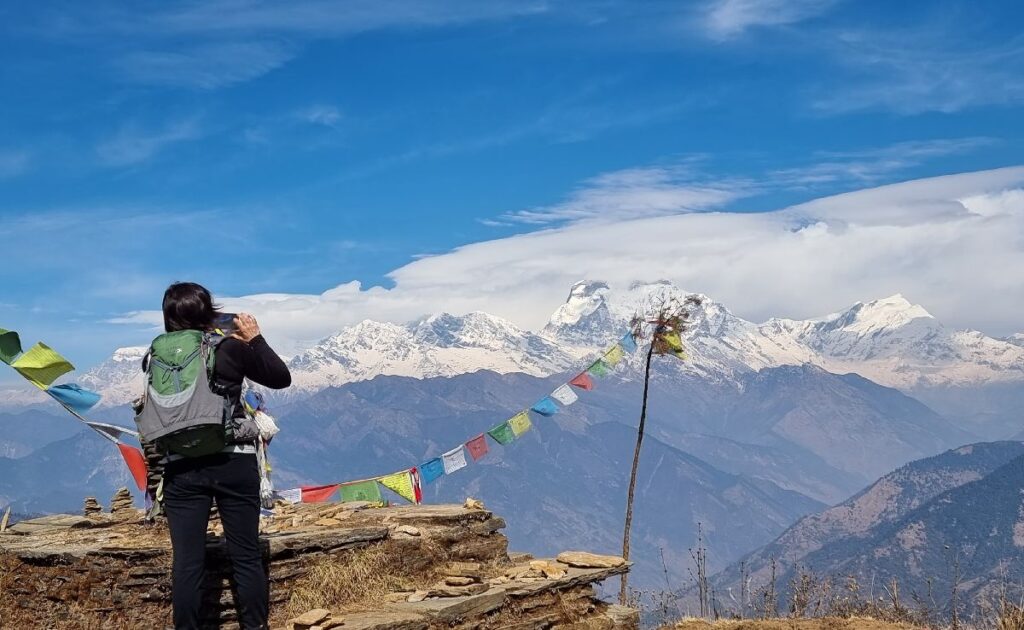
Nepal, the land of majestic mountains and unparalleled adventure, is making headlines again. The government has opened 97 previously restricted peaks for free climbing to promote tourism in its remote western regions. This bold move aims to diversify mountaineering tourism, reduce congestion on Mount Everest, and create income opportunities for local communities.

(CNNNews18BBC)

Why Nepal is Opening New Peaks

For decades, Mount Everest has dominated the mountaineering scene in Nepal, attracting thousands of climbers annually. However, overcrowding, rising costs, and environmental concerns have prompted authorities to shift attention to lesser-known regions.

Benefits of the initiative include:

  • Affordable Adventure: Permit fees for 97 peaks are waived for the next two years, making Himalayan mountaineering accessible to more adventurers.
  • Economic Upliftment: Tourism in Karnali and Sudurpashchim provinces, which have limited infrastructure, will generate jobs and income for local communities.
  • Decongesting Everest: Encouraging climbers to explore alternative peaks will reduce pressure on Everest’s heavily trafficked routes.

Himal Gautam, Director at the Department of Tourism, said:
“The aim is to bring more visitors to remote regions, create jobs, and generate income for local communities. This initiative will also help promote Nepal’s unexplored mountain destinations.”

Details of the Newly Accessible Peaks

  • Number of Peaks: 97 (77 in Karnali, 20 in Sudurpashchim)
  • Altitude Range: 5,870 meters (19,258 ft) – 7,132 meters (23,399 ft)
  • Notable Peaks: Saipal (7,030 m), Api (7,132 m), Api West (7,076 m)

Many of these peaks remain “virgin,” awaiting their first climbers, offering a unique opportunity to explore untouched Himalayan landscapes.

New Rules for Mount Everest Climbers

Alongside opening new peaks, Nepal is introducing stricter regulations for Everest aspirants:

  • Climbers must first scale at least one 7,000-meter peak within Nepal.
  • Everest permit fees will increase from USD 11,000 to USD 15,000 per person, effective September 1, 2025.
  • These measures aim to ensure climbers are experienced and to maintain safety and environmental standards.

(Outside OnlineTravel and Tour World)

Challenges and Considerations

While this initiative is a game-changer, climbers should be aware of the following:

  • Remote Access: Sudurpashchim is 535 km from Kathmandu, Karnali 400 km; both require flights and challenging road travel.
  • Limited Amenities: Basic accommodation and services; climbers must prepare adequately.
  • Environmental Responsibility: Increased tourism may impact fragile ecosystems. Authorities are implementing safety and sustainability guidelines.

Why You Should Consider These Peaks

  • Discover untouched regions of Nepal away from the Everest crowd.
  • Experience authentic Himalayan adventure with fewer climbers on the trails.
  • Contribute to local communities and sustainable tourism.

Whether you are a seasoned climber or an aspiring adventurer, these newly opened peaks provide an affordable, challenging, and rewarding experience in the Himalayas.

Plan Your Adventure with Himalayan Circuit

Himalayan Circuit can help craft custom itineraries, obtain permits, and arrange local guides for these new peaks. Explore Nepal beyond Everest and experience the hidden gems of the western Himalayas.

Email: connect@himalayancircuit.com
WhatsApp / Cell: +977 9851121494

References:

  1. CNN Travel: Nepal opens 97 mountains for free climbing
  2. News18: Nepal opens untouched peaks for tourists
  3. BBC: Nepal opens 97 peaks for free climbing
  4. Travel + Leisure Asia: Nepal opens 97 remote peaks
  5. Outside Online: Everest & 97 Peaks
  6. Travel and Tour World: Free access to 97 peaks
Nepal Travel News: 57 New Peaks Opened for Climbing in 2024/25

Mountaineering in Nepal

Nepal, a global hub for climbers and trekkers, is once again elevating its adventure offerings. As part of its tourism development plans for the fiscal year 2024/25, the government has announced the opening of 57 new peaks for mountaineering in Nepal. This decision, approved by the Council of Ministers on October 7, follows recommendations from the Department of Tourism.

Why More Peaks Are Being Opened

Many mountains in Nepal remain unexplored due to their remote locations, harsh climates, or technical challenges. To promote tourism and offer more diverse options, the government is expanding access to a wider range of peaks. According to Rakesh Gurung, Director of the Adventure Tourism and Mountaineering Section, these newly opened peaks are intended to make mountaineering in Nepal more accessible to both beginners and seasoned climbers.

A Range of New Adventures

The 57 new peaks range from 5,000 to 6,500 meters in elevation. With this addition, Nepal now has 461 peaks open for mountaineering. Yet, this is just a fraction of the total — over 2,000 peaks in the country are suitable for climbing.

This expansion supports both tourism and local economies, while also drawing attention to lesser-known Himalayan regions.

Ideal for Beginners and Off-the-Beaten-Path Explorers

One of the highlights of these new peaks is their accessibility. Unlike Everest, Annapurna, or Manaslu, many of the newly opened mountains are lower in altitude, making them perfect for novice climbers or those looking for a new kind of Himalayan adventure.

These routes bring a refreshing twist to mountaineering in Nepal, offering moderate challenges and breathtaking landscapes with fewer crowds.

Notable Peaks Among the 57

  • Pathibhara South East (Taplejung): The highest among the new entries, located near the Kanchenjunga range.

  • Ghyambu Peak (Dolpa): The shortest of the group, this peak offers a unique experience in western Nepal.

Only eight of the 57 peaks are below 6,000 meters, but they are just as rewarding as their taller counterparts.

Explore With Himalayan Circuit 

Whether you’re taking your first steps in the Himalayas or seeking new trails, mountaineering in Nepal has never been more exciting. Himalayan Circuit offers guided climbs, personalized itineraries, and expert support to ensure your experience is both safe and unforgettable.

With the addition of these 57 new peaks, Nepal continues to establish itself as a paradise for mountaineers. This move not only diversifies adventure tourism but also supports sustainable travel by encouraging visitors to explore beyond the traditional routes.

So, if you’ve ever dreamed of standing on a Himalayan summit — now’s the time. Let the thrill of mountaineering in Nepal guide your next adventure.

Offbeat Treks: Tsho Rolpa & Dhudhkunda Hidden Trek Adventure

Tsho Rolpa glacial Lake

Are you an adventure seeker craving a unique trekking experience in Nepal? The Tsho Rolpa & Dhudhkunda Trek offers the perfect blend of stunning Himalayan landscapes, high-altitude challenges, and rich cultural immersion. Located in the serene Rolwaling Valley, this trek takes you to pristine glacial lakes and sacred sites revered by the Sherpa communities.

Why Choose the Tsho Rolpa & Dhudhkunda Trek?

For trekkers who enjoy challenging terrain and breathtaking views, this trek is a must-do. Here’s why:

  • Scenic Beauty: From glacial lakes to snow-capped peaks, the views are mesmerizing.
  • Sherpa Culture: Immerse yourself in the spiritual traditions and hospitality of the Sherpa people.
  • Remote & Peaceful: Escape the crowds and find tranquility on Nepal’s quieter paths.

Trek Highlights:

Tsho Rolpa Lake (15,026 ft / 4,580 m)

One of Nepal’s largest and most beautiful glacial lakes, Tsho Rolpa is surrounded by towering peaks and glaciers. Its turquoise waters offer a serene and awe-inspiring sight.

Dhudhkunda Lake (15,419 ft / 4,700 m)

A sacred high-altitude lake revered by Sherpas, Dhudhkunda provides panoramic views of the Himalayas. It’s a deeply spiritual spot that will leave you with lasting memories.

Sherpa Culture & Hospitality

Along the way, you’ll visit ancient Buddhist monasteries, witness Sherpa rituals, and enjoy the warm hospitality of these mountain people.

Day-by-Day Itinerary:

  • Day 1: Arrive in Kathmandu, explore the vibrant Thamel district.
  • Day 2: Visit Kathmandu Durbar Square and prepare for your trek.
  • Day 3: Drive to Charikot, and trek to Simigaon, a peaceful Sherpa village.
  • Day 4: Trek to Dongang (9,157 ft / 2,791 m) through lush forests and villages.
  • Day 5: Continue to Beding (12,107 ft / 3,690 m), the largest village in the Rolwaling Valley.
  • Day 6: Acclimatization day at Beding. Hike to Dolma Khang Base Camp (13,780 ft / 4,200 m).
  • Day 7: Trek to Na Village (13,724 ft / 4,183 m) and continue to the stunning Tsho Rolpa Lake (15,026 ft / 4,580 m).
  • Day 8: Trek to Dhudhkunda Lake (15,419 ft / 4,700 m) with breathtaking views of the Himalayas.
  • Day 9: Trek to Gangorkhola and drive back to Kathmandu.
  • Day 10: Rest in Kathmandu before your return flight home.

Why the Tsho Rolpa & Dhudhkunda Trek is a Must-Do

  1. Stunning Natural Beauty From the sparkling Tsho Rolpa to the majestic Mount Gaurishankar (23,134 ft / 7,134 m), the trek offers incredible scenery, including high-altitude meadows, glaciers, and dense forests.
  2. Sherpa Culture & Spirituality Experience the peace and spiritual energy of Sherpa villages. Visit monasteries, see daily rituals, and enjoy the warmth of the Sherpa people.
  3. Escape the Crowds Unlike the more popular Everest Base Camp or Annapurna Circuit treks, this route offers solitude and the chance to connect deeply with nature.
  4. High-Altitude Challenge With Dhudhkunda Lake at 15,419 feet (4,700 m), this trek offers a true high-altitude adventure. It challenges your endurance while rewarding you with stunning views.

Travel Tips for the Tsho Rolpa & Dhudhkunda Trek

  1. Packing Essentials Make sure to bring sturdy trekking boots, a thermal jacket, water bottles, and a good sleeping bag. Don’t forget your camera for the unforgettable views.
  2. Health & Safety Altitude sickness is a risk, so take it slow and drink plenty of water. Acclimatize properly and follow your guide’s advice to ensure safety.
  3. Best Time to Trek The best months to visit are March-May and September-November. These months offer clear skies, mild temperatures, and ideal trekking conditions.
  4. Local Cuisine Savor traditional Nepali dishes like dal bhat (lentil soup with rice), momos (dumplings), and Sherpa stew to keep your energy up during the trek.

Why the Tsho Rolpa & Dhudhkunda Trek is Unforgettable

The Tsho Rolpa & Dhudhkunda Trek is an adventure that blends challenging high-altitude trekking, peaceful Sherpa culture, and some of the most scenic landscapes in Nepal. Whether you’re drawn to the glacial lakes, the sacred sites, or the stunning Himalayan vistas, this trek will leave you with memories to last a lifetime.

If you’re looking for a trek that offers beauty, challenge, and deep cultural immersion, the Tsho Rolpa & Dhudhkunda Trek should be at the top of your list!