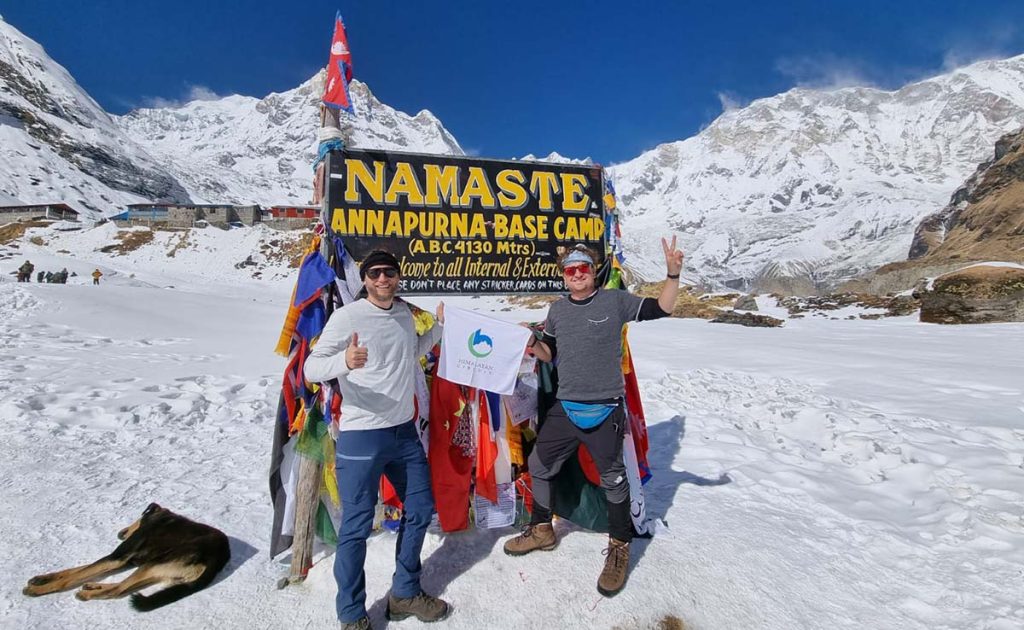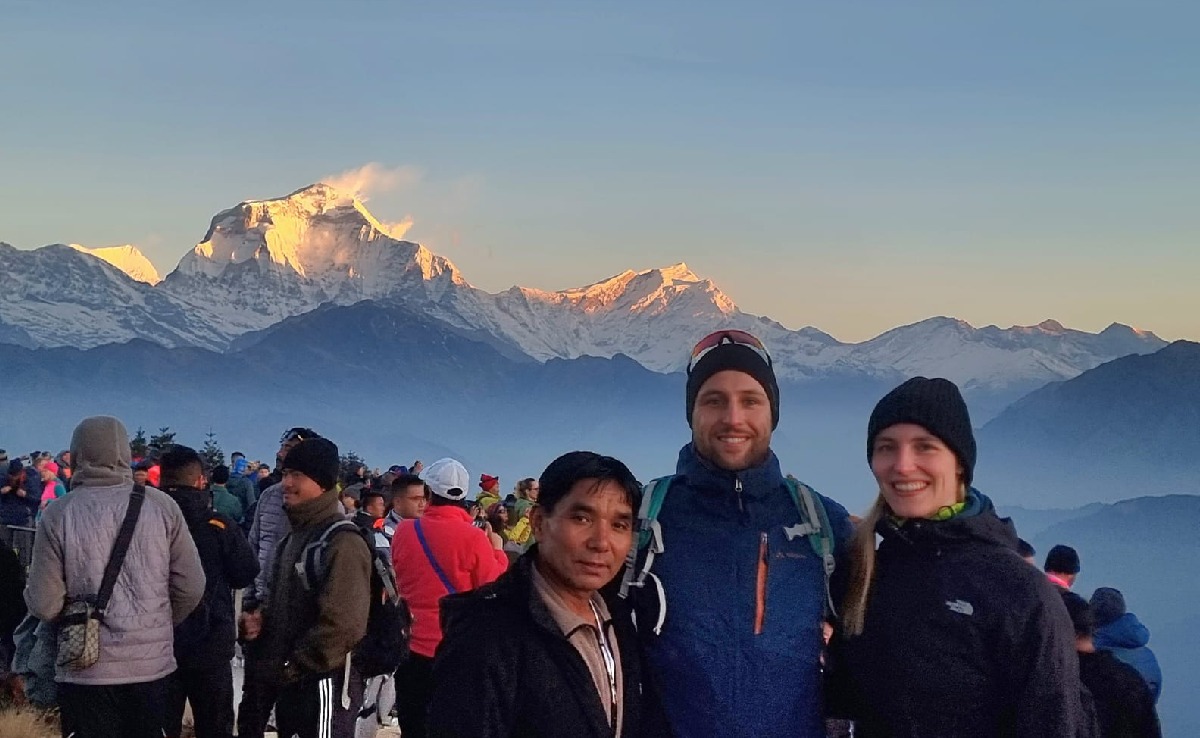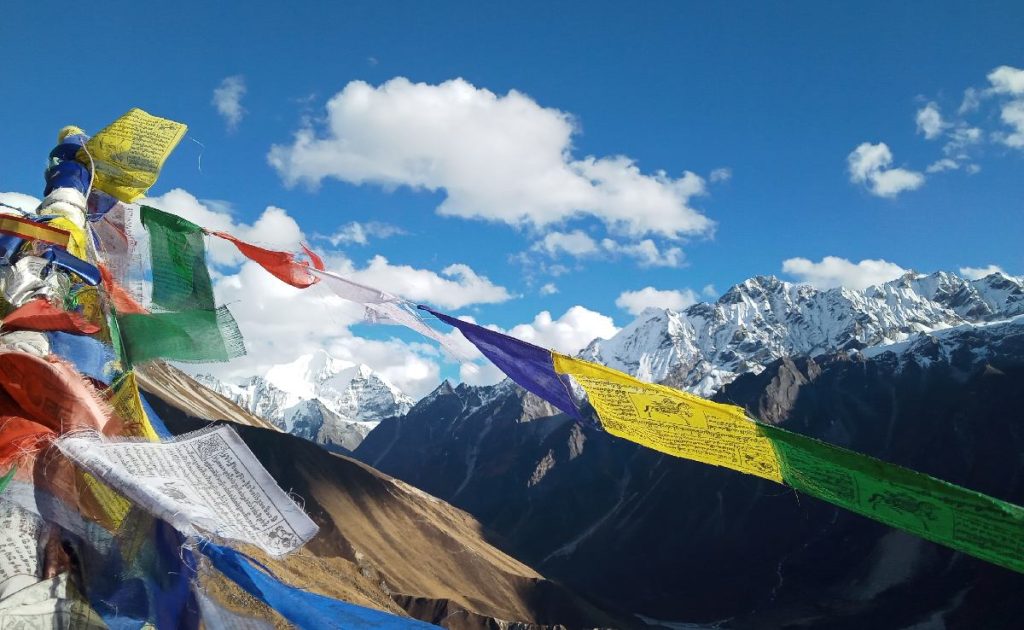
The Langtang trek in Nepal is a journey through changing landscapes — from lush forests and riverside trails to high alpine valleys surrounded by snowcapped peaks. Starting at just 1,460 meters in Syabrubesi, the trail climbs steadily to Kyanjin Gompa at 3,870 meters, offering dramatic elevation changes that define the Langtang trek altitude experience.
This rapid vertical gain — over 2,400 meters in just a few days — makes the trek both thrilling and physically demanding. The thinner air affects your body before you realize it, which is why understanding the altitude profile and preparing properly is essential for a safe, rewarding experience.
In this blog, we’ll explore how altitude impacts your trek day by day and share practical tips for acclimatization, gear, and pacing — so you can stay healthy and make the most of your Langtang adventure.
Langtang Trek Overview: Route, Distance & Highlights
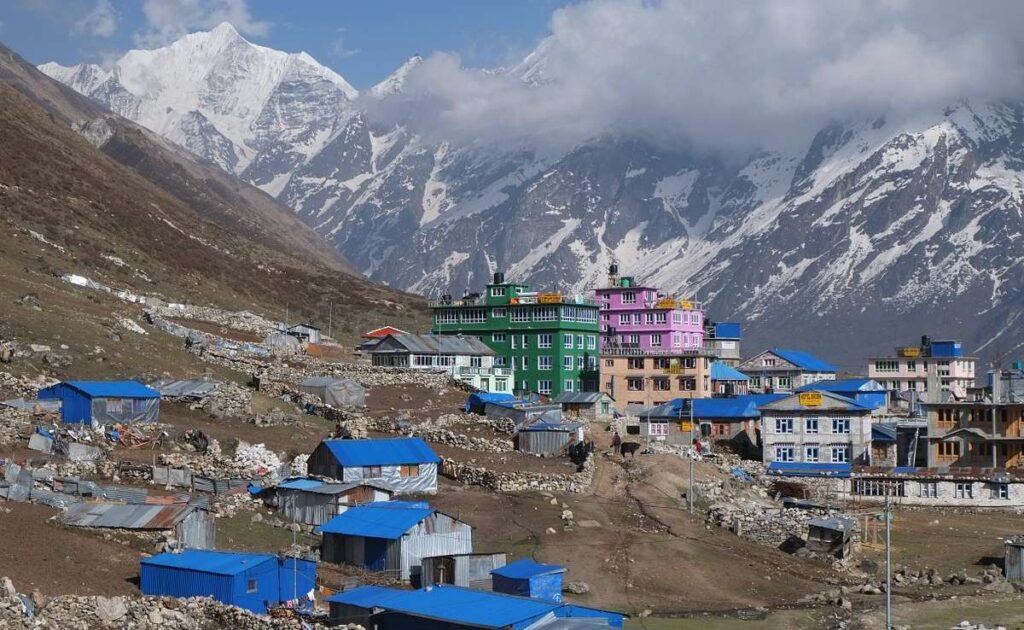
The Langtang trek lies just north of Kathmandu and is one of Nepal’s most accessible yet rewarding treks. This 7 to 10-day journey covers roughly 60 to 75 kilometers and blends natural beauty, cultural encounters, and scenic mountain views into one unforgettable trail.
The trek starts from Syabrubesi (1,460 m), where you enter lush sub-tropical forests filled with bamboo, rhododendron, and river crossings. From here, the route gently ascends through villages like Lama Hotel (2,470 m) and Langtang Village (3,430 m) before reaching the spiritual and scenic hub of Kyanjin Gompa (3,870 m), nestled beneath Langtang Lirung (7,227 m).
As you ascend, the landscape shifts dramatically — dense forests give way to alpine woodlands, open meadows, and finally, a wide glacial valley. The mountains grow taller, the villages feel more remote, and the air becomes thinner and cooler with each step.
Langtang Trek Altitude Profile: Day-by-Day Breakdown
Altitude plays a subtle but powerful role in shaping your trekking experience. You’ll notice your breathing, energy levels, and pace shifting as you gain elevation — especially beyond 3,000 meters.
Here’s a breakdown of the altitude gain and key elevation points on a standard 7-day Langtang trek itinerary:
| Day | Route | Elevation (m) | Altitude Gain |
|---|---|---|---|
| Day 1 | Syabrubesi | 1,460 | – |
| Day 2 | Syabrubesi to Lama Hotel | 2,470 | +1,010 m |
| Day 3 | Lama Hotel to Langtang Village | 3,430 | +960 m |
| Day 4 | Langtang Village to Kyanjin Gompa | 3,870 | +440 m |
| Day 5 | Acclimatization at Kyanjin Gompa | 3,870 | – |
| Day 6 | Return to Lama Hotel | 2,470 | -1,400 m |
| Day 7 | Lama Hotel to Syabrubesi | 1,460 | -1,010 m |
Tip: Altitude affects everyone differently. Prioritize slow and steady walking, especially above 3,000 meters. Taking a rest day in Kyanjin Gompa for acclimatization significantly lowers your risk of altitude sickness.
What to Pack for High Altitude Trekking
At higher altitudes, your comfort and safety rely heavily on the right gear. Weather can shift rapidly, and your body will need support to adapt to colder temperatures and thinner air.
Here are key packing essentials for the Langtang trek:
-
Layered Clothing:
- Base Layer: Moisture-wicking thermal tops and bottoms.
- Mid Layer: Insulating fleece or down jacket.
- Outer Layer: Waterproof and windproof shell jacket.
-
Trekking Shoes:
Well-broken-in boots with good grip for rocky terrain. -
Accessories:
Hat, gloves, neck buff, sunglasses, sunscreen (high SPF), lip balm with UV protection. -
Trekking Poles:
Helps reduce strain on knees and improves balance on descents. -
Water Purification:
Bring a filter or purification tablets — safe water is critical at high altitude. -
Energy Snacks:
Carry nuts, energy bars, and dry fruits to refuel during long hiking days. -
Medications:
Include altitude sickness medication as advised by your doctor, along with personal prescriptions.
Tips for Acclimatization & Staying Healthy
- Follow the “climb high, sleep low” rule — especially around Kyanjin Gompa where you can do a short hike to a nearby ridge or Kyanjin Ri and descend back to sleep.
- Stay hydrated: Drink at least 3–4 liters per day, especially in dry mountain air.
- Eat well: Even if your appetite decreases, try to eat warm, carbohydrate-rich meals.
- Avoid alcohol: It worsens dehydration and altitude symptoms.
- Go slow: Listen to your body, rest when needed, and don’t rush the trek.
Let the Trek Teach You
The Langtang trek is more than just a physical journey — it’s a lesson in patience, presence, and inner clarity. With every step, you adjust to the terrain, the climate, and your own rhythm. There’s no need to rush. The mountains are not going anywhere.
Whether you’re walking through rhododendron forests or standing beneath the towering peaks of Langtang Lirung, remember — it’s not about how fast you get there, but how deeply you connect with the journey.
So take it slow. Stay aware. Let the trek unfold one step at a time.