Nepal Diary: Planning Your Trip – What You Need to Know

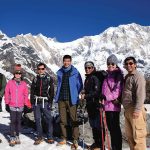
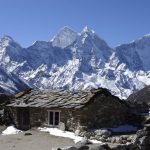
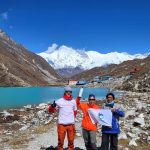
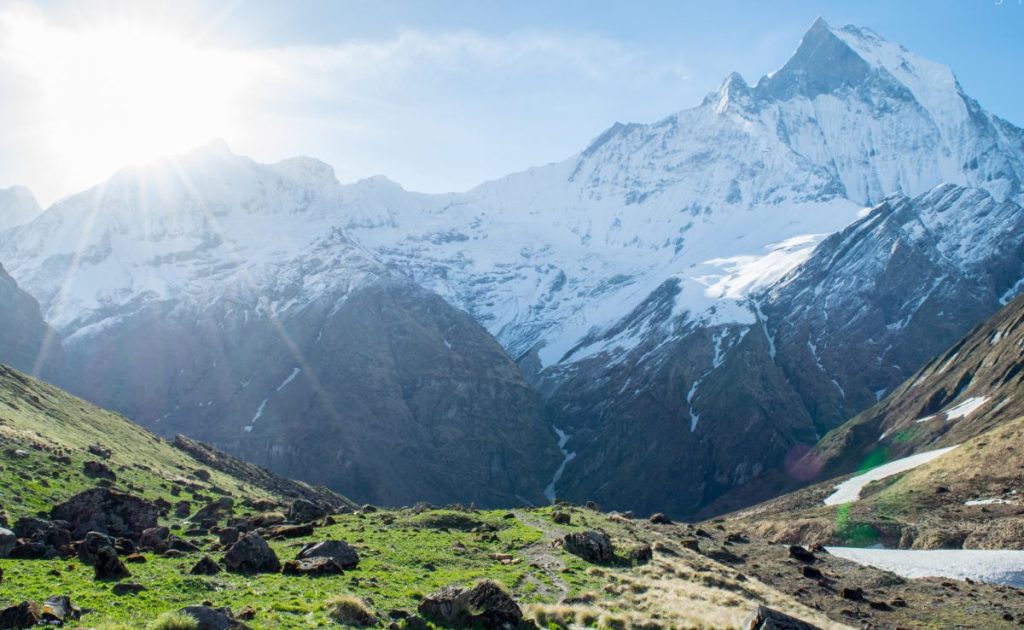
Himalayan peaks in Nepal – Nepal best travel destination

If you’re looking for the best Nepal travel guidebooks to plan your next adventure, you’re in the right place. Nepal offers stunning natural beauty and deep cultural richness—all without breaking the bank. But to make the most of your trip, having the right travel guide is essential.

One of the best ways to prepare is by choosing a reliable travel guidebook that matches your travel style. For all the wanderers with Nepal on their bucket list, here’s a detailed review of the best travel guidebooks and essential tips to help you get started.

Why Visit Nepal?

Nepal is a fascinating country that attracts more visitors each year. One of the main reasons to visit is the people. There’s a saying: You come for the mountains, but you stay for the people. Their warmth and hospitality leave a lasting impression.

Nepal also offers incredible cultural diversity. All major world religions are represented here, and the country’s deep spiritual heritage is seen in its temples, rituals, and daily life.

Then there’s the landscape. Though small in size, Nepal is known worldwide for its dramatic scenery—from towering peaks to lush jungles. It’s also a country of festivals. With so many ethnic groups and traditions, Nepal celebrates something nearly every week, earning its title as the Land of Celebrations.

Top Travel Guidebooks for Nepal

Lonely Planet Nepal

Lonely Planet’s Nepal guidebook is one of the most trusted resources for travelers. It covers both famous destinations and off-the-beaten-path gems. You’ll find tips on exploring Pokhara’s lakes, wandering through the cultural streets of Kathmandu, spotting tigers in Bardiya, and trekking through the Himalayas. It’s a go-to companion for both first-timers and repeat visitors.

Rough Guide to Nepal

This guide takes you across the country—from the high Himalayas to the lowland Terai. It highlights key attractions like Everest, the Pokhara Valley, and Ilam’s tea estates. It also dives into Nepal’s spiritual sites, including Buddhist stupas and Hindu temples.

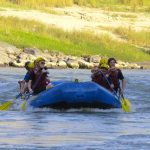
Outdoor adventurers will appreciate dedicated sections on trekking, rafting, and mountaineering. The language is clear and informative, perfect for practical planning.

Nepal Trekking Guidebook by Trailblazer

This one is a great pick for trekkers. It helps you plan your itinerary based on your interests and ability. The book covers everything from classic routes to lesser-known trails and even the demanding Great Himalaya Trail.

Detailed route guides include regions like Makalu, Kanchenjunga, Langtang, and Solukhumbu—ideal for anyone serious about trekking in Nepal.

Insight Guides Nepal

If you’re planning a longer stay and want cultural depth along with travel planning, this book is ideal. It combines inspiring photos with informative content in a magazine-style format.

Besides popular trekking regions like Annapurna and Everest, the book also explores historical cities like Kathmandu, Patan, and Bhaktapur. You’ll also find background on Nepal’s history, people, and traditions.
Nepal Travel Tips for First-Time Visitors

Visa and Entry Requirements

Most international visitors can get a visa on arrival at Tribhuvan International Airport. Just make sure to carry your passport and be ready to pay the applicable fee. Alternatively, you can apply for a visa online or through a Nepalese embassy or consulate before your trip. Tourist visas are typically valid for up to 90 days.

Best Time to Visit Nepal

Nepal’s peak tourist seasons are autumn (September to November) and spring (March to May). These months offer clear skies and pleasant temperatures—ideal for sightseeing and trekking.

If you’re trekking, these are the best times to go. Monsoon season (June to August) brings heavy rains and humidity, making high-altitude treks difficult. However, it’s a great time to visit the lush Terai region and spot wildlife in national parks.

Health and Safety Tips

Your health should be a top priority when traveling in Nepal. Before your trip, consult a doctor about recommended vaccinations like hepatitis, typhoid, tetanus, and rabies.

Trekking at high altitudes can lead to Acute Mountain Sickness (AMS). To reduce the risk, ascend slowly, drink lots of water, and consider carrying medication like Diamox. It’s also best to avoid tap water—stick to bottled water and eat at clean, hygienic places.

Pack a basic first-aid kit with medicines for common issues like colds, fevers, or stomach problems.

Nepal offers a one-of-a-kind travel experience with its breathtaking scenery, vibrant culture, and spiritual depth. Whether you choose Lonely Planet, Rough Guide, Trailblazer, or Insight Guides, having the right travel guidebook can make all the difference. And if you need personalized advice, feel free to reach out to us with your questions—we’re here to help.

Of course, traveling with a knowledgeable local guide adds even more value. They can lead you to hidden gems, help you connect with local culture, and ensure your journey is safe and enriching.

Let Nepal surprise you—and don’t forget to embrace its rhythm, respect its traditions, and soak in every moment.
Nepal Diary: Nepal Visa Guide – What You Need to Know

VIsa Machines

Nepal is a land of towering mountains, rich culture, and warm hospitality, attracting thousands of visitors every year. Whether you are planning to trek in the Himalayas, explore ancient temples, or study in Nepal, understanding the visa process is essential. This Nepal visa guide will help you learn everything you need to know — from visa types and costs to the step-by-step application process — so your journey can begin smoothly.

Types of Nepal Visas for Tourists

Nepal offers different visa types depending on your travel purpose. Knowing which visa suits your trip is the first step in your journey. This section of our Nepal visa guide explains the main visa categories:

  • Tourist Visa: The most common type for visitors. It is issued for short stays, such as trekking, sightseeing, or visiting friends and family.
  • Non-Tourist Visa: For those working in INGOs, diplomatic missions, or volunteering projects.
  • Business Visa: For foreigners wishing to invest or trade in Nepal. Requires additional documents such as company registration certificates or investment papers.
  • Transit Visa: Issued to travelers passing through Nepal for less than 24 hours, available at certain border points.
  • Student Visa: For those enrolling in Nepali institutions. Requires proof of admission and financial resources.

How to Get a Nepal Visa

There are two main ways to obtain a Nepal visa:

a) Visa on Arrival

Most nationalities are eligible. You can get this visa at Tribhuvan International Airport (Kathmandu) and selected land borders such as Bhairahawa, Birgunj, and Kakarbhitta.

Requirements:

  • Valid passport (minimum six months validity)
  • One passport-sized photograph
  • Visa fee in USD cash

b) Visa from a Nepalese Embassy or Consulate Abroad

Applying beforehand saves time and avoids long queues at the airport.
Requirements generally include:

  • Valid passport
  • Recent passport photo
  • Completed application form
  • Visa fee (varies by embassy)

Step-by-Step Visa Application Process

Following this step-by-step process in the Nepal visa guide will make your visa application smooth and stress-free:

  1. Check eligibility and visa type — Ensure your nationality qualifies for visa on arrival or if advance application is required.
  2. Prepare documents — Passport, photos, and any additional paperwork for business, student, or non-tourist visas.
  3. Complete the online visa applicationNepal’s Immigration Department offers an online form for convenience. Print the confirmation slip.
  4. Submit application — At the embassy before traveling or at the airport on arrival.
  5. Pay visa fees — As per the embassy’s instructions or in USD cash for visa on arrival.
  6. Receive visa — Check all details before leaving the counter.

Visa Fees & Duration

Visa Type Duration Fee (USD)
Tourist Visa 15 days 30
30 days 50
90 days 125
Extensions 15 days 45
Per day 3

Note: Tourists cannot exceed 150 days of stay per year without special permission.

Key Requirements for Nepal Visa

  • Valid passport (at least six months validity)
  • Passport-sized photographs
  • Completed visa application form
  • Payment for visa fees (USD cash for on arrival; embassies may accept other methods)

Our Nepal visa guide shows that with proper preparation, getting a Nepal visa is straightforward and quick. Whether you apply in advance at an embassy or obtain it on arrival, the process is user-friendly. Remember to check the latest requirements on the Department of Immigration website before your trip. With your visa in hand, you’re ready to explore Nepal’s breathtaking mountains, rich cultural heritage, and warm hospitality.

Pokhara Diary: Kathmandu & Pokhara Cultural Exploration Tour

Nepal's Cultural and Adventure Escape

This 10-day itinerary is perfect for first-time visitors who want to experience Kathmandu and Pokhara: Nepal’s Cultural and Adventure Escape—trek to stunning mountain viewpoints, relax by peaceful lakes, and explore the ancient temples of Kathmandu, all in just 10 days.

Day 1-3: Kathmandu – Explore Nepal’s Cultural Heart

Start your Nepal adventure in the bustling capital city, Kathmandu. Dive into its rich history, spiritual sites, and vibrant atmosphere by visiting some of the most iconic UNESCO World Heritage sites:

  • Swayambhunath Stupa (Monkey Temple): Known for its panoramic views of the city and monkeys roaming around, this ancient stupa offers a fascinating blend of culture and natural beauty.
  • Durbar Square: This historical palace complex is a perfect introduction to Kathmandu’s medieval architecture and royal heritage.
  • Boudhanath Stupa: One of the largest stupas in Nepal, offering a serene environment to observe Tibetan Buddhist rituals and the daily life of pilgrims.
  • Pashupatinath Temple: A sacred Hindu site on the banks of the Bagmati River, where you can witness traditional cremation ceremonies and vibrant spiritual activities.

If you have extra time, take a day trip to nearby towns like Bhaktapur or Patan to experience more of Nepal’s medieval architecture, traditional arts, and crafts.

Day 4-7: Annapurna Trek (Short Trek) – Stunning Views of the Annapurna Range

Leave the city behind and head into the mountains for a 3-day trek to Ghorepani and Poon Hill. This trek offers stunning panoramic views of the Annapurna and Dhaulagiri mountain ranges, and the sunrise at Poon Hill is one of Nepal’s most unforgettable experiences.

  • Day 1: Drive or fly to Pokhara, then drive to Nayapul (about 1.5 hours). Begin your trek to Tikhedhunga or Ulleri, passing through villages and scenic landscapes.
  • Day 2: Trek to Ghorepani for a rest day with beautiful views of the Annapurna Range.
  • Day 3: Wake up early to hike up to Poon Hill for a breathtaking sunrise. Afterward, trek to Tadapani and continue the descent to Pokhara.

This short trek is perfect for beginners and offers an unforgettable experience in the heart of the Himalayas, without requiring advanced trekking skills.

Day 8-10: Pokhara & Kathmandu – Adventure and Relaxation

Pokhara: After completing your trek, take some time to relax in Pokhara, a peaceful lakeside city. Spend your days enjoying the stunning natural beauty and outdoor activities:

  • Phewa Lake: Enjoy a leisurely boat ride or just relax by the lake with the Annapurna mountains in the backdrop.
  • World Peace Pagoda:   Hike up to the pagoda for panoramic views of the Pokhara valley, Phewa Lake, and the towering peaks of the Annapurna range.
  • Sarangkot: For an early morning adventure, hike or drive up to Sarangkot to catch the incredible sunrise over the Annapurna Range and Machapuchare (Fishtail Mountain).

Optional: If you’re looking for some excitement, paragliding is a must-do activity in Pokhara. Experience soaring above the valley with incredible views, or try zip-lining for a rush of adrenaline.

Kathmandu: On your last day, either return to Kathmandu by a short flight (25 minutes) or drive back (6 hours). Once back, you can either relax or visit any remaining cultural sites that you may have missed at the start of your trip, or even enjoy a day trip to Nagarkot for a Himalayan sunrise before departure.

Why Visit Kathmandu & Pokhara?

Kathmandu and Pokhara are two of the most popular destinations in Nepal. Kathmandu offers rich cultural experiences with its temples, historic sites, and vibrant atmosphere. Pokhara, on the other hand, is a beautiful, peaceful city known for its natural beauty, lakes, and adventure activities like trekking, paragliding, and boating.

This 10-day itinerary allows you to explore the best of Kathmandu and Pokhara: Nepal’s Cultural and Adventure Escape, combining cultural sightseeing with outdoor adventure and stunning natural beauty. Whether you’re trekking to Poon Hill or relaxing by Phewa Lake, this trip offers the perfect balance of excitement and relaxation. Ideal for first-time visitors, it’s a great way to experience the heart of Nepal.