Annapurna Region: Lodges Blend Comfort and Himalayan Heritage

Discover how Annapurna trekking transformed from tough camping trips in the 1950s to today’s cozy, community-driven lodge adventures, blending comfort with Himalayan magic.

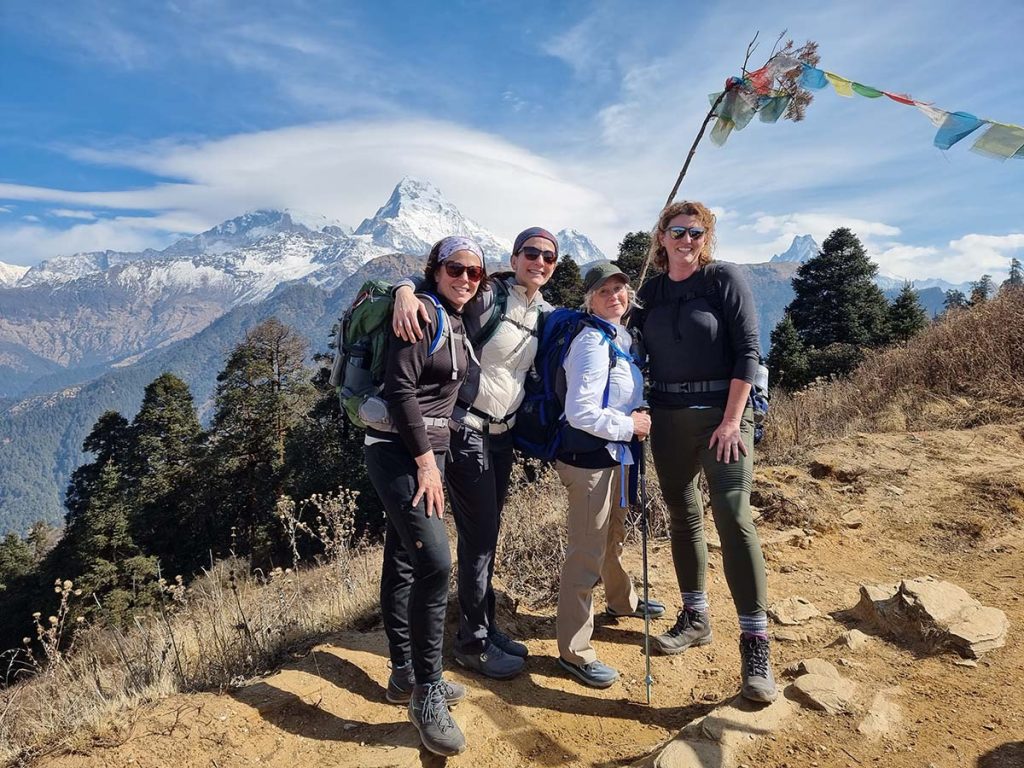
Picture yourself in a warm tea house, enjoying a hot meal while gazing at Annapurna’s snow-covered peaks. For modern trekkers, this is the heart of the journey—comfy beds, friendly hosts, and stunning views. However, trekking in Nepal wasn’t always so inviting. It started as a rugged, self-reliant adventure. This is the story of how Annapurna’s trekking culture evolved into a sustainable, culturally rich experience that draws adventurers from around the globe.

The First Steps: Camping Treks (1950s)
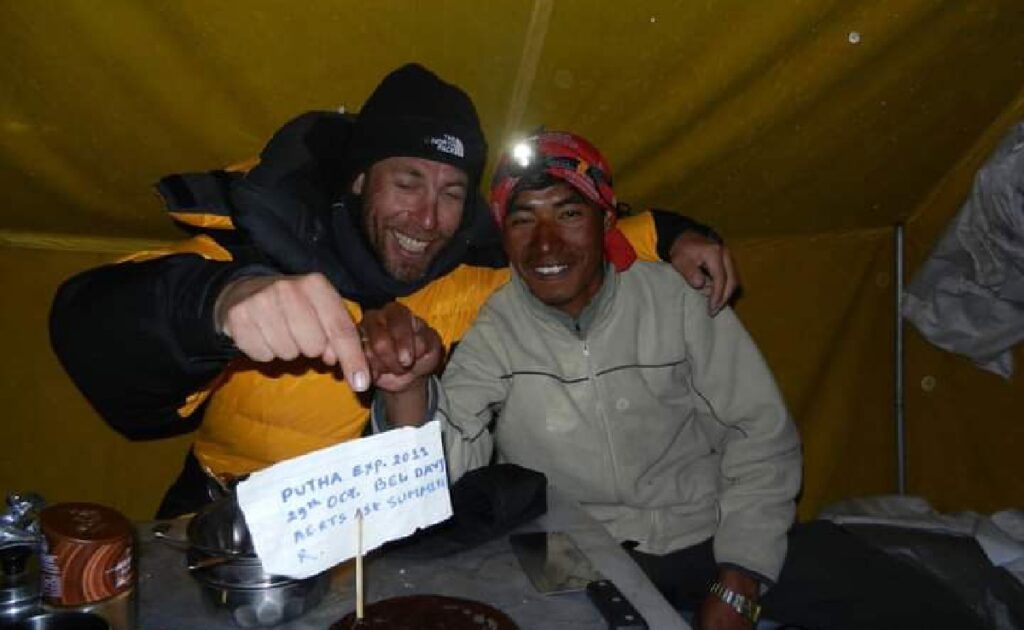
In the 1950s, trekking for fun didn’t exist in Nepal. Visitors came for climbing mountains or conducting research. For example, Lt. Col. Jimmy Roberts, a British Gurkha officer, saw Annapurna’s potential for adventure. He launched Nepal’s first guided treks, which were tough to organize. Specifically, these trips needed:

  • Large teams of porters to carry supplies

  • Tents, sleeping bags, and cooking stoves

  • Chefs to make meals

  • Food for weeks on remote trails As a result, these early treks opened Annapurna’s beauty to adventurers, but they were expensive and kept trekkers separate from local communities.

The Camping Boom: Tented Treks (1960s–1970s)
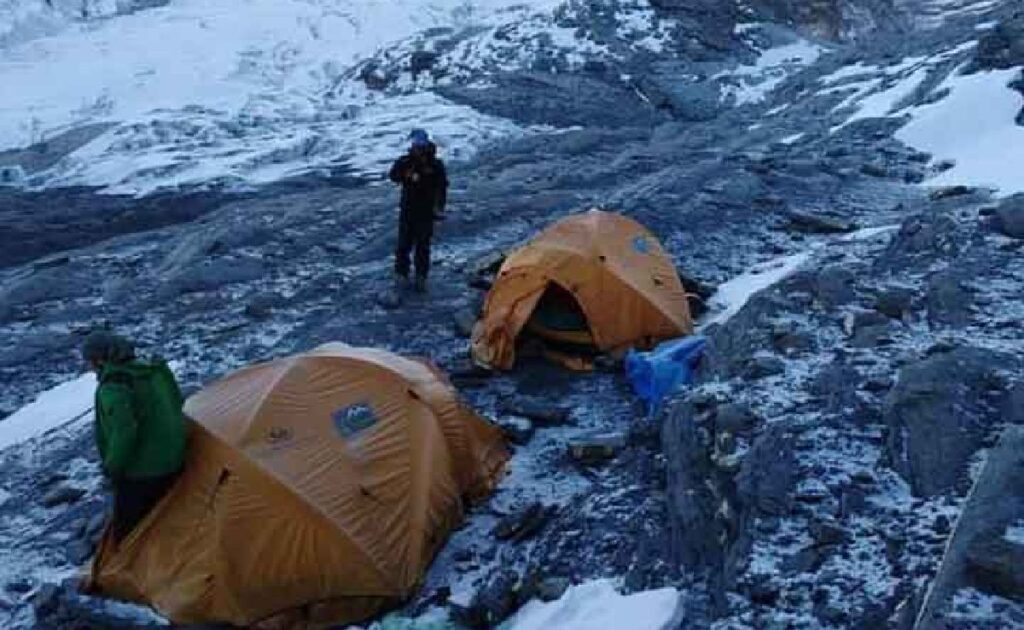
In the 1960s, Nepal welcomed more global travelers, and trekking became a way to explore the Himalayas without climbing peaks. Agencies in Kathmandu and Pokhara offered camping treks, with Annapurna’s valleys and villages as top destinations. However, these trips had challenges:

  • High costs due to many support staff

  • Little connection with locals, as trekkers relied on their own teams

  • Harm to trails and forests from large groups Consequently, these issues pushed the need for a better, more sustainable way to trek.

The Tea House Shift: Rise of Lodges (1980s–1990s)
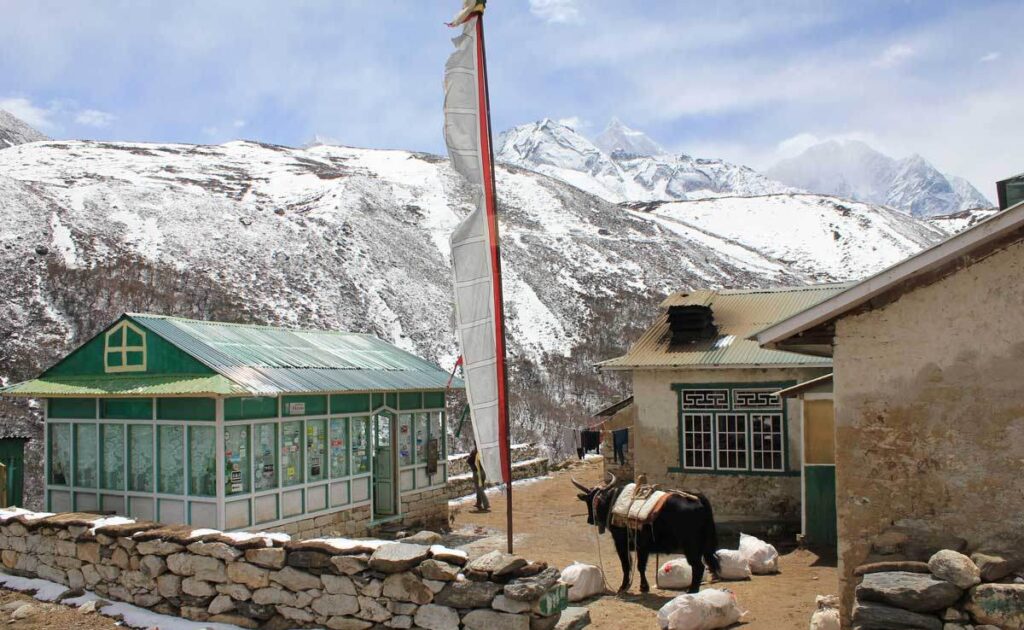
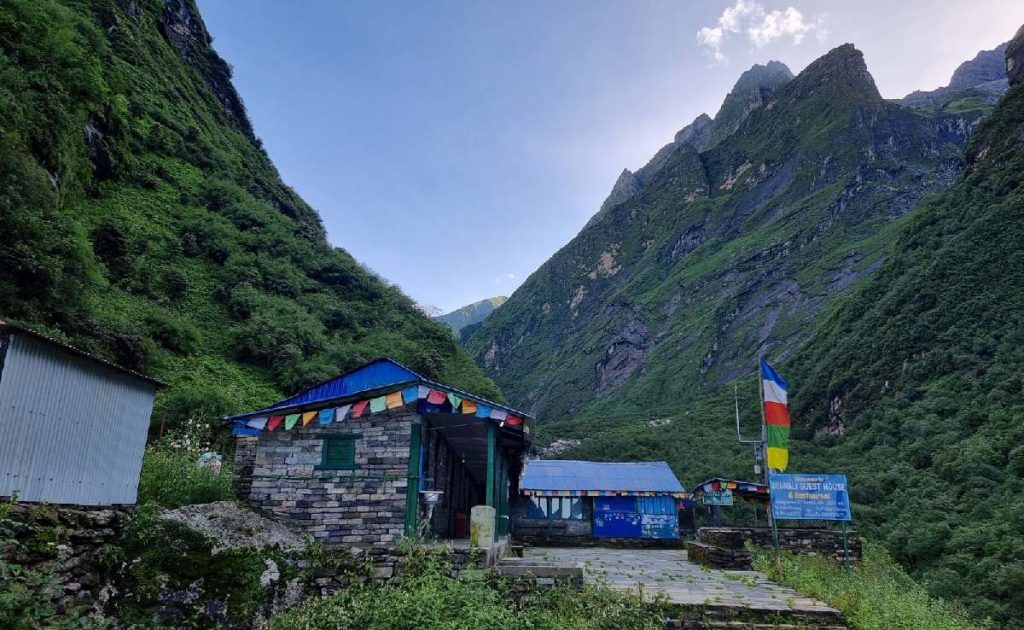
In the 1980s, a local initiative changed everything. Families along routes like the Annapurna Circuit, Annapurna Base Camp, and Ghorepani–Poon Hill opened their homes to trekkers. These “tea houses” offered simple rooms, shared bathrooms, and warm meals like dal bhat. For instance, this shift allowed trekkers to:

  • Travel light without heavy gear

  • Bond with Nepali families and culture

  • Support village economies As a result, lodge trekking became cheaper, more flexible, and deeply engaging, making Annapurna open to more explorers.

Today’s Lodges: Comfort and Connection (2000s–Present)
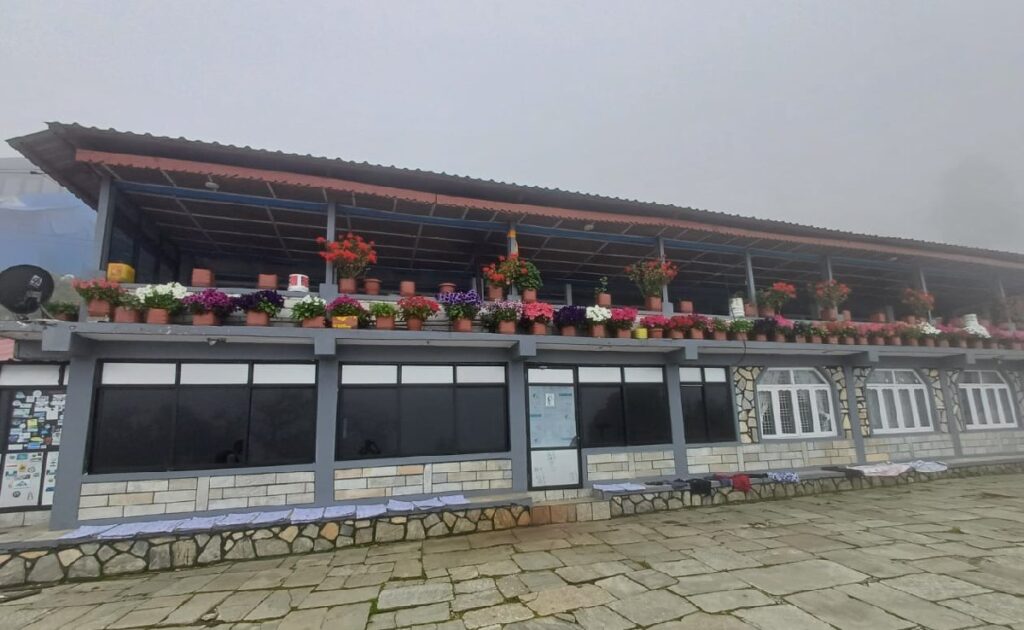
By the 2000s, lodge trekking became Annapurna’s main attraction. As tourism grew, tea houses improved. Today, trekkers enjoy:

  • Cozy rooms with warm blankets

  • Hot showers powered by solar energy

  • Meals from Nepali classics to Western dishes

  • Wi-Fi and trail signs in some villages Despite these upgrades, many lodges are still family-run, keeping the authentic charm. For example, sharing tea in Ghandruk or waking to mountain views in Tadapani feels personal and unforgettable.

Why It Works: A Sustainable Model

The move from camping to lodges is a win for everyone. Here’s why:

  • Villages thrive: Lodge income helps families afford schools and healthcare.

  • Nature benefits: Fewer porters mean less strain on trails and forests.

  • Trekkers win: Lightweight travel suits all ages and skill levels. Moreover, projects like the Natural Annapurna Trekking Trails (NATT) promote green practices, protect trails, and ensure fair pay for guides and porters.

Keeping the Magic Alive

As roads reach deeper into the Himalayas, preserving lodge trekking’s spirit is key. For instance, efforts include:

  • Eco-friendly lodges to reduce waste

  • Community projects to boost local economies

  • Training for hosts to improve hospitality

  • Trail protection to keep the wilderness alive These steps ensure Annapurna remains a special place for meaningful travel.

Why Annapurna Awaits

From Jimmy Roberts’ bold treks to today’s welcoming tea houses, Annapurna’s story is one of adventure and connection. Lodge trekking blends excitement, comfort, and bonds with Nepal’s people and landscapes. At Himalayan Circuit, we’re passionate about guiding you through sustainable, authentic treks that create lasting memories.

Ready to explore Annapurna’s trails? Join Himalayan Circuit for the best lodge routes and cultural experiences. Contact us to start your journey!
Nepal Diary: Planning Your Trip – What You Need to Know

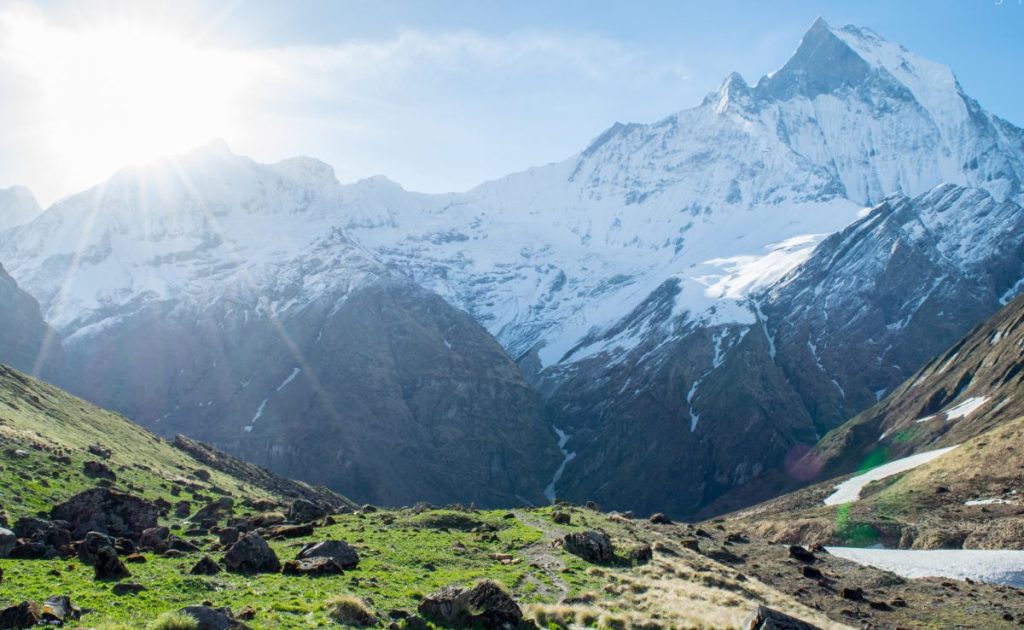
Himalayan peaks in Nepal – Nepal best travel destination

If you’re looking for the best Nepal travel guidebooks to plan your next adventure, you’re in the right place. Nepal offers stunning natural beauty and deep cultural richness—all without breaking the bank. But to make the most of your trip, having the right travel guide is essential.

One of the best ways to prepare is by choosing a reliable travel guidebook that matches your travel style. For all the wanderers with Nepal on their bucket list, here’s a detailed review of the best travel guidebooks and essential tips to help you get started.

Why Visit Nepal?

Nepal is a fascinating country that attracts more visitors each year. One of the main reasons to visit is the people. There’s a saying: You come for the mountains, but you stay for the people. Their warmth and hospitality leave a lasting impression.

Nepal also offers incredible cultural diversity. All major world religions are represented here, and the country’s deep spiritual heritage is seen in its temples, rituals, and daily life.

Then there’s the landscape. Though small in size, Nepal is known worldwide for its dramatic scenery—from towering peaks to lush jungles. It’s also a country of festivals. With so many ethnic groups and traditions, Nepal celebrates something nearly every week, earning its title as the Land of Celebrations.

Top Travel Guidebooks for Nepal

Lonely Planet Nepal

Lonely Planet’s Nepal guidebook is one of the most trusted resources for travelers. It covers both famous destinations and off-the-beaten-path gems. You’ll find tips on exploring Pokhara’s lakes, wandering through the cultural streets of Kathmandu, spotting tigers in Bardiya, and trekking through the Himalayas. It’s a go-to companion for both first-timers and repeat visitors.

Rough Guide to Nepal

This guide takes you across the country—from the high Himalayas to the lowland Terai. It highlights key attractions like Everest, the Pokhara Valley, and Ilam’s tea estates. It also dives into Nepal’s spiritual sites, including Buddhist stupas and Hindu temples.

Outdoor adventurers will appreciate dedicated sections on trekking, rafting, and mountaineering. The language is clear and informative, perfect for practical planning.

Nepal Trekking Guidebook by Trailblazer

This one is a great pick for trekkers. It helps you plan your itinerary based on your interests and ability. The book covers everything from classic routes to lesser-known trails and even the demanding Great Himalaya Trail.

Detailed route guides include regions like Makalu, Kanchenjunga, Langtang, and Solukhumbu—ideal for anyone serious about trekking in Nepal.

Insight Guides Nepal

If you’re planning a longer stay and want cultural depth along with travel planning, this book is ideal. It combines inspiring photos with informative content in a magazine-style format.

Besides popular trekking regions like Annapurna and Everest, the book also explores historical cities like Kathmandu, Patan, and Bhaktapur. You’ll also find background on Nepal’s history, people, and traditions.

Nepal Travel Tips for First-Time Visitors

Visa and Entry Requirements

Most international visitors can get a visa on arrival at Tribhuvan International Airport. Just make sure to carry your passport and be ready to pay the applicable fee. Alternatively, you can apply for a visa online or through a Nepalese embassy or consulate before your trip. Tourist visas are typically valid for up to 90 days.

Best Time to Visit Nepal

Nepal’s peak tourist seasons are autumn (September to November) and spring (March to May). These months offer clear skies and pleasant temperatures—ideal for sightseeing and trekking.

If you’re trekking, these are the best times to go. Monsoon season (June to August) brings heavy rains and humidity, making high-altitude treks difficult. However, it’s a great time to visit the lush Terai region and spot wildlife in national parks.

Health and Safety Tips

Your health should be a top priority when traveling in Nepal. Before your trip, consult a doctor about recommended vaccinations like hepatitis, typhoid, tetanus, and rabies.

Trekking at high altitudes can lead to Acute Mountain Sickness (AMS). To reduce the risk, ascend slowly, drink lots of water, and consider carrying medication like Diamox. It’s also best to avoid tap water—stick to bottled water and eat at clean, hygienic places.

Pack a basic first-aid kit with medicines for common issues like colds, fevers, or stomach problems.

Nepal offers a one-of-a-kind travel experience with its breathtaking scenery, vibrant culture, and spiritual depth. Whether you choose Lonely Planet, Rough Guide, Trailblazer, or Insight Guides, having the right travel guidebook can make all the difference. And if you need personalized advice, feel free to reach out to us with your questions—we’re here to help.

Of course, traveling with a knowledgeable local guide adds even more value. They can lead you to hidden gems, help you connect with local culture, and ensure your journey is safe and enriching.

Let Nepal surprise you—and don’t forget to embrace its rhythm, respect its traditions, and soak in every moment.

Upper Mustang: Trek Blends Culture and Desert Mystique

Discover the Upper Mustang Trek, a journey into Nepal’s “Last Forbidden Kingdom,” nestled beyond the towering Annapurna and Dhaulagiri peaks. For centuries, this remote land remained sealed, preserving a vibrant time capsule of ancient Tibetan traditions. Since opening to trekkers in 1992, Upper Mustang invites adventurers and cultural explorers to uncover its surreal deserts, sacred monasteries, and timeless heritage.

A Realm Frozen in Time

Once a thriving trade hub between Nepal and Tibet, Upper Mustang was the heart of the Kingdom of Lo. For example, its medieval capital, Lo Manthang, founded in 1380 by Ame Pal, still stands as a fortress of culture, encircled by a 6-meter-high wall. Even after the last king, Jigme Dorje Palbar Bista, passed in 2016, the region’s Tibetan heritage thrives—untouched by time.

Furthermore, Nepal shielded Upper Mustang from outsiders for decades to preserve its sanctity and proximity to Tibet. Consequently, it earned the title “Forbidden Kingdom,” safeguarding one of the world’s purest Tibetan Buddhist cultures. When the gates opened in 1992, a rare window into this sacred world was revealed.

The Trek of a Lifetime: Why Upper Mustang Captivates

Upper Mustang

Unlike Nepal’s lush, alpine trails, Upper Mustang offers a surreal journey through a high-desert wonderland. Here’s why it’s unforgettable:

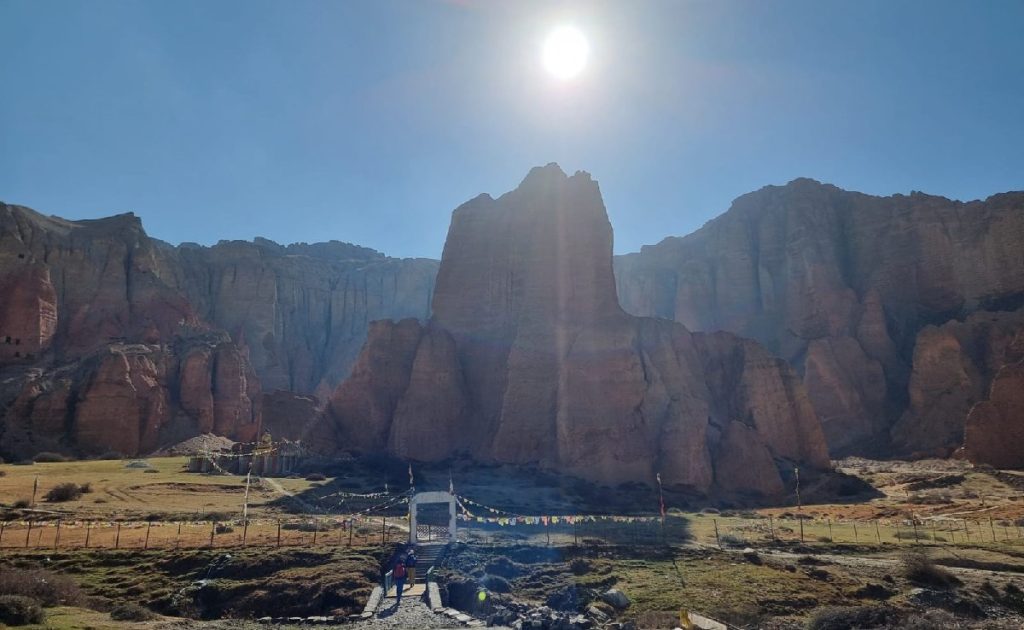
  • Otherworldly Landscapes: Picture wind-carved cliffs and golden rock formations glowing under a vast sky. For instance, in the rain shadow of Annapurna and Dhaulagiri, Mustang’s arid terrain feels like a Martian plateau. Meanwhile, dazzling views of Nilgiri and Dhaulagiri peaks add breathtaking contrast.

  • Living Tibetan Heritage: Immerse yourself in a culture unchanged for centuries. Specifically, you can visit 500-year-old monasteries adorned with vibrant murals or explore mysterious sky caves holding ancient relics. Additionally, the Tiji Festival in Lo Manthang—a three-day spectacle of masked dances—banishes evil spirits in vibrant style.

  • Exclusive Adventure: Strict permits limit visitors, ensuring an intimate trek. Therefore, this isn’t Everest’s hustle—it’s a pilgrimage through a sacred, silent land.

  • Cultural Connection: For example, chatting with monks or sipping butter tea in village teahouses lets you feel the pulse of a living Buddhist tradition.

Journey Through the Forbidden: Trek Highlights

A 12- to 16-day trek begins with a scenic flight from Pokhara to Jomsom, launching you into Upper Mustang’s magic. Key stops include:

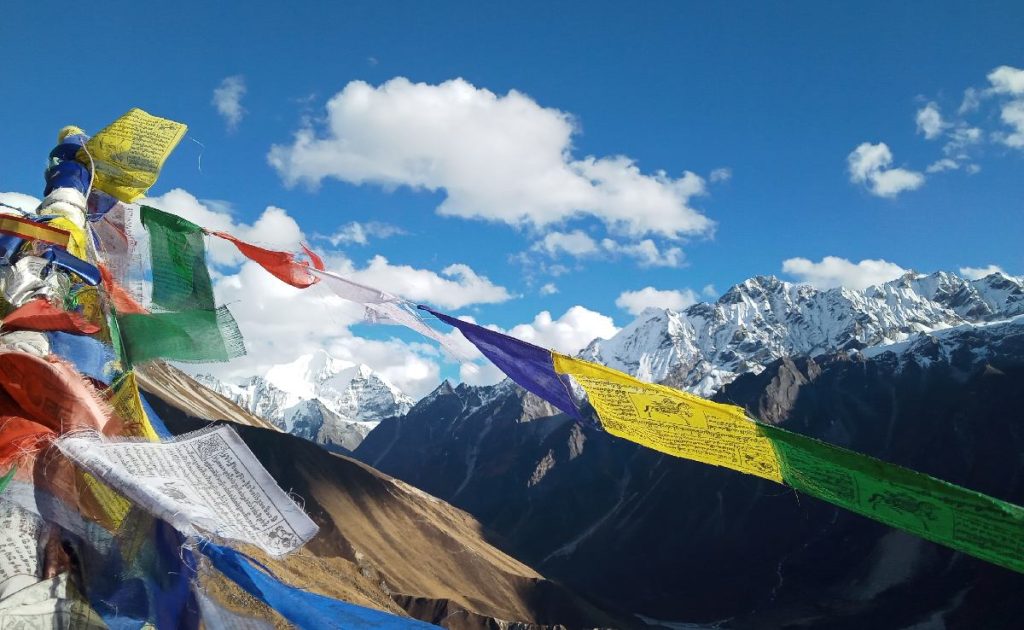
  • Kagbeni: The gateway village, where prayer flags dance and the Kali Gandaki River roars.
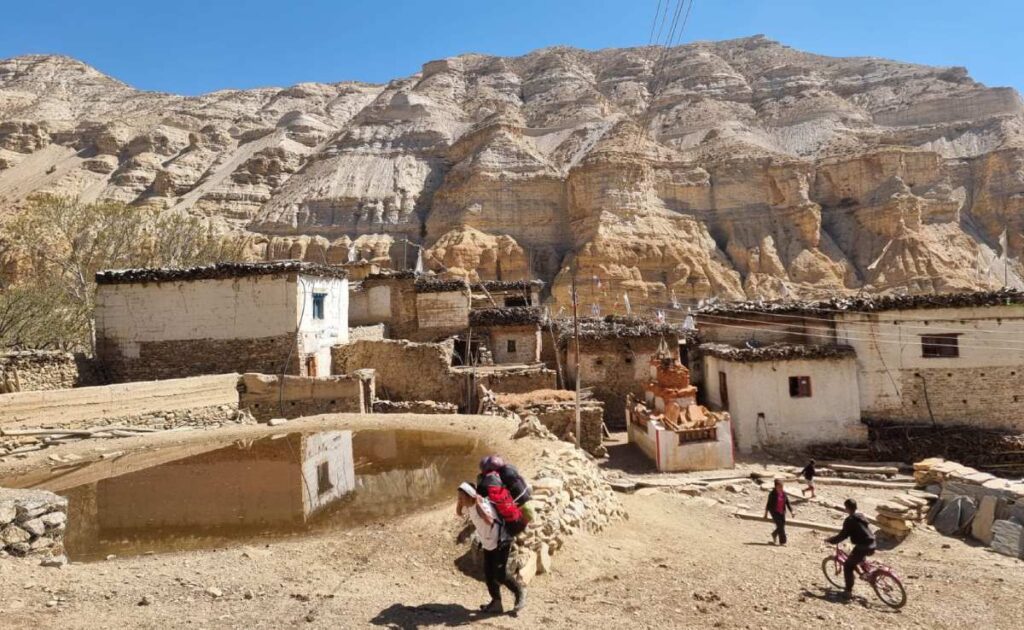
  • Chele & Syangboche: Meanwhile, these cliffside hamlets feature ancient cave dwellings carved into rock faces.
  • Geling & Ghami: Wander past endless mani walls and golden barley fields swaying in the wind.
  • Charang: For instance, marvel at a red-walled monastery and a crumbling palace steeped in history.
  • Lo Manthang: The heart of Mustang, a walled city of royal palaces and gompas humming with chants.
  • Chhoser Caves: Additionally, optional detours lead to eerie, ancient caves hiding archaeological treasures.

At a moderate 3,800m max altitude, this trek focuses less on grueling climbs and more on history and culture. Typically, expect 5-6 hours of daily trekking, ideal for fit adventurers with a thirst for discovery.

Planning Your Trek: Permits & Logistics

To protect its fragile heritage, Upper Mustang’s exclusivity comes with specific rules:

  • Permit: A Restricted Area Permit (RAP) costs USD 500 per person for 10 days, plus USD 50/day thereafter.
  • Group Size: For example, a minimum of 2 trekkers, accompanied by a licensed Nepali guide, is required.
  • Access: Fly or drive to Jomsom, then trek from Kagbeni, the official entry point.

As a result, these measures keep Mustang pristine, ensuring your journey supports local communities and conservation.

Who Should Trek Upper Mustang?

This trek is perfect for:

  • Cultural Explorers: Dive into Tibetan Buddhist traditions and ancient history.
  • Adventure Seekers: For instance, those craving a trail far from tourist crowds will love it.
  • Seasoned Nepal Travelers: Ready to venture beyond Annapurna or Everest? This is your trek.
  • Spiritual Wanderers: Additionally, it’s ideal for those seeking meditation in sacred spaces.

While moderate fitness is needed, the real requirement is a heart open to wonder and respect for Mustang’s sanctity.

Treading Lightly: Responsible Tourism

Thanks to careful stewardship, Upper Mustang’s magic endures. Specifically:

  • Community Lodges: Stay in local teahouses, directly supporting families.
  • Conservation: For example, the Annapurna Conservation Area Project (ACAP) protects the region’s ecology and culture.
  • Eco-Ethics: Moreover, strict waste rules preserve the pristine landscape.

Thus, your trek becomes a commitment to safeguarding a sacred legacy.

Step Into the Forbidden Kingdom

Upper Mustang isn’t just a trek; it’s a portal to a forgotten world. Prayer flags ripple in the desert breeze, monks chant in candlelit gompas, and ancient caves guard stories of lost eras. In other words, this is where the Himalayas meet the surreal, where every step feels like a pilgrimage.

Ready to explore? Let Himalayan Circuit , experts in Nepal’s hidden gems, craft your fully guided Upper Mustang adventure—permits, guides, and cultural insights included.

Nepal Diaries: Exploring the World’s Most Nature-Connected Country

Nepal has been recognized as the world’s most “nature-connected” country in a groundbreaking study published in the prestigious journal Ambio. This title highlights how deeply nature is woven into the lives, culture, and traditions of the Himalayan nation. For travelers, it means a unique opportunity to experience nature-connected travel in Nepal like nowhere else.

What Does “Nature-Connected” Mean?

Upper Mustang

Being nature-connected goes beyond living near forests or mountains. It reflects the emotional, spiritual, and daily bond people feel with the natural world. In Nepal, nature is more than scenery, it is a teacher, a healer, and a sacred presence.

The study shows that spirituality, cultural practices, and everyday interactions with the environment are the strongest indicators of this connection. Nature-connected travel in Nepal allows visitors to experience this bond firsthand — through festivals, rituals, and everyday life.

Nepal’s Stunning Natural Diversity

Nepal is a land of contrasts and ecological richness. Within just 200 kilometers, the landscape rises from subtropical plains to the icy peaks of the Himalayas, including Mount Everest.

This variety creates unique experiences for travelers:

  • High mountains: Ten of the world’s tallest peaks offer unmatched trekking and mountaineering adventures.
  • Lush jungles and national parks: Chitwan and Bardia are home to rhinos, tigers, elephants, and fascinating birdlife.
  • Sacred rivers: Gandaki and Bagmati flow from glacial origins to fertile plains, nourishing both land and spirit.
  • Alpine meadows, terraced hills, and pristine lakes: Places like Rara and Phewa offer serenity and breathtaking scenery.
  • Rich biodiversity: Over 6,500 species of flowering plants and 900 bird species thrive here.

Moreover, nature is part of daily life in Nepal. From monks chanting in mountain monasteries to farmers honoring the land in rituals, every moment reflects the country’s nature-connected spirit.

Experience Nature-Connected Travel in Nepal

Visitors can truly feel Nepal’s connection with nature through immersive experiences:

  • Trekking ancient Himalayan trails under snow-capped peaks
  • Meditating in sacred groves and monasteries
  • Sharing tea and stories with local villagers in the hills
  • Exploring national parks to observe wildlife responsibly
  • Participating in local festivals that celebrate the natural world

Additionally, these experiences allow travelers to understand how nature shapes culture, spirituality, and everyday life in Nepal.

A Call to the World

Nepal’s recognition as the most nature-connected country is a reminder of how humans can thrive when living in harmony with the environment. In a time of global climate challenges, Nepal offers a model for respectful, mindful, and enriching interaction with nature.

For travelers, this means a journey that nurtures not only the senses but also the soul. By exploring, observing, and participating in Nepalese life, you connect with nature in a way that stays with you forever.

Step Into Nature-Connected Travel in Nepal

At Himalayan Circuit, we invite you to experience Nepal fully, not just as a destination, but as a way of living. Trek, meditate, explore, and reconnect with the natural world the Nepalese way.

Nepal Travel News: A Decade as the Best Travel Destination

Annapurna Family Trek

Why Nepal?

Nepal is widely recognized as the best travel destination in South Asia—and for good reason—it’s a place that awakens your senses, calms your soul, and fills you with adventure. From snow-covered peaks to jungle safaris, from spiritual calm to buzzing city streets, Nepal offers something truly special: diversity, depth, and discovery.

A Decade of Global Recognition

Over the past ten years,These consistent global rankings highlight why Nepal is considered the best travel destination by major outlets year after year. For example, it was named Best Value Destination by Lonely Planet in 2017, and Kathmandu was ranked #2 worldwide for solo travel by TripAdvisor in 2025.

Moreover, respected travel platforms like Forbes, National Geographic Traveller, Wanderlust, CNN Travel, and Time Magazine have spotlighted Nepal for its thrilling adventures, deep cultural roots, conservation work, and inspiring recovery after natural disasters.

Even during the quiet pandemic years (2020–2021), Nepal remained in the hearts of many future travelers. Despite limited movement, the country continued building a story of hope, resilience, and sustainability.

Global Recognition Through the Years (2015–2025)

Year Global Recognition Highlights
2015 Forbes: “10 Coolest Places to Visit” • Lonely Planet: Best Places to Travel in October • TripAdvisor: Kathmandu in Top 20 Destinations
2016 NatGeo Traveller: Cool List #6 • Rough Guides: #1 Destination • Forbes & Fodor’s: Top Global Destination
2017 Lonely Planet: Best Value Destination • Ranked #5 in “Best in Travel 2017”
2018 Much Better Adventures: Featured trekking routes (EBC, Annapurna, Langtang, Western Nepal)
2019 Forbes: Bucket List Destination • Lonely Planet: Kathmandu Top 10 Cities (#5) • Wanderlust: Conservation success • CNN: Ghandruk among “Most Picturesque Towns in Asia”
2020–21 (Pandemic) — Limited travel features, but Nepal stayed in the spotlight as a top future adventure spot
2022 Lonely Planet: Top 8 Countries to Visit
2023 TravellersQuest: Top Packages • Time 100 Next: Kathmandu Mayor Featured
2024 Time Magazine: Bardiya (Burhan Camps) in “100 Greatest Places” • Wanderlust: Wildlife & Culture Focus • Adventure.Travel: Top 5 Nepal Sites (Rara, Illam, Gosaikunda, Bandipur, Tansen) • Travelstride: Partnered Global Tour Operators
2025 Lonely Planet: Top Destination & Terai Region Featured • Much Better Adventures: #7 in Solo Adventure Travel • TripAdvisor: Kathmandu #2 Solo Destination, #21 Overall, #7 Cultural City

Best Places to See in Nepal

Nepal is full of breathtaking landscapes and soulful experiences. Whether you’re into mountains, history, or peace and quiet, here are some of the most loved places:

  • Everest Base Camp & Annapurna Circuit – Iconic treks with world-class views
  • Langtang Valley, Manaslu, and Mustang – Peaceful, scenic, and culturally rich
  • Kathmandu Valley – Ancient cities, Durbar Squares, Boudhanath, and Swayambhu
  • Chitwan & Bardiya National Parks – Wildlife havens with tigers, rhinos, and elephants
  • Lumbini – The sacred birthplace of the Buddha
  • Pokhara – A lakeside town with Himalayan reflections and relaxing vibes
  • Rara Lake, Gosaikunda, Tansen, Bandipur, Illam – Hidden gems with serene beauty

A Personal Invitation to All Travelers

Dear Travelers,
Nepal welcomes you with open arms, majestic mountains, golden temples, lush jungles, and kind-hearted people. Whether you’re seeking high-altitude adventure, timeless heritage, or quiet reflection, this land has something for your soul.

To make your journey even more special, let Himalayan Circuit be your travel companion in Nepal. We offer more than just tours—we create meaningful, safe, and unforgettable experiences, fully personalized for your needs.

Come. Explore. Experience Nepal.

Your journey begins with Himalayan Circuit.
Namaste & Welcome!

Offbeat Treks: Tsho Rolpa & Dhudhkunda Hidden Trek Adventure

Tsho Rolpa glacial Lake

Are you an adventure seeker craving a unique trekking experience in Nepal? The Tsho Rolpa & Dhudhkunda Trek offers the perfect blend of stunning Himalayan landscapes, high-altitude challenges, and rich cultural immersion. Located in the serene Rolwaling Valley, this trek takes you to pristine glacial lakes and sacred sites revered by the Sherpa communities.

Why Choose the Tsho Rolpa & Dhudhkunda Trek?

For trekkers who enjoy challenging terrain and breathtaking views, this trek is a must-do. Here’s why:

  • Scenic Beauty: From glacial lakes to snow-capped peaks, the views are mesmerizing.
  • Sherpa Culture: Immerse yourself in the spiritual traditions and hospitality of the Sherpa people.
  • Remote & Peaceful: Escape the crowds and find tranquility on Nepal’s quieter paths.

Trek Highlights:

Tsho Rolpa Lake (15,026 ft / 4,580 m)

One of Nepal’s largest and most beautiful glacial lakes, Tsho Rolpa is surrounded by towering peaks and glaciers. Its turquoise waters offer a serene and awe-inspiring sight.

Dhudhkunda Lake (15,419 ft / 4,700 m)

A sacred high-altitude lake revered by Sherpas, Dhudhkunda provides panoramic views of the Himalayas. It’s a deeply spiritual spot that will leave you with lasting memories.

Sherpa Culture & Hospitality

Along the way, you’ll visit ancient Buddhist monasteries, witness Sherpa rituals, and enjoy the warm hospitality of these mountain people.

Day-by-Day Itinerary:

  • Day 1: Arrive in Kathmandu, explore the vibrant Thamel district.
  • Day 2: Visit Kathmandu Durbar Square and prepare for your trek.
  • Day 3: Drive to Charikot, and trek to Simigaon, a peaceful Sherpa village.
  • Day 4: Trek to Dongang (9,157 ft / 2,791 m) through lush forests and villages.
  • Day 5: Continue to Beding (12,107 ft / 3,690 m), the largest village in the Rolwaling Valley.
  • Day 6: Acclimatization day at Beding. Hike to Dolma Khang Base Camp (13,780 ft / 4,200 m).
  • Day 7: Trek to Na Village (13,724 ft / 4,183 m) and continue to the stunning Tsho Rolpa Lake (15,026 ft / 4,580 m).
  • Day 8: Trek to Dhudhkunda Lake (15,419 ft / 4,700 m) with breathtaking views of the Himalayas.
  • Day 9: Trek to Gangorkhola and drive back to Kathmandu.
  • Day 10: Rest in Kathmandu before your return flight home.

Why the Tsho Rolpa & Dhudhkunda Trek is a Must-Do

  1. Stunning Natural Beauty From the sparkling Tsho Rolpa to the majestic Mount Gaurishankar (23,134 ft / 7,134 m), the trek offers incredible scenery, including high-altitude meadows, glaciers, and dense forests.
  2. Sherpa Culture & Spirituality Experience the peace and spiritual energy of Sherpa villages. Visit monasteries, see daily rituals, and enjoy the warmth of the Sherpa people.
  3. Escape the Crowds Unlike the more popular Everest Base Camp or Annapurna Circuit treks, this route offers solitude and the chance to connect deeply with nature.
  4. High-Altitude Challenge With Dhudhkunda Lake at 15,419 feet (4,700 m), this trek offers a true high-altitude adventure. It challenges your endurance while rewarding you with stunning views.

Travel Tips for the Tsho Rolpa & Dhudhkunda Trek

  1. Packing Essentials Make sure to bring sturdy trekking boots, a thermal jacket, water bottles, and a good sleeping bag. Don’t forget your camera for the unforgettable views.
  2. Health & Safety Altitude sickness is a risk, so take it slow and drink plenty of water. Acclimatize properly and follow your guide’s advice to ensure safety.
  3. Best Time to Trek The best months to visit are March-May and September-November. These months offer clear skies, mild temperatures, and ideal trekking conditions.
  4. Local Cuisine Savor traditional Nepali dishes like dal bhat (lentil soup with rice), momos (dumplings), and Sherpa stew to keep your energy up during the trek.

Why the Tsho Rolpa & Dhudhkunda Trek is Unforgettable

The Tsho Rolpa & Dhudhkunda Trek is an adventure that blends challenging high-altitude trekking, peaceful Sherpa culture, and some of the most scenic landscapes in Nepal. Whether you’re drawn to the glacial lakes, the sacred sites, or the stunning Himalayan vistas, this trek will leave you with memories to last a lifetime.

If you’re looking for a trek that offers beauty, challenge, and deep cultural immersion, the Tsho Rolpa & Dhudhkunda Trek should be at the top of your list!

Nepal Diary: Discover Why Himalayan Circuit Unlocks Your Expedition

Himalayan circuit eco friendly bottle


Planning a trip to the Himalayas? Himalayan Circuit offers a professional, reliable, and personalized travel experience that ensures your adventure is unforgettable. Here’s why so many travelers choose us:

1. Experienced Guides and Local Expertise

  • With years of experience in the region, our team knows the Himalayas inside and out. You’ll be guided by local experts who understand the culture, terrain, and safety requirements, making your trip smooth and enjoyable.

2. Customizable Trips

  • Whether you’re looking for a challenging trek, a cultural experience, or a luxurious retreat, we offer tailor-made itineraries to suit your interests and fitness level. Your trip is designed just for you!

3. Sustainable and Responsible Travel

  • We care about the environment and local communities. By traveling with us, you’re supporting eco-friendly tourism and helping to preserve the natural beauty and culture of the Himalayas.

4. Wide Range of Destinations

  • From Nepal, Bhutan to India and Tibet, we offer a variety of destinations across the Himalayas. Whether you want to trek to Everest Base Camp or explore Bhutan’s temples, we’ve got the perfect trip for you.

5. Personalized Customer Service

  • From your first inquiry to the end of your trip, our team is always here to assist. We ensure you have all the information and support you need, making the whole process easy and stress-free.

6. All-Inclusive Packages

  • Many of our packages include everything you need: transportation, accommodation, meals, and permits. This means no hidden fees or surprises – just a smooth, hassle-free experience.

7. Safety and Comfort

  • Your safety is our top priority. We follow strict safety protocols and offer comfortable accommodations throughout your trip. Whether you’re trekking or relaxing, we ensure your well-being at every step.

8. Small Group Tours

  • We keep group sizes small so you can enjoy a more personalized experience. You’ll get to know your guide and fellow travelers better, and have more flexibility during the trip.

9. Cultural Immersion

  • Experience the rich culture of the Himalayas firsthand. From visiting ancient monasteries to meeting local people, we give you a chance to connect deeply with the places you visit.

10. Great Value for Money

  • We offer competitive pricing for high-quality services. You’ll enjoy an amazing Himalayan experience without breaking the bank.

Ready to Book Your Himalayan Adventure?

Take the first step toward an unforgettable journey. Whether you’re planning a trek or cultural tour, Himalayan Circuit has the perfect experience waiting for you. Contact us today to start planning your dream trip to the Himalayas!

Adventure Sports: Jomsom & Muktinath Motorbike Tour Adventure

The Jomsom Muktinath motorbike tour is a thrilling journey filled with adventure, cultural exploration, and spiritual significance that provides you with a lifetime experience and thrills that make this an unforgettable experience.

The Jomsom Muktinath motorcycle tour is a great way to visit some of the most famous villages in the Annapurna region and Lower Mustang region. The picturesque mountain scenery, ancient monasteries, caves, local culture, and ancient monasteries are sure to grab your attention on this trip.

The Jomsom Muktinath motorcycle tour offers you a great opportunity to experience rural Nepal and the beauty of the Nilgiris, Annapurna, and Dhaulagiri mountain ranges, as well as the Muktinath Temple.

The adventure of a motorcycle trip into Nepal’s real culture will be dreams come true for anyone who wants to experience the country’s spirituality, its natural beauty, and its adventure all at once.

The Himalayan Circuit Treks provides an excellent opportunity to explore Buddhist monasteries, cultural attractions, and mountain scenery while riding a motorcycle through Mustang and Jomsom villages.

Jomsom Muktinath Motorbike Tour Highlights

  • The trip begins in the magnificent city of Pokhara, surrounded by forested terrain, lakes, and mountains.
  • A Jomsom Muktinath ride takes you through wonderful Himalayan scenery, ancient monasteries, and culturally rich places. 
  • Muktinath is a Hindu and Buddhist shrine and is one of the Shakti Peeth temples.

The Route:

Jomsom Muktinath motorcycle tour is more than a tour; it is an odyssey through some of the world’s most dangerous landscapes. The journey is an adventure with a lifetime of memories and the opportunity to immerse yourself in Nepal’s rich culture.

From challenging trails to a spiritual experience at Muktinath Temple, you will experience a roller coaster of emotions during this 240 km journey through the Himalayas.

  • Pokhara to Beni:

The adventure begins in the picturesque city of Pokhara, known for its tranquil lakes and breathtaking mountain views. From here, you will begin your ride to Beni at the confluence of Kali Gandaki and Myagdi rivers. The trip will introduce you to Nepal’s rich rural life as you begin your ride.

  • Beni to Jomsom:

The road from Beni to Jomsom passes through the fascinating Kali Gandaki Valley, the deep Gorge formed by the Kali Gandaki River. As you climb you will see the dramatic change in scenery from lush vegetation to dry land. The view of the Nilgiri Himal and Dhaulagiri range is nothing short of spectacular.

  • Jomsom to Muktinath:

Jomsom is your next stop, a major city in the Mustang district where you will find a unique blend of Tibetan and Nepalese culture. From Jomsom, a steep and steep road leads to Muktinath, a holy place for Hindus and Buddhists.

The sacred Muktinath Temple is located at 3,710 meters above sea level, at the foot of the Thorong-La Pass, on the route of famous treks like the Annapurna circuit trek and Jomsom to Muktinath trek.

  • Muktinath to Marpha:

The journey continues from Muktinath to Marfa, a beautiful village surrounded by apple orchards. During your journey, you will have the opportunity to see beautiful views of the Mustang region, which is home to ancient monasteries. 

The Marpha Hill is located at an altitude of 4360 meters and is an excellent place for viewing Muktinath and the other villages in Dhaulagiri, the gateway to Hidden Valley, and Mt. Nilgiri (7160 meters), Yak Kawa (6482 meters), Mesokanto La (pass to Tilicho Lake, the world’s highest lake) and Tilicho Peak (7139 meters).

  • Marpha to Tatopani:

As you descend further, you will reach Tatopani, which has natural hot springs. Taking a dip in these reviving waters is a must after a day of exhilarating riding.  Traditionally, it is believed to cure many skin allergies because of its minerals. A breathtaking view awaits you as you travel through thick forests and cascading waterfalls.

  • Tatopani to Pokhara:

As you ride back to Pokhara, the great bike ride comes to an end. On the way back to Pokhara, you will get a chance to see the landscape you’ve traveled and reminisce about your incredible experiences along the way.

If you are a motorcycle enthusiast with a thirst for adventure, this adventure should be at the top of your bucket list. A Himalayan trek is an unforgettable experience for its natural beauty and spirituality. 

So, get ready for the Jomsom Muktinath Motorbike Tour with Himalayan Circuit Treks for an adventure that will be etched in your memory for the rest of your life.

Mardi Himal Trek

A Mardi Himal Trek offers the beauty of the Nepali mountains with fewer crowds, authentic teahouses, stunning rhododendron forests, and incredible Annapurna Mountain Range views. Mardi Himal trek offers a breathtaking experience surrounded by green hills and snow capped mountains while you walk in pristine forests filled with oaks and rhododendrons.

There are stunning views of Annapurna and Dhaulagiri on the west and Machhapuchhre and Manaslu on the east as one hike along a high ridge with the Mardi Himal range behind. You can get up close to mighty peaks such as Mardi Himal, Machhapuchhre, Annapurna South, and Hiunchuli.

Trekking on Mardi Himal involves walking on a narrow ridgeline surrounded by spectacular Annapurna Massifs. Budding photographers and filmmakers will have ample opportunities to capture dramatic mountain images thanks to the unobstructed and exposed views. The Mardi Himal Trek in the Annapurna region is a good choice for novices and experienced trekkers alike.

Mardi Himal Trek Highlights:

Fishtail mountain

  •         You will begin your trip in Pokhara, Nepal’s most popular tourist destination. 
  •         You will get to see the sights of Annapurna and Machhapuchhre up close.
  •         You will get to discover rich mountain cultures, incredible landscape, lush green jungles, and breathtaking natural scenery.
  •         This trek will allow you to see the sky-dominating Annapurna South (7219m), Himchuli (7893m), Lamjung Himal (6,983m), Machhapuchhre             (6993m), Mardi Himal (5587m), and many more impressive peaks. 
  •         You will get to witness a breathtaking sunset from Mardi Camp over Fishtail.

Why you’ll love this trip?

Mardi Himal Trek

Located on a side trail of the Annapurna Base Camp hike, the Mardi Himal Trek offers great views of lesser-known parts of the Annapurna Massif. This trek is a little rougher, a bit more exciting, and most importantly, less crowded than other treks in the Annapurna Region.

You will reach Mardi Himal Base Camp at 4,500 meters (17,763 ft). This trek originally had a limited number of teahouses, but since about 2011, there have been many teahouses available along the trail.

A trip to Mardi Himal trek offers a picturesque and overwhelming experience surrounded by green hills and snowcapped mountains along with walks in the pristine forest filled with rhododendrons and oak trees.

The Mardi Khola valley with snow-covered Annapurna can be enjoyed while sharing meals with friends and strangers after you reach the Mardi Base Camp (4500 m) after acclimatizing at the two high camps.

The Mardi Himal trek leads along a high ridge with views of the Annapurna range and Dhaulagiri in the west and the Machhapuchhre and Manaslu mountain range in the east.

Unique experiences in Mardi Trek:

Mountains above clouds

  •         Mardi Himal Trek is a short trekking tour in the Mardi Himal that takes you to high altitudes of the Himalayas, so you can see the mountain ranges up close and unobstructed.
  •         The Mardi Himal Trek route consists of eight camps where you can enjoy the views, including Base Camp (4,500 meters), High Camp (3,600 meters), Babal Dada Low Camp (3,150 meters), Kokar Forest Camp (2,600 meters), Pitam Deurali (2,100 meters), (1,750 meters), etc.
  •         The Mardi Himal Trek is a moderately challenging trek in the Annapurna region. The first couple of days are easy, and then the latter days become more challenging as you gain elevation toward base camp. This trek, however, is comparatively easy compared to others in the Annapurna region.
  •         Mardi Himal trekking adventure takes you through green and peaceful forests, offering a wonderful experience of walking through the wilderness.
  •         As the Mardi Himal Trek follows a fairly simple route, it is one of the best options for solo trekkers.


Mardi Himal Trek Route:

Path-to-mardi

Mardi Himal Trek takes you to the top of Mardi Himal in the Annapurna region of Nepal. Pokhara is the starting point for the Mardi Himal trek, after which you take the drive to Kande and trek from there to Pothana or Deurali.

Then we move to the low camp, then on to the high camp, and finally on to Mardi base camp. Then we trek down to Siding after the wonderful experience in base camp. Afterward, we return to Pokhara by private vehicle (jeep, car, van, etc.).

Mardi Himal Trek: How difficult is it?

snow in mardi

You don’t need super fitness for this trek, however moderate fitness is still required since you’re trekking through the Himalayas of Nepal. You will have to cross some rocky sections near the high camp and base camp.

The Mardi Himal Trek is a normal to moderate-level trek in the Annapurna region. Trekking with a basic level of fitness is possible, but a good training program will make your trek more rewarding. The trek does not require climbing skills.

When to trek?

Sunrise from mardi

Mardi Trek is best done in the autumn, from mid-September to mid-October, and from late November to early December. March–May is the second best season of the year to go to Mardi trekking.

The skies are clear during December – January – February, but the weather can get very cold and snowfall can close passes. May to June is Nepal’s hot pre-monsoon season, which is still a good time to trek to Mardi.

During the winter, the paths going to the Mardi Himal are usually covered in snow, and the weather becomes exceedingly dry and frigid. Snow-covered mountains and visual splendor, however, make this time of year a memorable one.

A hike up the Mardi Himal will surely remain in your memory. There will always be something to cherish about the scenic beauty and the enthralling atmosphere.

Experience a true adventure by trekking to Mardi with the Himalayan Circuit, which will bring you through a lush forest of pines, rhododendrons, oaks, and dense Gurung villages.