Nepal Diary: Planning Your Trip – What You Need to Know

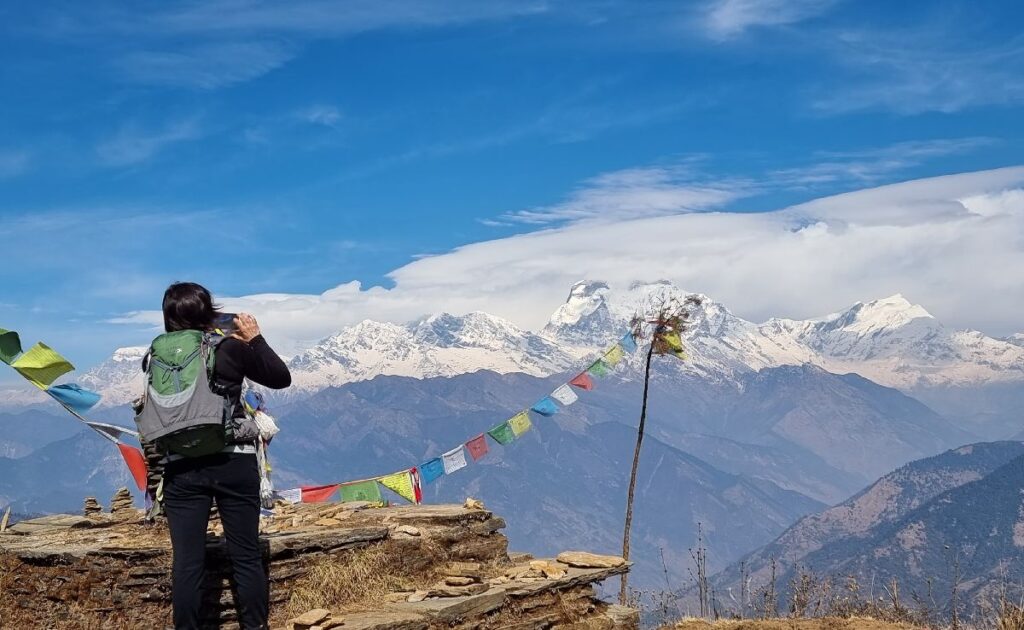
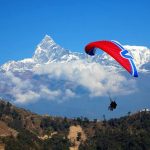
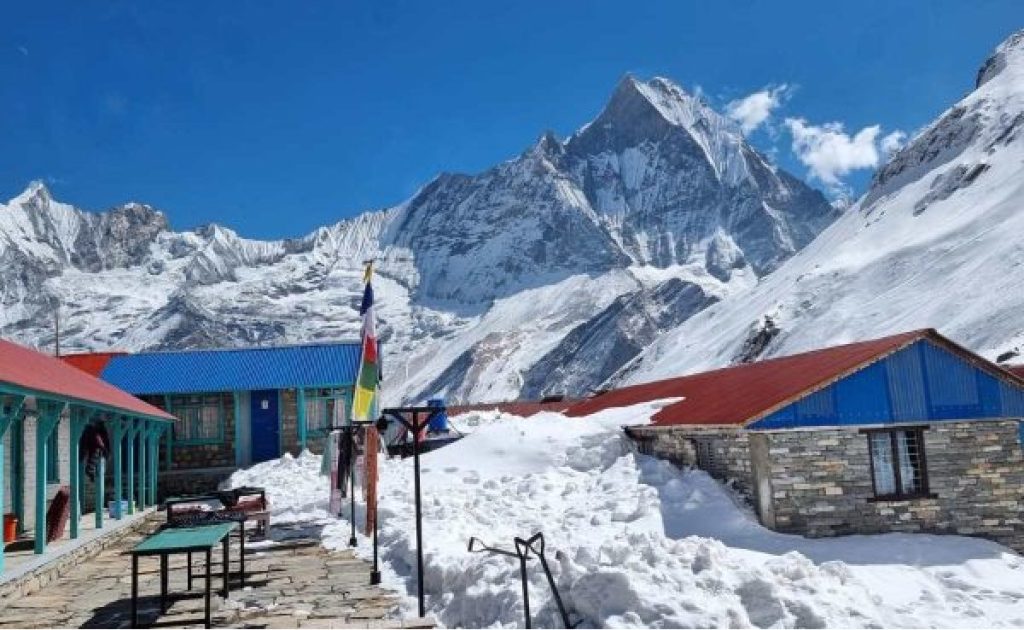
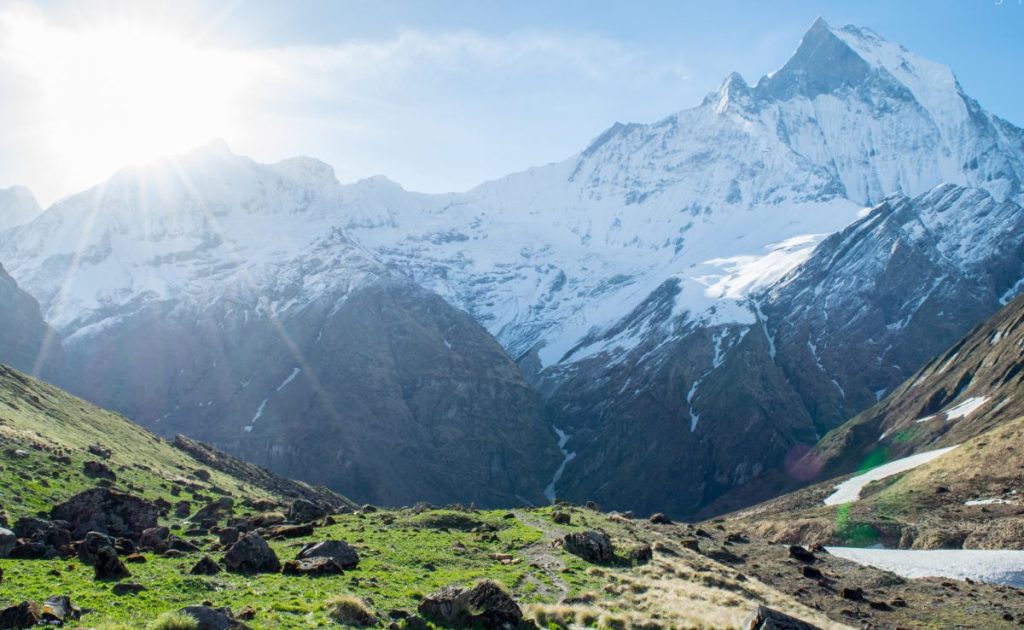
Himalayan peaks in Nepal – Nepal best travel destination

If you’re looking for the best Nepal travel guidebooks to plan your next adventure, you’re in the right place. Nepal offers stunning natural beauty and deep cultural richness—all without breaking the bank. But to make the most of your trip, having the right travel guide is essential.

One of the best ways to prepare is by choosing a reliable travel guidebook that matches your travel style. For all the wanderers with Nepal on their bucket list, here’s a detailed review of the best travel guidebooks and essential tips to help you get started.

Why Visit Nepal?

Nepal is a fascinating country that attracts more visitors each year. One of the main reasons to visit is the people. There’s a saying: You come for the mountains, but you stay for the people. Their warmth and hospitality leave a lasting impression.

Nepal also offers incredible cultural diversity. All major world religions are represented here, and the country’s deep spiritual heritage is seen in its temples, rituals, and daily life.

Then there’s the landscape. Though small in size, Nepal is known worldwide for its dramatic scenery—from towering peaks to lush jungles. It’s also a country of festivals. With so many ethnic groups and traditions, Nepal celebrates something nearly every week, earning its title as the Land of Celebrations.

Top Travel Guidebooks for Nepal

Lonely Planet Nepal

Lonely Planet’s Nepal guidebook is one of the most trusted resources for travelers. It covers both famous destinations and off-the-beaten-path gems. You’ll find tips on exploring Pokhara’s lakes, wandering through the cultural streets of Kathmandu, spotting tigers in Bardiya, and trekking through the Himalayas. It’s a go-to companion for both first-timers and repeat visitors.

Rough Guide to Nepal

This guide takes you across the country—from the high Himalayas to the lowland Terai. It highlights key attractions like Everest, the Pokhara Valley, and Ilam’s tea estates. It also dives into Nepal’s spiritual sites, including Buddhist stupas and Hindu temples.

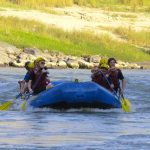
Outdoor adventurers will appreciate dedicated sections on trekking, rafting, and mountaineering. The language is clear and informative, perfect for practical planning.

Nepal Trekking Guidebook by Trailblazer

This one is a great pick for trekkers. It helps you plan your itinerary based on your interests and ability. The book covers everything from classic routes to lesser-known trails and even the demanding Great Himalaya Trail.

Detailed route guides include regions like Makalu, Kanchenjunga, Langtang, and Solukhumbu—ideal for anyone serious about trekking in Nepal.

Insight Guides Nepal

If you’re planning a longer stay and want cultural depth along with travel planning, this book is ideal. It combines inspiring photos with informative content in a magazine-style format.

Besides popular trekking regions like Annapurna and Everest, the book also explores historical cities like Kathmandu, Patan, and Bhaktapur. You’ll also find background on Nepal’s history, people, and traditions.
Nepal Travel Tips for First-Time Visitors

Visa and Entry Requirements

Most international visitors can get a visa on arrival at Tribhuvan International Airport. Just make sure to carry your passport and be ready to pay the applicable fee. Alternatively, you can apply for a visa online or through a Nepalese embassy or consulate before your trip. Tourist visas are typically valid for up to 90 days.

Best Time to Visit Nepal

Nepal’s peak tourist seasons are autumn (September to November) and spring (March to May). These months offer clear skies and pleasant temperatures—ideal for sightseeing and trekking.

If you’re trekking, these are the best times to go. Monsoon season (June to August) brings heavy rains and humidity, making high-altitude treks difficult. However, it’s a great time to visit the lush Terai region and spot wildlife in national parks.

Health and Safety Tips

Your health should be a top priority when traveling in Nepal. Before your trip, consult a doctor about recommended vaccinations like hepatitis, typhoid, tetanus, and rabies.

Trekking at high altitudes can lead to Acute Mountain Sickness (AMS). To reduce the risk, ascend slowly, drink lots of water, and consider carrying medication like Diamox. It’s also best to avoid tap water—stick to bottled water and eat at clean, hygienic places.

Pack a basic first-aid kit with medicines for common issues like colds, fevers, or stomach problems.

Nepal offers a one-of-a-kind travel experience with its breathtaking scenery, vibrant culture, and spiritual depth. Whether you choose Lonely Planet, Rough Guide, Trailblazer, or Insight Guides, having the right travel guidebook can make all the difference. And if you need personalized advice, feel free to reach out to us with your questions—we’re here to help.

Of course, traveling with a knowledgeable local guide adds even more value. They can lead you to hidden gems, help you connect with local culture, and ensure your journey is safe and enriching.

Let Nepal surprise you—and don’t forget to embrace its rhythm, respect its traditions, and soak in every moment.
Nepal Opens 97 Peaks for Free Climbing Beyond Everest

Nepal, the land of majestic mountains and unparalleled adventure, is making headlines again. The government has opened 97 previously restricted peaks for free climbing to promote tourism in its remote western regions. This bold move aims to diversify mountaineering tourism, reduce congestion on Mount Everest, and create income opportunities for local communities.

(CNNNews18BBC)

Why Nepal is Opening New Peaks

For decades, Mount Everest has dominated the mountaineering scene in Nepal, attracting thousands of climbers annually. However, overcrowding, rising costs, and environmental concerns have prompted authorities to shift attention to lesser-known regions.

Benefits of the initiative include:

  • Affordable Adventure: Permit fees for 97 peaks are waived for the next two years, making Himalayan mountaineering accessible to more adventurers.
  • Economic Upliftment: Tourism in Karnali and Sudurpashchim provinces, which have limited infrastructure, will generate jobs and income for local communities.
  • Decongesting Everest: Encouraging climbers to explore alternative peaks will reduce pressure on Everest’s heavily trafficked routes.

Himal Gautam, Director at the Department of Tourism, said:
“The aim is to bring more visitors to remote regions, create jobs, and generate income for local communities. This initiative will also help promote Nepal’s unexplored mountain destinations.”

Details of the Newly Accessible Peaks

  • Number of Peaks: 97 (77 in Karnali, 20 in Sudurpashchim)
  • Altitude Range: 5,870 meters (19,258 ft) – 7,132 meters (23,399 ft)
  • Notable Peaks: Saipal (7,030 m), Api (7,132 m), Api West (7,076 m)

Many of these peaks remain “virgin,” awaiting their first climbers, offering a unique opportunity to explore untouched Himalayan landscapes.

New Rules for Mount Everest Climbers

Alongside opening new peaks, Nepal is introducing stricter regulations for Everest aspirants:

  • Climbers must first scale at least one 7,000-meter peak within Nepal.
  • Everest permit fees will increase from USD 11,000 to USD 15,000 per person, effective September 1, 2025.
  • These measures aim to ensure climbers are experienced and to maintain safety and environmental standards.

(Outside OnlineTravel and Tour World)

Challenges and Considerations

While this initiative is a game-changer, climbers should be aware of the following:

  • Remote Access: Sudurpashchim is 535 km from Kathmandu, Karnali 400 km; both require flights and challenging road travel.
  • Limited Amenities: Basic accommodation and services; climbers must prepare adequately.
  • Environmental Responsibility: Increased tourism may impact fragile ecosystems. Authorities are implementing safety and sustainability guidelines.

Why You Should Consider These Peaks

  • Discover untouched regions of Nepal away from the Everest crowd.
  • Experience authentic Himalayan adventure with fewer climbers on the trails.
  • Contribute to local communities and sustainable tourism.

Whether you are a seasoned climber or an aspiring adventurer, these newly opened peaks provide an affordable, challenging, and rewarding experience in the Himalayas.

Plan Your Adventure with Himalayan Circuit

Himalayan Circuit can help craft custom itineraries, obtain permits, and arrange local guides for these new peaks. Explore Nepal beyond Everest and experience the hidden gems of the western Himalayas.

Email: connect@himalayancircuit.com
WhatsApp / Cell: +977 9851121494

References:

  1. CNN Travel: Nepal opens 97 mountains for free climbing
  2. News18: Nepal opens untouched peaks for tourists
  3. BBC: Nepal opens 97 peaks for free climbing
  4. Travel + Leisure Asia: Nepal opens 97 remote peaks
  5. Outside Online: Everest & 97 Peaks
  6. Travel and Tour World: Free access to 97 peaks

Kathmandu Diary: Solo Travel Adventures in Kathmandu

Holi Celebration

When you think of Nepal, what comes to mind? Majestic mountains, serene landscapes, vibrant culture, and rich history? If you’re a solo traveler, Kathmandu, Nepal’s bustling capital, should be at the top of your travel list. Recently, TripAdvisor ranked Kathmandu as the second-best destination for solo travel in the world, and it’s easy to see why. This vibrant city offers everything a solo traveler could wish for—adventure, culture, spirituality, and reflection—all wrapped up in one amazing destination.

Why Kathmandu is a Top Solo Travel Destination

Kathmandu is more than just the gateway to the Himalayas. It’s a perfect blend of spirituality, history, and modern-day adventure. Whether you’re strolling through ancient temples, exploring modern art galleries, or sipping coffee in a trendy cafe, Kathmandu offers a wide range of experiences that cater to every type of solo traveler. From its bustling streets to its peaceful temples, Kathmandu is a place where you can lose yourself and discover new parts of your own soul.

1. Kathmandu: A Safe Haven for Solo Travelers

Kathmandu stands out for being safe and welcoming for solo travelers. The city has a well-established tourist infrastructure, making it easy for those traveling alone to find affordable accommodations, local guides, and even other solo adventurers. The locals are incredibly friendly, and English is widely spoken, especially in tourist areas like Thamel.

Kathmandu’s busy, but manageable, streets offer a comforting familiarity. Whether you’re asking for directions to one of the many UNESCO World Heritage Sites or enjoying a meal at a traditional Nepali restaurant, you’ll quickly feel at home in this lively city.

2. Explore Spirituality and Culture in Kathmandu

Kathmandu is the perfect place for solo travelers seeking cultural and spiritual experiences. The city is home to several of Nepal’s most famous historical and religious sites, including:

  • Swayambhunath Stupa (Monkey Temple): For incredible panoramic views and a sense of serenity.
  • Boudhanath Stupa: One of the largest and most iconic stupas in the world.
  • Pashupatinath Temple: A sacred Hindu site where rituals are performed along the Bagmati River.

Each of these sacred places offers the opportunity for reflection and meditation, making Kathmandu an ideal city for personal growth and self-discovery.

3. A Thriving Adventure Hub for Solo Trekkers

For adventurous solo travelers, Kathmandu is the perfect base camp. The city is the starting point for some of the world’s most famous trekking routes, including:

  • Everest Base Camp Trek: The adventure of a lifetime to reach the foot of the world’s tallest mountain.
  • Annapurna Circuit: A stunning trek through lush forests, terraced fields, and high-altitude deserts.
  • Langtang Valley: A peaceful trek with breathtaking views and fewer crowds.

Kathmandu also offers adventure activities like paragliding in nearby Pokhara or exploring scenic hill stations like Nagarkot for a fresh perspective of the Himalayan range.

4. Meet Like-Minded Travelers in Thamel

Kathmandu’s Thamel district is a popular spot for backpackers and solo travelers from around the world. The area is full of cafes, hostels, and shops, where you can meet other like-minded adventurers. If you’re looking to connect with fellow solo travelers, Thamel is the place to be.

With a mix of budget accommodations and local food, this area offers plenty of opportunities for solo travelers to unwind, chat, and plan their next adventure.

5. Cultural Immersion at Its Best

Kathmandu offers solo travelers a chance to immerse themselves in Nepalese culture. You can:

  • Visit vibrant markets like Asan Bazaar, where you can shop for spices, textiles, and handcrafted goods.
  • Take part in cooking classes to learn how to make traditional Nepali dishes like momo and dal bhat.
  • Explore local art workshops or attend yoga retreats to connect deeper with the local lifestyle and spirituality.

Kathmandu is not just a place to see, but a place to experience—and as a solo traveler, that means endless opportunities for personal connection.

6. The Joy of Solo Reflection in Kathmandu

Kathmandu is the perfect city to find peace and solitude. Whether you’re gazing at the sunrise over the Himalayas from Nagarkot or sitting quietly by the Bagmati River, you’ll find numerous spots in Kathmandu to reflect, recharge, and find clarity.

For those seeking mindfulness and self-discovery, Kathmandu offers the right environment to slow down, take a breath, and connect with your inner self.

Tips for Making the Most of Your Solo Trip to Kathmandu

  1. Stay in Thamel: This district is full of hostels, cafes, and activities tailored for solo travelers.
  2. Hire a Local Guide: Explore Kathmandu’s historical sites with a knowledgeable guide to enhance your experience.
  3. Embrace Local Culture: Spend time exploring markets, trying local dishes, and joining cultural workshops.
  4. Go Trekking: Kathmandu is your launch point for some of the best trekking routes in the world—don’t miss the opportunity to hit the trails.
  5. Respect Local Customs: Be mindful of local traditions and dress modestly when visiting religious sites.

Conclusion: Your Solo Adventure Awaits in Kathmandu

Kathmandu is more than just a city; it’s a destination for growth, adventure, and cultural immersion. It’s where spirituality meets modern life, where ancient temples blend with bustling streets. Whether you’re looking for a spiritual retreat, an adventure-packed journey, or simply a place to reflect, Kathmandu has it all.

So, pack your bags, grab your camera, and get ready for an unforgettable solo journey in the heart of Nepal! For more information about trekking, cultural experiences, and the best solo travel tips in Nepal, visit HimalayanCircuit.Com—your ultimate guide to solo travel in Nepal.

Everest Region: Pikey Peak Trek with Stunning Everest Views

If you’re looking for an exciting yet peaceful trekking experience in the Everest region of Nepal, the Pikey Peak Trek is a fantastic option. This 10-day trek offers incredible views of Mount EverestLhotse, and Makalu, all while taking you through the quieter, lesser-known parts of the Solu region. Perfect for those who want to escape the crowds but still experience the beauty of the Himalayas.

At Himalayan Circuit, we offer a guided Pikey Peak trek that combines adventure, culture, and breathtaking scenery. Whether you’re a seasoned trekker or a beginner, this trek provides the perfect balance of challenge and reward.

Why Choose the Pikey Peak Trek?

  1. Unforgettable Views of Mount Everest and the Himalayas

One of the biggest highlights of the Pikey Peak Trek is the stunning panoramic view from the summit. Standing at 4,065 metersPikey Peak offers a clear view of Mount EverestLhotseMakalu, and other towering peaks in the Everest region. The sunrise from the peak is especially spectacular, with the golden light illuminating the majestic snow-capped mountains.

  1. Off-the-Beaten-Path Trekking Experience

Unlike popular treks like the Everest Base Camp trek, the Pikey Peak Trek takes you through less crowded routes. This means you can enjoy a more peaceful and serene trekking experience, free from the hustle and bustle of the main tourist trails. You’ll trek through remote villages, dense forests, and alpine meadows, all while soaking in the natural beauty of the Khumbu region.

  1. Immerse Yourself in Sherpa Culture

On the Pikey Peak trek, you’ll have the chance to learn about the rich culture and traditions of the Sherpa people. Along the way, you’ll visit Buddhist monasteries, interact with locals, and explore charming Sherpa villages like Junbesi and Bhandar. This is a great opportunity to understand the unique way of life in the Himalayas.

  1. Moderate Difficulty for All Skill Levels

The Pikey Peak Trek is considered a moderate trek, making it suitable for most trekkers with average fitness levels. While it involves uphill climbs and some physical effort, the pace is gradual, allowing plenty of time for acclimatization. Whether you’re a beginner or an experienced trekker, this trek offers a manageable challenge with great rewards.

  1. A Perfect Trek for Nature Lovers and Photographers

The trek takes you through lush forestspicturesque villages, and mountain ridges, all offering stunning views of the surrounding landscape. Whether you’re an avid photographer or simply someone who loves nature, the Pikey Peak Trek is perfect for capturing the beauty of the Himalayas.

What to Expect on the Pikey Peak Trek

Altitude and Acclimatization

The highest point of the trek is Pikey Peak at 4,065 meters. The trek’s gradual ascent helps with altitude acclimatization, reducing the risk of altitude sickness. You’ll have plenty of opportunities to rest and adjust before reaching the summit, ensuring a safe and comfortable trekking experience.

Accommodation on the Trek

Throughout the Pikey Peak Trek, you will stay in local teahouses and lodges, which offer a comfortable and authentic experience. These teahouses are run by local families, where you can enjoy homemade food and connect with the community.

Local Cuisine

The trek offers a chance to try traditional Nepali dishes, such as dal bhat (lentils and rice), momos (dumplings), and Tibetan bread. These meals provide the energy you need to continue trekking each day and help you experience local flavors.

Best Time to Trek Pikey Peak

The best times to do the Pikey Peak Trek are during the spring (March to May) and autumn (September to November). During these seasons, the weather is clear, temperatures are moderate, and you’ll get the best views of the surrounding peaks.

  • Spring (March to May): Mild temperatures, clear skies, and great visibility of the mountains.
  • Autumn (September to November): Ideal weather for trekking with stable conditions and great mountain views.

Packing for the Pikey Peak Trek

To make your trek comfortable, it’s essential to pack the right gear. Here’s what to bring:

  • Warm layers for chilly mornings and evenings.
  • Good trekking boots for comfortable walking on mountain trails.
  • Rain gear in case of unexpected showers.
  • Sun protection (sunscreen, hat, and sunglasses).
  • A quality sleeping bag for chilly nights in the teahouses.
  • Trekking poles to assist with balance during steep climbs.

Why Book Your Pikey Peak Trek with Himalayan Circuit?

At Himalayan Circuit, we provide an expertly guided trekking experience. Our experienced guides are locals who know the region well and will ensure that your trek is safe, enjoyable, and culturally enriching. We take care of all logistics, including permits, accommodation, and meals, so you can focus on enjoying your adventure.

Book Your Pikey Peak Trek Today: 

The Pikey Peak Trek is a perfect choice for those looking to experience the beauty of the Everest region without the crowds. With stunning views, rich Sherpa culture, and a moderate level of difficulty, this trek offers something for everyone. Whether you’re a nature lover, a photographer, or simply looking for an unforgettable adventure, the Pikey Peak Trek is sure to leave you with lasting memories.

Book your Pikey Peak Trek with Himalayan Circuit today, and start planning your dream trek in the heart of the Himalayas.