Inside Humla: Culture, Traditions and Mountain Life

Humla Culture

Unlike busy tourist destinations, Humla offers a slower way to experience the Himalayas. Here, traditions still influence everyday life. They appear in local villages, religious practices, farming, architecture, and seasonal activities.

For travelers who want to understand Himalayan life beyond the popular trekking routes, Humla culture offers a fascinating experience.

Where Is Humla?

Humla lies in northwestern Nepal along the border with Tibet. Simikot serves as the district headquarters and the main entry point for most travelers visiting the region.

The district remains one of the most remote areas of Nepal. Its location has helped local communities maintain many traditional ways of life.

Humla also has a diverse population. The southern and central areas have a strong Khas cultural influence. In contrast, the northern regions, especially around Limi Valley and Namkha, show a strong Tibetan cultural influence.

As a result, Humla brings together different languages, religions, traditions, and ways of life within one mountain district.

Why Is Humla Culture So Special?

Humla culture stands out because of its diversity and strong connection to the natural environment. The region does not have one single cultural identity.

In southern and central Humla, Khas traditions, the Nepali language, and Hindu customs shape everyday life. Further north, Buddhist communities maintain Tibetan-influenced traditions, languages, and religious practices.

The region also has a long history of trade and pilgrimage across the Himalayas. These routes connected communities in Nepal and Tibet and helped shape local culture over many generations.

Religion also plays an important role in daily life. It influences festivals, farming practices, seasonal movement, and relationships with sacred places.

This close connection between people, faith, and the mountains makes Humla culture particularly distinctive.

Major Highlights of Humla Culture

Simikot and Local Village Life

Simikot is the district headquarters and the starting point for many journeys through Humla. It provides travelers with their first introduction to the region’s mountain communities and local lifestyle.

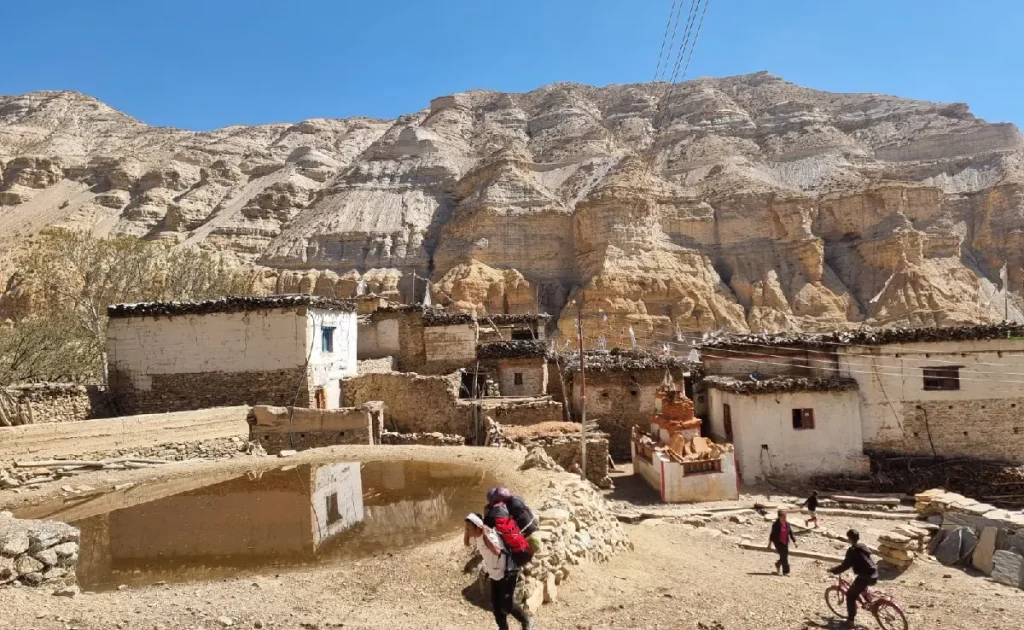
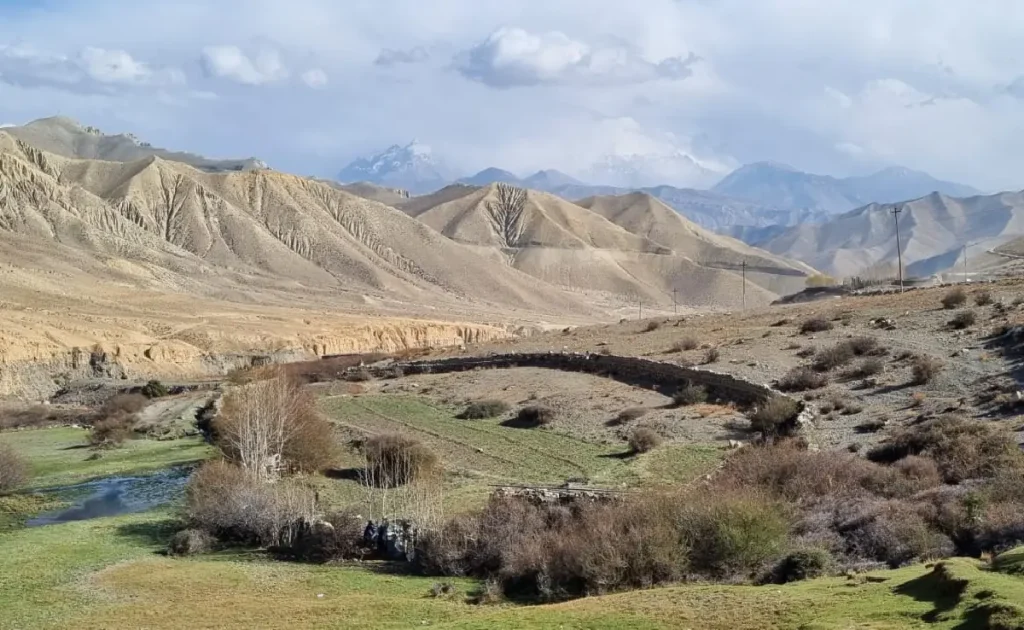
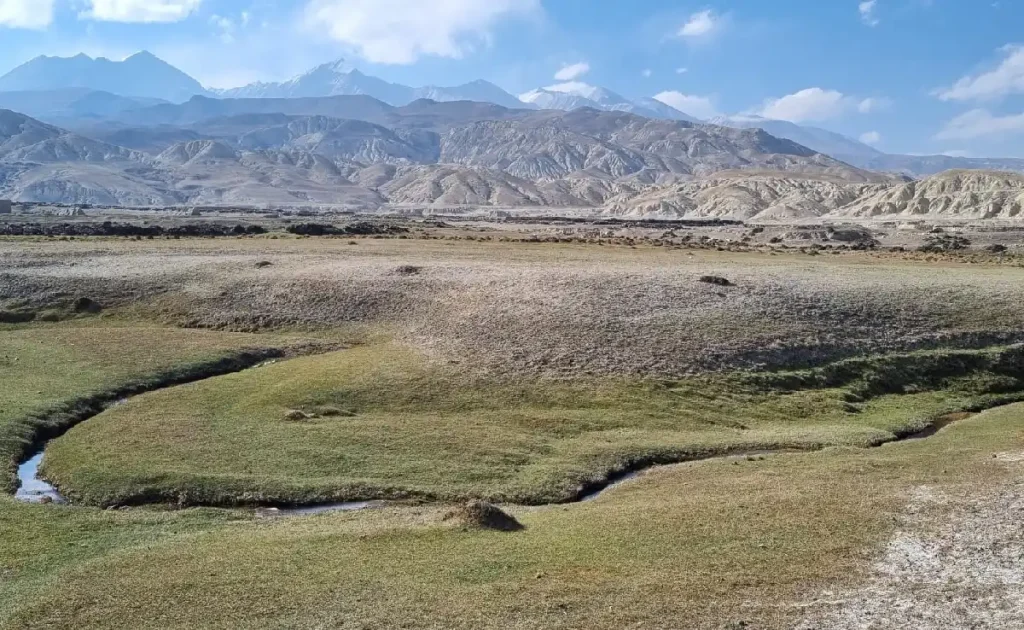
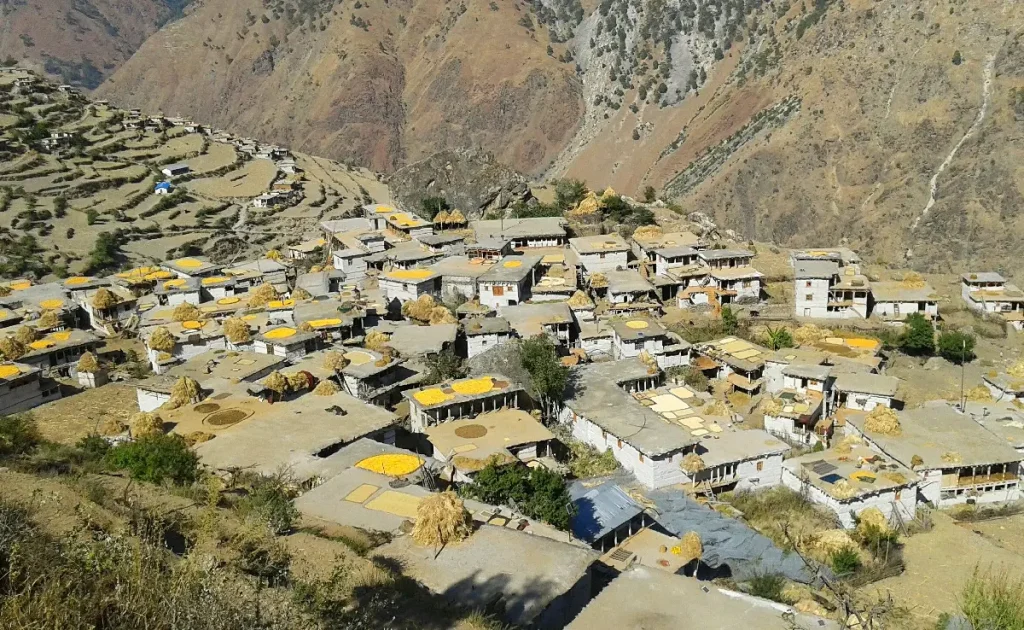
Beyond Simikot, the trail leads through traditional villages, steep mountain paths, farmland, and highland landscapes. Stone houses and small settlements reflect how people have adapted to the challenging environment.

Limi Valley and Tibetan Culture

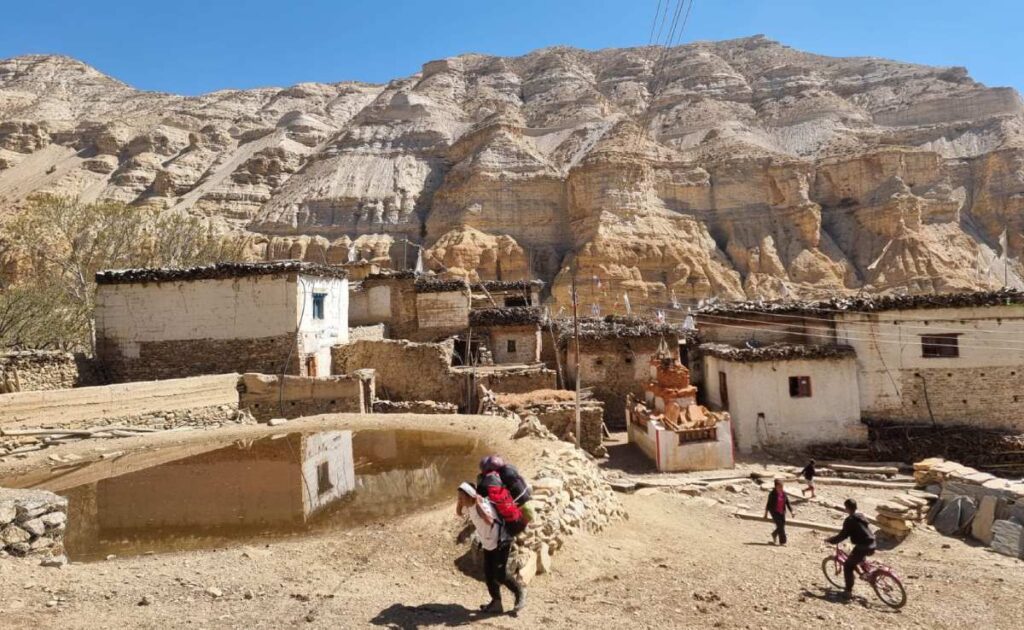
Limi Valley offers one of the most distinctive cultural experiences in Humla. The valley has a strong Tibetan Buddhist influence that remains visible in its villages, monasteries, architecture, and religious traditions.

For centuries, communities in Limi Valley have maintained cultural practices connected to the wider Himalayan region. The valley’s remote location has also helped protect many traditional customs.

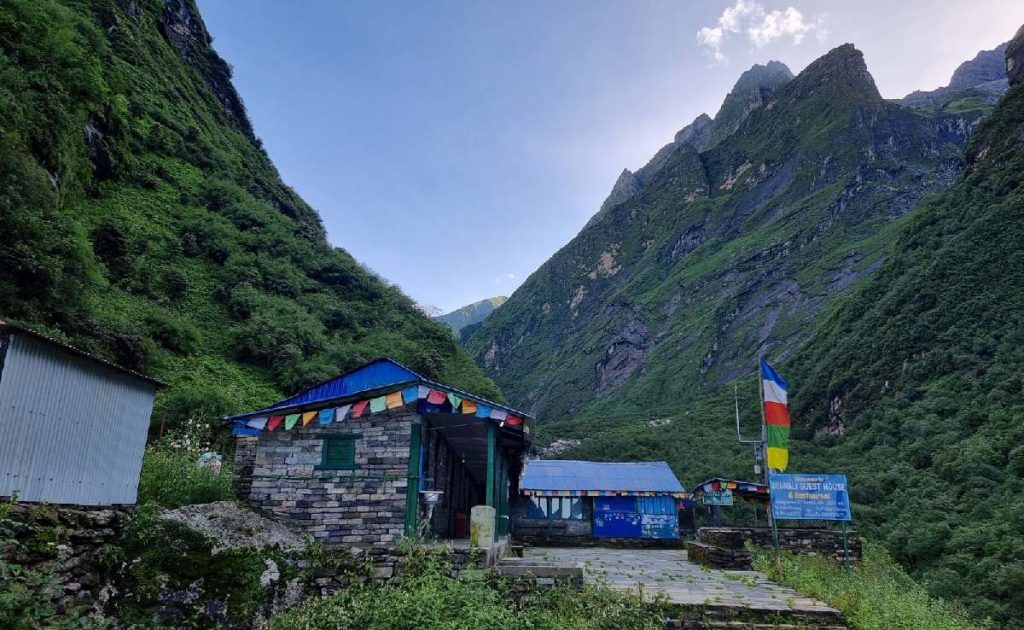
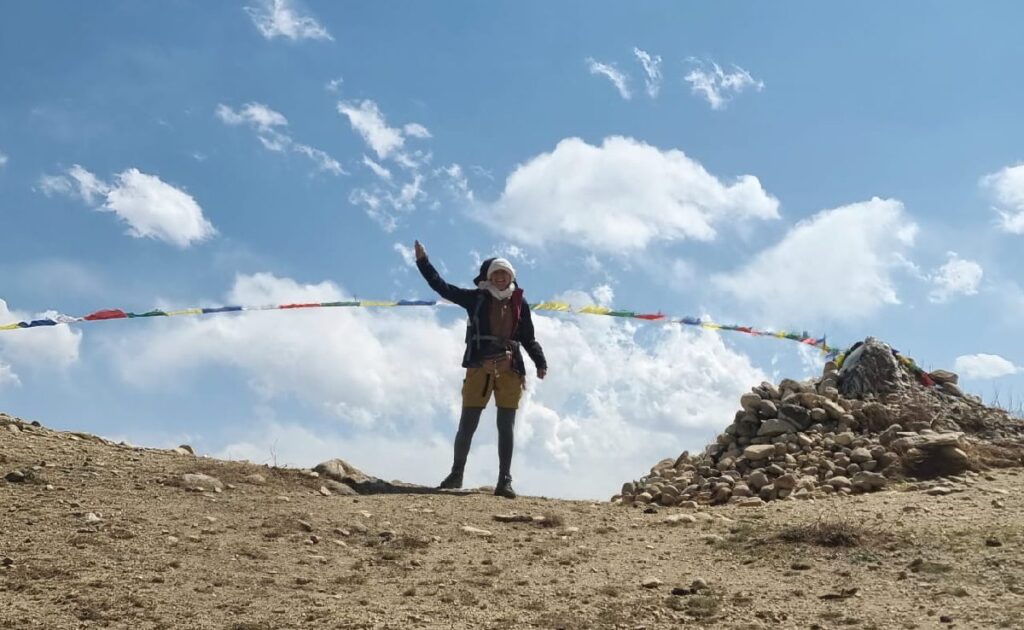
Visitors can see monasteries, chortens, mani walls, prayer flags, and traditional stone houses throughout the area. These features provide a glimpse into the daily life and spiritual traditions of the local communities.

Traditional Architecture and Religious Heritage

Architecture provides another way to understand Humla culture. Local people build many houses from stone and other materials that suit the cold mountain climate.

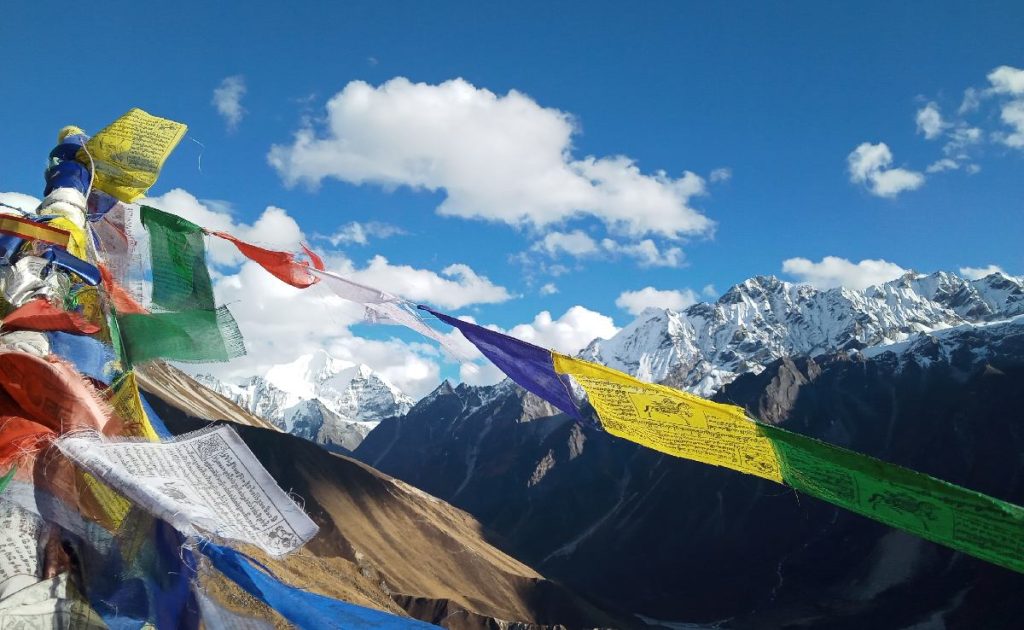
In Buddhist areas, monasteries, chortens, mani walls, and prayer spaces form an important part of village life. Prayer flags add color to the landscape while also carrying religious meaning.

Traditional clothing, jewelry, village design, and religious objects also reflect the region’s cultural diversity.

Ancient Trade and Pilgrimage Routes

Humla has long served as a link between communities in Nepal and Tibet. Traders, pilgrims, and local residents once traveled across mountain routes to exchange goods and maintain social connections.

These historic routes influenced the culture of northern Humla. They also helped connect remote villages with wider Himalayan communities.

Today, the old routes offer travelers a chance to experience landscapes that have played an important role in local history.

Traditions and Spiritual Life

Religion remains an important part of life in Humla. Hindu traditions, Tibetan Buddhism, Bon practices, and local spiritual traditions all contribute to the cultural landscape.

In Buddhist communities, monasteries and prayer spaces often serve as important centers of village life. People may gather there for religious ceremonies, festivals, and community activities.

Local spiritual traditions also connect people with nature and their ancestors. Sacred mountains, caves, springs, and other natural places can hold special meaning for local communities.

These beliefs often influence seasonal activities and daily routines. As a result, spiritual life in Humla extends beyond monasteries and temples.

For travelers, learning about these traditions can provide a deeper understanding of the communities they visit. However, visitors should always approach religious sites and local customs with respect.

Mountain Life in Humla

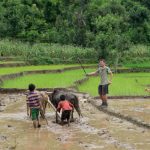
Life in Humla depends heavily on altitude, weather, and geography. Villages can sit far from major roads, markets, and other services. As a result, local communities have developed ways to adapt to the demanding mountain environment.

People rely on several traditional livelihoods. Agriculture, livestock rearing, small-scale trade, and seasonal herding all play important roles.

In the higher regions, families may move livestock between different grazing areas as the seasons change. This practice helps communities make use of available pasture throughout the year.

Walking also remains an important part of daily life. Long trails connect villages, fields, grazing areas, and neighboring settlements.

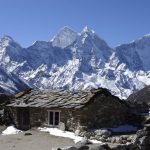
The landscape shapes local architecture as well. Stone houses provide protection from cold temperatures and strong mountain winds.

Together, these practices show how closely mountain life in Humla connects people with their environment.

Things to Experience in Humla

Humla rewards travelers who take their time. Instead of rushing between attractions, spend time observing local life and exploring the surrounding villages.

Walking through Simikot and nearby settlements offers an easy introduction to the region. You can observe traditional houses, local farming practices, and everyday village activities.

Limi Valley provides an even deeper cultural experience. Its Buddhist heritage, traditional villages, mountain landscapes, and slower pace of life make it a fascinating destination for cultural travelers.

You can also visit monasteries and other religious sites along the route. Always ask for permission before entering restricted areas or photographing people during religious activities.

Another rewarding experience is simply walking through the landscape. The combination of high mountains, traditional settlements, grazing lands, and ancient trails creates a strong sense of place.

Humla is therefore ideal for travelers who want to experience culture as part of everyday life, rather than simply visit a list of tourist attractions.

Best Time to Visit Humla

Weather plays an important role when planning a trip to Humla. The region’s remote location and high elevation can make travel more difficult during unfavorable weather.

Spring and autumn generally offer good conditions for trekking and cultural journeys. From March to May, temperatures become more comfortable, and the landscape becomes greener and more colorful.

Autumn, from September to November, usually brings clearer skies and good mountain visibility. These conditions make it an excellent season for exploring villages and trekking through the region.

Humla’s rain-shadow areas can also provide trekking opportunities during parts of the monsoon season. However, weather and trail conditions can vary between different parts of the district. Travelers should check current local conditions before planning their journey.

Winter brings colder temperatures and can make high-altitude travel more challenging. Some routes may also become difficult because of snow and freezing conditions.

Humla offers much more than dramatic Himalayan scenery. Its diverse communities, traditional villages, spiritual practices, historic trade routes, and mountain livelihoods create a rich cultural landscape.

The combination of Khas and Tibetan influences makes the region especially interesting. In addition, the remote villages and highland environment provide a closer look at how people have adapted to life in the Himalayas.

For travelers who want to understand Humla culture and experience traditional mountain life, this remote corner of Nepal offers something genuinely different.

Humla may require more time and effort to reach than Nepal’s popular destinations. However, that journey is part of the experience. The reward is an opportunity to explore a region where culture, community, and the mountains remain closely connected.

Bhairav Kunda Trek: A Sacred Journey Through the Himalayas

Bhairav Kunda Trek

Why Choose the Bhairav Kunda Trek?

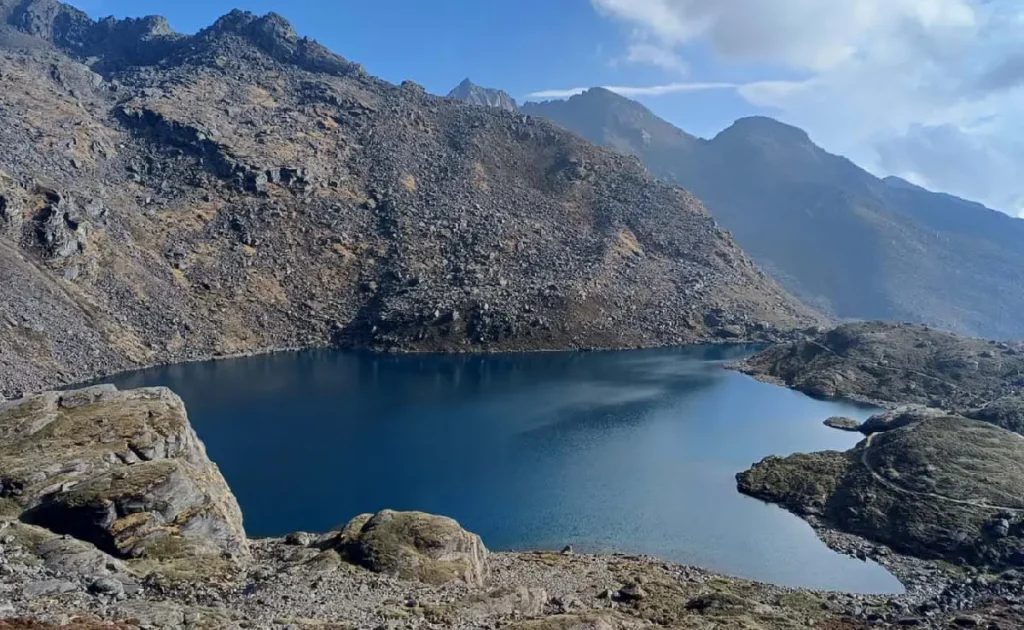
Nepal offers many trekking routes, but the Bhairav Kunda Trek stands out for its combination of mountain scenery and spiritual significance. The trail leads to Bhairav Kunda Lake, a sacred alpine lake named after Bhairav, a fierce form of Lord Shiva. Many devotees consider the lake spiritually significant and visit it as a pilgrimage site.

The trail also offers beautiful views of the Jugal Himal, Gaurishankar, Dorje Lakpa, and surrounding high ridges. Since fewer trekkers visit this route, you can enjoy a quieter and more peaceful experience than on many of Nepal’s popular trekking trails.

Major Highlights of the Bhairav Kunda Trek

Bhairav Kunda Lake

The main attraction of the trek is Bhairav Kunda Lake itself. The lake sits in a beautiful alpine landscape surrounded by mountains and open high-altitude terrain. Its peaceful setting makes it an ideal place to rest and enjoy the natural surroundings.

The lake also holds deep religious importance for local communities and Hindu and Buddhist pilgrims. During Janai Purnima, many devotees visit Bhairav Kunda and take ritual dips in the sacred water.

Spectacular Himalayan Views

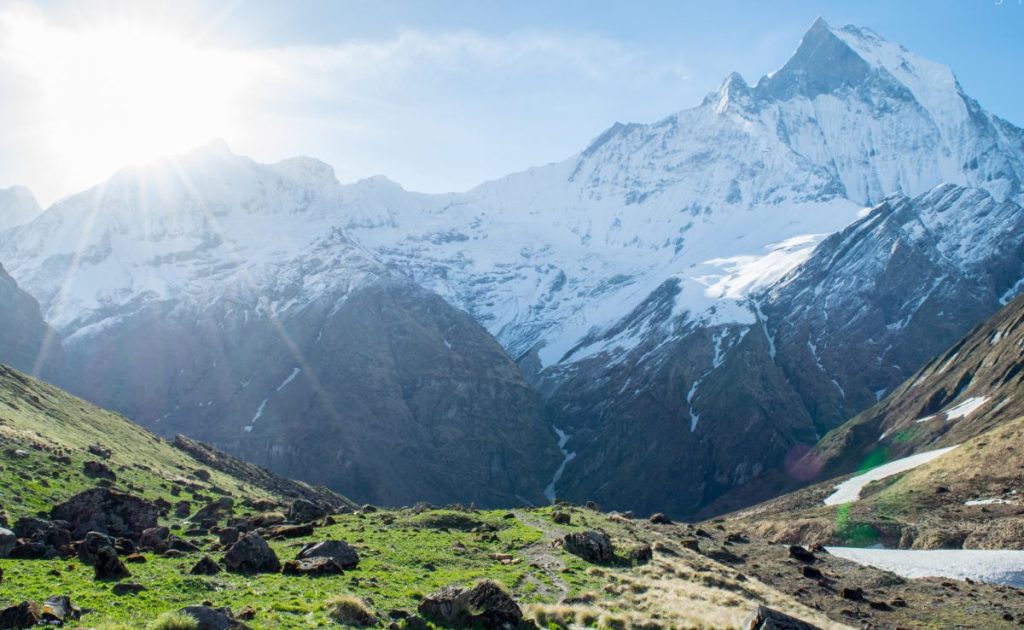
The trek rewards you with impressive views of several Himalayan ranges. On clear days, you can see the Jugal Himal, Gaurishankar, and Dorje Lakpa. You may also catch views toward the Tibetan Plateau from higher sections of the route.

These mountain views give the Bhairav Kunda Trek a true Himalayan atmosphere. The scenery feels even more impressive because the trek takes place over a relatively short distance.

Villages, Forests, and Alpine Landscapes

The route takes you through a variety of landscapes. You will pass through traditional Tamang and Sherpa villages, forests, farmland, alpine meadows, and rocky terrain.

As you gain altitude, the landscape gradually changes. Green vegetation gives way to open hills and more rugged terrain near the lake. This variety keeps the trail interesting throughout the journey.

Trekking Experience and Trail Atmosphere

The Bhairav Kunda Trek offers a moderate trekking experience, but the high altitude makes the final ascent more demanding. You need reasonable physical fitness to handle the uphill sections comfortably.

The trail changes as you climb higher. Lower sections often feature wider paths and more vegetation. Higher sections become steeper and more exposed, with fewer trees and more alpine terrain.

The peaceful atmosphere adds another attraction to the trek. You can walk through quiet forests, pass local villages, and enjoy long stretches of mountain scenery without the crowds found on Nepal’s more famous trekking routes.

When you finally reach Bhairav Kunda Lake, the open landscape creates a calm and almost meditative atmosphere. The combination of the sacred lake, mountain air, and surrounding peaks makes the journey especially rewarding.

Things to Do at Bhairav Kunda

Once you reach Bhairav Kunda Lake, take some time to enjoy the peaceful surroundings. Sit near the shore, admire the mountains, and appreciate the quiet atmosphere before continuing your journey.

Pilgrims can also learn about the religious traditions associated with the lake. During Janai Purnima, devotees visit the area to perform rituals and take a sacred dip in the lake.

The trek also offers plenty of opportunities for photography. The lake, surrounding ridges, changing clouds, villages, forests, and distant Himalayan peaks create beautiful scenes throughout the day.

If you enjoy cultural experiences, take time to observe village life along the route. Meeting local people and seeing traditional settlements can add another dimension to your trekking experience.

Best Time to Visit Bhairav Kunda

Spring and autumn are the best seasons for the Bhairav Kunda Trek. During these months, the weather usually remains clearer, and the trails offer better conditions for trekking. You can also enjoy clearer views of the surrounding Himalayan peaks.

Spring, from March to May, brings pleasant temperatures and colorful vegetation to the lower sections of the trail. Autumn, from September to November, usually offers stable weather and excellent mountain visibility.

Janai Purnima falls during the monsoon season and brings many pilgrims to Bhairav Kunda. However, heavy rainfall can make the trails slippery and increase the risk of landslides. Trekkers should take extra care if they plan to visit during this period.

Winter can also offer beautiful views and a peaceful experience. However, temperatures drop significantly at higher elevations, and snow can make some sections more challenging.

For the best combination of comfortable trekking conditions and mountain views, spring and autumn remain the ideal seasons to visit Bhairav Kunda.

Travel Tips for Trekkers

Bhairav Kunda sits at an elevation of more than 4,000 meters, so you should take altitude seriously. Even though the trek does not take as long as many famous Himalayan routes, the elevation can make the climb physically demanding.

Walk at a steady pace and avoid rushing the final ascent. Drink enough water throughout the trek and give your body time to adjust to the increasing altitude. If you experience symptoms of altitude sickness, do not ignore them.

Accommodation and food facilities can be basic along the route. Teahouses may not operate in every section, so check the available facilities before starting your trek and carry the essentials you need.

Mountain weather can change quickly. Pack warm and waterproof clothing, even when the weather looks favorable at the beginning of the trek. Good trekking shoes, a warm sleeping bag, a headlamp, and basic first-aid supplies can also make the journey more comfortable.

You should also plan your transportation carefully. Some roads leading toward the trailhead can be rough, especially during the monsoon season.

Finally, remember that Bhairav Kunda is a sacred site. Respect local customs, keep the surroundings clean, and avoid disturbing religious activities or sacred areas.

The Bhairav Kunda Trek offers a unique combination of Himalayan scenery, cultural experiences, and spiritual significance. The route takes you through traditional villages, forests, alpine landscapes, and rugged mountain terrain before reaching the peaceful shores of Bhairav Kunda Lake.

For trekkers looking for a quieter alternative to Nepal’s crowded trekking routes, Bhairav Kunda offers an excellent experience. Its short duration also makes it an attractive option for travelers who want to experience the Himalayas without committing to a long expedition.

With beautiful mountain views, a sacred alpine lake, and a peaceful trail, Bhairav Kunda is one of the rewarding short treks near Kathmandu.

Nepal Travel News: Building a Better Future for Nepal Tourism

Nepal Tourism

Nepal Tourism Enters a New Chapter

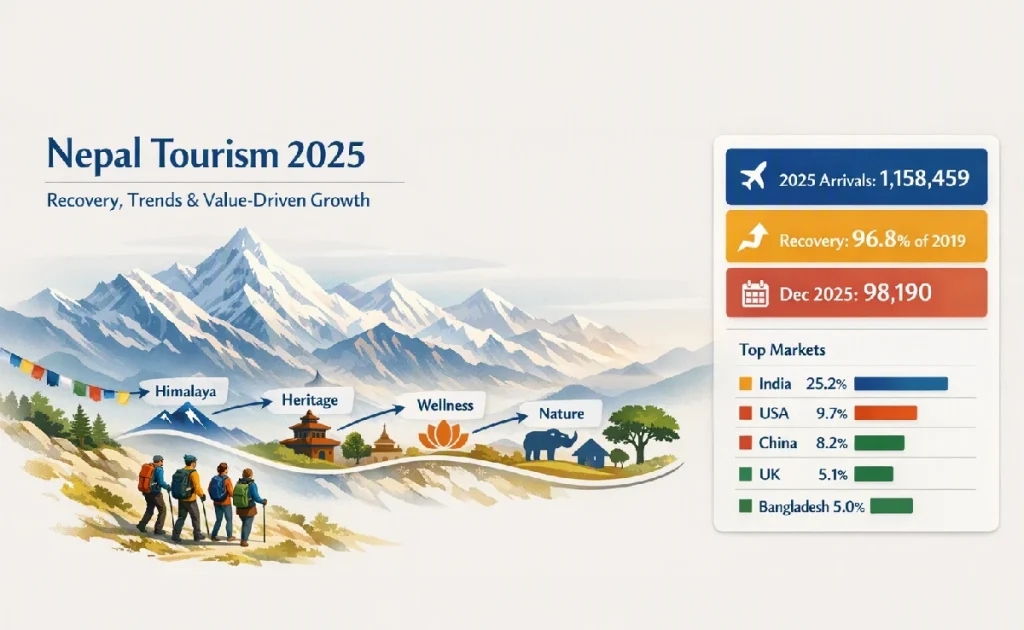
Nepal tourism is entering a promising new chapter. International visitor numbers continue to rise, and traveller confidence has returned. As a result, the country is once again attracting strong interest from markets around the world.

In 2025, Nepal welcomed more than 1.15 million international visitors. The sector moved close to pre-pandemic levels, and the positive trend continued into 2026. June arrivals exceeded both June 2025 and June 2019, showing that demand continues to grow.

More visitors create exciting opportunities. Travellers enjoy better connections, more accommodation choices, and a wider range of experiences. However, one important question remains. Is Nepal tourism ready for its next stage of growth?

Looking Beyond Visitor Numbers

At Himalayan Circuit, we believe numbers tell only part of the story.

Successful Nepal tourism creates memorable experiences, builds trust, supports local communities, and protects destinations for future generations. A growing industry should improve quality as well as visitor numbers.

Today’s travellers know more than ever before. They compare destinations, read reviews, and expect authentic experiences. They also value responsible travel, professional guides, comfortable accommodation, reliable transport, and clear communication throughout their journey.

Meeting these expectations requires much more than attractive itineraries. It requires strong planning, skilled people, and consistent service.

Building a Stronger Tourism Industry

A successful Nepal tourism industry depends on strong foundations.

The country must continue investing in guide training, hospitality, transport, accommodation, safety, and destination management. Every improvement strengthens the visitor experience and supports local businesses.

The industry should measure success through quality as well as growth. Better service, stronger partnerships, and reliable operations create long-term confidence among travellers.

Why Local Knowledge Matters

Local knowledge gives travellers a better experience.

Himalayan Circuit operates directly from Nepal. Our team understands seasonal conditions, local festivals, cultural traditions, transport networks, and regional differences. We also maintain close relationships with local communities and tourism partners across the country.

This knowledge allows us to solve problems quickly and design journeys that reflect local realities. Instead of following generic travel templates, we create experiences that feel authentic and personal.

Raising Standards Across Nepal Tourism

The future of Nepal tourism depends on continuous improvement.

Guides, drivers, accommodation providers, tourism planners, and local hosts all shape the visitor experience. Every part of the journey matters.

At Himalayan Circuit, we strengthen our operations through careful planning and close cooperation with trusted partners. We refine our itineraries, improve communication, and support high service standards across every journey.

Our goal remains simple. We want every traveller to leave Nepal with unforgettable memories.

Responsible Tourism Creates Long-Term Value

Responsible tourism has become an essential part of modern travel.

Nepal’s mountains, forests, rivers, wildlife, heritage sites, and local communities form the heart of the country’s tourism industry. Protecting these resources benefits both travellers and future generations.

Himalayan Circuit supports community-based experiences whenever possible. We encourage responsible travel behaviour, reduce unnecessary waste, and work with local businesses that share our sustainability values.

When tourism supports local communities, everyone benefits.

Nepal Offers More Than Trekking

Many people know Nepal for its famous trekking routes. Today, however, the country offers much more.

Travellers now explore wellness retreats, spiritual journeys, wildlife safaris, heritage villages, cultural experiences, educational travel, and community-based tourism. These experiences allow visitors to connect more deeply with Nepal while spreading tourism benefits across different regions.

This diversity also encourages tourism companies to design more meaningful journeys. Instead of simply moving between attractions, travellers can spend more time learning, connecting, and experiencing local life.

Great Journeys Begin with Great People

People create unforgettable journeys.

Modern hotels, good roads, and digital booking systems improve travel, but they cannot replace genuine hospitality. Skilled guides, experienced drivers, welcoming hosts, and dedicated planners make every journey memorable.

As Nepal tourism continues to grow, the industry must invest in training, language skills, safety, hospitality, and professional development. These investments strengthen both businesses and visitor confidence.

The strongest tourism companies will always stand out because of their people.

The Future of Nepal Tourism

The recovery of Nepal tourism is real, but the work has only begun.

The next challenge involves building a stronger and more resilient tourism industry. Nepal must continue improving service standards, destination management, workforce development, and local partnerships. These improvements will help the country compete successfully in the global travel market.

At Himalayan Circuit, we see this moment as an opportunity. We continue strengthening our guide network, improving operations, expanding partnerships with responsible local businesses, and creating journeys that deliver lasting value for travellers and communities alike.

Nepal offers extraordinary landscapes, remarkable cultural heritage, and genuine hospitality. These strengths have attracted travellers for generations. The future of Nepal tourism now depends on how wisely the industry protects these assets and how well it serves every visitor.

Recovery marks an important milestone. Building a stronger, more sustainable, and more responsible tourism industry is the next step.

Nepal Diaries: Vacations in Nepal That Create Memories for a Lifetime

Planning a holiday is about more than choosing a destination. It is about creating memories that stay with you long after the journey ends. If you are searching for a place that combines breathtaking landscapes, rich culture, warm hospitality, and unforgettable adventures, vacations in Nepal should be at the top of your list.

Nestled between India and China, Nepal is a land of dramatic contrasts. Towering Himalayan peaks rise above peaceful valleys, while ancient temples stand beside bustling local markets. Every region has its own traditions, festivals, cuisine, and landscapes, giving visitors countless opportunities to explore something new.

Although Nepal is famous for Mount Everest and world-class trekking, the country offers much more than mountain adventures. You can spend your mornings hiking through picturesque villages, your afternoons sharing meals with local families, and your evenings watching monks light butter lamps in centuries-old monasteries. Every experience reveals another side of Nepal and helps you connect with its people, culture, and history.

Whether you are an adventure enthusiast, a cultural explorer, or someone seeking peace and spiritual discovery, Nepal welcomes every traveller with open arms. Instead of simply visiting famous attractions, you become part of the journey. That is what makes vacations in Nepal truly unforgettable.

Trek Through the Spectacular Himalayas

For many travellers, trekking is the highlight of their trip. Nepal is home to eight of the world’s fourteen highest mountains, making it one of the greatest trekking destinations on Earth. However, the beauty of trekking in Nepal extends far beyond its snow-covered peaks.

Every trail introduces you to a different side of the country. One day you may walk through dense rhododendron forests, while the next takes you across suspension bridges hanging above rushing rivers. Along the way, you pass charming mountain villages where smiling locals greet visitors with genuine hospitality.

Unlike many hiking destinations, trekking in Nepal combines stunning landscapes with rich cultural experiences. Ancient monasteries, colourful prayer flags, traditional stone houses, and peaceful farmlands become part of the journey. Each step brings a new view and a new story.

Experience the Legendary Everest Base Camp Trek

The Everest Base Camp Trek remains one of the world’s most iconic adventures. Every year, thousands of trekkers travel to Nepal to witness the beauty of the world’s highest mountain.

The journey begins with an exciting flight to Lukla before following the famous trail through the Khumbu region. As you climb higher, dramatic mountain scenery unfolds around every corner. Snow-covered giants, deep valleys, and crystal-clear rivers create unforgettable landscapes throughout the trek.

The route also introduces travellers to the unique culture of that Place. Visitors pass colourful Buddhist monasteries, spinning prayer wheels, and traditional villages where hospitality remains a way of life. These cultural encounters make the journey just as memorable as reaching Everest Base Camp itself.
One of the most magical moments comes at sunrise. As the first rays of sunlight touch the Himalayan peaks, the mountains glow in brilliant shades of gold and orange. It is a breathtaking experience that reminds travellers why Nepal remains one of the world’s greatest adventure destinations.

Explore the Diverse Annapurna Region

The Annapurna region offers a completely different trekking experience. It is famous for its remarkable diversity, both in landscapes and local culture.

Trails pass through terraced rice fields, dense forests, alpine meadows, and high mountain passes. Every day presents a different environment, making the journey exciting from start to finish.

The Annapurna Circuit is one of Nepal’s most celebrated trekking routes. Along the way, visitors meet communities from different ethnic backgrounds, each with its own traditions, architecture, and customs. Local teahouses provide comfortable places to rest while offering delicious homemade meals and warm hospitality.

Because of its variety, the Annapurna region appeals to both experienced trekkers and first-time visitors. It offers an excellent balance of adventure, natural beauty, and cultural discovery.

Watch the Sunrise from Ghorepani Poon Hill

ABC trek altitude gain view from Poon Hill

Not every visitor has several weeks available for trekking. Fortunately, Nepal also offers shorter routes that deliver equally rewarding experiences.

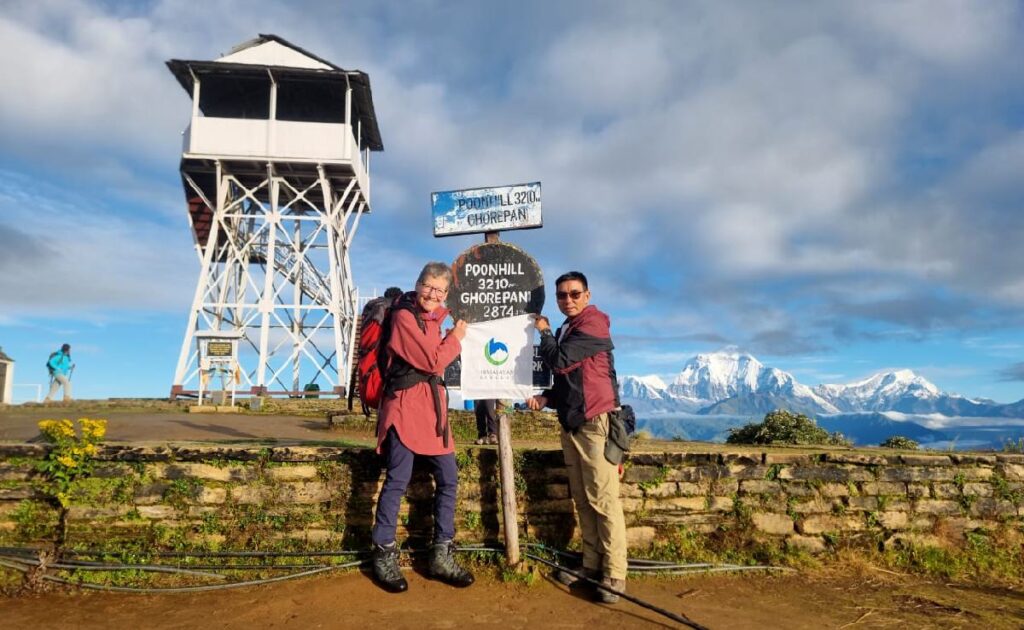
The Ghorepani Poon Hill Trek is one of the country’s most popular short adventures. It combines comfortable walking trails with spectacular Himalayan scenery, making it suitable for travellers of different fitness levels.

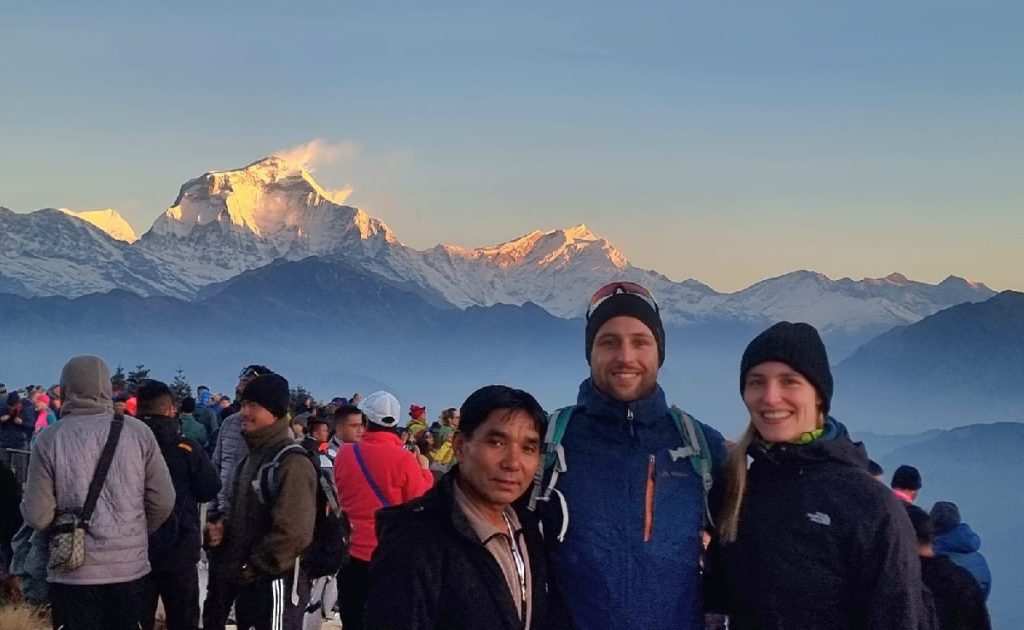
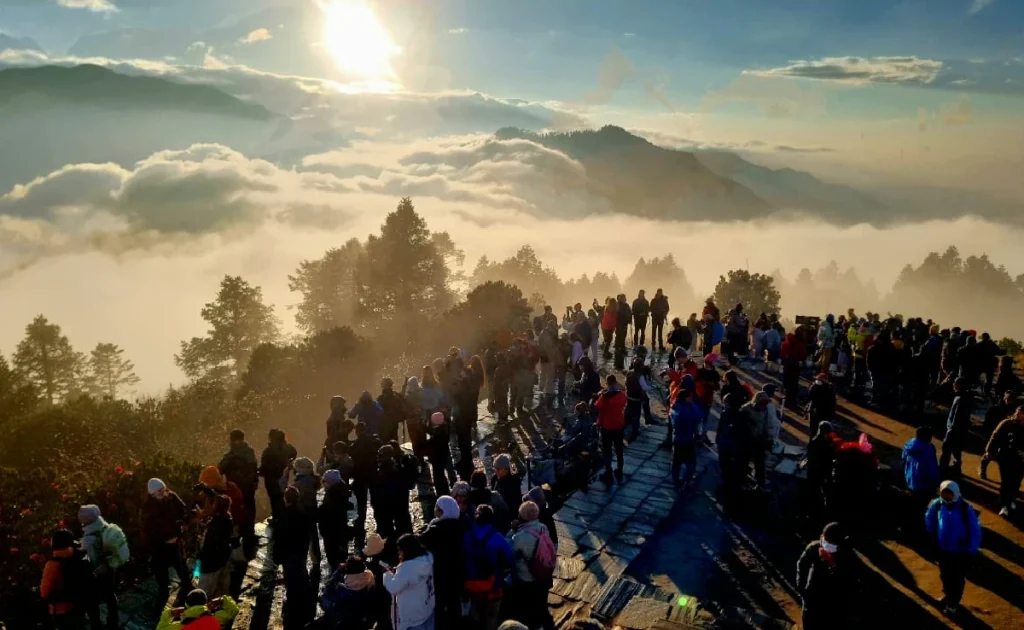
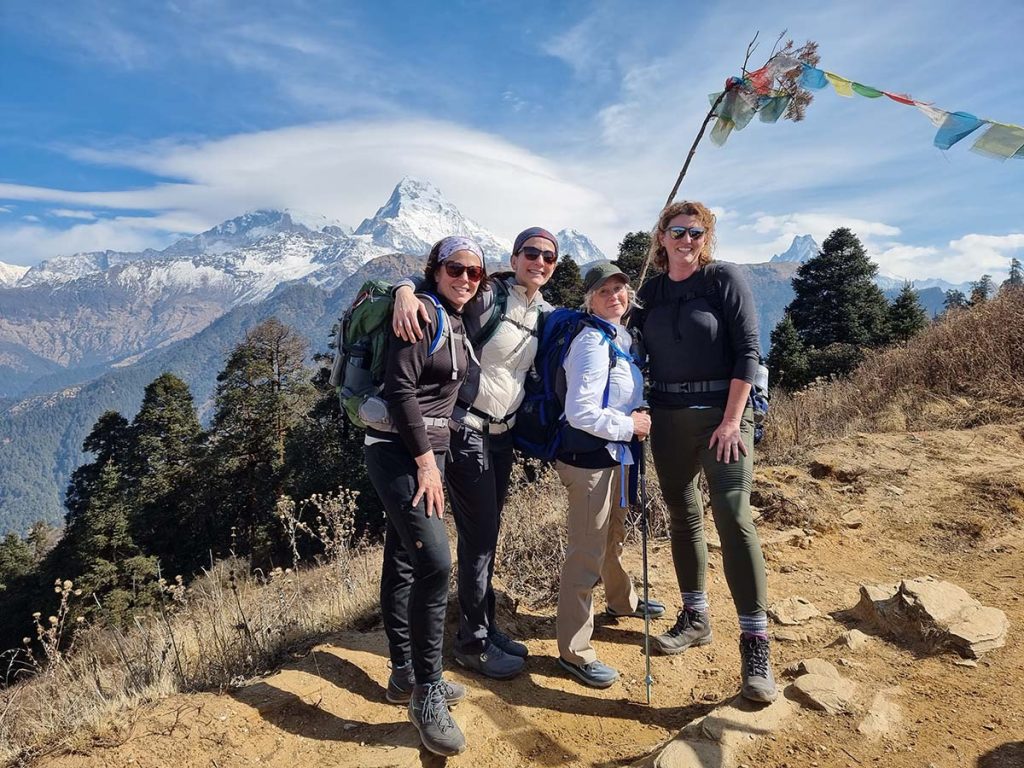
The highlight of the trek is the early morning hike to Poon Hill. Before dawn, visitors gather quietly at the viewpoint while the mountains remain hidden in darkness. As the sun slowly rises, the Annapurna and Dhaulagiri ranges light up in brilliant golden colours. Watching this transformation is one of the most unforgettable moments during vacations in Nepal.

The surrounding Gurung and Magar villages add another special dimension to the trek. Their traditional houses, welcoming communities, and local culture allow visitors to experience life in the Himalayan foothills beyond the mountain views.

Trekking Offers More Than Adventure

Although trekking is physically rewarding, its greatest value often lies in the experiences created along the way.

Walking through remote villages allows you to slow down and appreciate everyday life. Conversations with local guides, shared meals in family-run teahouses, and evenings spent beneath star-filled skies become memories that last far longer than any photograph.

Many travellers arrive hoping to conquer a famous trail. They leave with something much greater—a deeper connection with nature, greater confidence in themselves, and a genuine appreciation for Nepal’s culture and people.

For this reason, trekking remains one of the defining experiences of vacations in Nepal.

Experience Authentic Community Homestays

While Nepal’s mountains attract visitors from around the world, its villages often leave the strongest impression. Staying in a community homestay gives travellers the opportunity to experience daily life through the eyes of local families.

Unlike hotels, homestays focus on genuine human connection. Guests stay with local hosts, enjoy homemade meals, and participate in everyday village activities. Instead of simply observing local culture, visitors become part of it.

Many community homestays also play an important role in supporting sustainable tourism. Income earned from tourism helps families improve their livelihoods while preserving local traditions, crafts, and cultural heritage. This creates benefits for both visitors and host communities.

Discover the Warm Hospitality of Ghale Gaun

Ghale Gaun, located in the hills of Lamjung, is one of Nepal’s best-known community tourism destinations. Surrounded by magnificent Himalayan scenery, the village offers a peaceful escape from busy city life.

Visitors receive a warm traditional welcome before settling into comfortable family homes. During their stay, they can enjoy authentic Gurung cuisine, watch cultural performances, and learn about customs that have been passed down through generations.

Morning walks through the village reveal beautifully maintained stone houses, terraced farms, and smiling neighbours who are always happy to greet visitors. These simple interactions often become the most meaningful memories of the trip.

Live Like a Local in Sirubari

Welcome in sirubari

Sirubari is another excellent destination for travellers seeking authentic cultural experiences. This picturesque village has become a model for community-based tourism in Nepal.

Life moves at a slower pace here. Guests are welcomed as members of the family rather than tourists. They share meals, join local celebrations, and experience everyday village life in a way that few hotels can offer.

Choosing community homestays also means supporting local families directly. Your visit contributes to rural development while helping preserve Nepal’s unique traditions for future generations.

For travellers looking for meaningful cultural experiences, these village stays add an unforgettable dimension to vacations in Nepal. They remind visitors that the country’s greatest treasure is not only its mountains but also the kindness of its people.

Explore Nepal’s Rich Religious Heritage

One of the most rewarding parts of vacations in Nepal is discovering the country’s deep spiritual and religious heritage. For thousands of years, Nepal has welcomed pilgrims, monks, and travellers seeking peace, reflection, and cultural understanding. Today, visitors can explore sacred temples, ancient monasteries, and UNESCO World Heritage Sites that continue to play an important role in everyday life.

Unlike many historic monuments around the world, Nepal’s religious sites remain active places of worship. As you walk through these sacred spaces, you will see monks chanting prayers, devotees lighting butter lamps, and families gathering to celebrate religious festivals. These living traditions give every visit a unique and meaningful atmosphere.

Visit Lumbini, the Birthplace of Lord Buddha

Lumbini

Lumbini holds a special place in the hearts of Buddhists around the world. Recognised as the birthplace of Lord Buddha, it attracts pilgrims and travellers seeking both spiritual inspiration and historical significance.

The peaceful surroundings encourage visitors to slow down and reflect. Walking through the beautifully maintained monastic zone, you will discover temples built by different Buddhist communities from across the globe. Each monastery showcases its own architectural style while sharing the same message of peace and compassion.

At the heart of Lumbini lies the Maya Devi Temple, which marks the exact birthplace of Buddha. Many visitors describe the calm atmosphere here as one of the most memorable experiences of their journey through Nepal.

Experience the Peace of Boudhanath Stupa

Bouddhanath stupa

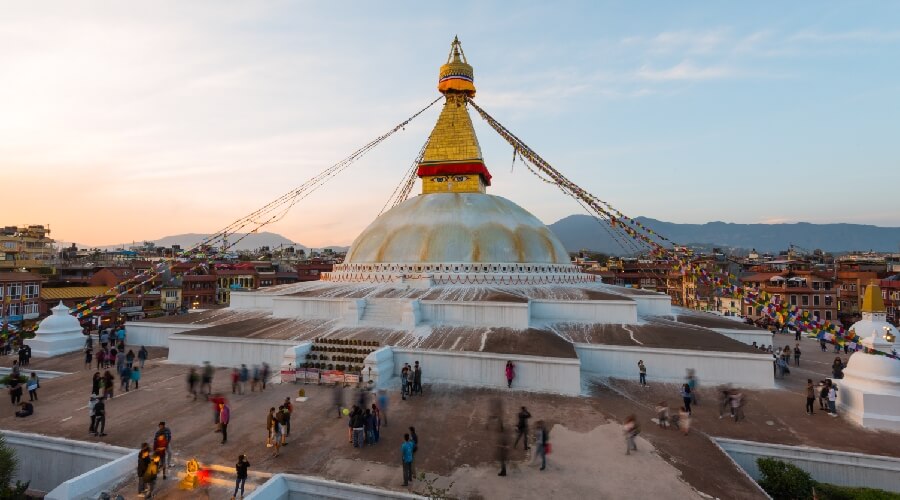
Towering above the surrounding neighbourhood, Boudhanath Stupa is one of the largest Buddhist stupas in the world. It is also one of Kathmandu’s most peaceful gathering places.

Every day, hundreds of pilgrims slowly circle the stupa while turning prayer wheels and quietly chanting mantras. Colourful prayer flags stretch across the sky, while the watchful eyes of the Buddha look in every direction, symbolising wisdom and compassion.

Visitors often join the clockwise walk around the stupa before relaxing at one of the nearby rooftop cafés. From there, they can admire the golden monument while watching local life unfold below. Whether you follow Buddhism or not, the peaceful atmosphere leaves a lasting impression.

Discover the History of Swayambhunath

Perched on a hill overlooking Kathmandu Valley, Swayambhunath is one of Nepal’s oldest religious monuments. It is widely known as the Monkey Temple because of the playful monkeys that roam around the complex.

Reaching the top requires climbing a long staircase, but the effort is well worth it. The panoramic view of Kathmandu Valley is spectacular, especially during sunrise or sunset.

The site beautifully combines Buddhist and Hindu traditions. Ancient shrines, prayer wheels, colourful flags, and sacred symbols create a fascinating cultural landscape that reflects Nepal’s long history of religious harmony.

Witness Ancient Traditions at Pashupatinath Temple

Pashupatinath temple

For Hindu pilgrims, Pashupatinath Temple is one of the holiest temples dedicated to Lord Shiva. Located along the sacred Bagmati River, it has served as an important spiritual centre for centuries.

Visitors can observe religious rituals, traditional ceremonies, and evening prayers that continue much as they have for generations. During festivals such as Maha Shivaratri, thousands of devotees gather here to celebrate one of Nepal’s most significant religious events.

Even for those who are not religious, visiting Pashupatinath offers valuable insight into Nepal’s cultural traditions and spiritual way of life. Respectful observation allows travellers to better understand the customs that shape the country’s identity.
More Than Religious Landmarks

Nepal’s sacred places offer more than impressive architecture or historical importance. They provide opportunities to learn about compassion, mindfulness, and the values that continue to guide many local communities.

Whether you spend an afternoon in Lumbini or watch prayer ceremonies at Boudhanath, these experiences add depth and meaning to vacations in Nepal. They remind visitors that travel is not only about seeing new places but also about gaining new perspectives.

Combine Adventure, Culture, and Spirituality

Few destinations allow travellers to experience such remarkable diversity in a single journey. One week, you may be trekking beneath snow-covered Himalayan peaks. The next, you could be sharing homemade meals with a local family before ending your trip at centuries-old temples filled with peaceful chants and colourful prayer flags.

This combination is what makes Nepal truly unique.

Adventure lovers find endless opportunities in the mountains. Culture enthusiasts discover vibrant traditions in historic towns and welcoming villages. Spiritual travellers experience moments of peace at sacred monasteries and pilgrimage sites.

Rather than focusing on one type of holiday, Nepal brings these experiences together naturally. Every destination adds something different to your journey, creating a balanced and rewarding travel experience.

Whether you choose a short cultural escape or a longer Himalayan adventure, vacations in Nepal offer something meaningful for every traveller.

Why Vacations in Nepal Leave a Lasting Impression

Many holidays fade into memories within a few weeks. Nepal is different.

You may remember watching the first sunlight illuminate the Himalayas after an early morning hike. You might think about the laughter shared over a traditional meal with a host family or the peaceful silence inside an ancient monastery. These moments stay with you because they are genuine experiences rather than carefully planned attractions.

Nepal encourages visitors to slow down, connect with local communities, and appreciate the beauty of both nature and culture. Every journey becomes a collection of unforgettable memories that continue long after you return home.

Vacations in Nepal offer far more than beautiful scenery. They combine adventure, culture, spirituality, and authentic local experiences into one unforgettable journey.

From trekking through the majestic Himalayas to staying in welcoming community homestays, every experience reveals a different side of the country. Exploring sacred temples, meeting local families, and discovering centuries-old traditions create memories that no photograph can fully capture.

Whether you are planning your first visit or returning to discover new destinations, Nepal always has something new to offer. Every trail, every village, and every cultural encounter adds another chapter to your story.

If you are looking for a destination that inspires, challenges, and welcomes you with genuine hospitality, vacations in Nepal promise an experience you will remember for a lifetime.

Nepal Travel News: Post‑Election Stability and Travel Conditions

sunrise from Poonhill

Nepal travel safety remains strong following the successful completion of a peaceful national election and a smooth constitutional transition of power. As a result, public life across the country has returned to normal. Markets are open, flights are operating regularly, and tourism activities continue without interruption. For travelers and international partners, this is a clear signal: Nepal is stable, calm, and fully ready to welcome visitors.

From Transition to Stability

In recent months, Nepal experienced a period of political activity, including youth-led civic demonstrations that reflected broader social and economic aspirations. However, these events remained limited in scope and were part of a functioning democratic process.

Now that the election has concluded peacefully, the country has entered a stable post-transition phase. Governance has normalized, public services are functioning efficiently, and daily life in both cities and rural areas has returned to its regular rhythm.

Overall, the peaceful transfer of power has reinforced institutional continuity and strengthened public confidence.

What the Post-Election Phase Means

Nepal is now operating under a newly formed government with increasing participation from a younger generation of leadership. This shift, in turn, signals a stronger focus on implementation, transparency, and economic development especially in tourism.

At the same time, existing policies remain in place, ensuring continuity and predictability for international travelers and partners.

For travelers and tour operators, this means:

  • Visas: No changes to entry requirements
  • Flights: Operating normally across domestic and international routes
  • Permits: Issued as usual for trekking and restricted areas
  • Administration: Tourism offices and local authorities fully operational

Travel Conditions Across the Country

Throughout the election period and beyond, Nepal’s tourism infrastructure has remained fully functional. Importantly, there have been no disruptions to key travel services.

Airports, highways, trekking routes, national parks, and cultural heritage sites are all operating as usual. In addition, hotels, lodges, and community-based accommodations continue to welcome guests across the country.

Popular trekking regions such as Everest, Annapurna, and Langtang remain accessible. Meanwhile, emerging destinations are also seeing steady improvements, including road upgrades and ongoing trail maintenance.

Because of this, travelers can explore both well-known and lesser-visited regions with confidence.

Nepal in the Regional Context

At a time when several parts of the world are experiencing geopolitical uncertainty, Nepal remains relatively insulated and politically calm. Furthermore, there are no travel restrictions linked to external conflicts.

International flight connectivity continues as usual, and border crossings remain open. As a result, Nepal maintains its position as a peaceful and neutral destination focused on nature, culture, and meaningful travel experiences.

A Positive Outlook for Travelers

Nepal’s post-election phase represents stability, normalcy, and continuity. For travelers, this means the opportunity to experience the country without concern or disruption.

From the streets of Kathmandu to the trails of the Himalayas, daily life is moving as usual. At present:

  • Nepal is peaceful and stable
  • Tourism services are running without interruption
  • Domestic and international travel remain reliable
  • Travel planning can proceed with confidence

Looking ahead, Nepal is focused on development, sustainability, and hospitality. Therefore, for those seeking nature, culture, and authentic experiences in a calm environment, this is an ideal time to visit. Overall, Nepal travel safety is not a concern for visitors, and travel planning can proceed with full confidence.

Nepal Diaries: A Journey Through the Tributaries of the Koshi River

Tributaries of the Koshi River

Nepal is a country of rivers, flowing from the pristine Himalayas through green hills and down to the Terai plains. Among these waterways, the Koshi River stands out as one of the most significant, shaped by the powerful tributaries of the Koshi River that originate across the Himalayan region. Formed by the meeting of major rivers like the Sun Koshi, Arun, and Tamur, the Koshi system carries both natural beauty and cultural importance as it travels from Nepal into India.

The Koshi is also called Sapta Koshi, named after the seven tributaries that come together to form it. Stretching about 720 km and draining an area of around 74,500 km² across Tibet, Nepal, and Bihar, the Koshi system is vital to the eastern region of Nepal. This blog explores the major tributaries that make the Koshi River so important.

Overview of the Koshi River System

The Koshi River is a transboundary river with seven main tributaries:

  • Indrawati
  • Tama Koshi
  • Dudh Koshi
  • Sun Koshi
  • Likhu
  • Arun
  • Tamur

These rivers meet at Tribeni, forming the Sapta Koshi. From there, it flows south through Nepal’s Terai and continues into India.

These tributaries are the lifeblood of eastern Nepal. They carve valleys, feed forests, support farms, and connect the high mountains to the plains. Many of these rivers are also tied to spiritual and cultural stories, with names like Kausika mentioned in ancient Hindu scriptures such as the Rigveda.

Major Tributaries of the Koshi River

Arun River

  • Length: ~915 km
  • Contribution: ~37% of Koshi’s water
  • Attractions: Arun Valley Trek, Barun Valley

The Arun River starts from the Shishapangma glacier in Tibet and enters Nepal through Sankhuwasabha district. It plays a key role in hydroelectric power generation. The surrounding area also supports diverse plants and animals.

Tama Koshi

  • Length: 92 km
  • Attractions: Upper Tama Koshi Hydropower Project, Jiri Gateway

Locally known as the river of copper”, Tama Koshi originates from the Rongshar Chu and Lapchi Gang rivers near the Nepal-Tibet border. The river flows through Dolakha district, cutting narrow valleys and steep gorges. Moreover, it has high hydropower potential, significant environmental value, and a rich cultural legacy.

Dudh Koshi

  • Attractions: Everest Base Camp Trek, Sagarmatha National Park

Dudh Koshi is one of the highest elevated rivers in Nepal. Its milky white water comes from glaciers in the Khumbu region near Everest. The river flows through Solukhumbu district, passing several villages along the trekking route to Everest Base Camp. Eventually, it joins the Sun Koshi to form the Sapta Koshi River.

Sun Koshi

  • Attractions: Rafting, trekking in Sindhupalchok and Dolalghat

Known as the “river of gold”, Sun Koshi originates in Tibet and is fed by Himalayan snowmelt. Its steady flow makes it ideal for white-water rafting and kayaking. The river passes through Sindhupalchok, Ramechhap, and Sindhuli districts, supporting life, energy, and culture, before joining other tributaries like Tama Koshi, Bhote Koshi, and Indravati to form the Koshi River. It contributes 44% of the total water flow.

Indrawati River

  • Attractions: Melamchi Valley, Sindhupalchok scenery

Though smaller, the Indrawati River is very important. It begins at 5,850 m above sea level in the high Himalayas. It flows through narrow gorges in Sindhupalchok and Kavrepalanchok districts, supporting agriculture, villages, and local ecosystems.

Bhote Koshi

  • Attractions: Bhote Koshi Rafting, Bungee Jumping at The Last Resort

Bhote Koshi is famous for its speed and steep gradient. Called the Poiqu River in Tibet, it starts near the Shishapangma glacier. Flowing through deep gorges and rocky cliffs, it merges with the Sun Koshi at Bahrabise, helping form the powerful Sapta Koshi.

Likhu River

  • Attractions: Local trekking, rural exploration

The Likhu River is a smaller tributary joining Sun Koshi. Though minor, it is crucial for local farming and settlements, and adds to the Koshi’s overall flow.

Cultural and Environmental Importance

These rivers are more than just water sources. They shape Nepal’s landscape, support biodiversity, and are central to cultural and spiritual life. From the glaciers near Everest to the fertile plains of Terai, each tributary tells a story. Moreover, they provide hydropower, support agriculture, and attract adventure tourism like rafting, trekking, and bungee jumping.

The Koshi River and its tributaries form a complex and vital network in eastern Nepal. From the icy glacial waters of Dudh Koshi to the rapid currents of Bhote Koshi, each river brings life, energy, and culture.

Exploring these rivers is more than geography — it is a journey into Nepal’s natural beauty and cultural heritage. Let the Koshi guide your next adventure, and discover the stories hidden in every valley with Himalayan Circuit.

Nepal Diary: Planning Your Trip – What You Need to Know

Himalayan peaks in Nepal – Nepal best travel destination

If you’re looking for the best Nepal travel guidebooks to plan your next adventure, you’re in the right place. Nepal offers stunning natural beauty and deep cultural richness—all without breaking the bank. But to make the most of your trip, having the right travel guide is essential.

One of the best ways to prepare is by choosing a reliable travel guidebook that matches your travel style. For all the wanderers with Nepal on their bucket list, here’s a detailed review of the best travel guidebooks and essential tips to help you get started.

Why Visit Nepal?

Nepal is a fascinating country that attracts more visitors each year. One of the main reasons to visit is the people. There’s a saying: You come for the mountains, but you stay for the people. Their warmth and hospitality leave a lasting impression.

Nepal also offers incredible cultural diversity. All major world religions are represented here, and the country’s deep spiritual heritage is seen in its temples, rituals, and daily life.
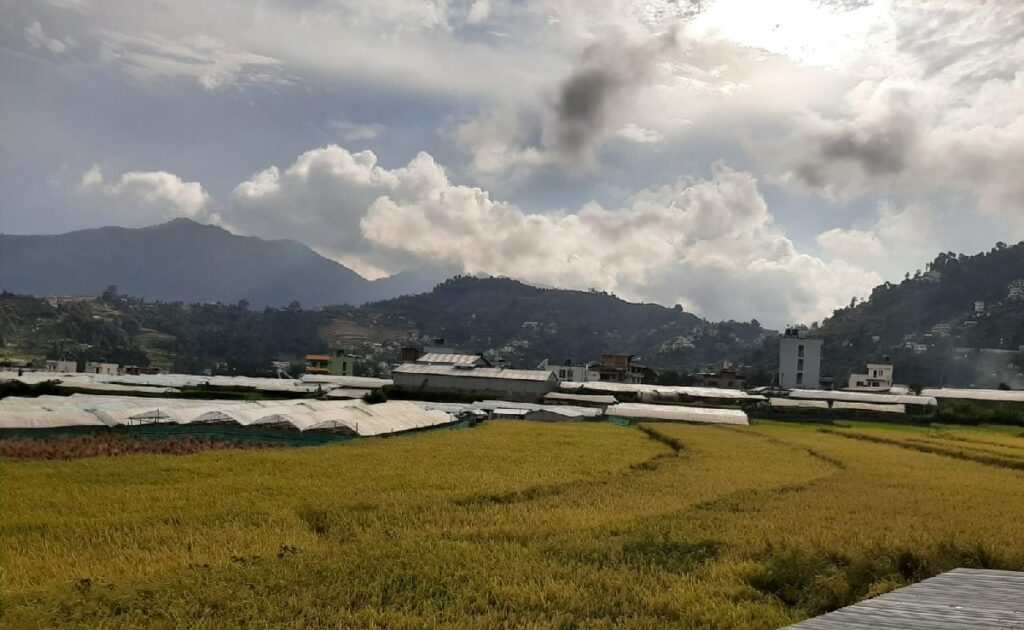
Then there’s the landscape. Though small in size, Nepal is known worldwide for its dramatic scenery—from towering peaks to lush jungles. It’s also a country of festivals. With so many ethnic groups and traditions, Nepal celebrates something nearly every week, earning its title as the Land of Celebrations.

Top Travel Guidebooks for Nepal

Lonely Planet Nepal

Lonely Planet’s Nepal guidebook is one of the most trusted resources for travelers. It covers both famous destinations and off-the-beaten-path gems. You’ll find tips on exploring Pokhara’s lakes, wandering through the cultural streets of Kathmandu, spotting tigers in Bardiya, and trekking through the Himalayas. It’s a go-to companion for both first-timers and repeat visitors.

Rough Guide to Nepal

This guide takes you across the country—from the high Himalayas to the lowland Terai. It highlights key attractions like Everest, the Pokhara Valley, and Ilam’s tea estates. It also dives into Nepal’s spiritual sites, including Buddhist stupas and Hindu temples.

Outdoor adventurers will appreciate dedicated sections on trekking, rafting, and mountaineering. The language is clear and informative, perfect for practical planning.

Nepal Trekking Guidebook by Trailblazer

This one is a great pick for trekkers. It helps you plan your itinerary based on your interests and ability. The book covers everything from classic routes to lesser-known trails and even the demanding Great Himalaya Trail.

Detailed route guides include regions like Makalu, Kanchenjunga, Langtang, and Solukhumbu—ideal for anyone serious about trekking in Nepal.

Insight Guides Nepal

If you’re planning a longer stay and want cultural depth along with travel planning, this book is ideal. It combines inspiring photos with informative content in a magazine-style format.

Besides popular trekking regions like Annapurna and Everest, the book also explores historical cities like Kathmandu, Patan, and Bhaktapur. You’ll also find background on Nepal’s history, people, and traditions.

Nepal Travel Tips for First-Time Visitors

Visa and Entry Requirements

Most international visitors can get a visa on arrival at Tribhuvan International Airport. Just make sure to carry your passport and be ready to pay the applicable fee. Alternatively, you can apply for a visa online or through a Nepalese embassy or consulate before your trip. Tourist visas are typically valid for up to 90 days.

Best Time to Visit Nepal

Nepal’s peak tourist seasons are autumn (September to November) and spring (March to May). These months offer clear skies and pleasant temperatures—ideal for sightseeing and trekking.

If you’re trekking, these are the best times to go. Monsoon season (June to August) brings heavy rains and humidity, making high-altitude treks difficult. However, it’s a great time to visit the lush Terai region and spot wildlife in national parks.

Health and Safety Tips

Your health should be a top priority when traveling in Nepal. Before your trip, consult a doctor about recommended vaccinations like hepatitis, typhoid, tetanus, and rabies.

Trekking at high altitudes can lead to Acute Mountain Sickness (AMS). To reduce the risk, ascend slowly, drink lots of water, and consider carrying medication like Diamox. It’s also best to avoid tap water—stick to bottled water and eat at clean, hygienic places.

Pack a basic first-aid kit with medicines for common issues like colds, fevers, or stomach problems.

Nepal offers a one-of-a-kind travel experience with its breathtaking scenery, vibrant culture, and spiritual depth. Whether you choose Lonely Planet, Rough Guide, Trailblazer, or Insight Guides, having the right travel guidebook can make all the difference. And if you need personalized advice, feel free to reach out to us with your questions—we’re here to help.

Of course, traveling with a knowledgeable local guide adds even more value. They can lead you to hidden gems, help you connect with local culture, and ensure your journey is safe and enriching.

Let Nepal surprise you—and don’t forget to embrace its rhythm, respect its traditions, and soak in every moment.

Adventure Sports: Best Rivers for Whitewater Rafting in Nepal

Rafting in Nepal

Are you an adventure lover?  If so, Nepal is an excellent destination for you, offering a wide range of adventurous activities such as paragliding, rock climbing, trekking, mountaineering, and rafting. 

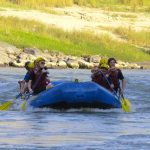
The experience of rafting in Nepal down the spectacular white water rapids, gliding past sandy beaches, through traditional villages, wilderness areas, offers some of the world’s most beautiful landscapes and scenery.

Rafting in Nepal has become increasingly popular in recent years and exploring and embracing the beauty of Nepal via water is an exhilarating experience itself.   The rapids of Nepali rivers can vary according to the season and location but they offer something to every level of experience ranging from easy to challenging.

The Himalayan Circuit Treks presents you some of the best rivers for rafting in Nepal:

Best rivers for rafting in Nepal: 

  • Trishuli River: The Most Popular Choice:

Situated a foot away from Kathmandu and pokhara, it is one of the popular rafting stop among adventurers that features beautiful scenery including small gorge and a glimpse of the famous Manakamana cable car. 

This river rapids ranges from class II to IV, making it ideal for those looking to raft and splash around in the water with exciting bouncy waves in a peaceful environment without the challenge of large rapids. 

It also has challenging sections with much more intense and exciting white water conditions, including larger waves and tricky turns, making it a popular destination for both beginners and experienced individuals.

  • Bhote Koshi River: The Ultimate Adrenaline Rush:

Rafting in Bhote Koshi is an electrifying experience that combines the satisfying fast-paced adventure and thrills of river rafting on Nepal’s steepest river.  

The combination of heart-pounding activity and natural grandeur ensures an encounter with the diversity of landscapes, aquatic fauna and vegetation, and natural geographical adaptability.  

Bhote Koshi rafting is wilder and more untamed than Trishuli rafting. It is also regarded a moderate to challenging rafting adventure and should only be attempted with experienced guides.

  • Seti River: A Scenic and Relaxing Adventure:

The gentle river flowing from the Himalayan peaks, with plenty of small and straight forward rapids, is popular as a scenic and relaxing rafting adventure perfect for unveiling Nepal’s pristine beauty, including the stunning riverside forests, surrounding landscapes, without the rushing of big challenging rapids.   

In addition to bird watching, the journey provides insight into the lifestyles of local populations. The river current can be swift during the monsoon season, but the rest of the year offers a more relaxed and delightful adventure, providing a gradual introduction to the world of river sports.

  • Kali Gandaki River: Thrills with Stunning Views:

The Kali Gandaki River offers an exciting and energizing white water rafting experience with a magnificent backdrop. The beauty of this adventurous activity is enhanced by the thrilling steep drop, enormous waves, limited passageways, massive rocks, and constant class III and IV rapids.

One of the most exciting aspects of Kali Gandaki rafting is sightseeing, which includes the most breathtaking views of the Annapurna range, waterfalls, and lush foliage along the river banks, dense woods, sand beaches, as well as typical Nepali dwellings, cultural richness, and lifestyle.  

  • Sun Koshi River: The Longest Rafting Expedition:

Sun Koshi River Rafting is Nepal’s longest rafting trip and one of the top ten river journeys in the world, according to National Geography. With the multiday river trip (usually 7 to 9 days), this adventurous activity includes camping beside the river, which is a lot of fun.   

Adventurers may expect warm water, big bouncy rapids, white sandy beaches, temples and caves, amazing wildlife, and magnificent scenery, as well as a fascinating peek into the daily lives of residents living traditional Nepali lifestyles.

Rafting feels like a representation of life: unpredictable, difficult, but ultimately rewarding.  Nepal stands out as a rafting paradise, with a diverse range of rivers speaking their own tale.  If you’re in Nepal for a hike, cultural discovery, or simply a short stay, adding a rafting excursion to your itinerary will allow you to truly experience nature in its raw form.  

The rhythmic flow of river, the soothing sounds of rushing water and the serenity of the untouched surroundings produce a sense of tranquility within the adrenaline fueled adventure letting you forge lasting memories. So, strap on your life jacket, grab a paddle and let the rivers take you on an adventure of lifetime booking your trip with the Himalayan Circuit.  


Travel Diaries: A Journey Through Nepal’s Memorable Experiences

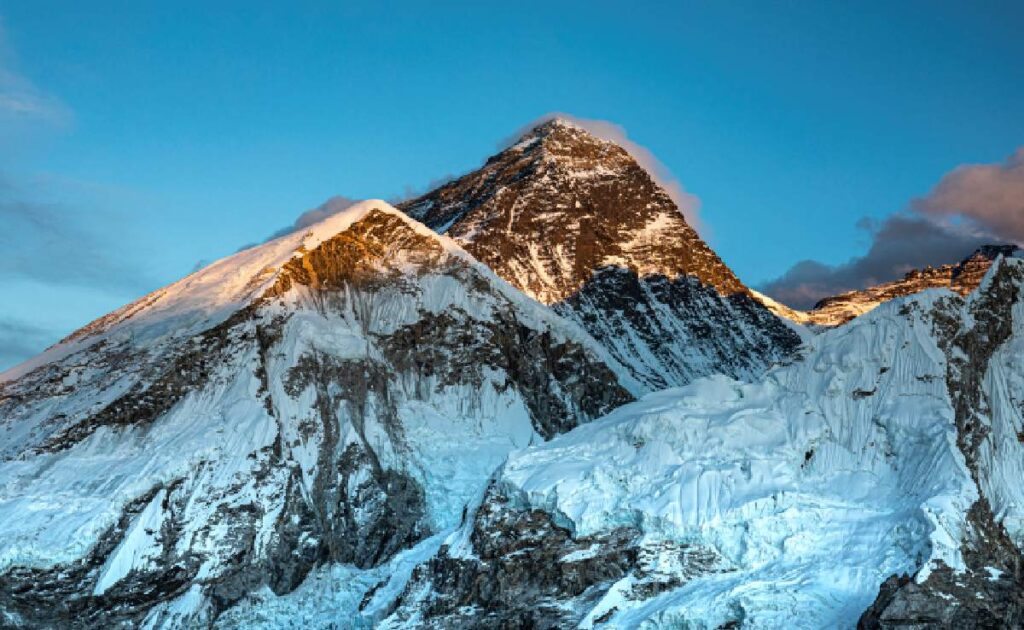
Everest Base Camp Trek

Nepal is a land where natural beauty meets deep spirituality. Moreover, from the hot plains of the Terai to the towering peaks of the Himalayas, the country offers travelers countless memorable experiences in Nepal. Lush landscapes, diverse cultures, and centuries-old traditions make Nepal a must-visit destination for anyone seeking adventure, culture, and serenity.

Trekking the Himalayas: Magical Mountains

Nepal is home to eight of the world’s ten highest mountains. In addition, every year, travelers arrive to explore high-altitude villages inhabited by Gurungs, Magars, and Sherpas. As a result, trekking in the Himalayas is a feast for the senses, offering stunning views of snowcapped peaks and green valleys. Furthermore, these treks combine physical challenge with breathtaking scenery, making them among the most memorable experiences in Nepal.

Spiritual Journey: Temples, Monasteries & Rituals

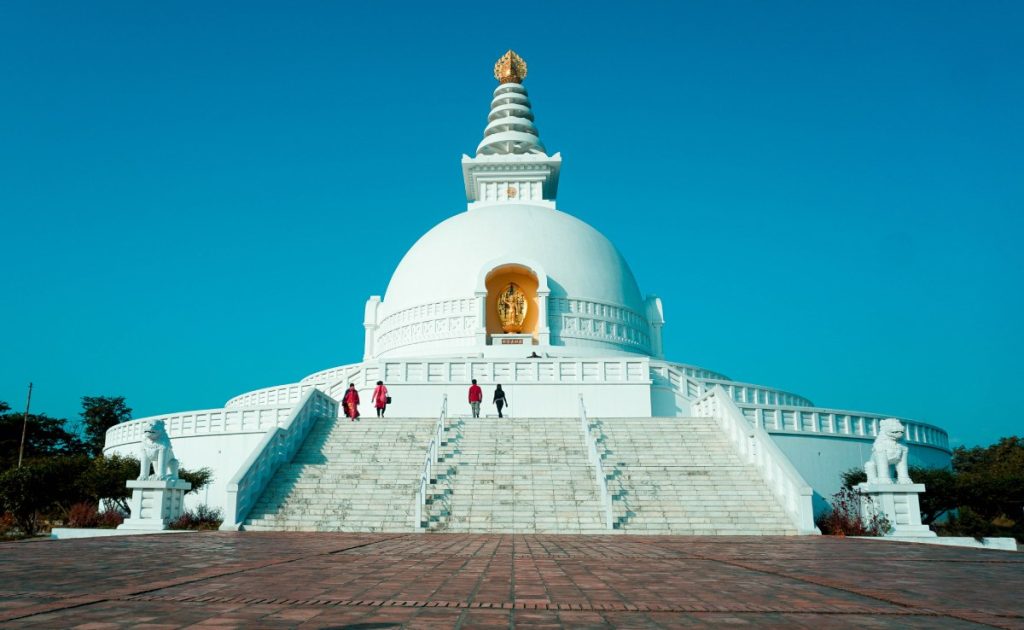
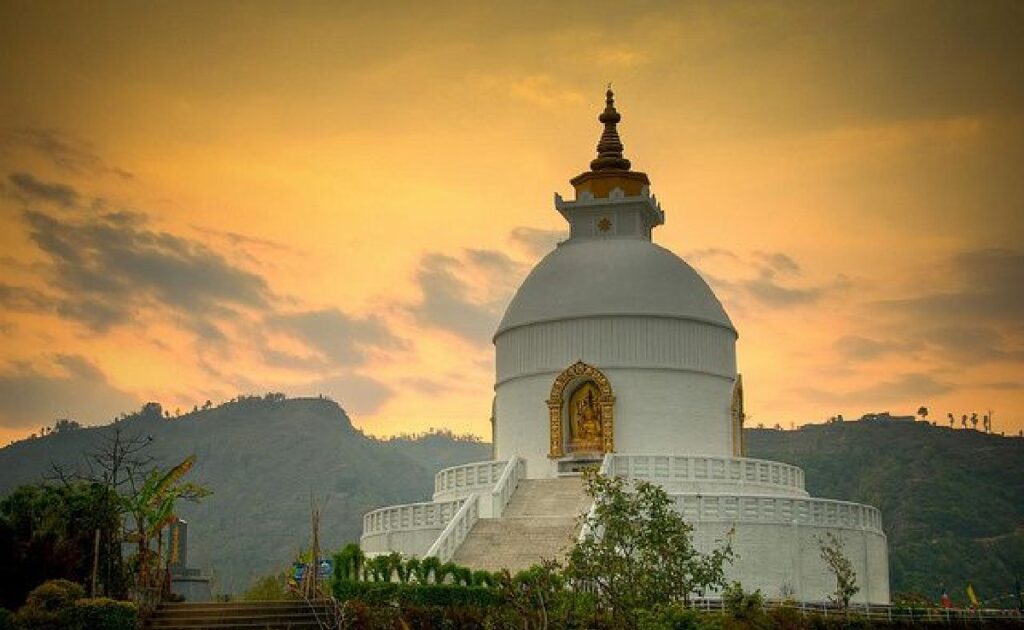
Lumbini Peace Stupa

Religion is deeply woven into daily life in Nepal. Additionally, temples, monasteries, and local rituals create a strong spiritual atmosphere. Visiting Pashupatinath, Swayambhunath, and the quiet monasteries of Lumbini allows travelers to connect with their inner self. Therefore, experiencing local festivals, prayer ceremonies, and sacred rituals is one of the most unique ways to enjoy memorable experiences in Nepal.

Hidden Gems: Off-the-Beaten-Path Adventures

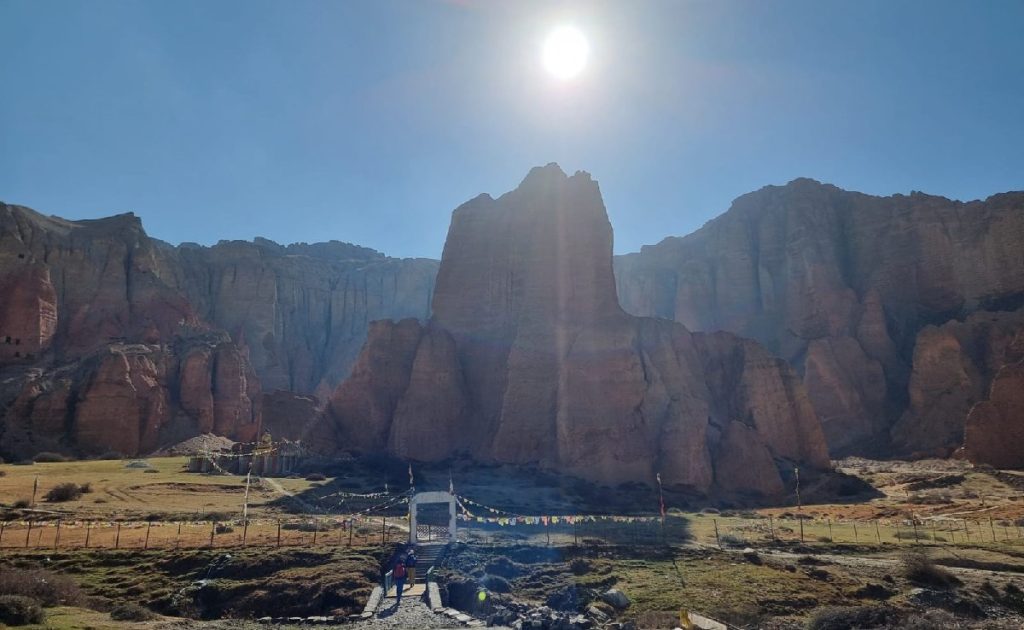
Upper Mustang

Nepal’s rugged landscapes hide many unspoiled destinations. For example, remote areas like the Manaslu Circuit, Rara Lake, Khaptad National Park, Bandipur, Ilam, and Dolpo offer peace, beauty, and authentic cultural encounters. Similarly, exploring these places allows travelers to enjoy solitude, nature, and local traditions in a way few other countries can provide. Off-the-beaten-path adventures are essential for truly memorable experiences in Nepal.

People & Hospitality: Heartfelt Connections

Nepal is home to diverse ethnic communities, including Thakalis, Tharus, Gurungs, and Limbus. Moreover, despite cultural differences, local values of kindness and hospitality bind them together. Travelers are welcomed with warm smiles, generous hearts, and genuine friendliness. As a result, interacting with local communities adds a deeply personal touch, making these moments unforgettable and among the most cherished memorable experiences in Nepal.

Cultural Festivities: Colors, Music & Celebration

Lalitpur the Music City

Nepal celebrates over 50 festivals each year. In particular, major celebrations like Dashain, Tihar, and Holi captivate visitors with vibrant colors, music, and ritual. Traditional jatras, Lhosar, Udhauli, and Ubhauli bring the local culture to life. Consequently, experiencing these festivities allows travelers to witness Nepalese traditions firsthand and enjoy rich cultural experiences in Nepal.
Final Thoughts

From trekking the Himalayas to spiritual journeys, hidden gems, and colorful festivals, Nepal offers countless ways to create lasting memories. Additionally, interacting with warm-hearted communities, exploring serene landscapes, and witnessing ancient traditions ensure every traveler leaves with extraordinary stories. Therefore, planning your trip with these moments in mind guarantees some of the most memorable experiences in Nepal you will ever have.

Nepal Diaries: Nepal in September – Weather, Trekking & Festivals

Nepal in September marks the transition from the monsoon season to early autumn. Rainfall begins to decrease, the landscapes turn lush and green, and travel conditions slowly improve. For many travelers, September offers a calm and rewarding way to explore Nepal before the busy trekking season begins.

The first half of the month may still bring occasional rain. From mid-September onward, mornings become clearer and mountain views start to appear. Daily life in Nepal follows a steady rhythm shaped by festivals and post-monsoon routines. As a result, September feels peaceful, authentic, and naturally vibrant.

Weather in Nepal in September

weather in September

The weather in Nepal in September changes gradually throughout the month. Early September still experiences some monsoon influence, with afternoon showers and occasional evening thunderstorms. As the month progresses, rainfall becomes lighter and less frequent.

In cities such as Kathmandu and Pokhara, daytime temperatures usually stay in the mid-20s°C. Higher-altitude regions feel cooler and more comfortable. Cloud cover slowly lifts, which improves visibility and creates better conditions for outdoor activities and travel.

Trekking in Nepal in September

Many travelers ask if trekking in Nepal in September is possible. The answer is yes.

Trails that remain muddy during peak monsoon begin to dry. Leeches also become less common as rainfall decreases. Some high-altitude treks may need extra care in early September, but conditions improve significantly later in the month.

September suits short treks, village walks, and lower-altitude routes very well. Popular trekking regions reopen fully and remain quieter than in October. Because of this, teahouses offer better availability and a relaxed atmosphere. Clear mornings make the best time for hiking, while afternoons stay warm and comfortable.

Festivals and Cultural Events in September

Teej festival - which falls on september
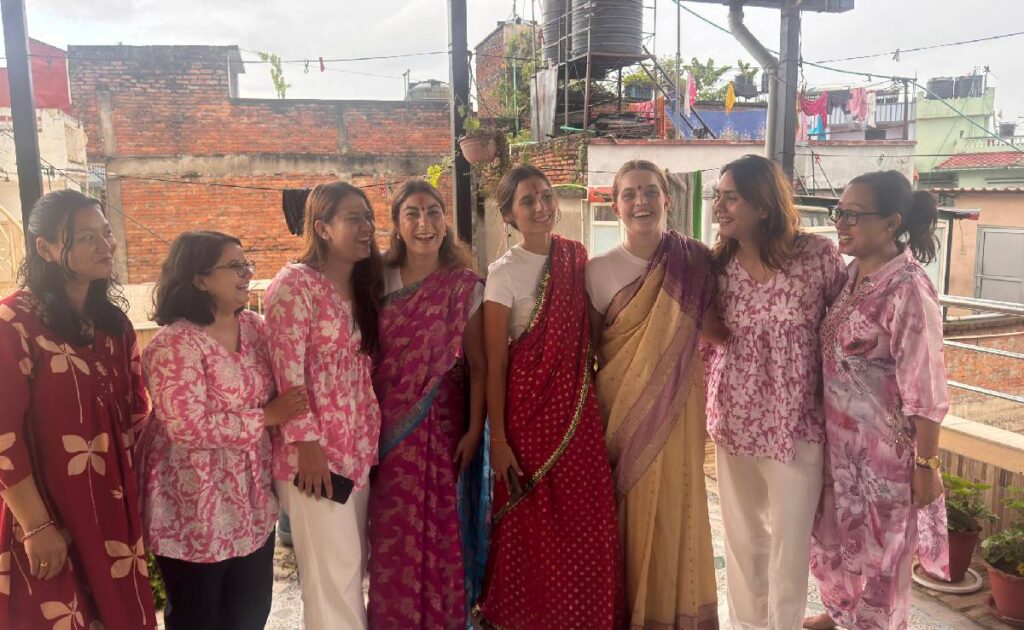
Foreigners celebrating teej frestival in traditional Nepali attire.

September is a culturally rich month in Nepal. Several important festivals take place, offering travelers a deeper connection with local traditions.

Indra Jatra is one of the most significant festivals in the Kathmandu Valley. Locals celebrate the god of rain with masked dances, chariot processions, and traditional music. Streets around Kathmandu Durbar Square fill with color, energy, and ritual performances.

Teej, an important Hindu festival celebrated by women, often falls in September based on the lunar calendar. Women wear red clothing, fast, dance, and visit temples. The festival adds strong emotion and cultural depth to towns and cities.

These events remain largely local and non-commercial, giving visitors a genuine cultural experience.

Wildlife and Nature Experiences

Nepal in September showcases nature at its most vibrant. Hills, forests, and terraced rice fields appear fresh and green after the monsoon rains. Rivers and waterfalls run full, shaping dramatic landscapes across the country.

National parks in the Terai, such as Chitwan and Bardia, look greener and more alive. Wildlife activity increases, and birdlife becomes especially active in wetlands and forest areas. While humidity remains high, nature feels energetic and thriving.

This month works well for lakeside walks in Pokhara, forest hikes in Shivapuri, and countryside exploration among farming communities.

Travel Tips for Nepal in September

Flexibility plays an important role when traveling in Nepal in September. Early in the month, rain can still cause minor delays. From mid-September onward, travel becomes smoother and more predictable.

Pack a light rain jacket, quick-dry clothing, and comfortable walking shoes with good grip. Plan outdoor activities early in the morning for the best weather and visibility. Toward the end of the month, accommodation demand increases, so booking in advance helps.

September rewards travelers who enjoy shoulder seasons. It offers comfort, natural beauty, and cultural depth without heavy crowds.

Final Thoughts on Nepal in September

Nepal in September offers a balance of greenery, culture, and improving travel conditions. While skies may not stay blue every day, the country feels fresh, festive, and peaceful. Nature remains lush, and local life continues at a gentle pace.

For travelers who value nature, culture, and quiet exploration, September is an excellent time to visit Nepal. With the right preparation and flexible plans, the month allows you to experience Nepal in an authentic and memorable way.

So, be flexible to weather, pack your necessary gears and book your trip to Nepal during September with Himalayan Circuit.

Nepal Diaries: Exploring the World’s Most Nature-Connected Country

Nepal has been recognized as the world’s most “nature-connected” country in a groundbreaking study published in the prestigious journal Ambio. This title highlights how deeply nature is woven into the lives, culture, and traditions of the Himalayan nation. For travelers, it means a unique opportunity to experience nature-connected travel in Nepal like nowhere else.

What Does “Nature-Connected” Mean?

Upper Mustang

Being nature-connected goes beyond living near forests or mountains. It reflects the emotional, spiritual, and daily bond people feel with the natural world. In Nepal, nature is more than scenery, it is a teacher, a healer, and a sacred presence.

The study shows that spirituality, cultural practices, and everyday interactions with the environment are the strongest indicators of this connection. Nature-connected travel in Nepal allows visitors to experience this bond firsthand — through festivals, rituals, and everyday life.
Nepal’s Stunning Natural Diversity

Nepal is a land of contrasts and ecological richness. Within just 200 kilometers, the landscape rises from subtropical plains to the icy peaks of the Himalayas, including Mount Everest.

This variety creates unique experiences for travelers:

  • High mountains: Ten of the world’s tallest peaks offer unmatched trekking and mountaineering adventures.
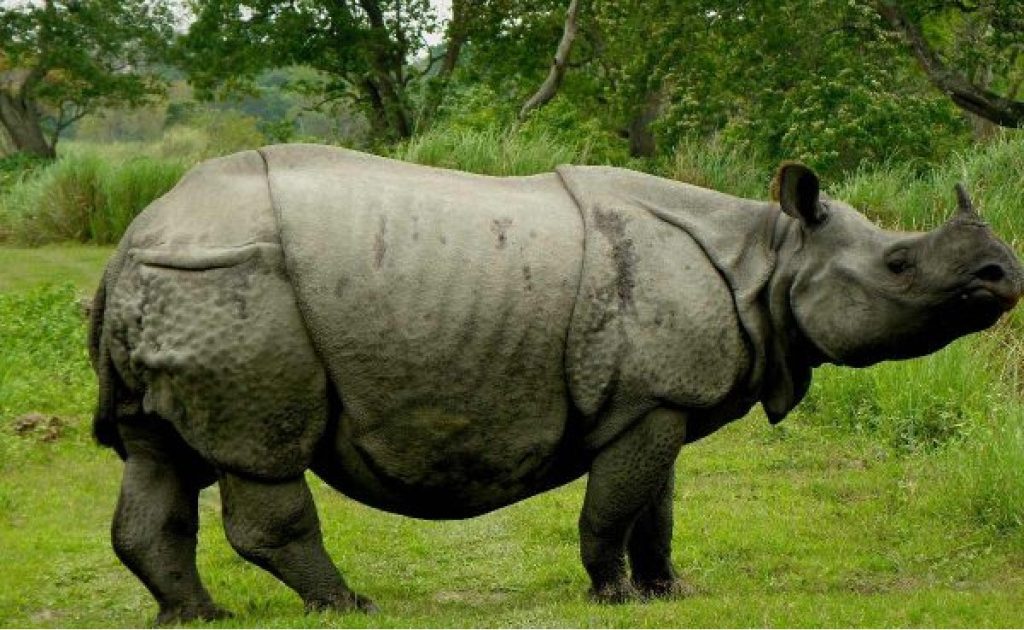
  • Lush jungles and national parks: Chitwan and Bardia are home to rhinos, tigers, elephants, and fascinating birdlife.
  • Sacred rivers: Gandaki and Bagmati flow from glacial origins to fertile plains, nourishing both land and spirit.
  • Alpine meadows, terraced hills, and pristine lakes: Places like Rara and Phewa offer serenity and breathtaking scenery.
  • Rich biodiversity: Over 6,500 species of flowering plants and 900 bird species thrive here.

Moreover, nature is part of daily life in Nepal. From monks chanting in mountain monasteries to farmers honoring the land in rituals, every moment reflects the country’s nature-connected spirit.

Experience Nature-Connected Travel in Nepal

Visitors can truly feel Nepal’s connection with nature through immersive experiences:

  • Trekking ancient Himalayan trails under snow-capped peaks
  • Meditating in sacred groves and monasteries
  • Sharing tea and stories with local villagers in the hills
  • Exploring national parks to observe wildlife responsibly
  • Participating in local festivals that celebrate the natural world

Additionally, these experiences allow travelers to understand how nature shapes culture, spirituality, and everyday life in Nepal.

A Call to the World

Nepal’s recognition as the most nature-connected country is a reminder of how humans can thrive when living in harmony with the environment. In a time of global climate challenges, Nepal offers a model for respectful, mindful, and enriching interaction with nature.

For travelers, this means a journey that nurtures not only the senses but also the soul. By exploring, observing, and participating in Nepalese life, you connect with nature in a way that stays with you forever.

Step Into Nature-Connected Travel in Nepal

At Himalayan Circuit, we invite you to experience Nepal fully, not just as a destination, but as a way of living. Trek, meditate, explore, and reconnect with the natural world the Nepalese way.

Nepal Diary: Nepal Visa Guide – What You Need to Know

VIsa Machines

Nepal is a land of towering mountains, rich culture, and warm hospitality, attracting thousands of visitors every year. Whether you are planning to trek in the Himalayas, explore ancient temples, or study in Nepal, understanding the visa process is essential. This Nepal visa guide will help you learn everything you need to know — from visa types and costs to the step-by-step application process — so your journey can begin smoothly.

Types of Nepal Visas for Tourists

Nepal offers different visa types depending on your travel purpose. Knowing which visa suits your trip is the first step in your journey. This section of our Nepal visa guide explains the main visa categories:

  • Tourist Visa: The most common type for visitors. It is issued for short stays, such as trekking, sightseeing, or visiting friends and family.
  • Non-Tourist Visa: For those working in INGOs, diplomatic missions, or volunteering projects.
  • Business Visa: For foreigners wishing to invest or trade in Nepal. Requires additional documents such as company registration certificates or investment papers.
  • Transit Visa: Issued to travelers passing through Nepal for less than 24 hours, available at certain border points.
  • Student Visa: For those enrolling in Nepali institutions. Requires proof of admission and financial resources.

How to Get a Nepal Visa

There are two main ways to obtain a Nepal visa:

a) Visa on Arrival

Most nationalities are eligible. You can get this visa at Tribhuvan International Airport (Kathmandu) and selected land borders such as Bhairahawa, Birgunj, and Kakarbhitta.

Requirements:

  • Valid passport (minimum six months validity)
  • One passport-sized photograph
  • Visa fee in USD cash

b) Visa from a Nepalese Embassy or Consulate Abroad

Applying beforehand saves time and avoids long queues at the airport.
Requirements generally include:

  • Valid passport
  • Recent passport photo
  • Completed application form
  • Visa fee (varies by embassy)

Step-by-Step Visa Application Process

Following this step-by-step process in the Nepal visa guide will make your visa application smooth and stress-free:

  1. Check eligibility and visa type — Ensure your nationality qualifies for visa on arrival or if advance application is required.
  2. Prepare documents — Passport, photos, and any additional paperwork for business, student, or non-tourist visas.
  3. Complete the online visa applicationNepal’s Immigration Department offers an online form for convenience. Print the confirmation slip.
  4. Submit application — At the embassy before traveling or at the airport on arrival.
  5. Pay visa fees — As per the embassy’s instructions or in USD cash for visa on arrival.
  6. Receive visa — Check all details before leaving the counter.

Visa Fees & Duration

Visa Type Duration Fee (USD)
Tourist Visa 15 days 30
30 days 50
90 days 125
Extensions 15 days 45
Per day 3

Note: Tourists cannot exceed 150 days of stay per year without special permission.

Key Requirements for Nepal Visa

  • Valid passport (at least six months validity)
  • Passport-sized photographs
  • Completed visa application form
  • Payment for visa fees (USD cash for on arrival; embassies may accept other methods)

Our Nepal visa guide shows that with proper preparation, getting a Nepal visa is straightforward and quick. Whether you apply in advance at an embassy or obtain it on arrival, the process is user-friendly. Remember to check the latest requirements on the Department of Immigration website before your trip. With your visa in hand, you’re ready to explore Nepal’s breathtaking mountains, rich cultural heritage, and warm hospitality.

Nepal Travel News: A Decade as the Best Travel Destination

Annapurna Family Trek

Why Nepal?

Nepal is widely recognized as the best travel destination in South Asia—and for good reason—it’s a place that awakens your senses, calms your soul, and fills you with adventure. From snow-covered peaks to jungle safaris, from spiritual calm to buzzing city streets, Nepal offers something truly special: diversity, depth, and discovery.

A Decade of Global Recognition

Over the past ten years,These consistent global rankings highlight why Nepal is considered the best travel destination by major outlets year after year. For example, it was named Best Value Destination by Lonely Planet in 2017, and Kathmandu was ranked #2 worldwide for solo travel by TripAdvisor in 2025.

Moreover, respected travel platforms like Forbes, National Geographic Traveller, Wanderlust, CNN Travel, and Time Magazine have spotlighted Nepal for its thrilling adventures, deep cultural roots, conservation work, and inspiring recovery after natural disasters.

Even during the quiet pandemic years (2020–2021), Nepal remained in the hearts of many future travelers. Despite limited movement, the country continued building a story of hope, resilience, and sustainability.

Global Recognition Through the Years (2015–2025)

Year Global Recognition Highlights
2015 Forbes: “10 Coolest Places to Visit” • Lonely Planet: Best Places to Travel in October • TripAdvisor: Kathmandu in Top 20 Destinations
2016 NatGeo Traveller: Cool List #6 • Rough Guides: #1 Destination • Forbes & Fodor’s: Top Global Destination
2017 Lonely Planet: Best Value Destination • Ranked #5 in “Best in Travel 2017”
2018 Much Better Adventures: Featured trekking routes (EBC, Annapurna, Langtang, Western Nepal)
2019 Forbes: Bucket List Destination • Lonely Planet: Kathmandu Top 10 Cities (#5) • Wanderlust: Conservation success • CNN: Ghandruk among “Most Picturesque Towns in Asia”
2020–21 (Pandemic) — Limited travel features, but Nepal stayed in the spotlight as a top future adventure spot
2022 Lonely Planet: Top 8 Countries to Visit
2023 TravellersQuest: Top Packages • Time 100 Next: Kathmandu Mayor Featured
2024 Time Magazine: Bardiya (Burhan Camps) in “100 Greatest Places” • Wanderlust: Wildlife & Culture Focus • Adventure.Travel: Top 5 Nepal Sites (Rara, Illam, Gosaikunda, Bandipur, Tansen) • Travelstride: Partnered Global Tour Operators
2025 Lonely Planet: Top Destination & Terai Region Featured • Much Better Adventures: #7 in Solo Adventure Travel • TripAdvisor: Kathmandu #2 Solo Destination, #21 Overall, #7 Cultural City

Best Places to See in Nepal

Nepal is full of breathtaking landscapes and soulful experiences. Whether you’re into mountains, history, or peace and quiet, here are some of the most loved places:

  • Everest Base Camp & Annapurna Circuit – Iconic treks with world-class views
  • Langtang Valley, Manaslu, and Mustang – Peaceful, scenic, and culturally rich
  • Kathmandu Valley – Ancient cities, Durbar Squares, Boudhanath, and Swayambhu
  • Chitwan & Bardiya National Parks – Wildlife havens with tigers, rhinos, and elephants
  • Lumbini – The sacred birthplace of the Buddha
  • Pokhara – A lakeside town with Himalayan reflections and relaxing vibes
  • Rara Lake, Gosaikunda, Tansen, Bandipur, Illam – Hidden gems with serene beauty

A Personal Invitation to All Travelers

Dear Travelers,
Nepal welcomes you with open arms, majestic mountains, golden temples, lush jungles, and kind-hearted people. Whether you’re seeking high-altitude adventure, timeless heritage, or quiet reflection, this land has something for your soul.

To make your journey even more special, let Himalayan Circuit be your travel companion in Nepal. We offer more than just tours—we create meaningful, safe, and unforgettable experiences, fully personalized for your needs.

Come. Explore. Experience Nepal.

Your journey begins with Himalayan Circuit.
Namaste & Welcome!

Nepal Diary: Bhutan, Tibet & Nepal – A Cultural Explorer

Multi country tour - Nepal, Bhutan and Tibet

Multi country trips with Nepal are a remarkable way to explore the Himalayas. Combining Nepal with nearby countries like Bhutan and Tibet makes the journey even more enriching.

With smooth travel connections and close borders, visiting these destinations from Nepal is both convenient and secure. Tibet lies to the north of Nepal, while Bhutan is a short distance east of India. Together, these countries offer stunning mountain landscapes, ancient monasteries, rich cultural traditions, and heritage that feels untouched by the modern world.

Nepal’s central location in South Asia makes it the ideal starting point for exploring the region.

Best Multi-Country Trips from Nepal

Nepal, Bhutan, and Tibet Tour

This journey takes you through three of the most inspiring destinations in Asia within a single itinerary.

Begin in Nepal, where you can explore the heritage sites of Kathmandu, witness sunrise views from Sarangkot in Pokhara, and enjoy a wildlife safari in Chitwan. Then fly to Bhutan, where peaceful monasteries, dramatic valleys, and the famous Tiger’s Nest hike await. After Bhutan, continue to Tibet, where you’ll visit UNESCO World Heritage sites in Lhasa, admire the beauty of Yamdrok Lake, and experience deep spiritual traditions.

This tour blends natural beauty, cultural depth, and spiritual experiences into one seamless journey.

Nepal and Bhutan Tour

Nepal and Bhutan Tour

This tour brings together ancient temples, quiet monasteries, and dramatic Himalayan scenery.

In Bhutan, visit fortress monasteries like Punakha Dzong, explore the iconic Tiger’s Nest near Paro, and enjoy the calm atmosphere of Thimphu. Bhutan’s peaceful spirit offers a deep sense of serenity.

Before reaching Bhutan, Nepal welcomes you with vibrant energy. You’ll visit sacred sites, take in views of snowcapped peaks, and even trek in the mountains. Together, Nepal and Bhutan create a unique experience filled with culture and timeless beauty.

Nepal and Tibet Tour

Nepal Tibet Tour

This tour combines the cultural richness of Nepal with the spiritual depth of Tibet.

In Nepal, explore the ancient cities of Kathmandu, Bhaktapur, and Patan. Their architecture and traditions offer a true taste of Nepali heritage. After that, travel overland or by flight to Tibet, often called the “roof of the world.” Visit Lhasa’s iconic sites like Potala Palace and Jokhang Temple, and explore Barkhor Street’s bustling market life.

Beyond Lhasa, discover Yamdrok Lake, the historic town of Gyantse, and Rongbuk Monastery near Everest Base Camp. This tour offers a deep connection to both land and spirit.

Nepal and India Buddhist Circuit Tour

Lumbini

This trip is designed for those seeking to follow the path of the Buddha across Nepal and India.

Start in Nepal with spiritual sites like Boudhanath and Swayambhunath in Kathmandu. Then visit Lumbini, the birthplace of Lord Buddha, where you can explore ancient ruins and international monasteries.

Cross into India to continue the journey through major Buddhist pilgrimage sites. In Bodhgaya, visit the Bodhi Tree where Buddha attained enlightenment. Explore other important sites like Sarnath, Rajgir, and Kushinagar, each rich with historical and spiritual significance.

Simikot Kailash Tour

Nepal- Kailash tour

The Simikot to Kailash tour is a unique blend of adventure, culture, and spiritual discovery.

Begin in the remote northwest of Nepal, trekking through villages and forests before reaching the Tibetan plateau. The highlight of the tour is the sacred Mount Kailash Kora, a pilgrimage route respected by Hindus, Buddhists, Jains, and Bon followers.

Along the way, you’ll see prayer flags fluttering in the wind, peaceful monasteries, and the sacred Lake Manasarovar. This journey offers deep spiritual meaning and connection with nature.

Travel Logistics and Tips

  • Nepal offers a visa on arrival, but permits for Bhutan and Tibet must be arranged in advance through registered tour operators.

  • The best travel seasons are March to May and September to November, when the weather is stable and views are clear.

  • Direct flights from Kathmandu are available to Paro (Bhutan), Lhasa (Tibet), and major cities in India.

  • In remote areas, ATMs may not be available, so it’s best to carry enough local currency.

  • Pack warm clothes, comfortable walking or trekking shoes, and any essential gear.

  • Make sure your travel insurance includes high-altitude coverage and emergency evacuation.

  • Hiring experienced local guides can enhance your experience, especially with permits, language, and cultural understanding.

  • Respect local customs and dress modestly, especially at religious sites and monasteries.

Multi-country trips from Nepal are made easy by the region’s close geography and well-established travel routes. From the peaceful highlands of Tibet to the serene monasteries of Bhutan and the sacred sites of northern India, these journeys blend naturally.

Each destination brings its own unique character, but together they create a smooth and deeply rewarding travel experience. With thoughtful planning and the right support, you can explore this region in a way that is immersive, meaningful, and unforgettable.

Pack your bags and get ready for an inspiring multi-country journey from Nepal with Himalayan Circuit—an experience you’ll cherish for a lifetime.

Nepal Travel News: The International Airports in Nepal

Airport arrival procedure in Nepal

International airports in Nepal are playing a major role in reshaping the country’s tourism landscape. With the addition of modern gateways in Pokhara and Bhairahawa, Nepal is more connected than ever

However, things are changing. Nepal is now improving its aviation sector to support its growing tourism. The openings of Pokhara International Airport and Gautam Buddha International Airport in Bhairahawa have made travel easier and more direct.

These new airports help share tourism benefits across the country. They reduce travel time, support local economies, and allow visitors to reach different parts of Nepal more easily.

In this blog, The Himalayan Circuit gives you a detailed look at Nepal’s existing and upcoming international airports.

1. Tribhuvan International Airport – Kathmandu’s Main Gateway

Tribhuvan International Airport, once called Gauchaur Airport, is Nepal’s oldest and busiest international airport. Renamed in 1955, it’s located in Kathmandu, the heart of Nepal’s political and cultural life.

TIA has a 3,350-meter runway and connects Nepal to over 40 cities in 17 countries. Major airlines like Qatar Airways and Turkish Airlines operate flights here.

Thanks to its central location, travelers can quickly access key attractions such as Swayambhunath (Monkey Temple), Pashupatinath Temple, Patan, and Bhaktapur. These UNESCO World Heritage Sites are just a short drive away.

Moreover, TIA is the main starting point for treks to the Everest, Langtang, and Annapurna regions.

2. Bhairahawa’s Gautam Buddha International Airport

In May 2022, Gautam Buddha International Airport opened in Bhairahawa. Named after Lord Buddha, who was born nearby in Lumbini, this is Nepal’s second international airport.

The airport lies about 270 kilometers from Kathmandu. Its 3,000-meter runway and modern terminal can handle large planes and many passengers. This makes travel more convenient for both domestic and international tourists.

Because it is close to the Indian border, this airport offers easy access to southern Nepal. Its biggest advantage is its direct connection to Lumbini, a spiritual hub and UNESCO site.

In addition, travelers can explore Kapilvastu Museum and Chitwan National Park, both nearby.

3. Pokhara International Airport – Nepal’s New Tourism Hub

Pokhara International Airport, opened in 2023, is another major addition to Nepal’s aviation system. Built with help from China, this airport replaces the older domestic terminal.

It meets international standards with longer runways and upgraded terminals. As a result, reaching Pokhara—one of Nepal’s top tourist cities—is now quicker and more comfortable.

The airport is useful for those heading to the Annapurna region or Muktinath Temple. Visitors can also enjoy local highlights like Phewa Lake, Sarangkot, World Peace Pagoda, and Begnas Lake.

4. The Future of International Airports in Nepal – Nijgadh

Nijgadh International Airport is a proposed airport in Bara District, about 150 kilometers from Kathmandu. This large-scale project is being planned to reduce traffic at TIA.

It is expected to have one of the longest runways in South Asia and will handle millions of travelers every year. The goal is to create a major travel hub for the eastern and central Terai region.

The airport will also improve access to places like Parsa National Park and Gadhimai Temple, helping promote tourism and development.

Nepal’s international airports in Nepal plays a key role in tourism, trade, and cultural exchange. As more airports open and old ones improve, travel becomes smoother and more accessible.

For visitors, this means shorter trips, fewer layovers, and easier access to Nepal’s top destinations. In short, these gateways are shaping a more connected and welcoming future.

With every new flight, Nepal opens up a little more—inviting the world to experience its beauty, culture, and adventure.

Adventure Sports: Nepal Hanging Bridge Adventure Experience

Yak crossing a hanging bridge in Nepal, with scenic mountain views.

Across Nepal’s landscapes, hanging bridges built with metal cables and wooden or metal planks connect remote communities. These hanging bridges in Nepal are not only engineering marvels but gateways to adventure. They offer exciting crossings over rivers, deep valleys, and mountain scenery. Whether you are trekking or exploring countryside trails, these bridges bring a memorable thrill.

High Altitude Thrills: Finest Hanging Bridges in Nepal

The Hillary Bridge: Gateway to Everest

The Hillary Bridge is an iconic entrance to the Everest region. It is named after Sir Edmund Hillary and stands as a symbol of adventure, history, and resilience. The bridge spans the Dudh Koshi River at an altitude of 135 meters. It leads trekkers toward the bustling Namche Bazaar.

Crossing this swinging bridge while hearing the river below is both humbling and exciting. You will meet hikers, yaks, and porters along the way. The fluttering prayer flags bring a sense of peace, making this crossing unforgettable.

Samrong Khola Footbridge: Pathway to Annapurna Base Camp

The Samrong Khola Footbridge is a striking route towards Annapurna Base Camp (ABC). It stretches 287 meters long and rises 135 meters above the Samrong Khola. It is the longest and tallest suspension bridge in the Kaski region.

The bridge links distant villages and offers clear views of valleys, peaks, and rivers. Trekkers often pause here to enjoy the peaceful surroundings and the breathtaking view of Mt. Annapurna.

Kushma Mudikuwa Footbridge: A Hidden Gem in Parbat

Located in Kushma, Parbat, the Kushma Mudikuwa Footbridge is both scenic and impressive. The bridge spans 359 meters and allows travelers to enjoy panoramic views of hills and valleys.

It is part of the historic Footbridge Trail of Parbat and follows the legacy of the Kushma Gyadi Bridge. The crossing is peaceful and offers beautiful natural surroundings.

Gandaki Golden Bridge: Timeless Beauty

The Gandaki Golden Bridge once held a height record and remains a beloved landmark. It hangs 122 meters above the river and offers great views of nearby mountains and rivers.

The bridge’s golden fences make it a favorite spot for photographers and visitors. Whether you cross it or pause to admire, it is a treat for the eyes.

Kushma Bungee Footbridge: For the Brave-hearted

The Kushma Bungee Footbridge, known as “The Cliff,” offers one of the highest bungee jumps in the world. It hangs 200 meters above the ground and gives clear views of the valley below.

Even if you don’t plan to jump, walking across the bridge is a thrilling experience. The cool breeze and height make the crossing exciting.

Nepal’s suspension bridges are more than crossings. They connect people, places, and cultures against the backdrop of the Himalayas. Whether you are trekking, seeking adventure, or enjoying nature, these bridges leave a lasting memory.

When you visit Nepal, explore these remarkable structures. Each bridge has its own story and scenery. You will discover not just new paths but a deeper connection to Nepal’s landscapes and communities.