Travel Diaries: A Journey Through Nepal’s Memorable Experiences

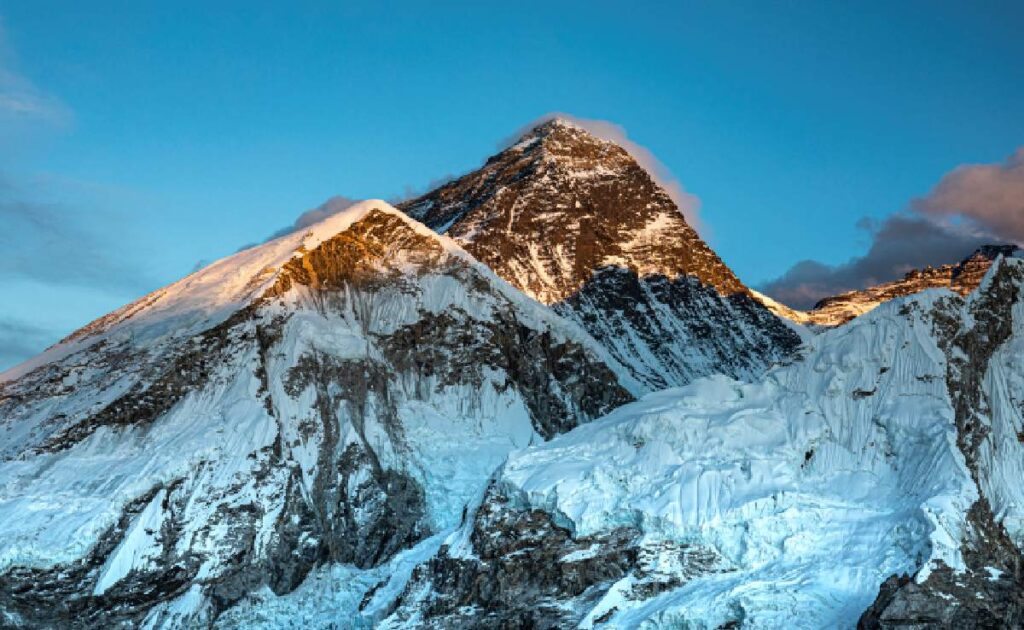
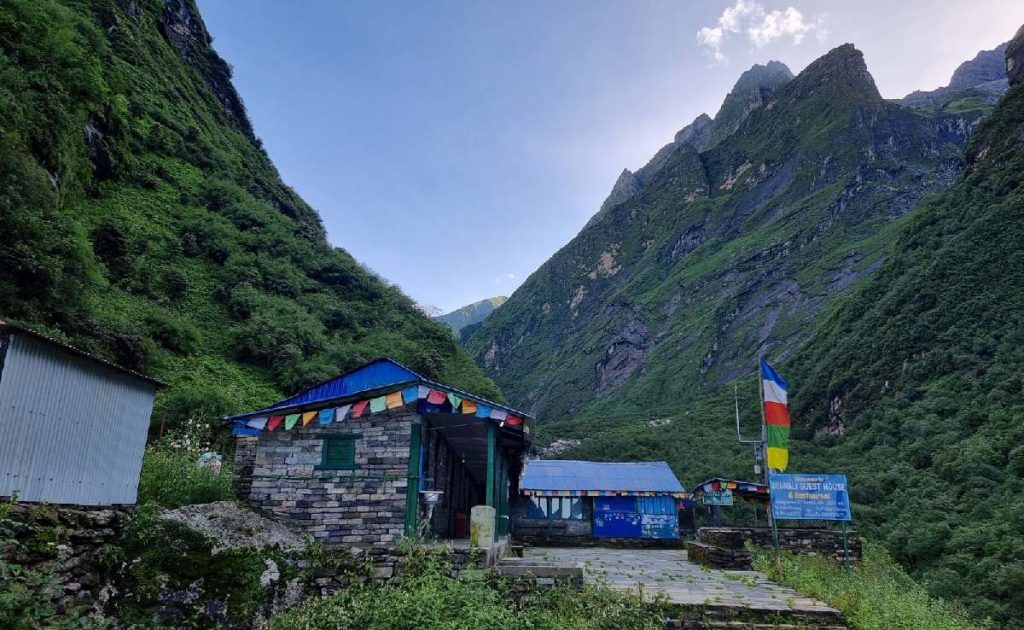
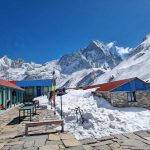
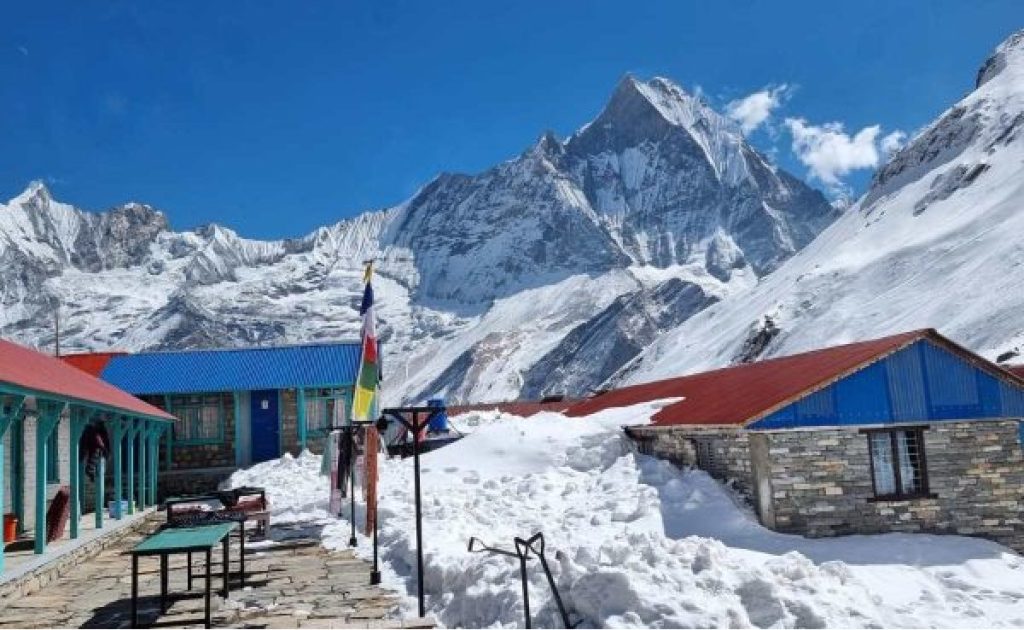
Everest Base Camp Trek

Nepal is a land where natural beauty meets deep spirituality. Moreover, from the hot plains of the Terai to the towering peaks of the Himalayas, the country offers travelers countless memorable experiences in Nepal. Lush landscapes, diverse cultures, and centuries-old traditions make Nepal a must-visit destination for anyone seeking adventure, culture, and serenity.

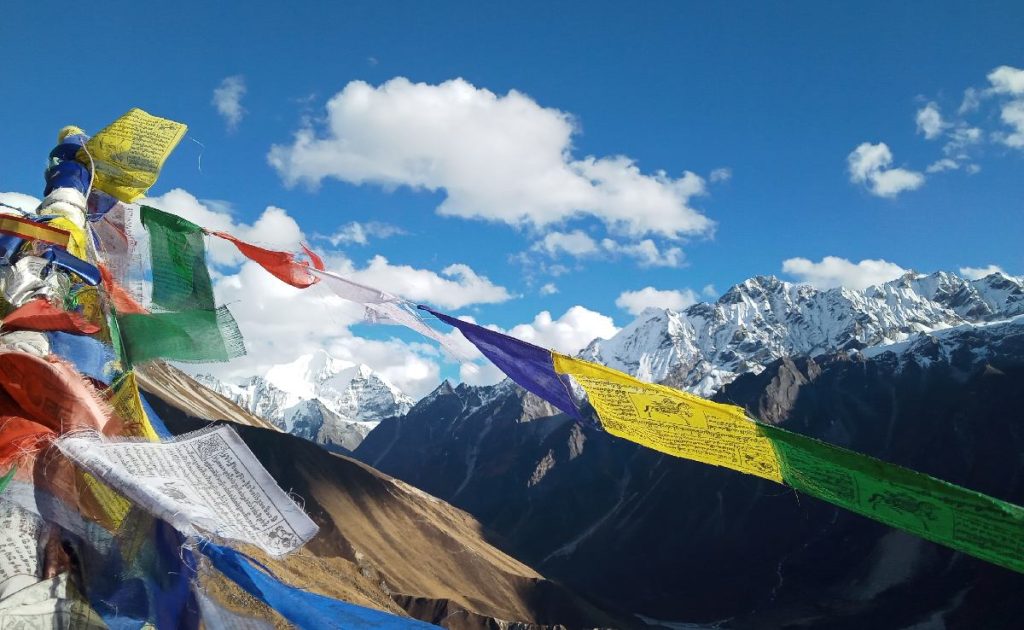
Trekking the Himalayas: Magical Mountains

Nepal is home to eight of the world’s ten highest mountains. In addition, every year, travelers arrive to explore high-altitude villages inhabited by Gurungs, Magars, and Sherpas. As a result, trekking in the Himalayas is a feast for the senses, offering stunning views of snowcapped peaks and green valleys. Furthermore, these treks combine physical challenge with breathtaking scenery, making them among the most memorable experiences in Nepal.

Spiritual Journey: Temples, Monasteries & Rituals

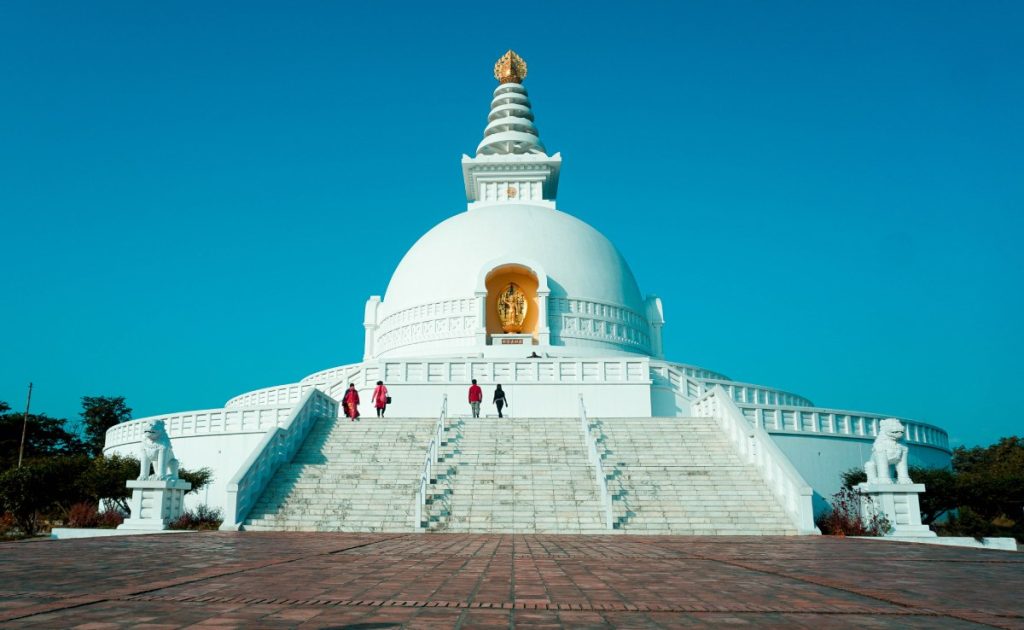
Lumbini Peace Stupa

Religion is deeply woven into daily life in Nepal. Additionally, temples, monasteries, and local rituals create a strong spiritual atmosphere. Visiting Pashupatinath, Swayambhunath, and the quiet monasteries of Lumbini allows travelers to connect with their inner self. Therefore, experiencing local festivals, prayer ceremonies, and sacred rituals is one of the most unique ways to enjoy memorable experiences in Nepal.

Hidden Gems: Off-the-Beaten-Path Adventures

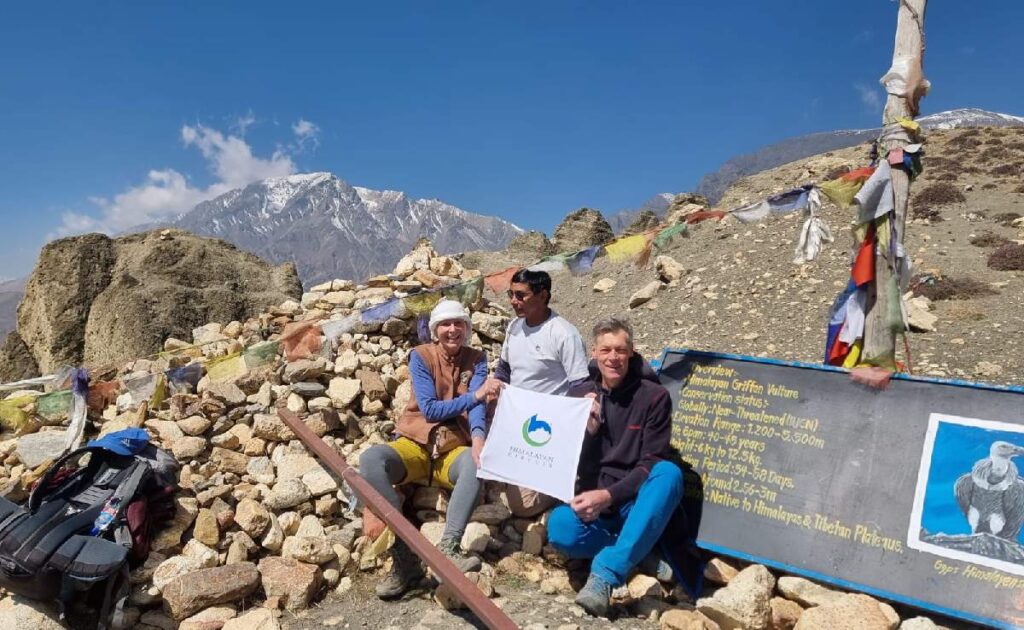
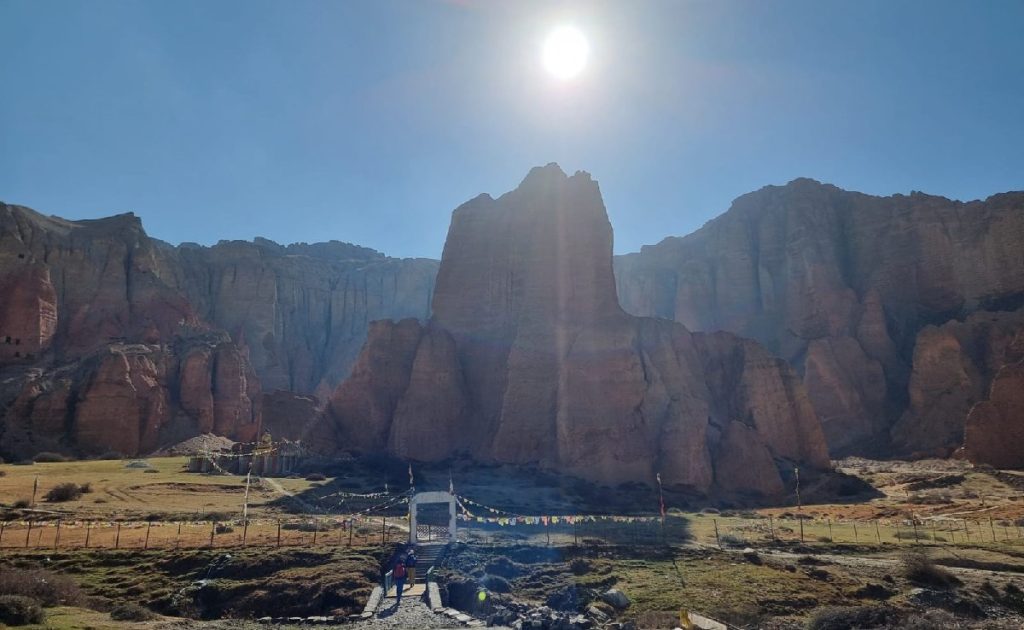
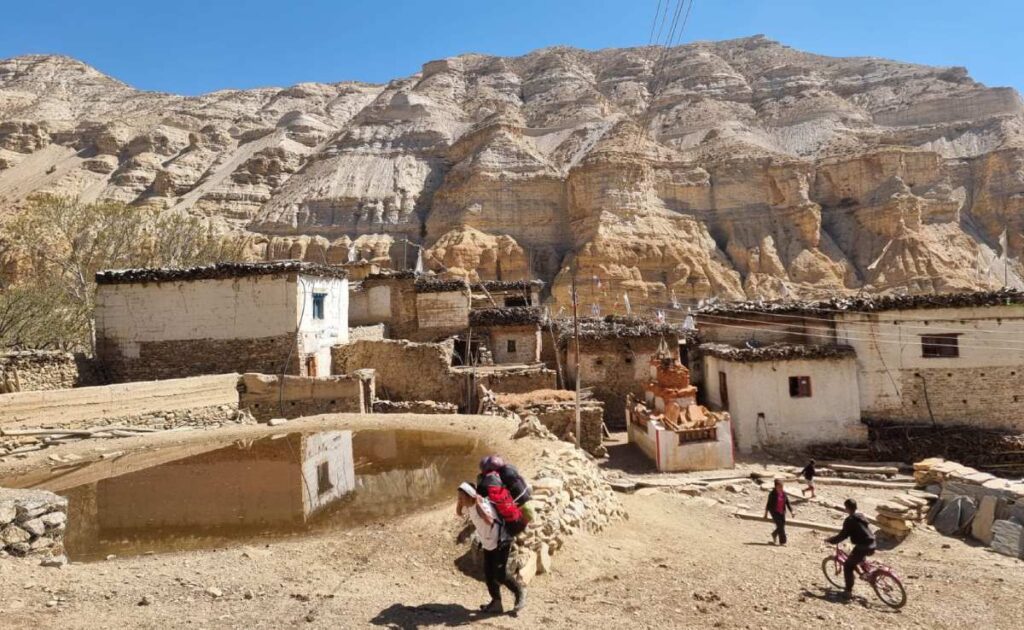
Upper Mustang

Nepal’s rugged landscapes hide many unspoiled destinations. For example, remote areas like the Manaslu Circuit, Rara Lake, Khaptad National Park, Bandipur, Ilam, and Dolpo offer peace, beauty, and authentic cultural encounters. Similarly, exploring these places allows travelers to enjoy solitude, nature, and local traditions in a way few other countries can provide. Off-the-beaten-path adventures are essential for truly memorable experiences in Nepal.

People & Hospitality: Heartfelt Connections

Nepal is home to diverse ethnic communities, including Thakalis, Tharus, Gurungs, and Limbus. Moreover, despite cultural differences, local values of kindness and hospitality bind them together. Travelers are welcomed with warm smiles, generous hearts, and genuine friendliness. As a result, interacting with local communities adds a deeply personal touch, making these moments unforgettable and among the most cherished memorable experiences in Nepal.

Cultural Festivities: Colors, Music & Celebration

Lalitpur the Music City

Nepal celebrates over 50 festivals each year. In particular, major celebrations like Dashain, Tihar, and Holi captivate visitors with vibrant colors, music, and ritual. Traditional jatras, Lhosar, Udhauli, and Ubhauli bring the local culture to life. Consequently, experiencing these festivities allows travelers to witness Nepalese traditions firsthand and enjoy rich cultural experiences in Nepal.

Final Thoughts

From trekking the Himalayas to spiritual journeys, hidden gems, and colorful festivals, Nepal offers countless ways to create lasting memories. Additionally, interacting with warm-hearted communities, exploring serene landscapes, and witnessing ancient traditions ensure every traveler leaves with extraordinary stories. Therefore, planning your trip with these moments in mind guarantees some of the most memorable experiences in Nepal you will ever have.

Nepal Diary: Exploring Bus Travel in Nepal – Tips & Dos/Don’ts

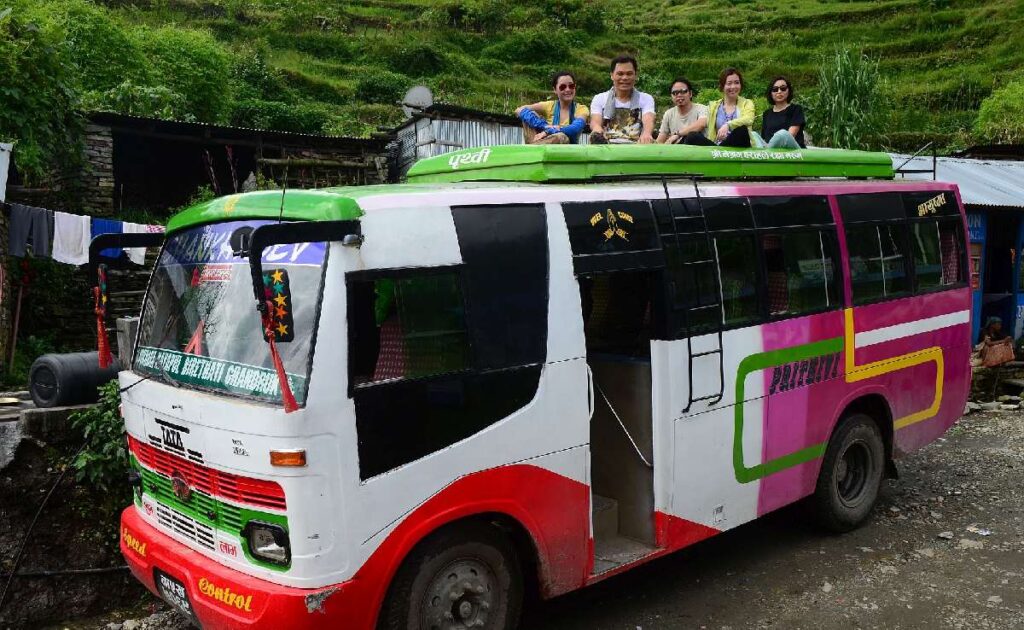
Travelling by bus is one of the easiest, most affordable, and convenient ways to explore Nepal. Bus travel in Nepal lets you relax, enjoy the scenery, and experience the countryside, mountains, and bustling cities—all from your window.

Whether you’re a first-time visitor or a seasoned traveler, following some simple guidelines can make your journey smooth and enjoyable. Let’s plan your bus trip together!

Why Bus Travel in Nepal is Popular

Firstly, tourist buses offer a stress-free way to explore Nepal. You can sit back, enjoy the views, and let professional drivers handle the logistics. Moreover, buses are comfortable, budget-friendly, and perfect for both short and long-distance trips. In addition, they allow you to witness Nepal’s beauty from a unique perspective.

Dos for a Comfortable Bus Ride

1. Book in Advance
Firstly, reserve your seat early, especially during peak season. This ensures you get your preferred seat and the best views.

2. Arrive Early
Also, reach the station at least 15–20 minutes before departure. By doing so, you avoid last-minute stress and guarantee smooth boarding.

3. Pack Smartly
Carry a small bag with essentials like water, snacks, a travel pillow, headphones, or a book. Additionally, avoid overpacking to make it easier to store your bag and move around.

4. Respect Your Seatmates
Furthermore, keep your belongings within your space and avoid leaning into someone else’s area. Respecting personal boundaries ensures a peaceful journey for everyone.

5. Stay Hydrated
Long bus rides can be dehydrating. Therefore, sip water regularly and carry well-packaged mineral water.

6. Bring Entertainment
Bus trips can get monotonous. For example, bring books, audiobooks, movies, music, or podcasts to stay entertained.

7. Be Polite to the Bus Staff
Drivers and assistants work hard to ensure your safety. Hence, be courteous, follow instructions, and dispose of trash responsibly.

Don’ts to Avoid on a Bus

1. Don’t Be Late
Buses follow tight schedules. Otherwise, arriving late can delay your trip or cause you to miss the ride entirely.

2. Avoid Overpacking
Large, heavy bags create storage issues and make traveling uncomfortable. So, pack only what you need.

3. Don’t Be Noisy
Keep conversations low and avoid loud phone calls. This way, everyone enjoys a calm environment.

4. Don’t Ignore Rest Stops
Take advantage of scheduled breaks to use the restroom, stretch, or grab a snack. In addition, rest stops help you stay refreshed and energized.

5. Don’t Panic in Case of Delays
Traffic or unexpected situations can cause delays. Therefore, stay patient; the bus staff will do their best to get you to your destination safely.

6. Don’t Leave Valuables Unattended
Always keep your belongings with you during stops. Otherwise, you risk losing them or having them stolen.

7. Don’t Distract the Driver
Avoid unnecessary conversation with the driver and refrain from strong-smelling food or heavy perfumes. Safety always comes first.

Travel Tips for Bus Journeys in Nepal

  • Additionally, enjoy the scenery from your window—mountains, rivers, and local villages make the ride memorable.

  • Carry a light jacket for cooler mountain areas.

  • Keep small snacks handy for long journeys.

  • Choose seats with the best views if possible, usually by the window.

  • Finally, be patient and flexible—roads in Nepal can be busy and unpredictable.

By following these dos and don’ts, bus travel in Nepal becomes more than just transportation—it’s part of the adventure. Then, relax, enjoy the views, and let professionals handle the logistics.

Book your tour with Himalayan Circuit, hop on a bus, and create lasting memories on the road!

Nepal Diaries: Exploring the World’s Most Nature-Connected Country

Nepal has been recognized as the world’s most “nature-connected” country in a groundbreaking study published in the prestigious journal Ambio. This title highlights how deeply nature is woven into the lives, culture, and traditions of the Himalayan nation. For travelers, it means a unique opportunity to experience nature-connected travel in Nepal like nowhere else.

What Does “Nature-Connected” Mean?

Upper Mustang

Being nature-connected goes beyond living near forests or mountains. It reflects the emotional, spiritual, and daily bond people feel with the natural world. In Nepal, nature is more than scenery, it is a teacher, a healer, and a sacred presence.

The study shows that spirituality, cultural practices, and everyday interactions with the environment are the strongest indicators of this connection. Nature-connected travel in Nepal allows visitors to experience this bond firsthand — through festivals, rituals, and everyday life.

Nepal’s Stunning Natural Diversity

Nepal is a land of contrasts and ecological richness. Within just 200 kilometers, the landscape rises from subtropical plains to the icy peaks of the Himalayas, including Mount Everest.

This variety creates unique experiences for travelers:

  • High mountains: Ten of the world’s tallest peaks offer unmatched trekking and mountaineering adventures.
  • Lush jungles and national parks: Chitwan and Bardia are home to rhinos, tigers, elephants, and fascinating birdlife.
  • Sacred rivers: Gandaki and Bagmati flow from glacial origins to fertile plains, nourishing both land and spirit.
  • Alpine meadows, terraced hills, and pristine lakes: Places like Rara and Phewa offer serenity and breathtaking scenery.
  • Rich biodiversity: Over 6,500 species of flowering plants and 900 bird species thrive here.

Moreover, nature is part of daily life in Nepal. From monks chanting in mountain monasteries to farmers honoring the land in rituals, every moment reflects the country’s nature-connected spirit.

Experience Nature-Connected Travel in Nepal

Visitors can truly feel Nepal’s connection with nature through immersive experiences:

  • Trekking ancient Himalayan trails under snow-capped peaks
  • Meditating in sacred groves and monasteries
  • Sharing tea and stories with local villagers in the hills
  • Exploring national parks to observe wildlife responsibly
  • Participating in local festivals that celebrate the natural world

Additionally, these experiences allow travelers to understand how nature shapes culture, spirituality, and everyday life in Nepal.

A Call to the World

Nepal’s recognition as the most nature-connected country is a reminder of how humans can thrive when living in harmony with the environment. In a time of global climate challenges, Nepal offers a model for respectful, mindful, and enriching interaction with nature.

For travelers, this means a journey that nurtures not only the senses but also the soul. By exploring, observing, and participating in Nepalese life, you connect with nature in a way that stays with you forever.

Step Into Nature-Connected Travel in Nepal

At Himalayan Circuit, we invite you to experience Nepal fully, not just as a destination, but as a way of living. Trek, meditate, explore, and reconnect with the natural world the Nepalese way.

Nepal Diaries: Rhododendrons, Festivals, and the Spirit of Spring

Hike from Dhampus to Australian Camp

March is one of the best months to visit Nepal. Winter slowly gives way to spring, rhododendrons bloom along the hillsides, and trekking trails look inviting. The combination of mild warmth, clear skies, and beautiful landscapes makes March ideal for sightseeing, cultural experiences, and outdoor adventures.

Whether you are a first-time visitor, traveling with family, or planning to combine city tours, short treks, and wildlife exploration, March offers something for everyone.

Weather in March

Himalayan peaks in Nepal – Nepal best travel destination

March marks the beginning of spring in Nepal. Daytime temperatures in Kathmandu and the mid-hills range from 18°C to 25°C, making sightseeing very comfortable. Early mornings and evenings are cooler, especially in Kathmandu, Pokhara, Chitwan, and other major cities.

Skies are generally clear, and trekking trails are safer than in icy winter months. You may experience short spring showers toward the end of the month, so a light rain jacket can be useful. In the mountains, unexpected cold or new snowfalls can occur, so pack warm hats and gloves if you plan to explore higher elevations.

Trekking and Outdoor Activities

Everest Base Camp Trek

March is one of the best months for trekking in Nepal. Weather is stable, trails are clear, and crowds are moderate.

Tips: Start hikes early to avoid afternoon haze, dress in warm layers, and monitor snow conditions in higher passes. If you’re new to the region, hiring a local guide is recommended for flexibility and safety.

Festivals and Cultural Events

Holi Celebration

March is lively with colorful festivals:

  • Holi, the Festival of Colors: Kathmandu, Patan, and Pokhara transform into playful clouds of color. Join in, but protect your camera and wear clothes you don’t mind getting messy.
  • Local Jatras and Temple Fairs: Smaller festivals happen in hill towns and around the Kathmandu Valley. These are excellent opportunities to experience Newar culture and try seasonal sweets.

Ask your hotel or guide about local events so you can join respectfully, dress modestly, and buy colors from trusted shops.

Wildlife and Nature Experiences

If you want a break from the mountains, visit Nepal’s Terai lowlands in March.

  • Chitwan and Bardiya National Parks: Clear skies and warmer days make wildlife spotting easier. Look for rhinos, tigers, deer, gharials, and a variety of birds.
  • Mountain Flora: In the hills and mountains, rhododendrons and wildflowers bloom, making treks even more scenic.

Spring is perfect for hikes around Pokhara or the Kathmandu Valley. Don’t forget your binoculars and follow park regulations to protect wildlife.

Travel Tips for March

  • Pack layers: T-shirts for midday, fleece or jackets for evenings, and windproof outerwear for hiking.
  • Footwear: Good trekking boots are essential, as some trails may be wet or muddy.
  • Sun protection: Higher altitudes mean stronger UV rays. Bring sunscreen, sunglasses, and a hat.
  • Protect valuables: Use zip-lock bags or dry bags for phones and cameras, especially during festivals.
  • Cash: ATMs work in major towns, but bring cash for mountain lodges.
  • Flights: Check domestic flight schedules; weather can still cause delays.

So, is March a good time to visit Nepal? Absolutely. You can enjoy pleasant sightseeing weather, ideal trekking conditions, blossoming hillsides, and colorful festivals all in one trip.

March allows for a well-rounded itinerary, a few days of city tours in Kathmandu, trekking in Annapurna or Langtang, and a wildlife trip in Chitwan can all fit together.

Be flexible with the weather, pack your gear wisely, and experience the beauty and culture of Nepal this March with Himalayan Circuit.

Upper Mustang: Trek Blends Culture and Desert Mystique

Discover the Upper Mustang Trek, a journey into Nepal’s “Last Forbidden Kingdom,” nestled beyond the towering Annapurna and Dhaulagiri peaks. For centuries, this remote land remained sealed, preserving a vibrant time capsule of ancient Tibetan traditions. Since opening to trekkers in 1992, Upper Mustang invites adventurers and cultural explorers to uncover its surreal deserts, sacred monasteries, and timeless heritage.

A Realm Frozen in Time

Once a thriving trade hub between Nepal and Tibet, Upper Mustang was the heart of the Kingdom of Lo. For example, its medieval capital, Lo Manthang, founded in 1380 by Ame Pal, still stands as a fortress of culture, encircled by a 6-meter-high wall. Even after the last king, Jigme Dorje Palbar Bista, passed in 2016, the region’s Tibetan heritage thrives—untouched by time.

Furthermore, Nepal shielded Upper Mustang from outsiders for decades to preserve its sanctity and proximity to Tibet. Consequently, it earned the title “Forbidden Kingdom,” safeguarding one of the world’s purest Tibetan Buddhist cultures. When the gates opened in 1992, a rare window into this sacred world was revealed.

The Trek of a Lifetime: Why Upper Mustang Captivates

Upper Mustang

Unlike Nepal’s lush, alpine trails, Upper Mustang offers a surreal journey through a high-desert wonderland. Here’s why it’s unforgettable:

  • Otherworldly Landscapes: Picture wind-carved cliffs and golden rock formations glowing under a vast sky. For instance, in the rain shadow of Annapurna and Dhaulagiri, Mustang’s arid terrain feels like a Martian plateau. Meanwhile, dazzling views of Nilgiri and Dhaulagiri peaks add breathtaking contrast.

  • Living Tibetan Heritage: Immerse yourself in a culture unchanged for centuries. Specifically, you can visit 500-year-old monasteries adorned with vibrant murals or explore mysterious sky caves holding ancient relics. Additionally, the Tiji Festival in Lo Manthang—a three-day spectacle of masked dances—banishes evil spirits in vibrant style.

  • Exclusive Adventure: Strict permits limit visitors, ensuring an intimate trek. Therefore, this isn’t Everest’s hustle—it’s a pilgrimage through a sacred, silent land.

  • Cultural Connection: For example, chatting with monks or sipping butter tea in village teahouses lets you feel the pulse of a living Buddhist tradition.

Journey Through the Forbidden: Trek Highlights

A 12- to 16-day trek begins with a scenic flight from Pokhara to Jomsom, launching you into Upper Mustang’s magic. Key stops include:

  • Kagbeni: The gateway village, where prayer flags dance and the Kali Gandaki River roars.
  • Chele & Syangboche: Meanwhile, these cliffside hamlets feature ancient cave dwellings carved into rock faces.
  • Geling & Ghami: Wander past endless mani walls and golden barley fields swaying in the wind.
  • Charang: For instance, marvel at a red-walled monastery and a crumbling palace steeped in history.
  • Lo Manthang: The heart of Mustang, a walled city of royal palaces and gompas humming with chants.
  • Chhoser Caves: Additionally, optional detours lead to eerie, ancient caves hiding archaeological treasures.

At a moderate 3,800m max altitude, this trek focuses less on grueling climbs and more on history and culture. Typically, expect 5-6 hours of daily trekking, ideal for fit adventurers with a thirst for discovery.

Planning Your Trek: Permits & Logistics

To protect its fragile heritage, Upper Mustang’s exclusivity comes with specific rules:

  • Permit: A Restricted Area Permit (RAP) costs USD 500 per person for 10 days, plus USD 50/day thereafter.
  • Group Size: For example, a minimum of 2 trekkers, accompanied by a licensed Nepali guide, is required.
  • Access: Fly or drive to Jomsom, then trek from Kagbeni, the official entry point.

As a result, these measures keep Mustang pristine, ensuring your journey supports local communities and conservation.

Who Should Trek Upper Mustang?

This trek is perfect for:

  • Cultural Explorers: Dive into Tibetan Buddhist traditions and ancient history.
  • Adventure Seekers: For instance, those craving a trail far from tourist crowds will love it.
  • Seasoned Nepal Travelers: Ready to venture beyond Annapurna or Everest? This is your trek.
  • Spiritual Wanderers: Additionally, it’s ideal for those seeking meditation in sacred spaces.

While moderate fitness is needed, the real requirement is a heart open to wonder and respect for Mustang’s sanctity.

Treading Lightly: Responsible Tourism

Thanks to careful stewardship, Upper Mustang’s magic endures. Specifically:

  • Community Lodges: Stay in local teahouses, directly supporting families.
  • Conservation: For example, the Annapurna Conservation Area Project (ACAP) protects the region’s ecology and culture.
  • Eco-Ethics: Moreover, strict waste rules preserve the pristine landscape.

Thus, your trek becomes a commitment to safeguarding a sacred legacy.

Step Into the Forbidden Kingdom

Upper Mustang isn’t just a trek; it’s a portal to a forgotten world. Prayer flags ripple in the desert breeze, monks chant in candlelit gompas, and ancient caves guard stories of lost eras. In other words, this is where the Himalayas meet the surreal, where every step feels like a pilgrimage.

Ready to explore? Let Himalayan Circuit , experts in Nepal’s hidden gems, craft your fully guided Upper Mustang adventure—permits, guides, and cultural insights included.

Annapurna Region: Poon Hill Sunrise and Himalayan Views

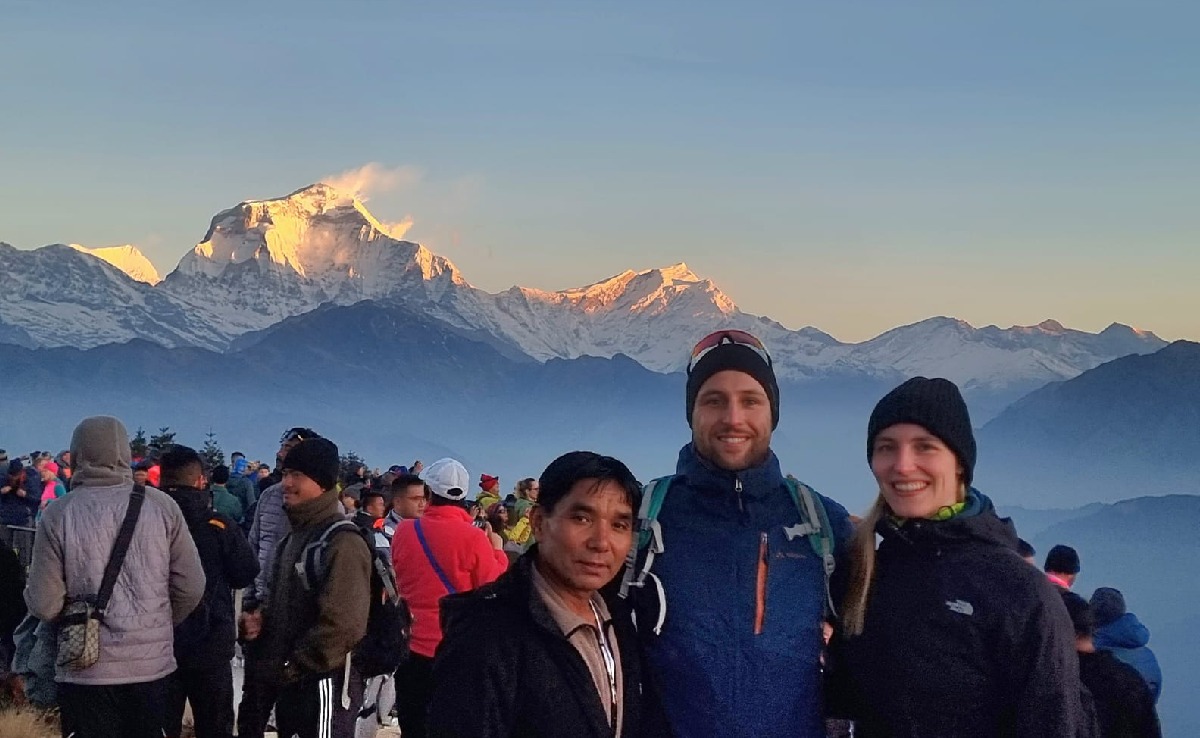
In the Annapurna region, one of Nepal’s most popular experiences does not come from climbing a peak, but from a quiet hilltop at dawn. The Poon Hill Trek leads you above the Magar village of Ghorepani to a must-see sunrise viewpoint. As a result, it attracts thousands of trekkers every year.

However, behind the crowds and camera flashes lies a story of how a simple local trail grew into a world-famous trekking highlight.

From Local Footpath to Global Icon

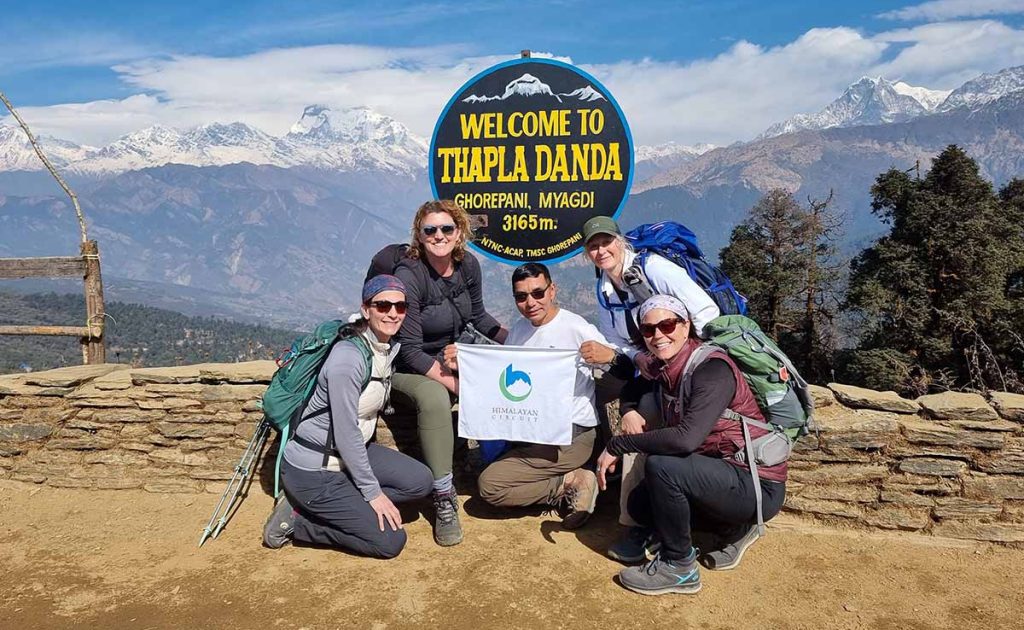
4 Clients with 1 Guide in Thapla Danda

Originally, local Magar communities used the trail for practical purposes. Villagers from Ghorepani and nearby areas climbed the ridge to collect firewood, graze livestock, or check the weather for planting and harvesting.

Later, the hill was named after the Poon Magar ethnic group, one of the oldest indigenous communities in the region.

In the 1970s and 1980s, international trekking started gaining popularity in Annapurna. Some trekkers were guided by locals to the top of the ridge just in time for sunrise. This experience, in turn, left a lasting impression and spread by word of mouth.

The Panoramic View

At 3,210 meters above sea level, Poon Hill offers a full 360° view of the Annapurna and Dhaulagiri ranges. When the sun rises, snowy peaks such as Annapurna South (7,219m), Machhapuchhre (6,993m), Hiunchuli, and Dhaulagiri I (8,167m) glow in gold, orange, and pink.

Meanwhile, trekkers watch the play of light, shadow, and silence, which no photo can fully capture. Over time, this sunrise became a signature attraction for those seeking a short but powerful Himalayan adventure.

Ghorepani Village: The Gateway to Sunrise

Ghorepani, a charming Magar village nestled in rhododendron forests, serves as the gateway to Poon Hill. Once, it was a stop for traders and mule caravans. By the early 1990s, it had grown into a lively lodge village.

Typically, trekkers spend the night in Ghorepani and begin the pre-dawn hike to Poon Hill, which takes 45 minutes to an hour. During the hike, headlamps twinkle along the stone-paved trail, marking the path for those climbing the ridge.

In addition, local families and lodges actively maintain the trail, protect the forests, and welcome thousands of trekkers with warmth and hospitality.

Why Poon Hill is Ideal

  • Short and Scenic: The trek can be completed in 4–6 days round-trip from Pokhara.
  • Culturally Rich: Walk through Magar and Gurung villages and stay in family-run lodges.
  • Low Altitude Risk: At 3,210m, altitude sickness is unlikely.
  • Perfect for Beginners: No technical skills are needed.
  • Flexible Connections: Easily combine with longer treks such as [ABC Trek link]

Therefore, whether it is your first Himalayan trek or a detour from a longer journey, Poon Hill delivers great reward for modest effort.

How Poon Hill Became a Must-Do

Unlike many trekking destinations promoted by tour operators, Poon Hill’s fame grew naturally. Initially, local guides suggested the sunrise experience to visiting trekkers. As a result, it eventually became known as the “Poon Hill Sunrise Trek.”

Later, tour agencies worldwide began offering it as the perfect introduction to Nepal. Consequently, a simple village path became a global trekking icon.

Ensuring Sustainability

With growing popularity comes responsibility. Therefore, sustainable trekking practices are essential. Key measures include:

  • Maintaining trails and controlling erosion
  • Reducing waste and limiting plastics
  • Supporting local lodges and guides
  • Promoting cultural respect and awareness

In addition, organizations like ACAP, local cooperatives, and eco-conscious tour operators like us Himalayan Circuit work to preserve the Poon Hill trek route. In 2024, the Annapurna Conservation Area welcomed 244,045 foreign trekkers, highlighting the importance of responsible trekking.

First Trip to Bhutan: Explore Culture, Nature & Tranquility

A Journey of Culture, Connection, and Himalayan Tranquility

By Himalayan Circuit | Travel Story by Mr. Anish Neupane, Managing Director of Himalayan Circuit
Date: 22 July 2025

A Dream Realized: From Kathmandu to the Land of the Thunder Dragon

This travel story is personally shared by our Managing Director, Mr. Anish Neupane, who recently went on his first trip to Bhutan to experience its cultural depth, spiritual richness, and tranquility. His reflections capture the essence of Bhutan while also highlighting the strong bond he has built with our trusted partner, Mr. Tashi Tobgay of Unique Bhutan Adventure.

After years of close partnership and cross-border collaboration, Mr. Neupane finally set foot in the Kingdom of Bhutan—a land known for its peaceful landscapes, spiritual richness, and commitment to happiness over materialism. Although he has worked with his Bhutanese partner, Mr. Tashi Tobgay, since 2010, this was his first personal visit to experience the country’s essence from the inside out.

Here, in his own words, he shares the beginning of that journey:

Taking Off from Kathmandu

My journey began on the morning of 22nd July 2025. I left Kathmandu’s Tribhuvan International Airport at 8:26 AM, and soon the plane climbed into the sky. Along the way, I enjoyed spectacular views of the Himalayan giants.

From the left-hand side of the plane, I could clearly see:

  • Mount Everest (8,848.86 m / 29,031.7 ft)
  • Makalu (8,485 m / 27,838 ft)
  • Lhotse (8,516 m / 27,940 ft)

The mountains were breathtaking. Then, as the plane continued, I felt as if I were on a private air tour. This experience set the tone for what would become a deeply fulfilling journey.

Touching Down in Paro: Bhutan’s Gateway

The excitement of my first trip to Bhutan grew as we neared Paro. Soon, I landed at Paro International Airport at 10:00 AM. The airport is surrounded by forested hills and traditional houses, nestled in a narrow valley at an elevation of 2,225 meters (7,300 feet). From the moment I stepped out of the plane, the peaceful energy of Bhutan was noticeable.

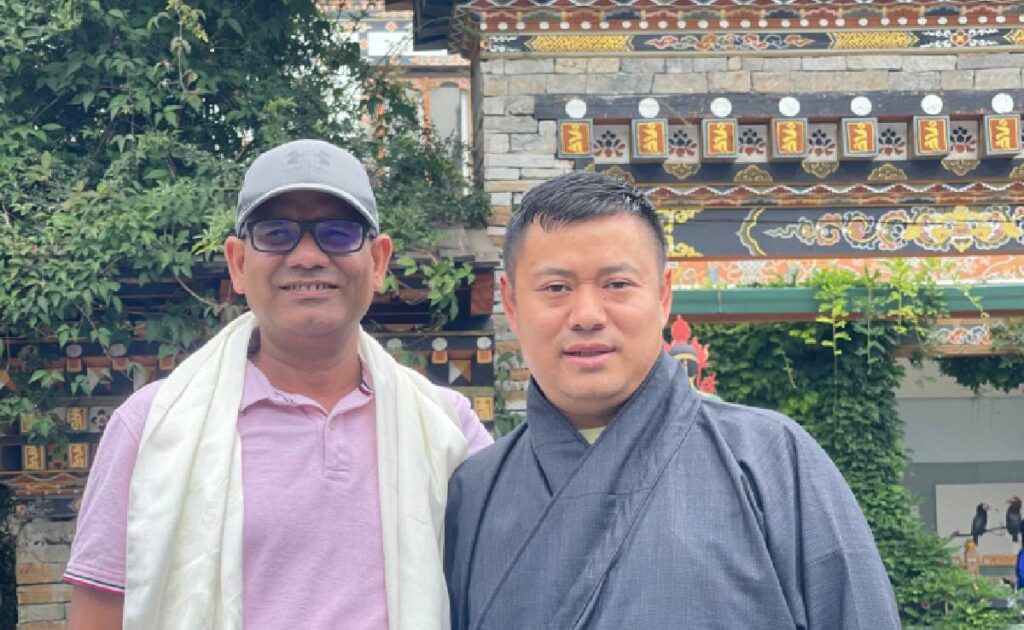
After clearing immigration, I was warmly greeted by Mr. Tashi Tobgay, founder of Unique Bhutan Adventure and my trusted local partner. Although we had shared a long-standing business relationship and hosted him in Nepal several times, this was my first opportunity to join him on his home ground.

Greeted in Bhutanese way at the first time visit in Bhutan

Next, before heading to the capital, we stopped for a short coffee break by the Paro River. The crisp mountain air, traditional architecture, and sound of flowing water created a perfect, peaceful welcome.

Scenic Drive to Thimphu and Warm Bhutanese Hospitality

After the coffee break, we drove 45 kilometers (28 miles) to Thimphu, Bhutan’s capital, at an elevation of 2,334 meters (7,657 feet). Along the way, the roads wound through pine forests and riverside trails, offering beautiful views at every turn.

We also visited Depsi, where Mr. Tobgay is developing a local ironworks facility to support small-scale industry and sustainable construction. Seeing his commitment to Bhutan’s future was truly inspiring.

At his home, I was warmly received by his wife Choki and their three daughters. They welcomed me in the traditional Bhutanese way with a khada (white scarf) and a homemade welcome cake. Later, we shared a hearty Bhutanese lunch full of authentic flavors and warmth.

Exploring Thimphu: Culture, Conservation & City Life

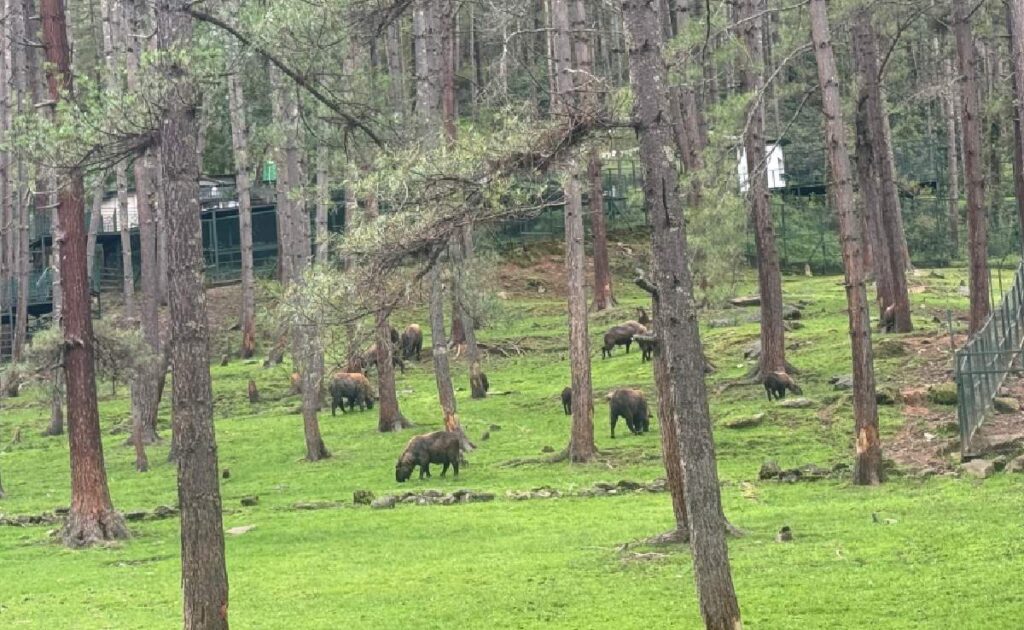
Later that afternoon, I visited the Motithang Takin Preserve, a wildlife sanctuary home to the Takin, Bhutan’s rare and beloved national animal. Located at 2,650 meters (8,694 feet), the preserve offered a calm forest setting where I could connect with nature and see Bhutan’s dedication to conservation.

Next, I explored central Thimphu, wandering through local markets, handicraft shops, and hotels. This gave me a sense of both local lifestyle and tourism infrastructure. Mr. Tobgay also introduced me to his wholesale appliance store, showing the range of his entrepreneurial ventures in Bhutan.

Bhutan’s national animal, the Takin, at Motithang Preserve.

Throughout the city, traditional architecture blends seamlessly with modern elements. The absence of traffic lights speaks volumes about Bhutan’s focus on simplicity, order, and balance.

Reflections: A Personal and Professional Milestone

This first day in Bhutan was far more than sightseeing. It became a moment of reflection, relationship, and realization. Bhutan’s values—compassion, simplicity, and harmony—are not just ideals; they are practiced in everyday life.

This journey strengthened my bond with Unique Bhutan Adventure and reaffirmed why I am proud to offer Bhutan as one of Himalayan Circuit’s signature destinations. This day was only the start of a rich journey through Bhutan’s valleys, monasteries, and communities—experiences I am excited to share with travelers seeking depth, purpose, and peace.

Highlights from My First Day in Bhutan

  • Flight from Kathmandu to Paro (400 km / 248 mi) with panoramic Himalaya1n views
  • Arrival at Paro International Airport (2,225 m / 7,300 ft elevation)
  • Warm welcome by Mr. Tashi Tobgay, Unique Bhutan Adventure
  • Coffee by the Paro River
  • Visit to Depsi and local ironworks project
  • Traditional Bhutanese lunch and hospitality at a local family home
  • Visit to Motithang Takin Preserve (2,650 m / 8,694 ft elevation)
  • Exploring Thimphu markets, hotels, and cultural spaces

Plan Your Bhutan Journey with Himalayan Circuit

If you’re planning your first trip to Bhutan, let it be a journey of connection, not just travel. At Himalayan Circuit & Unique Bhutan Adventure, we specialize in personalized, culturally immersive Bhutan experiences designed with local insight and years of partnership. From scenic valleys and ancient monasteries to local family stays and peaceful treks—your Bhutan story begins here.

connect@himalayancircuit.com
WhatsApp: +977 9851121494
www.himalayancircuit.com

Come, join Himalayan Circuit and experience Bhutan—the Himalayan kingdom where happiness is a way of life.


Nepal Opens 97 Peaks for Free Climbing Beyond Everest

Nepal, the land of majestic mountains and unparalleled adventure, is making headlines again. The government has opened 97 previously restricted peaks for free climbing to promote tourism in its remote western regions. This bold move aims to diversify mountaineering tourism, reduce congestion on Mount Everest, and create income opportunities for local communities.

(CNNNews18BBC)

Why Nepal is Opening New Peaks

For decades, Mount Everest has dominated the mountaineering scene in Nepal, attracting thousands of climbers annually. However, overcrowding, rising costs, and environmental concerns have prompted authorities to shift attention to lesser-known regions.

Benefits of the initiative include:

  • Affordable Adventure: Permit fees for 97 peaks are waived for the next two years, making Himalayan mountaineering accessible to more adventurers.
  • Economic Upliftment: Tourism in Karnali and Sudurpashchim provinces, which have limited infrastructure, will generate jobs and income for local communities.
  • Decongesting Everest: Encouraging climbers to explore alternative peaks will reduce pressure on Everest’s heavily trafficked routes.

Himal Gautam, Director at the Department of Tourism, said:
“The aim is to bring more visitors to remote regions, create jobs, and generate income for local communities. This initiative will also help promote Nepal’s unexplored mountain destinations.”

Details of the Newly Accessible Peaks

  • Number of Peaks: 97 (77 in Karnali, 20 in Sudurpashchim)
  • Altitude Range: 5,870 meters (19,258 ft) – 7,132 meters (23,399 ft)
  • Notable Peaks: Saipal (7,030 m), Api (7,132 m), Api West (7,076 m)

Many of these peaks remain “virgin,” awaiting their first climbers, offering a unique opportunity to explore untouched Himalayan landscapes.

New Rules for Mount Everest Climbers

Alongside opening new peaks, Nepal is introducing stricter regulations for Everest aspirants:

  • Climbers must first scale at least one 7,000-meter peak within Nepal.
  • Everest permit fees will increase from USD 11,000 to USD 15,000 per person, effective September 1, 2025.
  • These measures aim to ensure climbers are experienced and to maintain safety and environmental standards.

(Outside OnlineTravel and Tour World)

Challenges and Considerations

While this initiative is a game-changer, climbers should be aware of the following:

  • Remote Access: Sudurpashchim is 535 km from Kathmandu, Karnali 400 km; both require flights and challenging road travel.
  • Limited Amenities: Basic accommodation and services; climbers must prepare adequately.
  • Environmental Responsibility: Increased tourism may impact fragile ecosystems. Authorities are implementing safety and sustainability guidelines.

Why You Should Consider These Peaks

  • Discover untouched regions of Nepal away from the Everest crowd.
  • Experience authentic Himalayan adventure with fewer climbers on the trails.
  • Contribute to local communities and sustainable tourism.

Whether you are a seasoned climber or an aspiring adventurer, these newly opened peaks provide an affordable, challenging, and rewarding experience in the Himalayas.

Plan Your Adventure with Himalayan Circuit

Himalayan Circuit can help craft custom itineraries, obtain permits, and arrange local guides for these new peaks. Explore Nepal beyond Everest and experience the hidden gems of the western Himalayas.

Email: connect@himalayancircuit.com
WhatsApp / Cell: +977 9851121494

References:

  1. CNN Travel: Nepal opens 97 mountains for free climbing
  2. News18: Nepal opens untouched peaks for tourists
  3. BBC: Nepal opens 97 peaks for free climbing
  4. Travel + Leisure Asia: Nepal opens 97 remote peaks
  5. Outside Online: Everest & 97 Peaks
  6. Travel and Tour World: Free access to 97 peaks

Langtang Region: Altitude Guide & Acclimatization Tips

The Langtang trek in Nepal is a journey through changing landscapes — from lush forests and riverside trails to high alpine valleys surrounded by snowcapped peaks. Starting at just 1,460 meters in Syabrubesi, the trail climbs steadily to Kyanjin Gompa at 3,870 meters, offering dramatic elevation changes that define the Langtang trek altitude experience.

This rapid vertical gain — over 2,400 meters in just a few days — makes the trek both thrilling and physically demanding. The thinner air affects your body before you realize it, which is why understanding the altitude profile and preparing properly is essential for a safe, rewarding experience.

In this blog, we’ll explore how altitude impacts your trek day by day and share practical tips for acclimatization, gear, and pacing — so you can stay healthy and make the most of your Langtang adventure.

Langtang Trek Overview: Route, Distance & Highlights

Langtang Valley Elevation

The Langtang trek lies just north of Kathmandu and is one of Nepal’s most accessible yet rewarding treks. This 7 to 10-day journey covers roughly 60 to 75 kilometers and blends natural beauty, cultural encounters, and scenic mountain views into one unforgettable trail.

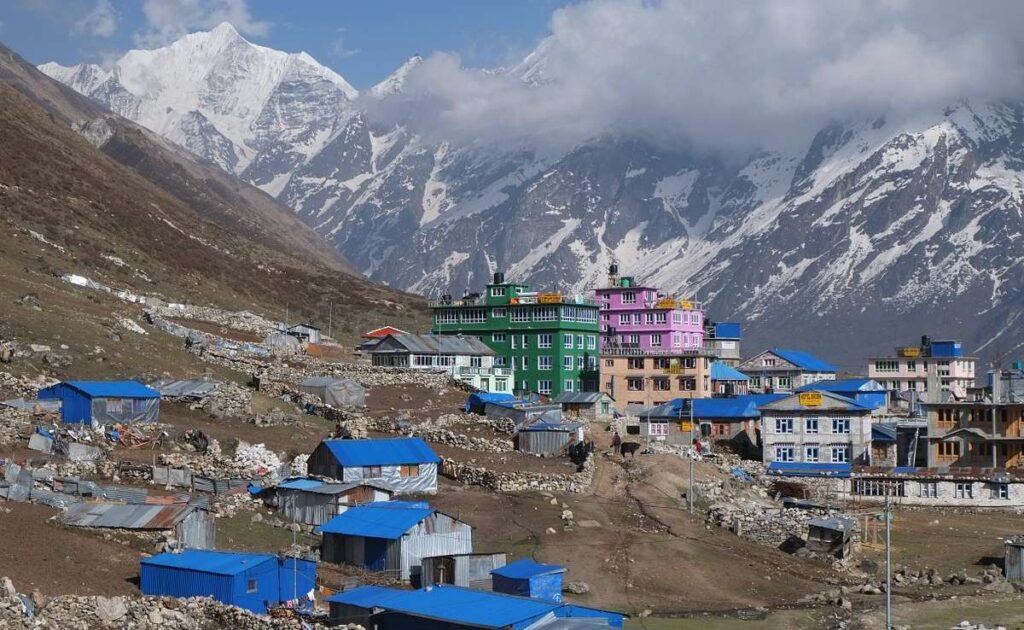
The trek starts from Syabrubesi (1,460 m), where you enter lush sub-tropical forests filled with bamboo, rhododendron, and river crossings. From here, the route gently ascends through villages like Lama Hotel (2,470 m) and Langtang Village (3,430 m) before reaching the spiritual and scenic hub of Kyanjin Gompa (3,870 m), nestled beneath Langtang Lirung (7,227 m).

As you ascend, the landscape shifts dramatically — dense forests give way to alpine woodlands, open meadows, and finally, a wide glacial valley. The mountains grow taller, the villages feel more remote, and the air becomes thinner and cooler with each step.

Langtang Trek Altitude Profile: Day-by-Day Breakdown

Altitude plays a subtle but powerful role in shaping your trekking experience. You’ll notice your breathing, energy levels, and pace shifting as you gain elevation — especially beyond 3,000 meters.

Here’s a breakdown of the altitude gain and key elevation points on a standard 7-day Langtang trek itinerary:

Day Route Elevation (m) Altitude Gain
Day 1 Syabrubesi 1,460
Day 2 Syabrubesi to Lama Hotel 2,470 +1,010 m
Day 3 Lama Hotel to Langtang Village 3,430 +960 m
Day 4 Langtang Village to Kyanjin Gompa 3,870 +440 m
Day 5 Acclimatization at Kyanjin Gompa 3,870
Day 6 Return to Lama Hotel 2,470 -1,400 m
Day 7 Lama Hotel to Syabrubesi 1,460 -1,010 m

Tip: Altitude affects everyone differently. Prioritize slow and steady walking, especially above 3,000 meters. Taking a rest day in Kyanjin Gompa for acclimatization significantly lowers your risk of altitude sickness.

What to Pack for High Altitude Trekking

At higher altitudes, your comfort and safety rely heavily on the right gear. Weather can shift rapidly, and your body will need support to adapt to colder temperatures and thinner air.

Here are key packing essentials for the Langtang trek:

  • Layered Clothing:

  • Base Layer: Moisture-wicking thermal tops and bottoms.
  • Mid Layer: Insulating fleece or down jacket.
  • Outer Layer: Waterproof and windproof shell jacket.
  • Trekking Shoes:
    Well-broken-in boots with good grip for rocky terrain.

  • Accessories:
    Hat, gloves, neck buff, sunglasses, sunscreen (high SPF), lip balm with UV protection.

  • Trekking Poles:
    Helps reduce strain on knees and improves balance on descents.

  • Water Purification:
    Bring a filter or purification tablets — safe water is critical at high altitude.

  • Energy Snacks:
    Carry nuts, energy bars, and dry fruits to refuel during long hiking days.

  • Medications:
    Include altitude sickness medication as advised by your doctor, along with personal prescriptions.

Tips for Acclimatization & Staying Healthy

  1. Follow the “climb high, sleep low” rule — especially around Kyanjin Gompa where you can do a short hike to a nearby ridge or Kyanjin Ri and descend back to sleep.
  2. Stay hydrated: Drink at least 3–4 liters per day, especially in dry mountain air.
  3. Eat well: Even if your appetite decreases, try to eat warm, carbohydrate-rich meals.
  4. Avoid alcohol: It worsens dehydration and altitude symptoms.
  5. Go slow: Listen to your body, rest when needed, and don’t rush the trek.

Let the Trek Teach You

The Langtang trek is more than just a physical journey — it’s a lesson in patience, presence, and inner clarity. With every step, you adjust to the terrain, the climate, and your own rhythm. There’s no need to rush. The mountains are not going anywhere.

Whether you’re walking through rhododendron forests or standing beneath the towering peaks of Langtang Lirung, remember — it’s not about how fast you get there, but how deeply you connect with the journey.

So take it slow. Stay aware. Let the trek unfold one step at a time.

Annapurna Region: How Altitude Gain Shapes ABC Trek

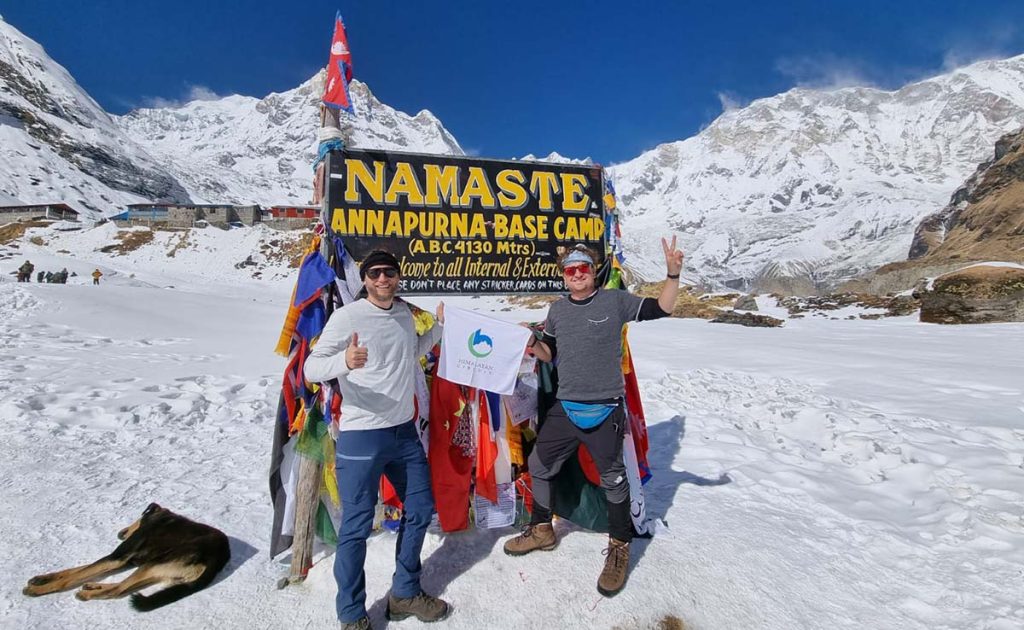
Two Trekkers holding himalayan circuit Banner in Annapurna Base Camp

Trekking to Annapurna Base Camp is more than just a mountain adventure — it’s a journey into the soul of Nepal. As you walk deeper into this natural masterpiece, glaciers begin to shine, rivers roar beside you, and the warmth of ancient villages keeps your spirit grounded. The gradual ABC trek altitude gain adds a quiet rhythm to the journey, shaping how you move, breathe, and experience the Himalayas.

The Annapurna Base Camp trek (ABC trek) showcases Nepal’s remarkable Himalayan landscape and rich cultural heritage. The route gains altitude gradually — from around 1,000 meters at the starting point to 4,130 meters at base camp — making the elevation itself a key part of the story. This slow but steady climb offers not only changing landscapes but also the chance to connect more deeply with nature and your own resilience.

ABC trek altitude gain view from Poon Hill
One of the most rewarding altitude milestones: the golden views from Poon Hill.

Overview of the Annapurna Base Camp Trek

The ABC trek leads you to the base of Mount Annapurna, within the Annapurna Conservation Area in Gandaki Province. Depending on your chosen route and pace, you can complete the trek in 7 to 12 days.

The journey begins at Nayapul and winds through Gurung and Magar villages, offering a beautiful cultural experience along with the scenery. Highlights include the panoramic sunrise from Poon Hill, the sacred Machhapuchhre Base Camp, and the rejuvenating hot springs at Jhinu Danda.

Spring (March–May) and autumn (September–November) are the best times to trek — offering clear skies, pleasant temperatures, and vibrant rhododendron blooms or post-monsoon freshness.

Altitude Gain Throughout the Trek

The most fascinating part of the trek is the ABC trek altitude gain — how the elevation changes step by step, shaping both the physical experience and the surrounding environment.

Here’s a general breakdown of altitude progression:

Location Altitude (m) Approx. Gain
Nayapul ~1,010 Starting Point
Ulleri 2,070 +1,060 m
Ghorepani 2,840 +770 m
Poon Hill 3,210 +370 m (optional hike)
Tadapani 2,610 Descent
Chhomrong 2,170 Further descent
Sinuwa 2,360 +190 m
Deurali 3,230 +870 m
Annapurna Base Camp 4,130 +900 m

As you rise higher, your breath shortens, the air gets cooler, and the forested trails give way to alpine landscapes and the dramatic amphitheater of the Annapurna Sanctuary. Each elevation point carries its own sense of achievement.

Acclimatization and Health Tips

If there’s one golden rule for the ABC trek, it’s this: don’t rush.
Your body needs time to adjust to the changing altitude, and pushing too hard can risk altitude sickness — even below 4,000 meters.

Tips to stay safe and healthy:

  • Walk slow and steady, especially above 2,500 meters.
  • Stay hydrated — drink water frequently, even if you’re not thirsty.
  • Eat warm, digestible meals and avoid alcohol or heavy fried foods.
  • Rest when needed, and listen to your body.
  • Carry a basic first aid kit with essentials like Diamox, antiseptic cream, and band-aids.
  • If symptoms like headache, nausea, or dizziness appear — descend and inform your guide.

Altitude should never be taken lightly, but with awareness and care, it becomes part of the beauty of the trek.

Packing Tips for High-Altitude Trekking

When packing for the ABC trek, aim for function over excess. Every item should serve a purpose — because each gram adds up, especially when the air gets thinner.

Must-pack essentials:

  • Layered clothing (base layers, insulation, waterproofs)
  • Quality trekking boots and socks
  • Trekking poles (especially helpful for steep descents)
  • Warm jacket, gloves, and hat
  • Reusable water bottle or hydration bladder
  • Headlamp and power bank
  • First aid kit and personal meds

A manageable backpack lightens the strain on your body and lets you focus more on the scenery — not your shoulders.

The gradual altitude gain of the Annapurna Base Camp trek might seem like just numbers on a map — but in truth, it’s what gives the journey its rhythm. It’s a quiet force that shapes every part of your experience: the views, the pace, your breath, and even your thoughts.

The ABC trek is not just about reaching 4,130 meters. It’s about how you get there — with patience, presence, and deep respect for the mountains.

Let the altitude teach you humility. Let the landscapes remind you to pause. And let each step pull you closer to something more meaningful than just a destination.

Unique Experiences: How Federalism Impacts Nepal’s Tourism

Federalism in Nepal

In 2015, federalism in Nepal was officially adopted, marking a significant milestone after years of political challenges. This change introduced a new era of hope and opportunity by decentralizing power among three levels of government: federal, provincial, and local. Each tier now holds distinct responsibilities, including managing development priorities such as tourism—an essential pillar of Nepal’s economy.

Beyond administrative tasks like planning and budgeting, federalism in Nepal has encouraged governments to engage more with local communities to craft policies that reflect regional identities and needs. Consequently, tourism is evolving to become more inclusive and community-driven. No longer confined to traditional hubs like Kathmandu and Pokhara, it is flourishing across Nepal’s diverse provinces.

Understanding Nepal’s Federal Structure

Federalism in Nepal establishes a framework comprising one federal government, seven provincial governments, and 753 local governments, each with clearly defined roles. The federal government oversees national policies, while provincial governments address regional issues. Local governments manage the everyday needs of their communities.

This division enhances service efficiency and accountability, enabling each government level to operate autonomously yet collaboratively. Striking this balance supports national unity while empowering local autonomy, allowing Nepal to effectively serve its diverse population.

The Impact of Federalism on Tourism

Federalism empowers provinces to develop tourism strategies tailored to their unique strengths. This autonomy allows regions to promote local attractions, improve infrastructure, and foster community-based initiatives such as homestays and trained local guides. As a result, tourism is becoming more dispersed and sustainable, offering authentic experiences beyond the well-known destinations.

Below is an overview of how each province is utilizing federalism to shape its tourism landscape:

1. Koshi Province: Adventure and Authenticity

Everest Region Trek: Lukla to Tengboche Adventure
The majestic peaks of the Everest Region lie in Koshi Province.

Home to iconic peaks like Everest, Kanchenjunga, and Makalu, Koshi Province is renowned as an adventure tourism hotspot. However, tourism development here is marked by careful planning and community involvement. Improved infrastructure and connectivity are opening remote areas to visitors, while initiatives like homestays ensure that tourism benefits local residents. This approach preserves the region’s adventurous spirit and fosters meaningful travel experiences.

2. Madhesh Province: Cultural Richness and Wildlife

Rhino in Chitwan National Park
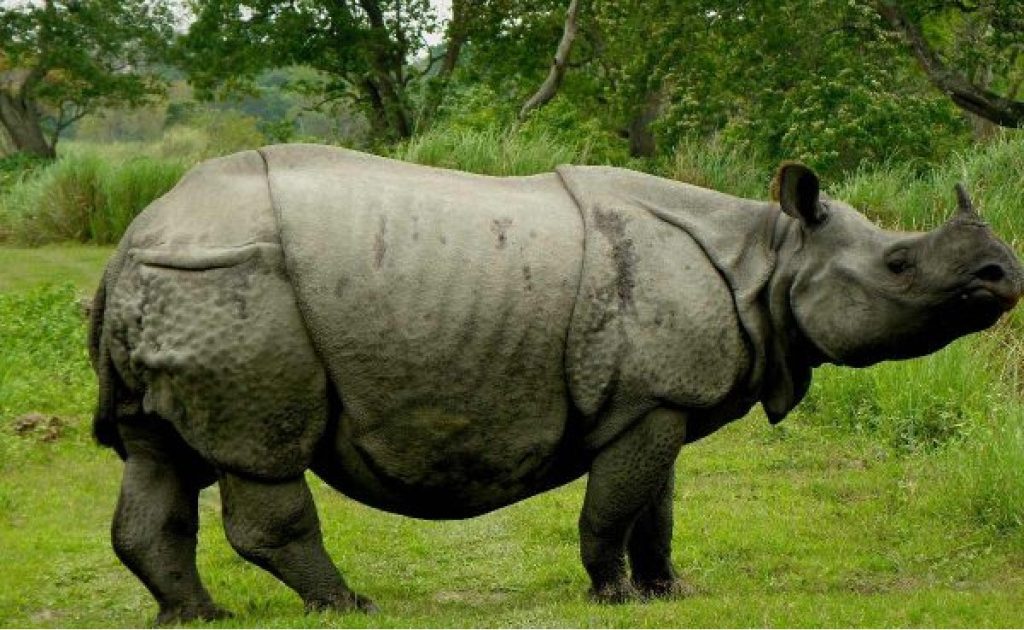
The endangered one-horned rhinoceros (Gainda), spotted in Chitwan National Park, which lies in Madhesh Province.

Madhesh Province offers a different but equally valuable tourism experience. Known for its vibrant cultural festivals, historic towns, and warm hospitality, it reflects Nepal’s diverse heritage. The province’s lowland Terai region is home to important wildlife reserves, including parts of the Chitwan National Park, attracting nature lovers and safari enthusiasts. Though tourism here is still developing, Madhesh holds great potential to enrich Nepal’s overall travel offerings.

3. Bagmati Province: Preserving Cultural Heritage

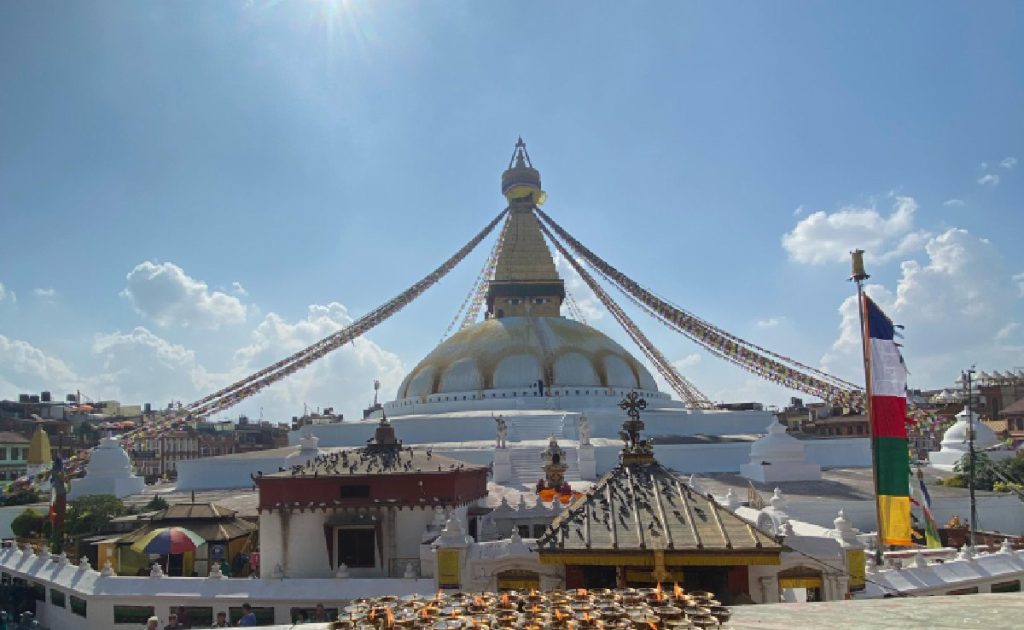
Boudhanath Stupa
 The largest dome-shaped stupa in the world, Boudhanath Stupa, lies in Bagmati Province. 

Bagmati Province, which includes the Kathmandu Valley, is Nepal’s cultural heartland. It boasts ancient temples, palaces, and UNESCO World Heritage Sites that chronicle Nepal’s rich history. Coordinated efforts between provincial and federal authorities have led to restoration projects and enhanced visitor facilities. These developments are helping cultural tourism thrive while safeguarding the valley’s historic character and offering a welcoming environment for visitors.

4. Gandaki Province: Embracing Eco-Friendly Tourism

4 Clients with 1 Guide in Thapla Danda
With the Annapurna range behind them, clients enjoy the beauty of Gandaki Province.

Gandaki Province captivates with its natural beauty, from serene lakes to the Annapurna trekking circuit. Here, tourism development prioritizes environmental conservation. Upgraded infrastructure and trekking routes have improved accessibility, while eco-friendly initiatives such as waste management programs and eco-lodges promote sustainable tourism. This balance ensures that the province’s natural charm remains intact for future generations.

5. Lumbini Province: Nurturing Spiritual Tourism

Lumbini Peace Stupa
Located in Lumbini Province, the World Peace Stupa of Lumbini stands as a symbol of harmony and devotion.

As the birthplace of Buddha, Lumbini Province holds profound spiritual significance. It attracts pilgrims and visitors from around the world. Recent investments in transportation, visitor centers, and heritage preservation enhance the visitor experience while respecting the area’s sacred character. This thoughtful development supports a sustainable model that honors Lumbini’s cultural and spiritual legacy.

6. Karnali and Sudurpashchim Provinces: Unlocking Hidden Potential

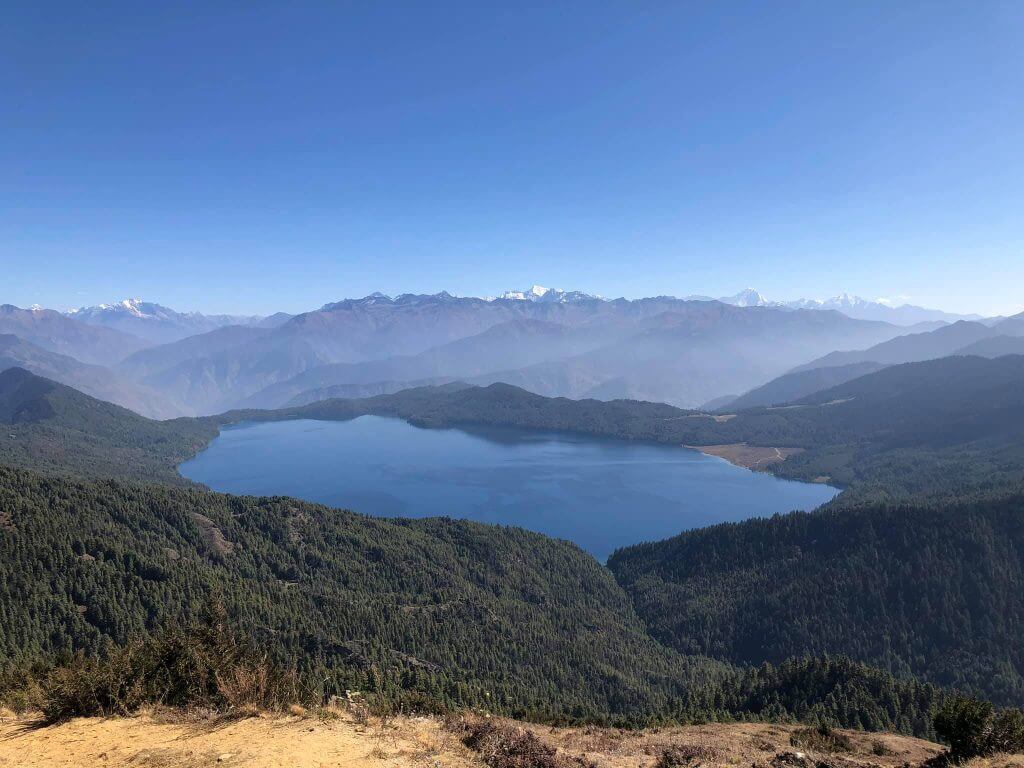
Rara Lake
The largest fresh water lake of Nepal, Rara lake, which lies in the Karnali Province

Karnali and Sudurpashchim, known for their vast rural landscapes and untouched natural beauty, have long remained off the beaten path. Recent infrastructure improvements and community skill-building programs are gradually opening these provinces to tourism. This growth is intentionally paced to preserve cultural integrity and environmental sustainability, fostering inclusive economic development that benefits local communities.

Looking Ahead: A Harmonious Future for Tourism in Nepal

Federalism in Nepal has paved the way for a more balanced and responsible approach to tourism. When all levels of government collaborate effectively, investments can be targeted to revive heritage sites, protect natural resources, and create authentic experiences that showcase each region’s unique character. This unified effort transforms Nepal’s diverse landscapes into a cohesive narrative of sustainable tourism, ensuring that the benefits of growth reach every corner of the country.

If you seek to explore Nepal beyond the usual routes, discover the stories and cultures woven into each province. Experience the country through journeys that reflect its true spirit and local pride.

Nepal Travel News: A Decade as the Best Travel Destination

Annapurna Family Trek

Why Nepal?

Nepal is widely recognized as the best travel destination in South Asia—and for good reason—it’s a place that awakens your senses, calms your soul, and fills you with adventure. From snow-covered peaks to jungle safaris, from spiritual calm to buzzing city streets, Nepal offers something truly special: diversity, depth, and discovery.

A Decade of Global Recognition

Over the past ten years,These consistent global rankings highlight why Nepal is considered the best travel destination by major outlets year after year. For example, it was named Best Value Destination by Lonely Planet in 2017, and Kathmandu was ranked #2 worldwide for solo travel by TripAdvisor in 2025.

Moreover, respected travel platforms like Forbes, National Geographic Traveller, Wanderlust, CNN Travel, and Time Magazine have spotlighted Nepal for its thrilling adventures, deep cultural roots, conservation work, and inspiring recovery after natural disasters.

Even during the quiet pandemic years (2020–2021), Nepal remained in the hearts of many future travelers. Despite limited movement, the country continued building a story of hope, resilience, and sustainability.

Global Recognition Through the Years (2015–2025)

Year Global Recognition Highlights
2015 Forbes: “10 Coolest Places to Visit” • Lonely Planet: Best Places to Travel in October • TripAdvisor: Kathmandu in Top 20 Destinations
2016 NatGeo Traveller: Cool List #6 • Rough Guides: #1 Destination • Forbes & Fodor’s: Top Global Destination
2017 Lonely Planet: Best Value Destination • Ranked #5 in “Best in Travel 2017”
2018 Much Better Adventures: Featured trekking routes (EBC, Annapurna, Langtang, Western Nepal)
2019 Forbes: Bucket List Destination • Lonely Planet: Kathmandu Top 10 Cities (#5) • Wanderlust: Conservation success • CNN: Ghandruk among “Most Picturesque Towns in Asia”
2020–21 (Pandemic) — Limited travel features, but Nepal stayed in the spotlight as a top future adventure spot
2022 Lonely Planet: Top 8 Countries to Visit
2023 TravellersQuest: Top Packages • Time 100 Next: Kathmandu Mayor Featured
2024 Time Magazine: Bardiya (Burhan Camps) in “100 Greatest Places” • Wanderlust: Wildlife & Culture Focus • Adventure.Travel: Top 5 Nepal Sites (Rara, Illam, Gosaikunda, Bandipur, Tansen) • Travelstride: Partnered Global Tour Operators
2025 Lonely Planet: Top Destination & Terai Region Featured • Much Better Adventures: #7 in Solo Adventure Travel • TripAdvisor: Kathmandu #2 Solo Destination, #21 Overall, #7 Cultural City

Best Places to See in Nepal

Nepal is full of breathtaking landscapes and soulful experiences. Whether you’re into mountains, history, or peace and quiet, here are some of the most loved places:

  • Everest Base Camp & Annapurna Circuit – Iconic treks with world-class views
  • Langtang Valley, Manaslu, and Mustang – Peaceful, scenic, and culturally rich
  • Kathmandu Valley – Ancient cities, Durbar Squares, Boudhanath, and Swayambhu
  • Chitwan & Bardiya National Parks – Wildlife havens with tigers, rhinos, and elephants
  • Lumbini – The sacred birthplace of the Buddha
  • Pokhara – A lakeside town with Himalayan reflections and relaxing vibes
  • Rara Lake, Gosaikunda, Tansen, Bandipur, Illam – Hidden gems with serene beauty

A Personal Invitation to All Travelers

Dear Travelers,
Nepal welcomes you with open arms, majestic mountains, golden temples, lush jungles, and kind-hearted people. Whether you’re seeking high-altitude adventure, timeless heritage, or quiet reflection, this land has something for your soul.

To make your journey even more special, let Himalayan Circuit be your travel companion in Nepal. We offer more than just tours—we create meaningful, safe, and unforgettable experiences, fully personalized for your needs.

Come. Explore. Experience Nepal.

Your journey begins with Himalayan Circuit.
Namaste & Welcome!

Adventure Sports: Himalayan ATV Adventures & Experiences

ATV Adventure Tours in Nepal: Thrill through the Himalayas

Nepal is a paradise for trekking and mountaineering with diverse landscapes and breathtaking Himalayan Mountains. Besides these, Nepal is also an exciting destination for off-road adventures. The ATV adventure trip is one of the most thrilling activities is a great way to experience nature and get some fresh air.

Whether you are adventure junkies or just want to ride through breathtaking scenes, ATV ride tour is a great way to explore high peaks, river valleys, and succulent forests of Nepal. Riding in the terrain through the steep hills of Pokhara, Chitwan’s jungle, or even in the Kathmandu Valley is more than just a ride; this is also a journey to explore the wild side of Nepal.

Why Choose an ATV Adventure in Nepal? 

  • Scenic immersion: ATV ride tour in Nepal offers an adventurous ride through rugged terrains, green hills, and local villages where you get close to nature. The smell of forest, the sound of birds, fresh air and a stop wherever the view demands a photo makes your ride more beautiful.
  • Thrilling off-road adventure: The ride through rugged terrains, dense forest, rocky paths, mountain passes, and rolling hills offers a variety of riding challenges making your journey thrilling and adventurous.
  • Customized for all level: ATV ride tour in Nepal offers something for all, weather you are a beginner or an experienced rider. The ATV tours are customized as per your skill and need.   
  • Group friendly: ATV ride tour in Nepal is a fun experience for all age groups, weather you are travelling solo, with friends or with families.

Top ATV Tour Destinations in Nepal:

  • Pokhara:

Pokhara, a peaceful city close to mountains and lakes is an excellent site for adventure junkies to engage in exciting experiences. ATV ride in Pokhara offers an exciting drive through the standing trails of Sarangkot with Phewa Lake, Mt. Annapurna, and Mt. Fishtail watching you from every turn. 

An ATV ride in Pokhara offers you the opportunity to explore the rich cultural, and historical sites of the region, as well as beautiful views of the Fewa Lake and the thrilling off-road track through the hills and forests.

The ATV ride tour in Pokhara will be the most pleasant thing that you can do in this beautiful city. The diverse landscape of Pokhara makes it a popular starting place for off-road activities. The ATV ride tour in Pokhara is convenient points like Sarangkot and Pame.   

  • Kathmandu Valley ATV tours:

An ATV ride tour in the Kathmandu Valley is a fun opportunity to move away from the movement of the city and look at the grand slopes, forest walks and historical communities. 

An ATV ride tour in the Kathmandu Valley offers blending adventure with cultural exploration while riding through the visit through Temples, Churches, Monasteries, talking with the local people, and enjoying the panoramic views of the valley.

Diverse landscapes of the valley, including both smooth dirt path and rugged off-road, makes it excellent for both a quick half-day ride and extended day ride. Many groups also ride at sunrise or sunset, which has scenes of the stunning Himalayas. 

  • Chitwan National Park ATV tours:

ATV rides in Chitwan National Park are a great way to experience off-road excitement, given wildlife. This is a great way to experience breathtaking scenes and wildlife of southern Nepal.    

ATV rides in Chitwan National give you the opportunity to see the specific nature and beauty of the park along with rhinoceros, elephants and other animals. Some ATV rides also include cultural activities such as visiting Tharu villages and seeing traditional performances.

Due to its flat but diverse landscape, Terai is ideal for beginners and who are looking for a beautiful ride rather than a technical challenge.    
  • Chitlang ATV tours:

Chitlang is a hidden gem located just two hours from Kathmandu. It is known for its terraced farm, rich history and peaceful natural surroundings.    An ATV can take you to jungles, rice fields and a small village. You can also discover the history and culture of Chitlang.
Chailang offers an incredible ATV adventure tour in Nepal, filled with breathtaking landscape, friendly locals and real compassion, whether you are riding on smooth open fields or difficult jungle trails.

The ATV ride tour in Nepal is an incredible off-road adventure in Nepal. Whether you’re new to ATVs or have been riding them for a long time, ATV ride tour in Nepal ensures an exciting journey for all. An ATV ride tour allows you to discover hidden secrets and breathtaking surroundings of Nepal.     

ATV ride tour enables you to see its natural beauty and cultural wealth from another point of view. Each corner and turn offers fresh discoveries. So, pack your bags and get prepared for a thrilling off-road experience in Nepal with the Himalayan Circuit that will last a lifetime.
Slide Background
Nature & Landscape
Get ready for a challenging but beautiful high-altitude trek

Nepal is known for her three distinct ecological zones namely Terai Hills and Himalayas You can experience the plain landscapes and the dense jungles with the wild animals Hills have the terraces for ..
previous arrowprevious arrow
next arrownext arrow

Nepal Diary: Road Trip Highlights from Kathmandu to Chitwan

Travel is more than just moving from one place to another — it’s about embracing new destinations, cultures, and experiences. So why rush when every mile offers something worth exploring? The 175 km Kathmandu to Chitwan road trip via the Prithvi Highway captures this perfectly. It offers a journey that is as rewarding as the destination itself.

This route connects the vibrant urban life of Kathmandu with the serene natural beauty of Chitwan. Along the way, it weaves through cultural landmarks, religious sites, and scenic landscapes. Therefore, the journey becomes a memorable part of any Nepal adventure.
Here are some of the best spots and activities along the Kathmandu to Chitwan road trip:

Chandragiri Hills

Start your journey with a peaceful walk at Chandragiri Hills. The panoramic views of the Himalayas are spectacular from here. In addition, visit the Bhaleshwar Mahadev Temple, which adds a spiritual touch to the surroundings. For adventure seekers, a cable car ride over the lush forests offers sweeping views of Kathmandu Valley. You can also opt for a short hike to enjoy the natural beauty.

CHandragiri hills

Manakamana Temple

The Manakamana Temple is a perfect cultural and spiritual stopover along the Prithvi Highway. Dedicated to the goddess Bhagawati, this hilltop temple is popular among devotees. A scenic cable car ride from Kurintar takes you to the temple. From here, you can enjoy panoramic views of the Trishuli River and surrounding hills.

Trishuli River Rafting

For a burst of adventure, consider rafting on the Trishuli River. Half-day and full-day rafting trips are available along the highway. Travelers can float past terraced fields, rolling hills, and scattered villages. This activity, therefore, adds the right amount of thrill and scenic charm to your trip.

Rafting in Seti River

Malekhu

Take a break in Malekhu, a riverside town known for its local fish delicacies. You can enjoy freshly caught fish from the Trishuli River, prepared with local spices. In addition, small shops here offer snacks, fruits, and handmade goods reflecting local culture.

Jalbire Waterfall

Located near Mugling, Jalbire Waterfall (also known as Lamo Jharna) is a beautiful 60-meter cascade surrounded by lush greenery. After a long drive, this spot offers a refreshing break. You can dip in the cool waters, listen to birdsong, and immerse yourself in nature.

Devghat

Just before reaching Chitwan, consider a side trip to Devghat. It is a revered pilgrimage site where the Trishuli and Kali Gandaki rivers meet. Known for its mythological and spiritual significance, Devghat is home to ashrams, Sanskrit schools, and temples. In fact, it’s especially popular during Makar Sankranti. This site offers a glimpse into Nepal’s deep-rooted Vedic traditions.

The Kathmandu to Chitwan road trip, with its cultural stops and scenic diversions, is one of the best ways to experience Nepal’s diverse landscapes and heritage. From the calm of Chandragiri Hills at the start to the wildlife safaris of Chitwan at the end, this route lets you slow down and truly connect with Nepal — its people, nature, and spirit.

Take the Kathmandu to Chitwan road trip offered by Himalayan Circuit and discover Nepal the way it’s meant to be seen — one unforgettable stop at a time.

Slide Background
Nature & Landscape
Get ready for a challenging but beautiful high-altitude trek

Nepal is known for her three distinct ecological zones namely Terai Hills and Himalayas You can experience the plain landscapes and the dense jungles with the wild animals Hills have the terraces for ..

previous arrowprevious arrow
next arrownext arrow

Adventure Sports: Nepal Hanging Bridge Adventure Experience

Yak crossing a hanging bridge in Nepal, with scenic mountain views.

Across Nepal’s landscapes, hanging bridges built with metal cables and wooden or metal planks connect remote communities. These hanging bridges in Nepal are not only engineering marvels but gateways to adventure. They offer exciting crossings over rivers, deep valleys, and mountain scenery. Whether you are trekking or exploring countryside trails, these bridges bring a memorable thrill.

High Altitude Thrills: Finest Hanging Bridges in Nepal

The Hillary Bridge: Gateway to Everest

The Hillary Bridge is an iconic entrance to the Everest region. It is named after Sir Edmund Hillary and stands as a symbol of adventure, history, and resilience. The bridge spans the Dudh Koshi River at an altitude of 135 meters. It leads trekkers toward the bustling Namche Bazaar.

Crossing this swinging bridge while hearing the river below is both humbling and exciting. You will meet hikers, yaks, and porters along the way. The fluttering prayer flags bring a sense of peace, making this crossing unforgettable.

Samrong Khola Footbridge: Pathway to Annapurna Base Camp

The Samrong Khola Footbridge is a striking route towards Annapurna Base Camp (ABC). It stretches 287 meters long and rises 135 meters above the Samrong Khola. It is the longest and tallest suspension bridge in the Kaski region.

The bridge links distant villages and offers clear views of valleys, peaks, and rivers. Trekkers often pause here to enjoy the peaceful surroundings and the breathtaking view of Mt. Annapurna.

Kushma Mudikuwa Footbridge: A Hidden Gem in Parbat

Located in Kushma, Parbat, the Kushma Mudikuwa Footbridge is both scenic and impressive. The bridge spans 359 meters and allows travelers to enjoy panoramic views of hills and valleys.

It is part of the historic Footbridge Trail of Parbat and follows the legacy of the Kushma Gyadi Bridge. The crossing is peaceful and offers beautiful natural surroundings.

Gandaki Golden Bridge: Timeless Beauty

The Gandaki Golden Bridge once held a height record and remains a beloved landmark. It hangs 122 meters above the river and offers great views of nearby mountains and rivers.

The bridge’s golden fences make it a favorite spot for photographers and visitors. Whether you cross it or pause to admire, it is a treat for the eyes.

Kushma Bungee Footbridge: For the Brave-hearted

The Kushma Bungee Footbridge, known as “The Cliff,” offers one of the highest bungee jumps in the world. It hangs 200 meters above the ground and gives clear views of the valley below.

Even if you don’t plan to jump, walking across the bridge is a thrilling experience. The cool breeze and height make the crossing exciting.

Nepal’s suspension bridges are more than crossings. They connect people, places, and cultures against the backdrop of the Himalayas. Whether you are trekking, seeking adventure, or enjoying nature, these bridges leave a lasting memory.

When you visit Nepal, explore these remarkable structures. Each bridge has its own story and scenery. You will discover not just new paths but a deeper connection to Nepal’s landscapes and communities.

Nepal Diary: Your Mountain Flights Guide Experience in Nepal

Mountain Flight in Nepal

Watching the sunrise over the Himalayan peaks from a plane window is a memory that lasts forever. A mountain flight in Nepal offers a chance to witness some of the world’s highest mountains, including Mount Everest, Cho Oyu, and Lhotse, without the demands of trekking. From the comfort of your seat, soak in sweeping views of snow-covered summits rising above 8,000 meters.

The Everest scenic flight is perfect for travelers who want to experience the grandeur of the Himalayas but have limited time or physical constraints. This Himalayan sightseeing tour combines ease and elevation, making it one of the most accessible highlights of Nepal adventure tourism.

Why You Should Take a Mountain Flight in Nepal

  • See Mount Everest and other peaks up close without trekking

  • Experience the Himalayas from the comfort of a plane seat

  • Fits easily into short Nepal itineraries

  • Ideal for families, solo travelers, and seniors

  • No need for trekking gear or physical preparation

  • Safer and less weather-dependent than high-altitude treks

  • Capture stunning aerial photos and videos

  • Fly over glaciers, ridges, valleys, and Sherpa villages

  • Enjoy peaceful views of clouds, snowfields, and mountain terrain

  • Combine with other attractions in Nepal for a full adventure

The In-Flight Experience

A mountain flight in Nepal lasts about 45 minutes to 1 hour, operating daily from Tribhuvan International Airport, Kathmandu. Small aircraft with large windows ensure everyone has a clear view of the mountains.

As the flight departs early in the morning, you’ll leave behind the city and fly toward a world of snow and silence. The landscape shifts from green hills to deep valleys and then to jagged ridges and glistening peaks. You’ll get uninterrupted views of snow-covered summits and the endless sky.

Each passenger receives a mountain range map to identify peaks, and the pilot often announces landmarks as you fly by. Cameras click constantly as travelers capture the beauty around them. The aircraft flies close enough to the mountains to feel like you’re among them, not just above.

On the return leg, you’ll notice new angles and landscapes you missed on the way out, giving a fresh perspective on the Himalayas before landing back in Kathmandu.

Best Time for Mountain Flights in Nepal

The best months for a mountain flight in Nepal are January to May and September to December. During these seasons, skies are usually clear and visibility is excellent. You’ll see sparkling peaks, clear lakes, and glaciers in their full glory.

Flights operate year-round, but monsoon and winter months can bring unpredictable weather. It’s best to plan your flight in the recommended seasons for the clearest views.

The Himalayas have mesmerized travelers for generations. While trekking and climbing are classic ways to explore them, an Everest scenic flight offers an easy and breathtaking alternative. It’s one of the best ways to experience the beauty of Nepal’s mountains with minimal effort.

If your journey brings you to Nepal, don’t miss this adventure. Book your Everest scenic flight with Himalayan Circuit, sit back, and let the Himalayas take your breath away.