Annapurna Region: Lodges Blend Comfort and Himalayan Heritage

Discover how Annapurna trekking transformed from tough camping trips in the 1950s to today’s cozy, community-driven lodge adventures, blending comfort with Himalayan magic.

Picture yourself in a warm tea house, enjoying a hot meal while gazing at Annapurna’s snow-covered peaks. For modern trekkers, this is the heart of the journey—comfy beds, friendly hosts, and stunning views. However, trekking in Nepal wasn’t always so inviting. It started as a rugged, self-reliant adventure. This is the story of how Annapurna’s trekking culture evolved into a sustainable, culturally rich experience that draws adventurers from around the globe.

The First Steps: Camping Treks (1950s)
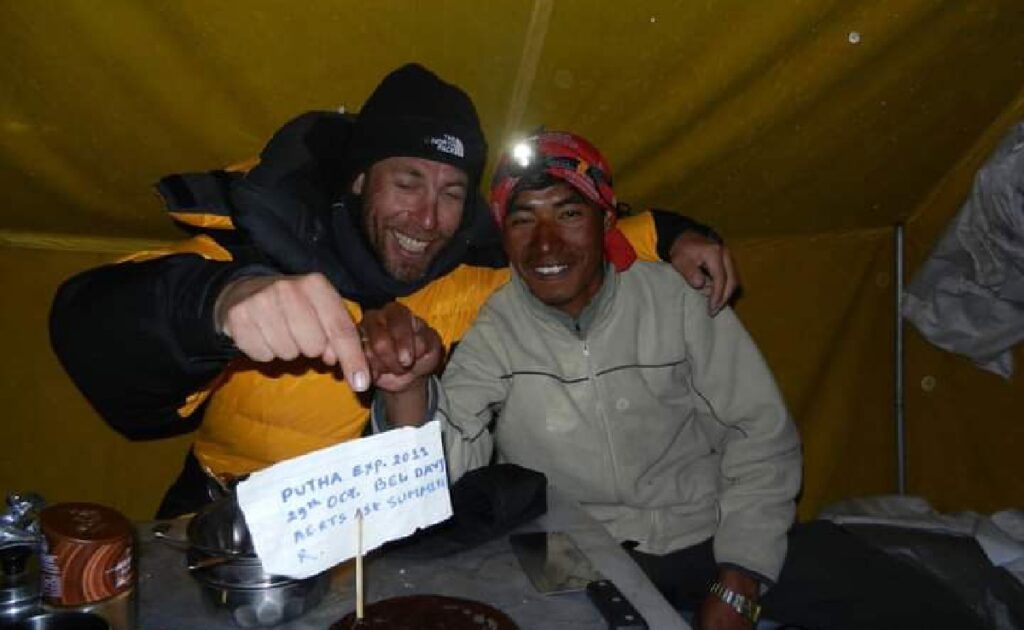
In the 1950s, trekking for fun didn’t exist in Nepal. Visitors came for climbing mountains or conducting research. For example, Lt. Col. Jimmy Roberts, a British Gurkha officer, saw Annapurna’s potential for adventure. He launched Nepal’s first guided treks, which were tough to organize. Specifically, these trips needed:

  • Large teams of porters to carry supplies

  • Tents, sleeping bags, and cooking stoves

  • Chefs to make meals

  • Food for weeks on remote trails As a result, these early treks opened Annapurna’s beauty to adventurers, but they were expensive and kept trekkers separate from local communities.

The Camping Boom: Tented Treks (1960s–1970s)
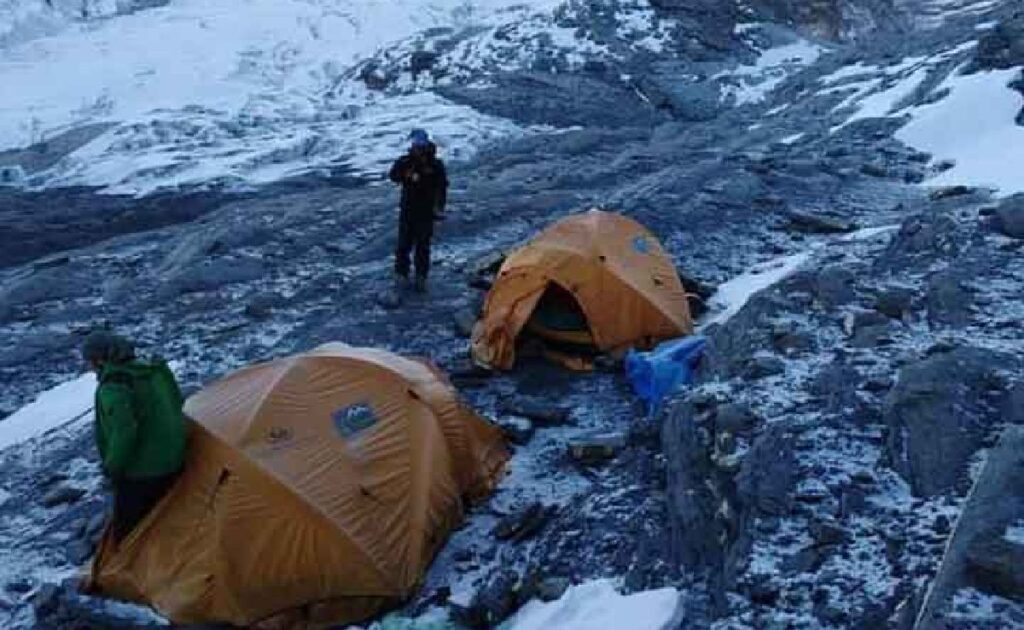
In the 1960s, Nepal welcomed more global travelers, and trekking became a way to explore the Himalayas without climbing peaks. Agencies in Kathmandu and Pokhara offered camping treks, with Annapurna’s valleys and villages as top destinations. However, these trips had challenges:

  • High costs due to many support staff

  • Little connection with locals, as trekkers relied on their own teams

  • Harm to trails and forests from large groups Consequently, these issues pushed the need for a better, more sustainable way to trek.

The Tea House Shift: Rise of Lodges (1980s–1990s)
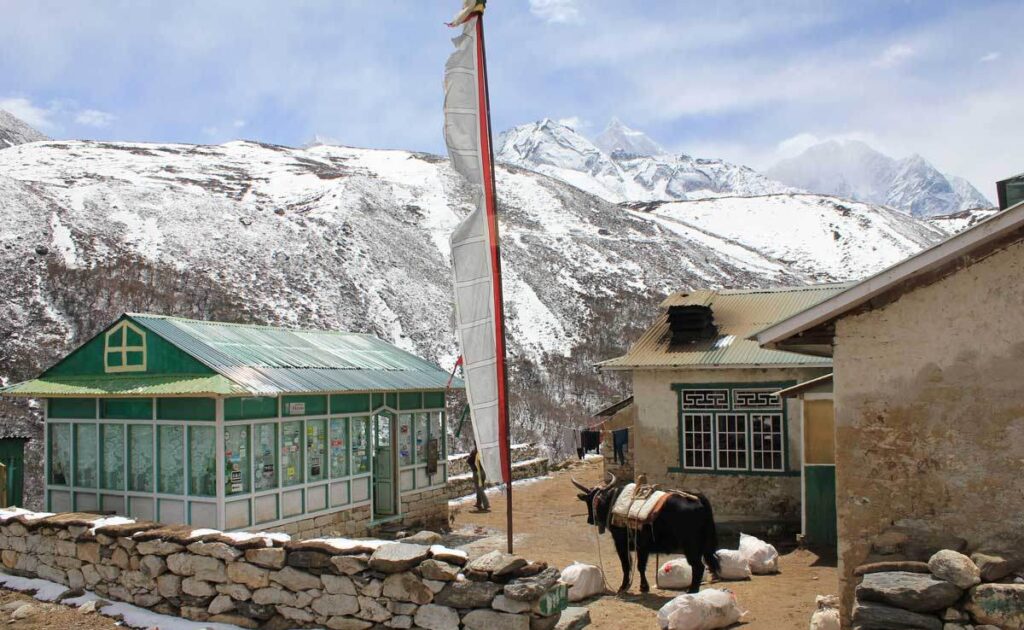
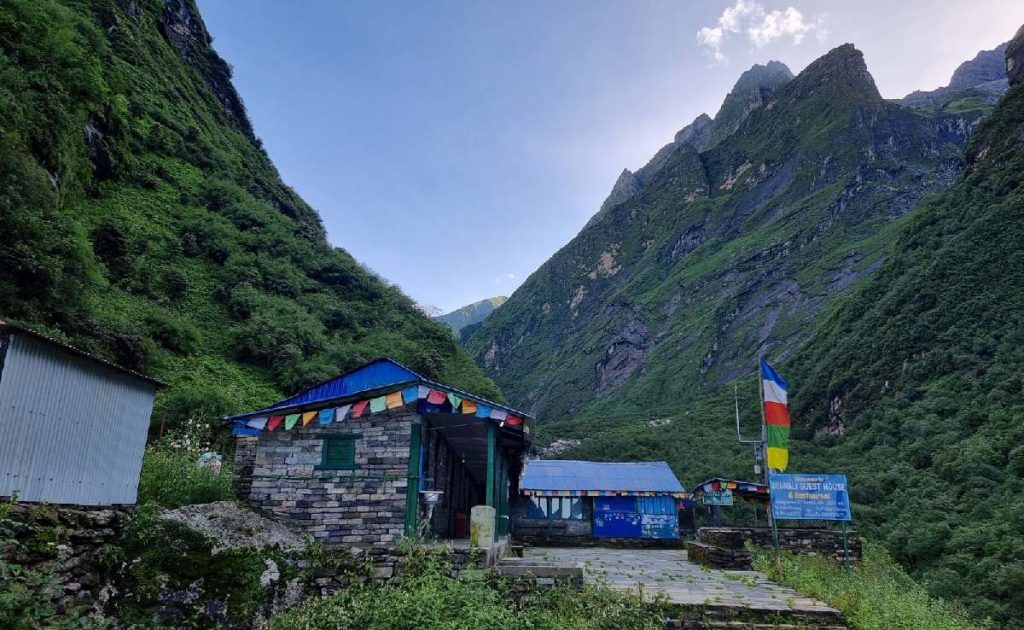
In the 1980s, a local initiative changed everything. Families along routes like the Annapurna Circuit, Annapurna Base Camp, and Ghorepani–Poon Hill opened their homes to trekkers. These “tea houses” offered simple rooms, shared bathrooms, and warm meals like dal bhat. For instance, this shift allowed trekkers to:

  • Travel light without heavy gear

  • Bond with Nepali families and culture

  • Support village economies As a result, lodge trekking became cheaper, more flexible, and deeply engaging, making Annapurna open to more explorers.

Today’s Lodges: Comfort and Connection (2000s–Present)
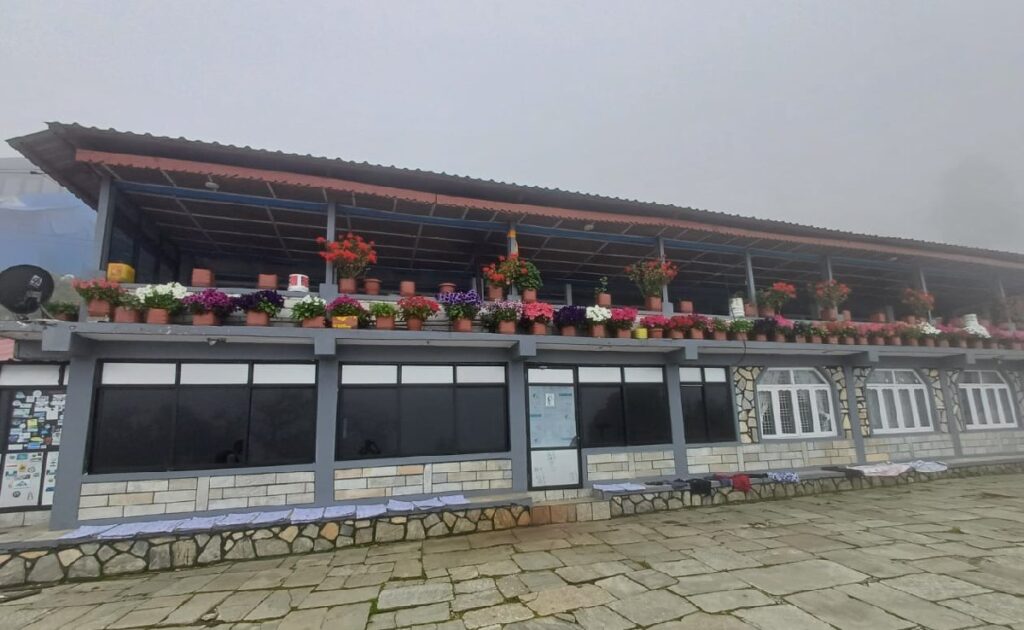
By the 2000s, lodge trekking became Annapurna’s main attraction. As tourism grew, tea houses improved. Today, trekkers enjoy:

  • Cozy rooms with warm blankets

  • Hot showers powered by solar energy

  • Meals from Nepali classics to Western dishes

  • Wi-Fi and trail signs in some villages Despite these upgrades, many lodges are still family-run, keeping the authentic charm. For example, sharing tea in Ghandruk or waking to mountain views in Tadapani feels personal and unforgettable.

Why It Works: A Sustainable Model

The move from camping to lodges is a win for everyone. Here’s why:

  • Villages thrive: Lodge income helps families afford schools and healthcare.

  • Nature benefits: Fewer porters mean less strain on trails and forests.

  • Trekkers win: Lightweight travel suits all ages and skill levels. Moreover, projects like the Natural Annapurna Trekking Trails (NATT) promote green practices, protect trails, and ensure fair pay for guides and porters.

Keeping the Magic Alive

As roads reach deeper into the Himalayas, preserving lodge trekking’s spirit is key. For instance, efforts include:

  • Eco-friendly lodges to reduce waste

  • Community projects to boost local economies

  • Training for hosts to improve hospitality

  • Trail protection to keep the wilderness alive These steps ensure Annapurna remains a special place for meaningful travel.

Why Annapurna Awaits

From Jimmy Roberts’ bold treks to today’s welcoming tea houses, Annapurna’s story is one of adventure and connection. Lodge trekking blends excitement, comfort, and bonds with Nepal’s people and landscapes. At Himalayan Circuit, we’re passionate about guiding you through sustainable, authentic treks that create lasting memories.

Ready to explore Annapurna’s trails? Join Himalayan Circuit for the best lodge routes and cultural experiences. Contact us to start your journey!
Annapurna Region: How Altitude Gain Shapes ABC Trek

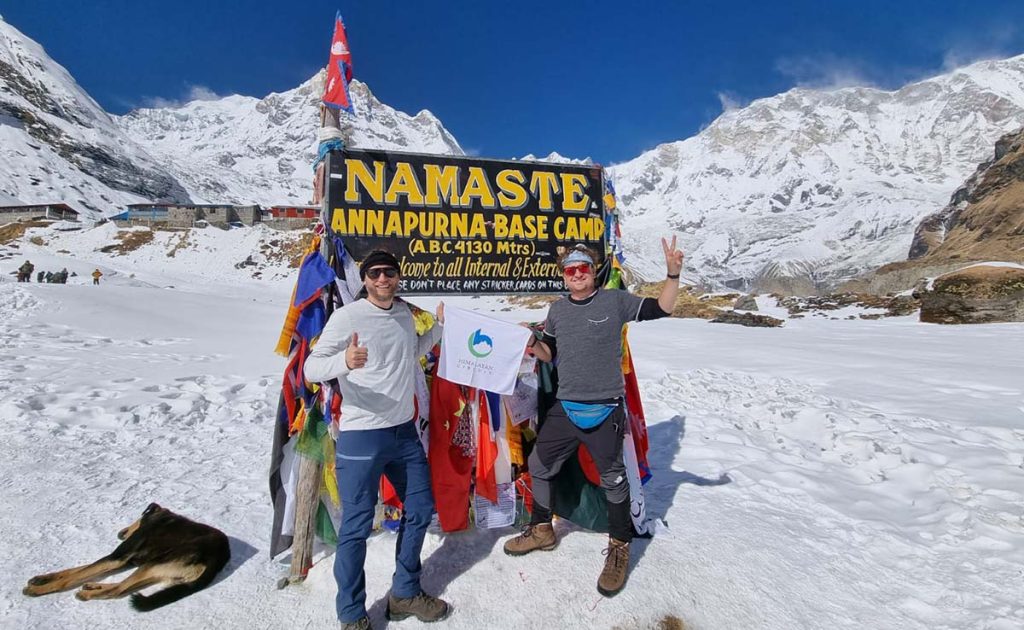
Two Trekkers holding himalayan circuit Banner in Annapurna Base Camp

Trekking to Annapurna Base Camp is more than just a mountain adventure — it’s a journey into the soul of Nepal. As you walk deeper into this natural masterpiece, glaciers begin to shine, rivers roar beside you, and the warmth of ancient villages keeps your spirit grounded. The gradual ABC trek altitude gain adds a quiet rhythm to the journey, shaping how you move, breathe, and experience the Himalayas.

The Annapurna Base Camp trek (ABC trek) showcases Nepal’s remarkable Himalayan landscape and rich cultural heritage. The route gains altitude gradually — from around 1,000 meters at the starting point to 4,130 meters at base camp — making the elevation itself a key part of the story. This slow but steady climb offers not only changing landscapes but also the chance to connect more deeply with nature and your own resilience.

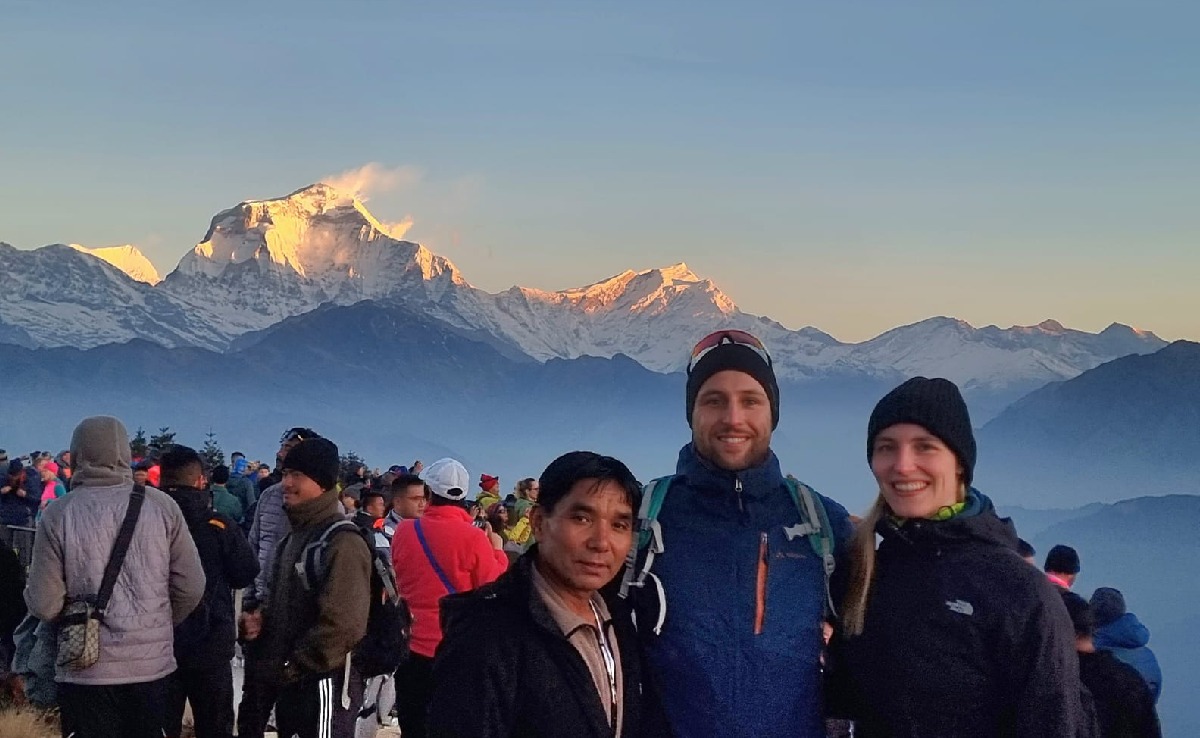
ABC trek altitude gain view from Poon Hill
One of the most rewarding altitude milestones: the golden views from Poon Hill.

Overview of the Annapurna Base Camp Trek

The ABC trek leads you to the base of Mount Annapurna, within the Annapurna Conservation Area in Gandaki Province. Depending on your chosen route and pace, you can complete the trek in 7 to 12 days.

The journey begins at Nayapul and winds through Gurung and Magar villages, offering a beautiful cultural experience along with the scenery. Highlights include the panoramic sunrise from Poon Hill, the sacred Machhapuchhre Base Camp, and the rejuvenating hot springs at Jhinu Danda.

Spring (March–May) and autumn (September–November) are the best times to trek — offering clear skies, pleasant temperatures, and vibrant rhododendron blooms or post-monsoon freshness.

Altitude Gain Throughout the Trek

The most fascinating part of the trek is the ABC trek altitude gain — how the elevation changes step by step, shaping both the physical experience and the surrounding environment.

Here’s a general breakdown of altitude progression:

Location Altitude (m) Approx. Gain
Nayapul ~1,010 Starting Point
Ulleri 2,070 +1,060 m
Ghorepani 2,840 +770 m
Poon Hill 3,210 +370 m (optional hike)
Tadapani 2,610 Descent
Chhomrong 2,170 Further descent
Sinuwa 2,360 +190 m
Deurali 3,230 +870 m
Annapurna Base Camp 4,130 +900 m

As you rise higher, your breath shortens, the air gets cooler, and the forested trails give way to alpine landscapes and the dramatic amphitheater of the Annapurna Sanctuary. Each elevation point carries its own sense of achievement.

Acclimatization and Health Tips

If there’s one golden rule for the ABC trek, it’s this: don’t rush.
Your body needs time to adjust to the changing altitude, and pushing too hard can risk altitude sickness — even below 4,000 meters.

Tips to stay safe and healthy:

  • Walk slow and steady, especially above 2,500 meters.
  • Stay hydrated — drink water frequently, even if you’re not thirsty.
  • Eat warm, digestible meals and avoid alcohol or heavy fried foods.
  • Rest when needed, and listen to your body.
  • Carry a basic first aid kit with essentials like Diamox, antiseptic cream, and band-aids.
  • If symptoms like headache, nausea, or dizziness appear — descend and inform your guide.

Altitude should never be taken lightly, but with awareness and care, it becomes part of the beauty of the trek.

Packing Tips for High-Altitude Trekking

When packing for the ABC trek, aim for function over excess. Every item should serve a purpose — because each gram adds up, especially when the air gets thinner.

Must-pack essentials:

  • Layered clothing (base layers, insulation, waterproofs)
  • Quality trekking boots and socks
  • Trekking poles (especially helpful for steep descents)
  • Warm jacket, gloves, and hat
  • Reusable water bottle or hydration bladder
  • Headlamp and power bank
  • First aid kit and personal meds

A manageable backpack lightens the strain on your body and lets you focus more on the scenery — not your shoulders.

The gradual altitude gain of the Annapurna Base Camp trek might seem like just numbers on a map — but in truth, it’s what gives the journey its rhythm. It’s a quiet force that shapes every part of your experience: the views, the pace, your breath, and even your thoughts.

The ABC trek is not just about reaching 4,130 meters. It’s about how you get there — with patience, presence, and deep respect for the mountains.

Let the altitude teach you humility. Let the landscapes remind you to pause. And let each step pull you closer to something more meaningful than just a destination.

Five Trekking Places near Kathmandu to Explore

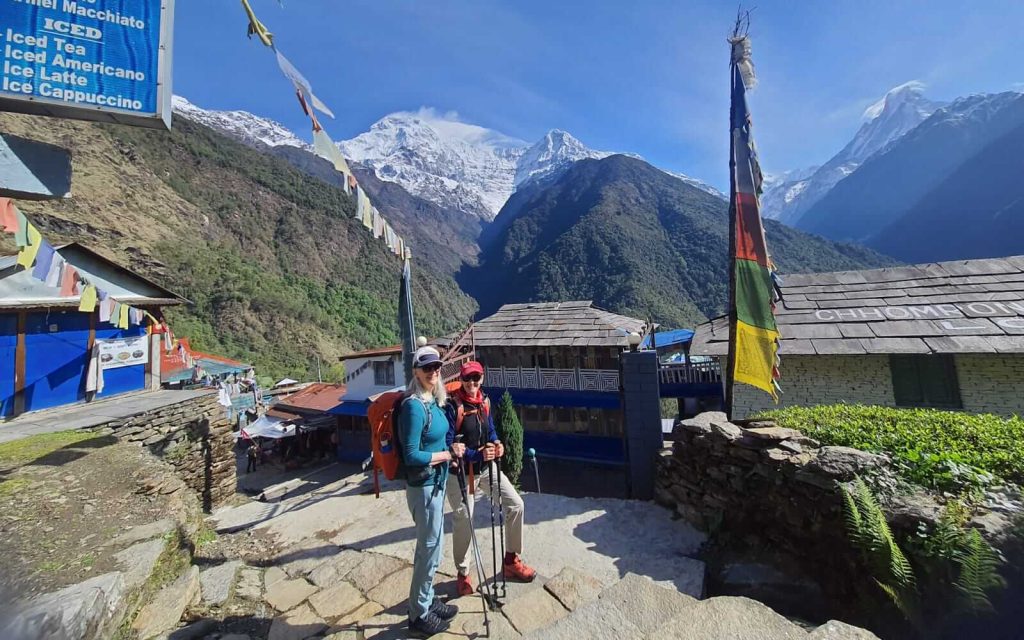
Trekkers in Chhomrong

Many trekkers and adventure seekers start their trekking tours from Kathmandu and the city is home to many vigorous mountains and landscapes that are ideal for a fantastic trekking experience. 

A trip to Nepal is a true paradise for anyone who has a passion for travel, discovering new places, exploring the culture, and witnessing the beautiful Himalayas and landscapes.

There are many very beautiful and peaceful places to visit in Nepal, which are ideal for hiking, trekking, touring, and peak-climbing to calm your mind and heal your soul. 

Kathmandu offers several trekking opportunities, some challenging, some easygoing, all of which are enjoyable without you even realizing it. A trekking trip near Kathmandu will remain in your memory forever.

The Himalayan Circuit offers the best trekking trails around Kathmandu valley for those seeking the best places to visit:

  • Chisapani-Nagarkot-Dhulikhel-Namobuddha Trek

Chisapani Helambu Trek

Duration: 5 Days

The Chisapani Nagarkot, Dhulikhel & Namobuddha trek is perfect for families, small groups, and travelers seeking short and easy trek near Kathmandu. The major attractions of this trekking package include the contrasting landscapes of mountains with villages and terraced farmlands. 

Stunning sunrise views over the Himalayas combined with wildlife, birds, and pristine nature make it a special place to trek.  The Trail to Namo Buddha offers an opportunity to experience Tibetan Buddhist culture and monastic life. 

During the journey, you will pass dense forests and quaint villages, and in the background, you will always see the magnificent Himalayan peaks, offering stunning panoramic mountain views. Moreover, you can observe birds, encounter plants, and experience local cultures.

  • Gosaikunda Pass Trek

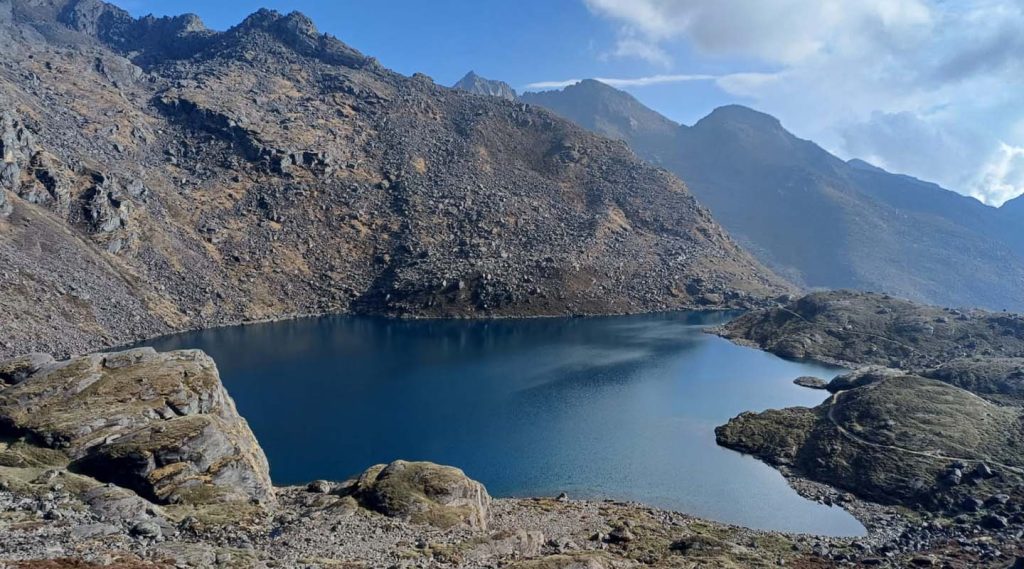
Bhairav Kunda, on tha way to Gosainkunda

Duration: 6/7 Days

The Gosaikunda Pass Trek is one of the most popular trekking trails in the Langtang region that combines the outstanding hidden valleys of Langtang with Gosaikunda at 4,600 meters. The place is ideal for experienced trekkers, and people interested in the spiritual or religious side of Nepal are attracted to it.

You will be able to witness snowcapped mountains such as Langtang Lirung (7,345 meters), Dorje Lakpa (6,966 meters), Tibetan Himalayan ranges, the sacred Gosainkunda Lake, Tibetan monasteries, beautiful landscapes, and Tamang culture along the Langtang Gosaikunda Pass Trekking circuit.

Trekking along this breathtaking trail near Kathmandu will take you through great rhododendron forests, yak pastures, and myths of ancient beliefs, and enhance your ability to cross excellent passes safely.

  • Annapurna Base Camp Trek:

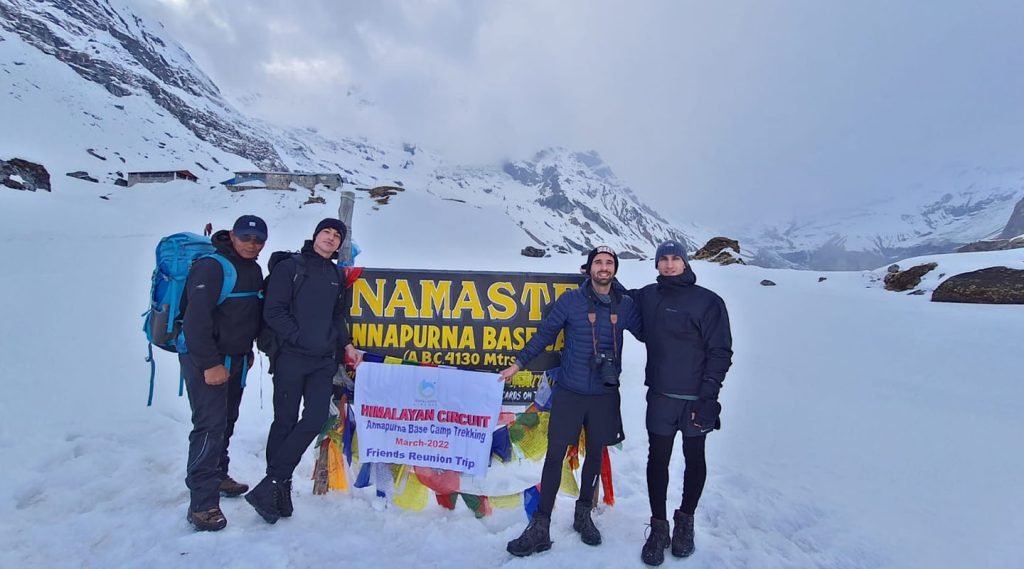
4 trekkers in Annapurna Base Camp

Duration: 10 Days

There is no doubt that the Annapurna base camp trek is the most popular trek route near Kathmandu. A breathtaking sunrise can be viewed along the trekking path in the early morning along with the majestic mountain views. Additionally, this trek offers travelers with unique challenges one of the most exciting routes.

There are countless cultural insights and wonders to be discovered on the trek to Annapurna base camp. Trekking through the Himalayan foothills will bring you into contact with people from various ethnic groups. Villages with charming architecture and terraced farms will delight you.

It is an incredible experience to trek near Annapurna Base Camp since the scenery rapidly changes as you gain elevation from tropical rainforest to knee-deep snow among majestic snow peaks. Located near Kathmandu, this trek allows adventurers to combine trekking with a relaxing holiday.  


  • Arun Valley Trek:

Arun Valley Trek

Duration: 15 – 20 Days

Arun valley is enriched with natural beauty and cultural diversity that sits between the two highest mountains in the world, Everest and Makalu. There is less impact from the outer world and this is a newly explored trekking destination because of its scenic beauty. 

This area is home to 650 species of birds, over 800 species of butterflies, and the rare and endangered Panda. Walking through the picturesque Sherpa village and passing orchids and other flowers along a faint jungle trail, are the major attractions of Arun valley. 

It is a wonderful trek to enjoy the splendor of silvery mountains and the beauty of valleys. Arun valley trekking offers spectacular Himalayan scenery including Mount Everest, Makalu, Baruntse, and Lhotse, among others.  

  • Tamang Heritage Trail

Tamang Heritage Trek

Duration: 7 Days

As one of the easiest trekking routes in Nepal, the Tamang Heritage Trail, located north of Kathmandu, offers breathtaking scenery – terraced green fields, dense forests, the Langtang Himalayas, which are close to the Tibetan border.

This trekking route is ideal for those who wish to experience the local culture of Nepal and learn about the ancient Tibetan Buddhism of the Tamang people. This trail passes through Tamang villages and offers views of Langtang and Ganesh mountains.

This tour includes spectacular views of the Manaslu Massif, Ganesh, Langtang, and Jugal Himal. Adventurers and active travelers seeking something different off the beaten path will love this trek.

Interested in exploring these natural wonders? Tell us your choice and plan a trip with the Himalayan Circuit.