Annapurna Region: Lodges Blend Comfort and Himalayan Heritage

Discover how Annapurna trekking transformed from tough camping trips in the 1950s to today’s cozy, community-driven lodge adventures, blending comfort with Himalayan magic.

Picture yourself in a warm tea house, enjoying a hot meal while gazing at Annapurna’s snow-covered peaks. For modern trekkers, this is the heart of the journey—comfy beds, friendly hosts, and stunning views. However, trekking in Nepal wasn’t always so inviting. It started as a rugged, self-reliant adventure. This is the story of how Annapurna’s trekking culture evolved into a sustainable, culturally rich experience that draws adventurers from around the globe.

The First Steps: Camping Treks (1950s)
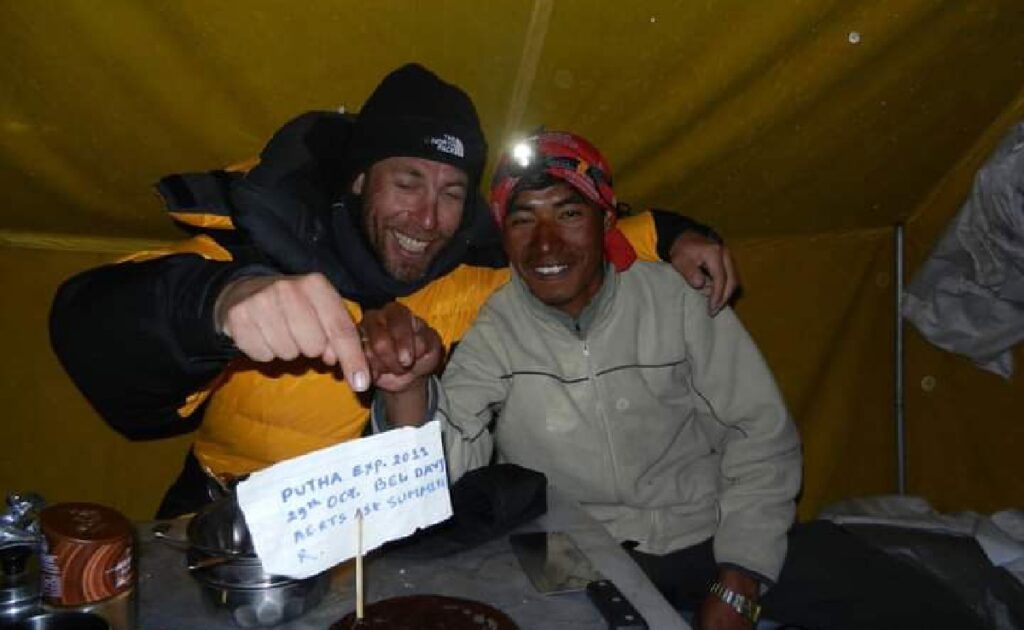
In the 1950s, trekking for fun didn’t exist in Nepal. Visitors came for climbing mountains or conducting research. For example, Lt. Col. Jimmy Roberts, a British Gurkha officer, saw Annapurna’s potential for adventure. He launched Nepal’s first guided treks, which were tough to organize. Specifically, these trips needed:

  • Large teams of porters to carry supplies

  • Tents, sleeping bags, and cooking stoves

  • Chefs to make meals

  • Food for weeks on remote trails As a result, these early treks opened Annapurna’s beauty to adventurers, but they were expensive and kept trekkers separate from local communities.

The Camping Boom: Tented Treks (1960s–1970s)
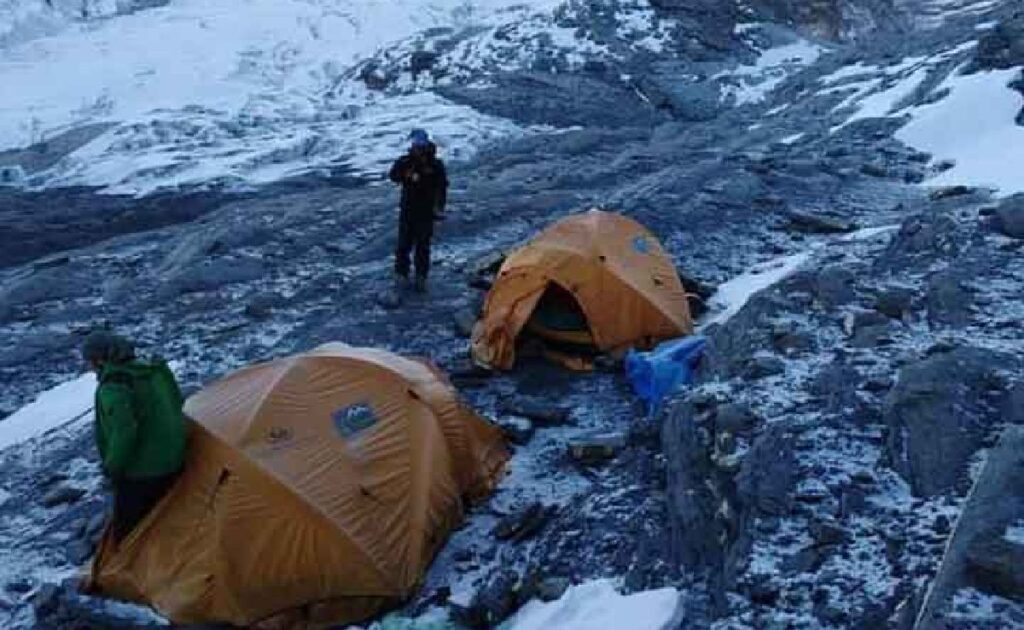
In the 1960s, Nepal welcomed more global travelers, and trekking became a way to explore the Himalayas without climbing peaks. Agencies in Kathmandu and Pokhara offered camping treks, with Annapurna’s valleys and villages as top destinations. However, these trips had challenges:

  • High costs due to many support staff

  • Little connection with locals, as trekkers relied on their own teams

  • Harm to trails and forests from large groups Consequently, these issues pushed the need for a better, more sustainable way to trek.

The Tea House Shift: Rise of Lodges (1980s–1990s)
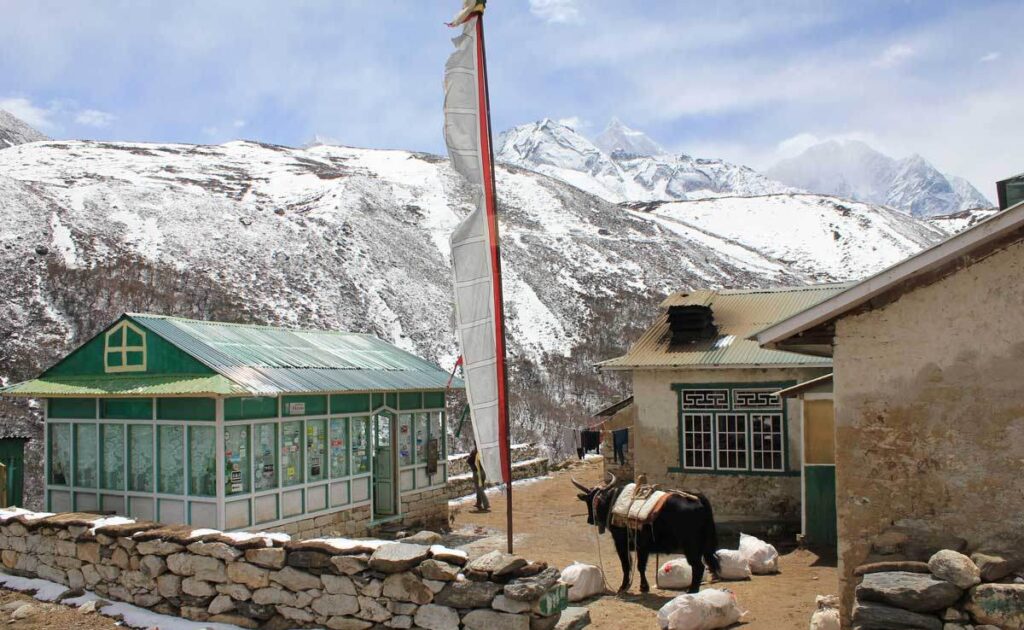
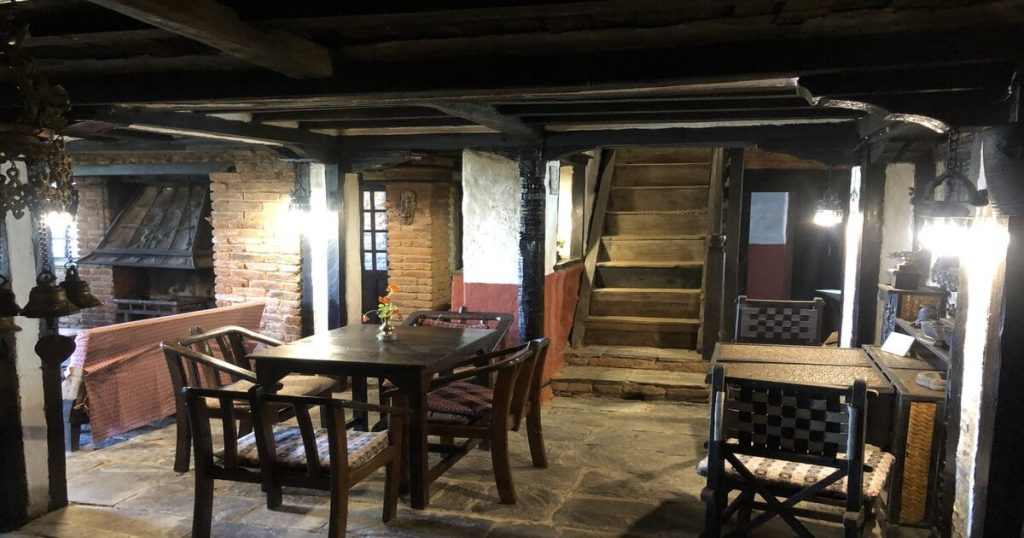
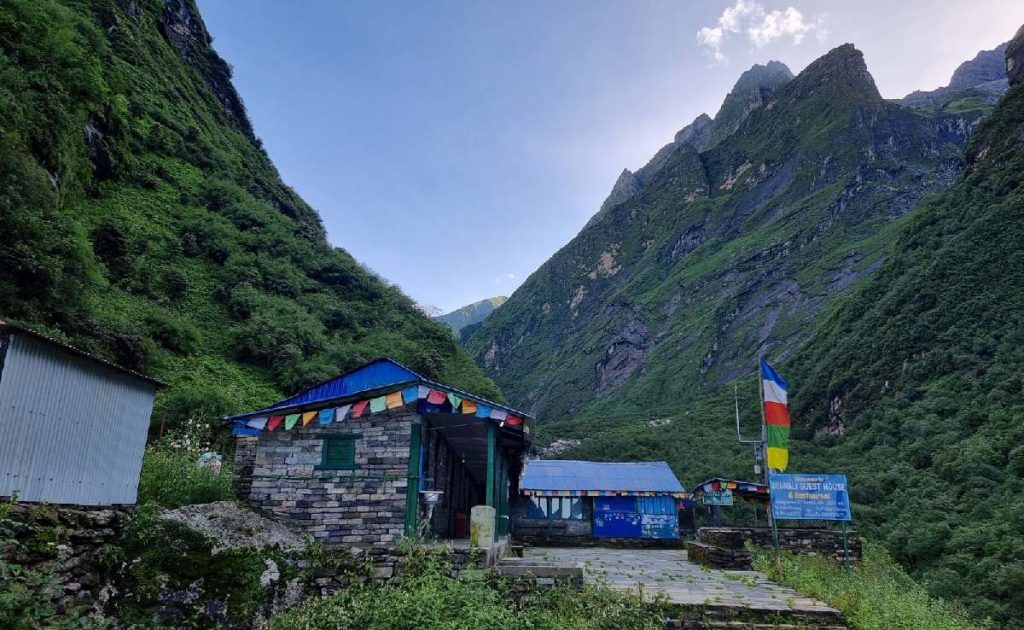
In the 1980s, a local initiative changed everything. Families along routes like the Annapurna Circuit, Annapurna Base Camp, and Ghorepani–Poon Hill opened their homes to trekkers. These “tea houses” offered simple rooms, shared bathrooms, and warm meals like dal bhat. For instance, this shift allowed trekkers to:

  • Travel light without heavy gear

  • Bond with Nepali families and culture

  • Support village economies As a result, lodge trekking became cheaper, more flexible, and deeply engaging, making Annapurna open to more explorers.

Today’s Lodges: Comfort and Connection (2000s–Present)
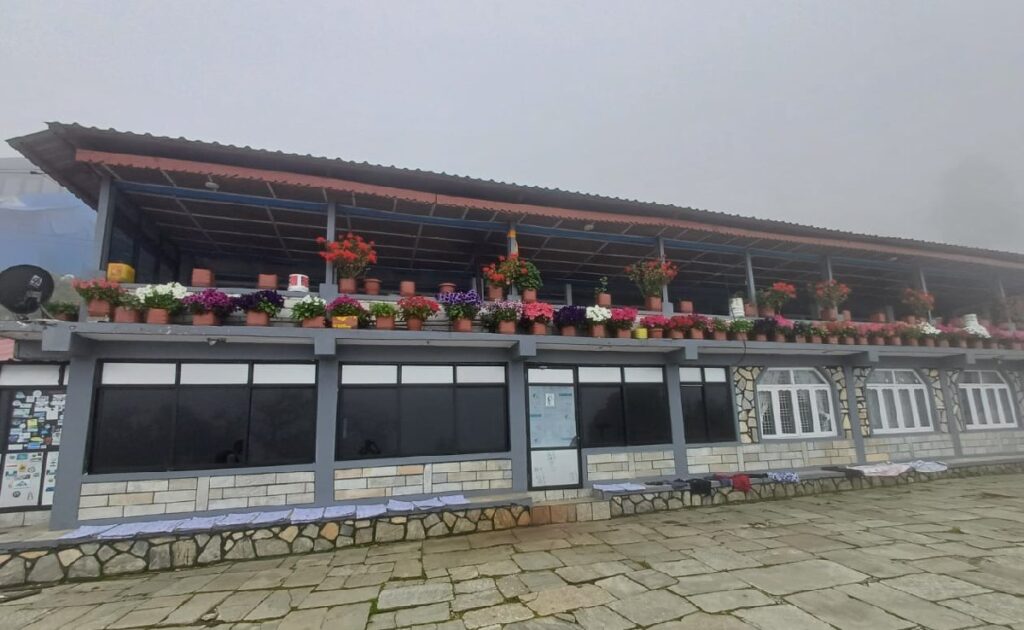
By the 2000s, lodge trekking became Annapurna’s main attraction. As tourism grew, tea houses improved. Today, trekkers enjoy:

  • Cozy rooms with warm blankets

  • Hot showers powered by solar energy

  • Meals from Nepali classics to Western dishes

  • Wi-Fi and trail signs in some villages Despite these upgrades, many lodges are still family-run, keeping the authentic charm. For example, sharing tea in Ghandruk or waking to mountain views in Tadapani feels personal and unforgettable.

Why It Works: A Sustainable Model

The move from camping to lodges is a win for everyone. Here’s why:

  • Villages thrive: Lodge income helps families afford schools and healthcare.

  • Nature benefits: Fewer porters mean less strain on trails and forests.

  • Trekkers win: Lightweight travel suits all ages and skill levels. Moreover, projects like the Natural Annapurna Trekking Trails (NATT) promote green practices, protect trails, and ensure fair pay for guides and porters.

Keeping the Magic Alive

As roads reach deeper into the Himalayas, preserving lodge trekking’s spirit is key. For instance, efforts include:

  • Eco-friendly lodges to reduce waste

  • Community projects to boost local economies

  • Training for hosts to improve hospitality

  • Trail protection to keep the wilderness alive These steps ensure Annapurna remains a special place for meaningful travel.

Why Annapurna Awaits

From Jimmy Roberts’ bold treks to today’s welcoming tea houses, Annapurna’s story is one of adventure and connection. Lodge trekking blends excitement, comfort, and bonds with Nepal’s people and landscapes. At Himalayan Circuit, we’re passionate about guiding you through sustainable, authentic treks that create lasting memories.

Ready to explore Annapurna’s trails? Join Himalayan Circuit for the best lodge routes and cultural experiences. Contact us to start your journey!
Cultural Experiences in Nepal

Welcome in sirubari

‘Thomas Wolfe’ once said that culture is the arts elevated to a set of beliefs. Similarly, a culture is a reflection of its community or nation. You gain a better understanding of life by interacting with people from different cultures. 

A Cultural Tour of Nepal is a unique experience that allows you to see the lives of the local people and the traditions of the region in a real and authentic way. By visiting a spiritual monastery or meeting the Living Goddess in Kathmandu through a cultural tour, you can experience the rich culture of the country. 

With its rich culture, fascinating art, and unique and varied architecture, Nepal is one of the best countries for cultural sightseeing tours. People will be fascinated by the diversity of people, their cultures, languages, and traditions. 

It is home to Hinduism and Buddhism, which are characterized by a wide variety of gods and goddesses, as well as temples, Stupas, and monasteries.

The hospitality culture of Nepal is recognized for its warmth and friendliness. The festivals, rituals, and practices of Nepal are unique and renowned worldwide. 

The Himalayan Circuit Treks and Expeditions organize the most specific programs to allow tourists an opportunity to discover Nepalese culture and its rich heritage, history, and jungle safaris. 

Our cultural sightseeing tour program offers you the opportunity to see almost every ethnic group’s culture, tradition, and manner, as we have 61 ethnic groups and 71 dialects.

The cultures in Kathmandu 

Changunarayan templel

Experience the unique culture and heritage of local villagers and craftspeople, and visit serene, tranquil temples and sacred Buddhist sites while starting your journey from the cultural, religious, and political heart of the Kathmandu valley, known as the “City of Temples.”

The Kathmandu Valley is a melting pot of both Hindu and Buddhist traditions where you’ll find amazing woodcarving, paintings, sculptures, a unique architectural heritage, and traditions filled with color and prayer.

A visit to the valley’s temples and Stupas is the best way to experience the city’s diverse artistic, cultural, and traditional attractions. You can get a deeper sense of Kathmandu’s culture by visiting Pashupatinath templeBoudhanath Stupa, Swayambhunath Stupa, and Changunarayan temple to name some.

The different Durbar Squares of Kathmandu are the next top choices as they offer excellent glimpses into the true and historic culture. It is a real pleasure to observe the world’s finest artifacts and architecture in Bhaktapur Durbar SquareKathmandu Durbar Square, and Patan Durbar Square.

Cultures in Terai Region 

A part of Nepal’s southern lowlands known as the Terai is home to one of the most important Buddhist sites in the world, as well as a most stunning Hindu temple that attracts pilgrims from all over the world.  

Tarai is home to the Tharu people and the Madhesi. Although the culture and lifestyle of these people are unique, Aryan culture and Hinduism heavily influence their social lives. 

There are several ethnic groups in Terai culture and society, including the Tharu, Madhesi, Dhimals, Satars, Muslims, Jhangads, Musahars, and Rajbansi. The way of life, dances, traditions, and death rites of Terai culture make it unique to all people. 

Cultures in Hilly Region 

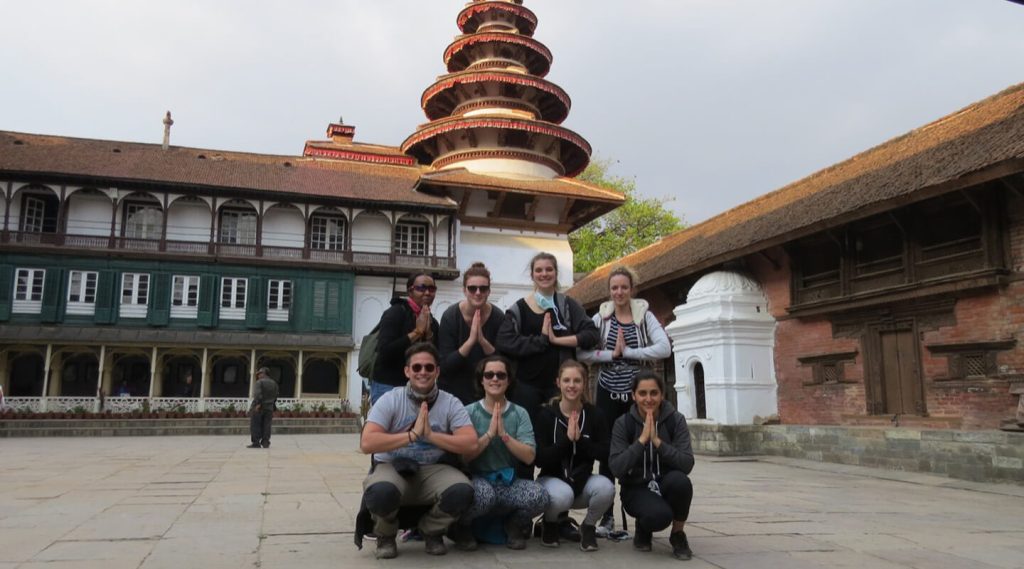
Kathmandu Swyambhu

The hilly regions of Nepal are home to Nepal’s art, culture, history, and traditions. This region is home to Kathmandu, Nepal’s capital city, as well as major cities such as Bhaktapur, Lalitpur, Gorkha, Pokhara, Tansen, and more. 

People living in the hilly regions include the Brahmin, Chhetri, Thakuri, Rai, Limbu, Tamang, Newar, Gurung, Magar, and Raute. Hinduism, Tibetan Buddhism, and Christianity are the three major religions of the caste groups.

A unique aspect of the hilly region is that one community solves the problems of another. No matter the caste or ethnicity, all communities experience life crisis situations, and all communities celebrate the festivals of one community.

Cultures in Himalayan Region 

mustang

The Bhotia people of Nepal live in the high mountains between 7000 feet and 15000 feet above sea level. They follow Tibetan Buddhism and Shamanism and belong to the Tibeto-Mongoloid race. 

Nepal’s culture and customs in the Himalayas and Mountains are among the finest in the world. Nepal’s mountains and the Himalayas are also known all over the world as a trekking paradise. 

Building Stupas for religious merit and piling pebbles for longevity are common practices in the Himalayan region. Mountain goddesses are adorned with colorful flags before entering the mountains. Flags are seen on the roofs of every home to bring auspicious marks to the family.

A number of festivals are observed in the Himalayan region. Performing the Dumje festival is considered the most important part of the festival because it brings peace to the community. Religious beliefs contribute to bringing peace to people. 

The tours of Nepal aren’t just tours; they’re a glimpse into a culture possessed by profound mysticism to which travelers are invariably baffled. You can experience a rich, vibrant culture through a cultural tour that is more than just a holiday.

Community Based Tourism in Nepal

Kathmandu City

Imagine yourself visiting a completely different place from your hometown, with a totally different culture and a lifestyle that you’re completely unfamiliar with. You might find dozens of destinations searching in Google but being part of community-based tourism in Nepal is the best gateway to discover new places and get real life experience of rural lifestyles, preferably in an unspoiled traditional village. Here, visitors can explore the wildlife, local habitats, and be a part of the local culture and rituals. The best way to understand Nepal’s traditions and culture is by visiting its villages.

Community based tourism (CBT) is a form of sustainable tourism that allows travellers to engage with the local communities they visit and learn more about their culture and daily lives. CBT provides travellers with the opportunity to learn about another culture, diversity, customs, language, social norms, cultural beliefs, etc.  This type of tourism in Nepal consists of activities such as home stays, village tours, storytelling, cooking and crafting together and farm visits, etc where visitors can observe the local culture and interact with local community members.  The hospitality and friendly attitude towards tourists makes them feel at home.

Bandipur homestay

Home stays and other forms of community-based tourism are gaining popularity among travellers today given that they provide authentic, unique experiences while also providing value to local communities. There is already a growing niche market as more and more people today are interested in getting to know the local communities and interacting with the local people. Community-based tourism was developed with the objective of alleviating poverty in low-income and minority communities by developing and promoting the local tradition, culture and local resources.  Members of a community join together and take collective actions to achieve all forms of well-being including social, economic, cultural and environmental.

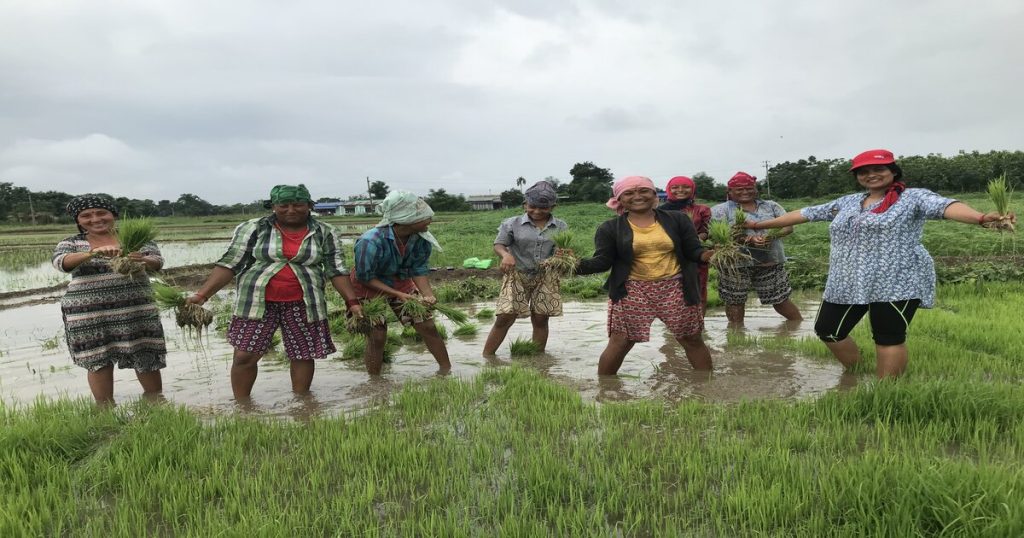
rice plantation

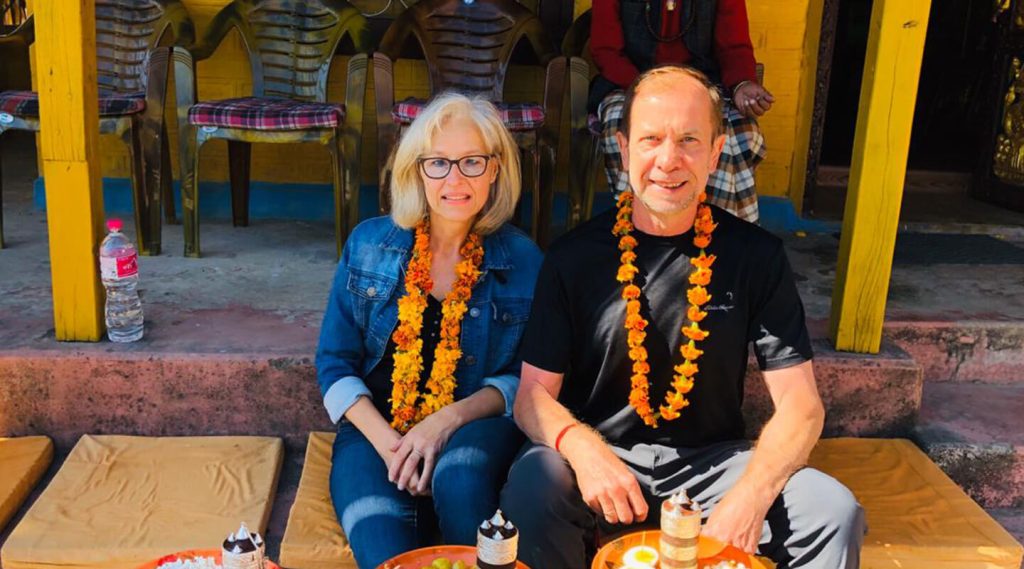
Nepal offers a unique experience for foreign tourists by allowing them to stay with the family as members, and not as guests. These tourists become part of the community during their stay. The villagers greet visitors with flowers, tikas, and even Panche Baza (traditional Nepalese music) in some of the villages. They are also invited to take part in local festivals, rice plantations, production of handicraft works, milking a cow, and even cooking.  People of rural villages in Nepal take pride in talking about their everyday lives and sharing personal stories with guests. The villages in Nepal are also known for their breathtaking views of the Himalayas and beautiful sunrises, which tourists will not want to miss out on. 

Welcome in sirubari

‘Community-based tourism’ originated in Nepal in the Gurung community of Sirubari, Syangja, by developing the village as a model with the purpose of experiencing local life. Homestays including Ghalegaun, Kaulepani, Balthali, Madi village, Machhapuchhre, Ghandruk and Panauti are some of the other popular community based tourism destinations in Nepal. One of the most important aspects of this form of tourism in Nepal is that visitors can experience a completely different environment, breathe fresh air, and eat organic foods and vegetables. Waking up to the sunrise with shining mountains in the background, exploring natural beauty during the day, and engaging in cultural programs in the evening can make anyone forget their home place.

foreigner in chitwan national park

Travelers during hiking, trekking or short tours in different regions of Nepal can engage in different community based activities like purchasing local made products, having a meal at a local tea house lodge or by engaging in cultural programs organized by the local community. Travelers can also participate in cooking with local people as a form of responsible tourism, tasting the local food, learning about traditional recipes, or even taking cooking classes. Taking part in and appreciating local festivals gives the community a sense of pride and inspires people to preserve their culture. The visitor may participate in community projects in various areas, such as parks, health clinics, schools, orphanages, protected areas, libraries, conservation research centers, and protected areas, and an extensive range of other worthy projects. Travelers who are interested in community development can volunteer in the school or instruct local women contributing to their personal growth.

Community-based tourism benefits both hosts and guests, as it enables tourists to gain a true sense of belonging in the community and experience authentic travel, while also ensuring that the revenue generated by tourism stays within the community. Tourism based on the community not only preserves the environment, but also fosters cultural preservation, environmental protection, social responsibility, and enhances livelihoods while enhancing a deeper connection between hosts and visitors.

Experiencing the Majesty of the Himalayas

Mountain Range in Nepal

Experiencing the Majesty of the Himalayas: Easy and Luxury Tours in Nepal –

Nestled in the lap of the mighty Himalayas, Nepal attracts visitors from all over the world. While the region is known for its challenging treks and climbs, not everyone is an adrenaline escape. For those seeking a leisurely pace and luxurious accommodations, the majestic beauty of the Himalayas can be experienced without challenging trekking.

Nepal offers a variety of scenic treks for those looking to experience the glory of the Himalayas without the hassle of a long trek. The Himalayan Circuit Treks offers you relaxing Himalayan treks and leisure packages that allow you to experience the beauty and cultural richness of this country full of natural wonders.

Known for its exotic culture and warm hospitality, Nepal offers a wide range of options for travelers seeking a relaxing yet equally romantic experience in the Himalayas. This trip is ideal for nature lovers, cultural explorers, or anyone seeking peace in stunning surroundings and mountainous landscapes.

A luxury tour to Nepal provides travelers with an unparalleled experience while exploring the beauty of the country, its rich culture, and its unique attractions. The tour provides comfort, personalized service, and unique experiences.

Luxury tours offer luxury, customization, and exclusivity that are not available on general tours. While exploring Nepal, you can choose between the two options based on their preferences, budget, and comfort preference.

With this blog, the Himalayan Circuit Treks aims to provide you with an easy, luxurious, and breathtaking Himalayan view tour, featuring destinations like the Kathmandu Valley, Pokhara, and Nagarkot.

Kathmandu Valley – A City with Hills and Himalayan Views

Kathmandu-Hills

The journey of experiencing the Majesty of the Himalayas begins in Kathmandu, the bustling capital nestled in the Kathmandu Valley. This valley is a cultural treasure trove, with ancient temples, Stupas, and vibrant markets. This city offers panoramic views without straying too far from the city center because of its unique topography. 

Kathmandu Valley offers breathtaking views of the majestic Himalayas surrounded by mountains. The Swayambhunath Stupa, or Monkey Temple, is a fascinating introduction to this experience. From its perch on top of a hill, it offers a 360-degree view of the city and the majestic Himalayas. Your memories of the sunset behind the mountains will last a lifetime. 

Nagi Gompa, a peaceful Buddhist monastery in Shivapuri Nagarjuna National Park, is another hilltop structure in the Kathmandu Valley. A short walk through dense forests brings you to this peaceful place, where you can admire the snow-capped Himalayas in the distance and enjoy the peace.

Imagine being on the roof of a cafe at Boudhanath Stupa, spending hours in harmony and inner peace. There is a serene and spiritual ambiance at Boudhanath Stupa that many travelers and spiritual seekers cherish.

The experience is unlike anything you’ll find in any other part of the world. Nepal’s cultural heritage hotels offer a unique experience compared to beach resorts, and many of these hotels offer Himalayan views.

Pokhara– A City of Mountain Viewpoints

Mountain Ranges in Pokhara

There can be no better destination than Pokhara to experience the Majesty of the Himalayas in Nepal.  Known as a “city of lakes,” Pokhara is one of the most visited destination of Nepal. A beautiful city nestled on the shores of Lake Phewa and surrounded by lush mountains, Pokhara offers an attractive blend of natural beauty and modern comforts. 

While trekking in the Annapurna region is popular in Pokhara, you can still take in the breathtaking views of the Himalayas without taking to the trails. Fewa Lake has luxurious resorts and hotels offering panoramic views of the Annapurna and Machapuchare (Fishtail) mountains. Sleep in your comfortable room looking out at these majestic mountains while sipping your morning coffee.

Sarangkot, just a short walk from Pokhara’s center, is another hill station worth visiting. It is known for its sunrises and panoramic views of Annapurna and Dhaulagiri. During the early morning hours, the first rays of daylight illuminate these peaks, casting a warm golden glow on them. Having this experience is magical and doesn’t require much physical effort on your part.

Nagarkot: Sunrise Spectacle and Himalayan Panorama

Sunrise-Nagarkot

Another perfect destination on your Majesty of the Himalayas tour is Nagarkot, located 32 km from Kathmandu. With panoramic views of the Himalayas and unparalleled sunrises, this hill station is a must-visit. 

Choose a luxury boutique resort for a luxurious stay to make the most of the Nagarkot experience. Get up early and go to your balcony or resort patio to enjoy the sunrise. 

The sky and mountains will be painted with stunning colors as the sun slowly rises behind the majestic Himalayas. In the distance, you can see mountains such as Langtang, Ganesh Himal, and Mount Everest. 

To fully appreciate the natural beauty of Nagarkot, take a leisurely walk in the afternoon. The village is located amid terraced fields and forest, offering you a peaceful Himalayan retreat. The local culture can also be explored by visiting nearby villages and interacting with its warm-hearted residents.

Majesty of the Himalayas tours in Nepal don’t necessarily involve challenging treks or strenuous hikes; instead, they combine luxury accommodations, cultural immersion, wildlife encounters, culinary delights, and adventure activities.

Whether you’re looking to explore ancient temples, experience lakeside serenity, or observe wildlife in the Himalayas, this Himalayan country offers something for every traveler. 

So, book your trip with Himalayan Circuit Treks for a memorable experience, leaving them with a lasting memory of the Himalayan’s beauty and culture.