Nepal Diary: Celebrating 10 Years of TravelLocal & Himalayan Circuit

Himalayan Circuit Team

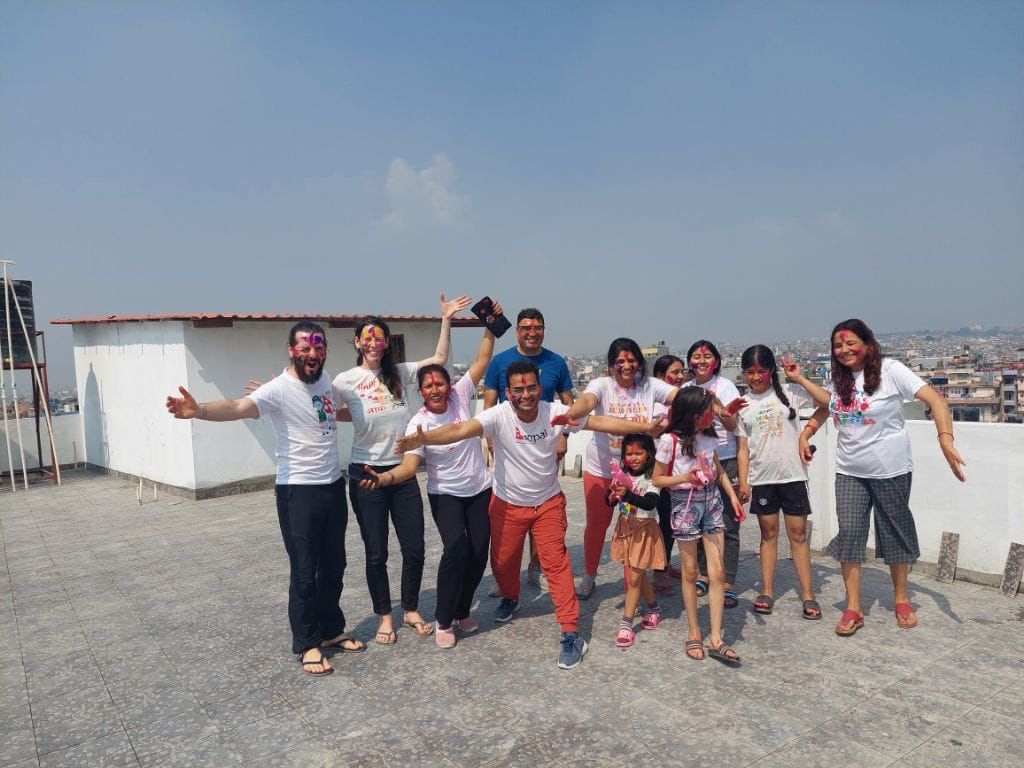
For a remarkable decade, the collaboration between TravelLocal and Himalayan Circuit has flourished, fundamentally reshaping the landscape of personalized travel within the awe-inspiring Himalayas. Beginning in November 2014, this alliance was born from TravelLocal’s visionary approach: to connect adventurous travelers directly with the profound expertise of local insiders right from the initial planning stages. This core principle aimed to empower travelers by granting them direct access to the knowledge and passion of those who call the Himalayas home. Over the years, this initial vision has not only been realized but has also evolved into a powerful and responsive synergy, built on mutual trust, unparalleled local insight, and an unwavering commitment to crafting truly unforgettable, tailor-made journeys for every individual. This enduring partnership stands as a shining example of how collaboration can elevate the travel experience for both the explorer and the local community.

The impact of this partnership extends beyond just facilitating exceptional trips; it has played a crucial role in strengthening local tour operators like Himalayan Circuit from the ground up. By establishing a direct conduit between travelers and these destination experts, the collaboration eliminated the need for traditional intermediaries in the planning process. This “no middleman” approach not only streamlines communication and ensures a more personalized experience but also directly empowers local businesses. Travelers benefit from interacting directly with the “Destination Experts”. This direct engagement fosters a deeper connection and ensures that every aspect of the journey is meticulously tailored to the traveler’s specific desires and expectations, leading to higher satisfaction and more authentic experiences.

The success of this decade-long partnership is underpinned by several key pillars that consistently prioritize traveler satisfaction and operational excellence:

  • Satisfaction Guaranteed, Right from the Planning Phase: The journey begins with a thorough understanding of the traveler’s unique aspirations. Through clear and direct communication facilitated by TravelLocal’s platform, the expert team at Himalayan Circuit ensures that every detail of the itinerary is meticulously crafted and perfectly aligned with the client’s vision.
  • Extensive Local Knowledge and Dedicated Support: Himalayan Circuit’s strength lies in its deep-rooted local expertise. Their passionate team possesses an intimate understanding of the Himalayan terrain, culture, and hidden gems, translating into truly authentic and enriching experiences. Throughout the journey, travelers are supported by these dedicated local experts, ensuring a seamless and safe adventure.

The operational framework of this partnership boasts unique selling points designed to enhance the traveler’s experience:

  • Welcome Through the Main Point of Contact: Upon arrival, travelers are warmly greeted by their dedicated travel planner – the very person who helped craft their bespoke itinerary. This personal touch establishes immediate rapport and ensures a smooth transition into their Himalayan adventure.
  • Deep Understanding of Wishes and Flexibility: The entire operation is centered around understanding and fulfilling the traveler’s specific desires. Having been integral to the custom planning process, the on-ground team is well-equipped to cater to individual preferences. Furthermore, the private, custom-made nature of the trips allows for remarkable flexibility, even during the journey, enabling adjustments to accommodate unforeseen circumstances and enhance the overall experience.

Beyond the immediate travel experience, the partnership fosters continued service and a sense of trust:

  • Service Beyond Completion and TravelLocal’s Assurance: Both Himalayan Circuit and TravelLocal are committed to building lasting relationships with their clients, offering continued support and welcoming feedback even after the trip concludes. TravelLocal’s head office provides an additional layer of security and trust through its certifications and dedication to responsible travel practices.
  • A Mutually Beneficial and Responsible Model: The collaboration embodies a responsive and truly win-win model. A significant portion of the trip revenue directly benefits the local economies within the Himalayan regions, fostering sustainable tourism and empowering local communities. Travelers appreciate being both valued clients of TravelLocal and cherished guests of the local Himalayan Circuit team, creating a sense of shared value and responsibility.

Himalayan Circuit proudly celebrates this significant milestone of a decade in partnership with TravelLocal. Their collaborative spirit, unwavering commitment to quality, and shared passion for authentic and responsible travel have enabled us to craft countless extraordinary experiences for travelers from every corner of the globe. As we reflect on ten years of successful synergy, connecting travelers directly with our local expertise and crafting personalized Himalayan adventures, we eagerly anticipate many more years of shared success, continued growth, and the creation of even more unforgettable journeys in this majestic region. We invite you  on your own Himalayan adventure with our trusted partners at TravelLocal (travellocal.com) and explore the wonders of the Himalayas through the local knowledge of Himalayan Circuit (himalayancircuit.com). Connect with our dedicated Destination Experts, Anish for English-speaking markets and Shiva for the German-speaking market, to begin planning your tailor-made experience. Thank you, TravelLocal, for this exceptional partnership model that genuinely prioritizes the traveler and empowers local expertise. Together, we are truly reimagining the art of travel in the Himalayas, one personalized adventure at a time. Here’s to the next decade of shared success and breathtaking journeys!

Slide Background
Nature & Landscape
Get ready for a challenging but beautiful high-altitude trek

Nepal is known for her three distinct ecological zones namely Terai Hills and Himalayas You can experience the plain landscapes and the dense jungles with the wild animals Hills have the terraces for ..

previous arrowprevious arrow
next arrownext arrow

Luxury Travel: Plan Your Adventure Honeymoon in the Himalayas

There is a famous quote that states, “Couples who travel together grow together“. Honeymoons provide couples with an opportunity to get to know one another, love one another, and understand one another. Make the most of this opportunity by booking your adventure honeymoon trip to Nepal. 

The honeymoon in Nepal can be special and memorable if you are the type of couple who craves a little excitement and adventure in addition to chilled champagne and rose petals-adorned beds. 

Nepal is the perfect destination for newlywed couples to make their special days forever imprinted in their minds. Himalayan Circuit offers honeymoon tours that are suitable for newlyweds who are looking for adventurous activities and mind-blowing locations.

You can participate in skydiving, paragliding, and many other activities, all of which make your honeymoon in Nepal unforgettable.

Best adventure activities for Couples:

During the honeymoon trip, some couples seek thrills in what they do together, while others prefer chill romantic evenings. Regardless of what interests you, it’s worth planning a trip to places or doing things that may fulfill your urges.

The following are some of the best adventure activities that a couple should try while in Nepal:

  • Helicopter Ride to Everest:

Adventurers and trekkers will find Everest to be filled with adventure, as well as those seeking romance and romance-seekers. A helicopter ride to the top of Everest while on vacation in Nepal is a unique adventure you should check out if you want to explore something different.

It’s the excitement, thrill, and togetherness that make this trip so romantic, and posing side-by-side at the top of the world’s highest mountain, Everest, and other peaks will be something to enjoy and remember for years.

  • Paragliding in Sarangkot:

Paragliding will be a piece of cake for adventure junkies on their Nepal honeymoon. Experience the bird’s eye view of the valley filled with blue lakes, surrounded by lush green hills and mountains, during this massive quest in Sarangkot, one of the most beautiful places in the country.

Relish every moment while flying with your pilots. Sarangkot is the most popular place to try paragliding, but there are other places close to the capital, like Godavari and Phulchowki, where you can try this adventurous activity. Live the best time of your life while enjoying the amusement and scenery.

  • Sky Diving in the Everest:

Are you a pair of risk-takers who enjoy something that’s a little risky? Wouldn’t it be fun to skydive on your honeymoon? A lifetime of memories and accomplishments await you once you free-fall and experience the adrenaline rush and eye-catching views of Everest.

This trip will take you to the top of the world, which will be enchanting, empowering, and enlightening. There are many people who dream of skydiving off Mount Everest in Nepal, and it’s one of the world’s most exclusive adventures. 

  • Sunrise Viewing:

You feel instantly relaxed when you see a sunrise in the natural world. It’s one of the most fulfilling experiences in life to get up early and catch the first glimpse of the sunrise, no matter how much you hate waking up in the morning.

What makes sunrise in Nepal so special during a honeymoon? Watching the golden orange sun rays hit the white snow-clad Himalayan peaks on a warm summer night with your lover could be the ultimate romantic experience. 

Sarangkot is one of the most popular places where many people choose to witness sunrise along with great mountain views, like Nagarkot, Daman, Poonhill, Kala Patthar, Gokyo Ri and Antu Danda, among others. 

  • Trekking

Nepal is home to the eight tallest mountains in the world, making it sure to be on every adventurer’s bucket list. Nepal is the only country that can provide trekking for those couples who are looking for solace in the Himalayas. 

Nepal’s Himalayas offer some of the most breathtaking trekking trails in the world, including Everest Base Camp, Annapurna Circuit, Poon Hill, and Langtang. The glorious splendor of the Himalayan ranges will just blow you away.

  • Luxury Trekking to Everest

A honeymoon trip to Nepal wouldn’t be complete without an Everest Luxury Trek. What makes it luxurious? High-quality accommodations, magnificent views, and the Sherpa culture all contribute to making this trek luxurious.

Aside from the breathtaking views of various 8000m peaks visible throughout the region, your honeymoon will be made unforgettable by boutique chain hotels like the Yeti Mountain Home and Everest Summit Lodge.

The Himalayan Circuit offers a variety of adventure activities in the Himalayas, such as trekking, a helicopter trip to Everest, paragliding in Sarangkot, sky diving in the Everest, sunrise viewing in the Himalayas, and luxury trekking to Everest to make your Honeymoon memorable in your lifetime. 

Spiritual & Wellness: Narayan Temple – Spiritual Journey in Kathmandu

In ancient times, it was believed there were more temples in Kathmandu than houses, as well as more statues of gods and goddesses than people. Kathmandu Valley’s rich culture with over 6000 temples, majestic buildings, monuments, arts, museums, etc makes it one of the world’s greatest cultural destinations.

Narayana Temple is located among the thriving and culturally vibrant streets of the Kathmandu and comes to represent the rich cultural heritage of the region. Due to its rich history, magnificent architecture, and peaceful atmosphere, the ancient temple is a significant place of worship for pilgrims from around the World.

Lord Vishnu, one of the major deities of Hinduism, is worshipped in many temples around Kathmandu, including Budhanilkantha Temple and the four famous Narayana temples dedicated to his Narayana form. According to the legends, the four Narayan temples at the four corners of the city are believed to protect the valley from evil. 

According to legends, in ancient times, to ensure Kathmandu’s prosperity, the rulers ordered the placement of Vishnu/Narayan Shrines at all cardinal points of Kathmandu valley from which the gods could watch and protect the valley. Here are the lists of 5 major Vishnu temples located in Kathmandu valley. 

  • Budhanilkantha Temple at the base of Shivapuri Hill

The Budhanilkantha Temple is a Hindu open-air temple dedicated to Lord Vishnu located below Shivapuri Hill in Kathmandu Valley. The temple, also called Narayanthan, is dedicated to Lord Vishnu, and you can see a floating statue of Lord Vishnu surrounded by water on all sides.

The Lord Vishnu stands five meters (17 fits) tall and is enshrined in a tank thirteen meters (43 fits) long with his legs crossed and his sleeping body resting on Ananta’s coils and 11 hooded heads. Vishnu holds four symbols in his four hands: the Shankha as a conch shell, the Chakra as a disc, the Gada as a club, and the Padma as a lotus flower.

There are thousands of pilgrims visiting the temple every year during Haribondhini Ekadashi on the 11th day of the Hindu month of Kartik (October – November). Every year, Budhanilkantha also holds a big fair to mark the auspicious dates of Ekadashi, Harishayani, and Haribodhini, which mark the Hindu belief of Lord Vishnu’s four-month sleep.

  • Changu Narayan Temple at Bhaktapur:

The Changu Narayan Temple lies about 15 kilometers east of Kathmandu in the Bhaktapur district of Nepal and is a UNESCO World Heritage Site. The Changu Narayan Temple is among the finest examples of Lichhavi art and architecture in Nepal, and it is also the oldest temple in the country.

The Changu Narayan Temple is treasure hub with statues, inscriptions, and ornaments, and is a popular tourist destination and pilgrimage site. The carvings of Lord Vishnu’s eleven avatars and other deities simply provide a visual delight.

Changu Narayan Temple is a unique example of Hindu and Buddhist religious sites coexisting with symbolic and artistic values closely tied to legends, rituals, and festivals. The temple is often visited during Harishayani Ekadashi in Ashadh and Haribodhini Ekadashi in Kartik by many devotees. However, you can the temple all year round.

  • Ichangu Narayan at Nagarjun Hill

There are many hidden gems in the Kathmandu Valley, and Ichangu Narayan is certainly one of them. The Ichangu Narayan temple is situated about 3km northwest of Swayambhunath. It is dedicated to Vishnu in his incarnation as Narayan, which means ‘the eternal man’. 

This temple is magnificent and has an extremely peaceful and authentic atmosphere. In addition, the path to Ichangu Narayan is very nice and well-preserved. This temple can be visited all year long, but it becomes spectacular during Tihar when marigold flowers bloom on the perfectly bent hills. 

  • Bishankhu Narayan at Godawari

Bhishankhu Narayan at Godawari, Kathmandu is said to have been built between 43-143 AD by Lichhavi king Haridutta Varma at Bandegoun. The object of worship is a plain rock at this temple, which is relatively simple. There are rich water resources around the temple, as well as thick forests surrounding it.

In the temple, there is a tiny gap between the rocks where the locals believe that you can determine your status as a sinner based on the stone. The gap is said to create either gluttony or arrogance in those who get stuck in it. 

During the festival of Thulo Ekadashi in Kartik, the temple is particularly popular among local devotees. However, you can visit the temple all year round as the view from this temple is scenic and pleasant.

  • Shesh Narayan Temple at Pharping

Sheshnarayan temple lies under a cliff face just outside the medieval town of Pharping, sharing its boundary with Rigzin Drubte Ghatshal monastery, the oldest Buddhist monastery in the town. This combination of sacred sites in the same place explains why religion has been tolerated in Nepal since the beginning of time.

A few statues carved during the Licchavi period are on display in the courtyard, including lively representations of Garuda and Hanuman. There are many koi carp in the surrounding ponds, as well as an arch-framed image of Aditya, which is submerged in the water. You can visit the temple all year around. 

The Narayan Temple of Kathmandu Valley combines history, architecture, and spirituality in a mesmerizing way. The ancient walls of this place and the sacred air that fills the air make you part of a lifelong narrative that transcends space and time. 

Whether you are a history enthusiast, architecture enthusiast, or spiritual seeker, you will find that visiting the Narayan Temple is an unforgettable experience that will transport you back in time. So, explore the religious aspect of Nepal, visiting the Narayan Temples of Kathmandu valley with the Himalayan Circuit Treks. 

Nepal Diary: Discover the Top 5 Must-Visit Destinations in Nepal

Nepal is a country located in the Himalayas, attracting both adventurers and culture enthusiasts. As we approach 2024, this captivating country is more alluring than ever. Featuring the highest peaks in the world, including Annapurna and Everest, and a vibrant mix of cultures, Nepal offers visitors a variety of experiences to choose from.

The Himalayan Circuit Trek reveals the top 5 destinations for those seeking new horizons that promise an immersive and unparalleled journey. You can discover Nepal’s hidden gems and evolving landscapes, regardless of whether you are an avid trekker, history buff, or spiritual seeker.

  • Rara Lake: Serenity amidst the Wilderness:

Imagine yourself sitting peacefully on the shore of a beautiful lake, listening to the beautiful sounds of birds in the background, and feeling the cold wind of the Himalayas. Rara Lake is such hidden gem that you should not miss out. A visit to Rara Lake allows you to explore pristine wilderness of Rara National Park through scenic trails. It’s time to discover vibrant flora, encounter wildlife, and experience a diverse ecosystem by immersing yourself in nature.

Located in Nepal’s northwestern region, Rara Lake is an ideal destination for those seeking solitude in the pristine wilderness. Rara Lake is the largest lake in Nepal and lies within Rara National Park. Traveling to Rara Lake can be done by scenic flight, jeep or trekking. 

During a clear day, you can enjoy a stunning view of the lake’s crystalline waters reflecting the surrounding mountains and snow-capped peaks. Camping beside the lake, gazing at the stars, and interacting with the locals offers an unforgettable experience of solitude and natural beauty.

  • Illam: Enjoy a fresh cup of tea

Located in eastern Nepal, Illam is one of the most picturesque hill stations, with stunning tea gardens. A visit to Ilam Tea Garden offers unforgettable visual cultural, as well as an educational experience where you can admire the beauty and lush vegetation of Kanchenjung and learn about ancient farming traditions.

Ilam is considered a paradise by nature lovers and tea enthusiasts. Known as the “Tea Garden of Nepal”, Ilam is known for its sprawling tea Garden covered in hills. 

You can take a guided tour of the tea gardens and watch the tea being processed closely. Moreover, Ilam offers trekking opportunities in Mai Pokhari Lake and Tinjure Milke Jaljale mountain range. Experience the local lifestyle and spend the night at a tea factory for a truly memorable experience.

  • Gosaikunda Lake- Pilgrimage and High-altitude Adventure:

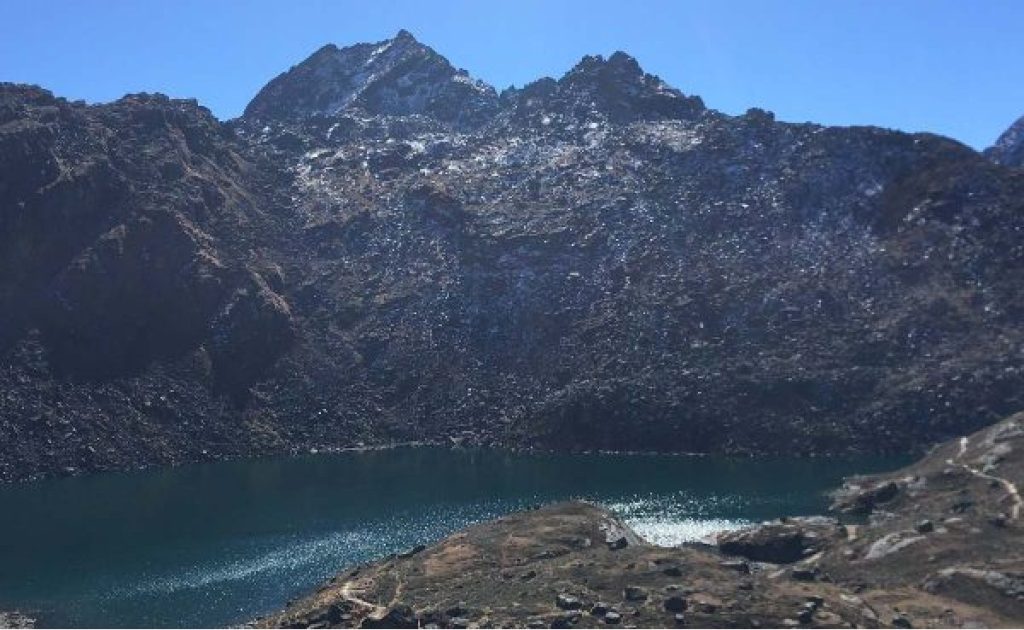
The holy GosaiKunda Lake is a popular destination for Hindus and Buddhists, and is famous for its scenic and breathtaking beauty. Holy GosaiKunda Lake Trek is an ideal short trek for those with limited time and looking for an authentic Himalayan experience. This is a pilgrimage journey to sacred lakes and pristine nature to achieve inner peace and a soulful experience.

With an altitude of 4,380 meters, the holy lake of Gosaikunda is not only a destination; it’s a journey, and an adventure rolled into one. A journey to the holy lake of Gosaikunda passes through dense forests, picturesque villages against a backdrop of snow-capped mountains. The combination of high altitude travel and cultural immersion makes the trip a unique and spiritually rich experience. The best time to trek the trails is in the summer, when the trails are decorated with vibrant rhododendrons.

  • Bandipur: A Crown Jewel of Nepal

Bandipur is one of the hidden gems of central Nepal, with traditional Newari architecture, breathtaking Himalayan scenery, and beautiful countryside walks. Bandipur is the perfect destination for those looking for a hassle-free vacation in the Himalayas leaving the rest of the world behind. Also, it’s a great place to stop and see the Nepalese countryside while driving between Pokhara and Kathmandu.

With its preserved cultural heritage and traditional architecture, this well-preserved city in the foothills of the Himalayas evokes an old-world charm and one can take a leisurely stroll through streets lined with historic buildings and luxury hotels. The Annapurna and Dhaulagiri ranges can be seen from a vantage point of the city. You can involve in various activities in Bandipur like paragliding, hiking, or just enjoying the tranquility of the surrounding mountains. Bandipur is a testament to Nepal’s commitment to sustainable tourism, offering an authentic experience without compromising its cultural value.

Tansen: A Cultural Oasis in the Hills

Tansen is one of the popular cities of Nepal that is famous for its natural beauty and is also considered as a cultural center. Known for its cobbled streets, medieval architecture and vibrant local life, this hidden gem is a treasure trove of old World charm. Tansen is also famous for handicrafts, textiles, organic coffee, Dhaka clothes, and Karuwa, among others.

The major attractions of Tansen include its ancient culture, beautiful Newar houses and tall views of the Himalayas like Dhaulagiri in the north-west, Annapurna in the north and Manaslu in the north-east. Here you can stroll along the banks of the Kali Gandaki River and visit the Rani Mahal, the main attraction of the city. An ancient palace that tells stories of a bygone era can be explored at Tansen Durbar. The city is also a pot of multiculturalism, where many cultures coexist in harmony.

Ultimately, Nepal’s beauty lies not only in its breathtaking scenery but also in the richness of its traditions and the warmth of its people. Himalayan Circuit Treks welcomes you on a journey  in Nepal  that will leave a lasting impression.

Traveling isn’t just about the places you go; it’s about the experiences you’ve gathered and the relationships you’ve built. So pack your bags, embrace the unknown, and let Nepal work its magic on you. The Himalayas await a year filled with discoveries, adventures, and unforgettable moments.

Annapurna Region: Annapurna Circuit Cycling Tour

A popular trekking route in Nepal, the Annapurna Circuit is regarded as one of the world’s most iconic trekking destinations. Imagine exploring this breathtaking region on two wheels. Wouldn’t that be amazing? 

Annapurna Circuit Cycling Tour offers an unparalleled perspective on the majestic Himalayan landscapes and provides an exhilarating and challenging experience for cycling enthusiasts. 

The Annapurna Circuit is a mythical and remote region known for its dramatic landscapes, breathtaking beauty, and legendary population. With the Annapurna Circuit Mountain Biking Tour, you have the opportunity to explore the Himalayas in a new way.

An adventure into some of the world’s most beautiful landscapes awaits you on the Annapurna Circuit Cycling Tour. A popular trekking route in Nepal, this epic journey is gaining popularity among cycling enthusiasts looking for a challenging and unique ride.

Overview of the Annapurna Circuit:

Annapurna Circuit is known for trekking, but cyclists also find the route a mecca for adventure. Along its 160 miles (260 kilometers), the circuit encircles the Annapurna Massif and reaches an elevation of 17,769 feet (5,416 meters).  

Taking on challenging terrain has many benefits, such as affording stunning views, learning about local culture, and conquering breathtaking mountain views.

Highlights of the Trip:

  • Smooth gradual biking in the shadow of the most beautiful peaks on the earth along with Rhododendron and Pine forest to a Tibetan-influenced valley.
  • A visit to an ancient Buddhist monastery, monuments and their traditional stone walled villages.
  • Muktinath temple with its 108 bronze waterfalls and Dhola Mebar Gompa (an ancient Buddhist monastery where the sacred flame of natural gas burns behind a chimney just above the spring).
  • Opportunity to meet the Gurung, Manangis, and Thakali communities and their cultural mix. 
  • Muktinath temple and its 108 water spouts, Dhola Mebar Gompa (an ancient Buddhist monastery with a holy flame burning behind a grill just above a spring), and other religious shrines. 
  • A professional guide and porter who carries your goods.

The Thrills of Cycling the Annapurna Circuit:

  • Stunning scenery:

Through lush subtropical forests, picturesque villages, and rugged alpine terrain, the Annapurna Circuit offers breathtaking scenery. The majestic Annapurna and Dhaulagiri mountain ranges are all around you as you pedal, including Annapurna I, the world’s 10th-highest peak. 

There is a dramatic change in landscape as you ascend and descend, from terraced rice fields to arid high desert plateaus. Each turn of the road reveals a different view, each more breathtaking than the last.

  • Adventure Challenges:

A cycle trip around the Annapurna Circuit is more than just a sightseeing excursion; it is an exciting and challenging journey. The trail is a mixture of smooth dirt roads and technical single-track, with steep ascents and thrilling descents. 

The circuit includes several notable spots, including the infamous Thorong La Pass, at an elevation of 17,769 feet (5,416 meters). Getting to the summit is an accomplishment many cyclists strive for, and the feeling of accomplishment is indescribable.

  • Cultural immersion

Annapurna Circuit offers more than just scenic beauty; where you can interact with the various ethnic groups that live here, including Gurungs, Thakalis, and Manangis. The local hospitality will warm your heart while you enjoy traditional Nepali cuisine along the way. Make sure you try Dal Bhat, the staple meal of Nepal, which is both delicious and energizing.

  • Wildlife encounters: 

A variety of wildlife can be found along the Annapurna Circuit, including birds, deer, and the very rare snow leopard. Your cycling trip may provide an opportunity to see some of these creatures. The adventure is made even more exciting by the chance to meet Nepal’s unique wildlife up close and personal.

When is the best time to go?

A cycling tour of the Annapurna Circuit is best enjoyed in spring (March to May) and autumn (September to November). The weather is relatively stable during these periods, with clear skies and mild temperatures. Rhododendron blossoms are most vibrant during spring, whereas the autumn season offers breathtaking mountain views due to clearer skies following the monsoon season.

The Annapurna Circuit Cycling Tour offers physical challenges, stunning landscapes, cultural immersion, and thrilling exploration. Enjoy the beauty and culture of the Annapurna region on this journey through the Himalayas. 

Whether you’re an experienced cyclist seeking a new challenge or a nature enthusiast looking for a new way to connect with the Himalayas, this journey is an incredible experience. 

Embark on a two-wheeled adventure with the Himalayan Circuit Treks through the Annapurna Circuit for a breathtaking glimpse of the world around you. Enjoy the splendor of the Annapurna Circuit on your pedal-powered adventure.

The best local delicacies of Nepal

Nepal, a land of staggering natural beauty, sky-touching mountains, and rich cultural diversity is also a treasure trove of culinary delights. The best local delicacies allow you to enjoy a symphony of flavors that will leave a lasting impression when you visit the country.

A variety of local dishes, influenced by geography, traditions, and warmth, are available in this enchanting country, whether you’re craving spicy street food or hearty mountain cuisine. Whether you stroll through Kathmandu or trek through Annapurna, Nepali cuisine reflects its culture, geography, and history.

You can experience an enriching and enjoyable trip through Nepal’s best local delicacies no matter whether you’re a foodie looking for bold and spicy flavors, a culture enthusiast looking for Nepal’s traditions, or a traveler just hoping to absorb the essence of Nepal.

Let’s explore the best local delicacies of Nepal, where every dish reflects tradition, innovation, and the warmth of Nepalese hospitality.

Dal Bhat: The Heart of Nepali Cuisine

The staple food of Nepal, Dal Bhat, is the perfect combination of steamed rice with tasty lentils. Typically, Dal Bhat is accompanied by a vegetable curry (tarkari), a combination of spicy vegetables, greens, and sometimes meat or fish. 

Dal Bhat can be prepared in several ways, but what makes it special is how it can adapt to local tastes and preferences, allowing Nepali chefs and home cooks to demonstrate innovative skills by adding their own twist.

You can find the Dal Bhat set in many restaurants across the country served with variety of side dishes.

Dhido: The Humble Cornmeal Dish

Dhido is a traditional Nepalese dish made mostly from buckwheat (fapar), millet (kodo), wheat flour or barley flour. Typically, Dhido meal is accompanied by gundruk (stewed greens), vegetable curry, and sometimes meat or fish.

This simple, yet nutritious dish is popular in rural areas of Nepal, and it stands out from the rural culture of Nepal due to its distinct taste and uniqueness, making it one of the best dishes the country has to offer.

You can find the Dhido set in many restaurants across the country served with variety of side dishes.

Momos: The Iconic Dumplings

Momo is a popular delicacy of Nepal made with all-purpose dough and filled with meat or vegetables. Inspired by Tibetan dumpling, momos are usually stuffed with grilled chicken, beef, or pork and seasoned with lots of spices.

Momos are served with fire-roasted tomatoes or cooling yogurt, enhancing the overall experience. Whether you enjoy momos as a quick snack or as a meal in a local restaurant, the delicious delicacy captures the spirit of Nepali comfort food.

You can find Momos in almost every part of the country and is one of Nepal’s most preferred delicacies.

Newari Cuisine: The Flavors of Kathmandu Valley

The Newari cuisine served in Kathmandu Valley is an authentic and flavorful part of Nepal’s culture. The typical Newari meal consists of rice and lentils, mashed potatoes, gundruk (fermented leafy greens), and various pickles. 

Newari cuisine explores the history and culture of the Kathmandu Valley, making it an integral part of your culinary exploration. With the rise of Nepalese cooking, Newari food has become the most popular and important part of Nepali cuisine.

A variety of restaurants in Kathmandu serve Newari cuisine, contributing to the authenticity and distinctiveness of this culture. 

Sel Roti: The Crispy Rice Doughnut

Sel Roti is a traditional ring-shaped rice dish that has a sweet flavor and is extremely unique because it combines the crisp texture of a donut with rice’s subtle taste. A combination of rice flour, sugar, and yogurt makes the crispy outside of this deep-fried treat and the soft inside.

Sel Roti is the traditional Nepalese sweet loved by most Nepalis and is a mandatory part of holiday celebrations such as Dashain, Tihar, Teej, weddings, and bratabandhas. During major festivals, it is often served with tea or yogurt and often served with the main course.

Sel Roti is often served at community homestays and local restaurants.

Gundruk: The Fermented Delight

Gundruk is a traditional Nepalese dish made with fermented and dried leafy vegetables such as ray sag, mustard leaves, radish leaves, and cauliflower, resulting in a dark brown sour product. This versatile food item can be served as an appetizer, a side dish, or even soups and curries. 

Gundruk is also a wonderful source of probiotics and essential nutrients, as it shows off the resourcefulness of Nepali cuisine, which has used preservation techniques to maximize the use of seasonal ingredients.

The Gundruk is served with traditional Nepali dishes Dal Bhat and Dhido, as well as with Newari cuisine (gundruk ko achar).

Nepal’s local delicacies are diverse and flavorful, that reflects the country’s rich culinary heritage and its ability to innovate while staying true to its traditions. 

You can find a variety of tasty cuisines that will satisfy any craving you may have with Nepali local delicacies. Whether it is the iconic momos, the flavorful Newari cuisine, or other local delicacies, Nepali local cuisine leaves no taste unsatisfied.

Enjoy the unique flavors of Nepal as you embark on a trip with Himalayan Circuit Treks to this beautiful country while also exploring its majestic landscapes.

Experiential trip to a Hindu Temple

Nepal is blessed with breathtaking landscapes and a profound sense of spirituality, which are embodied in an abundance of ancient temples that stand as timeless symbols of culture and devotion. 

Nepali culture is deeply rooted in Hinduism, which consists of a vast tapestry of rituals, beliefs, and practices that are woven into its history and identity. There is a spirituality that resonates throughout the Hindu Temple of Nepal where tradition fuses with modernity.

The experimental tour of the Hindu Temple of Nepal takes you on an immersive adventure, offering a glimpse into the temple’s architecture, spiritual essence, vibrant ceremonies, and warm community. You will gain a deeper understanding of Nepali Hinduism through the stories and myths that surround this sacred space.

In this blog, the Himalayan Circuit aims to take you on a journey through one of Nepal’s most sacred and enchanting Hindu temples, discovering its mystical allure that has attracted pilgrims for centuries.

Trip Highlights:

  • Visit the Pashupatinath Temple dedicated to Lord Shiva, the most significant Hindu pilgrimage site.
  • Visit some of Nepal’s major Hindu pilgrimage sites.
  • Visit ancient cities of Nepal that offers unique art and architecture.
  • Explore history and culture of Nepal.
  • Enjoy cable car ride during your visit to Manakamana Temple.
  • Opportunity to immerse yourself in the peace and tranquility of Nepal.

Pashupatinath Temple:

Pashupatinath Temple is one of the major pilgrimage sites for Hindus and is located on the banks of the sacred Bagmati River in Kathmandu. This temple dedicated to Lord Shiva represents Nepal’s cultural, religious, and architectural heritage.

You will be greeted by ornate pagoda-style architecture featuring intricate wooden carvings, as well as devotees, priests, and sadhus praying, meditating, and performing rituals as you approach the temple. 

A visit to Pashupatinath Temple is not only a spiritual experience but also an opportunity to experience Nepal’s unique blend of ancient and modern traditions.

Muktinath Temple:

Muktinath Temple dedicated to Lord Bishnu is situated in the Mustang district and stands at an elevation of 3710m above sea level. Muktinath Temple built as a pagoda-style structure is a sacred pilgrimage site for both Hindus and Buddhists. 

The Muktinath temple is clean and bare, but the spiritual power that surrounds the area is truly magical. The outer courtyard of Muktinath temple has 108 bull face taps where devotees take baths with the belief of bringing salvation after death.

The journey to Muktinath is often rigorous and involves trekking and driving over difficult terrain, but the reward of reaching this sacred temple is a spiritual awakening like no other.

Manakamana Temple:

The Manakamana Temple situated in the Gorkha district stands on a 1300-meter hill and is a sacred place of the Hindu Goddess Bhagwati, an incarnation of Parvati. This pagoda-style temple dedicated to Bhagwati is believed to fulfill devotees’ wishes who worship her with a pure heart.

A thrilling ride on a cable car above the lush valleys of the Gorkha district takes you to the Manakamana Temple. Devotees make the arduous journey to seek the blessings of the goddesses in the temple with the hope of prosperity, good health, fertility and success.

The vibrant atmosphere created by bell sounds, incense, lush forests, panoramic views, and the sight of pilgrims making offerings leaves a lasting impression on travelers.

Bindabasini Temple:

The Bindhyabasini temple, the oldest temple in Pokhara, sits 3002 feet above sea level gazing at the glorious Himalayan range. The temple dedicated to a Bhagawati goddess is believed to protect the city. 

Pokhara’s Bindhyabasini temple is of great religious significance to locals and has even become a world-renowned Hindu pilgrimage destination. As an embodiment of strength and devotion, devotees flock to Bindabasini Temple to pray for their families and well-being.

The temple’s setting against the majestic Annapurna Range adds to its divinity and grandeur, as does the spectacular view of Pokhara Valley from the temple.

Dakshinkali Temple:

Dakshinkali temple dedicated to the goddess Kali and located about 22 km from Kathmandu is one of the most sacred Hindu temples in Nepal. The temple is dedicated to Goddess Kali “the goddess of time, death, and destruction.”

As a beautiful example of traditional Nepalese architecture, Dakshinkali Temple honors Kali and represents the Newari style of architecture. A fierce and powerful aura surrounds this temple, where devotees offer sacrifices to ask for blessings and favors from the goddess. 

A visit to Dakshinkali Temple offers an opportunity to witness a different aspect of Hinduism and its deep-rooted connection to nature and spirituality.

Budhanilkantha Temple:

The Budhanilkanta temple in Budhanilkantha is renowned for its awe-inspiring statue of Lord Vishnu reclining on Ananta, a cosmic serpent. A colossal image, carved from a single stone, exudes a sense of serenity and divinity throughout the entire temple complex.

The location of this temple in the foothills of Shivpuri adds a sense of holiness where you can enjoy the sense of peace and tranquility that fills this place. This magnificent temple depicts cosmic harmony and the preservation of the universe, and it attracts a large number of devotees to seek blessings and offer prayers.

The idol and surrounding gardens at Budhanilakantha Temple provide breathtaking views for those seeking peace and meditative experiences.

Visiting these Hindu temples in Nepal is like taking a journey of the soul, experiencing devotion, culture, and nature’s beauty while learning about Nepalese culture and spirituality. 

These temples offer a profoundly enriching experience for everyone; whether you seek serenity, adventure, or a deeper understanding of Hinduism. 

Come and experience Nepal’s cultural diversity, scenic landscapes, and warm hospitality on an experiential trip to a Hindu temple with Himalayan Circuit Treks.


Holi Festival Tour in Nepal

Holi Colors

Holi is the festival of colors, love, and joy that brings people together and reminds us that life is beautiful. Come together and celebrate Holi this year, forgetting our differences. Let’s celebrate Holi with the colors of love, friendship, and happiness.

The festival of Holi is the festival of color celebrated throughout Nepal that symbolizes unity and integrity among people regardless of their caste, creed, gender, or religion. During this festival, people splash each other with different colors.

The Holi Festival celebration Tour in Nepal will be one of the most exciting experiences for you, since you will be able to experience the vibrant culture and way of life of the people. The festival will take place over two days based on geography, since Nepal is divided into Hills and Tarai (Plain).

Nepal’s streets will be filled with laughter and joy during the Holi festival. There are many Holi celebrations organized by various event companies where you can participate and be a part of the celebration. 

The Holy festivals in Nepal are celebrated with great enthusiasm and are a wonderful time to explore the country’s rich culture and natural beauty. In addition to the main festivities, there are a number of other activities and trekking options that you can combine with your trip.

Treks to Everest Base Camp, Annapurna Base Camp, Langtang Valley, Upper Mustang, and Khumbu Region can be combined with the Holy Festival. To learn more about trekking during Holi, you can check out our blog Trekking during the Holi Festival in Nepal.

Take part in the Holi festivities and enjoy traditional Holi delicacies. Enjoy delicious local foods and drinks. You can also try bhang, a green paste that is made from cannabis, lassi, and other spices, if you are interested.

We can arrange your trip in a way that will allow you to enjoy Holi not only in Kathmandu (Thamel, Basnatapur, and Patan), but also in Pokhara (Lakeside area), Bhotekoshi, and Chitwan.

Tour Highlights:

  • Enjoy the vibrancy of colors and splashes of water at popular places in Kathmandu.
  • Witnessing the richness of culture and values in Nepal is a perfect cultural escapade.
  • A good time to plan high-altitude trekking and day trips in Nepal is before or after Holi.
  • Learn about the customs and traditions of local communities through visits to historic temples and other cultural sites.
  • Hiking, sightseeing, and shopping are all possible activities during the tour.

Why is Holi Celebrated?

Holi Celebration

Nepal has a rich cultural heritage heavily influenced by Hinduism, and many of the festivals and celebrations there have Hindu roots. The Hindu festival of Holi commemorates the victory of good over evil, specifically Lord Vishnu over Hiranyakashyap as well as the arrival of spring and the end of winter. 

“Holi” is also known as the “festival of colors” or the “festival of love.” A celebration of Holi typically occurs in late February or early March and involves throwing colored powder and water, as well as lighting bonfires. Furthermore, Holi is a time for Nepalese people to come together and celebrate with family and friends.

What to expect at Holi Festival?

Holi celebration nepal

Nepali culture celebrates Holi in a variety of ways, including traditional festivals, concerts, and live music in restaurants and pubs. One of the best places to witness Holi celebrations is Basantapur Durbar Square.

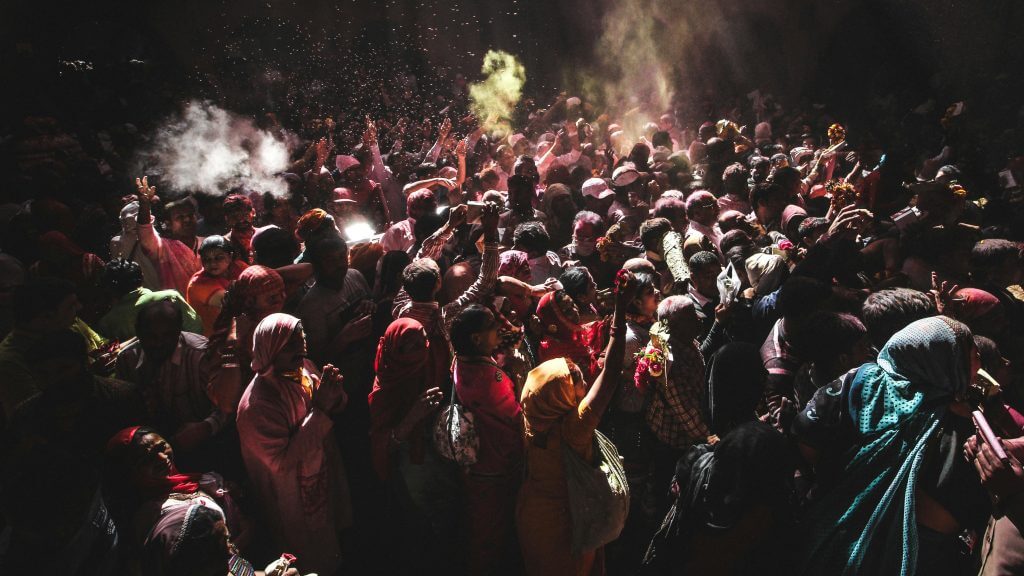
Holi is a wild festival with big crowds, colored dye, water guns, and lots of music, dancing, and partying. The Holi festival is enjoyable and you can participate if you are okay with crowds, colors, and getting wet. 

The best places to visit in Nepal during Holi festival:

Kathmandu Valley:

Holi celebration Basantapur

The best places to visit in Nepal during the Holi festival are Kathmandu, Patan, and Bhaktapur. There are many historical sites and temples in these cities that are renowned for their rich cultural heritage. There is great enthusiasm in these cities for the festival, and you can see colorful and vibrant street celebrations. 

Holi is celebrated in Kathmandu & Patan in the traditional way by playing with colored powder, water, singing, and dancing. Similarly, Bhaktapur is also a great place to visit during the festival since it is known for its traditional Newari culture and people still follow age-old customs and traditions.

Pokhara:

Holi Celebration

Pokhara celebrates Holi with vibrant and colorful displays of traditional music and dance performances, singing, dancing, as well as playing with colored powder and water. 

You can see people smearing colored powder on each other and drenching each other with water on the streets. The streets are decorated with flowers and colorful lights, and you can dance to traditional music.

Visiting Pokhara during Holi is a great idea, since you can enjoy the colorful and vibrant celebration and experience the unique culture of the region at the same time.

Chitwan:

Tharu Culture

A major attraction of the Holi festival in Chitwan is the Tharu Cultural Dance performed by the indigenous Tharu people. It is an opportunity to learn about the culture and traditions of the Tharu people through the colorful and vibrant display of traditional music and costumes.

A popular Holi festival activity in Chitwan is elephant safari, where you can see one-horned rhinoceros, Bengal tigers, and other wild animals. Additionally, you can take nature walks, observe birds, and go on a jungle safari, which is organized in the park.

A colorful and lively celebration of the festival takes place in the Chitwan National Park, where you can experience the beautiful natural scenery and experience the local culture as well. 

Chitwan is an excellent place to visit during the Holi festival, as you can experience the colorful and lively celebration as well as the region’s unique culture and natural beauty.

Participating in the Holi festival celebration in Nepal will be a unique experience for you. The Himalayan Circuit offers a guided Holi festival day tour to experience one of the unique ways to observe and celebrate Nepali Holi.

Maha Shivaratri Festival Tour

Pashupatinath temple

Maha Shivaratri festival is an annual Hindu festival held in the holy temple of Pashupatinath to honor Lord Shiva and Goddess Parvati’s marriage. A Maha Shivaratri festival tour gives you an overview of ancient Hindu culture and traditions, as well as a tour of the centuries-old Pashupatinath Temple.

Shivaratri is also known as “the great night of Shiva” and falls on the new moon of Magh/Falgun according to the Hindu calendar. The festival is mostly observed in Nepal and India, where people remember Shiva, pray, fast, practice yoga, and meditates on ethics.

Traditionally, Lord Shiva is offered Bael or Vilvam leaves during the Shivaratri festival. Also, it is believed that those who fast on this night and pray to Lord Shiva will receive good luck, prosperity, and peace in their lives.

The festival is not only about Puja and Darshan, but also about a vibrant crowd of devotees including gorgeous Sadhu Babas from different parts of the country, who believe that honoring Lord Shiva on this night will lead to a better life for them.

A colorful and naked sadhu sits meditating and posing for photographs while tourists enjoy the ambiance with curiosity. Some Sadhus cover themselves with ashes while others remain completely naked.

There is a constant flow of devotees praying for prosperity, wellness, and sacredness at Pashupatinath temple. “Om Namah Shivay” and “Mahamritunjaya” are chanted by devotees all night long for the victory of light over darkness.

Over a million people visit the Pashupatinath temple during Shivaratri every year, mostly from the Indian subcontinent. The prodigious night of Lord Shiva is one of the most important sectarian festivals of the year, especially for followers of Hinduism.

Tour Highlight:

Sadhus in pashupari

  •       An exploration of a UNESCO World Heritage Site in Kathmandu. 
  •       There is a peaceful, spiritual atmosphere at the Aarti Ceremony.
  •       Experience centuries-old temples, statues, and Shiva lingams.
  •       Witness the devotion of Hindu Sadhus to Shiva and witness their lives.
  •       Enjoy the local ride to the temple premises and observe the faith of the people.
  •       Get a glimpse of the festival’s ritual ceremonies.

How is Shivaratri festival celebrated?

This auspicious day is celebrated by devotees worldwide in accordance with their customs and traditions. Devotees celebrate Maha Shivaratri festival in a number of ways:

  •       Fasting is practiced throughout the night and vigils are kept to contemplate spirituality.
  •       The Hindus worship Lord Shiva by visiting temples and rivers.
  •       During the festival, devotees meditate, chant mantras, sing songs, and listen to stories about Lord Shiva.
  •       Shiva Lingam is worshipped using Bel Patra (a type of bel tree leaf), milk, sandalwood paste, white colored flowers, and Dhaturo (an intoxicating plant).
  •       It is common for devotees to donate food and clothes to the poor after Maha Shivratri pujas.

Significance of Shivratri in Nepal:

Shiv Ling

The significance of Maha Shivaratri festival differs according to legends and traditional lords.

  •       This is the night of the convergence of Shiva and Shakti, which represents the importance of masculine and feminine energy in balancing the planet.
  •       This night is said to be the night Lord Shiva performed his Tandava – a cosmic dance of ‘creation, preservation, and destruction.’
  •       Those living in families observe Maha Shivaratri festival as a celebration of the marriage anniversary of Lord Shiva and Parvati.
  •       Hindu mythology portrays this as the night when Lord Shiva consumed poison in order to save gods and humans. But the poison lodged in Lord Shiva’s throat and eventually turned him blue.

Things You Can Do During Maha Shivaratri festival in Nepal:

  1. Observe the Shivaratri Vrat:Devotee in pashupatiFasting during Maha Shivaratri festival will give you a chance to experience the spiritual aspects of the festival. The Shivaratri Vrat (or Shivaratri Fast) is observed by devotees to seek Lord Shiva’s blessings and strengthen their vows.
  2. Meditate on Mahashivratri:Yoga retreatYou should try staying awake all night during Maha Shivaratri festival and practicing meditation. The constellations appear to be in an auspicious position on Shivaratri.

    It was said in ancient times, “If you cannot meditate every day, do so at least once a year, on Shivratri day, during which you stay awake and meditate.”

  3. Attend aarati:The Sandhya Aarati ritual is performed on the eastern side of Pashupatinath Temple on the banks of the Bagmati River. This sacred ritual is conducted every evening by three temple priests.There are hundreds of people gathered around the podium to witness the ceremony which includes chanting mantras, singing hymns, lighting oil lamps, and playing classical music.

    Taking a walk around the temple and attending this auspicious ceremony will give you a sense of bliss.

  4. Witness the Sadhus:Foreigner with Sadhus in PashupatinathThe Pashupatinath temple is filled with thousands of sadhus and babas on the eve of Maha Shivaratri festival. Take a walk around the temple and you’ll likely see sadhus and baba with matted dreadlocks and ash-smeared faces smoking cigarettes mixed with marijuana.

    Around the temple, you can also see Naga Babas (The Naked Sadhus), who are by far the most fascinating type of Shaivite sadhus. Naga Babas only care about the necessities of life; hence, they pay homage to Lord Shiva by stripping down to their flesh.

As you participate in Shivaratri rituals, you are infused with the spiritual energy of people. This makes you feel like a god among the gods. Make sure you visit Nepal during Maha Shivaratri festival with the Himalayan Circuit to experience the heavenly feeling that surrounds Pashupatinath.

Buddhism Tour in Nepal

A trip to the birthplace of Buddha would be the perfect place for those seeking to understand Buddhism better. Buddhist pilgrimages in Nepal are very popular among travelers looking for paradise and peace. 

Himalayan Circuit invites you on an inspirational spiritual journey of learning more about Buddha’s teachings at a variety of renowned monasteries and stupas.

A Buddhism tour in Nepal is for those who wish to learn more about Buddha, his birthplace, and his teachings, and who wish to meditate with a Lama (spiritual teacher).

Buddhism tours in Nepal will also allow you to witness the age-old religious harmony that persists between Hindus and Buddhists in Nepal despite the adversities it has suffered.

The Buddhism tour in Nepal will provide you with detailed information about Buddha and his philosophy. This pilgrimage tour also provides an opportunity to learn more about the culture and tradition of Buddhism.

Nepal is the birthplace of Lord Buddha and is home to several Buddhist stupas, gompas, chortens, and monasteries, all of which have significant historical importance. It introduces you to the wonders of Kathmandu and Lumbini, as well as Tibetan Buddhism.

You will visit beautiful monasteries, stupas, and the birthplace of Buddha during the tour. A visit to the place where Buddha was born and admiring the enchanting monks definitely inspires peace in everyone’s heart.

Is Nepal the birthplace of Lord Buddha?

Lumbini mayadevi temple

Around 2580 years ago, King Suddhodhan and Queen Maya Devi gave birth to a light of wisdom who, after living a luxurious royal life for 29 years, left the palace to seek answers to human suffering. Afterward, he meditated under the Bodhi tree where he attained divine knowledge to become Buddha.

According to the inscriptions on the Asoka Pillar, built by the Mauryan Emperor Asoka in 249 BC, Lord Buddha was born in Lumbini, within the Terai plains of southern Nepal, in 623 BC.

The archaeological conservation area in Lumbini contains the remains of the Shakya Tank, brick structures in a cross-wall system dating to the 3rd century BC, as well as the Ashoka Pillar with its Pali inscription in Brahmi script.

Stupas (memorial shrines) and viharas (monasteries) dating from between the 3rd and 15th centuries AD provide important information about the origins of Buddhist pilgrimage centers during that period.

Best Buddhist Pilgrimage Sites in Nepal:

Lumbini

Lumbini

The UNESCO World Heritage Site, Lumbini, also known as the “birthplace of Buddha”, is one of the most important pilgrimage sites in Nepal, visited every year by thousands of pilgrims.  

There are numerous temples, museums, and monuments in Lumbini, including the Mayadevi temple, the flame of eternal peace, the sacred Bodhi tree, the old Asoka Pillar, and the Holy Pond “Pusakarini,” where Buddha took his first bath after birth.

You will also have the opportunity to visit other significant Buddhist pilgrimage site including Tilaurakot palace (capital of Kapilbastu), Kudan, Ramgram Stupa, Sagarhawa, Devdaha, and other prominent places in the Lumbini region.

Kathmandu Valley

Bouddhanath stupa

Kathmandu’s surroundings boast hundreds of meditation caves, monasteries, and stupas related to Bodhisattvas, Siddhas, and Buddha. There are meditation caves dedicated to Guru Padmasambhava, Milarepa, Naropa, and Tilopa here. 

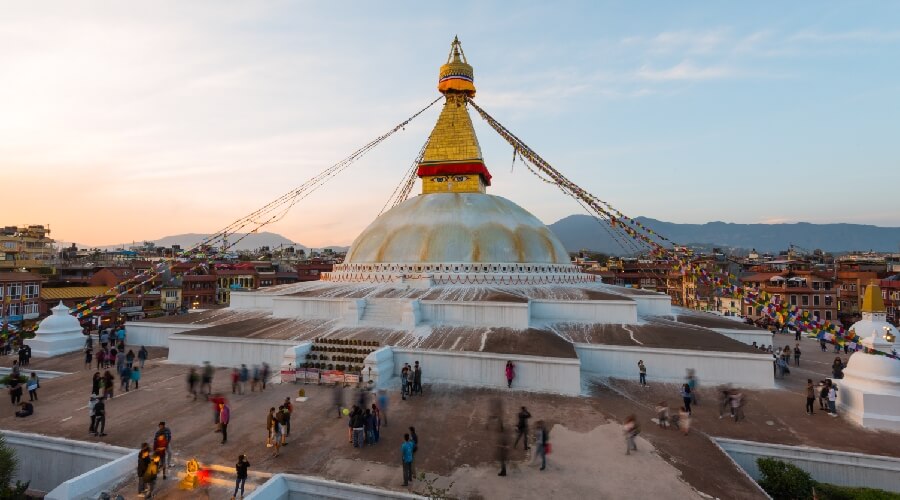
Boudhnath and Swayambhunath are the two largest Buddhist shrines in Kathmandu that tourists and pilgrims visit. Both of them are listed on the UNESCO World Heritage List. You will also visit the beautiful Kapan Monastery, considered to be one of the finest in Nepal.

Among the most important Buddhist pilgrimage sites, near Kathmandu are the Maratika cave of Halesi, Pharping and Namobuddha.

Pharping

The village of Pharping, south of the Kathmandu valley, is home to numerous Buddhist monasteries, caves, and temples. The place is a monastic zone with a beautiful myth about Guru Rinpoche visiting it.  

Namobuddha

Namo buddh

Namobuddha Monastery lies on a hill above Dhulikhel in the Kavre district, just outside Kathmandu. A Buddhist devotee is believed to have sacrificed his life at this location to feed a hungry tigress and her cubs, making it a sacred site for Buddhists. There are hundreds of monks studying religious practices at the monastery.

Why should you take a Buddhism tour in Nepal?

Kathmandu Swyambhu

Visiting the birthplace of Lord Buddha, Lumbini, the origin of Buddhism, provides you with the eternal feeling of peace, mystery, and fruitfulness.

The Buddhism tour in Nepal consists of a Buddhist pilgrimage and the opportunity to experience the oldest living Buddhist practices of the Himalayan region.  

This mountainous country has been a haven of Buddhist practices for centuries, making it the best place in the world to go on a Buddhism tour. 

The Buddhism pilgrimage tour in Nepal offers much more than just sightseeing. You will get an opportunity to learn Buddhist meditation and culture, and live a peaceful, non-violent life.

The tour combines natural and cultural aspects of Nepal. In addition to that, you can experience the beauty and natural beauty of the area. There are sights so beautiful that you would be amazed for the rest of your life.

Who should take part on this tour? Is this tour for all or only some people?

Buddhism Tour

You do need any prior experience to participate in this pilgrimage tour. The difficulty level is very negligible and the Buddhism tour in Nepal is very easy to complete. 

Western cultures do not consider Buddhism a religion, but rather a state of enlightenment. You will get to learn and see all the important and significant facts about this belief on the Buddhist culture tour. 

People from all religions can participate in the Nepal Buddhism pilgrimage tour regardless of their age and interest if they are interested in studying, researching, or learning more about Buddha, Buddhism culture, tradition, rituals, and lifestyle.

With this tour, travelers can achieve inner peace, compassion, meditation, and a way of life. The Buddhism tour is ideal for you if you are seeking a peaceful journey to Nepal’s beautiful and historic sites. 

Top 10 places for Himalayas view during Sunrise

Sunrise from mardi

“Every sunrise is an invitation to brighten someone’s day” as Rachelle Goodrich once said. You become more grateful for the earth when you watch a sunrise. Witnessing the sunrise over the Himalayas is one of the most rewarding experiences you can have. 

There were plenty of hill stations and places where one could enjoy a luxurious view, such as sunrises and the majestic Himalayas. You can take in the magnificent & panoramic view fully relaxed and feeling comfortable.

Nepal has eight of the fourteen highest mountains in the world, which makes it a true paradise for outdoor lovers. Below are some of the best places to see the sunrise in Nepal.

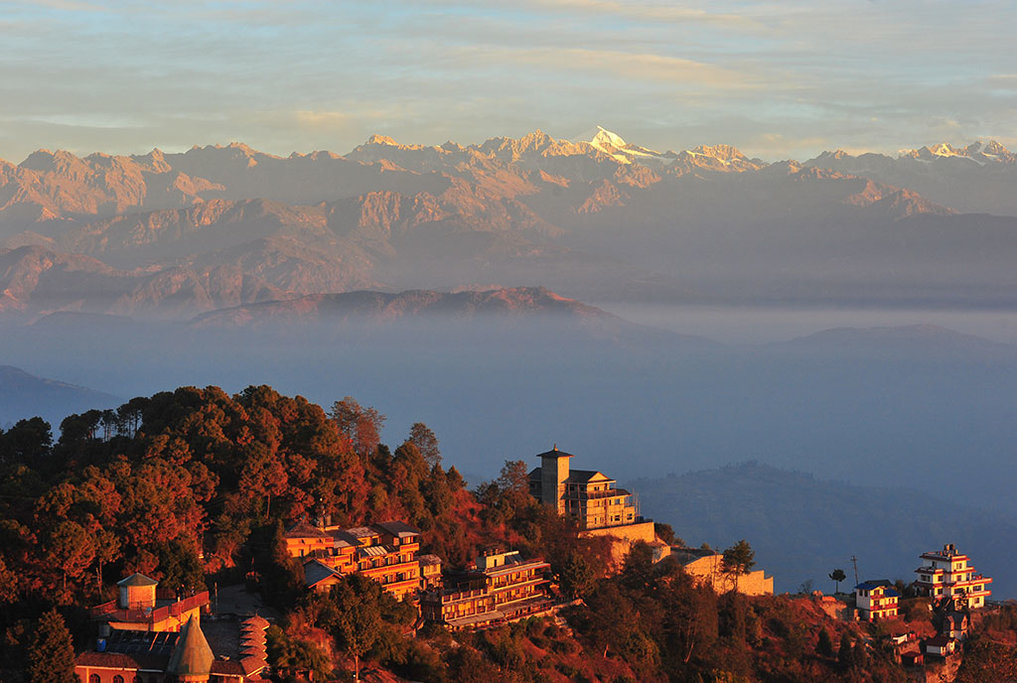
  1. Nagarkot (2,175 m):nagarkotTourists from around the world come to Nagarkot Hill for the breathtaking view of the Himalayas and short overnight walks or hikes near Kathmandu. Many people flock to Nagarkot every morning just to see the first ray of sunlight. It is one of the best places to view sunrises and sunsets.Along with the breathtaking view of Everest, you can also admire Kanchenjunga in the east and Dhaulagiri in the west. This is one of the best places to view the 360-degree views of the Himalayas. 

    Best time to visit:
    The best time to visit is October to April. 

  2. Sarangkot (1,600 m):SarangkotLocated at an altitude of 900 meters, this hill station offers a panoramic view of Himalayan peaks such as Annapurna II (6,937 m), Machhapuchhare (6,997 m), and Dhaulagiri (8,167 m) above Pokhara valley. The golden sunset and sunrise views from Sarangkot are absolutely the best.An exciting moment is watching the sunrise alongside a hundred other unknown faces. You can hear murmurs and small talks along with the camera sound, adding to your excitement about seeing the sunrise. The golden sunset and sunrise views from Sarangkot are absolutely the best.

    Best time to visit:
    The best time to visit is October to April. 

  3. Daman Hill (2344m):Located at an altitude of 2344 meters above sea level, Daman Hills is one of the finest viewpoints in Nepal for viewing the Himalayan range during sunrise and sunset. Your trip to Daman Hill can be completed in one day if you start early in the morning.The Daman viewpoint is one of the closest to Kathmandu and offers an unobstructed view of all the peaks from Dhaulagiri to Mt. Everest. During the winter season, you can enjoy the snow and see the massive Himalayan range.Best time to visit:
    The ideal time to visit Daman is between the months of October and May.
  4. Srinagar Dada, Palpa (1310m):Palpa will leave a majestic impression on you. A major attraction of the area is the beautiful Rani Mahal, a splendid building surrounded by mesmerizing hills. The Srinagar Dada in Palpa has a dreamlike vibe when the sun’s rays scatter across the breezy atmosphere. Srinagar Dada which is a picturesque hill offering a stunning view of the Himalayan mountain range, including Langtang, Dhaulagiri, Mansiri, Ganesh, and Kanjirowa. You won’t even notice how quickly time has passed because the view will be so mesmerizing.Best time to visit:
    The best time to visit Palpa is in April, followed by May and June.
  5. Dhulikhel (1550m):DhulikhelDhulikhel is a majestic place in the Kavrepalanchok district, located along the eastern border of Kathmandu Valley. It is a place where visitors can discover the traditional culture of the Newari people in addition to magnificent views.Dhulikhel is a popular viewpoint where you can see the great landscape of the Himalayan Range and the Midhills. Dhulikhel provides an excellent location to enjoy a night’s sleep and wake up to the sunrise amidst the wide Himalayan range. 

    Best time to visit:
    Dhulikhel is best explored in the spring (March to May) when it is cool and bright and the town is most picturesque. 

  6. Kakani (2030m):A drive of a few hours from Kathmandu will bring you to Kakani, which is the next closest place from Kathmandu for you to see sunrise and sunset over the Himalayas. It is possible to see sunrise and sunset views of Mt. Annapurna, Machhapuchhre, Jugal, Ganesh Himal, Lantang range, Manaslu, and many others.The perfect blend of scenic mountains and wilderness can be felt in a tranquil and serene atmosphere while staying in a comfortable resort or hotel. Kakani is a place full of charm and beauty, a place where people can enjoy nature in harmony with the white snowy peaks in the backdrop. Best time to visit:
    Kakani can be visited almost all year round, except for the wet months during the monsoons from June to September.
  7. Namo Buddha (1750  m):Namo buddhNamo Buddha is one of the most sacred and famous Buddhist sites and is located 40km southwest of Kathmandu. You can see snow-capped mountains, sunrises and sunsets, terraced fields, villages, and forests from here. The Namo Buddha viewpoint also offers a breathtaking view of some of Earth’s tallest mountains, including Mt. Everest, Langtang Ranges, Dorje Lakpa, Ganesh Himal, and Gaurishankar. There is also a great variety of flora and fauna in the region, untouched by modern life.

    Best time to visit:
    Namobuddha is best visited between March, April, and October when you’ll be able to enjoy pleasant weather and little rainfall. 

  8. Antu Danda (1,977 m):Antu Danda is located in Ilam District, in the eastern part of Nepal, at 7,637 feet above sea level, and is one of the most untouched sites in the country. Views of Mount Everest and Kanchanjanga are one of the main features of Antu Danda. Another major attraction of Antu Danda is that the rising sun can be seen from different angles, and it’s like playing hide-and-seek between hundreds of trees of ‘dhupi’ and ‘salla’ during sunrise.Best time to visit: 
    February to May and August to December are the best times to visit Antu Danda.
  9. Bandipur (1030 m):Bandipur is a natural beauty along the way from Kathmandu to Pokhara that is also famous for its Newari culture. Bandipur offers a magnificent sunrise view of Mount Machhapuchhre, Langtang range, Manaslu, and Ganesh Himal.Bandipur village is the ideal ‘rest stop’ because it’s easily accessible from Pokhara and one of the best places to stop near Kathmandu. You can take a break from those bumpy roads by stopping here during a long travel day.Best time to visit:
    Bandipur is best visited between July and September during the monsoon season and between March and May during the summer season.
  10. Chandragiri Hill (2551 m):CHandragiri hillsChandragiri Hill is one of the most popular viewpoints in Kathmandu Valley from which you can enjoy a 360-degree view of the valley and watch the sunrise over the various mountain ranges. With this morning trip out of Kathmandu to Chandragiri, guests will enjoy an overview of the breathtaking Kathmandu Valley from the great heights of a cable car.The cable car station on Chandragiri Hill is 12 km from the center of Kathmandu and 2551 meters above sea level. Enjoy the incredible sunrise and sunset views of Mount Everest, Manasu, Dhaulagiri, Annapurna, Ganesh Himal, and the Langtang range. 

    Best time to visit:
    Chandragiri is best explored and visited during the spring and fall seasons.

The sunrise tour represents a unique fusion of natural and cultural presence in Nepal with the backdrop of a majestic mountain range. They provide the serene atmosphere of Mother Nature and the pleasant beauty of mountains.

Cable Car Tours in Nepal

Cable car tour in Nepal is an easy way to get to the higher hills that offers natural and stunning views of mountains. Cable cars are small rectangular shaped aerial and are operated by gondola lift system in Nepal. 

You will get to experience the breathtaking scenery and atmosphere of the forest, wildlife, and warm hospitality of people on the cable tour in Nepal. You will enjoy the journey of the cable car along with an amazing panoramic view of the Mountain range from the top of the hill and will have a feeling of awe on the ride.

There has been immense support from their customers and visitors within a short period of time, and there are three cable car services that are currently operating, one under construction and many others in the pipeline. 

There are many places in Nepal where Cable Cars can be operated, as most of the temples are located on top of hills around Nepal where pilgrims and tourists come from all over the country each year, including Nepalese and foreigners.

An exciting new cable car service is being constructed in Pokhara by Annapurna Cable Car Pvt Ltd. that enables tourists to enjoy views of snow capped mountain ranges, the World Peace Stupa, Phewa Lake, sunrises and sunsets, and the beauty of Pokhara city. 

Currently, there are 3 operating cable cars in Nepal, here’s a brief overview of the cable cars that are in operation:

Manakamana Cable Car 

The Manakamana Cable Car, which is also the first cable car service in Nepal,  has been in operation since 1998, and is located in Kurintar (104 KMs south-west of Kathmandu). The ride will be thrilling as you cross the Trishuli River and ascend the mountains, gaining 1033 meters in elevation over a distance of 2.3 km (1.7 mi). 

The Manakamana temple dedicated to Goddess Bhagwati is the major attraction. The North side of the temple offers spectacular views of the Annapurna Himalayan range and Manaslu. 

After you reach the top, the area is surrounded by a market featuring shops that offer handicrafts, weapons, and restaurants. Bottom Station also operates a top-notch international restaurant serving local, Indian, and international cuisine.

Why to Visit Manakamana Temple?

Manakamana Temple located in Gorkha at an elevation of 3900ft is a popular Hindu temple known for its fascinating history and belief surrounding the temple. There is a strong belief that visiting this holy site will fulfill the wish of the devotees. As the name implies, ‘Mana’ means desires whereas ‘Kamana’ means wishes.  

Chandragiri Cable Car

Chandaragiri hills

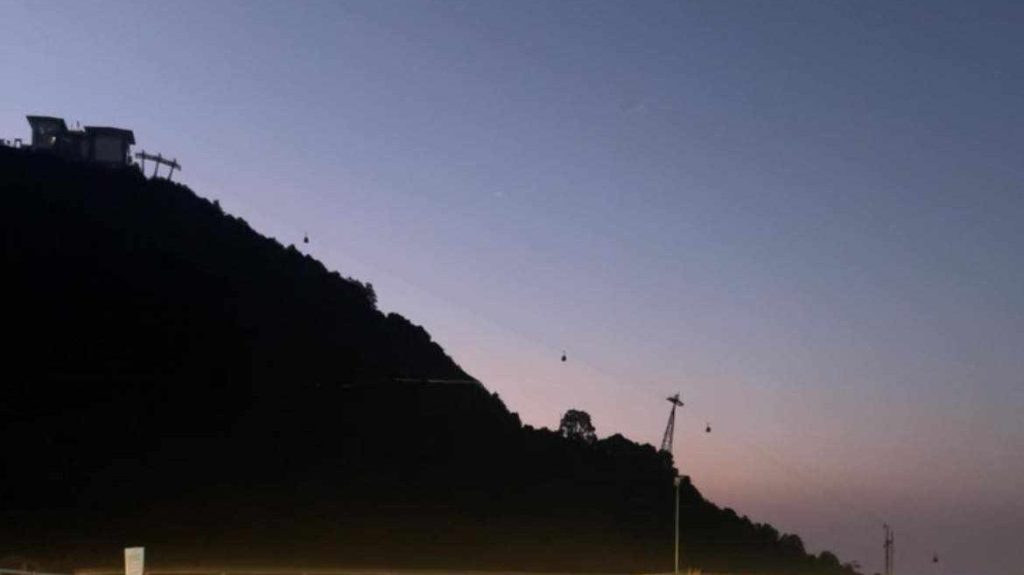
Chandragiri cable car, situated nearby Kathmandu, is a popular destination for domestic and international tourists. The recently opened cable car is around 2.5 KM from the lower station and takes around 8 minutes to reach the top of Chandragiri. 

The majestic view of mountains and natural forests, visit to shopping marts, playground, and children’s park above the hill is a great way to escape monotonous lifestyle and indulge in the leap of natural beauty. You will get to experience the thrill of the cable car and see the beauty of nature up close with the wonderful ride of Chandragiri cable car. 

Why to visit Chandragiri Hills?

CHandragiri hills

Chandragiri hill, situated at an altitude of 2540m, offers you panoramic views of the majestic Himalayas, including the Annapurna and Everest Himalayan Ranges, without the hassle of trekking. Devotees visit here to seek blessing from Lord Shiva in the Bhaleshwor temple located at the top of the hill. 

The hill is also very popular among hikers, who enjoy the Matatirtha-Chandragiri-Thankot hiking trail around Kathmandu Valley. Travelers can also start their journey to the wonderful village of Chitlang in the Makwanpur district of Nepal.

Kalinchok Cable Car

The newly operated Kalinchok cable car runs from Kuri village to Kalinchok temple. Currently, there are four cable cars in operation with the capacity of carrying 10 people at a time. You will see untainted wilderness up-close during the six minute ride to top of the hill. 

Visitors flock to this wonderful place during winter to enjoy the snow and the magnificent view of Mountains, along with the mesmerizing landscape.

Why to visit Kalinchok Temple?

Kalinchok

Kalinchowk Bhagwati Temple is a popular Hindu Shrine situated in Dolakha, Nepal at an elevation of 3755 m above sea level. The Kalinchowk temple located at top of the hill is believed to fulfill the wishes and desires of visitors. The gorgeous view of Mt. Annapurna, Mt. Gaurishankar, Mt. Jugal, Rhododendron forest, different species of birds and animals makes this place worth visiting. 

The stunning views of Himalayas, cool and fresh wind, beautiful forest and warm hospitality of the Nepalese people combine to make Nepal one of the best cable car tour destinations in the world.

Grab the opportunity to witness this natural wonder in your next vacation.