Nepal Diaries – Trekking, Festivals, and Adventures in May

Himalayan peaks in Nepal – Nepal best travel destination

Are you thinking about visiting Nepal in May? You’re choosing one of the best times to explore the country. May sits perfectly between the cold of late winter and the heavy monsoon rains. The mornings are usually clear, afternoons are warm, and the evenings are pleasant.

From colorful festivals to trekking and wildlife adventures, May offers the perfect combination of culture, nature, and adventure. Let’s plan this trip together!

Weather in Nepal in May

May in Nepal is generally warm and a bit humid, especially in the lower lands like Kathmandu, Pokhara, and the Terai plains.

  • Kathmandu: Daytime temperatures range from 20°C to 30°C, while nights remain cool.
  • Pokhara: Slightly warmer than Kathmandu.
  • Terai (Chitwan, Bardiya): Can get very hot, sometimes above 35°C during the day.

In the hills and mountains, temperatures drop as you gain altitude. Compared to winter, the weather is milder. Expect crisp mornings and chilly nights above 3,000 meters.

Trekking & Outdoor Activities

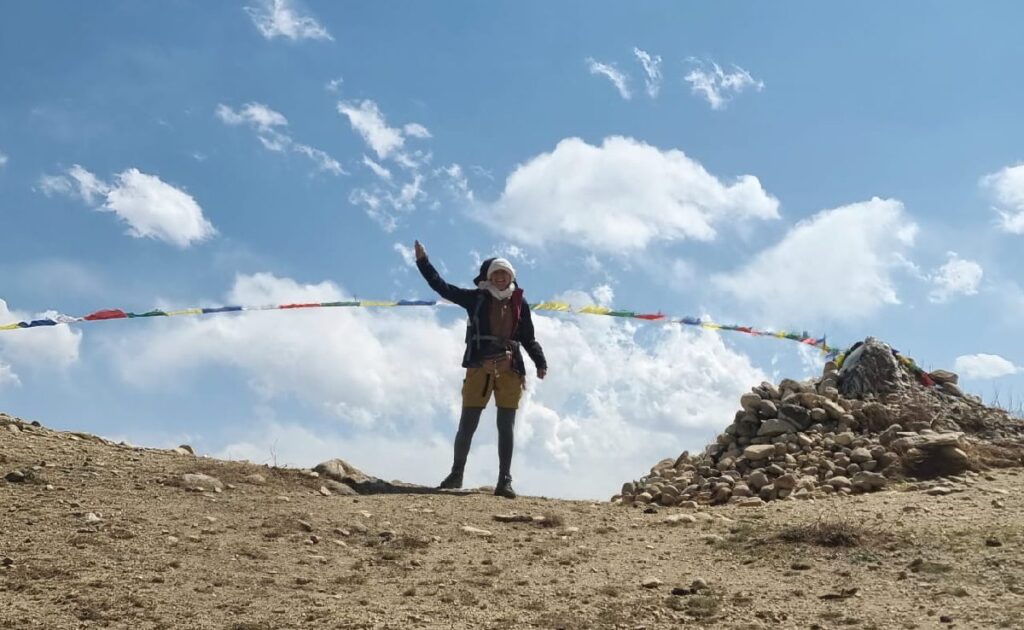
May is ideal for trekking in regions like Annapurna, Everest, and Langtang. Trails are clear, tea-houses are open, and you avoid the busy autumn peak season.

Tips for trekking in May:

  • Start early in the morning to avoid afternoon heat.
  • Afternoon hikes may feel warm and humid, especially at lower altitudes.
  • Shorter treks around Pokhara, like Poon Hill, are perfect this month.
  • Paragliding and boating on Phewa Lake are also great options.

Festivals & Cultural Events

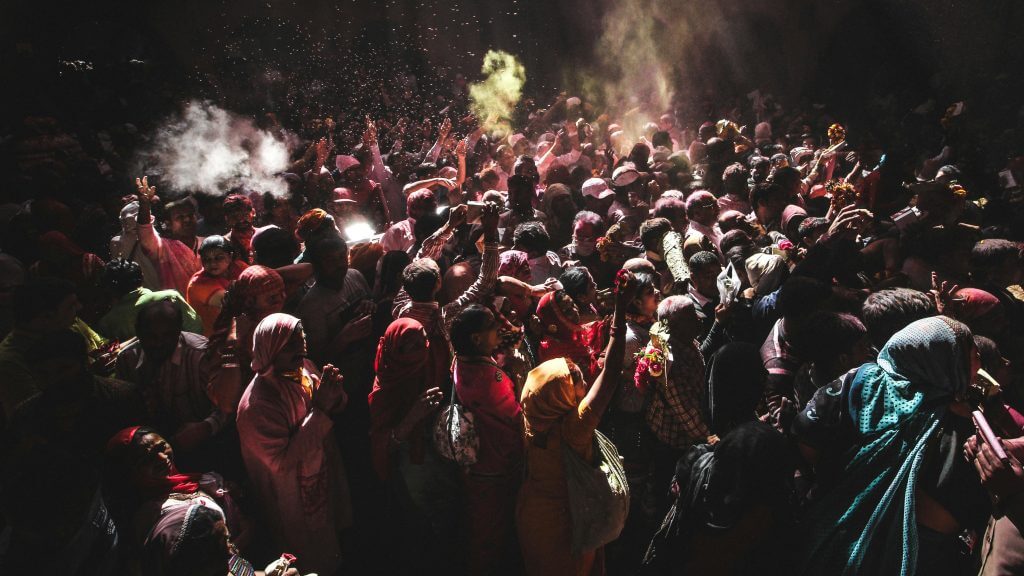
Holi Celebration

Nepal in May is full of colorful celebrations. The most important festival is Buddha Jayanti, celebrating the birth, enlightenment, and death of Lord Buddha.

  • Lumbini: Major celebrations at Buddha’s birthplace.
  • Kathmandu: Boudhanath and Swayambhunath stupas shine with butter lamps, prayer flags, and decorations.
  • Local communities: Many smaller festivals (jatras) involve music, rituals, and traditional dances.

Experiencing these festivals gives you a real taste of Nepalese culture and spirituality.

Wildlife & Nature Experiences

May is lively for nature lovers. National parks like Chitwan and Bardiya are full of sounds from birds and animals.

  • Animals such as deer, monkeys, elephants, and tigers are easier to spot near water sources.
  • Trekking paths and village hills bloom with colorful flowers.
  • Rhododendron blossoms may still be visible, and forests are green and fresh.

Travel Tips for Nepal in May

Here’s how to make the most of your trip:

  • Pack light, comfortable clothes for warm and humid weather.
  • Bring a light jacket or fleece for cooler nights and higher altitudes.
  • A rain jacket is useful because pre-monsoon showers are common.
  • Sunglasses, a hat, and sunscreen are essential.
  • Start hikes early in the day and drink plenty of water.
  • Mosquito repellent is recommended, especially in the Terai.
  • Book transport and accommodation in advance around holidays to avoid crowds.

Final Words

Visiting Nepal in May is all about enjoying warm mornings, clear mountain views, and vibrant cultural life. Trails are quieter than autumn, nature is lush, and festivals make every city and village come alive.

With a little planning and the right travel tips, May offers the perfect mix of culture, adventure, and nature. So, let’s plan your trip together and make it unforgettable!

Nepal Travel News: Safe Journeys After the Gen Z Awakening

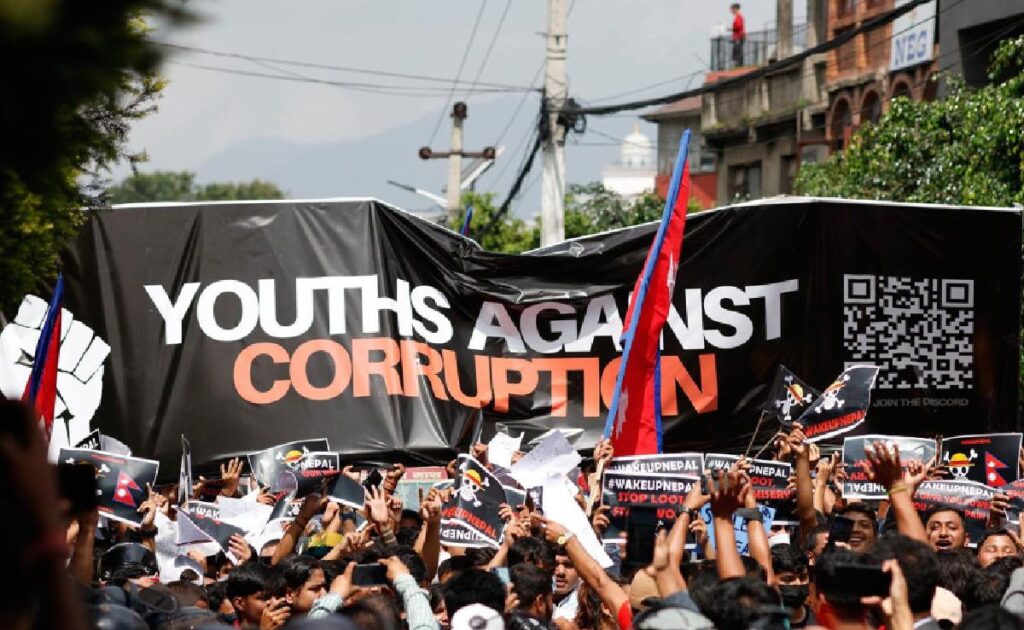
A Peaceful Youth Movement in Nepal

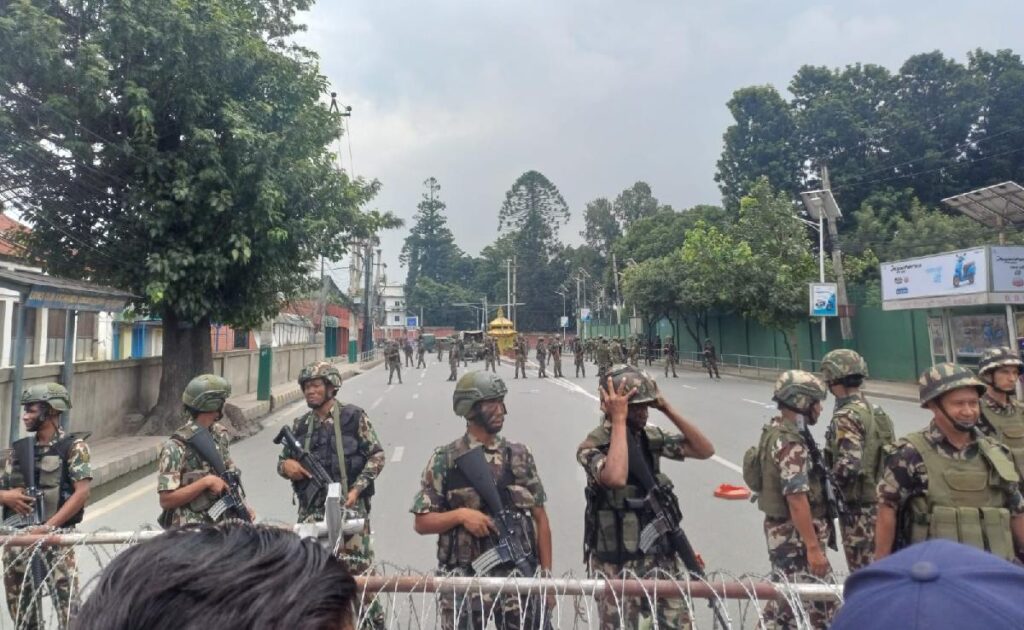
Ensuring safety for everyone: Army presence on the roads during recent demonstrations in Nepal

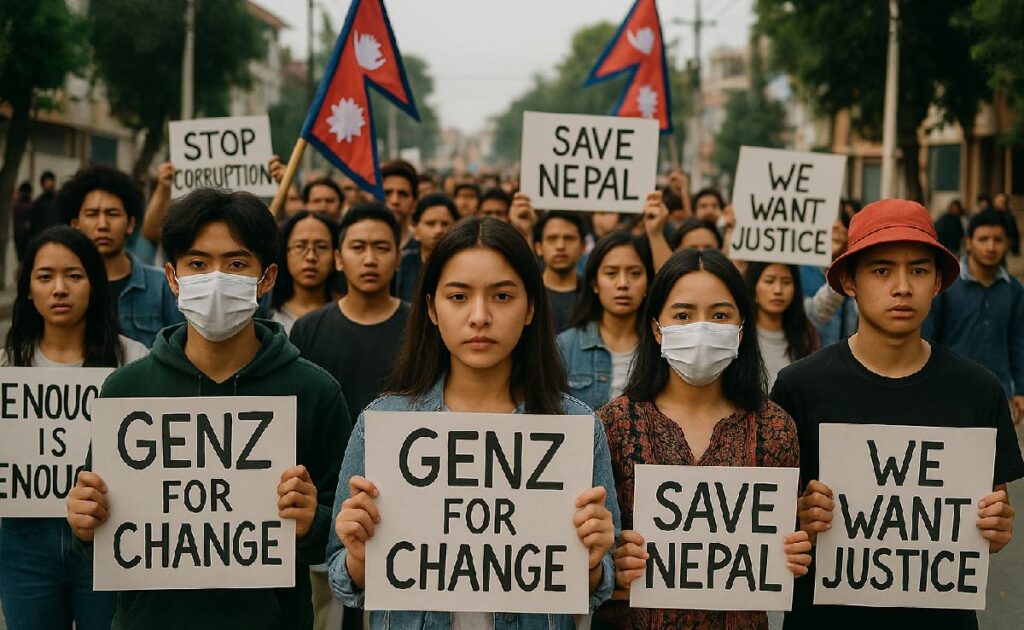
In early September 2025, Nepal entered a historic moment. On September 8 and 9, young people across the country raised their voices in large-scale demonstrations. While global headlines created concerns, Nepal travel safety 2025 remained strong, with peaceful protests that showed the unity and determination of Gen Z. This movement highlighted the energy, awareness, and growing democratic voice of Nepal’s youth.

What made these demonstrations different was their digital strength. They were organized through TikTok, Discord, Instagram, and Facebook. In this way, young Nepalis mobilized with clear purpose and discipline. At the same time, the phrase Nepo Babies became popular, showing a rejection of hereditary politics and unearned privilege.

In many areas, the demonstrations stayed peaceful and respectful. Protesters made efforts to protect public spaces and, in several cases, even helped tourists continue their travel plans safely.

Nepal Travel Safety 2025: What Travelers Should Know About Recent Events

Nepali youth taking a stand for transparency and accountability.

Some demonstrations included unrest, but tourists were not affected, and local guides and communities ensured that travel continued smoothly throughout the country.

This was not an anti-tourism movement, it was against corruption. Therefore, protesters avoided disturbing tourism services. In fact, many of them helped tourists pass safely through protest areas.

For example, one travel vlogger, @wehatethecold, posted videos showing locals guiding tourist vehicles. His story proved that Nepal’s cultural value Atithi Devo Bhava (Guests are Gods) is alive even during unrest.

While a few luxury hotels linked to politicians were targeted, no harm was done to airports, trekking trails, heritage sites, or transport hubs. In short, Nepal’s travel infrastructure remained intact.

Travel Impact: Minimal and Managed

During the two-day protest, there were short-term disruptions. For instance, some flights were delayed, and a few shops closed. However, no tourists were harmed. In addition, local guides and homestays continued to support visitors.

The Nepal Tourism Board also released a public message. They confirmed that Nepal was safe, and that the Gen Z movement showed democratic maturity, not instability.

Swift Return to Normal

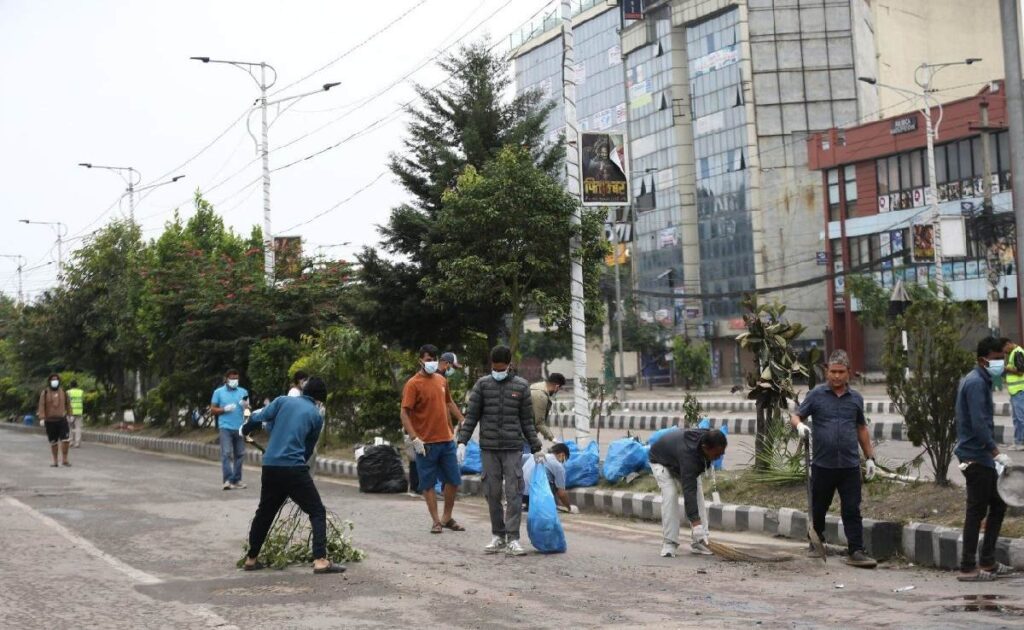
Youth in action: Gen Z volunteers cleaning streets after the demonstrations.

Within 48 hours, daily life in Nepal returned to normal. Roads reopened, flights resumed, and all tourism services restarted. Consequently, travelers are once again enjoying one of Nepal’s best seasons: autumn.

At the same time, local businesses responded quickly. Tour operators and homestays began offering flexible bookings and discounts. Their goal was to encourage visitors and rebuild confidence.

The Positive Role of Gen Z

The youth movement gave new energy to Nepal’s democracy. As a result, young voices are now part of national discussions. There is also more focus on ethical governance, digital transparency, and fair development.

For travelers, this shift means a stronger tourism system built on fairness, sustainability, and cultural respect. Moreover, you can expect more eco-friendly treks, community tours, and easy-to-use digital tools.

In addition, Gen Z is inspiring new businesses. Young Nepalis are building apps, travel platforms, and ethical tour companies. These efforts connect visitors directly with local communities.

Why Nepal Is Safe to Visit Now

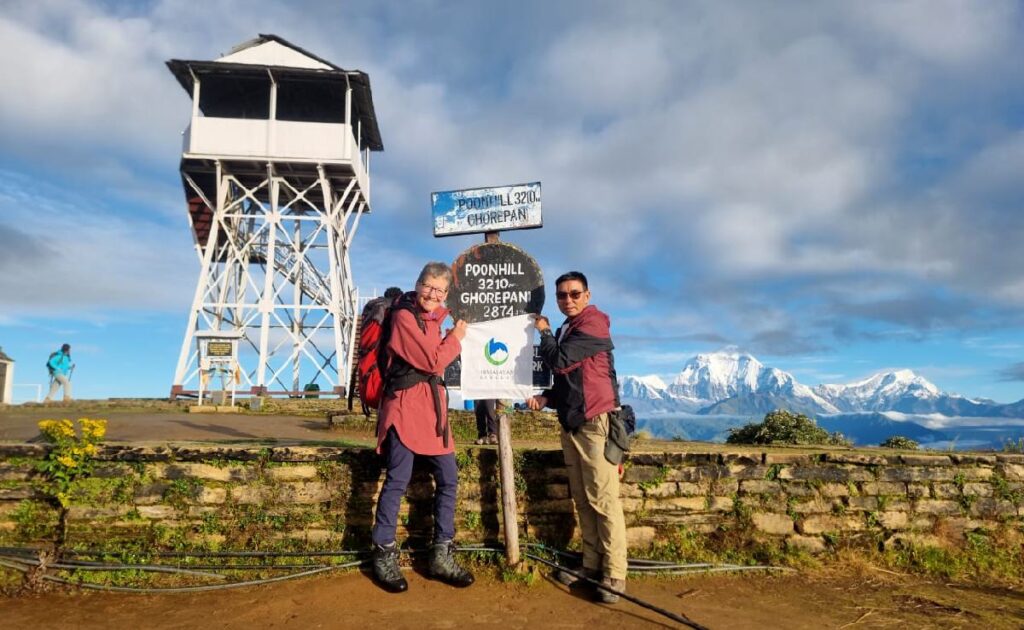
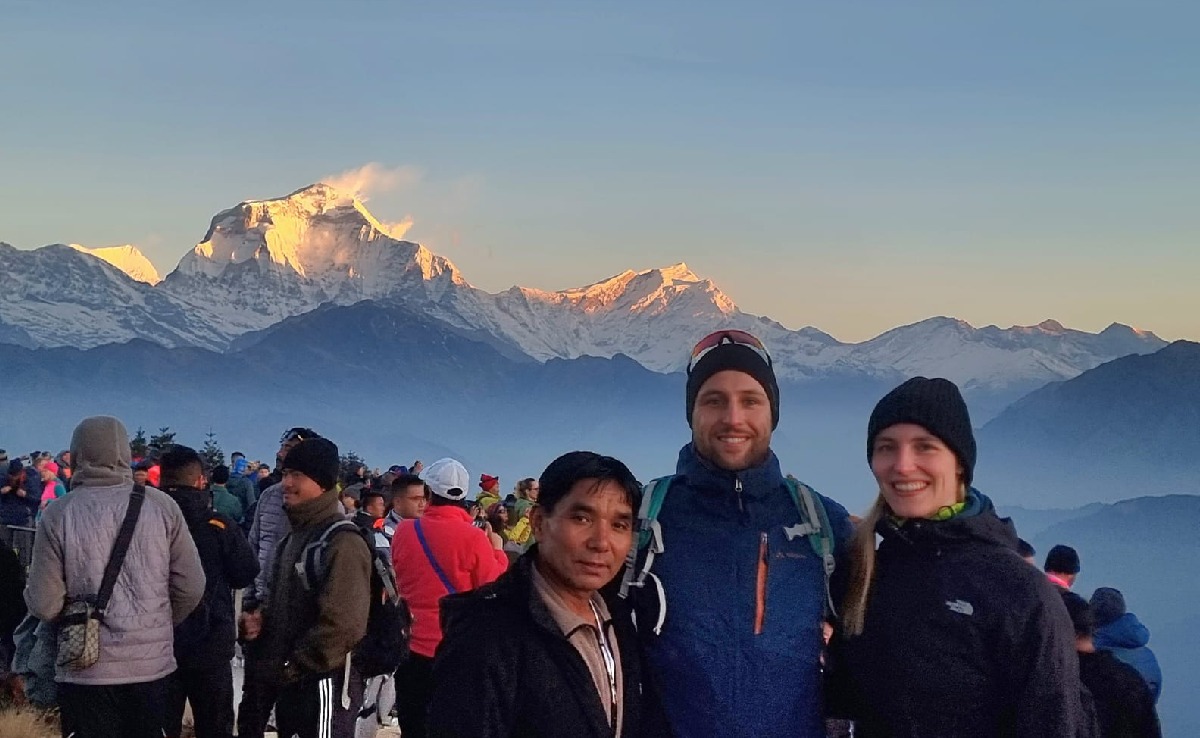
Trekking safely amid recent events: Our guest enjoys the breathtaking views from Poon Hill while travel operations in Nepal continue smoothly.

Here are the main reasons to plan your trip with confidence:

  • Peaceful environment in both cities and villages
  • Fully operational airports, hotels, and trekking routes
  • Helpful local guides and communities
  • Clear safety assurances from the tourism board
  • No travel restrictions or advisories
  • Real-time support through digital tools

Therefore, whether you want trekking, culture, or spiritual renewal, Nepal is ready for you.

Nepal Is Stronger Than Ever

The Gen Z awakening has not weakened Nepal, it has strengthened it. On the contrary, the country is calm, united, and determined to give visitors a safe and memorable experience.

From the Himalayas to the valleys, the atmosphere is positive. As a result, travelers will find resilience, hospitality, and renewal.

Travel With Confidence

Nepal safe to travel

Nepal is open and safe. Finally, book your trip today and experience a country where youth-led change meets timeless hospitality.

At Himalayan Circuit, we are back in the office, our trips are running, and our guides are ready to welcome you. Come explore Nepal, where resilience and hospitality never fade.

Langtang Region: Altitude Guide & Acclimatization Tips

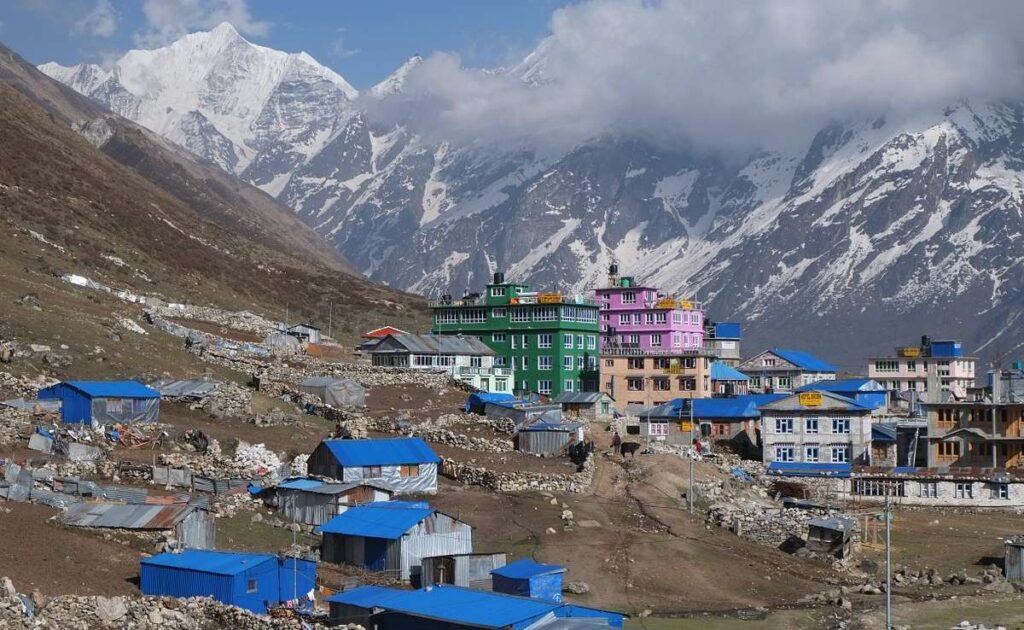
The Langtang trek in Nepal is a journey through changing landscapes — from lush forests and riverside trails to high alpine valleys surrounded by snowcapped peaks. Starting at just 1,460 meters in Syabrubesi, the trail climbs steadily to Kyanjin Gompa at 3,870 meters, offering dramatic elevation changes that define the Langtang trek altitude experience.

This rapid vertical gain — over 2,400 meters in just a few days — makes the trek both thrilling and physically demanding. The thinner air affects your body before you realize it, which is why understanding the altitude profile and preparing properly is essential for a safe, rewarding experience.

In this blog, we’ll explore how altitude impacts your trek day by day and share practical tips for acclimatization, gear, and pacing — so you can stay healthy and make the most of your Langtang adventure.

Langtang Trek Overview: Route, Distance & Highlights

Langtang Valley Elevation

The Langtang trek lies just north of Kathmandu and is one of Nepal’s most accessible yet rewarding treks. This 7 to 10-day journey covers roughly 60 to 75 kilometers and blends natural beauty, cultural encounters, and scenic mountain views into one unforgettable trail.

The trek starts from Syabrubesi (1,460 m), where you enter lush sub-tropical forests filled with bamboo, rhododendron, and river crossings. From here, the route gently ascends through villages like Lama Hotel (2,470 m) and Langtang Village (3,430 m) before reaching the spiritual and scenic hub of Kyanjin Gompa (3,870 m), nestled beneath Langtang Lirung (7,227 m).

As you ascend, the landscape shifts dramatically — dense forests give way to alpine woodlands, open meadows, and finally, a wide glacial valley. The mountains grow taller, the villages feel more remote, and the air becomes thinner and cooler with each step.

Langtang Trek Altitude Profile: Day-by-Day Breakdown

Altitude plays a subtle but powerful role in shaping your trekking experience. You’ll notice your breathing, energy levels, and pace shifting as you gain elevation — especially beyond 3,000 meters.

Here’s a breakdown of the altitude gain and key elevation points on a standard 7-day Langtang trek itinerary:

Day Route Elevation (m) Altitude Gain
Day 1 Syabrubesi 1,460
Day 2 Syabrubesi to Lama Hotel 2,470 +1,010 m
Day 3 Lama Hotel to Langtang Village 3,430 +960 m
Day 4 Langtang Village to Kyanjin Gompa 3,870 +440 m
Day 5 Acclimatization at Kyanjin Gompa 3,870
Day 6 Return to Lama Hotel 2,470 -1,400 m
Day 7 Lama Hotel to Syabrubesi 1,460 -1,010 m

Tip: Altitude affects everyone differently. Prioritize slow and steady walking, especially above 3,000 meters. Taking a rest day in Kyanjin Gompa for acclimatization significantly lowers your risk of altitude sickness.

What to Pack for High Altitude Trekking

At higher altitudes, your comfort and safety rely heavily on the right gear. Weather can shift rapidly, and your body will need support to adapt to colder temperatures and thinner air.

Here are key packing essentials for the Langtang trek:

  • Layered Clothing:

  • Base Layer: Moisture-wicking thermal tops and bottoms.
  • Mid Layer: Insulating fleece or down jacket.
  • Outer Layer: Waterproof and windproof shell jacket.
  • Trekking Shoes:
    Well-broken-in boots with good grip for rocky terrain.

  • Accessories:
    Hat, gloves, neck buff, sunglasses, sunscreen (high SPF), lip balm with UV protection.

  • Trekking Poles:
    Helps reduce strain on knees and improves balance on descents.

  • Water Purification:
    Bring a filter or purification tablets — safe water is critical at high altitude.

  • Energy Snacks:
    Carry nuts, energy bars, and dry fruits to refuel during long hiking days.

  • Medications:
    Include altitude sickness medication as advised by your doctor, along with personal prescriptions.

Tips for Acclimatization & Staying Healthy

  1. Follow the “climb high, sleep low” rule — especially around Kyanjin Gompa where you can do a short hike to a nearby ridge or Kyanjin Ri and descend back to sleep.
  2. Stay hydrated: Drink at least 3–4 liters per day, especially in dry mountain air.
  3. Eat well: Even if your appetite decreases, try to eat warm, carbohydrate-rich meals.
  4. Avoid alcohol: It worsens dehydration and altitude symptoms.
  5. Go slow: Listen to your body, rest when needed, and don’t rush the trek.

Let the Trek Teach You

The Langtang trek is more than just a physical journey — it’s a lesson in patience, presence, and inner clarity. With every step, you adjust to the terrain, the climate, and your own rhythm. There’s no need to rush. The mountains are not going anywhere.

Whether you’re walking through rhododendron forests or standing beneath the towering peaks of Langtang Lirung, remember — it’s not about how fast you get there, but how deeply you connect with the journey.

So take it slow. Stay aware. Let the trek unfold one step at a time.

Annapurna Region: How Altitude Gain Shapes ABC Trek

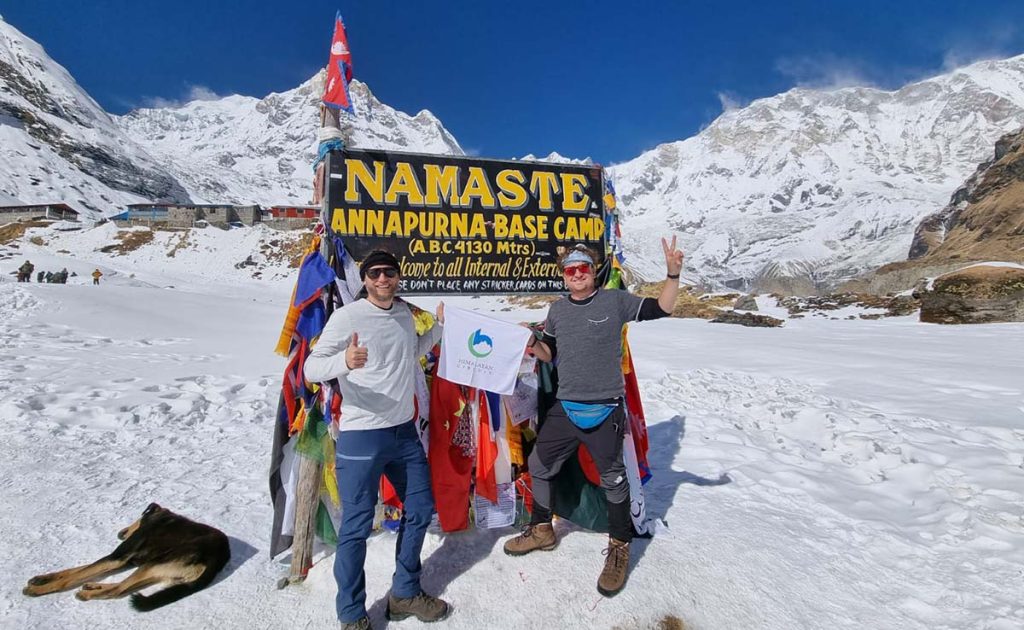
Two Trekkers holding himalayan circuit Banner in Annapurna Base Camp

Trekking to Annapurna Base Camp is more than just a mountain adventure — it’s a journey into the soul of Nepal. As you walk deeper into this natural masterpiece, glaciers begin to shine, rivers roar beside you, and the warmth of ancient villages keeps your spirit grounded. The gradual ABC trek altitude gain adds a quiet rhythm to the journey, shaping how you move, breathe, and experience the Himalayas.

The Annapurna Base Camp trek (ABC trek) showcases Nepal’s remarkable Himalayan landscape and rich cultural heritage. The route gains altitude gradually — from around 1,000 meters at the starting point to 4,130 meters at base camp — making the elevation itself a key part of the story. This slow but steady climb offers not only changing landscapes but also the chance to connect more deeply with nature and your own resilience.

ABC trek altitude gain view from Poon Hill
One of the most rewarding altitude milestones: the golden views from Poon Hill.

Overview of the Annapurna Base Camp Trek

The ABC trek leads you to the base of Mount Annapurna, within the Annapurna Conservation Area in Gandaki Province. Depending on your chosen route and pace, you can complete the trek in 7 to 12 days.

The journey begins at Nayapul and winds through Gurung and Magar villages, offering a beautiful cultural experience along with the scenery. Highlights include the panoramic sunrise from Poon Hill, the sacred Machhapuchhre Base Camp, and the rejuvenating hot springs at Jhinu Danda.

Spring (March–May) and autumn (September–November) are the best times to trek — offering clear skies, pleasant temperatures, and vibrant rhododendron blooms or post-monsoon freshness.

Altitude Gain Throughout the Trek

The most fascinating part of the trek is the ABC trek altitude gain — how the elevation changes step by step, shaping both the physical experience and the surrounding environment.

Here’s a general breakdown of altitude progression:

Location Altitude (m) Approx. Gain
Nayapul ~1,010 Starting Point
Ulleri 2,070 +1,060 m
Ghorepani 2,840 +770 m
Poon Hill 3,210 +370 m (optional hike)
Tadapani 2,610 Descent
Chhomrong 2,170 Further descent
Sinuwa 2,360 +190 m
Deurali 3,230 +870 m
Annapurna Base Camp 4,130 +900 m

As you rise higher, your breath shortens, the air gets cooler, and the forested trails give way to alpine landscapes and the dramatic amphitheater of the Annapurna Sanctuary. Each elevation point carries its own sense of achievement.

Acclimatization and Health Tips

If there’s one golden rule for the ABC trek, it’s this: don’t rush.
Your body needs time to adjust to the changing altitude, and pushing too hard can risk altitude sickness — even below 4,000 meters.

Tips to stay safe and healthy:

  • Walk slow and steady, especially above 2,500 meters.
  • Stay hydrated — drink water frequently, even if you’re not thirsty.
  • Eat warm, digestible meals and avoid alcohol or heavy fried foods.
  • Rest when needed, and listen to your body.
  • Carry a basic first aid kit with essentials like Diamox, antiseptic cream, and band-aids.
  • If symptoms like headache, nausea, or dizziness appear — descend and inform your guide.

Altitude should never be taken lightly, but with awareness and care, it becomes part of the beauty of the trek.

Packing Tips for High-Altitude Trekking

When packing for the ABC trek, aim for function over excess. Every item should serve a purpose — because each gram adds up, especially when the air gets thinner.

Must-pack essentials:

  • Layered clothing (base layers, insulation, waterproofs)
  • Quality trekking boots and socks
  • Trekking poles (especially helpful for steep descents)
  • Warm jacket, gloves, and hat
  • Reusable water bottle or hydration bladder
  • Headlamp and power bank
  • First aid kit and personal meds

A manageable backpack lightens the strain on your body and lets you focus more on the scenery — not your shoulders.

The gradual altitude gain of the Annapurna Base Camp trek might seem like just numbers on a map — but in truth, it’s what gives the journey its rhythm. It’s a quiet force that shapes every part of your experience: the views, the pace, your breath, and even your thoughts.

The ABC trek is not just about reaching 4,130 meters. It’s about how you get there — with patience, presence, and deep respect for the mountains.

Let the altitude teach you humility. Let the landscapes remind you to pause. And let each step pull you closer to something more meaningful than just a destination.

Adventure Sports: Nepal Hanging Bridge Adventure Experience

Yak crossing a hanging bridge in Nepal, with scenic mountain views.

Across Nepal’s landscapes, hanging bridges built with metal cables and wooden or metal planks connect remote communities. These hanging bridges in Nepal are not only engineering marvels but gateways to adventure. They offer exciting crossings over rivers, deep valleys, and mountain scenery. Whether you are trekking or exploring countryside trails, these bridges bring a memorable thrill.

High Altitude Thrills: Finest Hanging Bridges in Nepal

The Hillary Bridge: Gateway to Everest

The Hillary Bridge is an iconic entrance to the Everest region. It is named after Sir Edmund Hillary and stands as a symbol of adventure, history, and resilience. The bridge spans the Dudh Koshi River at an altitude of 135 meters. It leads trekkers toward the bustling Namche Bazaar.

Crossing this swinging bridge while hearing the river below is both humbling and exciting. You will meet hikers, yaks, and porters along the way. The fluttering prayer flags bring a sense of peace, making this crossing unforgettable.

Samrong Khola Footbridge: Pathway to Annapurna Base Camp

The Samrong Khola Footbridge is a striking route towards Annapurna Base Camp (ABC). It stretches 287 meters long and rises 135 meters above the Samrong Khola. It is the longest and tallest suspension bridge in the Kaski region.

The bridge links distant villages and offers clear views of valleys, peaks, and rivers. Trekkers often pause here to enjoy the peaceful surroundings and the breathtaking view of Mt. Annapurna.

Kushma Mudikuwa Footbridge: A Hidden Gem in Parbat

Located in Kushma, Parbat, the Kushma Mudikuwa Footbridge is both scenic and impressive. The bridge spans 359 meters and allows travelers to enjoy panoramic views of hills and valleys.

It is part of the historic Footbridge Trail of Parbat and follows the legacy of the Kushma Gyadi Bridge. The crossing is peaceful and offers beautiful natural surroundings.

Gandaki Golden Bridge: Timeless Beauty

The Gandaki Golden Bridge once held a height record and remains a beloved landmark. It hangs 122 meters above the river and offers great views of nearby mountains and rivers.

The bridge’s golden fences make it a favorite spot for photographers and visitors. Whether you cross it or pause to admire, it is a treat for the eyes.

Kushma Bungee Footbridge: For the Brave-hearted

The Kushma Bungee Footbridge, known as “The Cliff,” offers one of the highest bungee jumps in the world. It hangs 200 meters above the ground and gives clear views of the valley below.

Even if you don’t plan to jump, walking across the bridge is a thrilling experience. The cool breeze and height make the crossing exciting.

Nepal’s suspension bridges are more than crossings. They connect people, places, and cultures against the backdrop of the Himalayas. Whether you are trekking, seeking adventure, or enjoying nature, these bridges leave a lasting memory.

When you visit Nepal, explore these remarkable structures. Each bridge has its own story and scenery. You will discover not just new paths but a deeper connection to Nepal’s landscapes and communities.

Nepal Travel News: 57 New Peaks Opened for Climbing in 2024/25

Mountaineering in Nepal

Nepal, a global hub for climbers and trekkers, is once again elevating its adventure offerings. As part of its tourism development plans for the fiscal year 2024/25, the government has announced the opening of 57 new peaks for mountaineering in Nepal. This decision, approved by the Council of Ministers on October 7, follows recommendations from the Department of Tourism.

Why More Peaks Are Being Opened

Many mountains in Nepal remain unexplored due to their remote locations, harsh climates, or technical challenges. To promote tourism and offer more diverse options, the government is expanding access to a wider range of peaks. According to Rakesh Gurung, Director of the Adventure Tourism and Mountaineering Section, these newly opened peaks are intended to make mountaineering in Nepal more accessible to both beginners and seasoned climbers.

A Range of New Adventures

The 57 new peaks range from 5,000 to 6,500 meters in elevation. With this addition, Nepal now has 461 peaks open for mountaineering. Yet, this is just a fraction of the total — over 2,000 peaks in the country are suitable for climbing.

This expansion supports both tourism and local economies, while also drawing attention to lesser-known Himalayan regions.

Ideal for Beginners and Off-the-Beaten-Path Explorers

One of the highlights of these new peaks is their accessibility. Unlike Everest, Annapurna, or Manaslu, many of the newly opened mountains are lower in altitude, making them perfect for novice climbers or those looking for a new kind of Himalayan adventure.

These routes bring a refreshing twist to mountaineering in Nepal, offering moderate challenges and breathtaking landscapes with fewer crowds.

Notable Peaks Among the 57

  • Pathibhara South East (Taplejung): The highest among the new entries, located near the Kanchenjunga range.

  • Ghyambu Peak (Dolpa): The shortest of the group, this peak offers a unique experience in western Nepal.

Only eight of the 57 peaks are below 6,000 meters, but they are just as rewarding as their taller counterparts.

Explore With Himalayan Circuit 

Whether you’re taking your first steps in the Himalayas or seeking new trails, mountaineering in Nepal has never been more exciting. Himalayan Circuit offers guided climbs, personalized itineraries, and expert support to ensure your experience is both safe and unforgettable.

With the addition of these 57 new peaks, Nepal continues to establish itself as a paradise for mountaineers. This move not only diversifies adventure tourism but also supports sustainable travel by encouraging visitors to explore beyond the traditional routes.

So, if you’ve ever dreamed of standing on a Himalayan summit — now’s the time. Let the thrill of mountaineering in Nepal guide your next adventure.

Nepal Diary: Best Things To Do in Nepal – A Complete Guide

Best things to do in Nepal/ trekking

Nepal is a must- visit destination for travelers seeking stunning mountain landscapes, rich cultural heritage, and thrilling adventures. Whether you’re interested in trekking in Nepal, exploring wildlife, or learning about local culture, Nepal offers a wide variety of experiences. At Himalayan Circuit, we specialize in creating custom tours in Nepal that showcase the best of this incredible country. Here’s why Nepal should be at the top of your travel bucket list.

1. Trekking in Nepal: Explore the Heart of the Himalayas

Nepal is famous for its trekking trails, which attract adventurers from all over the world. Some of the best treks in the world can be found here, offering stunning views of the Himalayas and remote villages. From the Everest Base Camp trek to the Annapurna Circuit, there’s something for every kind of traveler.

  • Everest Base Camp Trek: The Everest Base Camp trek is one of the most popular treks in the world. It takes you to the base of Mount Everest, the tallest mountain on Earth. This trek is perfect for those seeking an unforgettable adventure through Sherpa villages and Buddhist monasteries, all with incredible views of Everest.
  • Annapurna Circuit Trek: Known for its diverse landscapes, the Annapurna Circuit trek offers stunning mountain views, scenic valleys, and picturesque villages. This trek is perfect for those who want to experience the beauty of the Annapurna Range and enjoy a multi-day adventure through different terrains.
  • Langtang Valley Trek: If you’re looking for a quieter trek with breathtaking views, the Langtang Valley trek is a hidden gem. This trek offers beautiful views of snow-capped peaks, glaciers, and alpine meadows, making it a great alternative to the more crowded routes.

2. Nature and Wildlife in Nepal: A Paradise for Nature Lovers

Nepal’s diverse landscapes include everything from lush jungles to high-altitude meadows. The country is home to a variety of wildlife, including the endangered Bengal tiger, one-horned rhinoceros, and many rare bird species. The Chitwan National Park and Bardia National Park are some of the best places to visit for wildlife safaris.

  • Chitwan National Park: Located in Nepal’s Terai region, Chitwan National Park is a UNESCO World Heritage Site and one of the best places for a wildlife safari. You can explore the park on an elephant ride, jeep safari, or even a boat ride along the Rapti River to spot rhinos, tigers, and other wildlife.
  • Bardia National Park: For a more off-the-beaten-path experience, Bardia National Park is an excellent choice. It’s less crowded than Chitwan, offering a peaceful and immersive wildlife experience. The park is home to elephants, tigers, and rhinos, making it a paradise for nature lovers.

3. Nepal’s Rich Culture: Explore Ancient Temples and Festivals

Nepal’s culture is deeply influenced by Hinduism and Buddhism. The country is filled with UNESCO World Heritage Sites, including ancient temples, stupas, and palaces. The city of Kathmandu is the cultural heart of Nepal, where you can experience traditional festivals, dance, and cuisine.

  • Kathmandu Valley: The Kathmandu Valley is a cultural hub with historical sites like Swayambhunath Stupa (Monkey Temple), Pashupatinath Temple, and Durbar Square. This area is rich in history, offering visitors a chance to explore centuries-old temples and shrines.
  • Pokhara: Known for its natural beauty, Pokhara is also a great place to experience Nepal’s cultural festivals. Tihar and Dashain are celebrated with colorful processions, traditional dances, and family gatherings. Pokhara is also the gateway to the Annapurna region, making it the perfect place to relax after a trek.

4. Adventure Activities in Nepal: Thrills for Every Traveler

Nepal offers more than just trekking. If you’re an adventure enthusiast, Nepal is the perfect place to try activities like paragliding, white-water rafting, and mountain biking. These activities allow you to experience Nepal’s landscapes from unique perspectives.

  • Paragliding in Pokhara: If you want to see Nepal from the sky, paragliding over Pokhara offers breathtaking views of the Annapurna Range and Phewa Lake. It’s one of the most popular adventure activities in Nepal, giving you a bird’s-eye view of the stunning landscape.
  • White-water Rafting in Nepal: Nepal’s fast-flowing rivers, like the Trishuli River and the Bhote Koshi River, are perfect for white-water rafting. Whether you’re a beginner or an experienced rafter, these rivers offer exciting rapids and amazing scenery.
  • Mountain Biking: For those who love cycling, Nepal has some of the best mountain biking trails. Kathmandu Valley, Pokhara, and the Annapurna region all offer diverse routes for mountain bikers of all levels.

5. Spiritual Sites in Nepal: Connect with Peace and Tranquility

Nepal is a spiritual destination for many travelers. The country is home to several sacred sites for Hindus and Buddhists, offering a peaceful retreat from the hustle and bustle of daily life.

  • Lumbini: Lumbini is the birthplace of Buddha, making it a must-visit spiritual destination. The Maya Devi Temple and the Sacred Garden are perfect places for reflection and peace.
  • Muktinath: Situated in the Annapurna region, Muktinath Temple is sacred to both Hindus and Buddhists. The temple is located at the foot of the Himalayas, and the views are simply stunning.

Your Custom Nepal Adventure

At HimalayanCircuit, we specialize in crafting custom Nepal tours that suit your unique interests. Whether you’re looking to explore Nepal’s culture, embark on an epic trekking adventure, or discover the beauty of Nepal’s wildlife, we’ll design an itinerary just for you. Our expert guides, local knowledge, and commitment to responsible tourism ensure that your Nepal adventure will be memorable.

Why Visit Nepal?

Nepal offers so much more than mountains. From the majestic Himalayas to the peaceful jungles of Chitwan, Nepal is a land of adventure, beauty, and culture. At Himalayan Circuit, we are ready to help you explore the best of Nepal with a personalized tour that fits your travel style. Start planning your adventure today and make your dream trip to Nepal come true!

Nepal Diary: Frequently Asked Questions for Traveling in Nepal

FAQs about traveling to Nepal

Planning a trip to Nepal? At Himalayan Circuit, we are dedicated to making your journey unforgettable. Whether you’re visiting for the first time or returning for more adventure, we’ve put together a list of frequently asked questions (FAQs) about traveling to Nepal to help you prepare. This guide covers everything from visa requirements to travel tips, ensuring your trip to Nepal goes smoothly.

1. Do I need a visa to visit Nepal?

Yes, most international travelers need a tourist visa to visit Nepal. You can obtain a 15-day visa for $30 USD (or the equivalent in Nepali Rupees) upon arrival at Tribhuvan International Airport in Kathmandu or at land border entry points. You can also apply for an eVisa online before your trip via the Nepal eVisa website. Visa extensions are available if you wish to stay longer.

2. When is the best time to travel to Nepal?

Best Time to Visit Nepal: A Quick Guide

The best time to visit Nepal is during autumn (September to November) and spring (March to May). These seasons offer clear skies, mild temperatures, and excellent conditions for trekking, sightseeing, and outdoor adventures.

Autumn (September to November)

Autumn provides crisp weather, fresh trails, and stunning Himalayan views, making it ideal for trekking. It’s also the season for major festivals like Dashain and Tihar, adding a cultural touch to your visit.

Spring (March to May)

Spring brings warmer temperatures and blooming rhododendron forests, perfect for trekking and exploring Nepal’s natural beauty. It’s also the best time for clear views of the Himalayas.

Winter (December to February)

Winter can be cold, especially in higher altitudes, but it’s still great for lower-altitude treks and cultural tours in places like Kathmandu and Pokhara.

Monsoon (June to August)

The monsoon season brings heavy rains, making trekking challenging. However, if you’re focused on cultural sightseeing, the lush landscapes can still be beautiful.

3. What vaccinations do I need before traveling to Nepal?

Vaccinations are recommended for travelers heading to Nepal. Common vaccines include:

  • Routine vaccines: MMR, DTaP, Polio, Flu.
  • Travel-related vaccines: Hepatitis A, Hepatitis B, Typhoid, and Malaria (if visiting high-risk areas). It’s important to visit your healthcare provider 4-6 weeks before your trip. For more information on vaccinations, check out the CDC Travel Health page.

4. What currency is used in Nepal, and how can I exchange money?

The official currency in Nepal is the Nepalese Rupee (NPR), denoted as NRs. Notes are available in denominations of 5, 10, 20, 50, 100, 500, and 1000 rupees, while coins are available in 1, 2, and 5 rupees. While US dollars are accepted in major tourist areas, it’s recommended to use local currency for everyday purchases.

How to Exchange Money in Nepal

You can exchange foreign currency at banks, money exchange offices, or ATMs in cities like Kathmandu, Pokhara, and Chitwan. For the most accurate rates, visit Nepal Rastra Bank or reliable exchange counters.

Using Credit Cards in Nepal

In Kathmandu and other major cities, you can use credit cards (Visa, MasterCard, American Express) at many tourist spots, but cash is preferred in rural areas and remote villages. Always carry enough cash for your trip.

ATMs in Nepal

ATMs are available in larger cities, and most charge a fee (around 500 NPR) for foreign card withdrawals. ATM access is limited in remote areas, so it’s best to withdraw enough cash before heading out.

Cash on Trekking Routes

If you’re trekking in Nepal, cash is king. While some popular trekking routes may have ATMs, they are limited, and fees are high. Carry enough Nepalese Rupees to cover your entire trek.

For up-to-date exchange rates, visit Nepal Rastra Bank.

5. Is Nepal a safe destination for tourists?

Yes, Nepal is generally a safe destination for travelers. The country is peaceful, and the locals are welcoming. However, like any travel destination, it’s important to remain cautious, especially in unfamiliar areas.

Safety Tips for Traveling in Nepal:

  1. Be Mindful of the Monsoon Season
    Mudslides and rockslides are common during the monsoon (June to August), especially in remote regions. Check the weather before trekking.
  2. Stay Safe in Crowded Areas
    Petty theft can occur in busy tourist spots. Keep your belongings secure.
  3. Trekking Safety
    Hire a certified guide for trekking in high-altitude areas and be mindful of altitude sickness.
  4. Respect Local Culture
    Nepal has a rich cultural heritage—respect local traditions and customs to ensure a positive experience.

For more detailed safety advice, check out our Safe Trip Abroad Handbook, available on our website.

Nepal is a generally safe country for tourists, but being cautious and prepared will help you have a worry-free trip.

6. What are the best transportation options in Nepal?

In Nepal, you’ll find several transportation options:

  • Flights: We recommend flying with Buddha Air, which is known for its reliable domestic flights. You can book flights from Kathmandu to Pokhara, Chitwan, and other cities. Visit Buddha Air for more information.
  • Tourist buses: Comfortable and affordable, these buses connect major tourist cities like Kathmandu, Pokhara, and Chitwan.
  • Private vehicles: Great for flexibility and comfort, ideal for group travel.
  • Public transport: Taxis and local buses are available, though they can be crowded and less reliable.

7. What are the food available in Nepal?

Nepal offers a rich and diverse food culture influenced by its many regions and ethnic groups. From traditional Nepali dishes to street food and international cuisine, there’s something for every traveler to enjoy. Here’s a guide to the food in Nepal that you can expect during your visit:

1. Traditional Nepali Cuisine:

  • Dal Bhat: The cornerstone of Nepali meals, dal bhat consists of lentil soup (dal) served with steamed rice (bhat). This hearty dish is often accompanied by vegetables, pickles (achar), and sometimes meat or fish. It’s a nutritious and filling meal that is typically eaten twice daily by locals.
  • Momo: Nepali dumplings, filled with spiced meat (usually chicken, pork, or buffalo) or vegetables, are a popular street food and snack. They can be steamed or fried and are often served with a spicy dipping sauce.
  • Sel Roti: This traditional Nepali rice donut is made from rice flour, sugar, and milk, commonly served during festivals and celebrations.

2. Nepali Street Food:

  • Chatamari: Known as Nepali pizza, chatamari is a rice crepe topped with meat, eggs, or vegetables. It’s a favorite in the Newar community and can be found in Kathmandu and Bhaktapur.
  • Samosas: These fried, triangular pastries are filled with spiced potatoes, peas, and sometimes meat. Samosas are a popular snack and street food throughout Nepal.

3. Spices and Flavors:

Nepali cuisine is flavorful, with an emphasis on spices like turmeric, cumin, garlic, and ginger. Achar, a spicy pickle made from fruits, vegetables, or even meats, is often served alongside meals to add an extra layer of flavor.

4. Beverages in Nepal:

  • Chiya: Nepali tea is typically served with milk and sugar, and it’s a popular drink throughout the day, especially in the morning or during breaks.
  • Raksi: A traditional alcoholic drink made from rice or millet, raksi is commonly consumed during festivals and celebrations.

5. Vegetarian and Vegan Dishes:

Given Nepal’s strong Hindu and Buddhist influences, there are many vegetarian and vegan options. Dishes like vegetable curry, dal, lentils, and spinach-based dishes are widely available and commonly eaten.

6. International Cuisine:

In major tourist cities like Kathmandu and Pokhara, you’ll find international food options, including pizza, pasta, and even fast food chains. However, local Nepali cuisine is the real highlight of your visit.

When visiting Nepal, expect a variety of traditional Nepali foods like dal bhat, momos, and thukpa, along with delicious street food such as chatamari and samosas. Whether you prefer vegetarian or meat-based dishes, Nepal’s cuisine will offer something to satisfy every palate. Be sure to try these local specialties for an authentic food experience!


8. What should I pack for my trip to Nepal?

Packing for Nepal depends on your activities, but here’s a general packing list to help ensure you’re ready for anything, from trekking in the Himalayas to exploring Kathmandu.

1. Trekking Gear

If you’re planning on trekking, make sure to pack:

  • Comfortable hiking boots: Choose sturdy, well-broken-in boots for comfort and protection.
  • Warm clothing: Layering is key, especially in the mountains where temperatures can drop even in summer.
  • Quality backpack: A comfortable, well-fitting backpack is essential for carrying your gear during treks.
  • Sleeping bag: If you’re trekking, a good sleeping bag suitable for the altitude is necessary for comfort and warmth.

2. Clothing

Nepal’s weather can vary greatly by region and altitude:

  • Light clothes for warm weather: Cotton shirts, shorts, and comfortable shoes for lowland and city exploration.
  • Extra layers for cooler mountain temperatures: Fleece jackets, down jackets, and thermals are crucial for the chilly mountain evenings and early mornings.

3. Health and Personal Items

  • Medications: If you’re on any regular medication, make sure to bring enough for your entire trip, as some prescriptions may be hard to find.
  • Sunscreen: The Nepali sun can be intense, especially in higher altitudes. Be sure to pack high-SPF sunscreen to protect your skin.
  • Hand sanitizer: Handy for keeping clean when handwashing facilities are limited.
  • Insect repellent: Especially important if you’re traveling during the monsoon season (June to August) when mosquitoes are more prevalent.

4. Travel Essentials

  • Power adapter: Nepal uses Type C, D, and M plugs, so be sure to bring a universal adapter for your devices.
  • Camera: You’ll want to capture the stunning landscapes, vibrant culture, and historic sites. Don’t forget extra memory cards and batteries.
  • Good map: Whether you’re trekking or exploring cities, a reliable map of Nepal or a trekking guidebook can be invaluable.

5. Other Helpful Items

  • Water bottle: Stay hydrated, especially if you’re trekking in remote areas.
  • Travel insurance details: Always carry a copy of your travel insurance information in case of emergencies.
  • Flashlight or headlamp: Essential for trekking in remote areas where electricity might be scarce.

Your Nepal packing list will depend on your specific plans, but with these essential items for trekking, clothing, health, and travel essentials, you’ll be well-prepared for your adventure. Whether you’re trekking in the mountains or exploring the streets of Kathmandu, make sure you’re equipped for all of Nepal’s incredible experiences!

9. Do I need a guide for trekking in Nepal?

Hiring a licensed trekking guide is highly recommended when trekking in Nepal, especially in remote or high-altitude regions. A professional guide can ensure your safety, enrich your experience, and help you navigate Nepal’s stunning but challenging trekking routes. Here’s why hiring a guide is a smart choice for your trek:

1. Safety and Altitude Sickness Prevention

Trekking at high altitudes in Nepal, such as on the Everest Base Camp trek or the Annapurna Circuit, poses the risk of altitude sickness. A licensed trekking guide is trained to identify symptoms of altitude sickness and implement acclimatization techniques to help minimize risks. Guides also know the proper procedures to follow in case of emergency, ensuring your safety throughout the trek.

2. Local Expertise and Cultural Insights

A licensed guide will offer local knowledge and cultural insights, enriching your experience as you explore Nepal’s mountain villages, temples, and natural beauty. They can explain the region’s history, share local stories, and suggest hidden gems along the trekking trail that you might miss on your own.

3. Navigating Trekking Routes and Trails

Nepal’s trekking routes can be challenging, especially in remote areas with rugged terrain. A certified trekking guide is familiar with the trails and ensures that you stay on the right path. They also help manage difficult sections of the trek, ensuring you don’t get lost or waste time on incorrect routes.

4. Logistics and Permits

Guides handle all the essential logistics of your trek, including arranging permits, accommodation, and meals along the way. Their knowledge of local guesthouses and restaurants will help you find the best places to rest, ensuring a comfortable and stress-free trekking experience.

5. A More Enjoyable Experience

Beyond safety and logistics, a guide makes your trekking experience more enjoyable. They can recommend the best spots for photography, help you engage with locals, and make your trek more culturally immersive. A guide helps you get the most out of your Nepal trek, whether you’re hiking through villages, monasteries, or national parks.

While some trekkers may choose to go solo, hiring a licensed guide for trekking in Nepal is strongly recommended, especially for high-altitude treks or remote regions. Guides enhance your safety, help you prevent altitude sickness, and provide valuable cultural insights that make your trek more memorable. To ensure a smooth and enjoyable experience, it’s always best to book your licensed trekking guide through a trusted agency.

For more information on certified guides, visit the Nepal Tourism Board.

10. How can I prevent altitude sickness in Nepal?

Altitude sickness is common above 2,500 meters (8,200 feet). To reduce the risk:

  • Ascend slowly and allow time for acclimatization.
  • Drink plenty of water and avoid alcohol.
  • If you feel symptoms like headache or dizziness, descend to a lower altitude and seek medical help immediately. For more information, visit the CDC Travel Health page on altitude sickness.

11. How can I stay connected in Nepal?

Staying connected in Nepal is easy, whether you’re in Kathmandu, Pokhara, or the Himalayas. With reliable mobile networks, affordable data plans, and eSIM technology, keeping in touch is hassle-free. Here’s everything you need to know about staying connected in Nepal:

  1. Purchase a Local SIM Card in Nepal

One of the most affordable and convenient ways to stay connected is by purchasing a local SIM card. NTC Nepal (Nepal Telecom) and NCell Nepal offer competitive data plans, voice calls, and SMS services for both short-term and long-term visitors. You can buy a SIM card at Tribhuvan International Airport in Kathmandu, local mobile shops, or service centers in major cities like Pokhara and Chitwan. Be sure to bring your passport for SIM registration.

  1. eSIM Options for Travelers in Nepal

If you have an eSIM-compatible phone, Nepal offers a great option for staying connected without needing a physical SIM card. NTC Nepal and NCell Nepal both provide eSIM services, allowing you to activate local mobile data without the hassle of swapping SIM cards. You can also use global eSIM providers like Airalo, Truphone, or GigSky for international data plans that work in Nepal.

  1. Mobile Network Coverage in Nepal

In major cities like Kathmandu and Pokhara, mobile network coverage is reliable, and you can easily access mobile data and voice calls. However, as you head into more remote areas or embark on trekking routes in the Himalayas, mobile coverage can be spotty. For areas with limited coverage, consider renting a satellite phone for uninterrupted communication.

  1. Wi-Fi Access in Hotels and Cafes

Free Wi-Fi is widely available in hotels, cafes, and tourist spots in cities like Kathmandu and Pokhara. However, Wi-Fi speeds can be slower in more rural areas. In popular tourist spots, you can enjoy free internet access, though it may not always be as fast as you’re used to.

  1. Use Messaging Apps and Social Media

Most messaging apps like WhatsApp, Facebook Messenger, and Viber work well in Nepal, especially if you have mobile data or Wi-Fi. These apps are widely used by locals and travelers alike, allowing for easy communication, including voice calls and video chats.

Whether you’re in a city or trekking through remote areas, staying connected in Nepal is easy with a local SIM card, eSIM service, and reliable Wi-Fi options. eSIM technology offers an added convenience for those with compatible devices, eliminating the need for physical SIM cards. If you’re venturing into the mountains, be prepared for limited mobile coverage and consider satellite phones for communication. With these simple steps, you’ll enjoy seamless connectivity during your Nepal adventure.

For more details on SIM cards, check NTC Nepal or NCell Nepal.

12. What cultural norms should I follow in Nepal?

Nepal is a country steeped in rich cultural traditions and religious customs. As a visitor, it’s essential to respect these local norms to ensure a positive and respectful experience. Here are some key cultural etiquette tips to follow when traveling in Nepal:

1. Remove Your Shoes Before Entering Temples and Sacred Sites

In Nepal, it is customary to remove shoes when entering temples, monasteries, or any sacred sites. This is a sign of respect for the holy space and is an important part of Nepali culture. You may also be asked to remove your shoes when visiting local homes or certain cultural buildings.

2. Greet with Namaste

The traditional Nepali greeting is Namaste, where you press your palms together in a prayer-like gesture and bow slightly. This respectful greeting is commonly used when meeting someone or saying goodbye. It’s a sign of goodwill and respect for others, especially in the context of Nepal’s Hindu and Buddhist traditions.

3. Dress Modestly, Especially in Religious Sites

Nepal is a conservative society, especially in religious and rural areas. Modest dress is important when visiting religious sites like temples and monasteries. For both men and women, covering the shoulders and knees is considered respectful. Avoid wearing revealing clothing in sacred areas or when interacting with local communities.

4. Avoid Public Displays of Affection

Public displays of affection, such as kissing or hugging, are generally not appropriate in Nepal, particularly in more rural or conservative areas. While this may be accepted in some tourist spots, it’s best to refrain from such behavior to respect local customs.

5. Be Mindful of Local Customs and Traditions

Nepal is home to a diverse population with varying ethnic and religious practices. Always be respectful and ask for permission before taking photos of people, particularly in rural areas or sacred spaces. Also, when engaging with local customs, always take care to approach them with respect and openness.

By following these cultural norms in Nepal, you’ll show respect for the country’s traditions and ensure a more fulfilling travel experience. Removing shoes, greeting with Namaste, dressing modestly, and avoiding public affection are just a few ways to honor Nepal’s cultural values. Remember, understanding and respecting local customs will help you connect with the Nepali people and make your trip more enjoyable. For more travel tips and personalized assistance, visit HimalayanCircuit.com and start planning your adventure in Nepal!

13. Is Nepal only for trekkers?

Absolutely not! While Nepal is globally renowned for its trekking adventures, it offers a wide variety of attractions for all types of travelers. Whether you’re interested in culture, wildlife, or simply relaxing in stunning landscapes, Nepal has something for everyone. Here’s what else you can enjoy in Nepal besides trekking:

1. Cultural Tours in Kathmandu Valley

Nepal is rich in history and culture, and the Kathmandu Valley is a treasure trove of UNESCO World Heritage Sites. Explore the ancient cities of Kathmandu, Patan, and Bhaktapur, with their stunning temples, palaces, and Durbar Squares. Discover Nepal’s vibrant art and architecture while learning about its fascinating history.

2. Wildlife Safaris in Chitwan and Bardia National Parks

For nature enthusiasts, Nepal is home to incredible wildlife safaris in Chitwan National Park and Bardia National Park. Experience the thrill of spotting bengal tigers, one-horned rhinoceroses, and a variety of birds and animals. These parks offer unforgettable wildlife experiences, perfect for families and adventure seekers alike.

3. Scenic Boat Rides on Phewa Lake in Pokhara

If you’re looking for a more relaxing experience, enjoy a serene boat ride on Phewa Lake in Pokhara. Surrounded by lush hills and the stunning Annapurna Range, the lake offers a peaceful setting for leisurely activities suhttps://himalayancircuit.com/tour/pokhara-city-tourch as kayaking, fishing, or just enjoying the view.

4. Explore Nepal’s Temples, Monasteries, and Tibetan Settlements

Nepal is home to several temples, monasteries, and Tibetan settlements that offer insight into the country’s rich spiritual heritage. Visit sacred places like the Swayambhunath Stupa (Monkey Temple), Lumbini (the birthplace of Buddha), and the monasteries in the Everest region to deepen your cultural and spiritual connection with Nepal.

5. Adventure Sports and Outdoor Activities

For those seeking adrenaline, Nepal offers a range of adventure sports including paragliding in Pokhara, white-water rafting on the Trisuli River, and mountain biking in the hills. Whether you’re a thrill-seeker or a nature lover, there’s plenty to do beyond trekking.

Nepal is not just for trekkers; it’s a diverse destination with a wealth of cultural, natural, and spiritual experiences. Whether you’re interested in exploring ancient temples, going on a wildlife safari, or enjoying outdoor adventures, Nepal offers something for every traveler.

Start planning your Nepal itinerary today and discover the many faces of this beautiful country!

We hope this FAQ has helped you prepare for your trip. At Himalayan Circuit, we’re here to assist with all your travel needs. If you have any more questions or need help planning your trip, don’t hesitate to reach out.

Get ready to explore the breath-taking beauty, rich culture, and warm hospitality of Nepal!
Nepal Diary: Top Regions to Visit and Experience in Nepal

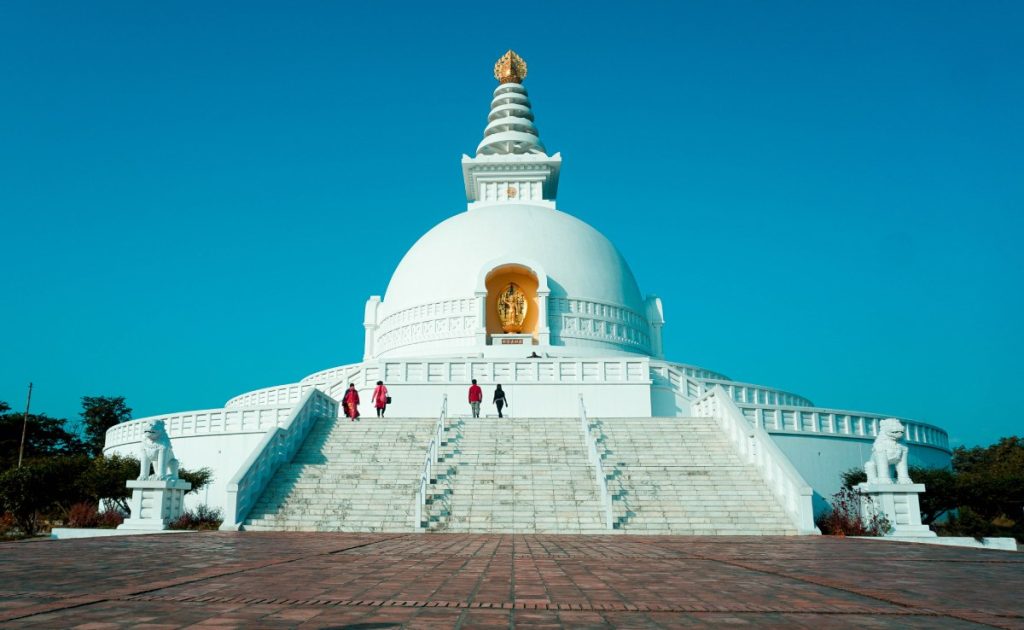
Lumbini Peace Stupa

Nepal is a land of stunning landscapes, rich culture, and thrilling adventures. From the towering Himalayas to peaceful jungles, each region offers something unique. Whether you want a relaxing getaway, an exciting trek, or a deep cultural dive, Nepal has it all. This guide will help you choose best region to visit in Nepal on your interests.

1. Kathmandu Valley: Nepal’s Cultural Heart

Kathmandu Valley is the cultural epicenter of Nepal, filled with ancient temples, vibrant streets, and rich traditions. It’s perfect for those interested in history and culture.

  • Kathmandu: Explore iconic landmarks like the Swayambhunath Stupa (Monkey Temple), Pashupatinath Temple, and Durbar Square. Discover local markets and indulge in traditional Nepali cuisine.
  • Bhaktapur & Patan: These ancient cities just outside Kathmandu showcase stunning temples and beautiful squares. Experience the old-world charm and Newar culture.

Ideal for: History enthusiasts, culture seekers, and those who appreciate ancient architecture.

2. Annapurna Region: A Trekker’s Paradise

Known worldwide for its trekking routes, the Annapurna Region offers breath taking views and various trekking options for all fitness levels.

  • Annapurna Circuit: This classic trek takes you around the Annapurna Massif, providing spectacular views of peaks like Annapurna I and Machapuchare. The landscape changes from lush forests to high-altitude deserts.
  • Ghorepani Poon Hill Trek: A shorter trek perfect for photographers, with incredible sunrise views over the Annapurna and Dhaulagiri ranges.

Ideal for: Trekking lovers, nature enthusiasts, and those wanting to see the Himalayas up close.

3. Everest Region: The Ultimate Trek to the Highest Peak

The Everest Region is home to the world’s tallest mountain, offering awe-inspiring treks and dramatic landscapes.

  • Everest Base Camp Trek: Walk to the base of Mount Everest, passing through Sherpa villages and Buddhist monasteries, while surrounded by stunning Himalayan scenery.
  • Gokyo Lakes Trek: A less crowded trek with incredible views of Everest and turquoise glacial lakes.

Ideal for: Experienced trekkers and anyone wanting to experience Mount Everest firsthand.

4. Langtang Region: A Peaceful Escape

For those seeking a quieter trek, the Langtang Region offers serene landscapes and Tibetan culture.

  • Langtang Valley Trek: This trek takes you through lush forests and offers stunning views of the Langtang Himal. You’ll also explore traditional Tibetan villages along the way.

Ideal for: Nature lovers and those looking for a peaceful trekking experience.

5. Chitwan & Bardia: A Wildlife Lover’s Dream

If wildlife is your focus, the Terai Region is a must-visit. Both Chitwan and Bardia National Parks offer exceptional wildlife experiences.

  • Chitwan National Park: A UNESCO World Heritage site, home to rhinos, Bengal tigers, and elephants. Explore the park through jeep safaris, elephant rides, or boat trips.
  • Bardia National Park: A less crowded alternative, perfect for spotting wildlife and birdwatching.

Ideal for: Wildlife enthusiasts and nature lovers.

6. Pokhara: Adventure & Relaxation in One

Pokhara is Nepal’s adventure capital, surrounded by the majestic Annapurna Mountain Range. It’s also a great place to relax by Phewa Lake.

  • Paragliding: Experience stunning aerial views of Pokhara and its surrounding mountains.
  • Adventure Activities: In addition to trekking, enjoy boating, mountain biking, and zip-lining.

Ideal for: Adventure seekers and those who want to unwind by the lake.

7. Lumbini: A Spiritual Retreat

For a peaceful and spiritual experience, Lumbini, the birthplace of Buddha, offers a tranquil space for meditation and reflection.

  • Lumbini Garden: Visit the Maya Devi Temple, marking the birthplace of Buddha, and explore nearby monasteries built by various countries.

Ideal for: Spiritual travelers and those seeking peace and serenity.

How to Choose the Right Region for You

Each region of Nepal offers unique experiences. If you’re into culture, Kathmandu Valley is a great choice. For trekking, Annapurna and Everest regions offer some of the best trails. Wildlife lovers should head to Chitwan or Bardia, while adventure enthusiasts will love Pokhara. Langtang is perfect for a peaceful trek, and Lumbini is ideal for spiritual retreats.

At HimalayanCircuit, we specialize in creating personalized tours to suit your interests. Whether you’re looking to trek in the Himalayas, explore Nepal’s wildlife, or dive into its rich culture, we’ll help you plan the trip of a lifetime.

Everest Region: Tea House and Lodge Stays Across the Everest Region

The trek to Everest Base Camp (EBC) is a once-in-a-lifetime adventure, and the Tea Houses along the way provide a memorable experience. Often run by Sherpa families, the rustic yet charming accommodations add to the trek’s authenticity with a “pay as you stay” style. 

Treks to Everest Base Camp along with a teahouse stay have become synonymous with Everest Base Camp trek. A teahouse is generally a stopover where trekkers get food, stay overnight, and use other services.

The Nepalese Himalayas Teahouses provide a comfortable yet humble approach to trekking in the Everest Base Camp Trek.  Also, it gives you a chance to meet other trekkers and see a typical Nepal that you wouldn’t see camping alone.

The Himalayan Circuit Treks highly recommend teahouse trekking since you will have the opportunity to meet and speak with the local people, who are very hospitable, kind, and accommodating.

What to expect in Tea House Lodge Accommodations in Everest:

  • The quality, services, and facilities of tea houses can vary depending on their elevation. The tea houses at lower elevations offer more amenities than those at higher elevations. 
  • A twin-room accommodation is available at almost all tea houses on the Everest Base Camp Trek, and there is also the possibility of getting a single room during off-trekking seasons, but you have to share it with fellow trekkers during peak seasons.
  • You can expect a pillow, bedsheet, coverlet, or duvet in the bedroom, but there is no heating system in the rooms, so if you want an extra blanket or duvet, you can get it on request. 
  • On Everest Base Camp Trek Trails, tea houses offer a variety of hygienic and nutritious cuisine including typical Nepali dishes like Dal, bhat, tarkari, as well as momo, noodles, potatoes, soup, pizza, meat, etc. As Lukla and Namche are the tourist hubs of this region, the tea houses at Lukla and Namche include many international and national 5-star hotels’ menus.
  • The Everest Region offers cold showers for free, and many tea houses offer hot showers using gas geysers or solar geysers. There are tea houses that also provide hot bucket water, but for the hot shower, you have to pay extra.
  • Internet access is available in most tea houses on Everest Base Camp Trek, but Wi-Fi hot spots require extra charges. Internet connectivity at Lukla and Namche bazaar is surprisingly strong; however, at higher elevations, it will be weak.
  • Many tea houses along the Everest Base Camp Trekking Trails have good facilities for toilets and bathrooms. While lower-elevation tea houses have modern flush toilets, higher elevation tea houses have manual flush toilets, and some even have traditional squat toilets outside in the middle of the night. 
  • You can book Tea House Lodge Accommodations in Everest on-site or through a travel agency. Book your Tea House Lodge Accommodations through a reputed travel agency who will assist you in arranging this as part of their trekking packages.

Tea House Lodge Accommodation in Everest:

  • Lukla:

The trek to Everest begins and ends in Lukla, which is also known as the gateway to the Everest region. Since the trail from Lukla to Phakding is only 3-4 hours long, trekkers usually do not accommodate in Lukla on the first day. Instead, they go to Phakding for an overnight stay. 

The teahouses in Lukla offer standard, comfortable, clean rooms and you can order from a menu of your choice, except for alcoholic beverages. There are several teahouses in Lukla, including Sunny Garden Hotel, Nest Teahouse, Khumbu Resort, and Buddha Lodge.

  • Phakding:

After arriving at Lukla, you will begin trekking to Phakding and stay in well-managed teahouses in Phakding standard where you can get reasonable accommodations. The Tea House Lodges in Phakding offer a wide range of accommodations, from luxury lodges to backpacker teahouses.

A variety of accommodations are available at the hotel, including rooms at a moderate price, as well as rooms with nice furnishings, as well as luxury accommodations. Phakding has several teahouses, including Hotel Snowland, Kala Patthar Lodge, Hotel Beer Garden, and Hotel Mountain.

  • Namche Bazaar:

A major sherpa town in the Khumbu region, Namche is known for its high-quality lodges, affordable teahouses, markets, restaurants, cafes, museums, and other attractions. A few days are recommended here to help you acclimatize before you continue your trek.

Your teahouse or lodge will provide all essential amenities and provide you with a menu of your choice. Several teahouses are available in Namche, including the Hilton Hotel, the Sherpaland Hotel, the Green Tara Hotel, and the Namche Guest House.

  • Tengboche:

Tengboche is usually the next stop after Namche Bazaar, on the other side of Imja Khola. The village of Tengboche is situated on the slopes of Mt. Khumbila, one of Tibet’s most sacred mountains. 

The region is home to some of the most renowned monasteries in Khumbu. While staying in the local lodges, you can attend the morning prayers at Tengboche monastery, where you will feel a sense of peace and new vibrations.

Tengboche’s typical tea houses and lodging accommodations are simple stone and wood structures with a kitchen, dining hall, and bathroom.  Tengboche’s most popular teahouses are Himalayan, Tengboche Guest House, and Hotel Tashi Delek.

Dingboche:

Dingboche is a remote area with only a few teahouses for trekkers to stay in at an elevation of 4400m above sea level. There aren’t many single rooms available here, but there are still a few teahouses with attached bathrooms.

Solo travelers who are traveling during peak trekking season are unlikely to get accommodation unless they reserve their rooms early. Many trekkers spend an extra night in Dingboche in order to further acclimatize.

Dingboche teahouses or lodges typically have a kitchen, a dining room, and a bathroom. Hotel Good Luck, Hotel Yak, Hotel Valley View, and Hotel Summit are the most popular Tea House Lodge Accommodations.

  • Lobuche:

A bustling place during peak seasons, Lobuche is home to hundreds of trekkers, porters, and Sherpas. Lobuche has a lot of primitive lodging accommodations, and the number of options and quality decrease as you go higher. 

Lobuche’s teahouses are generally stone huts with shared bunks although a few modern lodges have opened in recent years. In comparison to teahouses at lower latitudes, the amenities and room facilities are obviously inferior. 


There are now shared bathrooms, squatty toilets, a dining hall with a fireplace, and charging ports in the teahouses as well. The most popular teahouses in Lobuche include Hotel Mother Earth, Himalayan Eco Lodge, New EBC Guest House, and Oxygen Home.

Gorekshep:

A trek to Everest Base Camp requires more than 5180 meters of elevation, and Gorekshep is the last Tea House Lodge accommodation location. Only a few teahouses are found here, and most of them are crowded during peak seasons. 

Despite the simple and basic nature of teahouses, there are only one or two standard teahouses at Gokyo, with or without attached bathrooms. Gorekshep has several popular lodges and teahouses, including Yeti Resort, Snowland Highest Inn, Everest Inn, Himalayan Lodge, and Buddha Lodge.

A  trek to Everest Base Camp offers you a variety of accommodation facilities according to the elevation and location. You can book your Everest Base Camp trek with Himalayan Circuit Treks for the best teahouse lodge accommodation in Everest in advance.