Adventure Sports: Jomsom & Muktinath Motorbike Tour Adventure

The Jomsom Muktinath motorbike tour is a thrilling journey filled with adventure, cultural exploration, and spiritual significance that provides you with a lifetime experience and thrills that make this an unforgettable experience.

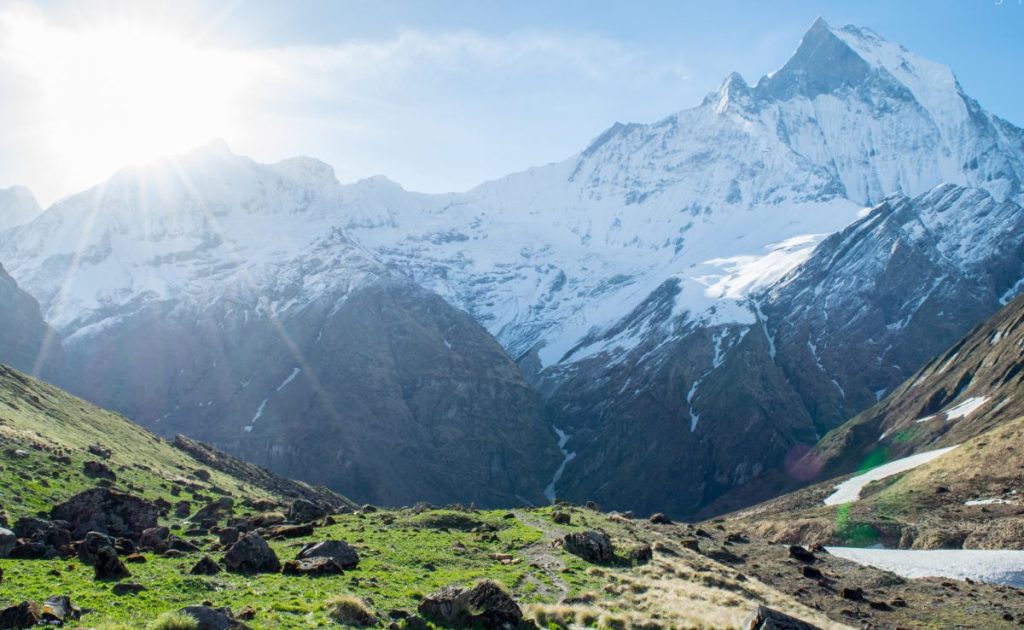
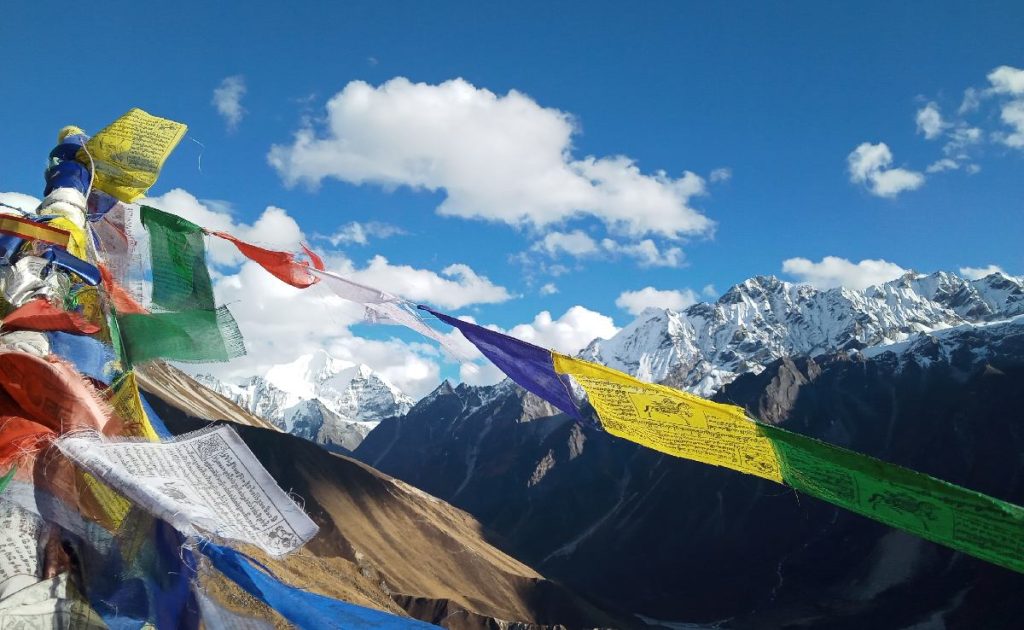
The Jomsom Muktinath motorcycle tour is a great way to visit some of the most famous villages in the Annapurna region and Lower Mustang region. The picturesque mountain scenery, ancient monasteries, caves, local culture, and ancient monasteries are sure to grab your attention on this trip.

The Jomsom Muktinath motorcycle tour offers you a great opportunity to experience rural Nepal and the beauty of the Nilgiris, Annapurna, and Dhaulagiri mountain ranges, as well as the Muktinath Temple.

The adventure of a motorcycle trip into Nepal’s real culture will be dreams come true for anyone who wants to experience the country’s spirituality, its natural beauty, and its adventure all at once.

The Himalayan Circuit Treks provides an excellent opportunity to explore Buddhist monasteries, cultural attractions, and mountain scenery while riding a motorcycle through Mustang and Jomsom villages.

Jomsom Muktinath Motorbike Tour Highlights

  • The trip begins in the magnificent city of Pokhara, surrounded by forested terrain, lakes, and mountains.
  • A Jomsom Muktinath ride takes you through wonderful Himalayan scenery, ancient monasteries, and culturally rich places. 
  • Muktinath is a Hindu and Buddhist shrine and is one of the Shakti Peeth temples.

The Route:

Jomsom Muktinath motorcycle tour is more than a tour; it is an odyssey through some of the world’s most dangerous landscapes. The journey is an adventure with a lifetime of memories and the opportunity to immerse yourself in Nepal’s rich culture.

From challenging trails to a spiritual experience at Muktinath Temple, you will experience a roller coaster of emotions during this 240 km journey through the Himalayas.

  • Pokhara to Beni:

The adventure begins in the picturesque city of Pokhara, known for its tranquil lakes and breathtaking mountain views. From here, you will begin your ride to Beni at the confluence of Kali Gandaki and Myagdi rivers. The trip will introduce you to Nepal’s rich rural life as you begin your ride.

  • Beni to Jomsom:

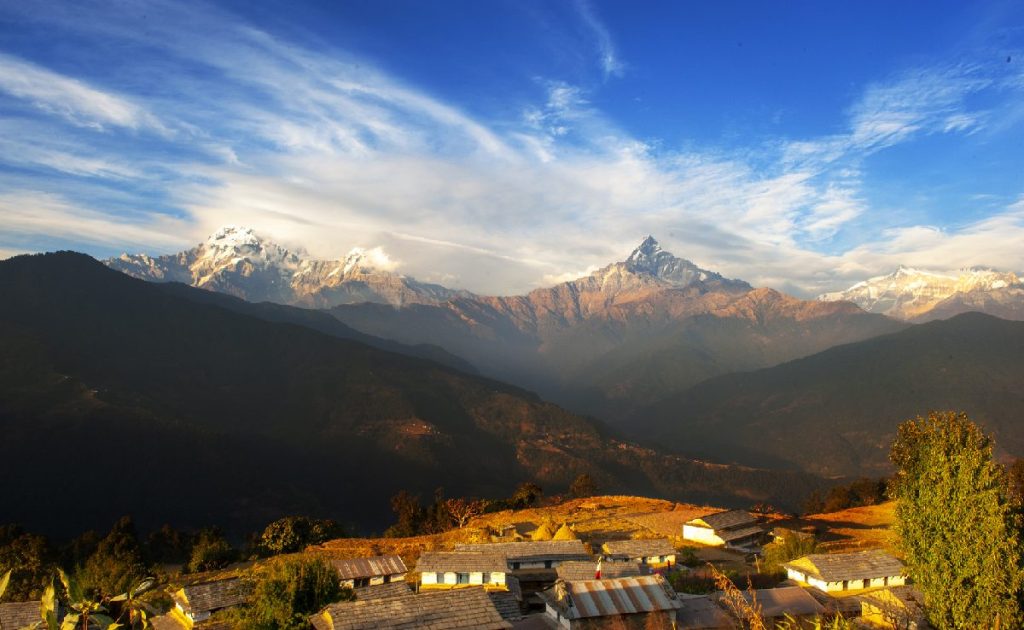
The road from Beni to Jomsom passes through the fascinating Kali Gandaki Valley, the deep Gorge formed by the Kali Gandaki River. As you climb you will see the dramatic change in scenery from lush vegetation to dry land. The view of the Nilgiri Himal and Dhaulagiri range is nothing short of spectacular.

  • Jomsom to Muktinath:

Jomsom is your next stop, a major city in the Mustang district where you will find a unique blend of Tibetan and Nepalese culture. From Jomsom, a steep and steep road leads to Muktinath, a holy place for Hindus and Buddhists.

The sacred Muktinath Temple is located at 3,710 meters above sea level, at the foot of the Thorong-La Pass, on the route of famous treks like the Annapurna circuit trek and Jomsom to Muktinath trek.

  • Muktinath to Marpha:

The journey continues from Muktinath to Marfa, a beautiful village surrounded by apple orchards. During your journey, you will have the opportunity to see beautiful views of the Mustang region, which is home to ancient monasteries. 

The Marpha Hill is located at an altitude of 4360 meters and is an excellent place for viewing Muktinath and the other villages in Dhaulagiri, the gateway to Hidden Valley, and Mt. Nilgiri (7160 meters), Yak Kawa (6482 meters), Mesokanto La (pass to Tilicho Lake, the world’s highest lake) and Tilicho Peak (7139 meters).

  • Marpha to Tatopani:

As you descend further, you will reach Tatopani, which has natural hot springs. Taking a dip in these reviving waters is a must after a day of exhilarating riding.  Traditionally, it is believed to cure many skin allergies because of its minerals. A breathtaking view awaits you as you travel through thick forests and cascading waterfalls.

  • Tatopani to Pokhara:

As you ride back to Pokhara, the great bike ride comes to an end. On the way back to Pokhara, you will get a chance to see the landscape you’ve traveled and reminisce about your incredible experiences along the way.

If you are a motorcycle enthusiast with a thirst for adventure, this adventure should be at the top of your bucket list. A Himalayan trek is an unforgettable experience for its natural beauty and spirituality. 

So, get ready for the Jomsom Muktinath Motorbike Tour with Himalayan Circuit Treks for an adventure that will be etched in your memory for the rest of your life.

Festivals & Culture: Maghe Sankranti Festival Celebration Guide

Maghe Sankranti festival, also known as Makar Sankranti festival, marks the beginning of the auspicious month of Magh in Nepal.  This festival honors the messenger of light, the sun, and marks the beginning of the spring season.

To fulfill their spiritual needs, people bathe in rivers like the Bagmati, Devghat, Dolalghat, Baraha Kshetra, Ridi (Kaligandaki River), Trivenighat, and others during this festival.

Families spend time together during this festival, soaking in the sun and pampering their bodies with food and oil massages – ensuring that they are well-fed and nourished during the winter months.

Maghe Sankranti is celebrated differently by different communities. For some, it marks the beginning of the New Year, while for others; it is the biggest festival of the year.

Religious importance of Maghe Sankranti festival:

It is stated in the Mahabharata that Bhisma Pitamaha, who held immense power and had control over his own death, died on this date. So, people who die on this day are considered to be liberated from the cycle of birth and rebirth. 

Ayurveda and medical science are also important aspects of Maghe Sankranti festival. The food items consumed on this day are balanced foods that strengthen the human immune system.

Weather during Maghe Sankranti while visiting Nepal:

This festival marks the end of the cold month of Poush (December) and the beginning of warmer days. On this day, the sun is supposed to start moving toward the northern hemisphere. 

During Maghe Sankranti, the skies are exceptionally clear, providing warmth to the entire nation. This is a good month for walking and hiking because visibility is good, and rain is less likely than in other seasons.

Caste who celebrate Maghe Sankranti with importance:

  • Hindu Community:

Hindu devotees take holy baths in Nepal’s auspicious rivers during the Maghe Sankranti festival. Also, they worship Lord Vishnu and perform pujas, as well as read the Hindu epic Bhagavad Gita.

Traditionally, families gather and eat meals together on this day. Brahmins and Chhetris celebrate the Maghe Sankranti festival in Nepal by inviting their married daughters and close relatives and offer them special meals.

  • Newar Community:

Maghe Sankranti festival is known as ‘Ghyo Chaku Sanhu’ by the Newar community, and it consists of ghyo (ghee), chaku with samay baji, and remembering the deceased. 

It is believed that taking a holy dip and eating vegetables, yam, sesame seed candy, and ghee on this day makes one healthier, and doing charity makes one happy. Similarly, Mild-hot edible oil is applied to the heads of juniors on this day.

  • Tharu Community: 

The Maghe Sankranti festival is one of the biggest festivals in the Tharu community, and it is also celebrated as New Year in Kailali, Kanchanpur, Banke, Bardiya, and Dang. 

Also known as the Harvest festival of Tharus and Terai, Maghi is celebrated as a joyful time following the hard work of fieldwork. 

During the festival, they perform cultural dances; wear the traditional Tharu clothes, and share food and drinks with family and friends.

  • Buddhist:

Buddhism also considers Maghe Sankranti festival to be important in some way. The Shyakas and Bajracharyas participate in a donating event known as samyak dan on this auspicious day, which typically takes place at Na: pukhu of Bhaktapur. 

  • Kirat Community:

The Maghe Sankranti festival day is celebrated by the Kirat community as ‘Yele Dhung’, which means New Year in Kirat. This day celebrates the invasion of the Kathmandu valley by the Kirant king Yalambar.

Feasts during Maghe Sankranti:

Molasses, ghee, sweet potatoes, cassava, etc, are among the major delicacies prepared during Maghe Sankranti festival in Nepal. The feasts are organized differently by different communities based on their cultures and traditions.

It is believed that the consumption of these foods, i.e. Gheu Chakku, Tilko Laddoo, Spinich, and yam during the cold weather will help us become healthier and warmer.

Places where you can visit during Maghe Sankranti:

  • You can visit Tundikhel in Kathmandu, where people organize various cultural events. 
  • You can visit rivers (such as the Triveni, Bagmati, Mahakali, etc.) that hold religious significance. 
  • You can participate in the bullfighting festival in Nuwakot, where tamed bulls compete against one another under the eyes of many spectators. 
  • Take part in some feasts on the streets of Kathmandu. 
  • Attend a local Tharu feast in Chitwan and take a holy dip in Devghat. 

The festival of Maghe Sankranti is celebrated by wishing a healthy, prosperous future to everyone through various enchantments and religious recitations. 

Get a taste of Nepal’s most exciting and frenetic festival by booking your trip with the Himalayan Circuit.

Everest Region: Tea House and Lodge Stays Across the Everest Region

The trek to Everest Base Camp (EBC) is a once-in-a-lifetime adventure, and the Tea Houses along the way provide a memorable experience. Often run by Sherpa families, the rustic yet charming accommodations add to the trek’s authenticity with a “pay as you stay” style. 

Treks to Everest Base Camp along with a teahouse stay have become synonymous with Everest Base Camp trek. A teahouse is generally a stopover where trekkers get food, stay overnight, and use other services.

The Nepalese Himalayas Teahouses provide a comfortable yet humble approach to trekking in the Everest Base Camp Trek.  Also, it gives you a chance to meet other trekkers and see a typical Nepal that you wouldn’t see camping alone.

The Himalayan Circuit Treks highly recommend teahouse trekking since you will have the opportunity to meet and speak with the local people, who are very hospitable, kind, and accommodating.

What to expect in Tea House Lodge Accommodations in Everest:

  • The quality, services, and facilities of tea houses can vary depending on their elevation. The tea houses at lower elevations offer more amenities than those at higher elevations. 
  • A twin-room accommodation is available at almost all tea houses on the Everest Base Camp Trek, and there is also the possibility of getting a single room during off-trekking seasons, but you have to share it with fellow trekkers during peak seasons.
  • You can expect a pillow, bedsheet, coverlet, or duvet in the bedroom, but there is no heating system in the rooms, so if you want an extra blanket or duvet, you can get it on request. 
  • On Everest Base Camp Trek Trails, tea houses offer a variety of hygienic and nutritious cuisine including typical Nepali dishes like Dal, bhat, tarkari, as well as momo, noodles, potatoes, soup, pizza, meat, etc. As Lukla and Namche are the tourist hubs of this region, the tea houses at Lukla and Namche include many international and national 5-star hotels’ menus.
  • The Everest Region offers cold showers for free, and many tea houses offer hot showers using gas geysers or solar geysers. There are tea houses that also provide hot bucket water, but for the hot shower, you have to pay extra.
  • Internet access is available in most tea houses on Everest Base Camp Trek, but Wi-Fi hot spots require extra charges. Internet connectivity at Lukla and Namche bazaar is surprisingly strong; however, at higher elevations, it will be weak.
  • Many tea houses along the Everest Base Camp Trekking Trails have good facilities for toilets and bathrooms. While lower-elevation tea houses have modern flush toilets, higher elevation tea houses have manual flush toilets, and some even have traditional squat toilets outside in the middle of the night. 
  • You can book Tea House Lodge Accommodations in Everest on-site or through a travel agency. Book your Tea House Lodge Accommodations through a reputed travel agency who will assist you in arranging this as part of their trekking packages.

Tea House Lodge Accommodation in Everest:

  • Lukla:

The trek to Everest begins and ends in Lukla, which is also known as the gateway to the Everest region. Since the trail from Lukla to Phakding is only 3-4 hours long, trekkers usually do not accommodate in Lukla on the first day. Instead, they go to Phakding for an overnight stay. 

The teahouses in Lukla offer standard, comfortable, clean rooms and you can order from a menu of your choice, except for alcoholic beverages. There are several teahouses in Lukla, including Sunny Garden Hotel, Nest Teahouse, Khumbu Resort, and Buddha Lodge.

  • Phakding:

After arriving at Lukla, you will begin trekking to Phakding and stay in well-managed teahouses in Phakding standard where you can get reasonable accommodations. The Tea House Lodges in Phakding offer a wide range of accommodations, from luxury lodges to backpacker teahouses.

A variety of accommodations are available at the hotel, including rooms at a moderate price, as well as rooms with nice furnishings, as well as luxury accommodations. Phakding has several teahouses, including Hotel Snowland, Kala Patthar Lodge, Hotel Beer Garden, and Hotel Mountain.

  • Namche Bazaar:

A major sherpa town in the Khumbu region, Namche is known for its high-quality lodges, affordable teahouses, markets, restaurants, cafes, museums, and other attractions. A few days are recommended here to help you acclimatize before you continue your trek.

Your teahouse or lodge will provide all essential amenities and provide you with a menu of your choice. Several teahouses are available in Namche, including the Hilton Hotel, the Sherpaland Hotel, the Green Tara Hotel, and the Namche Guest House.

  • Tengboche:

Tengboche is usually the next stop after Namche Bazaar, on the other side of Imja Khola. The village of Tengboche is situated on the slopes of Mt. Khumbila, one of Tibet’s most sacred mountains. 

The region is home to some of the most renowned monasteries in Khumbu. While staying in the local lodges, you can attend the morning prayers at Tengboche monastery, where you will feel a sense of peace and new vibrations.

Tengboche’s typical tea houses and lodging accommodations are simple stone and wood structures with a kitchen, dining hall, and bathroom.  Tengboche’s most popular teahouses are Himalayan, Tengboche Guest House, and Hotel Tashi Delek.

Dingboche:

Dingboche is a remote area with only a few teahouses for trekkers to stay in at an elevation of 4400m above sea level. There aren’t many single rooms available here, but there are still a few teahouses with attached bathrooms.

Solo travelers who are traveling during peak trekking season are unlikely to get accommodation unless they reserve their rooms early. Many trekkers spend an extra night in Dingboche in order to further acclimatize.

Dingboche teahouses or lodges typically have a kitchen, a dining room, and a bathroom. Hotel Good Luck, Hotel Yak, Hotel Valley View, and Hotel Summit are the most popular Tea House Lodge Accommodations.

  • Lobuche:

A bustling place during peak seasons, Lobuche is home to hundreds of trekkers, porters, and Sherpas. Lobuche has a lot of primitive lodging accommodations, and the number of options and quality decrease as you go higher. 

Lobuche’s teahouses are generally stone huts with shared bunks although a few modern lodges have opened in recent years. In comparison to teahouses at lower latitudes, the amenities and room facilities are obviously inferior. 


There are now shared bathrooms, squatty toilets, a dining hall with a fireplace, and charging ports in the teahouses as well. The most popular teahouses in Lobuche include Hotel Mother Earth, Himalayan Eco Lodge, New EBC Guest House, and Oxygen Home.

Gorekshep:

A trek to Everest Base Camp requires more than 5180 meters of elevation, and Gorekshep is the last Tea House Lodge accommodation location. Only a few teahouses are found here, and most of them are crowded during peak seasons. 

Despite the simple and basic nature of teahouses, there are only one or two standard teahouses at Gokyo, with or without attached bathrooms. Gorekshep has several popular lodges and teahouses, including Yeti Resort, Snowland Highest Inn, Everest Inn, Himalayan Lodge, and Buddha Lodge.

A  trek to Everest Base Camp offers you a variety of accommodation facilities according to the elevation and location. You can book your Everest Base Camp trek with Himalayan Circuit Treks for the best teahouse lodge accommodation in Everest in advance.

Everest Region: Pikey Peak Trek with Stunning Everest Views

If you’re looking for an exciting yet peaceful trekking experience in the Everest region of Nepal, the Pikey Peak Trek is a fantastic option. This 10-day trek offers incredible views of Mount EverestLhotse, and Makalu, all while taking you through the quieter, lesser-known parts of the Solu region. Perfect for those who want to escape the crowds but still experience the beauty of the Himalayas.

At Himalayan Circuit, we offer a guided Pikey Peak trek that combines adventure, culture, and breathtaking scenery. Whether you’re a seasoned trekker or a beginner, this trek provides the perfect balance of challenge and reward.

Why Choose the Pikey Peak Trek?

  1. Unforgettable Views of Mount Everest and the Himalayas

One of the biggest highlights of the Pikey Peak Trek is the stunning panoramic view from the summit. Standing at 4,065 metersPikey Peak offers a clear view of Mount EverestLhotseMakalu, and other towering peaks in the Everest region. The sunrise from the peak is especially spectacular, with the golden light illuminating the majestic snow-capped mountains.

  1. Off-the-Beaten-Path Trekking Experience

Unlike popular treks like the Everest Base Camp trek, the Pikey Peak Trek takes you through less crowded routes. This means you can enjoy a more peaceful and serene trekking experience, free from the hustle and bustle of the main tourist trails. You’ll trek through remote villages, dense forests, and alpine meadows, all while soaking in the natural beauty of the Khumbu region.

  1. Immerse Yourself in Sherpa Culture

On the Pikey Peak trek, you’ll have the chance to learn about the rich culture and traditions of the Sherpa people. Along the way, you’ll visit Buddhist monasteries, interact with locals, and explore charming Sherpa villages like Junbesi and Bhandar. This is a great opportunity to understand the unique way of life in the Himalayas.

  1. Moderate Difficulty for All Skill Levels

The Pikey Peak Trek is considered a moderate trek, making it suitable for most trekkers with average fitness levels. While it involves uphill climbs and some physical effort, the pace is gradual, allowing plenty of time for acclimatization. Whether you’re a beginner or an experienced trekker, this trek offers a manageable challenge with great rewards.

  1. A Perfect Trek for Nature Lovers and Photographers

The trek takes you through lush forestspicturesque villages, and mountain ridges, all offering stunning views of the surrounding landscape. Whether you’re an avid photographer or simply someone who loves nature, the Pikey Peak Trek is perfect for capturing the beauty of the Himalayas.

What to Expect on the Pikey Peak Trek

Altitude and Acclimatization

The highest point of the trek is Pikey Peak at 4,065 meters. The trek’s gradual ascent helps with altitude acclimatization, reducing the risk of altitude sickness. You’ll have plenty of opportunities to rest and adjust before reaching the summit, ensuring a safe and comfortable trekking experience.

Accommodation on the Trek

Throughout the Pikey Peak Trek, you will stay in local teahouses and lodges, which offer a comfortable and authentic experience. These teahouses are run by local families, where you can enjoy homemade food and connect with the community.

Local Cuisine

The trek offers a chance to try traditional Nepali dishes, such as dal bhat (lentils and rice), momos (dumplings), and Tibetan bread. These meals provide the energy you need to continue trekking each day and help you experience local flavors.

Best Time to Trek Pikey Peak

The best times to do the Pikey Peak Trek are during the spring (March to May) and autumn (September to November). During these seasons, the weather is clear, temperatures are moderate, and you’ll get the best views of the surrounding peaks.

  • Spring (March to May): Mild temperatures, clear skies, and great visibility of the mountains.
  • Autumn (September to November): Ideal weather for trekking with stable conditions and great mountain views.

Packing for the Pikey Peak Trek

To make your trek comfortable, it’s essential to pack the right gear. Here’s what to bring:

  • Warm layers for chilly mornings and evenings.
  • Good trekking boots for comfortable walking on mountain trails.
  • Rain gear in case of unexpected showers.
  • Sun protection (sunscreen, hat, and sunglasses).
  • A quality sleeping bag for chilly nights in the teahouses.
  • Trekking poles to assist with balance during steep climbs.

Why Book Your Pikey Peak Trek with Himalayan Circuit?

At Himalayan Circuit, we provide an expertly guided trekking experience. Our experienced guides are locals who know the region well and will ensure that your trek is safe, enjoyable, and culturally enriching. We take care of all logistics, including permits, accommodation, and meals, so you can focus on enjoying your adventure.

Book Your Pikey Peak Trek Today: 

The Pikey Peak Trek is a perfect choice for those looking to experience the beauty of the Everest region without the crowds. With stunning views, rich Sherpa culture, and a moderate level of difficulty, this trek offers something for everyone. Whether you’re a nature lover, a photographer, or simply looking for an unforgettable adventure, the Pikey Peak Trek is sure to leave you with lasting memories.

Book your Pikey Peak Trek with Himalayan Circuit today, and start planning your dream trek in the heart of the Himalayas.

Luxury Travel: Plan Your Adventure Honeymoon in the Himalayas

There is a famous quote that states, “Couples who travel together grow together“. Honeymoons provide couples with an opportunity to get to know one another, love one another, and understand one another. Make the most of this opportunity by booking your adventure honeymoon trip to Nepal. 

The honeymoon in Nepal can be special and memorable if you are the type of couple who craves a little excitement and adventure in addition to chilled champagne and rose petals-adorned beds. 

Nepal is the perfect destination for newlywed couples to make their special days forever imprinted in their minds. Himalayan Circuit offers honeymoon tours that are suitable for newlyweds who are looking for adventurous activities and mind-blowing locations.

You can participate in skydiving, paragliding, and many other activities, all of which make your honeymoon in Nepal unforgettable.

Best adventure activities for Couples:

During the honeymoon trip, some couples seek thrills in what they do together, while others prefer chill romantic evenings. Regardless of what interests you, it’s worth planning a trip to places or doing things that may fulfill your urges.

The following are some of the best adventure activities that a couple should try while in Nepal:

  • Helicopter Ride to Everest:

Adventurers and trekkers will find Everest to be filled with adventure, as well as those seeking romance and romance-seekers. A helicopter ride to the top of Everest while on vacation in Nepal is a unique adventure you should check out if you want to explore something different.

It’s the excitement, thrill, and togetherness that make this trip so romantic, and posing side-by-side at the top of the world’s highest mountain, Everest, and other peaks will be something to enjoy and remember for years.

  • Paragliding in Sarangkot:

Paragliding will be a piece of cake for adventure junkies on their Nepal honeymoon. Experience the bird’s eye view of the valley filled with blue lakes, surrounded by lush green hills and mountains, during this massive quest in Sarangkot, one of the most beautiful places in the country.

Relish every moment while flying with your pilots. Sarangkot is the most popular place to try paragliding, but there are other places close to the capital, like Godavari and Phulchowki, where you can try this adventurous activity. Live the best time of your life while enjoying the amusement and scenery.

  • Sky Diving in the Everest:

Are you a pair of risk-takers who enjoy something that’s a little risky? Wouldn’t it be fun to skydive on your honeymoon? A lifetime of memories and accomplishments await you once you free-fall and experience the adrenaline rush and eye-catching views of Everest.

This trip will take you to the top of the world, which will be enchanting, empowering, and enlightening. There are many people who dream of skydiving off Mount Everest in Nepal, and it’s one of the world’s most exclusive adventures. 

  • Sunrise Viewing:

You feel instantly relaxed when you see a sunrise in the natural world. It’s one of the most fulfilling experiences in life to get up early and catch the first glimpse of the sunrise, no matter how much you hate waking up in the morning.

What makes sunrise in Nepal so special during a honeymoon? Watching the golden orange sun rays hit the white snow-clad Himalayan peaks on a warm summer night with your lover could be the ultimate romantic experience. 

Sarangkot is one of the most popular places where many people choose to witness sunrise along with great mountain views, like Nagarkot, Daman, Poonhill, Kala Patthar, Gokyo Ri and Antu Danda, among others. 

  • Trekking

Nepal is home to the eight tallest mountains in the world, making it sure to be on every adventurer’s bucket list. Nepal is the only country that can provide trekking for those couples who are looking for solace in the Himalayas. 

Nepal’s Himalayas offer some of the most breathtaking trekking trails in the world, including Everest Base Camp, Annapurna Circuit, Poon Hill, and Langtang. The glorious splendor of the Himalayan ranges will just blow you away.

  • Luxury Trekking to Everest

A honeymoon trip to Nepal wouldn’t be complete without an Everest Luxury Trek. What makes it luxurious? High-quality accommodations, magnificent views, and the Sherpa culture all contribute to making this trek luxurious.

Aside from the breathtaking views of various 8000m peaks visible throughout the region, your honeymoon will be made unforgettable by boutique chain hotels like the Yeti Mountain Home and Everest Summit Lodge.

The Himalayan Circuit offers a variety of adventure activities in the Himalayas, such as trekking, a helicopter trip to Everest, paragliding in Sarangkot, sky diving in the Everest, sunrise viewing in the Himalayas, and luxury trekking to Everest to make your Honeymoon memorable in your lifetime. 

Luxury Travel: Top 5 Luxury Stays to Experience in Lumbini

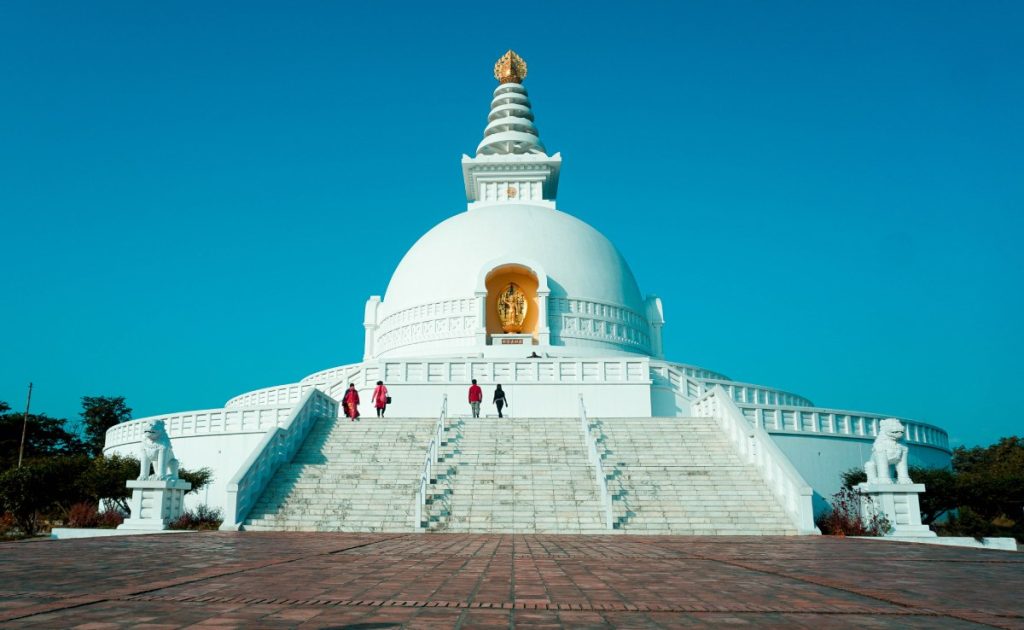
Lumbini is a Buddhist pilgrimage site of great significance for Buddhists all over the world located in the Kapilvastu district. Spiritual seekers and historians visit this sacred destination to gain insight into history and gain historical knowledge.

Currently, Lumbini is home to more than twenty-five monasteries and centers for Buddhist meditation. Furthermore, Lumbini has been the site of various carved monasteries built by different countries. Among them are Japan, China, Myanmar, Sri Lanka, and Germany. 

The accommodations in Lumbini are relatively basic and simple, however you can still get a comfortable stay at hotels, resorts, and villas. Almost all hotels are within walking distance of the main attractions.

When visiting Lumbini, you’ll want to stay somewhere that’s comfortable, convenient, and offers a serene atmosphere. Himalayan Circuit Treks presents the best five accommodations in Lumbini, offering a perfect blend of tranquility and cultural immersion.

The following are 5 of the best accommodations in Lumbini:

  • Lumbini Buddha Garden:

Lumbini Buddha Garden is a peaceful and tranquil hotel located on the Telar River, Parsa Chauraha in Rummindei, 1.4 km from Lumbini. The semi-natural garden provides a haven of tranquility that acts as a spiritual ‘buffer zone’ away from the outside world. 

Located in a natural environment, Lumbini Buddha Garden Resort gives you a sense of harmony with nature. The Garden is located near Lumbini Grove, the birthplace of Buddha. Here, you can learn about Buddhism and meditate in a peaceful environment.

There is a tour desk at the hotel that can assist you with sightseeing arrangements, car rental , and currency exchange arrangements.  Based on the level of service provided, the resort could possibly be classified as a budget hotel in Lumbini.

  • Siddhartha Lumbini Green Resort:

Siddhartha Lumbini Green Resort is located in Bhagwanpur and features an outdoor swimming pool, a garden, a terrace, a restaurant that offers room service, and a water park. Additionally, the resort offers a leisure center and a spa. 

Siddhartha Lumbini Green Resort offers a range of accommodations, including rooms with balconies, air conditioning, safety deposit boxes, and flat-screen TVs. Some of the rooms have a balcony, and some of the rooms have a balcony attached to the hotel.

You can take advantage of free WiFi and the 24-hour front desk at the resort. A nearby airport is Gautam Buddha International Airport, 68 kilometers from Siddhartha Lumbini Green Resort.  

  • Tiger Palace Resort

Tiger Palace Resort is a luxury retreat located in Bhairahawa that is 27 km from Maya Devi Temple, offering luxurious accommodations, superb leisure facilities, and excellent dining options, making it ideal for weddings, conferences, and vacations. 

The resort provides a sophisticated and thrilling getaway that is easily accessible from Kathmandu or India. The resort features air-conditioned rooms with a desk, a kettle, a fridge, a minibar, a safety deposit box, a flat-screen television, and a shared bathroom.

Restaurants at Tiger Palace Resort serve American, Chinese, and Indian cuisine, as well as provide vegan, dairy-free, and halal options. A terrace is provided in the hotel accommodation, and you can also play table tennis at Tiger Palace Resort, and cycling is popular in the area.

  • Hotel Nirvana Luxury International

Hotel Nirvana located 2 km from Bhairahawa Airport, 4 km from the Sunauli border (Nepal-India Border) & 22 km from Lumbini Sacred Garden is a perfect place for people to come and spend time, discover the grandeur of Lord Buddha’s birthplace, the ancient heritage, in a modern, comfortable hotel.

With its reputation for providing uncompromising service to its guests, Nirvana Hotel has been able to promote itself through word-of-mouth instead of relying on outside promotion. An intertwinement of tradition and modernity, Hotel Nirvana offers all the modern amenities yet offers traditional hospitality in a contemporary setting.

You can visit the Maya Devi Temple within 15 minutes of Hotel Nirvana Luxury International. You can enjoy recreation amenities such as a fitness center, garden view, wireless Internet access, concierge services, gift shops, and newsstands, and eat at the restaurant or order room service (limited hours).

  • Pawan Palace by Pawan Group of Hotels

With its seasonal outdoor pool, free parking, garden, and restaurant, Pawan Palace by Pawan Group of Hotels is located 3.1 km from Lumbini Museum. A 24-hour front desk, room service, airport transfers, and car rental are provided by this 5-star hotel.

This hotel is conveniently located near Lumbini Development Trust, offering easy access to attractions and restaurants. The hotel also provides an array of amenities in order to make your stay as enjoyable and comfortable as possible.

The hotel offers air conditioning, a seating area, a flat-screen TV with satellite channels, a safety deposit box, and a private bathroom with a bidet, free toiletries, and a hair dryer. There are a la carte, buffet, and continental breakfast options available every day.

Lumbini attracts tourists from all over the world to observe the birthplace of Gautam Buddha, and the accommodations listed above cater to their various needs and preferences. 

There is no better way to experience tranquility, cultural immersion, or modern amenities than at these accommodations, which offer a perfect blend of comfort and spirituality. 

Plan your trip to Lumbini and experience a tranquil experience with a Himalayan Circuit Trek that will inspire and rejuvenate you with each step of your trek.

Wildlife & Nature: Memorable Bird Watching Experiences in Nepal

The bird-watching tour in Nepal is a great way to relax and enjoy nature, as well as the opportunity to see different birds from your naked eye or with the help of modern equipment such as binoculars and telescopes.

A wide variety of bird species can be observed throughout Nepal, from the sweltering plains of Koshi Tappu, Chitwan, and Bardiya to the mountainous regions of Everest and Annapurna.

The bird-watching tour gives you the chance to see wild animals and explore the local culture and traditions, as well as explore rare bird species and explore some of the famous national parks.

Tour Highlight:

  • Enjoy bird watching around Kathmandu city.
  • Enjoy bird watching in Chitwan National Park, Shuklaphanta National Park and Bardiya National Park.
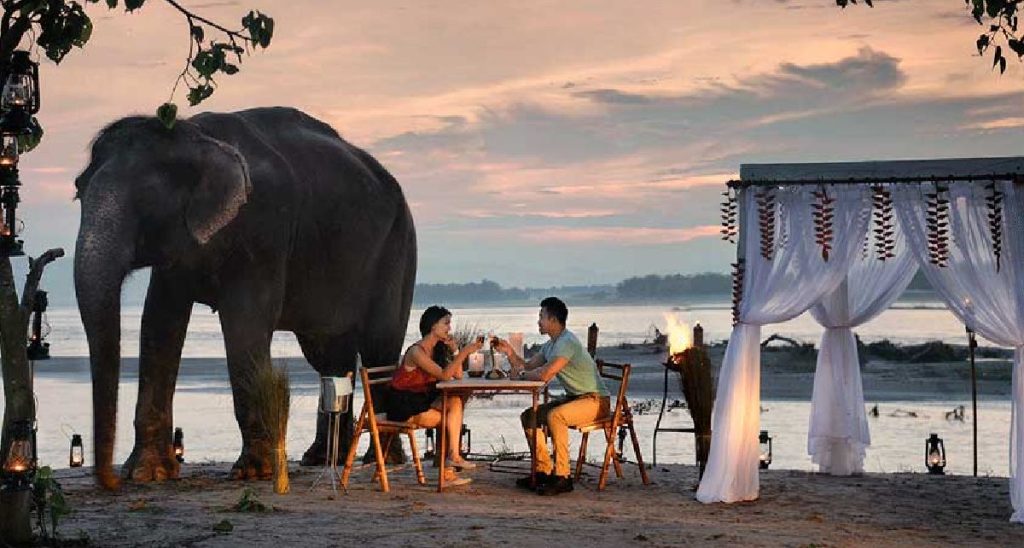
  • Enjoy jungle adventures such as elephant rides, canoe rides, and jungle hikes.
  • Spectacular bird watching in Koshi Tappu Wildlife Reserve.
  • Walking through the village and jungle.
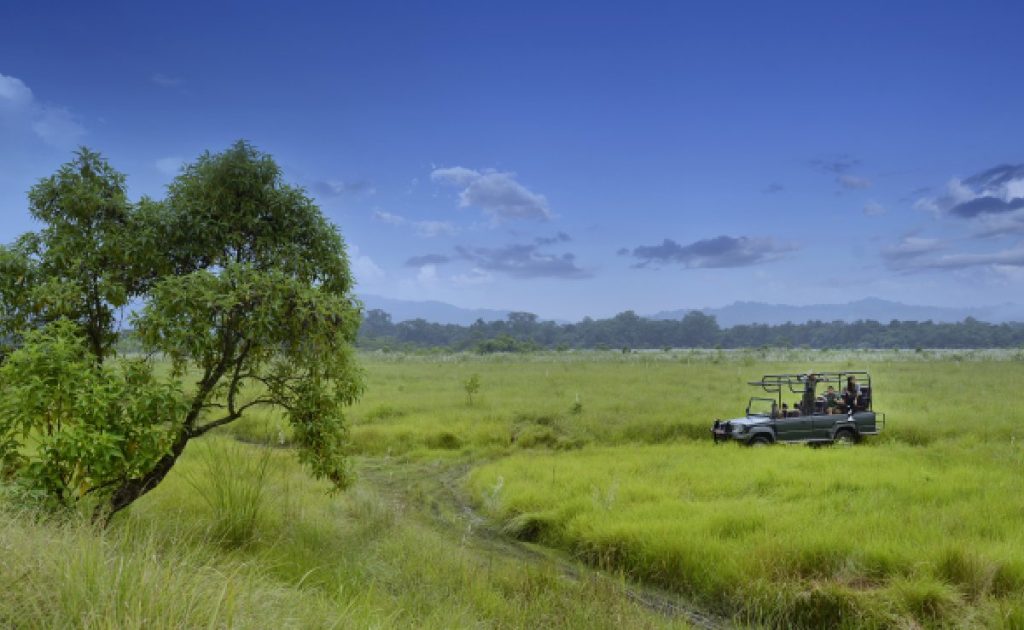
  • Wilderness jeep safari within the national park.
  • Take a walk through marshes, discover island sandbanks, and explore the inaccessible sandbanks.
  • Enjoy and capture the beautiful flora and fauna.

The Himalayan Circuit Treks presents you some of the best bird watching destinations in Nepal:

  • Around Kathmandu Valley:

The Kathmandu Valley is home to 500 species of birds, which can be spotted in areas like Shivapuri, Nargarjun, Pulchoki, Raniban, Chobhar, Taudaha, Nagdaha, and Manohara. 

The bird-watching experience in Kathmandu is wonderful, as hiking enthusiasts and adventure seekers can also be entertained, and bird watching allows you to see incredible scenery, including mountain views, wildlife exploration, interactions with local communities, and cultural and traditional experiences.

You can observe a variety of birds in the Kathmandu Valley, including raptors, pochards, common pochards, Herons, Kingfishers, Ibisbill, mallards, northern pintails, ferruginous gadwalls, northern shovelers, and many more.

  • Shivapuri National Park:

Known as Nepal’s biodiversity hot spot, Shivapuri National Park has 318 species of birds, making it an excellent place for bird watching.  You can easily spend a whole day or most of the morning in the park enjoying natural forest and birds that make the park very lively.  

Among the birds you can see in the park are Long-tailed Mountain Thrush, Northern Eagle Owl, White-rumped Vulture, Maroon Oriole, Large Hawk-Cuckoo, Red-billed Blue Magpie, Hodgeson’s Bush, Chestnut-headed Bee-Eater, Black Eagle and many more.

  • Chitwan National Park:

The Chitwan National Park is a birdwatchers’ paradise, home to many resident and migrant bird species.  Known for extensive wildlife, the Chitwan Bird Watching Tour takes you to the wonderland situated in the Lower Region of Nepal called Chitwan which is home to massive 544 bird species. 

Chitwan National Park is one of the world’s best places to observe and study rare birds.  Among the birds you can see in the park are Ferruginous Pochards, Grey-headed and Lesser Fish Eagles, White-tailed Eagles, Great Hornbills, Black-bellied Terns, Pallid Harriers, Lager Falcons, Darters, and Painted and many more.

  • Koshi Tappu Wildlife Reserve:

A birding tour in the Koshi Tappu wildlife reserve in Nepal would be a great way to see some very interesting birds. This reserve with scrub grassland and deciduous riverine forest is home to more than 450 species of birds so far.

Among the birds you can see in the reserve are 20 species of duck, herons, Indian nightjar, dusky eagle owl, black-headed cuckoo shrike, white-tailed stonechat, and striated grassbird, Black Ibis, Honey Kites, Ospreys and many more.

  • Shuklaphanta National Park:

Get a glimpse of the rich and diverse flora and fauna of Suklaphanta National Park with the Himalayan Circuit Treks. The Shuklaphanta National Park, established in 1969, is located in the Kanchanpur district in the extreme southwest of the Terai. It covers an area of 305 square kilometers.

  • Bardiya National Park:

Visit densely wooded areas, lakes, and rivers near Badia National Park to spot birds and animals, spend an entire day in the jungle watching different kinds of birds.

Among the birds you can see in this park are Bengal florican, golden-headed cisticola, white-rumped vulture, jungle prinia, silver eared mesia, sarus crane, and many more

Spending a holiday in Nepal can be one of the best ways to enjoy your vacation and explore the mystical lands of Nepal where vibrant wildlife and ecosystem thrive immensely. 

Nepal is not only a country of majestic mountains but also a birdwatcher’s paradise. For those who enjoy the sounds of birds chirping in a green colossal forest as the background to their experiences, bird watching is one of the most popular wildlife experiences in Nepal. 

For those who enjoy the sounds of birds chirping in a green colossal forest as the background to their experiences, bird watching is one of the most popular wildlife experiences in Nepal.

Wildlife & Nature: National Parks for an Exciting Wildlife Safari

An exciting wildlife safari in Nepal offers beautiful scenery and a unique wildlife adventure experience for nature lovers, birdwatchers, and wilderness enthusiasts. You can enjoy a wildlife safari after trekking in Nepal and enjoy the surroundings of jungles, which is an excellent place to spend time with your family. 

A visit to Nepal, the Himalayan nation, will not only offer mountain trekking and white-water rafting trips, but also jungle safaris in magnificent national parks. The country is home to 14 national parks and wildlife reserves, many of which are tropical jungles teeming with exotic birds and diverse wildlife.

Taking a wildlife safari in Nepal gives you the chance to see the rarest and most endangered wildlife on the planet.  A Jungle Safari tour in Nepal is best enjoyed between March and April, September, October, November, and December, making it the perfect adventure for travelers of all ages.

A number of national parks in Nepal provide fantastic opportunities for wildlife safaris where you can observe a wide array of flora and fauna in their natural habitats. A wildlife safari tour in Nepal can last from 2 days to 7 days, depending on the preferences and schedules of visitors.

Here is a list of Nepal’s most popular wildlife safaris:

  • Chitwan National Park:

Chitwan National Park is a UNESCO World Heritage Site established in 1973 and the most visited National Park for wildlife safari in Nepal.  The Chitwan National Park is mostly covered by tropical and subtropical moist deciduous forests including grasslands, riverine forests, and sal forests. 

The Chitwan National Park is a protected jungle area full of wildlife, including the iconic Royal Bengal Tiger, one-horned rhinoceros, Asian elephants, and a variety of birds. 

You can enjoy jungle safaris, elephant rides, and nature walks at Chitwan National Park as well as bird watching, canoeing, and viewing wildlife such as tigers, rhinoceroses, and elephants.

You can stay at hotels such as Meghauli Serai (Taj Safari), Tigerland Safari Resort, Barahi Jungle Lodge and Green Mansions Jungle Resort around Chitwan National Park. 

  • Bardia National Park:

Located in Nepal’s far-western region, the Bardia National Park is renowned for its rich floral diversity and is a hidden gem for wildlife lovers. This park established in 1988 is an excellent place to observe Bengal tigers, elephants, leopards, and even the endangered Gangetic dolphin.

The park offers Jeep safaris, boating, and rafting, bird watching, overnight camping, and treehouses for those who want to explore the park’s diverse habitats, such as salt forests and grasslands. Additionally, Bardia offers the chance to explore traditional villages and experience Tharu culture.

The majority of Bardia National Park is covered by subtropical moist deciduous forests and riverine forests. You can stay at hotels such as Tiger Tops Karnali Lodge, Bardia Jungle Cottage, Rhino Lodge & Hotel Bardia, Nepal Wildlife Resort, and Bardia Adventure Resort around Bardiya National Park.

  • Koshi Tappu Wildlife Reserve:

Koshi Tappu Wildlife Reserve established in 1976 is regarded as a birdwatcher’s paradise.  Known to be home to over 485 species of birds, including migratory birds and endangered species, Koshi Tappu offers a unique opportunity to experience Nepal’s avian wonders. 

Koshi Tappu Wildlife Reserve consists primarily of wetlands, grassland, and riverine forest. The reserve offers boating and elephant and wild buffalo tracking, along with rafting on the Sapta Koshi River and dolphin watching along the Gangetic River.

Koshi Tappu Wildlife Reserve is primarily made up of wetlands, grasslands, and riverine forests. You can stay at hotels such as Koshi Tappu Wildlife Camp, Koshi Camp, and Koshi River Resort around Koshi Tappu Wildlife Reserve.

  • Sagarmatha National Park:

Sagarmatha National Park, founded in 1976, is known for its incredible views of Mount Everest, but it also is home to a variety of wildlife. There is a variety of wildlife in this national park in the Khumbu region of Nepal, such as Himalayan musk deer, snow leopards, and Himalayan tahr.

The park’s trails offer a great chance to spot elusive wildlife surrounded by stunning alpine scenery. Sagarmatha National Park includes forests of birch, rhododendron, and juniper trees, as well as subalpine and alpine vegetation.

Sagarmatha National Park is renowned for its Himalayan landscapes and Mount Everest, and offers trekking opportunities to see its unique mountain ecosystems. You can stay at hotels such as Yeti Mountain Home, Lukla, Hotel Everest View, Himalayan Lodge and Tashi Delek Lodge around Sagarmatha National Park.

  • Langtang National Park:

The Langtang National Park is Nepal’s first Himalayan national park established in 1976, and is the perfect place to experience a wildlife safari. The park is home to deer, monkeys, and the endangered red panda and Himalayan black bear.

Enjoy a trek through the Langtang Valley, surrounded by snow-capped peaks, and explore the park’s lush forests and alpine meadows. You can visit ancient monasteries along the way and experience the local Tamang culture.

There are various types of forests in Langtang National Park, including subtropical, temperate, and alpine forests, and common tree species include oak, maple, rhododendron, and pine.

Langtang National Park has diverse flora and fauna, as well as scenic landscapes and hiking trails for those who enjoy trekking and hiking. You can stay at hotels such as Langtang View Resort, Hotel Red Panda and Langtang Ri Hotel & Lodge around Langtang National Park.

  • Makalu Barun National Park:

The Makalu Barun National Park established in 1992 is an ideal choice for those who are looking for a wildlife safari that is truly remote and adventurous. Located in Eastern Nepal, this park is home to rare and elusive species like the red panda and clouded leopard.

The Makalu Barun National Park features diverse vegetation, including oaks, rhododendrons, firs, and junipers, as well as subtropical, temperate, and alpine forest types. Here you can enjoy the pristine beauty of the park, from towering peaks to dense rhododendron forests, as you trek through challenging terrain.

The Makalu Barun National Park offers a unique jungle experience with pristine wilderness, where you can hike through dense forests, catch sight of glacial lakes, and explore high-altitude meadows. 

You can stay at hotels such as Makalu Homestay, Sherpa Guide Lodge, and Makalu View Lodge around Langtang National Park.

There are diverse safari experiences to choose from in Nepal’s national parks and wildlife reserves, making it an ideal destination for wildlife enthusiasts of all ages. Every destination in Nepal gives a unique glimpse into the country’s rich biodiversity, from the dense jungles of Chitwan to the remote wilderness of Bardia.

With Himalayan Circuit Treks, you can experience exotic wildlife while also supporting conservation efforts and local communities. Get ready to explore Nepal’s wild wonders when you pack your binoculars, camera, and sense of adventure.

Wildlife & Nature: Explore Chitwan National Park, a UNESCO Site

The Chitwan National Park in Nepal’s southern belt offers a perfect balance between wildlife viewing and cultural exploration. It is a wonderful example of how nature provides a delicate balance between human interaction and the beauty of the natural world.

The Chitwan National Park is home to a wide range of activities, including elephant rides, jungle safaris, canoeing, elephant bathing, canoeing, jungle walks, elephant breeding centers, tharu cultural programs, watching the sunset from the riverbank, bird watching, etc. 

There is also a diverse range of vegetation in the park, including tropical and subtropical forests, grasslands, and freshwater wetlands. This park has over 500 species of birds, as well as a Bengal tiger, Asian elephant, leopard, sloth bear, and crocodile, among others.

Overview of Chitwan National Park

Located in Nepal’s Terai region, in the south-central part of the country, the Chitwan National Park has a total area of 932 square kilometers. Chitwan is a land with unique flora and fauna and has one of the last populations of single-horned Asiatic rhinoceros, as well as Bengal Tigers.

Besides the wildlife and ecosystem of Chitwan National Park, the Tharu people have lived there for centuries and have contributed greatly to the conservation of the park’s culture, customs, and way of life.

You can enjoy guided nature walks in the national park and learn about its plants and animals. The park also offers opportunities for you to experience the culture and traditions of the Tharu people by visiting their traditional villages and participating in cultural activities.

History of Chitwan National Park

The Chitwan National Park was established in 1973 as Nepal’s first national park. The park was created to protect wildlife and natural resources and to conduct research and conservation. 

The Chitwan National Park was designated a World Heritage Site by UNESCO in 1984 based on its ecological, cultural, and recreational importance. Additionally, the park is part of the Chitwan-Annapurna Landscape, which is vital to biodiversity conservation and sustainable development.

Things to do in this World Heritage Site

  • You can explore the park’s wildlife and diverse ecosystems on an elephant safari or in a jeep.
  • You will have a great time bird-watching in Chitwan as the park has over 500 different species of birds. 
  • See the wide variety of wildlife in the park, including tigers, rhinoceroses, crocodiles, birds, and mammals.
  • Take a drive through the park in a jeep for a different perspective.
  • Explore the Rapti River in a canoe or raft and see crocodiles and other aquatic creatures.
  • Discover Tharu culture and traditions by visiting nearby villages.
  • Visit the Elephant Breeding Center to observe baby elephants up close and learn about elephant conservation.
  • Explore the park’s diverse flora and fauna on a guided nature walk or hike. 
  • Swim with the elephants in Rapti River and get up close to these gentle giants.
  • Observe the Tharu stick dance and cultural show performed by the locals.

The significance of Chitwan National Park’s status as a UNESCO Natural Heritage Site:

  • A Sanctuary of Biodiversity

There is a wide variety of flora and fauna in Chitwan National Park. Its lush forests, grasslands, and wetlands are a haven for countless species, such as Bengal tigers, one-horned rhinoceros, Asian elephants, and a variety of birds. 

The park’s diversity can be attributed to several factors, such as intact ecosystems and its commitment to conservation efforts.

  • Successes in conservation:

The UNESCO status of Chitwan National Park honors its outstanding conservation achievements, which have been instrumental in saving endangered species, like the one-horned rhinoceros. 

This success story demonstrates how conservation initiatives can have a positive impact by restoring habitats, combating poaching, and engaging communities.

Cultural Heritage Preservation: 

The Chitwan National Park is famous for its biodiversity, but it is also home to indigenous communities, such as the Tharu. Tharu’s rich cultural heritage has been preserved through sustainable tourism practices and community involvement. 

Immerse yourself in the traditions of the Tharu people, witnessing their unique art, music, dance, and cuisine. Besides the natural heritage of Chitwan National Park, it also protects the cultural diversity of the country.

Ecotourism and Sustainable Practices:

The eco-friendly lodges and resorts within Chitwan National Park adhere to sustainable principles, including using renewable energy, managing waste, and supporting local communities. 

Following sustainable tourism practices will minimize your environmental impact while you experience Chitwan National Park’s wonders. 

With guided safaris, nature walks, and bird-watching tours, you can discover the park’s diverse flora and fauna while maintaining the ecosystem’s integrity.

A UNESCO Natural Heritage Site, Chitwan National Park is a testament to Nepal’s commitment to preserving its natural and cultural heritage, reflecting the country’s commitment to preserving its rich heritage. 

This park is a model for maintaining the delicate balance of humans and nature due to its thriving biodiversity, successful conservation efforts, sustainable tourism practices, and community involvement.

The Himalayan circuit offers the chance to make unforgettable memories while experiencing Chitwan’s wilderness serenity while traversing Nepal’s natural heritage.

Luxury Travel: Best Tea House Lodges for Your Annapurna Trip

The Annapurna Circuit Trek is one of the best treks in Nepal, with 5416 meters of altitude at the highest point of the trip. The teahouse lodge accommodations are basic but very clean and comfortable in Annapurna.

You will be able to see Himalayan fauna and flora, explore bamboo and rhododendron forests, and marvel at the panoramic views of the snowcapped mountains during the Annapurna Circuit Trek.

Consider yourself on your way to the sunset trek, and you need to find a safe place to lay your head before your next adventure. Wouldn’t it be great to stay at Base Camp Trek Accommodations and let your tiredness and worries slip away?

The Teahouse Lodge Accommodation in Annapurna Base Camp Trek is a popular and local accommodation for Annapurna Base Camp Trekkers. A simple wooden bed, pillow, and blanket are the basic accommodations provided in the local teahouse.

Most of the teahouses on the Annapurna Base Camp Trek Accommodation are built and operated by locals to offer basic amenities for trekkers to rest and to provide a chance to explore the picturesque village and its unique culture.

Tea House Lodge Accommodation in Annapurna Base Camp Trek Routes

  • Ulleri

You can stay in more than 20 teahouses in the enchanting village of Ulleri, where wooden rooms come with an attached bathroom and a sit-down toilet, along with a comfortable mattress.

There are a number of teahouses in Ulleri that serve authentic Nepali food and meals such as chicken fried rice, crab fried rice, and hash brown potatoes, and they are not that expensive due to Ulleri’s proximity to Pokhara.

  • Ghorepani: 

Upper and Lower Ghorepani are the gateways to the Annapurna region, both places provide accommodations, but we recommend staying at Upper Ghorepani for a clearer view of the mountains. Although Upper Ghorepani is more expensive than Lower Ghorepani.

Ghorepani hotel offers the best rooms made of bricks and concrete with the best views of the surroundings. Most of the rooms are soundproofed against the outside construction works and provide stunning views of the mountains in the background.

  • Tadapani:

Tadapani offers several teahouses, all of which offer both hot and cold showers and Western-style bathrooms, along with basic accommodation facilities, timber plasterboard walls, creaky old window frames, and stunning mountain views.

  • Ghandhruk

Ghandruk is one of Nepal’s most popular tourist destinations with around 300 hotels and homestays. You can expect to pay a variety of prices for hotels and homestays in Ghandruk, depending on the type of accommodation you choose. 

Dal, Bhat, and Tarkari are some of the most popular lunch and dinner choices at Ghandruk, while pizza, burgers, and other foods are also available. There are a number of teahouses and homestays that charge guests for Gurung attire for photo shoots.

  • Chhomrong

Chamrong is an ideal stop for the night after Ghandruk, as it offers decent accommodations, including beds, cushions, and electric blankets, as well as the pleasure of its own hospitality and gastronomic culture. 

Teahouses in Chhomrong serve organic vegetables and Dal Bhat, a traditional Tarkari dish. Your morning tour can include a visit to the Chhomrong organic farm that supplies organic vegetables to the teahouses of Chhomrong.

  • Dovan

If you are trekking to ABC, Dovan is one of the best places to stay; at this height, there are teahouses with western bathrooms and showers, and it is one of the busiest areas in the country.

You can choose from Upper and Lower Dovan accommodations, with Lower Dovan having brighter, more comfortable rooms. If you wish to experience the lively vibes here, stay at Lower Dovan.

  • Deurali

Deurali has a limited number of teahouses and limited rooms, so you’ll have to share a room with at least three or four other people. There is no private room available, even if you pay more. 

It would be best to skip your accommodation plan at Deurali in the winter season and walk directly to Base Camp if you are planning to trek to Annapurna during the winter season.

You will find hotels in the Base Camp to be quite expensive, in comparison to other tea house Lodge accommodation in Annapurna. There is a high probability of snowstorms in this area, which is the main reason for its high costs.

With the growing number of tourists in this region, Annapurna Base Camp recently announced plans to expand its teahouses. A small number of hotels are currently operating, and a few more are in the process of being built.  

A trip to the Base Camp and the views you get from it is worth more than any amount of money you might spend in one of the base camp hotels.

There are a lot of people who enter Nepal each year in order to trek, so it is a great place to go on an adventure vacation.  Annapurna Base Camp trekking offers good accommodation standards and friendly hospitality, along with good service and easy accessibility.

Trekking and exploring can be challenging. Explore the beauty of Annapurna with exciting trekking packages and make your trip memorable by booking your tour package with Himalayan Circuit Treks.

Luxury Travel: Heritage Accommodations and Stays in Kathmandu

Nepal’s Kathmandu Valley is a beautiful valley in the heart of the country, famous for its unique cultural heritage, ancient temples, and vibrant traditions. Experiencing this captivating region requires finding the perfect accommodation to immerse oneself in the authentic Nepalese culture. 

The Kathmandu Valley is home to a wide range of heritage accommodations that have been carefully restored to their former splendor. While enjoying a comfortable and memorable stay, these establishments offer an ideal gateway to savor the rich cultural heritage of the valley. 

Each accommodation has its own unique charm, from ancient palaces to intricately carved Newari houses. These establishments provide an enchanting setting for an unforgettable stay with stylishly decorated rooms and rooftop terraces offering panoramic valley views.

Kathmandu Valley offers a wide range of accommodations for everyone, from traditional courtyards and panoramic views to opulent palaces and quaint guest houses. With a hotel that blends traditional Nepalese aesthetics and modern conveniences, exploring is easier.

The Himalayan Circuit introduces you to five of the best heritage accommodations in Kathmandu Valley, where you can discover the country’s cultural splendor.

Tour Highlights:

  • Visit the Kathmandu Valley and enjoy its rich cultural heritage.
  • Discover the charm and warmth of traditional Nepalese architecture.
  • You’ll be able to explore ancient temples, vibrant markets, and UNESCO World Heritage Sites all within walking distance.
  • Experience luxurious accommodations surrounded by historical artifacts and an ambiance that is comfortable and luxurious.
  • Experience traditional entertainment and delicious local cuisine at these heritage hotels.

Best Heritage Accommodations in Kathmandu Valley

  • Kantipur Temple House

Kantipur Temple House offers a quiet oasis amidst Kathmandu’s historical treasures, providing a seamless blend of modern comfort and traditional Nepalese aesthetics. 

The meticulously restored Newari house showcases red brick walls and handmade wooden furniture and traditional courtyards, creating an atmosphere of tranquility. 

You can relax in the garden after your visit to the cultural highlights of Kathmandu or take part in a yoga or meditation class after your visit. 

There are a number of organic international dishes served in the restaurant, which has a classic Nepalese décor and offers outdoor dining in its rooftop garden.

  • The Dwarika’s Hotel

If you’re looking for a truly immersive travel experience, this luxury hotel offers a unique blend of luxury and culture. You will enjoy the hotel’s luxurious rooms, Ayurvedic spa, and collection of Newari artifacts that will make your stay a memorable one.

The Dwarika’s Hotel showcases a collection of 13th-century artifacts modeled after the palaces of Newar Kings. The hotel is surrounded by exquisite artwork and antique furniture complemented by meticulously crafted wood and terracotta works.   

  • Hotel Shanker

Located next to Kathmandu’s regal Narayanhiti Palace Museum, Hotel Shanker is a luxury heritage hotel for those seeking a tranquil escape from the city’s hustle and bustle. 

This hotel offers a swimming pool, a fitness center, and a variety of dining options to its guests, all while immersed in a rich historical ambiance and adorned with traditional Nepalese art and decor.

  • Hotel Yak & Yeti

Hotel Yak & Yeti is the perfect blend of modern amenities and timeless heritage, featuring a beautiful color palette that perfectly complements the hotel’s design. The elegance of the building’s interiors, its intricate woodwork, and its sweeping staircase give you a feeling of a bygone era.

The hotel offers a variety of room types, including suites with a private balcony overlooking the garden or majestic mountains as well as rooms with a shared bathroom. With multiple restaurants, a casino, and a spa, you’re sure to have a luxurious and memorable stay at Hotel Yak & Yeti.

  • Kathmandu Guest House

Kathmandu Guest House, which was established in 1968, holds a significant place in the history of tourism in Nepal as it has hosted countless travelers and adventurers, making it a symbol of Nepali hospitality. 

Kathmandu Guest House offers a homely ambiance and traditional architecture along with serene gardens and comfortable rooms. The hotel is located near major attractions and offers a wide array of services to suit the needs of all travelers.

The best way to experience the cultural heritage of Kathmandu Valley is by staying in a heritage accommodation. With Kantipur Temple House, The Dwarika’s Hotel, Hotel Shanker, Hotel Yak & Yeti, and Kathmandu Guest House, you can experience history, charm, and comfort in a truly remarkable way. 

Get a taste of Nepal’s cultural tapestry in these accommodations and prepare yourself for an incredible journey in Kathmandu. Take a trip to Kathmandu Valley with Himalayan Circuit Treks for the best heritage accommodation in the city.

Offbeat Treks: Why You Should Trek with a Guide in Nepal

Nepal is a place where snow-capped peaks touch the sky, monks meditate peacefully in mountainside monasteries, and lumbering yaks carry goods to quaint villages largely cut off from the rest of the world.

The experience of trekking in Nepal offers the unique opportunity to encounter authentic Nepal on foot, away from the crowds, skyscrapers, and the internet, as well as a connection between humans and nature that never fails. 

A trek in Nepal is more than just walking, it’s about empathy, presence, and appreciation of the natural world. You will learn about the power of wholeness as you trek along the trails if you believe in the healing power of nature

Nepal can also be challenging, especially for those who are inexperienced or unfamiliar with the local terrain and customs. This is where trekking guides come in – they can make your trekking experience safer, more enjoyable, and more meaningful. 

Why go Trekking in Nepal?

A trek in Nepal is dreams come true for many adventure enthusiasts as it offers snow-capped mountains, lush vegetation, and isolated villages that provide an unforgettable experience. As you trek through the remote areas of Nepal, you will enjoy a remote lifestyle, cultural activities, and many local cuisines. 

All levels of trekkers can enjoy Nepal’s easy to challenging trekking routes. There are numerous trekking trails in Nepal that allow visitors to get a glimpse of some of the world’s highest peaks, such as Mount Everest and Annapurna.

It is also a great opportunity for trekkers to learn about local customs, traditions, and ways of life while on a Nepal trekking trip. Getting to know the almighty mountains better by interacting with locals will be a great experience.

Why should you Trek with a Guide?

Nepal Tourism Board has made hiring a guide mandatory starting April 1st, 2023. The decision was prompted by an increasing number of lone trekkers getting lost in Nepal or experiencing other difficulties.

The guide will ensure you are well prepared for trekking and your safety is ensured by the guide, who will check your documents, procure the right permits, and ensure you are well prepared.

The guide knows which guesthouses have better food or rooms in the village (although they are usually all identical). A guide can also call ahead to reserve a room at the next guesthouse (this is only necessary during the busy season).

Most guides have good relationships with the staff at the guesthouses and can arrange for an upgraded room or even an ensuite bathroom. Further, he can identify the guesthouses with more reliable Western-style toilets and hot showers.

The Himalayan Circuit Treks presents 4 reasons why you should hire a trekking guide in Nepal.

  • Safety and Security: 

Trekking in Nepal can be dangerous if you are not properly prepared or if you take unnecessary risks. Altitude sickness, weather conditions, and physical injuries are common risks that trekkers face in Nepal. 

A trekking guide is trained to identify and mitigate these hazards and can assist in an emergency. They can also navigate the trekking routes and help you avoid potential hazards such as steep slopes, narrow paths, or unstable rocks.

  • Cultural Immersion: 

Nepal is a country with a rich cultural heritage and diverse ethnic groups. Trekking guides can help you understand and appreciate this diversity by introducing you to the local communities and their traditions. 

Trekking with a guide can also help you avoid unintentional cultural misunderstandings or offenses, which can improve your overall experience and promote mutual respect and understanding.

  • Expertise and Knowledge

Guides in Nepal are trained professionals who have extensive knowledge of the local terrain, climate, culture, and history. The terrain, altitude, and potential risks are all familiar to them.

A guide can provide you with valuable tips and advice on how to prepare for a trek, what to pack, and how to stay safe and healthy. A local guide can also tell fascinating stories and tell you about the customs and way of life of the locals.

Having a knowledgeable and experienced trekking guide will enhance your trekking experience and give you a better understanding of the country and its people.

  • Logistical Support

Trekking in Nepal requires careful planning and preparation, especially if you are trekking in remote areas. Trekking guides can provide logistical support such as arranging transportation, booking accommodation, and organizing meals. 

Additionally, they can assist you in packing and carrying your belongings, as well as managing your gear and equipment. Especially for trekkers who are unfamiliar with the local infrastructure and services, this can be very helpful.

A trekking guide can make your trip more enjoyable and safer as they provide you with expertise, knowledge, safety, security, and cultural immersion.

So, if you’re planning to trek in the Himalayas, hire a professional trekking guide from Himalayan Circuit Treks to ensure a safe, enjoyable, and memorable trip.

Adventure Sports: Explore Horse Riding Tours in Nepal

Horse riding is a popular activity in Nepal, particularly in the mountainous regions where horses are widely used for transportation and trekking. Nepal is home to several beautiful landscapes, including the Himalayan Mountains, lush forests, and rolling hills, making it an ideal destination for horse riding enthusiasts.

There are several popular horse riding trails in Nepal, including the Annapurna Circuit, Langtang, and the Manaslu Circuit. These trails offer breathtaking views of the mountains and offer an opportunity to experience the local culture and way of life. Horse riding in Nepal is an excellent way to immerse oneself in the natural beauty of the country and to escape the hustle and bustle of city life.

Horse riding tours in Nepal are usually led by experienced guides who know the area well and can ensure a safe and enjoyable experience. These tours usually last from a few hours to several days and can be customized to suit the individual’s needs and preferences.

In addition to trekking and sightseeing, horse riding in Nepal is also used for cultural activities, such as horse racing and horse festivals, which are held in different parts of the country. These festivals are a celebration of the importance of horses in Nepalese culture and are a great opportunity for visitors to experience traditional Nepalese customs and traditions.

In conclusion, horse riding in Nepal is an excellent way to experience the natural beauty of the country and to immerse oneself in the local culture. With its breathtaking landscapes, friendly people, and rich cultural heritage, Nepal is a must-visit destination for horse riding enthusiasts.

There are several popular places in Nepal where visitors can experience a horse riding tour, including:

Annapurna Circuit:

This is one of the most popular horse riding trails in Nepal and offers breathtaking views of the Annapurna mountain range. The trail takes riders through forests, villages, and high-altitude passes, offering a unique opportunity to experience the natural beauty of Nepal.

Langtang:

This horse riding trail takes riders through the Langtang National Park, home to diverse flora and fauna and offering stunning views of the Langtang mountain range.

Manaslu Circuit:

This trail takes riders through the remote Manaslu region, offering a chance to experience the culture and way of life of the local communities. The trail passes through forests, villages, and high-altitude passes, offering breathtaking views of the Manaslu mountain range.

Pokhara:

This popular tourist destination is also a great place for horse riding, offering opportunities to explore the surrounding hills, forests, and lakes.

Chitwan National Park:

This protected area is home to a diverse range of wildlife, including tigers, rhinos, and elephants, and is a popular destination for horse riding tours. Visitors can explore the park on horseback, offering a unique and intimate experience with nature.

These are just a few of the many places in Nepal where visitors can experience a horse riding tour. With its stunning landscapes, rich cultural heritage, and friendly people, Nepal is a must-visit destination for horse riding enthusiasts.

Luxury Travel: Celebrate Your Honeymoon with Luxury in Nepal

A honeymoon provides an opportunity for couples to connect and enjoy blissful romance. The sight of you and your life partner standing in front of Mount Everest, kissing deeply, and falling in love is a lifetime memory that you will cherish forever.

Taking a honeymoon tour in the Nepal Mountains could be a nice experience. Nepal’s landscapes are breathtaking, from the lowlands of Terai to the towering Himalayas, and when you arrive at the Everest base camp you’ll be overwhelmed with awe.

A honeymoon walk with your spouse in beautiful snow-capped mountains would certainly be worth it. The experience of wandering around Buddhist monasteries and receiving blessings at different religious sites makes you feel proud to have found your life partner.

You will fall in love with your partner as you gaze at the Himalayas, the birds, nature, and forest areas. Namche Bazaar, Khumjung, Syangboche village, and Khumbu glacier that will make you want to come back year after year for a honeymoon.

You can enjoy your honeymoon trip to Everest Base Camp on the foothills of the world’s tallest mountain peak while indulging in luxurious accommodations with the Himalayan Circuit. Enjoy your honeymoon hiking along an extravagant trail in the Everest Base Camp with your loved one!

Highlights of Honeymoon tour in the top of the World:

  • Everest Base Camp Trek:

There is something unique about Trekking to Everest Base Camp Trek. It brings you closer to nature than you’ve ever been. The trek provides you with the opportunity to learn about the unique history, culture, traditions, and lifestyle of a few of Nepal’s indigenous tribes. 

There are also many other natural spectacles to see, such as waterfalls, rivers, lakes, passes, glaciers, etc. You will find yourself in the midst of stunning scenery when you stand close to them. The entire route is filled with viewpoints that offer incredible views of the region’s peaks.

  • Stunning views of the Everest Panorama:

You can experience this beautiful experience with your loved one on a honeymoon to Everest, as you share the helicopter flight with just the two of you, and witness the breathtaking Himalayan view from the helicopter window. 

You will be able to enjoy some of the best moments of your life during the tour as you watch the spectacular views of the Himalayas throughout. You can admire the sun’s rays slapping it from the comfort of your luxury accommodation with your loved one in your arms!

  • Stay in the luxury hotel in Everest Region

The majority of your journey will be spent in luxurious 5-star hotels. The Yeti Chain hotels in the Everest region offer some of the best hospitality and luxury in the world. We will book the best hotel in a village where there is no chain hotel for the two of you in settlements without chain hotels. 

WI-FI service, hot showers, attached washrooms, and a rich array of international and local cuisines are always available to you. You will be enjoying a honeymoon trip with a view of the Everest Himalayas from the window of your room, draped in luxury and comfort.

  • Helicopter Trip to Everest Kalapatthar

Flying over the mountainous region on a helicopter in Everest Kala Patthar with your life partner is an unforgettable experience. Seeing snow-capped peaks and glacial ranges in front of you make it feel like you’re in a paradise.

Kalapatthar offers superb views of Everest, Lhotse, Nuptse, and Makalu, which are a great story to share with family and friends after returning home. A lot of couples hike to Kala Patthar during their honeymoon to view the golden sunrise and sunset over the majestic Himalayas.

  • Get the best Everest pictures in the lap of the mountain – with breathtaking views

Marriages are made in heaven, so where better to spend your honeymoon than in the Everest region, heaven on earth? With its breathtaking mountains, UNESCO natural heritage site, and spectacular elevation of 5000 meters, the Everest region is a place full of breathtaking views. You will get to witness a variety of amazing sights including lush green vegetation, suspension bridges overhanging the Dudh Koshi River, carved Mani walls with the mantra Om Mani Padme OM, and Sherpa villages.

Traveling to the top of the World on your honeymoon creates a lifetime of wonderful memories. There is nothing better than a honeymoon trip to the top of the world for couples who want to share their feelings with each other. 

Book your honeymoon with the Himalayan Circuit to make your trip legendary and lay the foundation for your life ahead. You will always remember your loved one when you think of this trip, and this feeling will last lifetime. 

Festivals & Culture: Chhath Parva – Festival to Worship the Sun God

Chhat is a four-day festival celebrated by the people of Terai region of Nepal each year during the month of Kartik-Mangsir (October – November) on the fourth day of the lunar calendar to commemorate the Sun-god. This festival celebrates the rising and setting of the sun. 

A celebration of this festival is held to thank God for supporting life on earth and to ask for the blessings of God’s divine Sun god and his wife. The Hindu religion believes that the sun provides health benefits, progress, positivity, prosperity, longevity, and well-being. 

Nepalese celebrate Chhath mostly in the Terai region, which involves holy baths, fasting, abstinence from drinking water (Vratta), standing in water for long periods of time, and making prayers to the setting and rising suns.

The rising and setting sun are worshiped according to Vedic tradition. There is also a belief that bathing and worshipping the Sun heals skin diseases. Furthermore, Chhath practice improves the immune system of the devotee.

History of Chhath Puja

A Chhath Puja is an occasion dedicated to purity, devotion, and offering prayers to Sun God. Its origin is uncertain, but certain beliefs associate it with the Ramayana and Mahabharata epics.

It is believed that Lord Rama initiated Chhath Puja. Lord Rama and Sita observed a fast in honor of the Sun god upon returning to Ayodhyana. The ritual is subsequently evolved in Chhath Puja.

Karna, a famous character from the Mahabharata, is said to be the child of the Sun god and Kunti. It is beleived that Karna used to offer prayers while standing in the water. Another story mentions how Draupadi and the Pandavas also performed similar pujas to restore their kingdom.

Rituals Involved in Chhath Puja

  • First day: Nahaye Khaye (first day):

Nahaye Khaye marks the beginning of Chhat Parva, which means bathing and eating. The day is celebrated by cleaning houses, taking baths, and offering prasad to the sun god. Following the offering to Lord Suriya, the whole family eats prasad together.

  • Second Day: Rasiaav-Roti or Rasiya Roti:

Chhath Parva’s second day is known as Rasiya Roti or Rasiaav Roti, and it is one of the hardest days of the festival. Devotees do not eat or drink anything until sunset. 

As the sun sets on the second day of the festival, devotees break their fast by eating Kheer (rice pudding), Puris, and fruits after presenting offerings to the setting sun in large bodies of water. 

The fast continues for two more days without even drinking water.

  • Third Day: Sandhya Arghya:

Families and worshipers prepare offerings or “Prasad” at home for the main day of the festival, which is preceded by pujas around the home. Devotees worship the setting sun on this day and make offerings reflecting their beliefs. 

Families and worshipers decorate the Arghya with fruits, thekuas, and rice laddus to be offered to the setting sun during the Chhath puja performed along the banks of various water sources during this day. 

The devotees also offer jal (‘holy water’) and milk to the setting sun, and after the sun has been worshipped, they perform a Varta Katha and sing songs about Chhathi Maiya. 

Fasts are not broken on this day, and are continued until the next day.

  • Fourth day: Usha Arghya:

On the final day of the festival, families, and worshippers visit riverbanks before sunrise to offer “Prasad” to the rising sun. Devotees take elders’ blessings after offering prayers to the Sun. The festival concludes after the offerings have been presented and the fast has been broken.

It’s Significance in Nepalese culture

Originally celebrated by the Mithila community in the Terai region of Nepal, Chhath Puja is one of the great festivals that Nepalese love and respect. 

Chhat pujas not only bring harmony to society but are also eco-friendly, as they don’t add pollution to the environment. Instead, they appreciate the natural resources, like rivers, being cleaned and decorated.  

Practicing Chhath Puja will help in healing the soul and bringing mental purity and peace as well as educating us about respecting what nature has given us freely. The Sun is worshipped at sunrise and sunset, as the Sun’s safe radiation boosts the body’s immunity power during that time.

Devotees can also attain mental peace through Chhath Puja, which eliminates all the negative energy and rage, as well as experience healing and purification through prayer.

Final Words:

Visit Nepal during October/November if you want to experience the charm of Chhath Puja. Enjoy the joy of Tihar, the festival of lights, and then take part in Chhath Puja alongside devotees. Experience Nepal’s festivals, cultures, traditions, and way of life during the festival season with the Himalayan Circuit.


Festivals & Culture: Explore the Tihar Festival and Its Traditions in Nepal

Tihar Festival, also called Deepawali and Yamapanchak in Nepal, is the second largest Hindu festival after Dashain. The five-day festival is also known as the Festival of Lights, one of the most popular festivals in Nepal. There is a special significance to each day of the festival.

Tihar festival celebrates the victory of God over the demons and has a rich history dating back to ancient times. During this festival, cows, crows, and dogs are also worshipped as these animals are believed to be gifts from Mother Nature. Tihar also worships Goddess Laxmi, the goddess of wealth and luck.

Tihar symbolizes the victory of humanity over darkness. Therefore, it is also considered to be one of Hinduism’s most friendly and enjoyable celebrations. 

Celebrations of the Tihar Festival

Tihar Festival has no formal ceremony, and it is similar to other festivals around the world, like Christmas and New Year. The festival of lights begins with cleaning and painting houses and rooms in honor of the gods and goddesses. 

Families and merchants decorate their homes and stores with colorful lights, and fireworks are displayed in the sky at night. Nepalis pay special homage to Laxmi in the evening, the goddess of wealth and luck, as well as offer praying to the gods for prosperity and health.

After the puja, people of all ages gather in groups on the third and fourth days of Tihar and exchange singing and dancing performances on the traditional Nepali songs Deusi and Bhailo. The performers receive blessings, especially from the elderly, and are given fruit, flowers, and money.

Tihar celebrates the bond between brothers and sisters on Bhai Tika, the last day of the festival. While praying to Lord Yama, sisters pray for their brothers’ long and prosperous lives. It is also a time of reunion and greetings between friends and relatives during this festival. 

Eachy day of Tihar has its own significance:

Day 1 – Kaag Tihar: 

Kaag Tihar marks the beginning of Tihar. Kaag means crow in Nepal and is regarded as a “bad messenger”. Crows are worshipped in Nepali society as the “Messenger of Death” and people offer grains, rice, and water to the crows. They are made happy to avoid bad news in the future.

Day 2- Kukur Tihar: 

Kukur Tihar, also known as Dog Tihar, falls on the second day of the Tihar festival. Nepalis worship dogs on this day because dogs are believed to be the protectors and guides of their souls. A garland of marigold flowers is placed around their necks, and delicious food is served to them. Dog festivals are very popular among tourists, as they demonstrate the bond between humans and dogs.

Day 3- Gai Puja/ Laxmi Puja:  

Tihar’s third day celebrates Gai (Cow) Tihar and Laxmi Puja, the worship of cows and goddess Laxmi. This is a day when cows are worshipped. The rites of worshiping cows include feeding them grass, decorating them with garlands, and affixing tikas to their foreheads. Cows are worshipped to welcome good fortune and prosperity.

Afterwards, everyone prepares for the Laxmi puja by cleaning the houses, lighting deeyas, hanging lights, and praying in the evening. Offerings of sweets, fruits, and Sel Roti (sweet rice bread) are made in front of the statue or frame of Goddess Laxmi. The young girls and boys go to play deusi bhailo after the puja.

Day 4- Govardhan Puja/ Mha Puja: 

Tihar is also a time to worship the ox, regarded as an important domestic animal, especially for farmers. They are worshiped and given fresh grass to eat. Cow dung is also worshipped during Govardhan Puja as a symbolic representation of Govardhan Mountain.

A self-worshipping festival is performed by the Newar community in Kathmandu, known as Mha Puja. Newars celebrate the start of the new year by performing pujas for themselves.

Moreover, boys and girls gather together at night to play Deusi by visiting the neighborhood. It usually involves a boy singing a song and chanting some story about the Tihar festival while a group of people rally around him. For a whole night, they visit houses in the community, collect some funds, then divide them among themselves or use them for some social welfare purpose.

Day 5- Bhai Tika:  

The final day of Tihar is Bhai Tika, which is also filled with love between brothers and sisters. Sisters prepare on this day by wearing clean clothes, cooking, and preparing tikas and garlands. Meanwhile, the brothers purchase gifts for their sisters and change into their best attire.

The sister first applies a white tika base, then adds seven different colors. Following that, they are adorned with fresh garlands and given Sel rotis, milk, and sweets.

There is a great significance behind this day. Sisters present tikas and garlands to their brothers as a way of protecting them. A gift will be given to the sister as a token of appreciation for this gesture.

Final Words:

Everybody enjoys the festival, and you can experience it in Nepal. There is a wonderful smell of sel roti, a view of kites flying in the sky, and melodious voices of youths singing.

Tihar is more than just a scene of prosperous light; it represents a spiritual journey as well. Crows will lead the way, dogs will guard the entrance to the underworld, cows will help us cross the wicked river Styx, and we will go up to Yama for judgment.

Visit Nepal this year and experience the festival of lights with the Himalayan Circuit.