Nepal Diary: Exploring Nepal Solo – Adventures, Culture & Safety

Solo travel in Nepal is more than a trend—it’s a personal journey filled with freedom, culture, and self-discovery. In 2025, both TripAdvisor and Much Better Adventures confirmed what many travelers already know: Nepal ranks among the best destinations in the world for solo adventurers. With its welcoming people, peaceful atmosphere, and breathtaking landscapes, it offers a rare mix of adventure and serenity. Moreover, the country provides independent travelers with both safety and meaning.

Recognized Worldwide

The global spotlight on Nepal continues to shine.
According to Much Better Adventures, the country holds the #7 spot among the Top Solo Adventure Travel Destinations 2025.
Meanwhile, TripAdvisor ranked Kathmandu #2 on its list of Best Solo Travel Destinations 2025.

Together, these rankings highlight how Nepal perfectly balances natural beauty, adventure, and cultural connection.

Why Nepal is Perfect for Solo Travelers

Safe • Peaceful • Respectful

The cultural value of Atithi Devo Bhava (“Guest is God”) lies at the heart of Nepali hospitality. Solo travelers often experience genuine warmth and respect from locals. While exploring villages or hiking in the hills, you might be offered tea, directions, or even a meal—often given from the heart, with no expectation in return. This kindness fosters a feeling of safety and belonging throughout the journey.

Peace-Loving & Welcoming

People in Nepal are known for their friendliness, calm nature, and sense of community. Violent crime against tourists is extremely rare, and the overall environment feels peaceful and respectful. Furthermore, English is widely spoken in tourist areas, especially among guides and hotel staff, making communication simple.
Additionally, the hostel and guesthouse culture helps solo travelers meet others easily—turning strangers into travel companions.

Top Destinations for Solo Travelers in Nepal

Kathmandu Valley

Solo Travelling in Nepal

Wander through UNESCO World Heritage temples, colorful streets, and spiritual landmarks. You might join a walking tour, learn to cook Nepali dishes, or attend a yoga or meditation class. Because of this variety, Kathmandu offers both excitement and peaceful reflection.

Chitwan & Bardiya National Parks

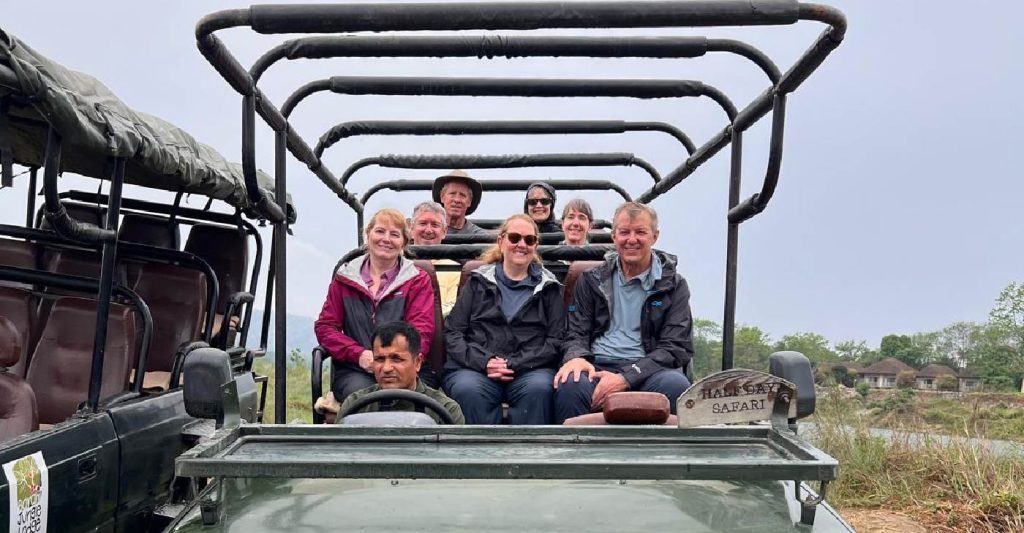
Set off on thrilling jungle safaris where you can spot rhinos, elephants, and even tigers. These well-organized tours are ideal for solo travelers, as they allow you to join small groups while staying independent. In turn, it’s a wonderful way to connect with both nature and fellow explorers.

Pokhara

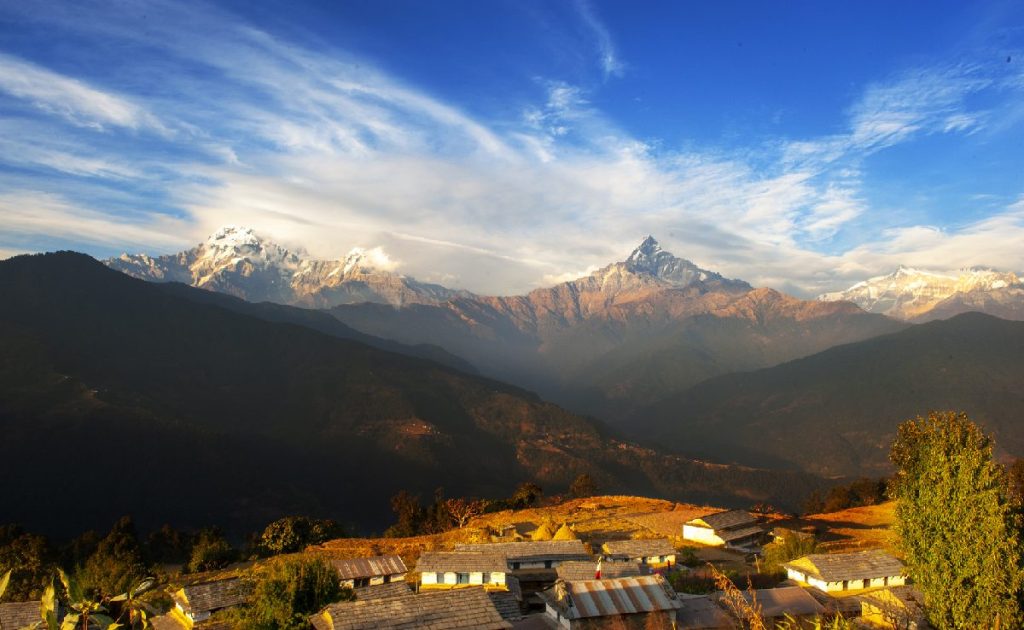
The city by the lake offers calm and adventure in perfect balance. Enjoy paragliding, boating, or simply watching sunsets over Machhapuchhre. The lakeside cafés create the perfect setting to meet new friends or enjoy quiet moments alone. Because of its laid-back vibe, Pokhara remains a favorite among solo travelers.

Lumbini

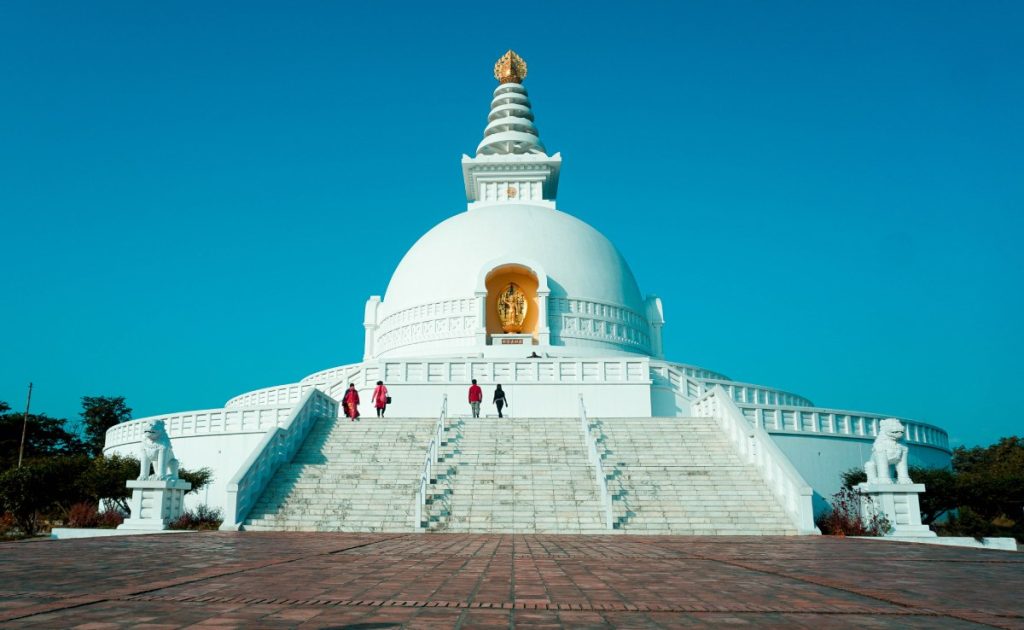
Lumbini Peace Stupa

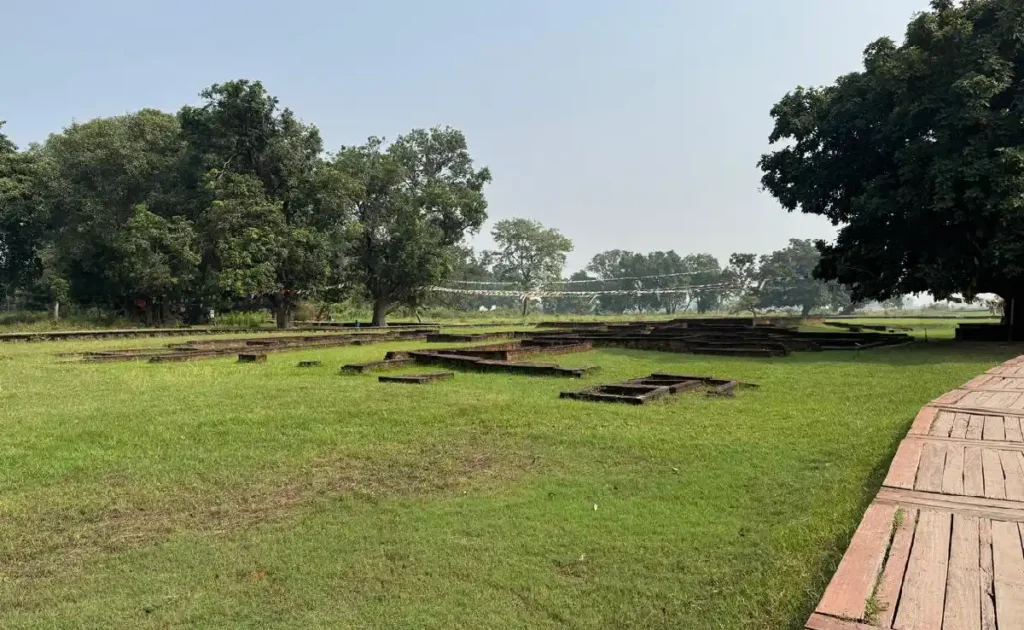
The birthplace of Buddha invites you into an atmosphere of peace and reflection. This quiet town is ideal for solo visitors seeking spiritual depth and historical insight. Consequently, Lumbini offers a calm escape from Nepal’s busier regions.

Ghorepani–Poon Hill Trek

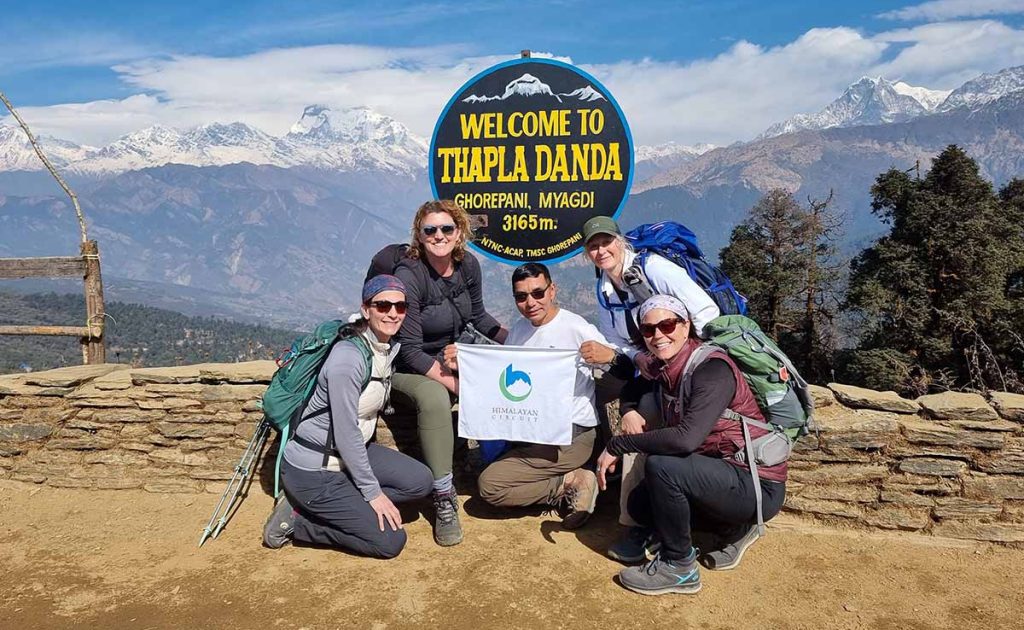
4 Clients with 1 Guide in Thapla Danda

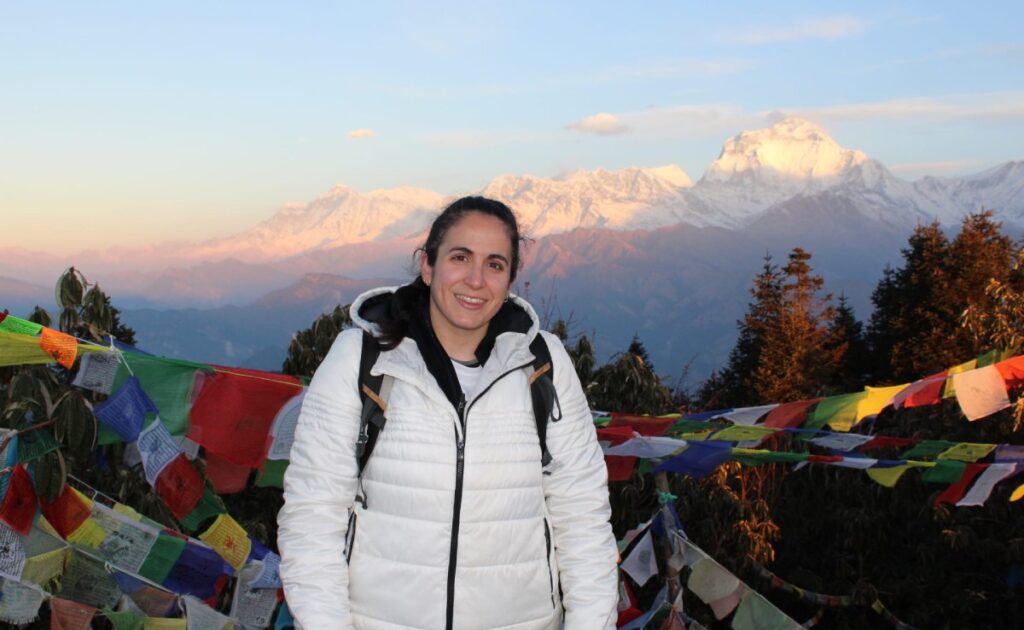
Short, scenic, and sociable—this trek is ideal for independent hikers. Trails are well-marked, and guesthouses are easy to find, ensuring a safe and comfortable experience. Therefore, many solo trekkers choose Poon Hill as their first Himalayan adventure.

Embrace the Nepali Culture

Cultural Etiquette

A simple “Namaste” (palms together) goes a long way in showing respect. Remove shoes before entering temples or homes, avoid pointing feet toward people or sacred objects, and don’t touch anyone’s head. Bargaining in local markets is normal—just smile and stay polite. These small gestures help you connect more deeply with Nepali people.

Food for Solo Travelers

Eating alone in Nepal is easy and enjoyable. Restaurants offer diverse menus, and many street food stalls (choose clean ones) serve delicious, freshly made snacks. Be sure to try dal bhat, momo, and a cup of Masala Chiya (Milk tea with various spices) ! In many cases, sharing a meal leads to friendly conversations with locals or other travelers.

Meeting Fellow Travelers

Hostels, trekking lodges, and cafés are natural meeting spots. Participating in yoga retreats, workshops, or group hikes also helps build friendships on the road. As a result, solo travel in Nepal rarely feels lonely—many travelers leave with new lifelong friends.

Your Solo Journey, Perfected by Himalayan Circuit

Traveling solo doesn’t mean traveling alone. At Himalayan Circuit, we design private, personalized adventures tailored to solo explorers. Our goal is to make every step of your journey safe, smooth, and unforgettable.

  • Tailored itineraries: Crafted to match your interests, pace, and comfort.
  • Trusted local guides: Friendly, knowledgeable, and supportive.
  • Safe stays & transport: Carefully selected for quality and security—including female-friendly guesthouses.
  • Authentic experiences: Meaningful interactions with locals and Nepali culture.
  • 24/7 support: Our team is always available to assist you throughout your trip.

Time to Answer the Himalayas’ Call

If you’ve been dreaming of traveling solo in Nepal, now is the perfect time. Book your flight, arrive in Kathmandu, and let your story unfold. The country has a special way of calling travelers back—again and again—with its mountains, culture, and kindness.

We thank Much Better Adventures, TripAdvisor, and global travel experts for recognizing Nepal as one of the world’s best solo destinations.

Begin Your Solo Adventure with Himalayan Circuit

Are you ready to explore Nepal on your own terms?
Contact us to start planning your Himalayan journey today.
>Travel smart. Travel safe. Travel solo—with us.

Namaste & Welcome!

Nepal Diary: January in Nepal – Winter Treks, Culture & Festivals

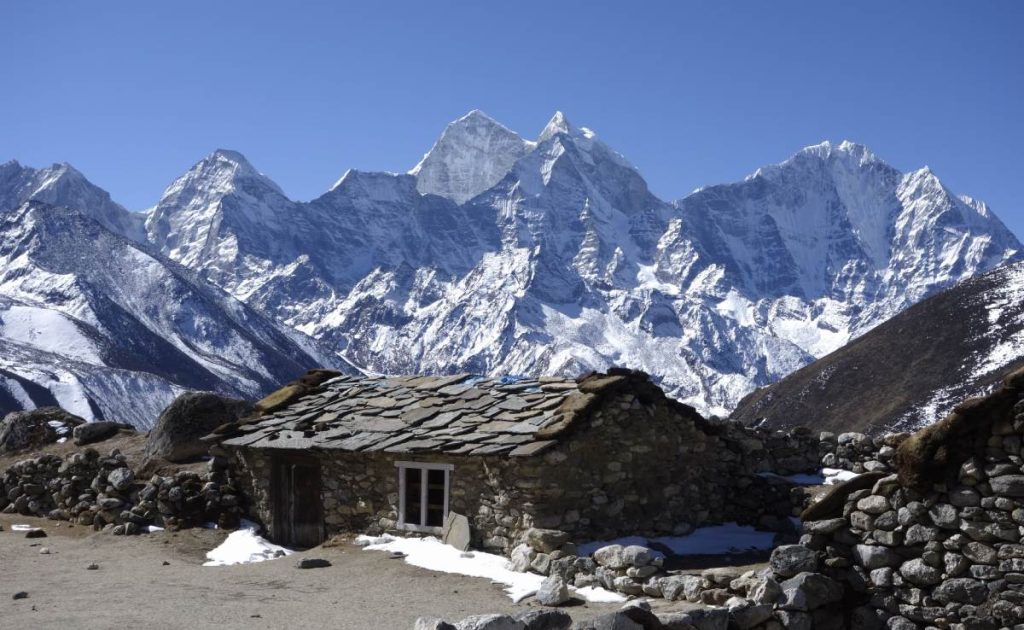
Everest Region Trek: Lukla to Tengboche Adventure

Nepal is a destination for all seasons. Visiting Nepal in January offers a unique perspective on the country’s culture, landscape, and way of life. January is one of the coldest months in Nepal. With bright skies, fewer travelers than during peak season, and snow-capped mountains, January is ideal for anyone seeking peace and authenticity.

Visitors can enjoy cultural treasures in the Kathmandu Valley, short winter treks, and festivals like Maghe Sankranti. Mild destinations such as Pokhara and Chitwan provide a warmer escape from the cold hills and mountains.

Weather in January

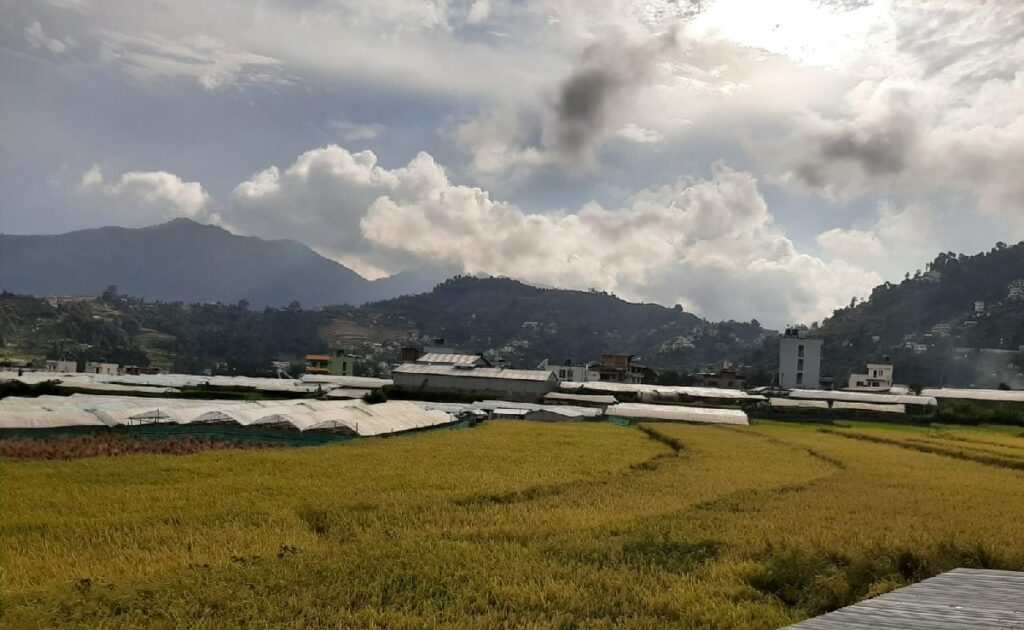
Photo shows fields with the hills of Kathmandu in the background, capturing a calm January scene in Nepal

January mornings and evenings in Nepal are cool, especially in the highlands. Days are usually clear and sunny.

  • Kathmandu Valley: Daytime temperatures range from 8°C to 15°C, while nights can drop to 2°C.
  • Pokhara: Temperatures range from 8°C to 17°C.
  • High-altitude areas (Langtang, Ghorepani): Temperatures can drop below zero, with occasional snowfall.

Despite the cold, the crisp air and clear skies offer incredible Himalayan views. Travelers should prepare for fluctuating conditions, especially if trekking or climbing at high altitudes.

Travel Conditions

Travel in January is generally smooth, but mountain passes may close temporarily due to snow. Roads connecting Kathmandu, Pokhara, and Chitwan remain open, though morning fog can delay flights in the Terai plains.

Domestic flights to mountain regions, like Kathmandu to Lukla, may sometimes be canceled. Tourist services operate normally, and fewer visitors often mean lower prices.

If you plan to trek, hire experienced guides and porters. Following a well-planned itinerary ensures a safe and enjoyable winter experience.

Best Places to Visit in January

Kathmandu Valley – Cultural Sightseeing

Nepal in January
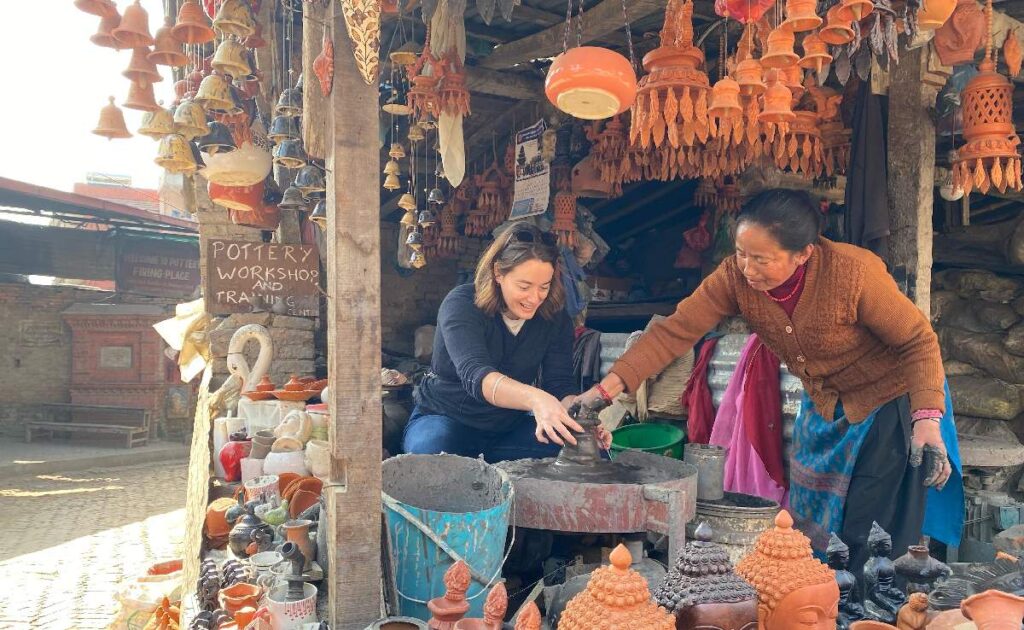
A traveler learning pottery in Nepal, a hands-on cultural experience to enjoy during a January visit

The cool weather makes sightseeing comfortable. Visit UNESCO World Heritage Sites such as Durbar Squares, Pashupatinath Temple, Boudhanath Stupa, Swayambhunath Stupa, and Changunarayan. You can also hike to hill stations surrounding the valley for beautiful views.

Pokhara – Mild Climate & Mountain Views

Sunrise from Poon Hill, a popular spot for magnificent sunrise views

Pokhara offers mild temperatures and stunning views of Machhapuchhre and Mt. Annapurna. Activities in January include:

  • Hiking to Sarangkot for sunrise
  • Visiting caves and waterfalls
  • Boating in Phewa Lake
  • Enjoying local nightlife

Chitwan National Park – Wildlife Safari

10 Day Nepal Itinerary
Chitwan Jungle Safari in the month of January

Chitwan provides a warmer climate for a jungle adventure. Activities include:

  • Elephant Safari and Bathing
  • Canoe Ride
  • Jungle Walk

Short Winter Treks

High-altitude treks are challenging in January. However, short treks like Ghorepani Poon Hill and Langtang Valley are accessible. These routes offer incredible Himalayan views and snow-dusted landscapes with lower weather risks.

Festivals and Cultural Highlights

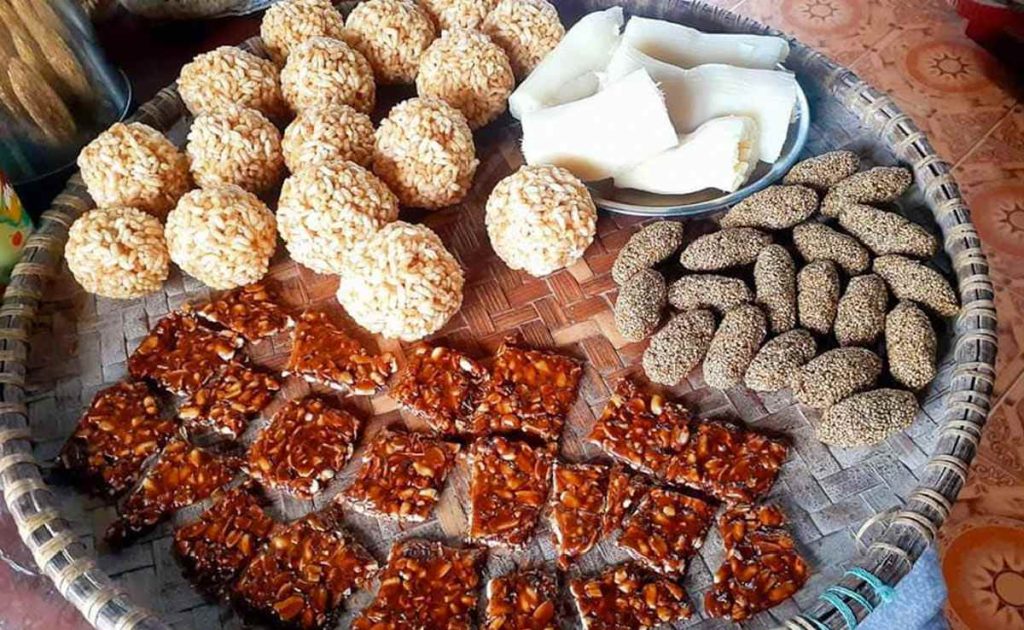
Maghe Sankranti is a major January festival. It marks the start of longer days. Families celebrate with traditional foods like til laddoo, yam, chakku (molasses), sweet potatoes, and ghee for energy and warmth.

Worshippers may bathe in holy rivers such as Bagmati or Narayani. Tamang and Gurung communities also celebrate local New Year traditions. These festivals give visitors a deeper understanding of Nepal’s culture.

What to Pack

Prepare for cold temperatures, especially when trekking. Recommended items include:

  • Thermal innerwear, down coats, fleece jackets
  • Durable trekking shoes, gloves, hats, scarves
  • Casual warm clothes for Kathmandu and Pokhara
  • Lighter wear for Chitwan’s mild climate

Trekkers should also bring a high-quality sleeping bag, sunglasses, sunscreen, lip balm, medicines, reusable bottles, and power banks.

Final Words

January offers a peaceful and authentic Nepal experience. Visitors can enjoy:

  • Winter mountain views
  • Restful stays in Pokhara
  • Wildlife encounters in Chitwan
  • Cultural immersion through festivals like Maghe Sankranti

With proper preparation, January is a perfect time for travel, adventure, and exploring Nepal’s natural and cultural beauty. Fewer crowds and lower prices make it even more appealing.

Festival in Nepal: Tihar Festival Nepal – Five-Day Festival of Lights

Tihar Festival in Nepal

Nepal shines in bright colors, flickering lamps, and joyful celebrations every year during Tihar, the five-day festival that honors life, light, and devotion. Known as the festival of lights, Tihar turns streets, homes, and temples into dazzling displays of marigold garlands, flickering diyos, and colorful rangoli patterns. Also, the festival blends faith, culture, and happiness, reflecting the rich traditions and heart of Nepal.

Celebrating Life and Light

Tihar, also called Deepawali, is a Hindu festival celebrated over five days, each honoring a different part of life. It allows people to show gratitude, respect, and devotion, not only to deities but also to animals and loved ones.

Famous Legends About Tihar

  • The Legend of Bhai Tika: Yamaraj, the god of death, once visited a sister’s home to take her brother’s life. She performed rituals, applied tika, and made offerings with devotion. Impressed by her sincerity, Yamaraj spared her brother’s life. Today, sisters continue this ritual to bless and protect their brothers.

  • The Legend of Laxmi Puja: Goddess Laxmi, the goddess of wealth, visits homes that are clean and well-lit. Families light lamps, decorate with flowers, and prepare offerings to invite prosperity and remove darkness.

  • The Legend of Lord Rama: After Lord Rama defeated Ravana in Lanka, he returned to his kingdom, Ayodhya, along with Sita and Lakshman. The people celebrated their return by lighting rows of lamps throughout the city to welcome them and drive away darkness. This tradition of lighting lamps shows the victory of good over evil and light over darkness, which continues to inspire Tihar’s glowing celebrations.

Tihar in Today’s World

Even in today’s fast-paced world, Tihar remains very meaningful. For example, Bhai Tika teaches the value of family bonds, Laxmi Puja encourages mindfulness and gratitude, and people worship animals including crows, dogs, cows, and oxen to show respect for all living beings. Furthermore, Tihar invites people to slow down, honor relationships, and reflect on the blessings often taken for granted. These long-lasting lessons, expressed through lights, rituals, legends, and songs, keep Tihar alive and meaningful for generations.

The Days of Tihar and Their Celebrations

Kaag Tihar (Crow Day)

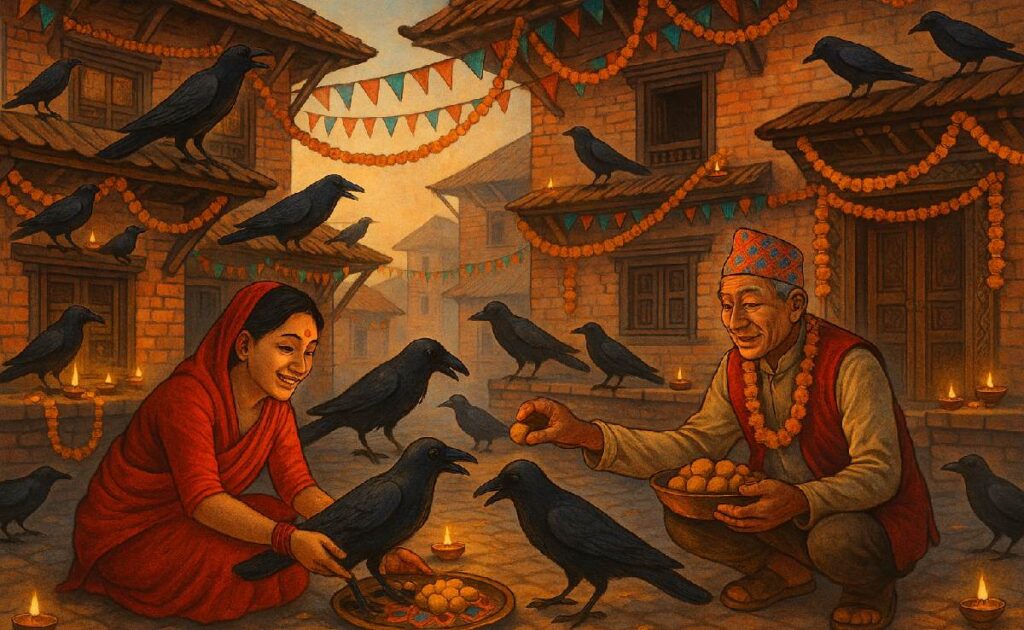
AI generated picture of Kaag tihar

Tihar begins with Kaag Tihar, dedicated to crows, believed to be messengers of death. People offer sweets and food to crows to ward off bad luck and invite blessings for the year ahead. Also, this ritual reminds us to honor nature and the creatures that share our world.

Kukur Tihar (Dog Day)

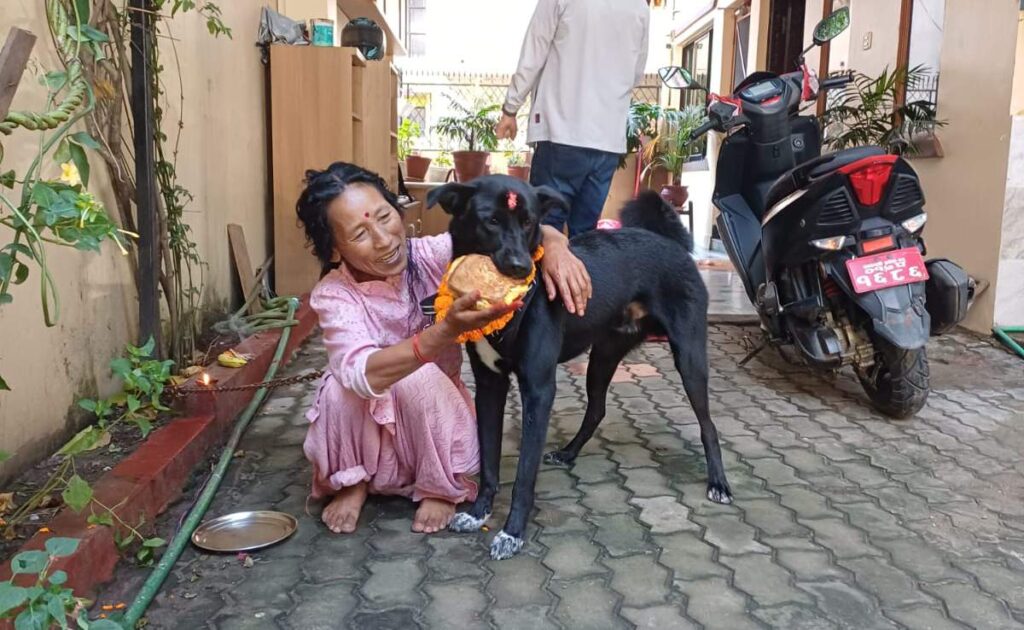
Kukur Tihar celebrates dogs for their loyalty and protection. People decorate dogs with flower garlands, tika, and special treats, showing their important role in our lives. In addition, people express gratitude to these faithful companions, recognizing the bond between humans and animals.

Laxmi Puja (Goddess of Wealth)

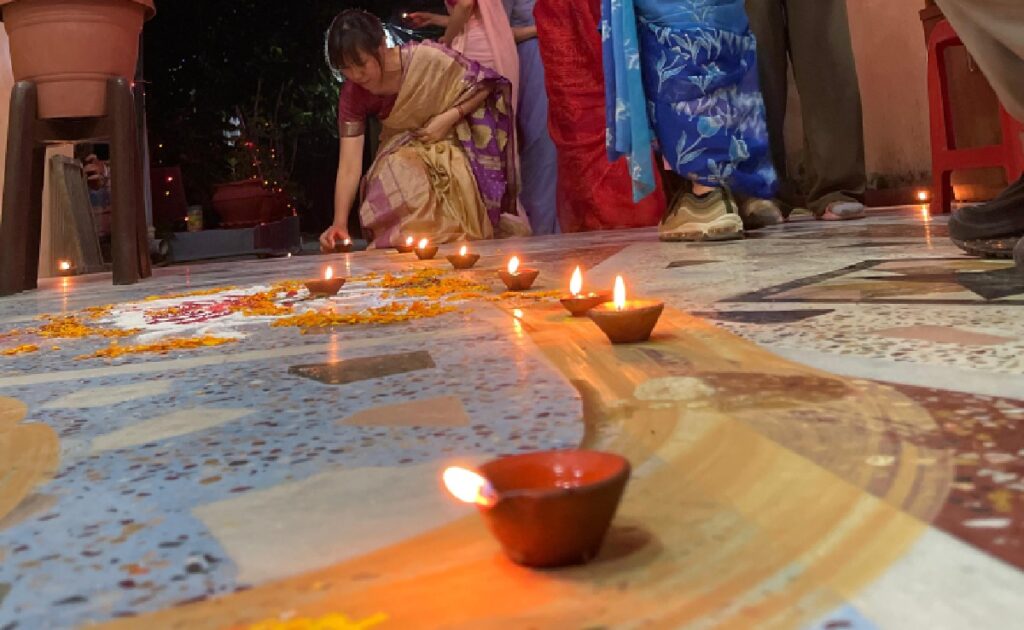
In the evening, Laxmi Puja fills homes with light and devotion. Families worship Goddess Laxmi, clean their houses, draw colorful rangoli patterns, and prepare traditional sweets like sel roti to invite prosperity. Laxmi enters only clean and well-lit homes, teaching mindfulness and gratitude.

Govardhan Puja and Mha Puja

Tihar Festival in Nepal
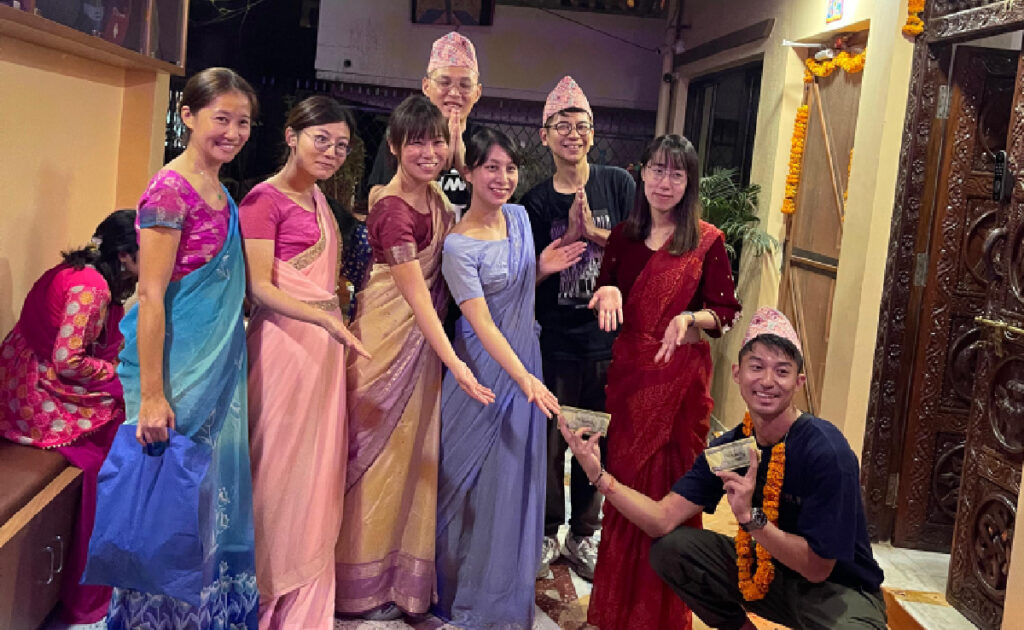
Foreigners are enjoying their time immersing themselves in the vibrant Nepali culture during the Tihar Festival

Govardhan Puja honors oxen for their hard work in agriculture and their role in supporting human life. Among the Newar community, Mha Puja, or self-worship, symbolizes purification, self-respect, and spiritual renewal for the coming year. The day also marks the New Year according to the lunar calendar, which this year turns 1146. The Newar people call it “Nhu Daya Bhintuna”, meaning Happy New Year in their language. These rituals remind people to respect all living beings, honor cultural heritage, and celebrate new beginnings.

Bhai Tika (Siblings’ Day)

The festival ends with Bhai Tika, celebrating the sacred bond between brothers and sisters. Sisters apply multi-colored tika on their brothers’ foreheads, offer garlands, and pray for their health and prosperity, while brothers give blessings and gifts. Furthermore, the day brings laughter, feasts, and family bonding, reinforcing love, care, and protection among siblings.

Tihar 2025 Dates

  • Kaag Tihar (Crow Day): 19 October
  • Kukur Tihar (Dog Day): 20 October
  • Laxmi Puja (Goddess of Wealth): 20 October
  • Govardhan Puja and Mha Puja: 22 October
  • Bhai Tika (Siblings’ Day): 23 October

Why Visit Nepal During Tihar

Experiencing Tihar in Nepal is like stepping into a living cultural masterpiece. Streets sparkle with thousands of oil lamps, neighbourhoods echo with traditional Deusi and Bhailo songs, and homes overflow with warmth, laughter, and delicious Nepali sweets.

Tihar offers a deep experience of real Nepali traditions, rituals, and faith, beautiful sights for photographers and travelers, and unique moments like seeing animal worship, colorful rangoli, and community celebrations. Also, the festival provides a moment of reflection, reminding people of gratitude, respect, and the beauty of human and animal bonds.

Even today, the Tihar Festival of Nepal invites people to slow down, honor relationships, respect nature, and reflect on the blessings often taken for granted. In addition, these long-lasting lessons, expressed through lights, rituals, legends, and songs, keep Tihar alive and magical for generations.

Although this year’s Tihar is already underway, travelers can plan ahead for Tihar 2026. Tentative dates are: Laxmi Puja – 8 November, Govardhan Puja – 10 November, and Bhai Tika – 11 November. Visiting Nepal during the Tihar festival allows people to experience the festival in its full glory, with streets illuminated, songs echoing through neighborhoods, and homes filled with warmth, light, and tradition.

Patan Durbar Square Restoration Revives Newari Heritage

telya bircks in Patan

A Cultural Renaissance in the Heart of Lalitpur

Sunlight now dances on the glossy red surface of freshly laid telia bricks, giving Patan Durbar Square a glow it hasn’t had in decades. This recent Patan Durbar Square restoration in the heart of Lalitpur celebrates both beauty and authenticity, while reviving pride in Newari heritage.

A Living Museum of Temples and Traditions

Patan Durbar Square

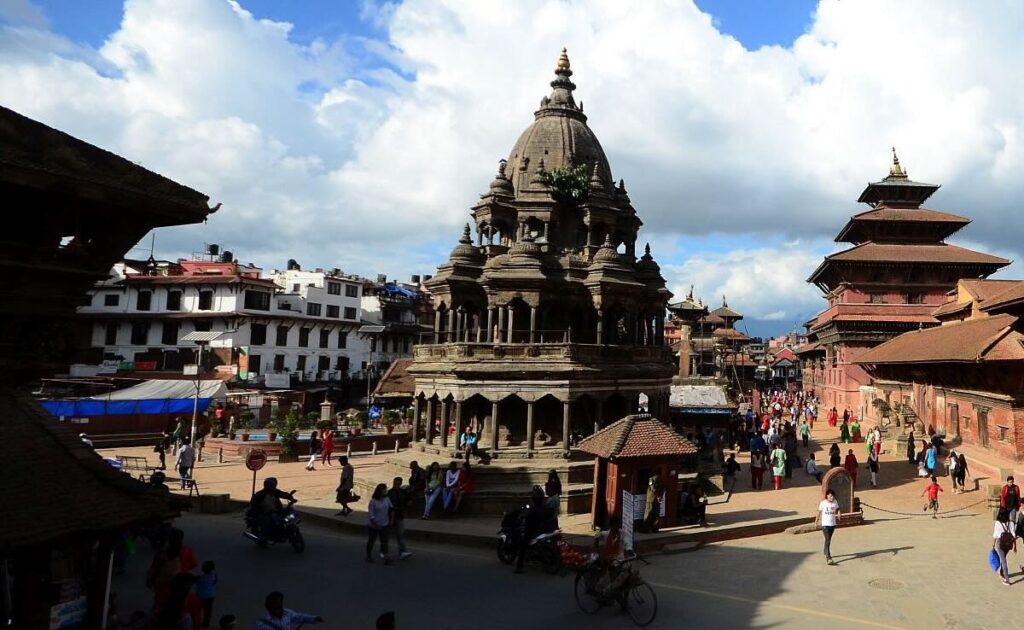
Patan Durbar Square is often described as an open-air museum, and for good reason. Its temples, courtyards, and palaces reflect the artistry and devotion of the Newar civilization, especially during the Malla period.

Among its treasures are:

  • Krishna Mandir – a stone-carved Shikhara-style temple, unique in the valley.
  • Hiranya Varna Mahavihar (Golden Temple) – a Buddhist monastery rich in ritual and symbolism.
  • Bhimsen Temple – honoring the deity of trade and commerce.
  • Taleju Bhawani Temple – blending royal authority with spiritual reverence.

These monuments aren’t relics. Locals still worship here, gather in the courtyards, and pass traditions from one generation to the next.

Telia Bricks: Restoring Authenticity

The Patan Durbar Square restoration shows how traditional materials like telia bricks can bring heritage sites back to life. Craftsmen laid telia bricks—used since the Malla era—across pedestrian paths, temple courtyards, and public spaces. People prize these bricks for their durability, water resistance, and reddish sheen. Their finish not only withstands the monsoon but also blends well with the valley’s intricate wood and stone carvings.

The project cost about NPR 15.2 million and also raised the ground level by four inches. This subtle change improved drainage and accessibility while preserving the square’s original character.

Visitors notice the difference immediately. Walking barefoot or in shoes across the new surface, you feel the firmness underfoot and see how the colors and textures now flow seamlessly together.

A Valley-Wide Cultural Revival

Patan’s renewal reflects a broader movement across the Kathmandu Valley. Cities like Lalitpur, Bhaktapur, and Kathmandu are once again using traditional materials in public spaces—from falchhas (resting places) to community courtyards and temple surroundings.

These projects support local artisans, strengthen cultural identity, and show that tradition has a place in modern life. Travelers benefit too, as each step through these spaces feels more authentic—less like reconstruction, more like living history.

What It Means for Locals, Travelers, and Nepal’s Legacy

Locals regain pride and renew their connection to centuries-old traditions. Travelers enjoy a more immersive and authentic experience of Newari architecture. As for Nepal’s legacy, it sets a sustainable example of conservation—one that honors the past while building for the future.

Patan Durbar Square now shines again—not just as a historic site, but as a reminder that preserving tradition is also a way of moving forward.

Nepal Diary: Bhutan, Tibet & Nepal – A Cultural Explorer

Multi country tour - Nepal, Bhutan and Tibet

Multi country trips with Nepal are a remarkable way to explore the Himalayas. Combining Nepal with nearby countries like Bhutan and Tibet makes the journey even more enriching.

With smooth travel connections and close borders, visiting these destinations from Nepal is both convenient and secure. Tibet lies to the north of Nepal, while Bhutan is a short distance east of India. Together, these countries offer stunning mountain landscapes, ancient monasteries, rich cultural traditions, and heritage that feels untouched by the modern world.

Nepal’s central location in South Asia makes it the ideal starting point for exploring the region.

Best Multi-Country Trips from Nepal

Nepal, Bhutan, and Tibet Tour

This journey takes you through three of the most inspiring destinations in Asia within a single itinerary.

Begin in Nepal, where you can explore the heritage sites of Kathmandu, witness sunrise views from Sarangkot in Pokhara, and enjoy a wildlife safari in Chitwan. Then fly to Bhutan, where peaceful monasteries, dramatic valleys, and the famous Tiger’s Nest hike await. After Bhutan, continue to Tibet, where you’ll visit UNESCO World Heritage sites in Lhasa, admire the beauty of Yamdrok Lake, and experience deep spiritual traditions.

This tour blends natural beauty, cultural depth, and spiritual experiences into one seamless journey.

Nepal and Bhutan Tour

Nepal and Bhutan Tour

This tour brings together ancient temples, quiet monasteries, and dramatic Himalayan scenery.

In Bhutan, visit fortress monasteries like Punakha Dzong, explore the iconic Tiger’s Nest near Paro, and enjoy the calm atmosphere of Thimphu. Bhutan’s peaceful spirit offers a deep sense of serenity.

Before reaching Bhutan, Nepal welcomes you with vibrant energy. You’ll visit sacred sites, take in views of snowcapped peaks, and even trek in the mountains. Together, Nepal and Bhutan create a unique experience filled with culture and timeless beauty.

Nepal and Tibet Tour

Nepal Tibet Tour

This tour combines the cultural richness of Nepal with the spiritual depth of Tibet.

In Nepal, explore the ancient cities of Kathmandu, Bhaktapur, and Patan. Their architecture and traditions offer a true taste of Nepali heritage. After that, travel overland or by flight to Tibet, often called the “roof of the world.” Visit Lhasa’s iconic sites like Potala Palace and Jokhang Temple, and explore Barkhor Street’s bustling market life.

Beyond Lhasa, discover Yamdrok Lake, the historic town of Gyantse, and Rongbuk Monastery near Everest Base Camp. This tour offers a deep connection to both land and spirit.

Nepal and India Buddhist Circuit Tour

Lumbini

This trip is designed for those seeking to follow the path of the Buddha across Nepal and India.

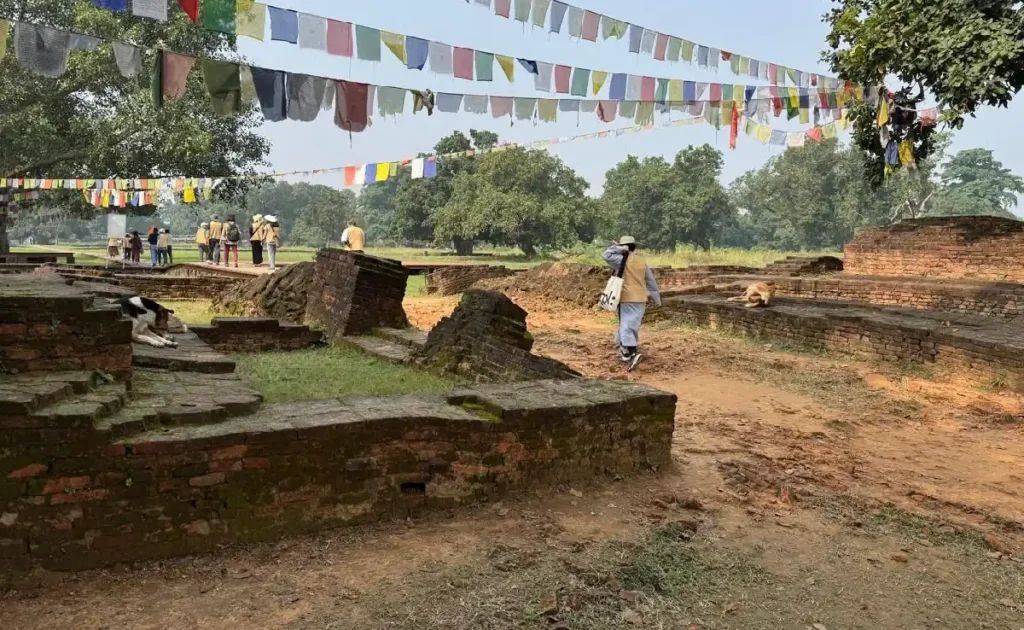
Start in Nepal with spiritual sites like Boudhanath and Swayambhunath in Kathmandu. Then visit Lumbini, the birthplace of Lord Buddha, where you can explore ancient ruins and international monasteries.

Cross into India to continue the journey through major Buddhist pilgrimage sites. In Bodhgaya, visit the Bodhi Tree where Buddha attained enlightenment. Explore other important sites like Sarnath, Rajgir, and Kushinagar, each rich with historical and spiritual significance.

Simikot Kailash Tour

Nepal- Kailash tour

The Simikot to Kailash tour is a unique blend of adventure, culture, and spiritual discovery.

Begin in the remote northwest of Nepal, trekking through villages and forests before reaching the Tibetan plateau. The highlight of the tour is the sacred Mount Kailash Kora, a pilgrimage route respected by Hindus, Buddhists, Jains, and Bon followers.

Along the way, you’ll see prayer flags fluttering in the wind, peaceful monasteries, and the sacred Lake Manasarovar. This journey offers deep spiritual meaning and connection with nature.

Travel Logistics and Tips

  • Nepal offers a visa on arrival, but permits for Bhutan and Tibet must be arranged in advance through registered tour operators.

  • The best travel seasons are March to May and September to November, when the weather is stable and views are clear.

  • Direct flights from Kathmandu are available to Paro (Bhutan), Lhasa (Tibet), and major cities in India.

  • In remote areas, ATMs may not be available, so it’s best to carry enough local currency.

  • Pack warm clothes, comfortable walking or trekking shoes, and any essential gear.

  • Make sure your travel insurance includes high-altitude coverage and emergency evacuation.

  • Hiring experienced local guides can enhance your experience, especially with permits, language, and cultural understanding.

  • Respect local customs and dress modestly, especially at religious sites and monasteries.

Multi-country trips from Nepal are made easy by the region’s close geography and well-established travel routes. From the peaceful highlands of Tibet to the serene monasteries of Bhutan and the sacred sites of northern India, these journeys blend naturally.

Each destination brings its own unique character, but together they create a smooth and deeply rewarding travel experience. With thoughtful planning and the right support, you can explore this region in a way that is immersive, meaningful, and unforgettable.

Pack your bags and get ready for an inspiring multi-country journey from Nepal with Himalayan Circuit—an experience you’ll cherish for a lifetime.

Spiritual & Wellness: Singing Bowl Therapy for Mind and Body

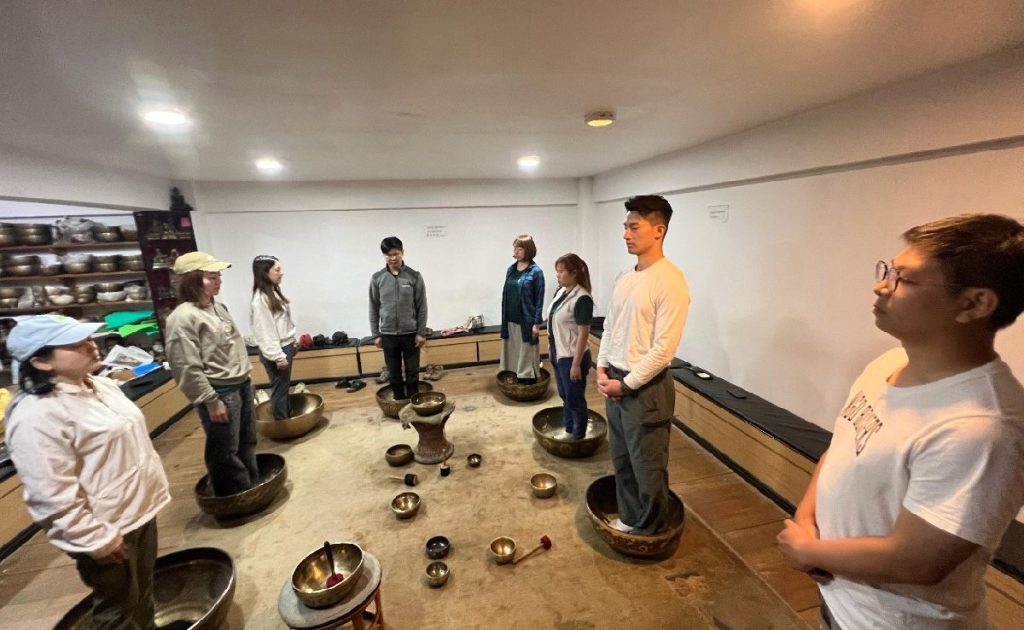
Singing bowl Therapy

At Himalayan Circuit, we believe that travel is not just about visiting new places but immersing yourself in the rich cultural heritage that makes a destination unique. One of Nepal’s most profound experiences is Singing Bowl Therapy, offering a powerful path to relaxation and healing.

Discover the Healing Power of Singing Bowls

Singing bowls, often called “healing bowls,” produce enchanting sounds and vibrations that can deeply soothe the mind and body. Their ability to bring tranquility and well-being is unmatched. These bowls combine artistic craftsmanship with therapeutic power, guiding you toward peace and balance. Whether you’re seeking to relieve stress or connect with your inner self, the soothing sounds of a singing bowl provide a harmonious escape.

A Rich History of Healing

Singing bowls boast a history that spans over three thousand years, rooted in the ancient cultures of the Himalayas. Initially, people used these bowls for everyday tasks, like cooking and holding water. Over time, however, they discovered their healing potential. Water stored in these bowls was believed to have restorative qualities. Today, alongside other traditional healing tools such as the bajra and shamanic drums, singing bowls continue to play an important role in well-being. Their calming vibrations echo the universal “Om,” a sound believed to connect us with higher consciousness.

The Global Resurgence of Singing Bowls

Today, singing bowls are more popular than ever. Known as Himalayan, Om, or Tibetan bowls, they were once cherished by monks and lamas who meditated in the tranquil monasteries of the Himalayas. Now, people around the world are embracing their calming vibrations. These bowls offer more than just meditative benefits—they balance energy and promote relaxation. In today’s hectic world, their soothing effects provide a welcome sense of peace.

The Craftsmanship Behind Singing Bowls

Each singing bowl is a masterpiece, crafted by hand using a unique blend of metals. The artisans carefully shape and hammer each bowl to produce its distinct sound. The secret techniques behind these bowls have been passed down through generations, adding to their mystique and allure. These beautifully crafted instruments are not just for meditation—they embody the artistic and cultural traditions of Nepal.

Experience the Magic of Singing Bowls

At Himalayan Circuit, we invite you to experience the transformative power of singing bowls on our cultural tours. Imagine feeling the gentle vibrations as they wash over you, calming your mind and soul. This experience, set amidst the breathtaking landscapes of Nepal, offers you the chance to connect with both the culture and your inner peace.

Join Us on a Soulful Journey

Are you ready to explore the soulful vibrations of Nepal? Embark on a journey that nourishes both body and spirit. Visit our website at Himalayan Circuit to learn more about our cultural tours and discover how you can experience this ancient singing bowl therapy.

Food & Lifestyle: Practical Shopping Tips for Your Nepal Trip

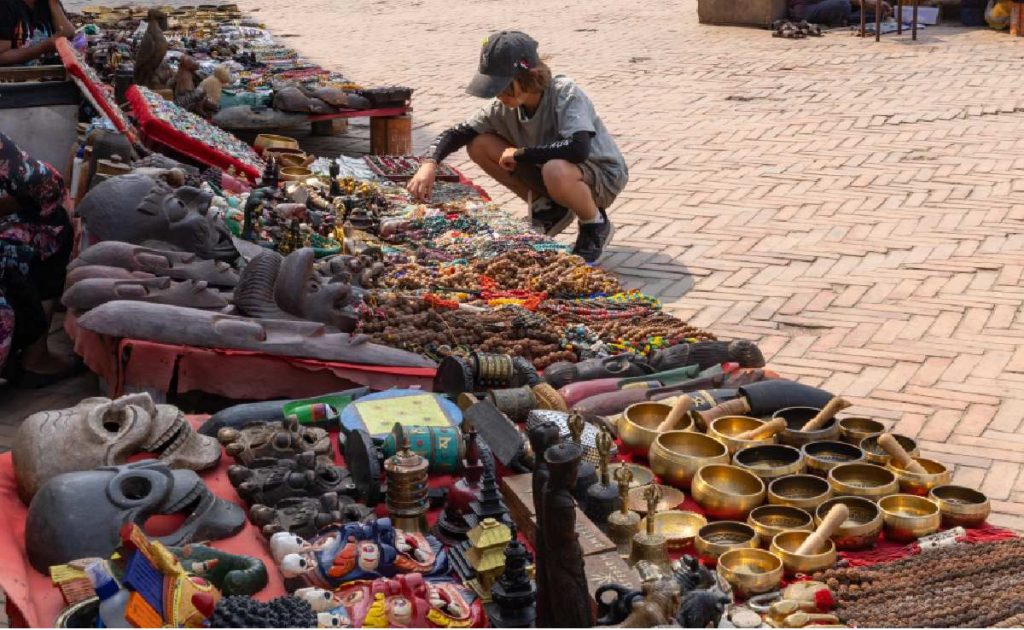
Shopping in Nepal

Visiting Nepal offers you opportunities to observe majestic mountains, heavenly natural environment, beautiful architecture, vibrant culture, and experience the warm hospitality of local people. Wouldn’t it be wonderful to take some of these memories to your home? So, we strongly advise you to do shopping in Nepal. In this blog we’ll talk about what to do and what not to do during your shopping time.  

Nepal is a hub for shopping enthusiasts where you can purchase Thangka paintings, unique spices, exotic souvenirs, traditional jewelry, hemp bags, khukuri, statues, and handicrafts. The bustling market of Kathmandu, luxury shops of Pokhara, traditional crafts of the mountain villages, ancient cities of Bhaktapur and Patan will make your shopping experience special.

Dos:

  • Do Visit Local Markets: We suggest you to visit the local markets in Kathmandu. New Road, Durbar Square area, Indra Chok, Asan Bazaar, Thamel, Makhan Tole, and Old Freak Street are some of the popular shopping points in the street of Kathmandu. Here, you can shop a variety of items that are high in quality and items that reflect Nepalese culture. 

  • Do Research & do Prepare: Before you head towards the market, we suggest you to do proper research on the products or items that you are interested to buy. Getting to know the quality, prices, and originality helps you to choose and purchase authentic products at at reasonable cost. 

  • Bargain Respectfully: You will get to see a person bargaining in the local markets, as bargaining is common in Nepal. We suggest you to do friendly and respectful bargaining, as it could lead to better deals. You can begin bargaining by offering the price by reducing 20-30% of the seller’s initial price. This will lead to a mutually agreeable amount.

  • Do Carry Cash: Most of the tourist hubs and high-end shops accept credit cards, but we suggest you to carry cash with you before heading towards the local market. As most of the local markets operate on a cash-only basis, carrying Nepalese rupees in small denominations will make your transaction easy.

  •  Look for Authenticity: We suggest you to look for authenticity while purchasing items like silver jewelry or Pashmina shawls. Some of the shops claim to sell authentic items, but quality may differ. For example, if you are purchasing pashmina, you can check its authenticity by touching it. It feels soft and warm to the touch as it is made from fine cashmere wool.
  • Do Take Your Time: Shopping is more than just purchasing an item in Nepal. The narrow street, vibrant shops, people bargaining, and cultural stuff in and around the shopping area make your shopping time more memorable. So, do take time to purchase the products you like at a reasonable cost and don’t miss out on hidden gems.

Dont’s:

  • Don’t Buy Without Comparing: There might be the same product with different quality in the market. So, you need to do research, visit different shops compare the products, compare the price and finally choose the product to purchase. 

  • Don’t Settle for the First Price: Don’t purchase a product straight away, as the initial price for the product might be high. We suggest you to visit different shops before purchasing and do respectful bargaining before purchasing product. 

  • Don’t Overpack Your Bags: Don’t purchase excessive items as your baggage could be overpacked.  Weight restrictions and luggage space should be kept in mind while shopping. So, we suggest you to buy meaningful and unique items that you can take back home as a memory of Nepal. 

  • Don’t Ignore Quality: Don’t ignore the quality while shopping, as you can find similar product with different quality in different shops. While purchasing products, look for finishing of the product, packaging of the product, detailing on artwork, and check the stitching on garments. 

  • Don’t Disregard Sustainability: Don’t disregard sustainability by purchasing products made from unsustainable materials or endangered species. We suggest you to opt for eco-friendly and ethically sourced items and avoid purchasing items made from ivory or animal skins. Together we should prioritize sustainable tourism.

  • Don’t Forget to Ask About Export Rules: As there are restrictions to export certain items, you should not forget to research or consult about the export rules before you purchase any products. Exporting items such as animal products, religious artifacts, and antiques can create issues at customs as there are strict regulations on such items. 

The rich traditions, cultural exchanges, vibrant colors, friendly people, and warm hospitality make shopping in Nepal a wonderful experience. Following the above do’s and don’ts will make your shopping easier, and you can take home some quality products as a memory of your pleasant trip to this heavenly country. 

Shopping in Nepal is more than just purchasing an item. It’s more about the people, cultural exchange, stories, vibrant atmosphere, and memories behind each purchase. Enjoy your shopping


Nepal Diary: 10-Day Mountains, Culture & Wildlife

10 Day Nepal Itinerary

Nepal is a country of incredible natural beauty, rich history, and diverse culture. From the bustling streets of Kathmandu to the serene landscapes of Bandipur, this 10-day Nepal itinerary is perfect for those seeking a mix of cultural exploration, wildlife adventures, and stunning mountain views.

This 10-day Nepal itinerary includes: Kathmandu, Chitwan, Bandipur, Nagarkot, and Bhaktapur

Day 1-2: Kathmandu – Explore the Cultural Heart of Nepal

Start your journey in Kathmandu, the vibrant capital of Nepal. Known for its ancient temples and historical sites, Kathmandu offers a unique blend of culture and spirituality.

  • Pashupatinath Temple: A UNESCO World Heritage Site, this sacred Hindu temple is one of the most important pilgrimage sites in Nepal. Don’t miss the evening aarti (ritual) by the Bagmati River.
  • Swayambhunath (Monkey Temple): Offering panoramic views of Kathmandu Valley, this ancient stupa is a must-visit. It’s a great spot to see the city and interact with playful monkeys.
  • Boudhanath Stupa: Another UNESCO-listed site, Boudhanath is one of the largest stupas in Nepal. Here, you can witness Tibetan Buddhist rituals and enjoy a peaceful atmosphere.

Tip: Explore the bustling streets of Thamel for souvenirs, local food, and a taste of Kathmandu’s nightlife.

Day 3-5: Chitwan National Park – Wildlife Safari Adventure

Next, travel to Chitwan National Park (5-6 hours by car), one of the best places in Nepal for wildlife experiences. The park is home to rare animals like the one-horned rhinoceros, Bengal tigers, and exotic birds.

  • Jeep Safari: Go on a thrilling jeep safari through the jungle, where you might spot rhinos, tigers, and elephants.
  • Canoe Ride: Paddle along the Rapti River and spot crocodiles, birds, and lush greenery.
  • Tharu Village Visit: Explore a local Tharu village to learn about the culture and lifestyle of this indigenous group.

Tip: Stay in a jungle lodge for an authentic experience, and enjoy local Tharu dances in the evening.

Day 6-7: Bandipur – Peaceful Hilltop Retreat

From Chitwan, take a scenic drive to Bandipur, a charming hilltop village known for its traditional Newar culture and stunning mountain views. It’s a great place to relax and enjoy the beauty of the Himalayas.

  • Village Walks: Wander through the cobblestone streets and enjoy the traditional architecture of Bandipur. Visit local temples and enjoy the peaceful surroundings.
  • Hiking: Take a short hike to Tundikhel for panoramic views of the Annapurna and Manaslu ranges.
  • Relax: Enjoy a cup of local tea while admiring the beautiful landscape.

Tip: If you’re into caves, make sure to visit Siddha Cave, one of the largest caves in Nepal.

Day 8: Nagarkot – Stunning Himalayan Sunrise

After Bandipur, head to Nagarkot (4-5 hours by car), famous for its sunrise and sunset views of the Himalayas.

  • Sunrise Viewpoint: Wake up early for a spectacular sunrise view of Mount Everest and the surrounding peaks.
  • Hiking and Relaxation: Enjoy a nature walk or simply relax and take in the breathtaking mountain scenery.

Tip: Stay in a mountain resort for the best views of the Himalayas.

Day 9: Bhaktapur or Panauti & Namo Buddha – Cultural Exploration

On Day 9, you have two options for cultural exploration:

  • Option 1: Bhaktapur
    Visit Bhaktapur Durbar Square, a UNESCO World Heritage Site known for its stunning palaces, temples, and traditional Newar architecture. Don’t forget to try juju dhau (king curd), a local delicacy.
  • Option 2: Panauti & Namo Buddha
    Panauti is a charming town filled with ancient temples. Continue to Namo Buddha, a sacred Buddhist site offering peace and fantastic views of the mountains.

Day 10: Departure – Last Day in Kathmandu

On your final day, relax in Kathmandu before your departure.

  • Visit Durbar Square for a last look at Kathmandu’s royal history.
  • Stroll through the Garden of Dreams, a peaceful spot to unwind.

Tip: Shop for souvenirs in Thamel or relax in a café before heading to the airport.

Travel Tips for Nepal:

  • Weather: The weather varies across Nepal. Kathmandu and Chitwan are warm, while Bandipur and Nagarkot are cooler, especially in the mornings and evenings.
  • Local Currency: Nepalese Rupee (NPR). Carry cash as some rural areas may not have ATMs.
  • Health & Safety: Travel insurance is recommended. Carry basic medications for stomach issues or altitude sickness.
  • Cultural Respect: Always dress modestly, especially when visiting temples or sacred sites.

This 10-day Nepal itinerary offers a perfect blend of culture, wildlife, and natural beauty. From the ancient temples of Kathmandu to the peaceful mountains of Bandipur and Nagarkot, and the wildlife adventures in Chitwan, Nepal is a country full of unforgettable experiences.

Ready to explore Nepal? Plan your trip with this detailed itinerary and create memories that will last a lifetime!


Nepal Diary: 10-Day Journey Through Culture, Wildlife & Mountains

Nepal is a country of incredible natural beauty, rich history, and diverse culture. From the bustling streets of Kathmandu to the serene landscapes of Bandipur, this 10-day Nepal itinerary is perfect for those seeking a mix of cultural exploration, wildlife adventures, and stunning mountain views.

This 10-day Nepal itinerary includes: Kathmandu, Chitwan, Bandipur, Nagarkot, and Bhaktapur.

Day 1-2: Kathmandu – Explore the Cultural Heart of Nepal

Start your journey in Kathmandu, the vibrant capital of Nepal. Known for its ancient temples and historical sites, Kathmandu offers a unique blend of culture and spirituality.

  • Pashupatinath Temple: A UNESCO World Heritage Site, this sacred Hindu temple is one of the most important pilgrimage sites in Nepal. Don’t miss the evening aarti (ritual) by the Bagmati River.
  • Swayambhunath (Monkey Temple): Offering panoramic views of Kathmandu Valley, this ancient stupa is a must-visit. It’s a great spot to see the city and interact with playful monkeys.
  • Boudhanath Stupa: Another UNESCO-listed site, Boudhanath is one of the largest stupas in Nepal. Here, you can witness Tibetan Buddhist rituals and enjoy a peaceful atmosphere.

Tip: Explore the bustling streets of Thamel for souvenirs, local food, and a taste of Kathmandu’s nightlife.

Day 3-5: Chitwan National Park – Wildlife Safari Adventure

Next, travel to Chitwan National Park (5-6 hours by car), one of the best places in Nepal for wildlife experiences. The park is home to rare animals like the one-horned rhinoceros, Bengal tigers, and exotic birds.

  • Jeep Safari: Go on a thrilling jeep safari through the jungle, where you might spot rhinos, tigers, and elephants.
  • Canoe Ride: Paddle along the Rapti River and spot crocodiles, birds, and lush greenery.
  • Tharu Village Visit: Explore a local Tharu village to learn about the culture and lifestyle of this indigenous group.

Tip: Stay in a jungle lodge for an authentic experience, and enjoy local Tharu dances in the evening.

Day 6-7: Bandipur – Peaceful Hilltop Retreat

From Chitwan, take a scenic drive to Bandipur, a charming hilltop village known for its traditional Newar culture and stunning mountain views. It’s a great place to relax and enjoy the beauty of the Himalayas.

  • Village Walks: Wander through the cobblestone streets and enjoy the traditional architecture of Bandipur. Visit local temples and enjoy the peaceful surroundings.
  • Hiking: Take a short hike to Tundikhel for panoramic views of the Annapurna and Manaslu ranges.
  • Relax: Enjoy a cup of local tea while admiring the beautiful landscape.

Tip: If you’re into caves, make sure to visit Siddha Cave, one of the largest caves in Nepal.

Day 8: Nagarkot – Stunning Himalayan Sunrise

After Bandipur, head to Nagarkot (4-5 hours by car), famous for its sunrise and sunset views of the Himalayas.

  • Sunrise Viewpoint: Wake up early for a spectacular sunrise view of Mount Everest and the surrounding peaks.
  • Hiking and Relaxation: Enjoy a nature walk or simply relax and take in the breathtaking mountain scenery.

Tip: Stay in a mountain resort for the best views of the Himalayas.

Day 9: Bhaktapur or Panauti & Namo Buddha – Cultural Exploration

On Day 9, you have two options for cultural exploration:

  • Option 1: Bhaktapur
    Visit Bhaktapur Durbar Square, a UNESCO World Heritage Site known for its stunning palaces, temples, and traditional Newar architecture. Don’t forget to try juju dhau (king curd), a local delicacy.
  • Option 2: Panauti & Namo Buddha
    Panauti is a charming town filled with ancient temples. Continue to Namo Buddha, a sacred Buddhist site offering peace and fantastic views of the mountains.

Day 10: Departure – Last Day in Kathmandu

On your final day, relax in Kathmandu before your departure.

  • Visit Durbar Square for a last look at Kathmandu’s royal history.
  • Stroll through the Garden of Dreams, a peaceful spot to unwind.

Tip: Shop for souvenirs in Thamel or relax in a café before heading to the airport.

Travel Tips for Nepal:

  • Weather: The weather varies across Nepal. Kathmandu and Chitwan are warm, while Bandipur and Nagarkot are cooler, especially in the mornings and evenings.
  • Local Currency: Nepalese Rupee (NPR). Carry cash as some rural areas may not have ATMs.
  • Health & Safety: Travel insurance is recommended. Carry basic medications for stomach issues or altitude sickness.
  • Cultural Respect: Always dress modestly, especially when visiting temples or sacred sites.

This 10-day Nepal itinerary offers a perfect blend of culture, wildlife, and natural beauty. From the ancient temples of Kathmandu to the peaceful mountains of Bandipur and Nagarkot, and the wildlife adventures in Chitwan, Nepal is a country full of unforgettable experiences.

Ready to explore Nepal? Plan your trip with this detailed itinerary and create memories that will last a lifetime!

Nepal Diary: Spring Adventure & Rich Culture Journey in Nepal

View of the Mountains in the spring season

Spring in Nepal is a time of vibrant landscapes, pleasant weather, and rich cultural experiences. The hills and valleys burst into color with blooming rhododendrons, while the Himalayas stand tall against crystal-clear skies. Whether you’re an adventurer, a nature lover, or a cultural explorer, spring offers the perfect setting for an unforgettable journey.

The Himalayas in Spring: A Trekker’s Paradise

As winter fades, the Himalayas transform into a breathtaking wonderland. Lush forests, blooming flowers, and gushing rivers create a stunning contrast against the towering snow-capped peaks. This season offers the best trekking conditions—comfortable temperatures, clear views, and stable weather.

Nepal is home to some of the world’s highest and most iconic mountains:

  • Mount Everest (8,848m) – the tallest mountain on Earth.
  • Kangchenjunga (8,586m) – a massive peak on Nepal’s eastern border.
  • Manaslu (8,163m) – a remote and less crowded trekking gem.

Spring is the ideal time to explore famous trekking routes like the Everest Base Camp Trek, Annapurna Circuit, and Manaslu Circuit. The scenery is mesmerizing, and the experience is enriched by encounters with local culture.

Cultural and Spiritual Wonders

Beyond the mountains, Nepal’s cultural heritage shines in spring. Festivals like Holi (the festival of colors) and Bisket Jatra bring energy and joy to the streets. Temples and stupas, such as Swayambhunath (Monkey Temple) and Pashupatinath, offer deep spiritual experiences.

Spring is also a great time to explore heritage sites in Kathmandu, Bhaktapur, and Patan, where ancient architecture and rich history captivate visitors.

Why Visit Nepal in Spring?

  • Mild weather: Ideal for trekking and sightseeing.
  • Stunning scenery: Blooming rhododendrons and panoramic mountain views.
  • Rich culture: Festivals, traditions, and warm hospitality.
  • Adventure opportunities: Trekking, paragliding, rafting, and wildlife safaris.

Plan Your Spring Adventure

Nepal in spring is a land of endless beauty and adventure. Whether you’re hiking in the Himalayas or exploring the cultural gems of Kathmandu, this season promises an experience like no other.

Pack your bags, lace up your boots, and get ready to discover Nepal’s breath taking landscapes and vibrant traditions. Spring is calling—are you ready?

Kathmandu Diary: Top 5 Museums in Kathmandu Valley

Kathmandu Valley is home to some of Nepal’s most fascinating museums, each offering a unique glimpse into the country’s history, culture, and biodiversity. Whether you’re interested in royal history, ancient art, or aviation, these museums provide an unforgettable experience for visitors. Below are the top five museums in Kathmandu that you should definitely explore during your trip to Nepal.

1. Narayanhiti Palace Museum: Discover Nepal’s Royal History

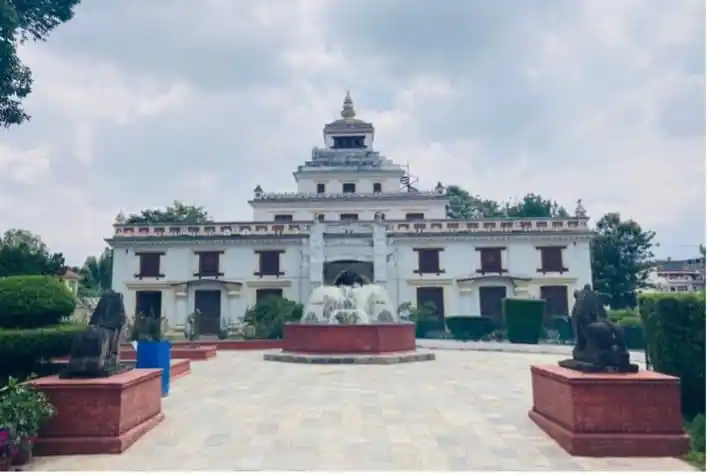
Located on Durbar Marg in Kathmandu, the Narayanhiti Palace Museum is a must-visit for history lovers. Once the royal residence of the Shah Kings of Nepal, the palace was transformed into a museum in 2008.

Built in 1963 by King Mahendra, the palace features traditional pagoda-style architecture that showcases Nepalese craftsmanship. The museum is divided into three sections: a private wing, a guest wing, and a state wing, each with unique artifacts. Highlights include royal paintings, photographs, memorabilia, and artifacts that give insight into the royal lifestyle.

Opening Hours:
Thursday to Monday: 11:00 AM – 3:00 PM
Closed on Tuesdays and Wednesdays.

2. National Museum of Nepal: A Journey Through Nepal’s History

The National Museum of Nepal, established in 1928, is the largest museum in Nepal and a hub for historical and archaeological exploration. Located near the iconic Swayambhunath Stupa, this museum is divided into three sections:

  • Juddha Jayatia Khate Sala
  • Buddha Art Gallery
  • Main Building (with collections on Nepali arms, sculptures, historical paintings, and natural history)

The museum’s coins, weapons, and mural collections provide a deep dive into Nepal’s past. It’s a must-visit for anyone keen to understand the evolution of Nepali culture and history.

Opening Hours:
Wednesday to Sunday: 10:00 AM – 4:00 PM
Monday: 10:00 AM – 2:00 PM
Closed on Tuesdays and public holidays.

3. Museum of Nepali Art (MoNA): A Celebration of Nepali Creativity

The Museum of Nepali Art (MoNA) is Nepal’s first private art museum, showcasing both contemporary and traditional Nepali art. Founded by Rajan Sakya, MoNA houses over 500 artworks, 85% of which are from Sakya’s personal collection.

MoNA preserves Nepali artistic traditions with paintings, sculptures, and mixed-media works that represent both religious and secular themes. This museum provides an excellent opportunity to explore Nepali art and discover the rich history of the country’s creative expression.

Opening Hours:
Daily: 10:00 AM – 5:00 PM

4. Taragaon Museum: A Glimpse into Kathmandu’s Architectural Evolution

The Taragaon Museum in Tusal, Kathmandu, is a fascinating stop for architecture enthusiasts. Built in 1972 as a hotel for travelers, the building was repurposed in 2014 as a museum. The museum focuses on the architectural history of the Kathmandu Valley, showcasing models, photographs, and historical documents.

The museum complex spans 35,000 square feet and includes two amphitheaters and a coffee bar, making it a great place to relax while soaking up the local culture.

Opening Hours:
10:00 AM – 5:00 PM (Closed on Saturdays and public holidays)

5. Aviation Museum: Explore the History of Nepali Aviation

The Aviation Museum in Sinamangal is dedicated to the history of Nepalese aviation. The highlight of this museum is an A330 aircraft, which was involved in a runway excursion accident in Kathmandu in 2015.

Visitors can learn about the development of Nepali aviation and view various aircraft and aviation-related exhibits. The museum aims to inspire young Nepalis to pursue careers in aviation, making it an educational experience for both aviation enthusiasts and aspiring pilots.

Opening Hours:
Summer: 10:00 AM – 6:00 PM
Winter: 10:00 AM – 5:00 PM (Open daily)

Why Visit Kathmandu Valley’s Museums?

Kathmandu Valley is a cultural treasure trove. From ancient Nepali art and royal history to fascinating aviation stories and architectural evolution, these museums offer an insightful journey through Nepal’s past. A guided tour of these museums will deepen your understanding of Nepal’s rich cultural heritage and stunning diversity.

Book your tour with Himalayan Circuit Treks to get an immersive experience at these top museums in Kathmandu Valley.

Plan Your Visit Today
Discover the stories behind Nepal’s history, art, and culture at Kathmandu Valley’s top museums. Don’t miss the chance to experience the rich heritage of Nepal—book your museum tour with Himalayan Circuit now!


Nepal Diary: Complete Ultimate Travel Guide to Nepal

Trekking in the Himalayas

Nepal is a land of breathtaking mountains, rich cultures, and unforgettable experiences. From trekking to Everest Base Camp to exploring the ancient temples of Kathmandu, Nepal offers something for every kind of traveler. Himalayan Circuit is here to help make your dream Nepal adventure come true. As a trusted Nepal tour and trekking operator, we provide you with expert guidance, safe travel, and a genuine connection to Nepal’s beauty and culture. Explore the Ultimate Nepal travel guide with Himalayan Circuit.

Why Choose Himalayan Circuit? 

When you plan a trip to Nepal, it’s important to choose the right company to guide you. Here’s why Himalayan Circuit is the perfect choice.

  • Local Experts: Our guides are from Nepal’s mountains, so they know the best trails and the culture inside out. They’ll share stories and information that go beyond what you’d find in any guidebook.
  • Customized Experiences: Whether you’re a first-time trekker or an experienced adventurer, we’ll design a trip that fits your style. We offer trekking packages in Nepal like the Annapurna Circuit and the Manaslu Circuit, as well as tours to the most famous sights.
  • Safety First: Your safety is our priority. We make sure you’re well-prepared with proper acclimatization and guide you every step of the way.
  • Sustainable Travel: We believe in responsible tourism that respects nature and supports local communities. Our tours are designed to leave a positive impact on the places we visit.

Explore Nepal Beyond Trekking: Tours with Himalayan Circuit

While trekking in Nepal is an amazing experience, the country has much more to offer. From the bustling streets of Kathmandu to the peaceful lakeside town of Pokhara, Nepal’s cities are full of history, culture, and adventure. Here’s a look at some of our popular Nepal tour packages in the ultimate Nepal travel guide with Himalayan Circuit.

Kathmandu Valley Tour: Dive into Nepal’s History

Kathmandu is the heart of Nepal, with ancient temples, busy markets, and amazing architecture. Our Kathmandu Valley tour includes:

  • Swayambhunath (Monkey Temple): A must-see spot offering panoramic views of the city and a glimpse into Nepal’s spiritual life.
  • Pashupatinath Temple: One of the holiest Hindu temples, located on the banks of the Bagmati River, offering a unique look into Nepalese traditions.
  • Boudhanath Stupa: This peaceful stupa is a center for Tibetan Buddhism in Nepal. You can walk around the stupa, spinning prayer wheels for good luck.
  • Bhaktapur and Patan Durbar Squares: These ancient squares are full of history, with temples and palaces that tell the story of Nepal’s past.

This tour is a great way to learn about Nepal’s cultural heritage and connect with the country’s spiritual side.

Chitwan National Park Tour: Explore Nepal’s Wildlife

Chitwan National Park is one of the best places to see wildlife in Nepal. Located in the Terai region, this park is home to rhinos, tigers, and elephants. Our Chitwan wildlife tour includes:

  • Jungle Safari: Go on a jeep or elephant ride through the park and spot wildlife in their natural habitat.
  • Canoeing on the Rapti River: Paddle along the river and watch for crocodiles and birds.
  • Tharu Cultural Experience: Meet the local Tharu people, learn about their culture, and explore their village.

Chitwan is the perfect place to relax and enjoy Nepal’s natural beauty while learning about its diverse wildlife.

Pokhara: The Gateway to the Himalayas

Pokhara is a beautiful lakeside town known for its peaceful atmosphere and stunning views of the Annapurna mountain range. Our Pokhara tour includes:

  • Phewa Lake: Take a boat ride on the lake, with views of the snow-capped mountains reflected in the water.
  • Sarangkot: Visit this hilltop for one of the best sunrises you’ll ever see over the Himalayas.
  • Devi’s Fall and Gupteshwor Cave: Explore these natural wonders and enjoy the peaceful surroundings.
  • Tibetan Refugee Camp: Visit the camp and learn about the Tibetan refugees who live here. You can also buy handmade crafts to support their community.

Pokhara is a perfect base for trekking to the Annapurna Circuit and other famous trekking routes.

Lumbini: The Birthplace of Buddha

Lumbini is a spiritual place for Buddhists around the world, as it is the birthplace of Lord Buddha. Our Lumbini tour includes:

  • Maya Devi Temple: The sacred site where Buddha was born. It’s one of the most important places in Buddhist tourism.
  • Lumbini Garden: A peaceful place for meditation, surrounded by monasteries and beautiful sculptures.
  • The Ashoka Pillar: A historical monument marking the spot where Buddha was born.

Visiting Lumbini is a spiritual experience, where you can reflect on the teachings of Buddha and find peace.

Trekking with Himalayan Circuit: Discover Nepal’s Natural Beauty

Nepal’s trekking routes are famous for their stunning scenery and challenges. Whether you’re looking to trek to Everest Base Camp or explore the Annapurna Circuit, we have the perfect trekking package for you.

Popular Treks with HimalayanCircuit.com

  1. Annapurna Circuit Trek
  • Duration: 12-21 days
  • Max Elevation: Thorong La Pass (5,416 meters / 17,769 feet)
  • Difficulty: Moderate to Challenging

The Annapurna Circuit is one of the most popular treks in Nepal. You’ll experience diverse landscapes, from forests and waterfalls to high-altitude desert regions, with stunning views of the Annapurna and Dhaulagiri mountain ranges.

  1. Everest Base Camp Trek
  • Duration: 12-16 days
  • Max Elevation: Kala Patthar (5,545 meters / 18,192 feet)
  • Difficulty: Challenging

This iconic trek brings you to the foot of the world’s highest mountain, Mount Everest. Along the way, you’ll pass through Sherpa villages, visit ancient monasteries, and see breathtaking views of Mount EverestLhotse, and Nuptse.

  1. Langtang Valley Trek
  • Duration: 7-12 days
  • Max Elevation: Kyanjin Ri (4,773 meters / 15,659 feet)
  • Difficulty: Moderate

The Langtang Valley Trek offers beautiful views of glaciers, valleys, and Tibetan culture. It’s less crowded than other treks, making it perfect for those seeking peace and adventure.

  1. Manaslu Circuit Trek
  • Duration: 14-20 days
  • Max Elevation: Larkya La Pass (5,160 meters / 16,929 feet)
  • Difficulty: Challenging

The Manaslu Circuit Trek takes you through remote villages, high-altitude passes, and beautiful landscapes. It’s one of the less-visited treks, making it perfect for those seeking a more secluded adventure.

Your Adventure Starts Here with Himalayan Circuit

Whether you’re looking to experience Nepal’s culture or embark on a thrilling trek in the HimalayasHimalayanCircuit.com is here to help you every step of the way. We’ll take care of the details, so you can focus on making unforgettable memories.

Start planning your Nepal adventure today with Himalayan Circuit and let us guide you through this amazing country.

Kathmandu Diary: Legends and Stories of Boudhanath Stupa

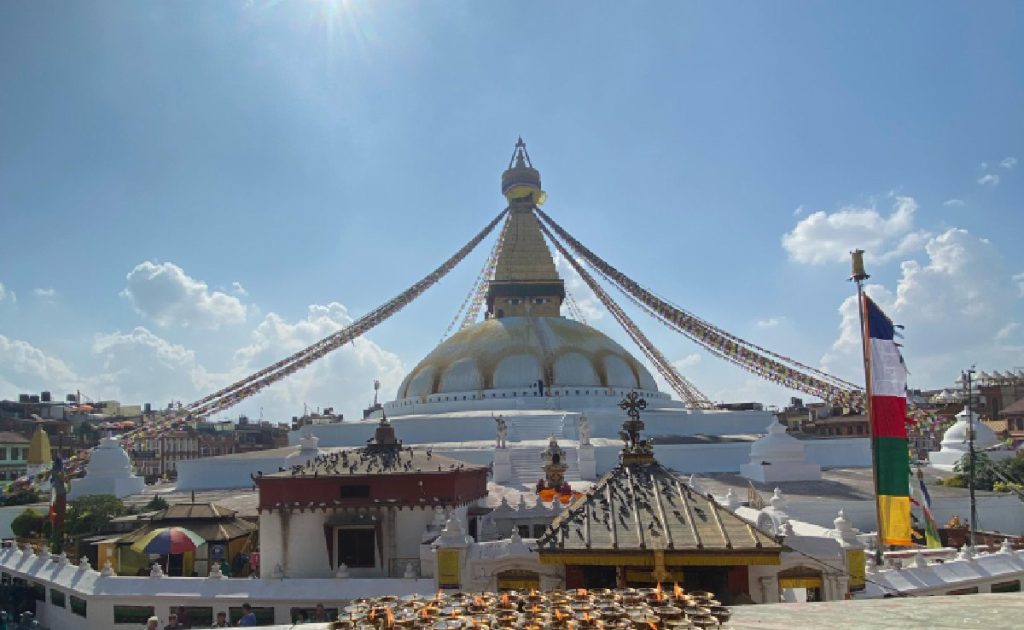
Boudhanath Stupa, one of the holiest Buddhist sites in Kathmandu, is also one of the world’s largest Stupas. Signifying the Buddha’s profound spiritual teachings and the interconnectedness of the world, Boudhanath Stupa is a symbol of the Buddha’s profound spiritual teachings.

Boudhanath Stupa is surrounded by ancient myths and legends, grabbing the attention of spiritual seekers from around the World. Numerous religious and cultural activities are regularly held at this UNESCO World Heritage Site, alongside stunning architecture and traditional designs that are awe-inspiring.

Boudhanath Stupa is a significant tourist attraction site in Kathmandu that offers a glimpse into Nepal’s spiritual heritage. The Himalayan Circuit Treks offers a spiritual journey to this legendary Boudhanath Stupa where you can explore the rich history, significance, and enduring heritage. 

Boudhanath Stupa: Its symbolism

  • The Boudhanath Stupa is one of Nepal’s most impressive and beautiful stupas that exhibits rich Newar art.
  • The white dome of the stupa represents the watchful eyes of Lord Buddha that symbolize light and wisdom. You can see prayer flags all around the Stupa. A prayer flag fluttering in the breeze is believed to carry the hopes and prayers of devotees to the heavens.
  • The Boudhanath Stupa represents the spherical World and interconnectedness. The bottom of the Stupa symbolizes the earth, the dome of the pot represents water, the spire represents air, and the umbrella symbolizes the void.
  • Adopting Newar architecture, Boudhanath Stupa seamlessly combines traditional craftsmanship with spiritual symbolism. Newar craftsmanship is displayed through woodwork, soft metal, and vibrant paintings in sacred places. The triangle symbolizes the fire at the top of the stupa, the four corners represent the Buddha’s eyes of wisdom, the nose represents Nirvana, and the Nepali letter one symbolizes unity and enlightenment.

Legends behind Boudhanath:

The legends surrounding Boudhanath Stupa range from mystical tales to local folklore, and they are so fascinating as well as diverse. A variety of mythological stories surrounds stupas; adding to their already enchanting presence!!! 

  • Legend of Vikramjit :

According In a popular legend about Boudhanath, during a severe drought, sly astrologers suggested to King Vikramajit of the Lichchhavi dynasty that only a man with thirty-two virtues could end it.

A king ordered his son to dash to Nirkyahiti and slay a man with his eyes covered to end the drought. Later, the so-afraid son discovered that he had killed his father.

To redeem the prince’s act, the priest suggested that hen be released from Bajrayogini and a stupa built a Stupa where the hen lands. The hen landed where Boudhanath Stupa stands today, right near Ajima, which at the time was being built.

Due to a severe drought in the area, locals gathered dew to survive, so the site was called Khāsti, a combination of the Newari words for dew (“khas”) and drops (“ti”). In 1960, the stupa’s title was changed to Boudha ‘nath’ to better align with Hinduism.


  • The Tibetan Belief:

The Hidden Treasure of Guru Padma Sambhavam” explains how Ma Zhyajima, a widow, approached the local king seeking permission to build a stupa for Buddha Kashyapa’s relics.

The king agreed that the stupa should be built in an area that could be covered with one buffalo’s skin, and the witty woman used buffalo skin strips to cover the stupa’s circumference.

When Samvari and her four sons built the stupa with the community’s help, all Buddhas from the past, present, and future were gathered within it and dissolved into it. 

This extraordinary blessing led to the stupa being called Lhundrub Tsek, “the all-encompassing stupa.” The blessings of innumerable Buddhas physically vibrated through the surrounding area, filling local villagers with unknowable peace and serenity.

The relics of Buddha Kashyapa illuminated the stupa in golden radiant light. The miracles and exquisite beauty of the sacred structure attracted pilgrims from far away. The stupa’s spiritual energy resonated far and wide, imparting transcendental wisdom to all who crossed its path.

Significance of Boudhanath Stupa:

The sacred Boudhanath Stupa was listed in the UNESCO World Heritage Site in 1979, being recognized for its cultural heritage and historical significance. As a living testament to Nepal’s rich heritage and spiritual traditions, this historical site serves as a tangible representation of Nepal’s rich heritage. 

As a symbol of peace and harmony, Boudhanath offers comfort and spiritual renewal to all who seek it, regardless of their religion. Its calm presence reminds us of the universal values of compassion and reciprocation that bind people together, regardless of the differences that may exist between them.

Embark on this sacred site to discover the hidden treasures within yourself as you walk alongside the prayer flags fluttering in the wind and the monks chanting the Buddhist mantras in a harmonious environment. 

So, book your trip to this sacred site with the Himalayan Circuit Treks and let your spirit soar high connecting with the cosmic energies that resonate around this ancient pilgrimage site.

Festivals & Culture: Maghe Sankranti Festival Celebration Guide

Maghe Sankranti festival, also known as Makar Sankranti festival, marks the beginning of the auspicious month of Magh in Nepal.  This festival honors the messenger of light, the sun, and marks the beginning of the spring season.

To fulfill their spiritual needs, people bathe in rivers like the Bagmati, Devghat, Dolalghat, Baraha Kshetra, Ridi (Kaligandaki River), Trivenighat, and others during this festival.

Families spend time together during this festival, soaking in the sun and pampering their bodies with food and oil massages – ensuring that they are well-fed and nourished during the winter months.

Maghe Sankranti is celebrated differently by different communities. For some, it marks the beginning of the New Year, while for others; it is the biggest festival of the year.

Religious importance of Maghe Sankranti festival:

It is stated in the Mahabharata that Bhisma Pitamaha, who held immense power and had control over his own death, died on this date. So, people who die on this day are considered to be liberated from the cycle of birth and rebirth. 

Ayurveda and medical science are also important aspects of Maghe Sankranti festival. The food items consumed on this day are balanced foods that strengthen the human immune system.

Weather during Maghe Sankranti while visiting Nepal:

This festival marks the end of the cold month of Poush (December) and the beginning of warmer days. On this day, the sun is supposed to start moving toward the northern hemisphere. 

During Maghe Sankranti, the skies are exceptionally clear, providing warmth to the entire nation. This is a good month for walking and hiking because visibility is good, and rain is less likely than in other seasons.

Caste who celebrate Maghe Sankranti with importance:

  • Hindu Community:

Hindu devotees take holy baths in Nepal’s auspicious rivers during the Maghe Sankranti festival. Also, they worship Lord Vishnu and perform pujas, as well as read the Hindu epic Bhagavad Gita.

Traditionally, families gather and eat meals together on this day. Brahmins and Chhetris celebrate the Maghe Sankranti festival in Nepal by inviting their married daughters and close relatives and offer them special meals.

  • Newar Community:

Maghe Sankranti festival is known as ‘Ghyo Chaku Sanhu’ by the Newar community, and it consists of ghyo (ghee), chaku with samay baji, and remembering the deceased. 

It is believed that taking a holy dip and eating vegetables, yam, sesame seed candy, and ghee on this day makes one healthier, and doing charity makes one happy. Similarly, Mild-hot edible oil is applied to the heads of juniors on this day.

  • Tharu Community: 

The Maghe Sankranti festival is one of the biggest festivals in the Tharu community, and it is also celebrated as New Year in Kailali, Kanchanpur, Banke, Bardiya, and Dang. 

Also known as the Harvest festival of Tharus and Terai, Maghi is celebrated as a joyful time following the hard work of fieldwork. 

During the festival, they perform cultural dances; wear the traditional Tharu clothes, and share food and drinks with family and friends.

  • Buddhist:

Buddhism also considers Maghe Sankranti festival to be important in some way. The Shyakas and Bajracharyas participate in a donating event known as samyak dan on this auspicious day, which typically takes place at Na: pukhu of Bhaktapur. 

  • Kirat Community:

The Maghe Sankranti festival day is celebrated by the Kirat community as ‘Yele Dhung’, which means New Year in Kirat. This day celebrates the invasion of the Kathmandu valley by the Kirant king Yalambar.

Feasts during Maghe Sankranti:

Molasses, ghee, sweet potatoes, cassava, etc, are among the major delicacies prepared during Maghe Sankranti festival in Nepal. The feasts are organized differently by different communities based on their cultures and traditions.

It is believed that the consumption of these foods, i.e. Gheu Chakku, Tilko Laddoo, Spinich, and yam during the cold weather will help us become healthier and warmer.

Places where you can visit during Maghe Sankranti:

  • You can visit Tundikhel in Kathmandu, where people organize various cultural events. 
  • You can visit rivers (such as the Triveni, Bagmati, Mahakali, etc.) that hold religious significance. 
  • You can participate in the bullfighting festival in Nuwakot, where tamed bulls compete against one another under the eyes of many spectators. 
  • Take part in some feasts on the streets of Kathmandu. 
  • Attend a local Tharu feast in Chitwan and take a holy dip in Devghat. 

The festival of Maghe Sankranti is celebrated by wishing a healthy, prosperous future to everyone through various enchantments and religious recitations. 

Get a taste of Nepal’s most exciting and frenetic festival by booking your trip with the Himalayan Circuit.

Spiritual & Wellness: Sacred Ponds – A Journey of Peace in Kathmandu

Tourism association in Nepal

Kathmandu Valley is a picturesque city that originated in the lakes. The valley was once home to a lake filled with snakes called Nagdaha, according to mythology. Legend has it that Manjushree drained it.

Ponds were built in Kathmandu primarily to supply water to stone spouts and deep wells all year round. Indigenous people in the valley preferred to build ponds within their settlement areas to beautify the landscape and organize their activities. 

Kathmandu Valley’s water system is considered one of its most impressive technological achievements. This system uses underground clay pipes to supply water to hitis (water spouts) from ponds fed by monsoon rains or water canals. 

There were several ponds constructed during the architecturally rich eras of the Lichhavis (second to ninth centuries) and the Mallas (14th to 16th centuries). The valley is home to more than a hundred ancient lakes and ponds.

Some major Ponds of Kathmandu Valley include:

  • Taudaha (Chobar):

Located some 6 km southwest of Kathmandu, Taudaha pond is not only of cultural significance but also has a diverse flora and fauna. “Ta” means snake and “Daha” means lake. The name is derived from tribal people in Nepal, the Newaris.

Taudaha is a pilgrimage spot both for Buddhists and Hindus in Nepal. The pond is the valleys only remaining natural lake that provides habitat to a large number of wetland birds, making it an important ecological resource. 

Taudaha pond is a wetland that is recharged naturally by nearby water sources, making it a great place for a quiet, relaxing time alone or with friends. Taudaha pond also has a variety of fish and migratory birds.

  • Nagdaha (Dhapakhel):

Nagdaha is a mysterious pond about 4.5 km from Satdobato, in Dhapakhel village. Nagdaha is a beautiful lake of great religious importance, believed to have been originated from a stone tap within the Gaukhureshwar temple on the north-west shore.

Nagdaha pond are known as natural habitats for migratory birds, aquatic plants and fish. The pond offers beautiful views of Phulchoki, Santaneshwar and Kotadada, as well as sunsets and sunrises. This pond can be a fascinating experience as it is surrounded by mountains, trails, forests and temples.

  • Siddhapokhari (Bhaktapur):

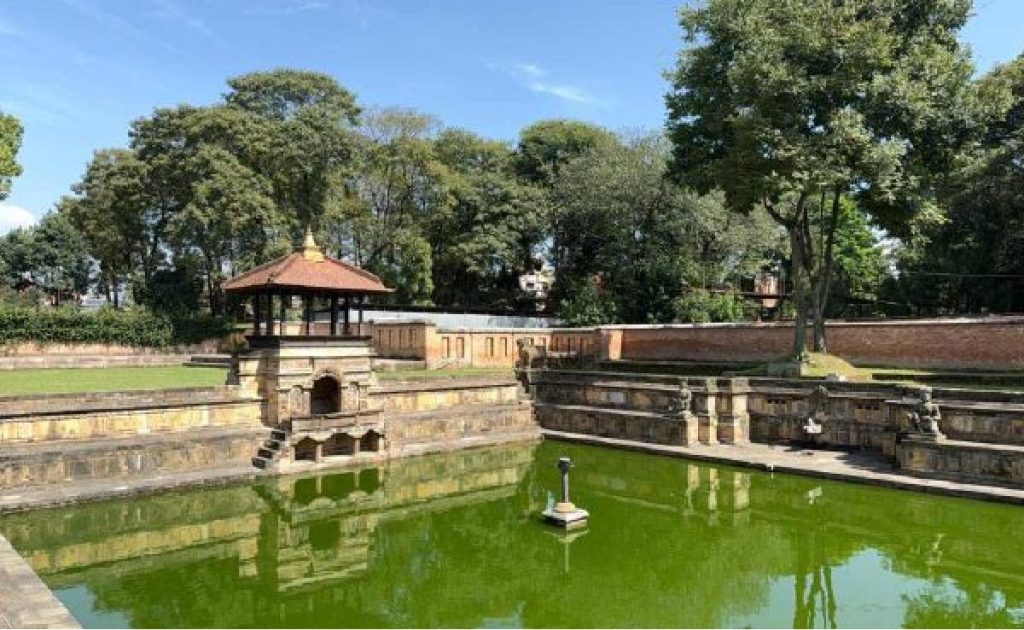
Siddha Pokhari is a rectangular artificial lake located near Bhaktapur Durbar Square’s main entrance. Built in the 15th century, it is one of the oldest and most traditional ponds in Kathmandu. 

There are intricate stone carvings and traditional architecture surrounding the pond, which is believed to have been used for religious and ceremonial purposes. 

The calm and peaceful pond allows you to relax while feeding the fish and enjoy the silence. Visitors and locals alike enjoy the historical significance and beauty of Bhaktapur’s pond.

  • Pim Bahal Pokhari (Patan):

Pim Bahal Pokhari is a large pond surrounded by buildings in Patan. It was built in the 14th century and is one of the most well-known historical ponds in the city. Using rainwater and the support of the community, Pim Bahal Pokhari is the only pond in the area that runs on rainwater.

Pond’s pool represents their ancestral heritage. There’s a Chandeshwari temple built in 1663 on the north side of the pond, and a stupa near Pimbahal pond. A visit to the area is worth it because of its historical significance and cultural appeal.

  • Ranipokhari (Kathmandu):

Located in the heart of Kathmandu, Nepal, Ranipokhari is a historic artificial pond. There are much religious and aesthetic significance to the pond, one of Kathmandu’s most famous landmarks. 

King Pratap Malla built Rani Pokhari in 1670 AD to console his grieving queen after their son was trampled to death by an elephant. The pond was sanctified by collecting water from several holy sites and confluences in Nepal and India, such as Gosaikunda, Muktinath, Badrinath, and Kedarnath.  

The Ranipokhari fence features an elephant and a statue of King Pratap Malla, queen, and son. Each year, Rani Pokhari is opened on Bhai Tika, the last day of the Tihar and Chhath festivals. 

  • Nagpokhari (Kathmandu):

Naag Pokhari is a historic artificial pond situated on the eastern side of the Kathmandu. Queen Subarna Prabha constructed the pond during the 17th century.

About 125 feet long, 65 feet wide, and 7 feet deep, this pond has a surface area of 125 feet square. A golden snake statue is centered on a pond surrounded by a park. 

  • Kamalpokhari (Kathmandu)

The Kamal Pokhari Lake holds centuries of history and culture in Kathmandu, Nepal. According to legend, Kamal Pokhari was built during the Lichchhavi era. The lake has served many purposes over the centuries and is popular with Kathmandu residents.

‘Kamal Pokhari’ is more than a pond; it symbolizes Nepal’s rich heritage and history. Kamal Pokhari, a natural pond in Hattisar named for the lotus that once bloomed in its waters, has recently become the site for Chhath celebrations throughout the country, including the President.

Sacred ponds in Kathmandu Valley are more than just picturesque bodies of water – they are museums of cultural and religious history. The labyrinthine streets of Kathmandu are dotted with ponds, which stand as timeless witnesses to this enchanting region’s spiritual legacy.

Exploring these sacred ponds is a journey into Nepal’s soul, as they evoke rich mythological tales and the unwavering faith of its people. Visit these sacred ponds of Kathmandu Valley with the Himalayan Circuit trek and discover Kathmandu’s culture and spiritual heritage.

Spiritual & Wellness: Ganeshthan – A Spiritual Journey in Kathmandu

The city of Kathmandu has many monuments, temples, monasteries, and stupas associated with its traditions and cultures. A beautiful city surrounded by hills and an idyllic landscape, this city has a rich history and is the epitome of art. 

Lord Ganesh, also known as the god of wisdom, is one of the most revered of all gods and is worshipped with much devotion and fervor. The presence of his divine presence ushers in wisdom, knowledge, and prosperity for devotees. 

Kathmandu Valley is home to many ancient Ganesh temples, which have provided spiritual inspiration and solace for centuries. Ganesh temples can be found throughout the valley, each with its own religious and traditional significance. 

So, let’s embark on a journey with Himalayan Circuit Treks to explore these mystical temples and discover Nepal’s deep-rooted reverence for Lord Ganesha. The major Ganesh temples in Kathmandu Valley includes:

  • Ashok Binayak Temple (Maru Ganesh):

A Hindu temple called Ashok Binayak (Vinayaka) is located in Maru Tole on the eastern side of Kathmandu Durbar Square. Hindus worship Lord Ganesh here as the god of luck. Maru means “does not have” in the Newari language, which came from this temple. 

The temple is small but holds great significance culturally and religiously. According to legend, devotees who offer 21 or 108 sesame laddus to this temple will receive their wishes. Also, it is believed that worshipping Ganesha will ease one’s grief. 

On Tuesdays and special occasions, such as Dashain and Indra Jatra, the statue is covered with a metallic cover made of silver and other metals. 

  • Chandra Binayak (Rakta Binayak):

Chandra Binayak (Vinayak) temple, also known as Chabhil Ganeshthan, is considered one of the four famous Binayakas of the valley. The temple is located on the main street of Chabahil, Kathmandu, very close to the Chabahil stupa. 

Chandra Binayak is also known as Rakta Binayak, “rakta” means blood, and Chandra Binayak is believed to cure diseases and external injuries. Devotees often visit this temple on Tuesdays as it is Lord Ganesh’s day.

Since Ganesh is a popular Hindu deity, Hindus begin every good deed by praying to him. Those who worship Chandra Binayak are always happy and healthy.

  • Surya Binayak:

Surya Binayak (Vinayak) is a Hindu temple located on the southern hill of Bhaktapur district, Nepal. The temple is believed to be a very old Ganesh temple (about 1500 years ago during the Lichhavi period by King Vishnu Dev Barma) and it has great historical and cultural significance. 

According to legends, Surya Binayak Ganesh temple is known as the curing god, especially for deaf and dumb children. Ganesh is often prayed to by newlywed couples, students, and businessmen after fulfilling their wishes at this temple by distributing 108 laddus (one of his favorite sweets).

  • Jal Binayak:

The Jal Binayak (Vinayak) temple is located in Chobhar of Kathmandu Valley, built in 1602 by Shiva Singh Malla. The temple has a roofed structure with very artistic struts and lion and mouse statues set in front.

According to the legends, the stone idol of Lord Ganesh emerged from the water at Jal Binayak temple. The idol was therefore called Jal Binayak, as Jal means water.

The temple attracts thousands of devotees who visit to take Lord Ganesh’s blessings and remove their obstacles in life.

  • Kamaladi Ganesh Temple:

Kamaladi Ganesh is also known as White Ganesh and is a prominent Ganesh temple in Kathmandu valley. On Tuesdays, there are thousands of people in the temple, making it feel like a festival day. The people believed that the main deity of the temple was found in the paddy fields. It was discovered that the idol was one of the Kathmandu Valley Pitha Ganeshas.

There is a regular pooja held in the temple every morning with flowers, tika (vermillion powder), rice, lights, and other items used in poojas. Every evening, the temple holds an evening aarati, which means offering lights to Lord Ganesh. Visiting the temple is possible at any time of year, especially on Tuesdays.

  • Karya Binayak Temple:

The Karya Binayak Temple is a Hindu temple in Lalitpur District, about 10 kilometers south of Kathmandu. ‘Karya Binayak’ means ‘Work Ganesh’ (Karya = Work and Binayak = Ganesh). 

According to legend, Karya Binayak was established to bring good luck to the Rato-Machindranath temple that was about to be built. Karya Binayak is brought to Rato Machindranath and revolved three times around the temple before being brought to the Priest’s home.

It is common for people to worship Karya Binayak before beginning any new project, work, or endeavor. According to faith, Tuesday and Saturday are auspicious days to visit the temple.

Other major Ganesh temples in Kathmandu Valley:

There are some other Ganesh temples in Kathmandu Valley that includes: Tindhara Ganesh Temple, Kopeshwor Ganesh Temple, Ranipokhari Ganesh Temple, Siddhi Ganesh Temple, Sano Gaucharan Ganesh Temple, and Lokanthali Ganesh Temple.

Ganesh temples in the Kathmandu Valley are more than just places of worship; they are sanctuaries of peace, devotion, and spiritual awakening. The ancient temples in Nepal bear witness to Nepalese faith and reverence for Lord Ganesha.

You can gain an understanding of Nepalese people’s respect for Lord Ganesha by exploring these sacred shrines and traversing the labyrinthine streets of Kathmandu. The divine presence of God offers solace, hope, and belonging to all who seek it.

You will have a deeper connection with the divine when you visit these temples when you nurture your faith with love and devotion. So, get ready to visit the Ganesh temples around Kathmandu valley with Himalayan Circuit Treks to seek Lord Ganesh’s blessings.