Wildlife & Nature: Exploring Red Panda Habitats and Spots in Nepal

Red Panda tour in Nepal

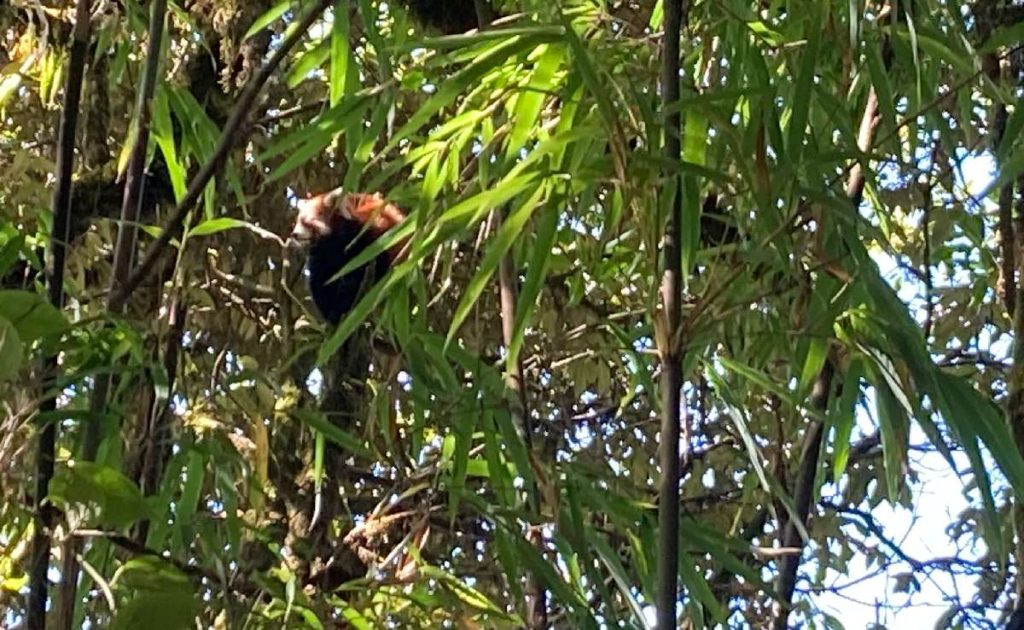
Nepal is a wildlife enthusiast’s paradise, and one of its most captivating and elusive residents is the red panda. Known for its charming appearance and secretive nature, this rare creature is a true treasure for those lucky enough to encounter it. While the red panda is notoriously difficult to spot in the wild, Nepal offers several exceptional locations where you can embark on thrilling adventures to catch a glimpse of this fascinating animal in its natural habitat. With the expert guidance of Himalayan Circuit, you can explore these red panda hotspots while trekking through some of the world’s most breath-taking landscapes.

In this guide, we’ll introduce you to Nepal’s top red panda destinations and why they should be at the top of your wildlife bucket list.

1. Kanchenjunga Conservation Area

Location: Eastern Nepal, Bordering Sikkim (India)
Why It’s Special: Kanchenjunga, the third-highest mountain in the world, offers more than just incredible mountain views. The surrounding conservation area is a prime habitat for red pandas, boasting diverse ecosystems ranging from subtropical forests to alpine meadows at 2,500–4,000 meters above sea level.

What to Expect: Trekking through Kanchenjunga is a unique blend of awe-inspiring mountain scenery and exceptional wildlife encounters. Along the trail, you’ll pass through bamboo groves and rhododendron forests, all while keeping an eye out for red pandas. Other wildlife in the region includes Himalayan tahr, snow leopards, and various species of pheasants. The area’s remoteness ensures a peaceful and immersive trekking experience.

Best Time to Visit: Spring and autumn offer clear weather and optimal wildlife sightings.

2. Makalu Barun National Park

Location: Eastern Nepal, Near China
Why It’s Special: Makalu Barun is one of Nepal’s least explored parks, and its rugged, remote terrain makes it a sanctuary for wildlife, including the red panda. The park is home to an impressive variety of species, thanks to its wide range of habitats—from tropical forests to alpine meadows.

What to Expect: This national park is perfect for adventurous trekkers seeking solitude and biodiversity. The landscape is challenging but rewarding, with steep trails offering breathtaking views of the Himalayas. Along with red pandas, you may encounter clouded leopards, various bird species, and rare plants. The park’s untouched beauty ensures a truly wild experience.

Best Time to Visit: Spring and autumn provide the best trekking conditions and wildlife sightings.

3. Ilam

Location: Eastern Nepal, Near India
Why It’s Special: Ilam is famous for its cool climate, lush tea gardens, and the surrounding forests of Panchthar and Taplejung, which provide an ideal habitat for red pandas. It’s also one of the more accessible destinations for spotting red pandas in Nepal.

What to Expect: Ilam offers a moderate trek through scenic tea estates and charming villages. Along the way, you might spot red pandas in the surrounding forests, known for their cooler temperatures and dense foliage. In addition to red pandas, this area is rich in local culture, offering a perfect blend of nature and tradition.

Best Time to Visit: Winter and early spring offer cooler temperatures, which help improve wildlife sightings.

4. Koshi Tappu Wildlife Reserve

Location: Eastern Nepal, Near the Saptakoshi River
Why It’s Special: While primarily known for birdwatching, Koshi Tappu is also home to a small population of red pandas. This diverse wildlife reserve features subtropical forests, wetlands, and grasslands, creating an ecosystem rich in biodiversity.

What to Expect: Koshi Tappu offers a mix of birdwatching and wildlife spotting, with opportunities to see red pandas in their natural habitat. The wetlands are teeming with waterfowl, wild buffalo, and other wildlife, providing photographers and nature lovers with ample opportunities to capture stunning images.

Best Time to Visit: Winter is the best time for a more peaceful wildlife experience, with fewer tourists around.

5. Rara National Park

Location: Mid-Western Nepal
Why It’s Special: Rara National Park is one of the most tranquil and remote parks in Nepal, home to the stunning Rara Lake and pristine alpine landscapes. The park also supports a small population of red pandas, especially during the winter months, making it a hidden gem for wildlife enthusiasts.

What to Expect: The park offers a serene trekking experience through dense forests, offering breathtaking views of snow-capped mountains and alpine lakes. The calm surroundings and unspoiled beauty of Rara create an ideal setting for those hoping to catch a glimpse of the elusive red panda.

Best Time to Visit: Winter provides the best chance for red panda sightings, along with a peaceful trekking experience.

6. Balephi Valley

Location: Central Nepal, Foothills of the Himalayas
Why It’s Special: Balephi Valley is a less-visited destination, offering an off-the-beaten-path trekking experience. The valley’s bamboo and oak forests provide the perfect environment for red pandas to thrive, and its peaceful atmosphere makes it a great place for wildlife watching.

What to Expect: Trek through lush forests and quaint villages, where you might spot red pandas in their natural habitat. Balephi Valley’s quiet charm, combined with its rich biodiversity, makes it a special location for those seeking a more intimate wildlife experience.

Best Time to Visit: Spring and autumn offer optimal trekking conditions and wildlife sightings.

7. Dolpa

Location: Mid-Western Nepal
Why It’s Special: Dolpa is one of Nepal’s most remote regions, known for its Tibetan culture, pristine landscapes, and wild terrain. The forests around Phoksundo Lake are home to red pandas, making this a unique spot for wildlife lovers looking for adventure.

What to Expect: The rugged terrain and high-altitude lakes make Dolpa a challenging but rewarding trekking destination. Along with red pandas, trekkers can enjoy views of alpine lakes, Tibetan monasteries, and mountain passes. The solitude and natural beauty of Dolpa make it a truly unforgettable destination.

Best Time to Visit: Late spring to early autumn offers the best trekking conditions.

Why Choose Himalayan Circuit for Your Red Panda Tour?

The Himalayan Circuit offers expertly crafted itineraries to help you make the most of your red panda adventure in Nepal. With years of experience, their knowledgeable guides are not only well-versed in the local wildlife but also take an eco-conscious approach to trekking, ensuring that your visit is both enriching and responsible. Their tours are designed to be immersive, allowing you to fully experience Nepal’s biodiversity while respecting the environment and local cultures.

A Wildlife Adventure of a Lifetime

Nepal offers some of the best opportunities in the world to spot red pandas in the wild, and with the guidance of the Himalayan Circuit, you can explore the most spectacular landscapes while seeking out this elusive creature. Whether you’re trekking through the high-altitude forests of Kanchenjunga or the peaceful valleys of Rara, the memories you create on this wildlife adventure will stay with you for a lifetime.

Don’t miss your chance to see the red panda in its natural habitat—book your journey today with Himalayan Circuit for an unforgettable wildlife experience in Nepal!
Kathmandu Diary: Top 5 Museums in Kathmandu Valley

Kathmandu Valley is home to some of Nepal’s most fascinating museums, each offering a unique glimpse into the country’s history, culture, and biodiversity. Whether you’re interested in royal history, ancient art, or aviation, these museums provide an unforgettable experience for visitors. Below are the top five museums in Kathmandu that you should definitely explore during your trip to Nepal.

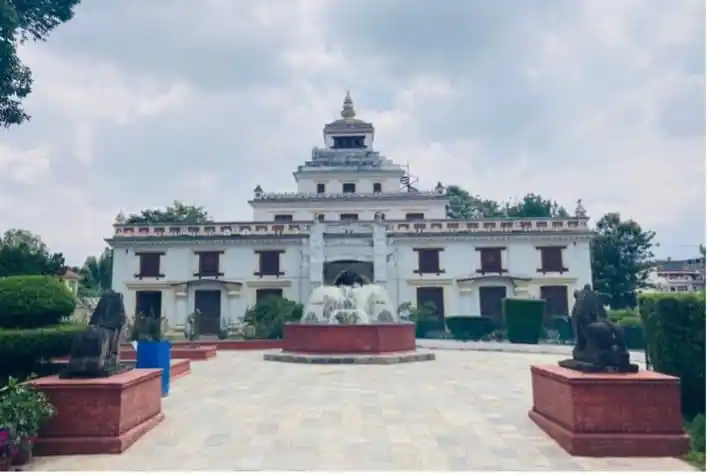
1. Narayanhiti Palace Museum: Discover Nepal’s Royal History

Located on Durbar Marg in Kathmandu, the Narayanhiti Palace Museum is a must-visit for history lovers. Once the royal residence of the Shah Kings of Nepal, the palace was transformed into a museum in 2008.

Built in 1963 by King Mahendra, the palace features traditional pagoda-style architecture that showcases Nepalese craftsmanship. The museum is divided into three sections: a private wing, a guest wing, and a state wing, each with unique artifacts. Highlights include royal paintings, photographs, memorabilia, and artifacts that give insight into the royal lifestyle.

Opening Hours:
Thursday to Monday: 11:00 AM – 3:00 PM
Closed on Tuesdays and Wednesdays.

2. National Museum of Nepal: A Journey Through Nepal’s History

The National Museum of Nepal, established in 1928, is the largest museum in Nepal and a hub for historical and archaeological exploration. Located near the iconic Swayambhunath Stupa, this museum is divided into three sections:

  • Juddha Jayatia Khate Sala
  • Buddha Art Gallery
  • Main Building (with collections on Nepali arms, sculptures, historical paintings, and natural history)

The museum’s coins, weapons, and mural collections provide a deep dive into Nepal’s past. It’s a must-visit for anyone keen to understand the evolution of Nepali culture and history.

Opening Hours:
Wednesday to Sunday: 10:00 AM – 4:00 PM
Monday: 10:00 AM – 2:00 PM
Closed on Tuesdays and public holidays.

3. Museum of Nepali Art (MoNA): A Celebration of Nepali Creativity

The Museum of Nepali Art (MoNA) is Nepal’s first private art museum, showcasing both contemporary and traditional Nepali art. Founded by Rajan Sakya, MoNA houses over 500 artworks, 85% of which are from Sakya’s personal collection.

MoNA preserves Nepali artistic traditions with paintings, sculptures, and mixed-media works that represent both religious and secular themes. This museum provides an excellent opportunity to explore Nepali art and discover the rich history of the country’s creative expression.

Opening Hours:
Daily: 10:00 AM – 5:00 PM

4. Taragaon Museum: A Glimpse into Kathmandu’s Architectural Evolution

The Taragaon Museum in Tusal, Kathmandu, is a fascinating stop for architecture enthusiasts. Built in 1972 as a hotel for travelers, the building was repurposed in 2014 as a museum. The museum focuses on the architectural history of the Kathmandu Valley, showcasing models, photographs, and historical documents.

The museum complex spans 35,000 square feet and includes two amphitheaters and a coffee bar, making it a great place to relax while soaking up the local culture.

Opening Hours:
10:00 AM – 5:00 PM (Closed on Saturdays and public holidays)

5. Aviation Museum: Explore the History of Nepali Aviation

The Aviation Museum in Sinamangal is dedicated to the history of Nepalese aviation. The highlight of this museum is an A330 aircraft, which was involved in a runway excursion accident in Kathmandu in 2015.

Visitors can learn about the development of Nepali aviation and view various aircraft and aviation-related exhibits. The museum aims to inspire young Nepalis to pursue careers in aviation, making it an educational experience for both aviation enthusiasts and aspiring pilots.

Opening Hours:
Summer: 10:00 AM – 6:00 PM
Winter: 10:00 AM – 5:00 PM (Open daily)

Why Visit Kathmandu Valley’s Museums?

Kathmandu Valley is a cultural treasure trove. From ancient Nepali art and royal history to fascinating aviation stories and architectural evolution, these museums offer an insightful journey through Nepal’s past. A guided tour of these museums will deepen your understanding of Nepal’s rich cultural heritage and stunning diversity.

Book your tour with Himalayan Circuit Treks to get an immersive experience at these top museums in Kathmandu Valley.

Plan Your Visit Today
Discover the stories behind Nepal’s history, art, and culture at Kathmandu Valley’s top museums. Don’t miss the chance to experience the rich heritage of Nepal—book your museum tour with Himalayan Circuit now!


Ropai Diwas: Unique festival tour of Nepal

ropai diwas

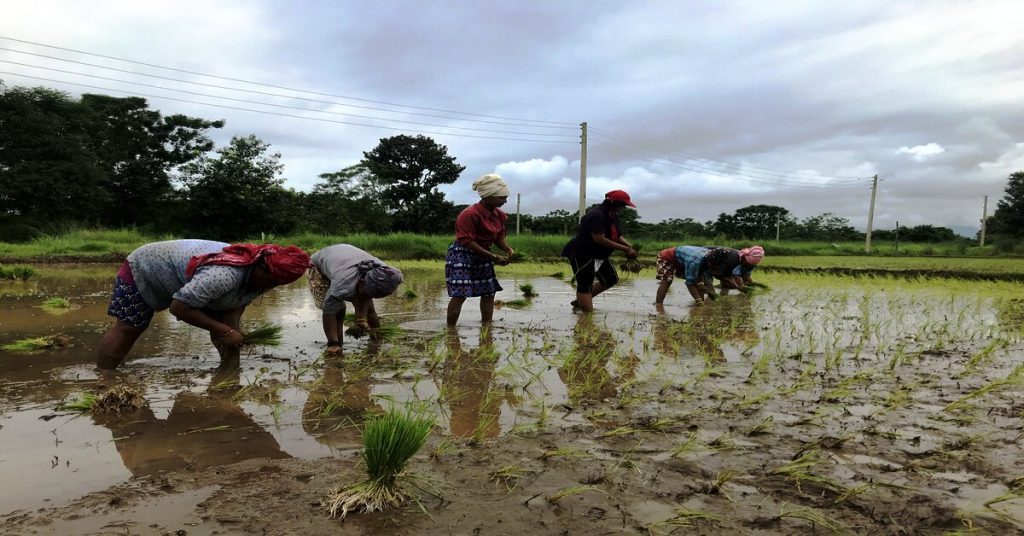
It is extremely difficult to do trekking and extreme activities during the monsoon season. However, tourists from different countries now visit Nepal to enjoy the Rice Plantation Festival (Ropai Diwas) when the monsoon rain falls.

The Ropai Diwas (festival of rice) is one of the traditional festivals of Nepal that occurs on the 15th of the Nepali month Ashad. The day is celebrated with beaten rice and yogurt (known in Nepali as Dahi Chiura). 

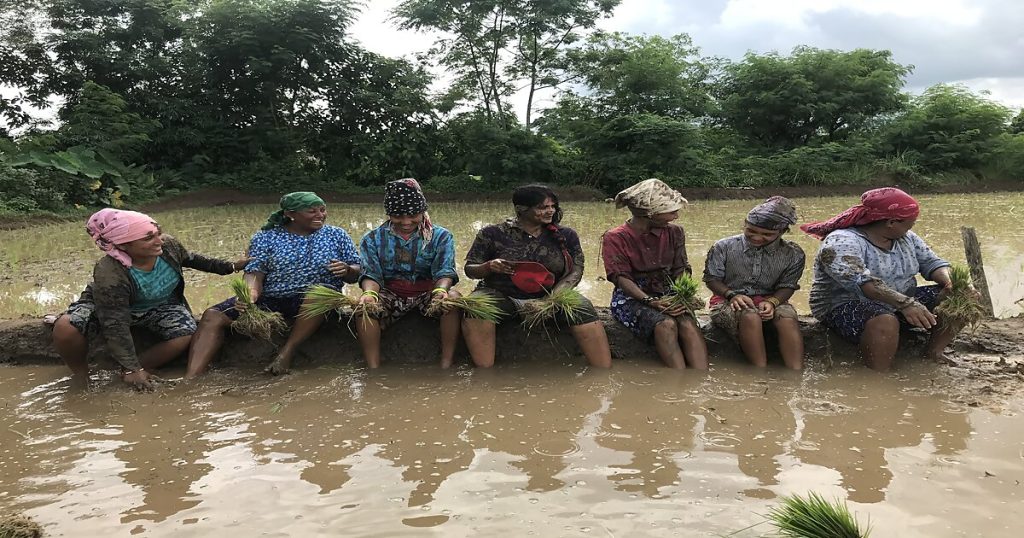
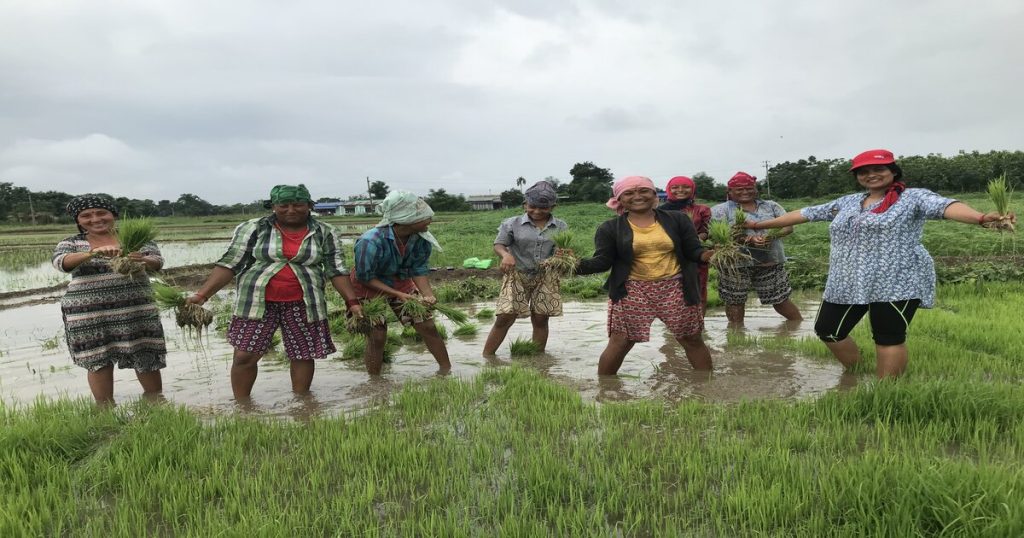
This day holds importance for crop production in Nepal since rice is the main crop and farming is the main occupation. It is now considered a festival where people from all over Nepal plant rice, play with mud, sing, and dance in their respective fields.

Rice plantation is done mainly at the beginning of the monsoon season. However, Asar 15 is a special day and is celebrated as a festival. There is the belief that if someone touches wet mud on this day, they will be healthy, earn good omens, and get recognition.

The festival marks the beginning of the rainy season. Farmers begin planting paddy. Rice plants are planted in fields that are filled with water since rice needs a lot of water. 

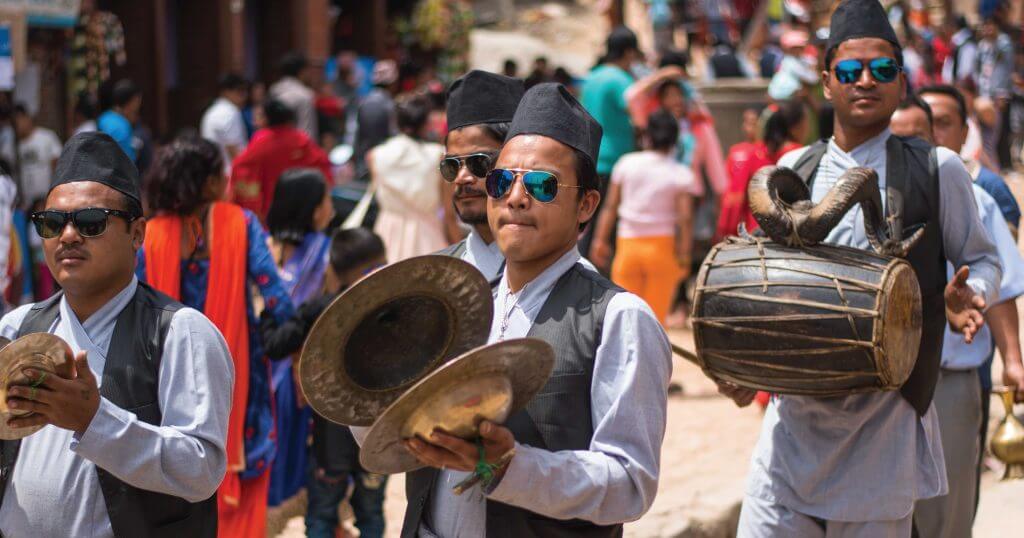
To encourage the nation’s rice crops to grow more efficiently, the Government of Nepal has declared the day as National Paddy Day. Many people celebrate this unique festival by playing musical instruments and singing traditional songs.

Why to Celebrate Ropai Diwas (National Paddy Day)?

paddy plantation

There is a strong connection between Ropain Diwas and people in all parts of the country and it has a profound effect on their social, cultural, and economic lives. Women and men gather in the morning to participate in a parade around their village before going on fields.

The rice plantation stands out as the perfect reflection of the weather, and the great message of happiness. It will be a pleasant experience for you to visit the muddy and wet fields and observe the rice plantations. 

There is mutual work between men and women as various responsibilities are shared. Plowing and arranging drains, leveling the ground, and creating fine mud slurry for planting are the duties of the man, while the woman collects the seedlings and gives them to the fellows who are prepared for planting. 

The day is celebrated by planting the allotted field, running through the muddy fields, splashing around in muddy water, and singing typical folk songs (Asare Geets) that describe the joys and hardships of farming.

Dahi-chiura: Another important norm

The custom of eating Dahi-chiura (beaten rice mixed with curd) is also observed on this day. Farmers and locals still eat this combination to mark Asar 15 even if the planting is not done during this day. Dahi-chiura is traditionally distributed by elders.

Dahi-chiura is a food that is considered important to eat on this day as it gives energy to the body. This combination provides strength, eases, and speeds up the rest of the farming process for tired farmers.

The epics of Ramayan and NepalaMahatmya of Skanda Puran relate stories about dahi-chiura eating culture. After Ravan abducted Sita, Lord Ram, Lakshman, and Hanuman went in search of her. 

Upon reaching a river south of today’s Bhaktapur, they became hungry and ate Dahi-chiura on a banana leaf. Some people believe the same tradition is still followed today as eating Dahi-chiura on Asar 15.

Why should you participate in this festival?

rice plantation

Recently, the festival has been popular with tourists visiting Nepal. Visitors have been enjoying the festival. There will be many other tourists joining you in the muddy water and you will be enjoying the day with the locals and farmers.

In recent years, Ropai Jatras have been organized in various parts of Nepal, especially in and around the capital city, Kathmandu, and the popular tourist destination, Pokhara.

The Ropai festivals are celebrated in places such as Chapagaun, Sakhu, Dhapakhel, Panjauti, Thansing, Bungamati, Kavrepalanchowk, Dhikure, Machhegaun, etc. 

You will be participating in activities such as racing competitions, entertainment-based games, and live Nepali Asare duet songs that will be held throughout the day.

Getting your feet into muddy, slippery fields during a full-fledged rain might not sound appealing; however, it will certainly prove to be an unforgettable experience. 

It is basically a day for you to have fun; you get soaked in the rain, sow rice saplings, play with mud, and turn the field into a dance floor. You will have the opportunity to observe traditional rice farming practices, the use of mutual labor, as well as cultural demonstrations. 

Nepal’s Ropain Diwas holds unique national significance among many other celebrations. By participating in such festivals, you will not only be entertained, but you will also be able to learn about the traditional way of farming.

Participating in this agro tourism experience from the Himalayan Circuit will be an unforgettable experience for you.

Embracing New Beginnings: Celebrating the Nepali New Year with Joy and Traditions

Flute

New Year opens a new chapter of your incredible story. With every New Year comes new beginnings and the chance to forget about all the negativity of the previous year. The Nepali New Year is a time of joy and celebration for those who reside in Nepal as well as those who visit.

Nepal is the best destination to bring in the new year with a great deal of energy and excitement. Nepali New Year has always been enthusiastically participated and includes joyful activities like parades, street dance, picnic, family gathering and lots of foods. 

There are more than 60 ethnic groups in Nepal, and each has its own unique culture. Nepal celebrates nine different New Years during the year due to its deeply rooted traditions. However, Baishakh 1st is regarded as the national New Year which is celebrated by all.  The country’s official calendar year starts on this day. 

Nepali New Year is also known as Navavarsha in Nepal which falls during the second week of April. Nepali New Year is based on the Nepalese lunar calendar – Nepal Sambat. During this celebration, the entire Nepal celebrates with colorful ornaments & social activities as they greet the New Year.

Festivals celebrated during Nepalese New Year

Traditional Instruments

There are a number of festivals and religious events celebrated throughout Nepal, and these events are always celebrated with great pride by the people of Nepal and everyone in the country is eager to participate. A Nepalese New Year celebration accompanies merry activities that include parades, marches, and social gatherings everywhere throughout the country.

Bisket Jatra

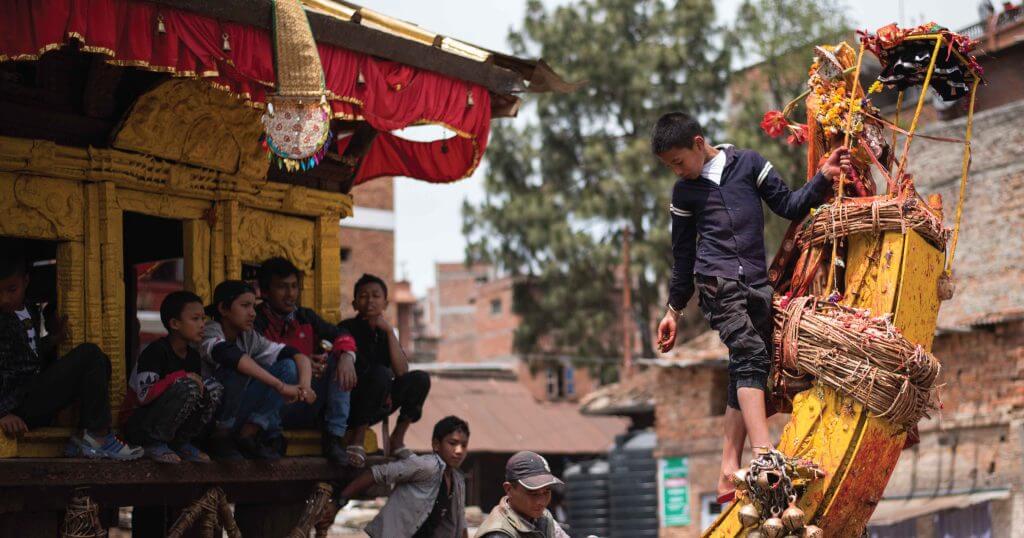
Bisketjatra is the popular festival celebrated during the Nepali New year. This festival commemorates the famous battle of Mahabharata and is celebrated in the city of Bhaktapur. A huge wooden post is set up in the town square that displays frightening images of local deities seated on chariots.

During the Nepali New Year celebration, you can observe a tongue piercing ceremony that takes place in Bhaktapur. One lucky local gets their tongue pierced on this day, and he has to walk around the city holding lit torches on his shoulders while the iron runs through his tongue.You can also see a Palanquin Parade in Thimi, which is similar to something you would see in a historical movie. 

How Nepalese celebrate Nepali New Year?

Pashupatinath temple

Nepali New Year is a day of religious significance to the Nepalese people. Baisakh 1st is a holiday in Nepal and a day of family gatherings. Typically, the locals will go to the temple in the morning to perform puja, which is a ritual offering to gods and goddesses. Families spend the day visiting temples, attending outings and festivals. 

New Year is a day to reflect upon one’s life and make changes for the better. Nepalese people believe that the New Year can help them gain positive energy so that their sorrows and pain can be released and they can obtain happiness and prosperity as the New Year begins. 

How to celebrate Nepali New Year?

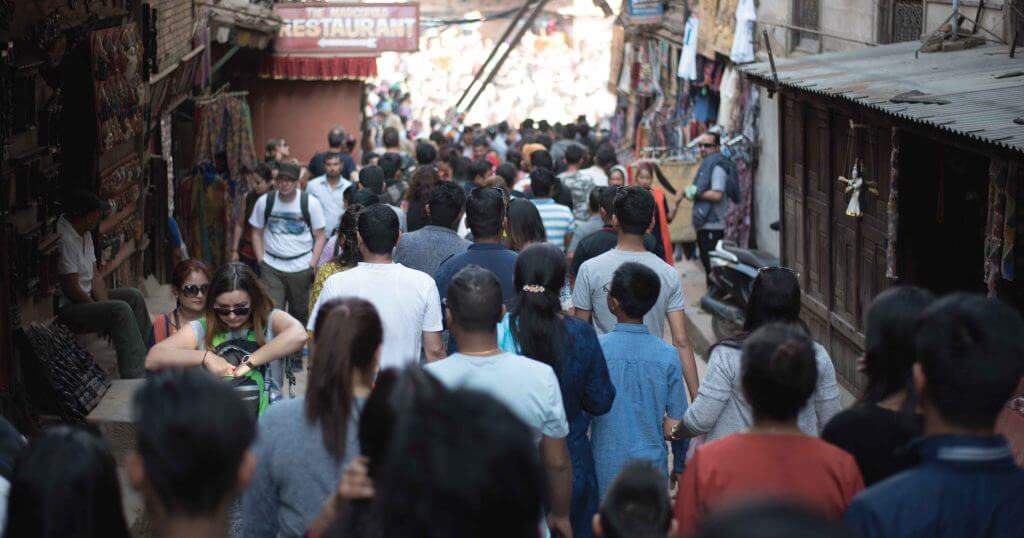
Crowd in kathmandu

Many tourist areas in Nepal celebrate the New Year with great excitement and joy, including Thamel, Pokhara and Sauraha. Bars, hotels and other music venues are full of people who dance, sing and welcome the New Year with enthusiasm. The top bands of Nepal perform live concerts, and various cultural programs are held.

Thamel is the best place to visit on New Year’s Eve for those who love night parties and Nepalese food, as this place turns lively throughout the night with some interesting events. The celebrations start the night before, on December 31.

Paragliding

You can be a part of some exciting and fun activities such as paragliding, sightseeing, hiking, rock climbing, and more to celebrate the Nepali New Year in Pokhara. The streets are decorated with lights, flowers and ornaments, and you can take part in a variety of musical events to ring in the Nepali New Year.

You can also enjoy the sunrise from Sarangkot, Daman and Nagarkot with the spectacular view of the mountains to welcome the Nepali New Year. The New Year is also a good time to plan hiking excursions in Champadevi, Nagarkot, Shivapuri and Chandragiri, which are popular hiking destinations.

Nepali culture and traditions vary a lot and we have different ways of celebrating Nepali New Year. If you are curious about Nepali New Year, we would love to have you join us.

This year, celebrate the Nepali New Year by visiting spectacular palaces, visiting religious sites, trying out some sporting activities or being a part of some street events.

Maha Shivaratri Festival Tour

Pashupatinath temple

Maha Shivaratri festival is an annual Hindu festival held in the holy temple of Pashupatinath to honor Lord Shiva and Goddess Parvati’s marriage. A Maha Shivaratri festival tour gives you an overview of ancient Hindu culture and traditions, as well as a tour of the centuries-old Pashupatinath Temple.

Shivaratri is also known as “the great night of Shiva” and falls on the new moon of Magh/Falgun according to the Hindu calendar. The festival is mostly observed in Nepal and India, where people remember Shiva, pray, fast, practice yoga, and meditates on ethics.

Traditionally, Lord Shiva is offered Bael or Vilvam leaves during the Shivaratri festival. Also, it is believed that those who fast on this night and pray to Lord Shiva will receive good luck, prosperity, and peace in their lives.

The festival is not only about Puja and Darshan, but also about a vibrant crowd of devotees including gorgeous Sadhu Babas from different parts of the country, who believe that honoring Lord Shiva on this night will lead to a better life for them.

A colorful and naked sadhu sits meditating and posing for photographs while tourists enjoy the ambiance with curiosity. Some Sadhus cover themselves with ashes while others remain completely naked.

There is a constant flow of devotees praying for prosperity, wellness, and sacredness at Pashupatinath temple. “Om Namah Shivay” and “Mahamritunjaya” are chanted by devotees all night long for the victory of light over darkness.

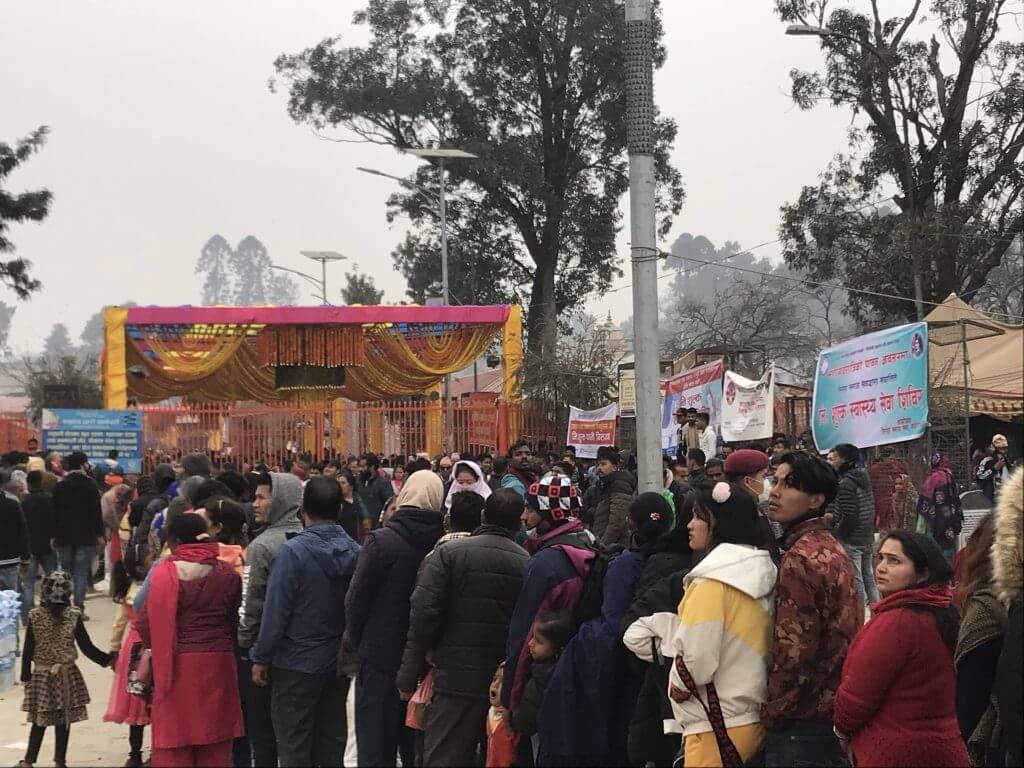
Over a million people visit the Pashupatinath temple during Shivaratri every year, mostly from the Indian subcontinent. The prodigious night of Lord Shiva is one of the most important sectarian festivals of the year, especially for followers of Hinduism.

Tour Highlight:

Sadhus in pashupari

  •       An exploration of a UNESCO World Heritage Site in Kathmandu. 
  •       There is a peaceful, spiritual atmosphere at the Aarti Ceremony.
  •       Experience centuries-old temples, statues, and Shiva lingams.
  •       Witness the devotion of Hindu Sadhus to Shiva and witness their lives.
  •       Enjoy the local ride to the temple premises and observe the faith of the people.
  •       Get a glimpse of the festival’s ritual ceremonies.

How is Shivaratri festival celebrated?

This auspicious day is celebrated by devotees worldwide in accordance with their customs and traditions. Devotees celebrate Maha Shivaratri festival in a number of ways:

  •       Fasting is practiced throughout the night and vigils are kept to contemplate spirituality.
  •       The Hindus worship Lord Shiva by visiting temples and rivers.
  •       During the festival, devotees meditate, chant mantras, sing songs, and listen to stories about Lord Shiva.
  •       Shiva Lingam is worshipped using Bel Patra (a type of bel tree leaf), milk, sandalwood paste, white colored flowers, and Dhaturo (an intoxicating plant).
  •       It is common for devotees to donate food and clothes to the poor after Maha Shivratri pujas.

Significance of Shivratri in Nepal:

Shiv Ling

The significance of Maha Shivaratri festival differs according to legends and traditional lords.

  •       This is the night of the convergence of Shiva and Shakti, which represents the importance of masculine and feminine energy in balancing the planet.
  •       This night is said to be the night Lord Shiva performed his Tandava – a cosmic dance of ‘creation, preservation, and destruction.’
  •       Those living in families observe Maha Shivaratri festival as a celebration of the marriage anniversary of Lord Shiva and Parvati.
  •       Hindu mythology portrays this as the night when Lord Shiva consumed poison in order to save gods and humans. But the poison lodged in Lord Shiva’s throat and eventually turned him blue.

Things You Can Do During Maha Shivaratri festival in Nepal:

  1. Observe the Shivaratri Vrat:Devotee in pashupatiFasting during Maha Shivaratri festival will give you a chance to experience the spiritual aspects of the festival. The Shivaratri Vrat (or Shivaratri Fast) is observed by devotees to seek Lord Shiva’s blessings and strengthen their vows.
  2. Meditate on Mahashivratri:Yoga retreatYou should try staying awake all night during Maha Shivaratri festival and practicing meditation. The constellations appear to be in an auspicious position on Shivaratri.

    It was said in ancient times, “If you cannot meditate every day, do so at least once a year, on Shivratri day, during which you stay awake and meditate.”

  3. Attend aarati:The Sandhya Aarati ritual is performed on the eastern side of Pashupatinath Temple on the banks of the Bagmati River. This sacred ritual is conducted every evening by three temple priests.There are hundreds of people gathered around the podium to witness the ceremony which includes chanting mantras, singing hymns, lighting oil lamps, and playing classical music.

    Taking a walk around the temple and attending this auspicious ceremony will give you a sense of bliss.

  4. Witness the Sadhus:Foreigner with Sadhus in PashupatinathThe Pashupatinath temple is filled with thousands of sadhus and babas on the eve of Maha Shivaratri festival. Take a walk around the temple and you’ll likely see sadhus and baba with matted dreadlocks and ash-smeared faces smoking cigarettes mixed with marijuana.

    Around the temple, you can also see Naga Babas (The Naked Sadhus), who are by far the most fascinating type of Shaivite sadhus. Naga Babas only care about the necessities of life; hence, they pay homage to Lord Shiva by stripping down to their flesh.

As you participate in Shivaratri rituals, you are infused with the spiritual energy of people. This makes you feel like a god among the gods. Make sure you visit Nepal during Maha Shivaratri festival with the Himalayan Circuit to experience the heavenly feeling that surrounds Pashupatinath.

Adventure Tourism in Nepal

Welcome to nepal

A great destination for adventure lovers, Nepal offers outdoor activities such as trekking, mountaineering, rock climbing, bungee jumping, rafting, canyoning, cannoning, jungle safari, and much more. Nepal has been a unique destination for adventure seekers from around the world for a long time and trekking is still the most popular activity in the country. 

Trekking and exploring Nepal are ideal because of its geographical and natural diversity as well as its wide variety of exotic cultures. A trek in the Himalayas of Nepal provides one with the unique opportunity to observe its cultural facets and take in the breathtaking beauty of nature. This country has an unparalleled natural beauty, as well as a culture that can’t be found anywhere else.

A journey through Nepal offers a variety of exciting adventures, where you can marvel at the surrounding beautiful landscapes and get close to its warm people, from the Gangetic plains and its verdant jungles where Royal Bengal Tigers and one-horned rhinoceros roam, to the Yak and Yeti trails to Mount Everest.

Trekking:

Trekking in Annapurna region

There are thousands of trekkers who travel hundreds of miles every year in Nepal, making trekking one of the most popular activities there. As a world-renowned trekking destination, Nepal boasts a wide variety of routes through villages, forests, national parks, suspension bridges, rivers, valleys, glaciers, and other breathtaking natural features.

You get to experience Nepalese culture, traditions, lifestyle, and cuisine while trekking in remote ethnic villages. You can enjoy amazing views of the Himalayan ranges along the way as you trek in Nepal from its lowlands of the terai region to high mountainous regions.


Each trek in Nepal has its own method of attracting visitors. Nepal offers a number of popular treks, including Annapurna Base Camp Trek, Everest Base Camp Trek, Upper Mustang Valley Trek, Upper Dolpa TrekLangtang Valley Trek, Tilicho Lake Trek, etc.

Paragliding:

Paragliding

Are you looking for a way to make your heart race as you soar high in the Nepalese skies? You should not miss paragliding in Nepal. 

The trip will take you through villages, monasteries, lakes, emerald jungles, and temples with the most incredible views. With Himalayan griffins, eagles, and kites flying around you, you get the sensation of flying like a bird. You can enjoy bird’s-eye views of underneath valleys, landscapes, rivers, forests, etc while floating in the air, giving you lifetime memories.

Among the most popular paragliding destinations in Nepal are Pokhara, Godavari, Chapakharka, Kot Danda, and Bandipur

Bungy Jumping:

Bungee jumping in Nepal is an exciting way to experience some thrills while you are in Nepal. The activity has become increasingly popular in the last few years out of all the activities in Nepal. There are three locations in Nepal where you can Bungee Jump: Bhotekoshi, Pokhara, and Kusma.

A bungee jump is one of the most thrilling experiences one can ever have. Get ready for a free fall, unlike anything you’ve ever experienced before. Both locals and tourists participate in this activity to get thoroughly entertained. The views in Nepal are spectacular, which makes it the perfect place to do bungy jumping.  

Mountaineering:

Mountaineering in Nepal is the most challenging and rewarding adventure you can have in the country. Taking a peak climbing trip in Nepal takes you to Nepal’s Himalayan Mountains, including Mount Everest (8848 m), which is the highest mountain on the planet. Nepal has had eight of the world’s highest peaks and has been the site of some of the most impressive mountaineering achievements. Today, Nepal has 326 peaks that are open for mountaineering.

Nepal is home to thousands of mountaineers who climb big mountains and smaller trekking peaks every year. Under the supervision and instruction of a climbing leader/guide, a mountaineering expedition includes basic climbing skills such as using an ice axe, crampons, and ropes under the same conditions as challenging treks.

Rafting:

Nepal is a paradise for river runners and one of the most popular destinations for rafting. There are various grades of whitewater rafting trips that are perhaps dependent on the interest and choice of the individual. For those seeking long days of adventure, rafting the Sun Koshi and Karnali together is a good option, combined with a safari tour in one of the nearer national parks. Those looking for a smooth run and experience can raft on Trishuli and Seti for short runs.

There are numerous world-class rivers in Nepal that offer thrilling river rafting experiences. Nepal offers stunning mountain scenery, thrilling white water rapids, warm water, and fascinating cultural attractions that make it an ideal white water rafting destination. A pleasant weather and warm water make September to early December and March to June the best time of year to go rafting in Nepal.

Mountain Flight:

Mountain Flight

An exclusive mountain flight tour package in Nepal provides a scenic view of Mount Everest, the highest peak on Earth, and other series of giant panorama Himalayan ranges, and Tibetan plateaus, at a close range up to 5 nautical miles away, with an in-flight duration of 1 hour departing from Kathmandu domestic airport.  Nepal’s mountain flights appeal to a wide range of travelers. 

Mountain flight tours are for travelers who want to see Mount Everest but can’t trek or have a short amount of time for a trek and interested in Mount Everest but can’t go trekking.  It gives you a fantastic view of Mountain Everest (8848m), Gaurishankar (7134m), Cho Oyu (8201m), Lhotse (8516m), Amadablum (6856m), as well as several dozens of other peaks and the Tibetan plateau.

Zip Flyer:

Zip flyer

Embrace your fear of heights and buckle up your belts since Nepal has some of the most thrilling zip lines to explore. Here, you will enjoy minutes of acute thrills and adventure on the steep and long zip lines. Forests surrounded by tall mountain ranges and dark green forests will amaze you. A zip flying experience here is enhanced by nature’s exceptional beauty.

The most popular zip line destinations in Nepal are Sarangkot, Dhulikhel, Bandipur, Kusma, Makwanpur, etc. 

Rock Climbing:

Climbing the natural rock formations or climbing man-made rock walls is a challenging sport in Nepal. Climbers in Nepal benefit from an attractive rock climbing experience that is physically and mentally challenging, testing their strength, endurance, agility, balance, and mental control. If you are looking to experience some cliffhanger activity in Nepal, Kathmandu valley offers a lot of places where you can crawl up vertical cliffs.

You can explore a variety of wild locations throughout the valley while climbing, including birdwatching, and experiencing some of the valley’s wildlife. Several excellent cliffs can be climbed in Nagarjun and Shivapuri hills, which are both within walking distance of the city. The most popular rock climbing destinations in Nepal are Nagarjun forest, Hattiban, Namche Bazaar, Bimal Nagar, and Nagarkot.

Canyoning:

Canoeing

Canyoning typically involves technical descents, such as abseils and rope work, technical climbing or down-climbing, technical jumps, and/or technical swims. Canyoning is often done in remote and rugged locations where narrow gorges are cut into the bedrock stone, which creates multiple drops and gorgeous sculpted walls. 

One of the most exciting and thrilling adventures in Nepal is canyoning, which is performed on the rivers of Nepal. Nepal’s high altitude and unique topography provide a unique experience unlike any other. The sport of canyoning can be extremely difficult or extremely easy, but the emphasis is usually on fun and aesthetics rather than pure difficulty. Nepal’s most popular canyoning destinations are Jalbire, Raindi Khola, and Jagat Khola. 

Yoga Retreats in Nepal

Yoga retreat

Vanda Scaravelli once said, “Practicing yoga is like being on a body holiday”. Yoga is the addition of strength, energy, and beauty to the body, mind, and soul. Embark on a trip to Nepal and discover the spiritual side of Nepal for the awakening of your inner self.

A yoga retreat is a wonderful way to escape the chaos of everyday life and establish healthy boundaries through your spiritual side. Yoga retreats in Nepal offer both individual and group practitioners the chance to rejuvenate and nourish their bodies while reconnecting with their inner selves.

Yoga retreats or yoga holidays take place in a destination with natural beauty, including hills, rivers, trees, mountains, and fresh air. Meditation and yoga practice in such an environment help individuals connect more deeply with themselves and with nature by bringing out the best relaxation of the body, mind, and soul.  

Nepal would be an ideal destination for those seeking a true yoga retreat. One cannot find a better destination to find true inner peace in a retreat, than under majestic mountain ranges, green hills, rivers, lakes, and lush green trees surrounded by natural beauty at its best.

Who can take part on this tour?

Yoga in Nepal

The tour is suitable for anyone who has a basic level of fitness. Since our yoga retreat tour includes hiking, you should be able to walk without getting out of breath. Our hikes will be easy as we will walk along the nice trail, through the forest, and through rice fields.


Why Yoga Retreat in Nepal?

Yoga with sunrise

It’s no surprise that yoga and meditation originated in Nepal. Yoga has been practiced by yogis and Rishis (sages) in this beautiful country since ancient times to achieve wisdom. The yogic vibrations of such great people infuse this land with an atmosphere that creates an exquisite practice.

As Nepal is a land of both Hindu and Buddhist philosophy, yoga retreats provide a perfect blend of those practices. There are also a lot of lakes, forests, jungles, caves, rivers, and waterfalls in Nepal, which make it an ideal destination for yoga and meditation. 

Meditation has been practiced here by thousands of Yoga Rishis who use their asanas to meditate on nature since time immemorial. Yoga practices are best practiced on Nepali hills as you can enjoy pristine forests and mountain ranges crammed with abundant natural resources.

The climate of Nepal is mild throughout the year, even in the monsoon season, making it perfect for yogic practice. Yoga is easier to master in this beautiful country because its spiritualism has never been affected by modernization. 

The yogic disciplines of Hatha Yoga, Tantra, Mantra, and many more are said to have been developed in the Himalayas of Nepal. This sacred country is also the birthplace of Lord Buddha, who preached world peace through meditation and the dissemination of knowledge.

Yoga Retreat in Nepal

Yoga Retreat in Nepal

Kathmandu and Pokhara have many yoga retreat centers that cater to those who want to stay after or before trekking or tours, as well as short and long holiday packages. 

Yoga retreat services include cleansing acts, yoga asanas, meditation, theory lessons, massage, Shirodhara, steam baths, reflexology, herbal tea, food, and lodging.

Benefits of taking Yoga Retreat tour in Nepal?

Yoga in Nepal

Technology and machinery have made life easier in today’s world, but people are more stressed. The result is that you can only achieve maximum physical development while unknowingly and inadvertently missing out on human development. 

Yoga has proven to be one of the most effective ways of reducing stress. Therefore, in such a situation, take a break for yoga. Relieve your stress and anxiety, and you’ll feel more refreshed and focused. 

You will be able to make better decisions if you take a yoga retreat tour in Nepal. This will lead to increased productivity and innovation. Himalayan Circuit offers you yoga retreat tour can help you stay positive, manage your team well, and enhance team spirit. 

The Himalayan Mountains have been a source of peace and wisdom for several hundred years. Yoga is a practice of body postures that is the union of the soul and the body. The benefits of yoga and meditation for your body are undeniable, as yoga stimulates your body and improves your flexibility. 

By combining meditation and breathing techniques, you can improve your respiration and subtly boost your energy level, which can also cure many inflammatory diseases when practiced regularly. Yoga and meditation are beneficial to people of all ages, from young to old.

Nepal’s Land of Buddha with enormous stupas and monasteries is one of the best places to connect with your spiritual nature to experience unforgettable adventures. Through spiritual tours focused on spiritual healing, awakening, and enlightenment, the Himalayan Circuit aims to make your spiritual excursion memorable. 

World Heritage Sites in Kathmandu Valley

World Heritage Site in Kathmandu: Swayambhunath

A cultural tour in Nepal will give you a glimpse of the real Nepal.  Nepal is a melting pot of several cultures and religions that live in perfect harmony with each other. You can learn about the original inhabitants of Kathmandu, the Newars, in a cultural tour through the Kathmandu Valley. 

This cultural heritage sites in Kathmandu is a combination of cultural and natural value making it an excellent inclusion on the list of world heritage sites. There are temples made of brick and roofs covered with small overlapping terracotta tiles, along with rich carvings in roof struts, windows, and doorways. A stupa’s form is simple, but powerful, with massive whitewashed hemispheres holding gilded cubes depicting the ever-seeing Buddha’s eyes.

There are seven World Heritage Sites within a radius of 20 kilometers of Kathmandu, making it the city with the most World Heritage Sites in the world. The lifestyle, culture, traditions, and craftsmanship of the locals contributed immensely to this. You can witness mixed culture and tradition with mixed settlement of people within this small city during your cultural tour. Throughout this small city, you can observe diverse cultures and traditions.

List of World Heritage Sites in Kathmandu Valley:

  • Kathmandu Durbar Square:

Inside Kathmandu Durbar Square

A visit to Kathmandu Durbar Square will allow you to witness ancient statues, fountains, ponds, and a series of courtyards, such as Mohan Chok and Sundari Chok. Kathmandu Durbar Square was home to the palaces of several of the kings of Kathmandu, including the Malla and Shah dynasty.

The major attractions you will get to see during your cultural tour in the Durbar square that reflect Nepli art, architecture, culture, and history include Jagannath Temple, Mahendreswara Temple, Nautale Durbar (nine-storied structure), Kal Bhairav, Bhagwati Temple, Kotilingeshwara Mahadev (a Shiva temple carved from stone), Kumari Bahal, Saraswati Temple, and the magnificent Taleju Temple. You can also witness different festivals and religious rituals celebrated in the durbar square during your visit. 

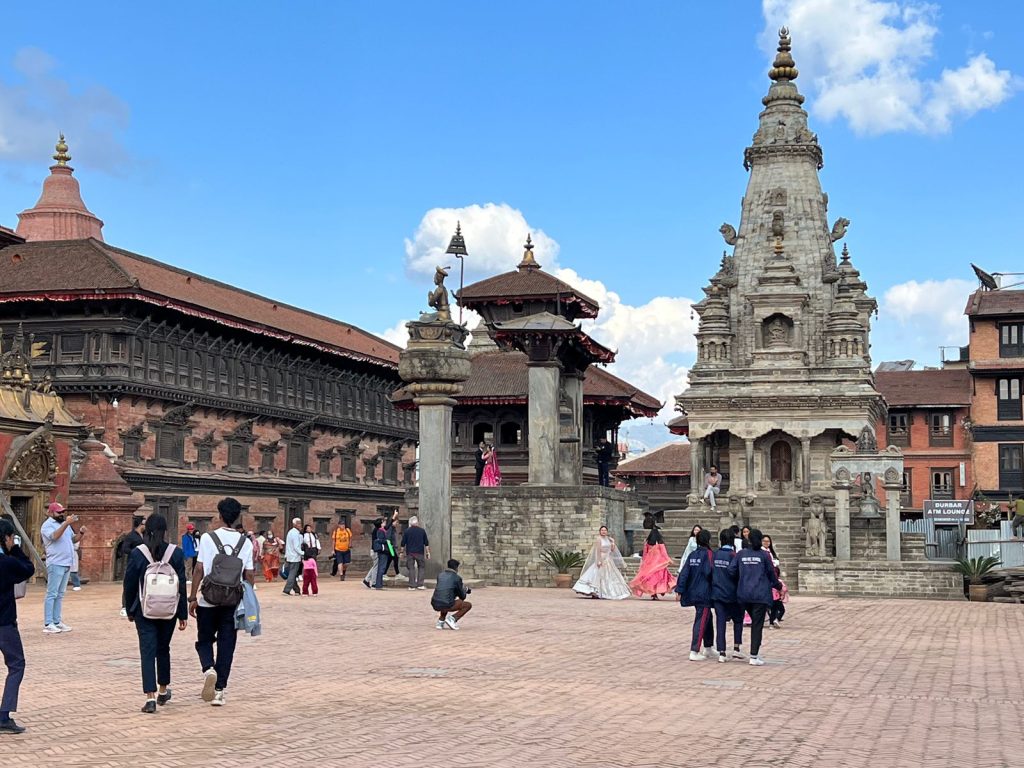
  • Bhaktapur Durbar Square:

Bhaktapur Durbar Square

The best way you can discover Bhaktapur is by strolling through narrow streets, passing residents’ homes, temples, and courtyards, and then visiting the market. Known as the ‘city of devotees’, Bhaktapur is known for its stunning culture, elegant art, colorful festivals, traditional dances, and the typical Newar lifestyle. 

A visit to Durbar square will catch your interest in so many areas, including the 55 window palace, Nyatapola temple, Golden gate, Lion’s Gate, mini Pashupatinath temple, Batsala and the Bhairavanath temple. This ancient masterpiece can truly be called an “Open Museum” with many examples of wooden sculptures, colossal pagodas, and temples dedicated to many different gods and goddesses.

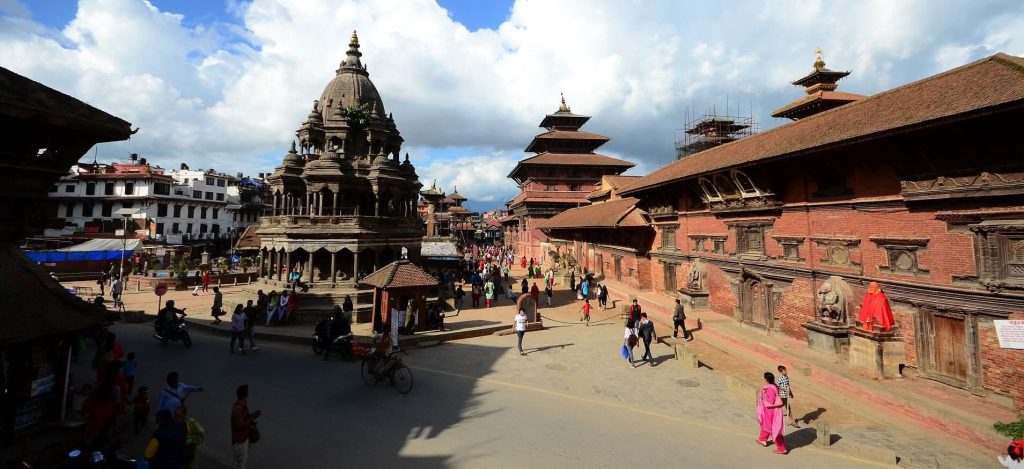
  • Patan Durbar Square:

Patan Durbar Square

Patan Durbar Square which is also known for its artistic heritage is the oldest among the three durbar squares in the Kathmandu valley. As one of the oldest Buddhist cities in the world, Patan Durbar Square is home to many Hindu temples and Buddhist monuments with beautiful carvings, bronze gateways, and guardian deities. 

Among the notable temples, courtyards, and buildings you will get to observe in Patan Durbar Square during your cultural tour are Taleju Bhawani Temple, Sundari Chowk, Keshav Narayan Chowk, Krishna Mandir, Mul Chok, and Bhimsen Temple.

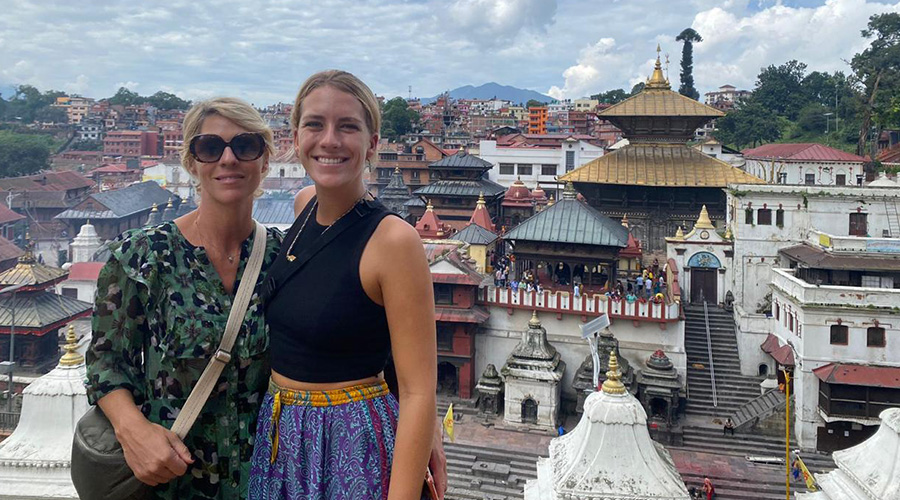
  • Pashupatinath Temple:

Pashupatinath Temple

This holy Hindu temple devoted to Lord Shiva, is one of the biggest and most sacred of the Shiva temples in the world. There are thousands of pilgrims from around the world who come to pay respect to Lord Shiva and seek blessings from him at the Pashupatinath temple. The rituals performed in Pashupatinath will fascinate you. A practice of burning dead bodies and mourning in full view of temple-visitors is a unique practice that you cannot witness elsewhere.

Along with the main shrine of Pashupatinath temple, there are dozens of smaller temples you can see, like Vatasala temple, Guhyeshwari temple, Ram temple, etc. Several paintings depicting sexuality can be found on the temple roof, and near the temple is a ceremonial cremation ground, an indication that death is not something to be feared and sexuality is not something to be detested.

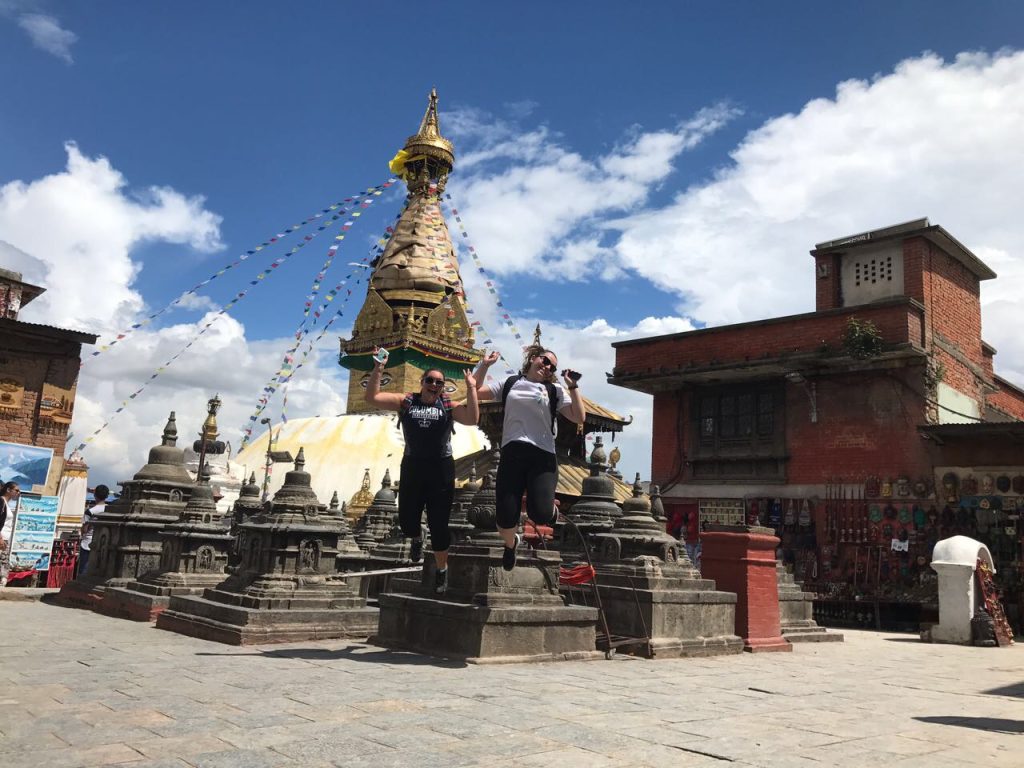
  • Swyambhunath Stupa

Swyambhunath Stupa / Monkey Temple

Swyambhunath Stupa is the most ancient, most iconic and most visited holy shrine in the Kathmandu valley. Various temples and shrines comprise this complex, which is sacred to Buddhists and Hindus equally. The site of Swyambhunath offers a panoramic view of the valley and is a site you must visit during your cultural tour in Nepal.

This Buddhist site in the center of a Hindu temple is one of the rare places in the world where we can witness complete harmony between two religions. The Swyambhu complex contains temples and shrines that are historically and culturally significant, including Harati Devi temple, Shantipur (Palace of Peace), Pratapur and Anantapur, as well as the World Peace Pond and Buddha Amideva Park. 

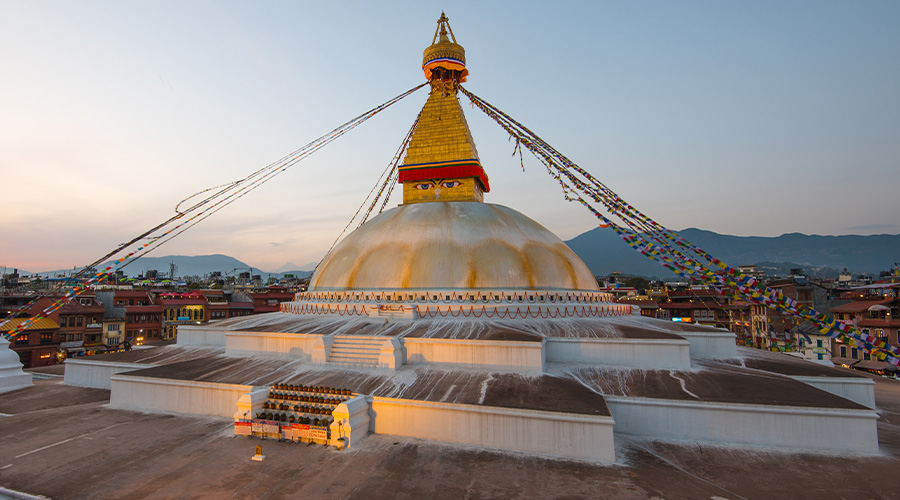
  • Boudhanath Stupa

Boudhanath Stupa

Boudhanath Stupa represents Buddhist culture and tradition which is said to have been created just after the death of the Buddha. Built around the 14th century, the stupa is a historical pilgrimage site for Buddhists across the world. Stupa possesses a peaceful and serene aura that can inspire you and bring good vibes. Since ancient times, Boudhanath has been an important pilgrimage site for Tibetan Buddhists and Nepalese. 

You can see Tibetan Buddhist monks and nuns chanting the mantra ‘Om Mani Padme Hum’ as you walk around the Stupa. With a strong presence of Tibetans and Sherpas in the surroundings, you can gain a sense of Himalayan and Tibetan culture. The Bouthanath area is also a place to shop for local and branded products, where you can purchase handmade clothing, traditional Thangkas, and cashmere items.

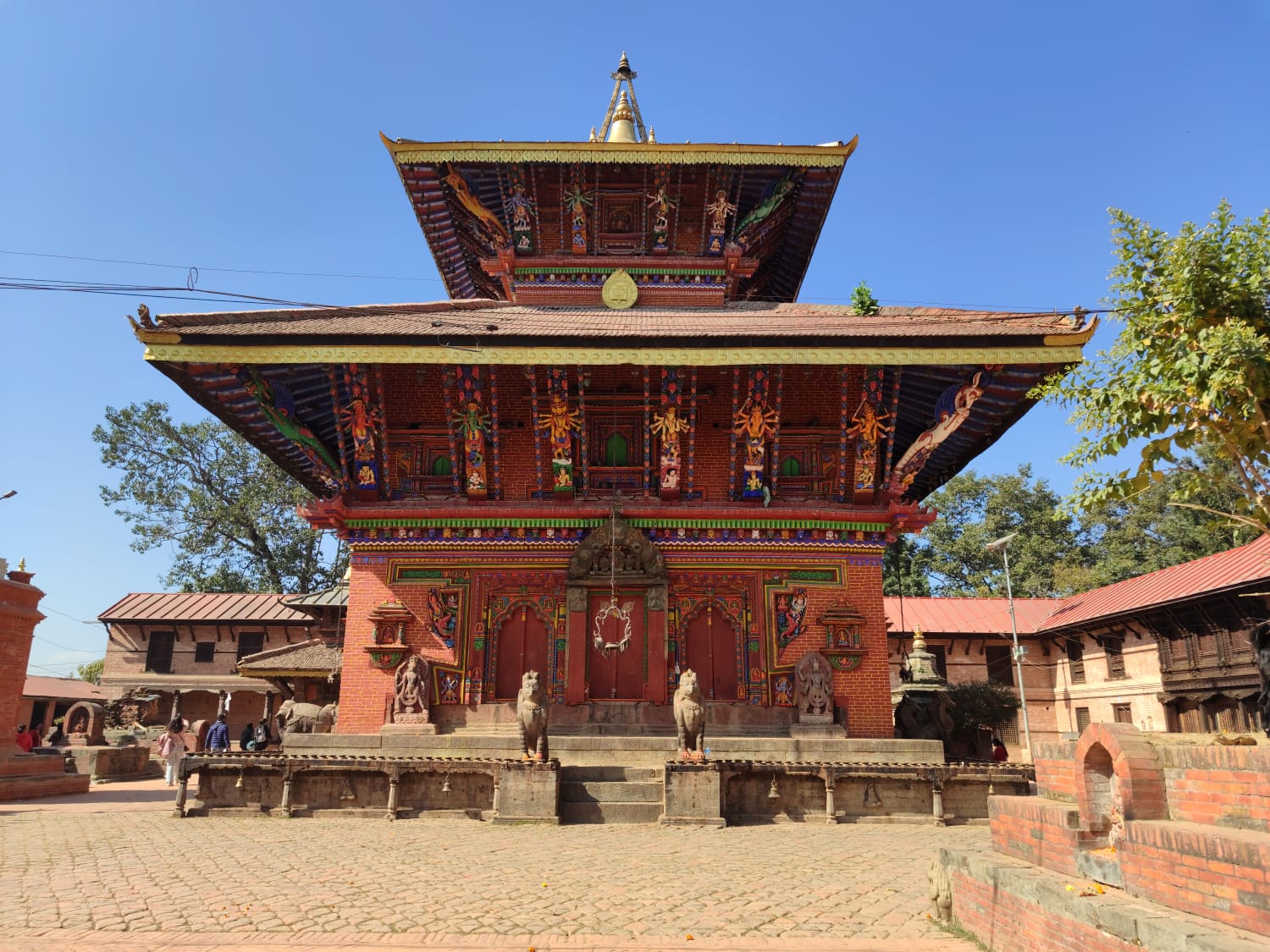
  • Changunarayan Temple
Changunarayan templel

The traditional Nepali style temple dictated to Lord Vishnu is the oldest Hindu temple in the country. The carvings in the main temple and the statues that surround it make you feel like you’re walking in a museum. Within the Changunarayan premises are the Chinna Masta Temple, Kileshwor Mahadev Temple, Vaikuntha Vishnu, Garuda Narayan, Vishnu Vikrant, Narshima and Changunarayan Temple in the middle. A walk around the surrounding area reveals typical Newari and Gurung tradition and culture.

Explore the charms of the world in the small city of Kathmandu. Your cultural tour to Nepal will be enriched by the beauty of three Durbar Squares, ancient Stupas, temples and invaluable insights of a rich cultural and religious heritage.