Kathmandu Diary: 10-Day Kathmandu & Chitwan Tour Experience

kathmandu-and-chitwan-10-day-tour

Nepal is a land of captivating history, culture, and wildlife, and if you’re looking to explore it all without trekking, the perfect combination of Kathmandu and Chitwan National Park awaits you. In  this Kathmandu and Chitwan 10-day itinerary takes you through the spiritual and historical heart of Kathmandu and then immerses you in the natural beauty and wildlife of Chitwan. Whether you’re a history buff, wildlife lover, or simply looking to experience Nepal’s best, this journey has it all.

Day 1-3: Explore the Heart of Kathmandu

Kathmandu, the vibrant capital of Nepal, is a treasure trove of ancient architecture, sacred temples, and lively markets. As the starting point of your adventure, Kathmandu offers a chance to immerse yourself in Nepal’s rich cultural heritage.

Must-Visit Cultural Sites in Kathmandu

  • Pashupatinath Temple: As one of the holiest Hindu temples in Nepal, Pashupatinath is located on the bank of the Bagmati River and draws thousands of pilgrims each year. The intricate temple architecture and the spiritual ceremonies make it a must-visit spot. It’s an unforgettable place for anyone interested in Hindu culture and rituals.
  • Swayambhunath Stupa (Monkey Temple): Swayambhunath, also known as the Monkey Temple, is perched on a hill offering panoramic views of Kathmandu. Surrounded by monkeys, prayer flags, and statues of Buddha, this site gives you insight into Nepal’s Buddhist culture. The serenity of the place makes it a peaceful stop on your journey.
  • Boudhanath Stupa: This massive stupa is one of the largest in Nepal and a significant Buddhist pilgrimage site. It’s a beautiful spot for reflection, with visitors walking around the stupa while chanting mantras and spinning prayer wheels. The site is lively, spiritual, and visually stunning.
  • Kathmandu Durbar Square: This UNESCO World Heritage Site is home to historic palaces, temples, and courtyards. Despite the damage caused by the 2015 earthquake, the square still holds immense cultural value, offering insight into the grandeur of Nepal’s royal past.

Day Trips to Patan and Bhaktapur:

  • Patan: A short trip from Kathmandu, Patan is known for its stunning temples, the grand Durbar Square, and traditional Newari architecture. Patan Museum, located in the square, is home to exquisite collections of religious art.
  • Bhaktapur: This medieval city, famous for its well-preserved architecture, is perfect for history enthusiasts. Explore the narrow alleys, temples, and pagodas that make Bhaktapur feel like stepping into the past. Don’t miss the iconic Bhaktapur Durbar Square and its beautiful brick architecture.

Day 4-6: Wildlife Adventure in Chitwan National Park

Next, it’s time to head south to Chitwan National Park, Nepal’s first national park and a UNESCO World Heritage Site. Located in the southern Terai plains, Chitwan offers one of the best wildlife safaris in Asia, known for its incredible biodiversity and thrilling wildlife encounters.

Wildlife Adventures in Chitwan National Park

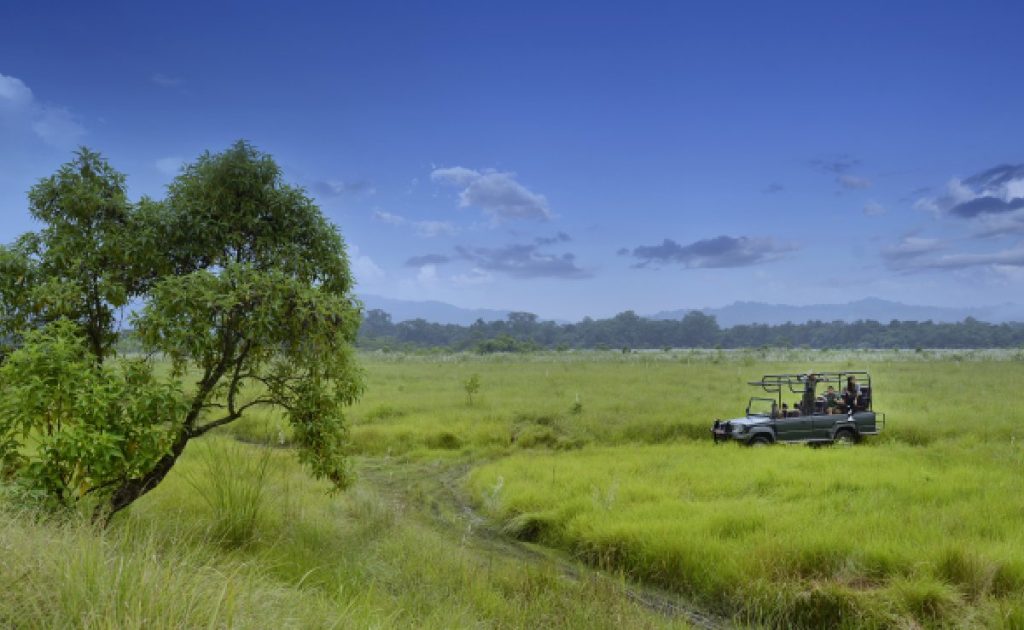
  • Jeep Safaris: Explore Chitwan’s wildlife-rich jungles on an exciting jeep safari. You’ll have the opportunity to spot the rare one-horned rhino, Bengal tigers, wild elephants, deer, and a variety of birds. A knowledgeable guide will take you through the park, sharing fascinating details about the park’s ecosystem.
  • Canoe Rides: A canoe ride on the Rapti River is a peaceful way to observe the park’s wildlife. Glide along the water and catch glimpses of crocodiles sunbathing on the banks, as well as various bird species. It’s a tranquil experience that complements the thrilling jeep safaris.
  • Cultural Visit to Tharu Villages: Chitwan is also home to the Tharu people, an indigenous group with a unique culture and way of life. Visiting a Tharu village offers a chance to see traditional dance performances, sample local food, and understand their ancient customs. It’s an enriching cultural experience that adds depth to your Chitwan visit.

Day 7-10: Return to Kathmandu & Scenic Views of the Himalayas

After your wildlife adventure in Chitwan, return to Kathmandu for a relaxing end to your trip. You can spend a few more days soaking in the city’s energy or take a scenic day trip to Nagarkot.

Optional Day Trip to Nagarkot

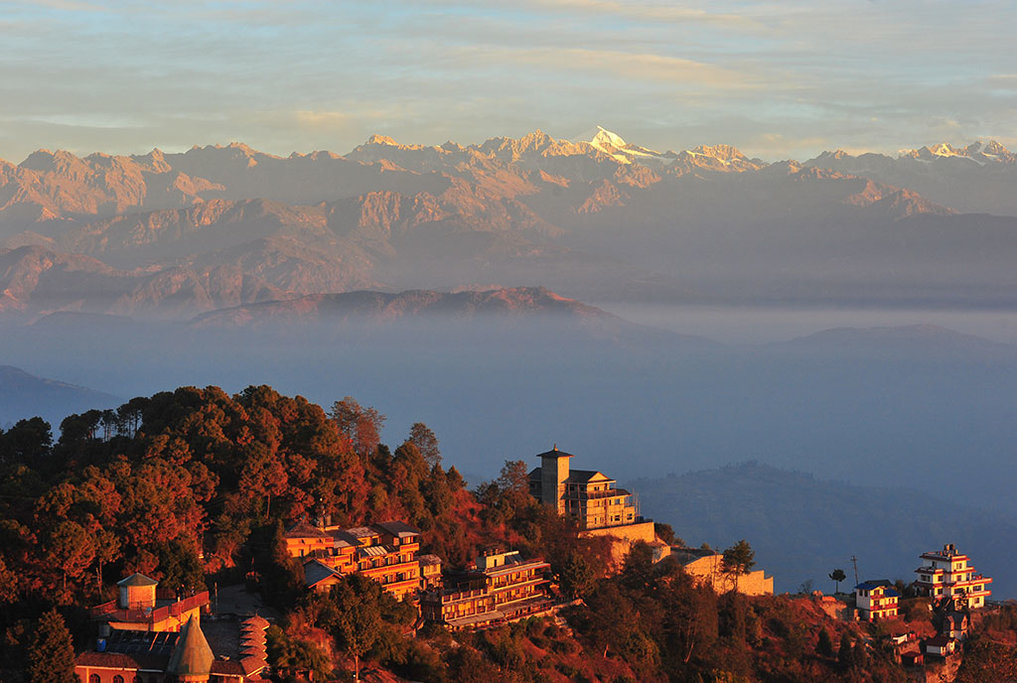
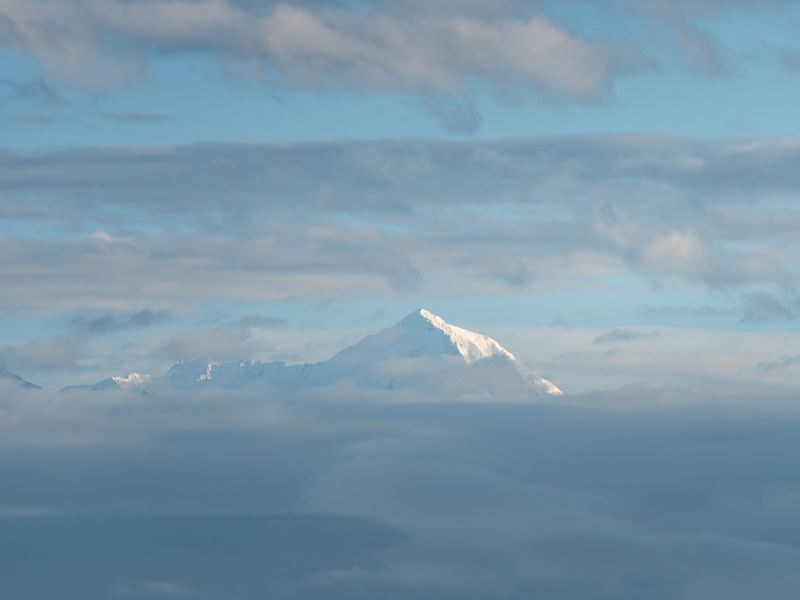
For a stunning view of the Himalayas, a trip to Nagarkot is highly recommended. Located just 32 kilometres from Kathmandu, Nagarkot offers breath-taking sunrise views of the Himalayas, including Mount Everest on clear days. The views of the snow-capped peaks in the morning light are the perfect way to wrap up your Nepal journey.

Why You Should Visit Kathmandu & Chitwan

This 10-day Nepal itinerary offers the perfect mix of culture and adventure. From the temples of Kathmandu to the wildlife safaris in Chitwan, you’ll experience the best of both worlds. This trip is ideal for travelers who want to dive into the country’s rich cultural heritage and explore its natural beauty, all without needing to trek.

  • In Kathmandu, explore ancient temples, royal palaces, and vibrant squares that will leave you in awe of Nepal’s spiritual and architectural heritage.
  • In Chitwan, embark on an unforgettable safari through dense jungles and enjoy sightings of endangered species in one of the world’s most famous wildlife reserves.

Whether you’re capturing the stunning architecture of Kathmandu or spotting wildlife in Chitwan, this adventure will offer you a truly diverse and enriching Nepalese experience.

Pokhara Diary: Kathmandu & Pokhara Cultural Exploration Tour

Nepal's Cultural and Adventure Escape

This 10-day itinerary is perfect for first-time visitors who want to experience Kathmandu and Pokhara: Nepal’s Cultural and Adventure Escape—trek to stunning mountain viewpoints, relax by peaceful lakes, and explore the ancient temples of Kathmandu, all in just 10 days.

Day 1-3: Kathmandu – Explore Nepal’s Cultural Heart

Start your Nepal adventure in the bustling capital city, Kathmandu. Dive into its rich history, spiritual sites, and vibrant atmosphere by visiting some of the most iconic UNESCO World Heritage sites:

  • Swayambhunath Stupa (Monkey Temple): Known for its panoramic views of the city and monkeys roaming around, this ancient stupa offers a fascinating blend of culture and natural beauty.
  • Durbar Square: This historical palace complex is a perfect introduction to Kathmandu’s medieval architecture and royal heritage.
  • Boudhanath Stupa: One of the largest stupas in Nepal, offering a serene environment to observe Tibetan Buddhist rituals and the daily life of pilgrims.
  • Pashupatinath Temple: A sacred Hindu site on the banks of the Bagmati River, where you can witness traditional cremation ceremonies and vibrant spiritual activities.

If you have extra time, take a day trip to nearby towns like Bhaktapur or Patan to experience more of Nepal’s medieval architecture, traditional arts, and crafts.

Day 4-7: Annapurna Trek (Short Trek) – Stunning Views of the Annapurna Range

Leave the city behind and head into the mountains for a 3-day trek to Ghorepani and Poon Hill. This trek offers stunning panoramic views of the Annapurna and Dhaulagiri mountain ranges, and the sunrise at Poon Hill is one of Nepal’s most unforgettable experiences.

  • Day 1: Drive or fly to Pokhara, then drive to Nayapul (about 1.5 hours). Begin your trek to Tikhedhunga or Ulleri, passing through villages and scenic landscapes.
  • Day 2: Trek to Ghorepani for a rest day with beautiful views of the Annapurna Range.
  • Day 3: Wake up early to hike up to Poon Hill for a breathtaking sunrise. Afterward, trek to Tadapani and continue the descent to Pokhara.

This short trek is perfect for beginners and offers an unforgettable experience in the heart of the Himalayas, without requiring advanced trekking skills.

Day 8-10: Pokhara & Kathmandu – Adventure and Relaxation

Pokhara: After completing your trek, take some time to relax in Pokhara, a peaceful lakeside city. Spend your days enjoying the stunning natural beauty and outdoor activities:

  • Phewa Lake: Enjoy a leisurely boat ride or just relax by the lake with the Annapurna mountains in the backdrop.
  • World Peace Pagoda:   Hike up to the pagoda for panoramic views of the Pokhara valley, Phewa Lake, and the towering peaks of the Annapurna range.
  • Sarangkot: For an early morning adventure, hike or drive up to Sarangkot to catch the incredible sunrise over the Annapurna Range and Machapuchare (Fishtail Mountain).

Optional: If you’re looking for some excitement, paragliding is a must-do activity in Pokhara. Experience soaring above the valley with incredible views, or try zip-lining for a rush of adrenaline.

Kathmandu: On your last day, either return to Kathmandu by a short flight (25 minutes) or drive back (6 hours). Once back, you can either relax or visit any remaining cultural sites that you may have missed at the start of your trip, or even enjoy a day trip to Nagarkot for a Himalayan sunrise before departure.

Why Visit Kathmandu & Pokhara?

Kathmandu and Pokhara are two of the most popular destinations in Nepal. Kathmandu offers rich cultural experiences with its temples, historic sites, and vibrant atmosphere. Pokhara, on the other hand, is a beautiful, peaceful city known for its natural beauty, lakes, and adventure activities like trekking, paragliding, and boating.

This 10-day itinerary allows you to explore the best of Kathmandu and Pokhara: Nepal’s Cultural and Adventure Escape, combining cultural sightseeing with outdoor adventure and stunning natural beauty. Whether you’re trekking to Poon Hill or relaxing by Phewa Lake, this trip offers the perfect balance of excitement and relaxation. Ideal for first-time visitors, it’s a great way to experience the heart of Nepal.

Nepal Diary: Complete Ultimate Travel Guide to Nepal

Trekking in the Himalayas

Nepal is a land of breathtaking mountains, rich cultures, and unforgettable experiences. From trekking to Everest Base Camp to exploring the ancient temples of Kathmandu, Nepal offers something for every kind of traveler. Himalayan Circuit is here to help make your dream Nepal adventure come true. As a trusted Nepal tour and trekking operator, we provide you with expert guidance, safe travel, and a genuine connection to Nepal’s beauty and culture. Explore the Ultimate Nepal travel guide with Himalayan Circuit.

Why Choose Himalayan Circuit? 

When you plan a trip to Nepal, it’s important to choose the right company to guide you. Here’s why Himalayan Circuit is the perfect choice.

  • Local Experts: Our guides are from Nepal’s mountains, so they know the best trails and the culture inside out. They’ll share stories and information that go beyond what you’d find in any guidebook.
  • Customized Experiences: Whether you’re a first-time trekker or an experienced adventurer, we’ll design a trip that fits your style. We offer trekking packages in Nepal like the Annapurna Circuit and the Manaslu Circuit, as well as tours to the most famous sights.
  • Safety First: Your safety is our priority. We make sure you’re well-prepared with proper acclimatization and guide you every step of the way.
  • Sustainable Travel: We believe in responsible tourism that respects nature and supports local communities. Our tours are designed to leave a positive impact on the places we visit.

Explore Nepal Beyond Trekking: Tours with Himalayan Circuit

While trekking in Nepal is an amazing experience, the country has much more to offer. From the bustling streets of Kathmandu to the peaceful lakeside town of Pokhara, Nepal’s cities are full of history, culture, and adventure. Here’s a look at some of our popular Nepal tour packages in the ultimate Nepal travel guide with Himalayan Circuit.

Kathmandu Valley Tour: Dive into Nepal’s History

Kathmandu is the heart of Nepal, with ancient temples, busy markets, and amazing architecture. Our Kathmandu Valley tour includes:

  • Swayambhunath (Monkey Temple): A must-see spot offering panoramic views of the city and a glimpse into Nepal’s spiritual life.
  • Pashupatinath Temple: One of the holiest Hindu temples, located on the banks of the Bagmati River, offering a unique look into Nepalese traditions.
  • Boudhanath Stupa: This peaceful stupa is a center for Tibetan Buddhism in Nepal. You can walk around the stupa, spinning prayer wheels for good luck.
  • Bhaktapur and Patan Durbar Squares: These ancient squares are full of history, with temples and palaces that tell the story of Nepal’s past.

This tour is a great way to learn about Nepal’s cultural heritage and connect with the country’s spiritual side.

Chitwan National Park Tour: Explore Nepal’s Wildlife

Chitwan National Park is one of the best places to see wildlife in Nepal. Located in the Terai region, this park is home to rhinos, tigers, and elephants. Our Chitwan wildlife tour includes:

  • Jungle Safari: Go on a jeep or elephant ride through the park and spot wildlife in their natural habitat.
  • Canoeing on the Rapti River: Paddle along the river and watch for crocodiles and birds.
  • Tharu Cultural Experience: Meet the local Tharu people, learn about their culture, and explore their village.

Chitwan is the perfect place to relax and enjoy Nepal’s natural beauty while learning about its diverse wildlife.

Pokhara: The Gateway to the Himalayas

Pokhara is a beautiful lakeside town known for its peaceful atmosphere and stunning views of the Annapurna mountain range. Our Pokhara tour includes:

  • Phewa Lake: Take a boat ride on the lake, with views of the snow-capped mountains reflected in the water.
  • Sarangkot: Visit this hilltop for one of the best sunrises you’ll ever see over the Himalayas.
  • Devi’s Fall and Gupteshwor Cave: Explore these natural wonders and enjoy the peaceful surroundings.
  • Tibetan Refugee Camp: Visit the camp and learn about the Tibetan refugees who live here. You can also buy handmade crafts to support their community.

Pokhara is a perfect base for trekking to the Annapurna Circuit and other famous trekking routes.

Lumbini: The Birthplace of Buddha

Lumbini is a spiritual place for Buddhists around the world, as it is the birthplace of Lord Buddha. Our Lumbini tour includes:

  • Maya Devi Temple: The sacred site where Buddha was born. It’s one of the most important places in Buddhist tourism.
  • Lumbini Garden: A peaceful place for meditation, surrounded by monasteries and beautiful sculptures.
  • The Ashoka Pillar: A historical monument marking the spot where Buddha was born.

Visiting Lumbini is a spiritual experience, where you can reflect on the teachings of Buddha and find peace.

Trekking with Himalayan Circuit: Discover Nepal’s Natural Beauty

Nepal’s trekking routes are famous for their stunning scenery and challenges. Whether you’re looking to trek to Everest Base Camp or explore the Annapurna Circuit, we have the perfect trekking package for you.

Popular Treks with HimalayanCircuit.com

  1. Annapurna Circuit Trek
  • Duration: 12-21 days
  • Max Elevation: Thorong La Pass (5,416 meters / 17,769 feet)
  • Difficulty: Moderate to Challenging

The Annapurna Circuit is one of the most popular treks in Nepal. You’ll experience diverse landscapes, from forests and waterfalls to high-altitude desert regions, with stunning views of the Annapurna and Dhaulagiri mountain ranges.

  1. Everest Base Camp Trek
  • Duration: 12-16 days
  • Max Elevation: Kala Patthar (5,545 meters / 18,192 feet)
  • Difficulty: Challenging

This iconic trek brings you to the foot of the world’s highest mountain, Mount Everest. Along the way, you’ll pass through Sherpa villages, visit ancient monasteries, and see breathtaking views of Mount EverestLhotse, and Nuptse.

  1. Langtang Valley Trek
  • Duration: 7-12 days
  • Max Elevation: Kyanjin Ri (4,773 meters / 15,659 feet)
  • Difficulty: Moderate

The Langtang Valley Trek offers beautiful views of glaciers, valleys, and Tibetan culture. It’s less crowded than other treks, making it perfect for those seeking peace and adventure.

  1. Manaslu Circuit Trek
  • Duration: 14-20 days
  • Max Elevation: Larkya La Pass (5,160 meters / 16,929 feet)
  • Difficulty: Challenging

The Manaslu Circuit Trek takes you through remote villages, high-altitude passes, and beautiful landscapes. It’s one of the less-visited treks, making it perfect for those seeking a more secluded adventure.

Your Adventure Starts Here with Himalayan Circuit

Whether you’re looking to experience Nepal’s culture or embark on a thrilling trek in the HimalayasHimalayanCircuit.com is here to help you every step of the way. We’ll take care of the details, so you can focus on making unforgettable memories.

Start planning your Nepal adventure today with Himalayan Circuit and let us guide you through this amazing country.

Wildlife & Nature: Memorable Bird Watching Experiences in Nepal

The bird-watching tour in Nepal is a great way to relax and enjoy nature, as well as the opportunity to see different birds from your naked eye or with the help of modern equipment such as binoculars and telescopes.

A wide variety of bird species can be observed throughout Nepal, from the sweltering plains of Koshi Tappu, Chitwan, and Bardiya to the mountainous regions of Everest and Annapurna.

The bird-watching tour gives you the chance to see wild animals and explore the local culture and traditions, as well as explore rare bird species and explore some of the famous national parks.

Tour Highlight:

  • Enjoy bird watching around Kathmandu city.
  • Enjoy bird watching in Chitwan National Park, Shuklaphanta National Park and Bardiya National Park.
  • Enjoy jungle adventures such as elephant rides, canoe rides, and jungle hikes.
  • Spectacular bird watching in Koshi Tappu Wildlife Reserve.
  • Walking through the village and jungle.
  • Wilderness jeep safari within the national park.
  • Take a walk through marshes, discover island sandbanks, and explore the inaccessible sandbanks.
  • Enjoy and capture the beautiful flora and fauna.

The Himalayan Circuit Treks presents you some of the best bird watching destinations in Nepal:

  • Around Kathmandu Valley:

The Kathmandu Valley is home to 500 species of birds, which can be spotted in areas like Shivapuri, Nargarjun, Pulchoki, Raniban, Chobhar, Taudaha, Nagdaha, and Manohara. 

The bird-watching experience in Kathmandu is wonderful, as hiking enthusiasts and adventure seekers can also be entertained, and bird watching allows you to see incredible scenery, including mountain views, wildlife exploration, interactions with local communities, and cultural and traditional experiences.

You can observe a variety of birds in the Kathmandu Valley, including raptors, pochards, common pochards, Herons, Kingfishers, Ibisbill, mallards, northern pintails, ferruginous gadwalls, northern shovelers, and many more.

  • Shivapuri National Park:

Known as Nepal’s biodiversity hot spot, Shivapuri National Park has 318 species of birds, making it an excellent place for bird watching.  You can easily spend a whole day or most of the morning in the park enjoying natural forest and birds that make the park very lively.  

Among the birds you can see in the park are Long-tailed Mountain Thrush, Northern Eagle Owl, White-rumped Vulture, Maroon Oriole, Large Hawk-Cuckoo, Red-billed Blue Magpie, Hodgeson’s Bush, Chestnut-headed Bee-Eater, Black Eagle and many more.

  • Chitwan National Park:

The Chitwan National Park is a birdwatchers’ paradise, home to many resident and migrant bird species.  Known for extensive wildlife, the Chitwan Bird Watching Tour takes you to the wonderland situated in the Lower Region of Nepal called Chitwan which is home to massive 544 bird species. 

Chitwan National Park is one of the world’s best places to observe and study rare birds.  Among the birds you can see in the park are Ferruginous Pochards, Grey-headed and Lesser Fish Eagles, White-tailed Eagles, Great Hornbills, Black-bellied Terns, Pallid Harriers, Lager Falcons, Darters, and Painted and many more.

  • Koshi Tappu Wildlife Reserve:

A birding tour in the Koshi Tappu wildlife reserve in Nepal would be a great way to see some very interesting birds. This reserve with scrub grassland and deciduous riverine forest is home to more than 450 species of birds so far.

Among the birds you can see in the reserve are 20 species of duck, herons, Indian nightjar, dusky eagle owl, black-headed cuckoo shrike, white-tailed stonechat, and striated grassbird, Black Ibis, Honey Kites, Ospreys and many more.

  • Shuklaphanta National Park:

Get a glimpse of the rich and diverse flora and fauna of Suklaphanta National Park with the Himalayan Circuit Treks. The Shuklaphanta National Park, established in 1969, is located in the Kanchanpur district in the extreme southwest of the Terai. It covers an area of 305 square kilometers.

  • Bardiya National Park:

Visit densely wooded areas, lakes, and rivers near Badia National Park to spot birds and animals, spend an entire day in the jungle watching different kinds of birds.

Among the birds you can see in this park are Bengal florican, golden-headed cisticola, white-rumped vulture, jungle prinia, silver eared mesia, sarus crane, and many more

Spending a holiday in Nepal can be one of the best ways to enjoy your vacation and explore the mystical lands of Nepal where vibrant wildlife and ecosystem thrive immensely. 

Nepal is not only a country of majestic mountains but also a birdwatcher’s paradise. For those who enjoy the sounds of birds chirping in a green colossal forest as the background to their experiences, bird watching is one of the most popular wildlife experiences in Nepal. 

For those who enjoy the sounds of birds chirping in a green colossal forest as the background to their experiences, bird watching is one of the most popular wildlife experiences in Nepal.

Wildlife & Nature: Explore the Rhinoceros in Nepal’s National Parks

Nepal is one of the most stunningly beautiful countries in Asia with gorgeous landscapes, pristine mountains, and a wealth of wildlife. Nepal is home to a variety of fascinating species, but the rhinoceros stands out as a major tourist attraction. 

Tourists from all over the world visit Nepal to witness the rhinoceros, one of its most popular tourist attractions. The natural beauty of Nepal and the abundance of wildlife make it an ideal location for those who love nature and animals.

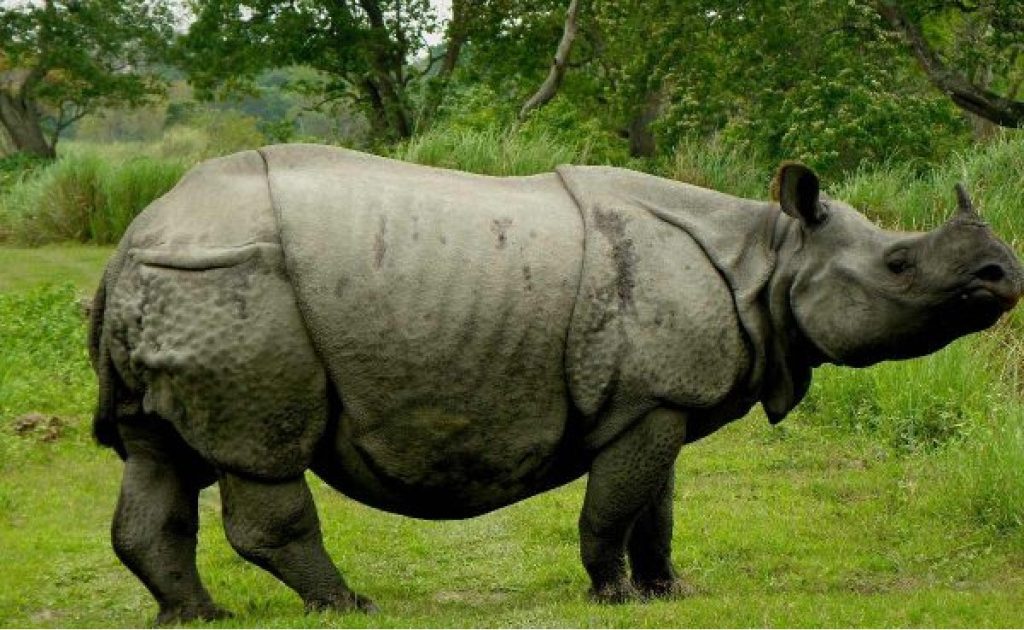
One-horned rhinoceros are one of the rarest and most endangered animals in the world, and Nepal is fortunate enough to be one of the few countries where they are preserved in their natural habitat. 

Chitwan National Park, situated over 370 square miles in Nepal’s southern plains, provides a sanctuary for these critically endangered animals. The park houses more than 600 rhinoceroses, making it a popular wildlife destination.

Tourists flock to Chitwan National Park to see the majestic Rhinos roaming freely, and there is no doubt that they are the park’s most famous celebrity. The majority of hotels in Chitwan have a Rhino statue to attract more guests, as the statue of the Rhino is believed to attract more guests.

Cultural Significance:

Rhinoceroses are considered sacred animals in Nepalese culture, and their presence is deeply ingrained in folklore and tradition. The locals believe that spotting a rhino is good luck and protection against evil spirits. 

One-horned rhinoceros in Nepal’s Chitwan National Park is especially revered as a manifestation of Lord Ganesh, the elephant-headed deity who symbolizes prosperity and wisdom. Hinduism associates the rhinoceros with many gods, including Lord Vishnu and his mount, Indra, and the king of gods.

Traditionally, rhinoceros are portrayed as symbols of strength and endurance in songs and dances such as Deuda and Bela. There is a cultural significance to rhinoceroses that extends beyond mythology to conservation efforts since rhinoceros conservation contributes not only to biodiversity protection but also to the preservation of Nepal’s cultural heritage.

The presence of these majestic creatures in Nepal is a major attraction for tourists, who flock to the country in order to witness them up close and immerse themselves in the heritage of Nepal.

Ecological Importance:

The rhinoceros is not just an icon of Nepal’s culture, but also an indispensable member of its ecosystem, as herbivores, rhinoceroses disperse seeds and maintain the balance of the ecosystem. 

The rhino not only contributes to wildlife conservation but also protects and maintains its habitat. They contribute significantly to the conservation and development of grasslands and their ecosystems.

Rhinos mainly feed on grasses, which control vegetation growth and maintain mosaic landscapes within their territories. Their grazing activities affect plant community structures and enhance nutrient distribution. 

Moreover, the animals disperse seeds through digestion, thereby aiding forest regeneration. Protecting rhinoceros populations in Nepal is therefore crucial for the preservation of biodiversity and sustainable ecological processes.

Breathtaking wildlife experiences:

You can see a variety of wild animals in their natural habitat on a trip to Nepal, which is a unique opportunity for wildlife enthusiasts. Visitors to the park can see rhinoceroses along with elephants, Bengal tigers, and countless bird species while they are on their safari in the park.

Awe-inspiring pictures of these endangered giants can be found at Chitwan and Bardia, two of the country’s lush national parks. If you embark on an elephant-back safari through dense grasslands and marshes, there is a good chance that you will see rhinoceroses grazing peacefully or paddling in rivers.

Additionally, Nepal’s commitment to wildlife conservation creates even greater interest in rhinoceros sightings, since the Nepalese government has taken strict measures to protect this endangered species. 

Several anti-poaching units, habitat management programs, and community conservation programs have led to the increase in rhino populations in recent years. The wildlife of Nepal is being actively protected, which makes it a popular destination for eco-conscious tourists.

The rhinoceroses in Nepal have become a major tourist attraction due to their cultural significance, ecological importance, and breathtaking wildlife experiences.

Taking a Rhinoceros tour in Nepal offers wildlife enthusiasts the opportunity to experience close encounters with rhinos, while at the same time contributing to the ongoing conservation efforts in Nepal.

So, on your next vacation, visit Nepal and enjoy wildlife viewing at Chitwan National Park with Himalayan Circuit Treks for a wildlife tour that gives you the opportunity to see these majestic creatures in their natural setting.

Wildlife & Nature: Exploring the Rich Biodiversity of Nepal

With its breathtaking landscapes and rich biodiversity, Nepal attracts nature enthusiasts from around the world. There are a variety of natural wonders in this enchanting country, from dense forests in the Terai to soaring peaks in the Himalayas. 

The natural wealth of Nepal captivates and inspires with its towering mountains, lush forests, mighty rivers, and serene wetlands. Nepal’s bio-diversity tours are more than just an adventure; they are experiences that will transport you into the heart of nature. 

Explore Nepal’s diverse landscapes on this fascinating journey, where every step reveals a new wonder of nature. Embrace the serenity of Nepal’s natural wonders, and experience a truly unforgettable bio-diversity tour with the Himalayan Circuit treks.

Major Highlights:

  • Experience Nepal’s incredible biodiversity through a guided tour that takes you to various protected areas and national parks.
  • Observe Bengal tigers, one-horned rhinos, and Asian elephants in their natural habitats.
  • Discover over 900 bird species, including the endangered Bengal florican and the exquisite Impeyan pheasant.
  • Hike through lush forests and alpine meadows to discover the vibrant flora, such as orchids and rhododendrons.
  • Discover the rich wildlife and conservation efforts of Chitwan National Park and Bardia National Park.
  • Discover the thrill of spotting snow leopards and Himalayan black bears in the Himalayas.
  • Enjoy Nepal’s unique connection with bio-diversity while immersing yourself in its cultural heritage.
  • Participate in community-based conservation initiatives and learn about sustainable practices that protect biodiversity.
  • Take part in educational programs and workshops to gain a deeper understanding of Nepal’s biodiversity.
  • Enjoy breathtaking landscapes, colorful birds, and rare species on your Nepal bio-diversity tour by taking stunning photographs.

Geographical Diversity

Nepal provides a broad range of contrasting landscapes, from snow-capped Himalayan peaks in the north to lush green valleys and plains in the south. Known as the highest peak in the world, Mount Everest stands proudly in Nepal, attracting adventurers and mountaineers alike.

The geographical diversity of Nepal allows for breathtaking scenery and unique adventure tourism opportunities. Trekking, mountaineering, paragliding, river rafting, and other activities are available, allowing visitors to immerse themselves in the country’s diverse natural beauty.

Nepal’s geographic diversity reflects its natural splendor. Nepal’s landscapes offer an unforgettable experience, from the towering peaks of the Himalayas to the fertile plains of the Terai. No matter what you seek in Nepal: adventure, tranquility, or simply a connection with nature, the country’s contrasting landscapes are guaranteed to leave a lasting impression. 

So, book your trip with the Himalayan Circuit Treks and experience Nepal’s spectacular geographical diversity.

Flora and Fauna 

From the lowlands to the peaks of the country, the country has a diverse geography that supports a diverse population of animals and plants.

Nepal has over 6,000 species of flowering plants, including rare orchids and colorful rhododendrons that cover the hillsides. Diverse tree species like sal, teak, and chir pine thrive in the forests, providing a verdant haven for countless animals.

Nepal is a paradise for wildlife enthusiasts. The country is home to over 900 bird species, making it an ideal birdwatching destination. Nepal is home to a variety of avian wonders, including the endangered Bengal florican and the majestic Himalayan Monal.

Discovering Nepal’s flora and fauna is an enchanting experience that exposes us to the wonders of nature. Nepal’s rich biodiversity not only captivates our senses but also emphasizes the importance of preserving it.

Protected Areas:

The Nepali government recognizes the importance of protecting its natural heritage and thus has established a network of protected areas, including national parks, wildlife reserves, conservation areas, and hunting reserves. 

Chitwan National Park, a UNESCO World Heritage Site, is renowned for its conservation efforts and is the home of the one-horned rhinoceros and Royal Bengal tigers. Another UNESCO site, Sagarmatha National Park, encompasses Mount Everest and exhibits high-altitude flora and fauna, including the Himalayan tahr.

Experience spectacular wildlife and awe-inspiring landscapes while supporting conservation efforts in Nepal’s protected areas. Nature walks and observing wildlife are examples of responsible tourism practices that contribute to preserving these ecosystems.

Nepal offers a variety of ecosystems and habitats, making it a wonderful destination for adventurers and nature lovers. From the dense jungles of the Terai to the majestic peaks of the Himalayas, Nepal offers a wide variety of bio-diversity tours. 

Experiencing stunning landscapes and unique wildlife allows us to appreciate and conserve the beauty of nature as well as understand the importance of preserving and conserving these delicate ecosystems. 

So, pack your bags, explore the splendor of Nepal’s biodiversity, and create lifetime memories. With the Himalayan Circuit treks, you can explore the wonders of Nepal’s biodiversity and leave an indelible mark on your heart and soul.

Rara Lake Tour

Rara Lake, the deepest and biggest freshwater lake in Nepal, is a hidden treasure deep within the Himalayas, making it an ideal spot for relaxing and enjoying nature. You will discover incredible landscapes, diverse natural features, and authentic culture during your visit to this hidden gem of Nepal.

A Rara lake tour is a less crowded eco-tourism destination in the heart of a natural haven in Nepal. Here you can experience an off-road tour of Nepal, which shows the typical lifestyle, culture, and scenery of the country, all of which are quite different from the rest.

A unique combination of incredible beauty that will captivate hikers and tourists alike, the National Park surrounds the lake with pine, spruce, juniper, and coniferous forests, including rare and vulnerable species, and offers incredible views of the snowcapped Himalayan milky peak at its top.

Rara Lake is one of Nepal’s least-explored regions, yet it offers mind-blowing natural beauty. A rise in tourist flow can benefit the local economy and improve the quality of life for locals. The promotion of steamy jungles, sparkling lakes, snowcapped mountains, spectacular scenery, and cultural diversity will attract tourists and provide income for local communities.

Tour Highlights:

  • Visit Rara Lake and enjoy its scenic beauty and tranquility.
  • Explore the rich biodiversity of Rara National Park.
  • Enjoy a tour through magnificent pine, birch, and rhododendron forests. 
  • Several activities are available around Rara Lake, including horseback riding, biking, jungle safaris, and boating. 
  • A scenic drive to Nepal’s deepest and largest lake.

Things to do in Rara:

  • Get the amazing view of Park boating in Rara Lake:

Boating can be a fun, and relaxing way to enjoy nature surrounded by the beautiful Rara Lake. There is an absolutely breathtaking view of the hills, jungles, and clear sky here.

You can enjoy the beautiful view of Rara, the largest lake in Nepal, and its surrounding mountain greenery and variety of fish and water plants while boating in the clear water.

  • Take a hike to observe nature at its best:

You can hike nearby hills for more close-up views of the mountain and the lake, and you will meet amazing and friendly people in this area. Also, hiking in Rara Lake offers the opportunity to see rare birds and wildflowers that exist only in that area.  

While hiking, you will also be able to see the surrounding area and the amazing view of nature without being disturbed by any artificial or other interference. Visiting this site provides the opportunity to be very close to nature and experience God’s creation in its original form.

Hiking and walking through this area with your friends and enjoying the greenery and different flora and fauna will be a great experience for anyone who really loves nature and its beauty.

  • Sightseeing:

If you would like to see various types of plants and animals in one place, you can visit the area’s national park. Also, the lakeside view and greenery hills make this place very popular.

The largest lake in the country is shaped and sized in such a striking way that it provides peace for the viewer’s eyes. Walking or riding a horse through the national park gives us an interesting view of the park.

It is also possible to see a variety of flower types, birds, and insects. Additionally, a deep blue freshwater lake and a green forest make it ideal for taking pictures of the scenery or mountains.

  • Set the hammock and sleep in tent:

After traveling for a whole day, you may appreciate the warmth of a campfire after facing the cold mountain breeze. I think it would be interesting to have a campfire with a group of friends, where you can involve in singing and dancing as well.

Get a sleeping bag, find a shady spot, have some drinks and relax. If you don’t have a tent of your own, you can rent a room or tent at one of the nearby hotels. The beauty of the mountains and the stellar sky make camping the ideal activity for those who seek true luxury 

  • Jungle Safari:

Jungle safaris provide you with an opportunity to see different kinds of animals, birds, and plants throughout the jungle.

A jungle safari gives you the opportunity to get up close and personal with different animals and plants.

Best time to visit Rara Lake:

The biggest and deepest freshwater lake in Nepal is Rara Lake. The area is beautiful and serene throughout the year, making it a fascinating place to visit. This region offers mind-blowing natural beauty along with cultural value, lifestyle, and rural settlements.

Traveling to this natural wonder will take about two weeks, starting in Kathmandu, during which you will see scenic views and a variety of animals. Embark on a trip to the highest lake in Nepal with the Himalayan Circuit and make your dreams come true.

Top 10 places for Himalayas view during Sunrise

Sunrise from mardi

“Every sunrise is an invitation to brighten someone’s day” as Rachelle Goodrich once said. You become more grateful for the earth when you watch a sunrise. Witnessing the sunrise over the Himalayas is one of the most rewarding experiences you can have. 

There were plenty of hill stations and places where one could enjoy a luxurious view, such as sunrises and the majestic Himalayas. You can take in the magnificent & panoramic view fully relaxed and feeling comfortable.

Nepal has eight of the fourteen highest mountains in the world, which makes it a true paradise for outdoor lovers. Below are some of the best places to see the sunrise in Nepal.

  1. Nagarkot (2,175 m):nagarkotTourists from around the world come to Nagarkot Hill for the breathtaking view of the Himalayas and short overnight walks or hikes near Kathmandu. Many people flock to Nagarkot every morning just to see the first ray of sunlight. It is one of the best places to view sunrises and sunsets.Along with the breathtaking view of Everest, you can also admire Kanchenjunga in the east and Dhaulagiri in the west. This is one of the best places to view the 360-degree views of the Himalayas. 

    Best time to visit:
    The best time to visit is October to April. 

  2. Sarangkot (1,600 m):SarangkotLocated at an altitude of 900 meters, this hill station offers a panoramic view of Himalayan peaks such as Annapurna II (6,937 m), Machhapuchhare (6,997 m), and Dhaulagiri (8,167 m) above Pokhara valley. The golden sunset and sunrise views from Sarangkot are absolutely the best.An exciting moment is watching the sunrise alongside a hundred other unknown faces. You can hear murmurs and small talks along with the camera sound, adding to your excitement about seeing the sunrise. The golden sunset and sunrise views from Sarangkot are absolutely the best.

    Best time to visit:
    The best time to visit is October to April. 

  3. Daman Hill (2344m):Located at an altitude of 2344 meters above sea level, Daman Hills is one of the finest viewpoints in Nepal for viewing the Himalayan range during sunrise and sunset. Your trip to Daman Hill can be completed in one day if you start early in the morning.The Daman viewpoint is one of the closest to Kathmandu and offers an unobstructed view of all the peaks from Dhaulagiri to Mt. Everest. During the winter season, you can enjoy the snow and see the massive Himalayan range.Best time to visit:
    The ideal time to visit Daman is between the months of October and May.
  4. Srinagar Dada, Palpa (1310m):Palpa will leave a majestic impression on you. A major attraction of the area is the beautiful Rani Mahal, a splendid building surrounded by mesmerizing hills. The Srinagar Dada in Palpa has a dreamlike vibe when the sun’s rays scatter across the breezy atmosphere. Srinagar Dada which is a picturesque hill offering a stunning view of the Himalayan mountain range, including Langtang, Dhaulagiri, Mansiri, Ganesh, and Kanjirowa. You won’t even notice how quickly time has passed because the view will be so mesmerizing.Best time to visit:
    The best time to visit Palpa is in April, followed by May and June.
  5. Dhulikhel (1550m):DhulikhelDhulikhel is a majestic place in the Kavrepalanchok district, located along the eastern border of Kathmandu Valley. It is a place where visitors can discover the traditional culture of the Newari people in addition to magnificent views.Dhulikhel is a popular viewpoint where you can see the great landscape of the Himalayan Range and the Midhills. Dhulikhel provides an excellent location to enjoy a night’s sleep and wake up to the sunrise amidst the wide Himalayan range. 

    Best time to visit:
    Dhulikhel is best explored in the spring (March to May) when it is cool and bright and the town is most picturesque. 

  6. Kakani (2030m):A drive of a few hours from Kathmandu will bring you to Kakani, which is the next closest place from Kathmandu for you to see sunrise and sunset over the Himalayas. It is possible to see sunrise and sunset views of Mt. Annapurna, Machhapuchhre, Jugal, Ganesh Himal, Lantang range, Manaslu, and many others.The perfect blend of scenic mountains and wilderness can be felt in a tranquil and serene atmosphere while staying in a comfortable resort or hotel. Kakani is a place full of charm and beauty, a place where people can enjoy nature in harmony with the white snowy peaks in the backdrop. Best time to visit:
    Kakani can be visited almost all year round, except for the wet months during the monsoons from June to September.
  7. Namo Buddha (1750  m):Namo buddhNamo Buddha is one of the most sacred and famous Buddhist sites and is located 40km southwest of Kathmandu. You can see snow-capped mountains, sunrises and sunsets, terraced fields, villages, and forests from here. The Namo Buddha viewpoint also offers a breathtaking view of some of Earth’s tallest mountains, including Mt. Everest, Langtang Ranges, Dorje Lakpa, Ganesh Himal, and Gaurishankar. There is also a great variety of flora and fauna in the region, untouched by modern life.

    Best time to visit:
    Namobuddha is best visited between March, April, and October when you’ll be able to enjoy pleasant weather and little rainfall. 

  8. Antu Danda (1,977 m):Antu Danda is located in Ilam District, in the eastern part of Nepal, at 7,637 feet above sea level, and is one of the most untouched sites in the country. Views of Mount Everest and Kanchanjanga are one of the main features of Antu Danda. Another major attraction of Antu Danda is that the rising sun can be seen from different angles, and it’s like playing hide-and-seek between hundreds of trees of ‘dhupi’ and ‘salla’ during sunrise.Best time to visit: 
    February to May and August to December are the best times to visit Antu Danda.
  9. Bandipur (1030 m):Bandipur is a natural beauty along the way from Kathmandu to Pokhara that is also famous for its Newari culture. Bandipur offers a magnificent sunrise view of Mount Machhapuchhre, Langtang range, Manaslu, and Ganesh Himal.Bandipur village is the ideal ‘rest stop’ because it’s easily accessible from Pokhara and one of the best places to stop near Kathmandu. You can take a break from those bumpy roads by stopping here during a long travel day.Best time to visit:
    Bandipur is best visited between July and September during the monsoon season and between March and May during the summer season.
  10. Chandragiri Hill (2551 m):CHandragiri hillsChandragiri Hill is one of the most popular viewpoints in Kathmandu Valley from which you can enjoy a 360-degree view of the valley and watch the sunrise over the various mountain ranges. With this morning trip out of Kathmandu to Chandragiri, guests will enjoy an overview of the breathtaking Kathmandu Valley from the great heights of a cable car.The cable car station on Chandragiri Hill is 12 km from the center of Kathmandu and 2551 meters above sea level. Enjoy the incredible sunrise and sunset views of Mount Everest, Manasu, Dhaulagiri, Annapurna, Ganesh Himal, and the Langtang range. 

    Best time to visit:
    Chandragiri is best explored and visited during the spring and fall seasons.

The sunrise tour represents a unique fusion of natural and cultural presence in Nepal with the backdrop of a majestic mountain range. They provide the serene atmosphere of Mother Nature and the pleasant beauty of mountains.

Mardi Himal Trek

A Mardi Himal Trek offers the beauty of the Nepali mountains with fewer crowds, authentic teahouses, stunning rhododendron forests, and incredible Annapurna Mountain Range views. Mardi Himal trek offers a breathtaking experience surrounded by green hills and snow capped mountains while you walk in pristine forests filled with oaks and rhododendrons.

There are stunning views of Annapurna and Dhaulagiri on the west and Machhapuchhre and Manaslu on the east as one hike along a high ridge with the Mardi Himal range behind. You can get up close to mighty peaks such as Mardi Himal, Machhapuchhre, Annapurna South, and Hiunchuli.

Trekking on Mardi Himal involves walking on a narrow ridgeline surrounded by spectacular Annapurna Massifs. Budding photographers and filmmakers will have ample opportunities to capture dramatic mountain images thanks to the unobstructed and exposed views. The Mardi Himal Trek in the Annapurna region is a good choice for novices and experienced trekkers alike.

Mardi Himal Trek Highlights:

Fishtail mountain

  •         You will begin your trip in Pokhara, Nepal’s most popular tourist destination. 
  •         You will get to see the sights of Annapurna and Machhapuchhre up close.
  •         You will get to discover rich mountain cultures, incredible landscape, lush green jungles, and breathtaking natural scenery.
  •         This trek will allow you to see the sky-dominating Annapurna South (7219m), Himchuli (7893m), Lamjung Himal (6,983m), Machhapuchhre             (6993m), Mardi Himal (5587m), and many more impressive peaks. 
  •         You will get to witness a breathtaking sunset from Mardi Camp over Fishtail.

Why you’ll love this trip?

Mardi Himal Trek

Located on a side trail of the Annapurna Base Camp hike, the Mardi Himal Trek offers great views of lesser-known parts of the Annapurna Massif. This trek is a little rougher, a bit more exciting, and most importantly, less crowded than other treks in the Annapurna Region.

You will reach Mardi Himal Base Camp at 4,500 meters (17,763 ft). This trek originally had a limited number of teahouses, but since about 2011, there have been many teahouses available along the trail.

A trip to Mardi Himal trek offers a picturesque and overwhelming experience surrounded by green hills and snowcapped mountains along with walks in the pristine forest filled with rhododendrons and oak trees.

The Mardi Khola valley with snow-covered Annapurna can be enjoyed while sharing meals with friends and strangers after you reach the Mardi Base Camp (4500 m) after acclimatizing at the two high camps.

The Mardi Himal trek leads along a high ridge with views of the Annapurna range and Dhaulagiri in the west and the Machhapuchhre and Manaslu mountain range in the east.

Unique experiences in Mardi Trek:

Mountains above clouds

  •         Mardi Himal Trek is a short trekking tour in the Mardi Himal that takes you to high altitudes of the Himalayas, so you can see the mountain ranges up close and unobstructed.
  •         The Mardi Himal Trek route consists of eight camps where you can enjoy the views, including Base Camp (4,500 meters), High Camp (3,600 meters), Babal Dada Low Camp (3,150 meters), Kokar Forest Camp (2,600 meters), Pitam Deurali (2,100 meters), (1,750 meters), etc.
  •         The Mardi Himal Trek is a moderately challenging trek in the Annapurna region. The first couple of days are easy, and then the latter days become more challenging as you gain elevation toward base camp. This trek, however, is comparatively easy compared to others in the Annapurna region.
  •         Mardi Himal trekking adventure takes you through green and peaceful forests, offering a wonderful experience of walking through the wilderness.
  •         As the Mardi Himal Trek follows a fairly simple route, it is one of the best options for solo trekkers.


Mardi Himal Trek Route:

Path-to-mardi

Mardi Himal Trek takes you to the top of Mardi Himal in the Annapurna region of Nepal. Pokhara is the starting point for the Mardi Himal trek, after which you take the drive to Kande and trek from there to Pothana or Deurali.

Then we move to the low camp, then on to the high camp, and finally on to Mardi base camp. Then we trek down to Siding after the wonderful experience in base camp. Afterward, we return to Pokhara by private vehicle (jeep, car, van, etc.).

Mardi Himal Trek: How difficult is it?

snow in mardi

You don’t need super fitness for this trek, however moderate fitness is still required since you’re trekking through the Himalayas of Nepal. You will have to cross some rocky sections near the high camp and base camp.

The Mardi Himal Trek is a normal to moderate-level trek in the Annapurna region. Trekking with a basic level of fitness is possible, but a good training program will make your trek more rewarding. The trek does not require climbing skills.

When to trek?

Sunrise from mardi

Mardi Trek is best done in the autumn, from mid-September to mid-October, and from late November to early December. March–May is the second best season of the year to go to Mardi trekking.

The skies are clear during December – January – February, but the weather can get very cold and snowfall can close passes. May to June is Nepal’s hot pre-monsoon season, which is still a good time to trek to Mardi.

During the winter, the paths going to the Mardi Himal are usually covered in snow, and the weather becomes exceedingly dry and frigid. Snow-covered mountains and visual splendor, however, make this time of year a memorable one.

A hike up the Mardi Himal will surely remain in your memory. There will always be something to cherish about the scenic beauty and the enthralling atmosphere.

Experience a true adventure by trekking to Mardi with the Himalayan Circuit, which will bring you through a lush forest of pines, rhododendrons, oaks, and dense Gurung villages.

The Best Trekking Trails in the Annapurna Region

Annapurana Base Camp

A walk in nature is like witnessing a thousand miracles. Trekking in Nepal gives you the chance to relax and awaken your inner spirituality, inspired by its natural beauty, cultural diversity, and the gracious hospitality of its people. 

Nepal is a dreamland for adventure lovers, with majestic mountains, gentle slopes, and fertile valleys. There is a vast variety of terrains, from steamy jungles and the lowlands of Terai to the highest peaks on earth. People of all ages and capabilities can trek in Nepal, choosing to climb to wild and lofty places or easy, short hikes.

The Annapurna trekking trails are considered some of the best in the world, thanks to the spiritual and visual experiences they offer. Snow-covered slopes, tropical jungles, bamboo forests, eco-systems, and a diversity of cultures make it a perfect trekking destination.

Located in the North-central part of Nepal, the Annapurna region includes 30 peaks higher than 6,000 metres. In 1950, Maurice Herzog became the first to reach the summit. The region is bordered on the East by the Marshyangdi River, the Kali Gandaki Gorge in the West, the Pokhara Valley in the South, and the Nepal-Tibetan border in the North. 

According to Hindu mythology, the mountain is the home of the goddess Annapurna, who nourishes her people with food and water.


What makes the Annapurna Trekking Trails so special?

Annapurna

Trekking is in between hiking and climbing: walking along a variety of trails with your equipment during the day and camping in the mountains at night. Trekking trails in Annapurna can take days or even weeks to complete depending on their length.

The trails here display environmental and cultural diversity, such as bamboo forests, tropical jungles, snow-covered slopes, and the humbling Himalayas. Here are some more reasons to visit this beautiful place:

  • The trekking trails in this region are very well protected and the authorities of Nepal are working hard to increase safety for tourists, especially in the case of medical emergencies.
  • The climate is mild during the trekking season, so you won’t get too hot!
  • There is a wide variety of accommodations in the Annapurna trekking region, from traditional tea house lodges to Western-style luxury hotels.
  • Visiting the snowy peaks, interacting with the local people, and experiencing the cultural and spiritual sites, such as Buddhist Stupas and Hindu shrines, are just a few of the experiences that will make the trip memorable.
  • Enjoy the delicious local cuisine, such as momo (Nepalese dumplings), nutritious soups, traditional Dal bhat and yak burgers.
  • The Annapurna region is a great place for trekkers of all levels of experience. 
  • The area offers affordable prices.


Top Trekking Trails in Annapurna:

Trekking in Annapurna region

The Annapurna Sanctuary is a short and easy trek that takes you up to 1,130 metres in altitude and offers comfortable accommodation. Starting in Pokhara it passes rhododendrons, birches, oaks, and bamboo plants. Upon reaching the Sanctuary, you can see Machhapuchre, Fang, Gangapurna, Annapurna I, moraine fields, and glaciers.

ThorangLa Pass

The Annapurna Circuit trek is considered one of the world’s classics as you pass through conifer forests, murky jungle rivers, and ice wastes. The snow-covered Thorung La Pass (5,416m), the Hindu holy site Muktinath (3,750m), river gorges, and Buddhist pilgrimage sites make it one of the best trekking destinations in the world.

Poon Hill

The Poon Hill trek offers beautiful forests, enchanting villages and stunning mountain views that showcase what trekking in Nepal has to offer. Seeing the sunrise passing through the shining Annapurna I (8,091m), Himchuli (6,441m), and Fishtail (6,993m) is the major highlight of this trek. Poonhill itself is another major attraction. 

  • Tilicho trek

Tilicho Lake

The Tilicho trek gives you the chance to explore the highest lake in the world. Trekking starts from Manang and continues through pine forests and screed slopes to a pass at 5,005m with spectacular views of the lake. It is one of the finest routes in Nepal, combining a varied landscape, people, culture, and many waterfalls.

  • Khopra Ridge trek

Landscape view of Himalaya

The Khopra Danda trek offers a peaceful journey through beautiful villages, lush forests, and lofty viewpoints alongside Annapurna South. The main attractions are views of Dhaulagiri (8,167m) and Khayer Lake (4,600m).

  • Nar-Phu trek

Trekking in mountains

The trail follows wild and difficult terrain that is particularly suitable for braver trekkers. Attractions include narrow gorges, yak herding, stone houses, prayer flags, Kang La Pass and high mountains. Trekkers also call it Kang La Pass trek, as you need to cross it at 5,320m.

The Annapurna trekking trails appeal to those seeking an adventurous journey in the Nepali Himalayan region while experiencing diverse scenery, geology, and climates. Check out the Himalayan Circuit website if you are looking for exciting trek packages in the Annapurna region. 

Pack your bags and get ready to witness the unexpected beauty of these natural wonders in Nepal!

Traveling to Nepal during the Monsoon season

Trekking in Nepal: Blog Feature Photo

Travelers often like to feel the rain, while others just  get wet. Travelers wait for it to rain and then go out into the street. The experience of traveling in the monsoon rains is truly magical, something that should be experienced by everyone at least once.

Traveling and trekking in Nepal during the monsoon season has a certain charm. In Nepal, the monsoon season begins in June and lasts until August. Monsoons provide the best opportunity to enjoy nature in Nepal and gain the finest travel experience. 

Travel during the monsoon season can provide a number of added benefits including savings on luxury hotels, a greener landscape, smaller crowds, and the chance to attend some of Nepal’s most elaborate festivals. Monsoon brings more spectacular sunrises and sunsets, as well as a better view of the mountains. 

During the rainy season, traveling can be more challenging. Travel plans can change, delays can occur, and there is more water everywhere. However, the monsoon season is one of the most beautiful times of the year, and you can only appreciate its beauty if you witness it in full glory. 

Get ready for this monsoon and visit Nepal with us to enjoy the mischievous sky and fresh air.


Trekking during Monsoon, is it worthwhile?

People are becoming more and more open to the idea of touring and trekking during the monsoon season. Trekking in the monsoon season offers many hidden benefits, such as the lack of crowds, so you can enjoy many places all by yourself. You may want to explore Nepal during the monsoons for a number of reasons.

Beautiful Sunrises: 

Sunrise-Nagarkot

During the night, it usually rains, and in the morning the sky begins to clear. One of the most picturesque sights in the world is when the sun breaks through those rain-bearing clouds, drenching the snow-covered mountains in brilliant colors.

Lush, Green Beauty: 

River and Hills

During the monsoon season, the Nepalese Himalayas are especially beautiful. Throughout the trails, lush vegetation is growing, and flowers are blooming everywhere. The terraced fields look wonderful during this period.

Destinations during the Monsoon season:

  1.   Explore the cultural richness of World Heritage Sites

World Heritage Site in Kathmandu: Swayambhunath

The beautiful heritage sites in Nepal are open and safe to visit throughout the monsoon season.The stone and metal around the temples also make lovely photographs if it’s been raining.

You can traverse the medieval Kathmandu valley for historical, cultural, and religious explorations. It is great for those who are interested in exploring the architecture, cultures, and traditions of Kathmandu, Bhaktapur, and Patan.

Also possible during the monsoon are visits to Lumbini and Chitwan National Parks which are both World Heritage Sites. Travel is not affected during these months either, as flights and transportation remain normal.

  1.   Pokhara

Mountain Ranges in Pokhara

Pokhara is considered one of the most beautiful valleys in Nepal. This valley is located in the Kaski district in the western part of Nepal and is famous for having many beautiful lakes. Thus, Pokhara is also called the City of Lakes’. 

The city also consists of many caves, waterfalls, rivers, hills, mountains, trek and adventurous places, and natural beauty. So naturally, the place offers you a lot to enjoy during the monsoon.

  1.   Chitwan

foreigner in chitwan national park

Chitwan is located 150 km southwest of the capital, Kathmandu; that includes Chitwan National Park (a Natural World Heritage Site), Ranipokhari, Bishazari Lake, Jalbire waterfall, Shiraiculi hill, and many more.  

Chitwan can engage you with activities like elephant ride and bathe, cultural programs by the Tharu community, the sunset view from Narayani riverbank, crocodile breeding centre, and many more during monsoon.

  1.   Upper Mustang

Upper Mustang

Though Upper Mustang is considered the desert of Nepal, a trek in the monsoon is great fun. It is so because the wind in other seasons is menacing and may ruin your trek. It never rains in Mustang but the rain shadow in the monsoon makes the wind less active, which eases the trip and shows the breathtaking art of nature.

  1.   Dolpa

upper dolpa

Rain shadow areas such as Dolpo (upper and lower), Upper Mustang, Nar-Phu Valley, and Upper Manang are ideal for trekking in the monsoon season. They do not experience heavy rainfall.

Moreover, you can see cultural blends, traditional performances, ancient scenery, marvelous scenery, and primitive caves in addition to the unique and varied landscapes, especially during the monsoon season.

  1.   Bandipur

bandipur streets

Located in western Nepal’s Tanahun district, Bandipur is one of the most popular tourist destinations to visit during the monsoon. Aside from the 18th-century houses that have been turned into restaurants, the place also has temples, caves, amazing valleys, and forests, along with natural views of green hills. A special treat during the monsoon season is to watch the sunrises and sunsets.

  1.   Trishuli River

Trihsuli river

If you want to experience the adventurous side of the Himalayas, then the Trishuli River is a great destination. Trishuli River offers a unique opportunity for adventurers to view an incredible glacier while experiencing the natural beauty of the surrounding area during the monsoon season.

The Trishuli River which originates through a forest valley is one of Nepal’s most popular destinations for rafting, kayaking, day trips, and camping. 

  1.   Enjoy Agricultural Activities

Ghandruk-mountain-range

In Nepal, agricultural activities are heavily dependent on the monsoon. Planting corn, planting rice in paddy fields, and other agricultural activities can be enjoyed almost everywhere in the country. Taking part in such activities can give you a sense of how locals live and what they do.

The monsoon season in Nepal is an ideal time for travel, as you can enjoy a lot of activities despite the rain. So, get your bags packed and get ready for your journey.


Experiencing the Majesty of the Himalayas

Mountain Range in Nepal

Experiencing the Majesty of the Himalayas: Easy and Luxury Tours in Nepal –

Nestled in the lap of the mighty Himalayas, Nepal attracts visitors from all over the world. While the region is known for its challenging treks and climbs, not everyone is an adrenaline escape. For those seeking a leisurely pace and luxurious accommodations, the majestic beauty of the Himalayas can be experienced without challenging trekking.

Nepal offers a variety of scenic treks for those looking to experience the glory of the Himalayas without the hassle of a long trek. The Himalayan Circuit Treks offers you relaxing Himalayan treks and leisure packages that allow you to experience the beauty and cultural richness of this country full of natural wonders.

Known for its exotic culture and warm hospitality, Nepal offers a wide range of options for travelers seeking a relaxing yet equally romantic experience in the Himalayas. This trip is ideal for nature lovers, cultural explorers, or anyone seeking peace in stunning surroundings and mountainous landscapes.

A luxury tour to Nepal provides travelers with an unparalleled experience while exploring the beauty of the country, its rich culture, and its unique attractions. The tour provides comfort, personalized service, and unique experiences.

Luxury tours offer luxury, customization, and exclusivity that are not available on general tours. While exploring Nepal, you can choose between the two options based on their preferences, budget, and comfort preference.

With this blog, the Himalayan Circuit Treks aims to provide you with an easy, luxurious, and breathtaking Himalayan view tour, featuring destinations like the Kathmandu Valley, Pokhara, and Nagarkot.

Kathmandu Valley – A City with Hills and Himalayan Views

Kathmandu-Hills

The journey of experiencing the Majesty of the Himalayas begins in Kathmandu, the bustling capital nestled in the Kathmandu Valley. This valley is a cultural treasure trove, with ancient temples, Stupas, and vibrant markets. This city offers panoramic views without straying too far from the city center because of its unique topography. 

Kathmandu Valley offers breathtaking views of the majestic Himalayas surrounded by mountains. The Swayambhunath Stupa, or Monkey Temple, is a fascinating introduction to this experience. From its perch on top of a hill, it offers a 360-degree view of the city and the majestic Himalayas. Your memories of the sunset behind the mountains will last a lifetime. 

Nagi Gompa, a peaceful Buddhist monastery in Shivapuri Nagarjuna National Park, is another hilltop structure in the Kathmandu Valley. A short walk through dense forests brings you to this peaceful place, where you can admire the snow-capped Himalayas in the distance and enjoy the peace.

Imagine being on the roof of a cafe at Boudhanath Stupa, spending hours in harmony and inner peace. There is a serene and spiritual ambiance at Boudhanath Stupa that many travelers and spiritual seekers cherish.

The experience is unlike anything you’ll find in any other part of the world. Nepal’s cultural heritage hotels offer a unique experience compared to beach resorts, and many of these hotels offer Himalayan views.

Pokhara– A City of Mountain Viewpoints

Mountain Ranges in Pokhara

There can be no better destination than Pokhara to experience the Majesty of the Himalayas in Nepal.  Known as a “city of lakes,” Pokhara is one of the most visited destination of Nepal. A beautiful city nestled on the shores of Lake Phewa and surrounded by lush mountains, Pokhara offers an attractive blend of natural beauty and modern comforts. 

While trekking in the Annapurna region is popular in Pokhara, you can still take in the breathtaking views of the Himalayas without taking to the trails. Fewa Lake has luxurious resorts and hotels offering panoramic views of the Annapurna and Machapuchare (Fishtail) mountains. Sleep in your comfortable room looking out at these majestic mountains while sipping your morning coffee.

Sarangkot, just a short walk from Pokhara’s center, is another hill station worth visiting. It is known for its sunrises and panoramic views of Annapurna and Dhaulagiri. During the early morning hours, the first rays of daylight illuminate these peaks, casting a warm golden glow on them. Having this experience is magical and doesn’t require much physical effort on your part.

Nagarkot: Sunrise Spectacle and Himalayan Panorama

Sunrise-Nagarkot

Another perfect destination on your Majesty of the Himalayas tour is Nagarkot, located 32 km from Kathmandu. With panoramic views of the Himalayas and unparalleled sunrises, this hill station is a must-visit. 

Choose a luxury boutique resort for a luxurious stay to make the most of the Nagarkot experience. Get up early and go to your balcony or resort patio to enjoy the sunrise. 

The sky and mountains will be painted with stunning colors as the sun slowly rises behind the majestic Himalayas. In the distance, you can see mountains such as Langtang, Ganesh Himal, and Mount Everest. 

To fully appreciate the natural beauty of Nagarkot, take a leisurely walk in the afternoon. The village is located amid terraced fields and forest, offering you a peaceful Himalayan retreat. The local culture can also be explored by visiting nearby villages and interacting with its warm-hearted residents.

Majesty of the Himalayas tours in Nepal don’t necessarily involve challenging treks or strenuous hikes; instead, they combine luxury accommodations, cultural immersion, wildlife encounters, culinary delights, and adventure activities.

Whether you’re looking to explore ancient temples, experience lakeside serenity, or observe wildlife in the Himalayas, this Himalayan country offers something for every traveler. 

So, book your trip with Himalayan Circuit Treks for a memorable experience, leaving them with a lasting memory of the Himalayan’s beauty and culture.

5 Best National Park Tour in Nepal

jungle walk in chitwan national park

There is a popular saying about Nepal, “Green forests are the wealth of Nepal”. In these forests, you will find some of the most beautiful landscapes, some of the most magnificent creatures, and some truly spectacular natural perspectives. 

A variety of landscapes, species of wildlife, and complex ecosystems can be found throughout Nepal. From the low lands of the Terai region to the high Himalayan mountain ranges, Nepal has something for everyone.

Nepal’s National Parks Tour is the ideal place for those who want to dwell in the wild and experience the adventures that only nature can offer. Twelve National Parks span the country, offering the most diverse range of experiences in the world. 

Here we’ve compiled five of Nepal’s best national park tours.

  • Chitwan National Park

foreigner in chitwan national park

Best time to visit: Oct-Dec and June-Sept

A trip to the Chitwan National Park in Nepal is not to be missed if you are a wildlife enthusiast. Located in the Terai region of Nepal, Chitwan National Park is one of the largest playgrounds for wild animals. 

The main attraction of the park is the chance it offers to ride elephants, jungle safari, canoe expeditions, bird watching, hike along nature trails, and raft down the river. This park is best visited between May and September.

The park is also home to a number of unique bird species, wild animals, flora, and fauna, which has led to its reputation as the second-best wildlife viewing park in the Serengeti. 

The diversity of wildlife travelers can find on safaris includes monkeys, sloth bears, leopards, crocodiles, and one-horned rhinos, as well as tigers if they’re lucky.  

  • Sagarmatha National Park

Sagarmatha National park

Best season to travel: Mar-May and Sept-Nov

The Sagarmatha National Park in northeast Nepal is one of the most scenic places on Earth, surrounded by giant mountains, deep ravines, and Himalayan glaciers.  The national park is 135 kilometers from Kathmandu and is listed as a World Heritage Site by UNESCO.

Aside from this majestic beast, the rugged mountain terrain of the Himalayas is home to a wide range of animals, including the hare, Himalayan mouse hare (pika), bear, marten, lynx, and Himalayan Thar. The site is also a habitat for rare animals and birds, like red pandas and snow leopards. 


A wildlife sanctuary spanning more than 1100 square kilometers is recognized by Birdlife International as an eminent bird sanctuary, making it an important tourist attraction for mountaineers and birdwatchers. 

  • Bardiya National Park

Bengal tiger in bardia national park

Best Time to visit: Sept-Dec and Feb-March 

Among the most beautiful and biologically diverse protected areas in Nepal, Badiya national park is becoming a prime attraction today due to its regenerated vegetation and wildlife.

There are excellent opportunities to observe wildlife, including endangered species. Bardia is known as the home to the Bengal tiger and the Asian elephant as well as the greater one-horned rhinoceros.

Bardiya is home to more than 400 species of birds, including the endangered Bengal florican and Sarus crane. Karnali and Babai rivers offer excellent fishing opportunities for anglers as you can find 125 recorded species of fish including the golden mahseer.

In Bardia, you can find 50 different types of mammals, including gharial crocodiles, marsh mugger crocodiles, leopards, swamp deer, and gray langur monkeys. 

Visit Bardiya National Park if you are interested in exploring nature and wildlife, and experiencing the Nepali and Tharu cultures.


  • Shivapuri National Park

foreigners in shivapuri national park

Best season to travel: March to June and April

A national park located north of the Kathmandu Valley, Shivapuri National Park is the second-highest peak in the surrounding hills. There are numerous sharp ridges radiating from its peak, which is 2732m high. 

Shivapuri National Park represents the mid-hills of Nepal’s landscape and is the only national park that is attached to the capital. Kathmandu National Park offers scenic beauty that spreads within four districts: Sindhupalchowk, Nuwakot, and Dhading. 

Shivapuri National Park is a paradise for flora and fauna, with 177 species of birds, including nine endangered species, 19 species of mammals, and 150 species of butterflies.

Shivapuri National Park is home to a diverse ecosystem with 24 species of mammals, including the Common Leopard, the Himalayan Black Bear, Goral, Jungle Cat, and 2,122 plant species.

The park offers a popular hiking route as well as cycling trails for both foreigners and locals. Among the activities, you can engage in at Shivapuri National Park are bird watching, jungle trekking, cycling, trekking, and hiking.

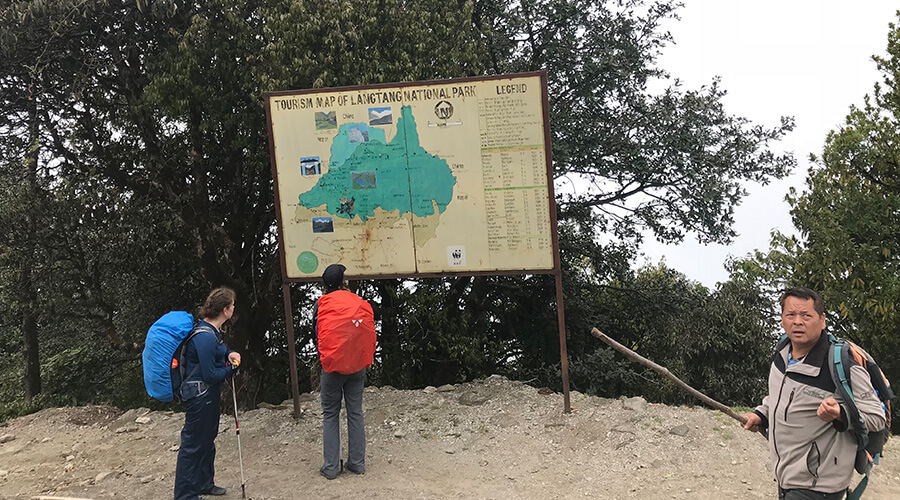
  • Langtang National Park

Langtang national park

Best time to travel: Sept-Now and April-June 

A place of fascination for wildlife lovers as well as trekkers since its establishment in 1976, Langtang National Park has long been a place of curiosity and intrigue. The Langtang National Park stretches over 1710 km, including parts of Rasuwa district, Nuwakot district, and Sindhupalchowk district. 

The National Park is home to Gosainkunda and its corresponding lakes, both of which are of great religious and cultural significance. With its unique culture, dresses, home-style, ornaments, and customs, the Langtang valley is a great fusion for travelers. 

Nepal’s Langtang national park offers some of the best trekking opportunities.   There is no better way to experience Nepal’s beauty than through a trek along the Langtang, where you can find stunning vistas, meadows, glacial lakes and the amazing Himalayas. 

The Langtang National Park is an amazing National Park in Nepal where you can explore the varied flora and fauna of the mountains. Trekking, mountaineering, rafting, kayaking and pilgrimage are popular activities in this area. 

The beautiful national parks of Nepal are not only a safe haven for animals and plants but also a reflection of the stunning natural beauty of the country. Explore the national parks of Nepal and witness nature’s astounding beauty.  

If you are also interested in visiting Nepal and are planning to do trekking and tours and would like to experience National Park Tours, you can contact the Himalayan Circuit Team and book the tour packages. 

Wildlife Photography Tour in Nepal

Baby and Mother rhino together.

The art of wildlife photography combines a love of photography with an appreciation for nature, offering photographers the chance to capture breathtaking images of animals in their natural habitat. The incredible diversity and wildlife of Nepal make it an unforgettable destination for wildlife photography.

Nepal is known for its magnificent mountains and breathtaking landscapes. Nepal is an ideal destination for wildlife photographers due to its high mountains and lush valleys. A wildlife photography journey in this breathtaking Himalayan country is like walking into a wildlife archive.

A wide variety of wildlife can be found in Nepal, including many endangered and elusive species. With a unique biodiversity, Nepal is a popular destination for wildlife tourists, offering photographers a wide range of wildlife in its unique habitats, from the tropical Terai plains to the magnificent Himalayas.

A wildlife photography trip to Nepal is like stepping into a history book filled with rare and exotic animals in a breathtaking environment. This blog aims to provide an exploration of Nepal’s wildlife, a guide to the best spots for photography, and some tips for capturing these life-changing experiences.

Top Destinations for Wildlife Photography:

Chitwan National Park:

The Chitwan National Park is one of the most famous wildlife parks in Asia. The dense forest covered an area of 952 square kilometers, with 729 square kilometers reserved for buffer zones. 

Chitwan’s subtropical climate offers an ideal habitat for a wide variety of birds, mammals, and reptiles, including the Big 3 of Nepalese wildlife: Royal Bengal tigers, Asian elephants, and Greater One-Horned Rhinos. 

The region is also home to several animal species, including wild water buffalo, four-horned antelopes, swamp deer, and spotted linsangs. This safari trip allows you to photograph and view wildlife from a large safari vehicle.


Bardia National Park:

The Bardia National Park in Nepal, which covers 968 square kilometers, was established in 1976 and later declared a protected area. It encompasses a total of 507 square kilometers. The Babai River crosses the area and this area is surrounded by grasslands, forests, and rivers.

The park is home to over 435 resident and migratory birds and 642 species of animals. The unspoiled wilderness around Bardia National Park is famous for bear chases, Rajbang tigers marking their territory, and elephant sightings. There is a majestic royal Bengal tiger living among the untamed wildlife in its natural habitat.  

The wildlife safari experience will thrill you and fill your camera with wildlife photos. Designed specifically for those who love wildlife photography, this trip gives you the chance to capture everything through your camera lens.

Koshi Tappu Wildlife Reserve:

Wildlife photography is a passion for many, and what better way to satisfy this passion than to take a hike in nature? The Koshi Tappu Wildlife Sanctuary, located in eastern Nepal, offers a unique photographic and wildlife experience.

The Koshi Tappu Wildlife Sanctuary covers an impressive 175 square kilometers and is Nepal’s oldest wildlife sanctuary. Koshi Tappu Wildlife Sanctuary is known for its diverse birdlife and biodiversity on the Saptakoshi River plains. 

Koshi Tappu is a paradise for bird watchers and photographers, with more than 500 species of birds, including migratory birds from Siberia and Tibet. The reserve is home to a variety of wildlife, including wild water buffalo, whales, dolphins, and the elusive Bengal tiger as well as an abundance of birds.

Sagarmatha National Park:

The Sagarmatha National Park is situated in the heart of the majestic Himalayas, making it a paradise for nature lovers and wildlife photographers alike. With some of the world’s most famous and endangered species at its doorstep, the Sagarmatha National Park offers a unique chance to discover their magnificent natural world.

Located in the Solu-Khumbu region of Nepal, Sagarmatha National Park offers breathtaking scenery and a variety of wildlife, ranging from dense plain forests to towering Himalayan peaks. This habitat is home to a wide variety of wildlife and flora, providing a haven for wildlife photographers. 

Trekking through Everest National Park for wildlife photography promises to be an unforgettable experience. With its fascinating biodiversity, breathtaking landscapes, and rich cultural heritage, the park provides an ideal backdrop for capturing the wild beauty of the Himalayas.

A wildlife photography trip in Nepal is a dream come true for every avid wildlife photographer. Nepal offers some of the most unique creatures in the world, with diverse wildlife, beautiful scenery, and knowledgeable guides. 

Wildlife photography tours in Nepal provide a unique opportunity to see natural wonders up close. Prepare yourself to capture unforgettable moments when you visit this incredible country with the Himalayan Circuit Treks.