Homestay in Nepal – Dalla, Where Culture Meets Conservation

Nepal’s Terai region is a land of contrasts—lush jungles filled with wildlife, traditions rooted in community, and inspiring stories of change. At the heart of this vibrant landscape lies Dalla Homestay, a community-based tourism initiative that lets travelers experience the wild beauty of Bardiya National Park while living alongside the welcoming people of Dalla.

With Himalayan Circuit’s newest offering, you can now take part in a journey that goes beyond sightseeing—connecting nature, culture, and purpose.

The Birth of Dalla Homestay: A Story of Community Innovation

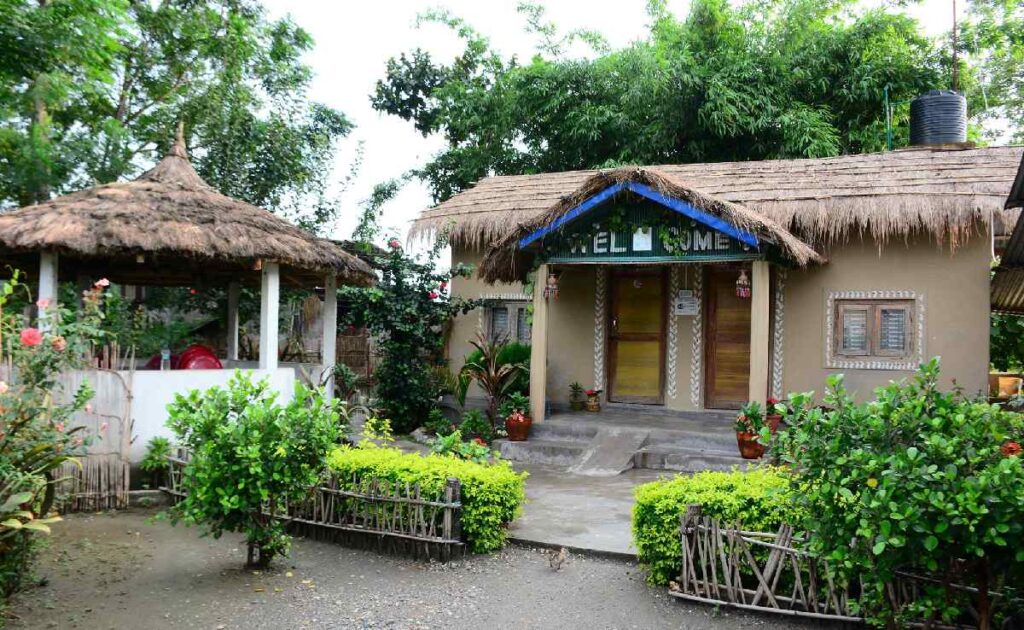
Dalla Homestay Bardia

The story of Dalla is not only about tourism—it is about revival, empowerment, and vision. According to WWF Nepal, the change began when conservation efforts started in the village. With WWF’s support, the people of Dalla restored degraded forests and protected wildlife habitats. As a result, a new idea emerged: why not invite the world to see this transformation firsthand?

Through dialogue and collective action, the community created Dalla Homestay. Today, 20 households host travelers, offering not just rooms but also stories, smiles, and a sense of belonging.

Key outcomes of this change include:

  • Cleaner villages through organized waste management
  • Women’s empowerment, with many now leading in hospitality and enterprise
  • Sustainable income, with tourism revenue supporting education, health, and local development

In short, Dalla’s journey is a living example of how local action and global awareness can work together to create meaningful change.

Bardiya National Park: Nepal’s Untamed Wilderness

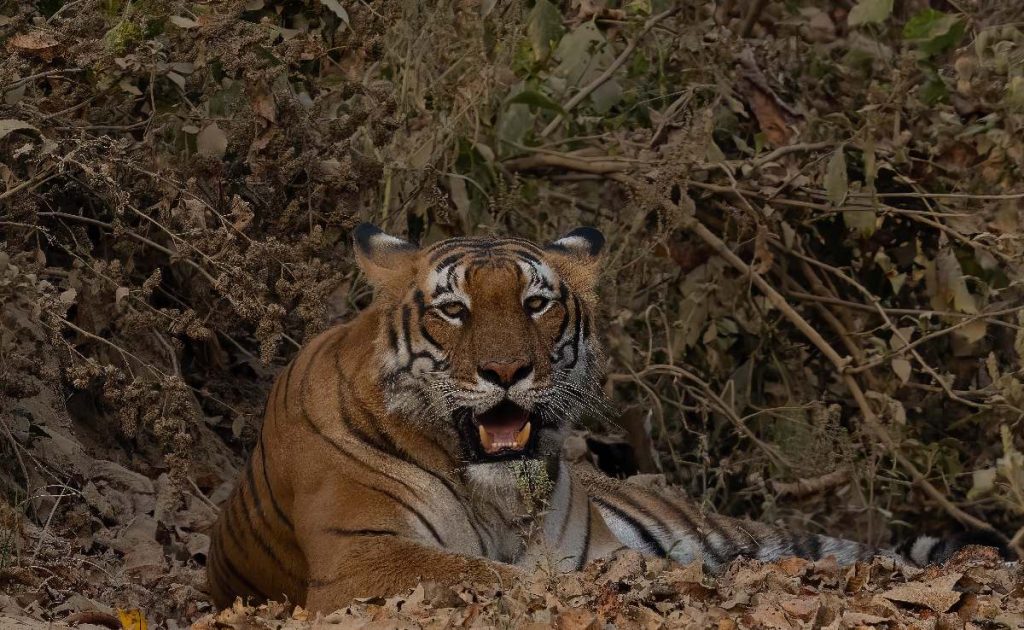
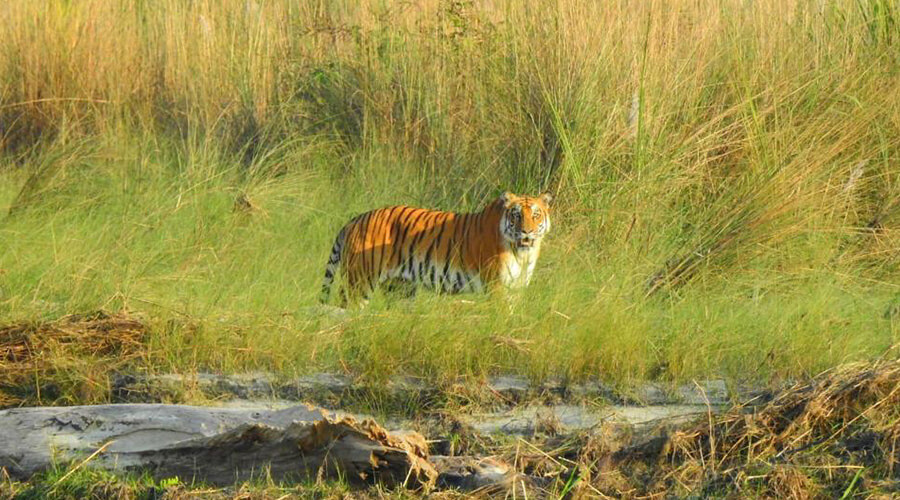
Tiger in Bardia National Park

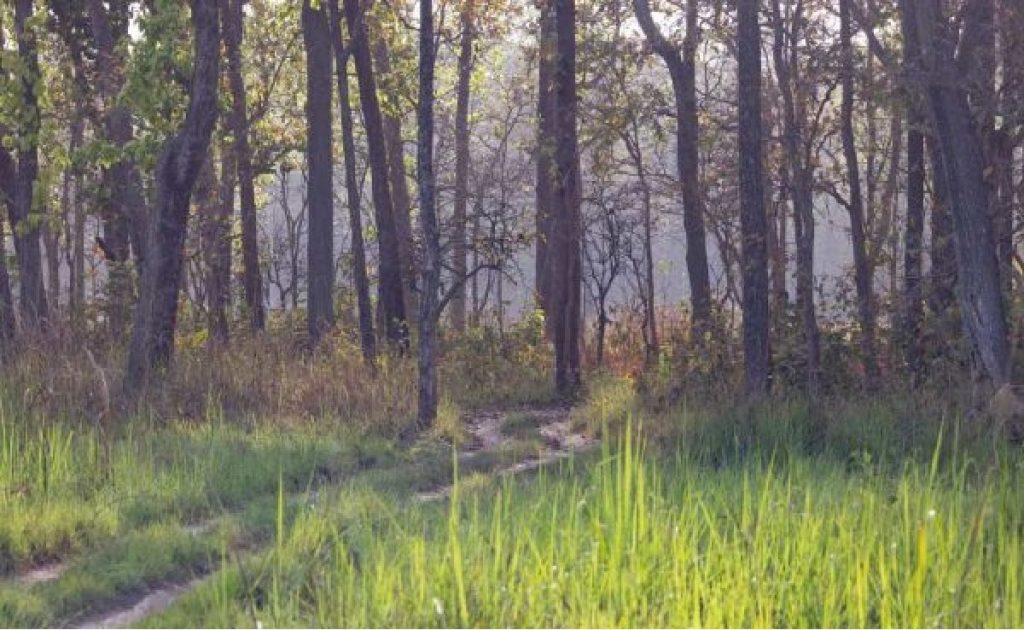
Covering more than 968 square kilometers, Bardiya National Park is Nepal’s largest protected area in the Terai. It was first established as the Karnali Wildlife Reserve in 1976. Later, when 1,500 households were relocated, nature was given the space to thrive.

Today, Bardiya is home to some of the world’s most iconic species, including:

  • Royal Bengal Tigers—one of the best places in Nepal to spot them in the wild
  • One-horned Rhinos—thriving thanks to strong conservation efforts
  • Asian Elephants, Gangetic Dolphins, and more than 400 bird species

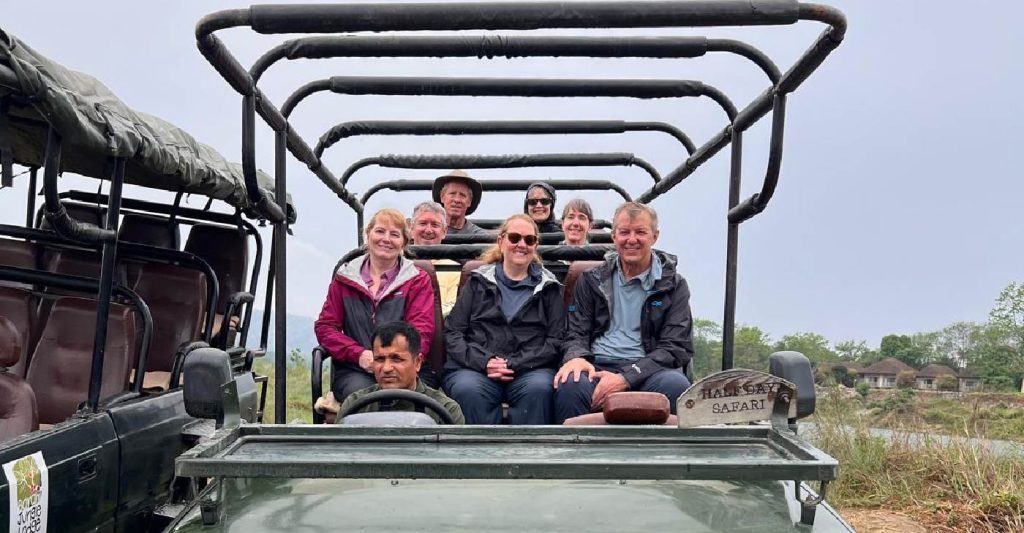
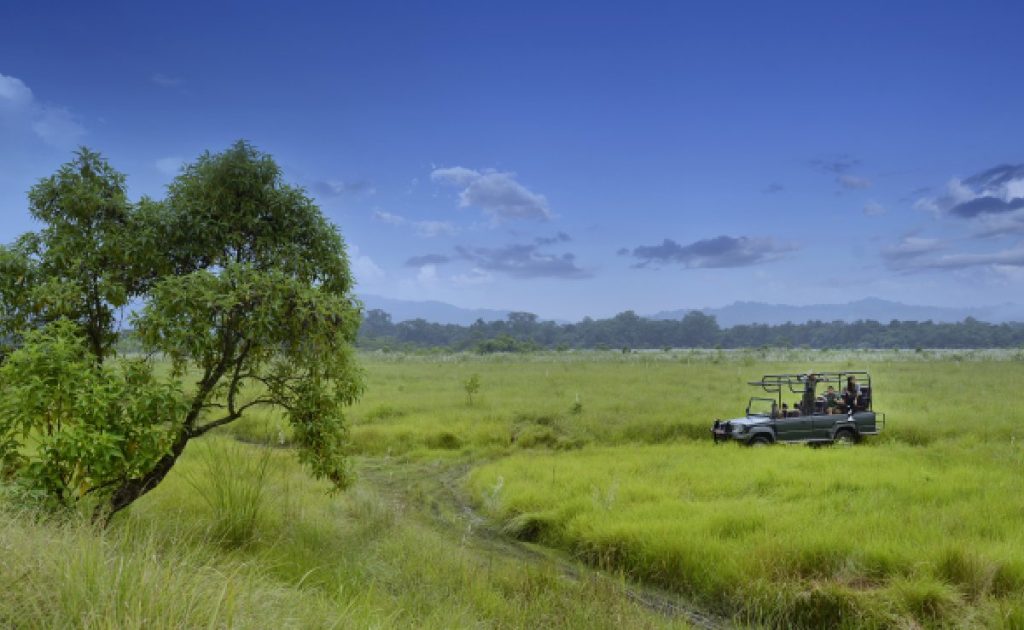
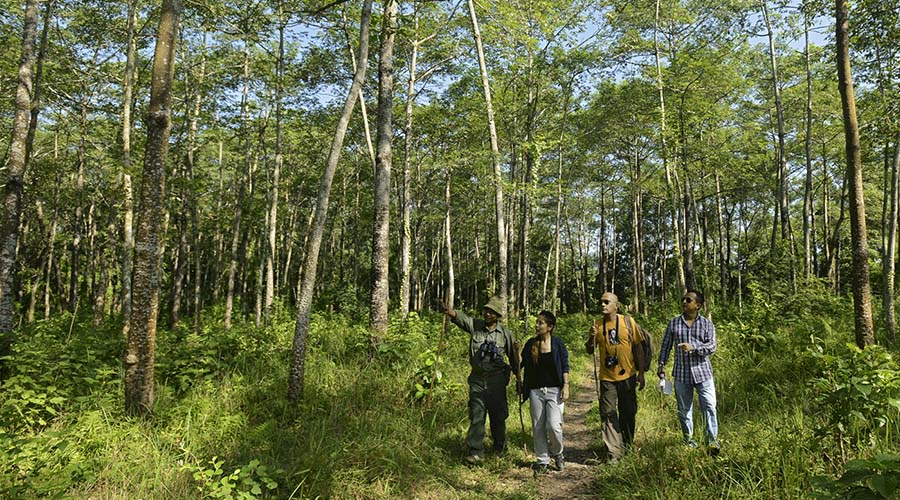
Visitors can enjoy jeep safaris, river excursions, birdwatching, and guided jungle walks. At the same time, they learn about the delicate balance between conservation and community life.

What to Expect at Dalla Homestay

Staying at Dalla Homestay is more than just accommodation—it is a cultural exchange. Guests stay in traditional Tharu homes, eat local cuisine made from fresh ingredients, and take part in daily village life.

Activities include:

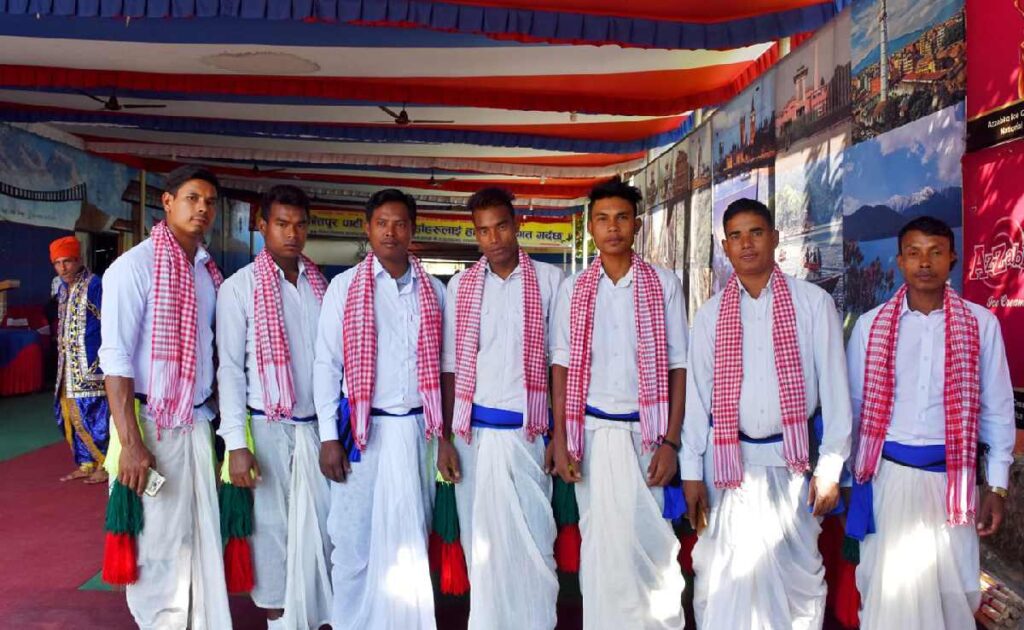
  • Cultural performances with Tharu music and dance
  • Cooking classes led by local hosts
  • Nature walks guided by community members
  • Storytelling evenings around the fire

Each family has been trained in hospitality. Therefore, you enjoy comfort while still experiencing authenticity.

Why Choose Dalla Homestay with Himalayan Circuit?

Himalayan Circuit has always championed responsible tourism. With Dalla Homestay, we continue our mission to connect travelers with meaningful experiences that support local communities and protect natural heritage.

By choosing this journey, you:

  • Support grassroots conservation
  • Empower local women and youth
  • Experience Nepal beyond the tourist trail

Book Your Journey Today

Your stay at Dalla Homestay Bardiya is more than a visit—it’s a contribution to conservation and community. So, are you ready to explore Bardiya’s wild heart and Dalla’s warm soul?

Learn more & book now

Nepal Diary: Road Trip Highlights from Kathmandu to Chitwan

Travel is more than just moving from one place to another — it’s about embracing new destinations, cultures, and experiences. So why rush when every mile offers something worth exploring? The 175 km Kathmandu to Chitwan road trip via the Prithvi Highway captures this perfectly. It offers a journey that is as rewarding as the destination itself.

This route connects the vibrant urban life of Kathmandu with the serene natural beauty of Chitwan. Along the way, it weaves through cultural landmarks, religious sites, and scenic landscapes. Therefore, the journey becomes a memorable part of any Nepal adventure.
Here are some of the best spots and activities along the Kathmandu to Chitwan road trip:

Chandragiri Hills

Start your journey with a peaceful walk at Chandragiri Hills. The panoramic views of the Himalayas are spectacular from here. In addition, visit the Bhaleshwar Mahadev Temple, which adds a spiritual touch to the surroundings. For adventure seekers, a cable car ride over the lush forests offers sweeping views of Kathmandu Valley. You can also opt for a short hike to enjoy the natural beauty.

CHandragiri hills

Manakamana Temple

The Manakamana Temple is a perfect cultural and spiritual stopover along the Prithvi Highway. Dedicated to the goddess Bhagawati, this hilltop temple is popular among devotees. A scenic cable car ride from Kurintar takes you to the temple. From here, you can enjoy panoramic views of the Trishuli River and surrounding hills.

Trishuli River Rafting

For a burst of adventure, consider rafting on the Trishuli River. Half-day and full-day rafting trips are available along the highway. Travelers can float past terraced fields, rolling hills, and scattered villages. This activity, therefore, adds the right amount of thrill and scenic charm to your trip.

Rafting in Seti River

Malekhu

Take a break in Malekhu, a riverside town known for its local fish delicacies. You can enjoy freshly caught fish from the Trishuli River, prepared with local spices. In addition, small shops here offer snacks, fruits, and handmade goods reflecting local culture.

Jalbire Waterfall

Located near Mugling, Jalbire Waterfall (also known as Lamo Jharna) is a beautiful 60-meter cascade surrounded by lush greenery. After a long drive, this spot offers a refreshing break. You can dip in the cool waters, listen to birdsong, and immerse yourself in nature.

Devghat

Just before reaching Chitwan, consider a side trip to Devghat. It is a revered pilgrimage site where the Trishuli and Kali Gandaki rivers meet. Known for its mythological and spiritual significance, Devghat is home to ashrams, Sanskrit schools, and temples. In fact, it’s especially popular during Makar Sankranti. This site offers a glimpse into Nepal’s deep-rooted Vedic traditions.

The Kathmandu to Chitwan road trip, with its cultural stops and scenic diversions, is one of the best ways to experience Nepal’s diverse landscapes and heritage. From the calm of Chandragiri Hills at the start to the wildlife safaris of Chitwan at the end, this route lets you slow down and truly connect with Nepal — its people, nature, and spirit.

Take the Kathmandu to Chitwan road trip offered by Himalayan Circuit and discover Nepal the way it’s meant to be seen — one unforgettable stop at a time.

Slide Background
Nature & Landscape
Get ready for a challenging but beautiful high-altitude trek

Nepal is known for her three distinct ecological zones namely Terai Hills and Himalayas You can experience the plain landscapes and the dense jungles with the wild animals Hills have the terraces for ..

previous arrowprevious arrow
next arrownext arrow

Nepal Diary: 10-Day Mountains, Culture & Wildlife

10 Day Nepal Itinerary

Nepal is a country of incredible natural beauty, rich history, and diverse culture. From the bustling streets of Kathmandu to the serene landscapes of Bandipur, this 10-day Nepal itinerary is perfect for those seeking a mix of cultural exploration, wildlife adventures, and stunning mountain views.

This 10-day Nepal itinerary includes: Kathmandu, Chitwan, Bandipur, Nagarkot, and Bhaktapur

Day 1-2: Kathmandu – Explore the Cultural Heart of Nepal

Start your journey in Kathmandu, the vibrant capital of Nepal. Known for its ancient temples and historical sites, Kathmandu offers a unique blend of culture and spirituality.

  • Pashupatinath Temple: A UNESCO World Heritage Site, this sacred Hindu temple is one of the most important pilgrimage sites in Nepal. Don’t miss the evening aarti (ritual) by the Bagmati River.
  • Swayambhunath (Monkey Temple): Offering panoramic views of Kathmandu Valley, this ancient stupa is a must-visit. It’s a great spot to see the city and interact with playful monkeys.
  • Boudhanath Stupa: Another UNESCO-listed site, Boudhanath is one of the largest stupas in Nepal. Here, you can witness Tibetan Buddhist rituals and enjoy a peaceful atmosphere.

Tip: Explore the bustling streets of Thamel for souvenirs, local food, and a taste of Kathmandu’s nightlife.

Day 3-5: Chitwan National Park – Wildlife Safari Adventure

Next, travel to Chitwan National Park (5-6 hours by car), one of the best places in Nepal for wildlife experiences. The park is home to rare animals like the one-horned rhinoceros, Bengal tigers, and exotic birds.

  • Jeep Safari: Go on a thrilling jeep safari through the jungle, where you might spot rhinos, tigers, and elephants.
  • Canoe Ride: Paddle along the Rapti River and spot crocodiles, birds, and lush greenery.
  • Tharu Village Visit: Explore a local Tharu village to learn about the culture and lifestyle of this indigenous group.

Tip: Stay in a jungle lodge for an authentic experience, and enjoy local Tharu dances in the evening.

Day 6-7: Bandipur – Peaceful Hilltop Retreat

From Chitwan, take a scenic drive to Bandipur, a charming hilltop village known for its traditional Newar culture and stunning mountain views. It’s a great place to relax and enjoy the beauty of the Himalayas.

  • Village Walks: Wander through the cobblestone streets and enjoy the traditional architecture of Bandipur. Visit local temples and enjoy the peaceful surroundings.
  • Hiking: Take a short hike to Tundikhel for panoramic views of the Annapurna and Manaslu ranges.
  • Relax: Enjoy a cup of local tea while admiring the beautiful landscape.

Tip: If you’re into caves, make sure to visit Siddha Cave, one of the largest caves in Nepal.

Day 8: Nagarkot – Stunning Himalayan Sunrise

After Bandipur, head to Nagarkot (4-5 hours by car), famous for its sunrise and sunset views of the Himalayas.

  • Sunrise Viewpoint: Wake up early for a spectacular sunrise view of Mount Everest and the surrounding peaks.
  • Hiking and Relaxation: Enjoy a nature walk or simply relax and take in the breathtaking mountain scenery.

Tip: Stay in a mountain resort for the best views of the Himalayas.

Day 9: Bhaktapur or Panauti & Namo Buddha – Cultural Exploration

On Day 9, you have two options for cultural exploration:

  • Option 1: Bhaktapur
    Visit Bhaktapur Durbar Square, a UNESCO World Heritage Site known for its stunning palaces, temples, and traditional Newar architecture. Don’t forget to try juju dhau (king curd), a local delicacy.
  • Option 2: Panauti & Namo Buddha
    Panauti is a charming town filled with ancient temples. Continue to Namo Buddha, a sacred Buddhist site offering peace and fantastic views of the mountains.

Day 10: Departure – Last Day in Kathmandu

On your final day, relax in Kathmandu before your departure.

  • Visit Durbar Square for a last look at Kathmandu’s royal history.
  • Stroll through the Garden of Dreams, a peaceful spot to unwind.

Tip: Shop for souvenirs in Thamel or relax in a café before heading to the airport.

Travel Tips for Nepal:

  • Weather: The weather varies across Nepal. Kathmandu and Chitwan are warm, while Bandipur and Nagarkot are cooler, especially in the mornings and evenings.
  • Local Currency: Nepalese Rupee (NPR). Carry cash as some rural areas may not have ATMs.
  • Health & Safety: Travel insurance is recommended. Carry basic medications for stomach issues or altitude sickness.
  • Cultural Respect: Always dress modestly, especially when visiting temples or sacred sites.

This 10-day Nepal itinerary offers a perfect blend of culture, wildlife, and natural beauty. From the ancient temples of Kathmandu to the peaceful mountains of Bandipur and Nagarkot, and the wildlife adventures in Chitwan, Nepal is a country full of unforgettable experiences.

Ready to explore Nepal? Plan your trip with this detailed itinerary and create memories that will last a lifetime!


Nepal Diary: 10-Day Journey Through Culture, Wildlife & Mountains

Nepal is a country of incredible natural beauty, rich history, and diverse culture. From the bustling streets of Kathmandu to the serene landscapes of Bandipur, this 10-day Nepal itinerary is perfect for those seeking a mix of cultural exploration, wildlife adventures, and stunning mountain views.

This 10-day Nepal itinerary includes: Kathmandu, Chitwan, Bandipur, Nagarkot, and Bhaktapur.

Day 1-2: Kathmandu – Explore the Cultural Heart of Nepal

Start your journey in Kathmandu, the vibrant capital of Nepal. Known for its ancient temples and historical sites, Kathmandu offers a unique blend of culture and spirituality.

  • Pashupatinath Temple: A UNESCO World Heritage Site, this sacred Hindu temple is one of the most important pilgrimage sites in Nepal. Don’t miss the evening aarti (ritual) by the Bagmati River.
  • Swayambhunath (Monkey Temple): Offering panoramic views of Kathmandu Valley, this ancient stupa is a must-visit. It’s a great spot to see the city and interact with playful monkeys.
  • Boudhanath Stupa: Another UNESCO-listed site, Boudhanath is one of the largest stupas in Nepal. Here, you can witness Tibetan Buddhist rituals and enjoy a peaceful atmosphere.

Tip: Explore the bustling streets of Thamel for souvenirs, local food, and a taste of Kathmandu’s nightlife.

Day 3-5: Chitwan National Park – Wildlife Safari Adventure

Next, travel to Chitwan National Park (5-6 hours by car), one of the best places in Nepal for wildlife experiences. The park is home to rare animals like the one-horned rhinoceros, Bengal tigers, and exotic birds.

  • Jeep Safari: Go on a thrilling jeep safari through the jungle, where you might spot rhinos, tigers, and elephants.
  • Canoe Ride: Paddle along the Rapti River and spot crocodiles, birds, and lush greenery.
  • Tharu Village Visit: Explore a local Tharu village to learn about the culture and lifestyle of this indigenous group.

Tip: Stay in a jungle lodge for an authentic experience, and enjoy local Tharu dances in the evening.

Day 6-7: Bandipur – Peaceful Hilltop Retreat

From Chitwan, take a scenic drive to Bandipur, a charming hilltop village known for its traditional Newar culture and stunning mountain views. It’s a great place to relax and enjoy the beauty of the Himalayas.

  • Village Walks: Wander through the cobblestone streets and enjoy the traditional architecture of Bandipur. Visit local temples and enjoy the peaceful surroundings.
  • Hiking: Take a short hike to Tundikhel for panoramic views of the Annapurna and Manaslu ranges.
  • Relax: Enjoy a cup of local tea while admiring the beautiful landscape.

Tip: If you’re into caves, make sure to visit Siddha Cave, one of the largest caves in Nepal.

Day 8: Nagarkot – Stunning Himalayan Sunrise

After Bandipur, head to Nagarkot (4-5 hours by car), famous for its sunrise and sunset views of the Himalayas.

  • Sunrise Viewpoint: Wake up early for a spectacular sunrise view of Mount Everest and the surrounding peaks.
  • Hiking and Relaxation: Enjoy a nature walk or simply relax and take in the breathtaking mountain scenery.

Tip: Stay in a mountain resort for the best views of the Himalayas.

Day 9: Bhaktapur or Panauti & Namo Buddha – Cultural Exploration

On Day 9, you have two options for cultural exploration:

  • Option 1: Bhaktapur
    Visit Bhaktapur Durbar Square, a UNESCO World Heritage Site known for its stunning palaces, temples, and traditional Newar architecture. Don’t forget to try juju dhau (king curd), a local delicacy.
  • Option 2: Panauti & Namo Buddha
    Panauti is a charming town filled with ancient temples. Continue to Namo Buddha, a sacred Buddhist site offering peace and fantastic views of the mountains.

Day 10: Departure – Last Day in Kathmandu

On your final day, relax in Kathmandu before your departure.

  • Visit Durbar Square for a last look at Kathmandu’s royal history.
  • Stroll through the Garden of Dreams, a peaceful spot to unwind.

Tip: Shop for souvenirs in Thamel or relax in a café before heading to the airport.

Travel Tips for Nepal:

  • Weather: The weather varies across Nepal. Kathmandu and Chitwan are warm, while Bandipur and Nagarkot are cooler, especially in the mornings and evenings.
  • Local Currency: Nepalese Rupee (NPR). Carry cash as some rural areas may not have ATMs.
  • Health & Safety: Travel insurance is recommended. Carry basic medications for stomach issues or altitude sickness.
  • Cultural Respect: Always dress modestly, especially when visiting temples or sacred sites.

This 10-day Nepal itinerary offers a perfect blend of culture, wildlife, and natural beauty. From the ancient temples of Kathmandu to the peaceful mountains of Bandipur and Nagarkot, and the wildlife adventures in Chitwan, Nepal is a country full of unforgettable experiences.

Ready to explore Nepal? Plan your trip with this detailed itinerary and create memories that will last a lifetime!

Wildlife & Nature: Exploring Red Panda Habitats and Spots in Nepal

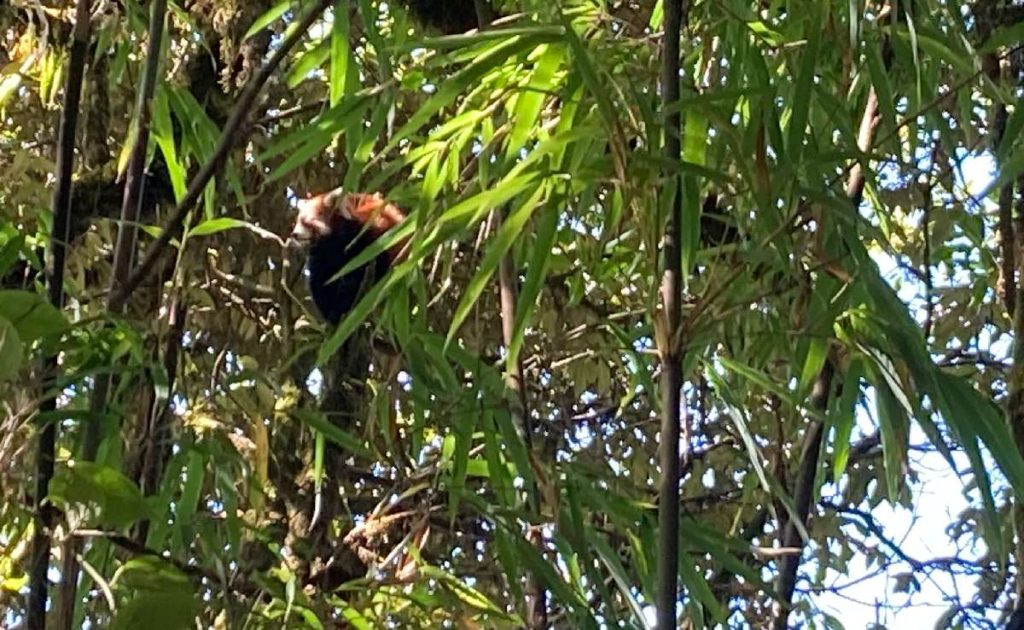
Red Panda tour in Nepal

Nepal is a wildlife enthusiast’s paradise, and one of its most captivating and elusive residents is the red panda. Known for its charming appearance and secretive nature, this rare creature is a true treasure for those lucky enough to encounter it. While the red panda is notoriously difficult to spot in the wild, Nepal offers several exceptional locations where you can embark on thrilling adventures to catch a glimpse of this fascinating animal in its natural habitat. With the expert guidance of Himalayan Circuit, you can explore these red panda hotspots while trekking through some of the world’s most breath-taking landscapes.

In this guide, we’ll introduce you to Nepal’s top red panda destinations and why they should be at the top of your wildlife bucket list.

1. Kanchenjunga Conservation Area

Location: Eastern Nepal, Bordering Sikkim (India)
Why It’s Special: Kanchenjunga, the third-highest mountain in the world, offers more than just incredible mountain views. The surrounding conservation area is a prime habitat for red pandas, boasting diverse ecosystems ranging from subtropical forests to alpine meadows at 2,500–4,000 meters above sea level.

What to Expect: Trekking through Kanchenjunga is a unique blend of awe-inspiring mountain scenery and exceptional wildlife encounters. Along the trail, you’ll pass through bamboo groves and rhododendron forests, all while keeping an eye out for red pandas. Other wildlife in the region includes Himalayan tahr, snow leopards, and various species of pheasants. The area’s remoteness ensures a peaceful and immersive trekking experience.

Best Time to Visit: Spring and autumn offer clear weather and optimal wildlife sightings.

2. Makalu Barun National Park

Location: Eastern Nepal, Near China
Why It’s Special: Makalu Barun is one of Nepal’s least explored parks, and its rugged, remote terrain makes it a sanctuary for wildlife, including the red panda. The park is home to an impressive variety of species, thanks to its wide range of habitats—from tropical forests to alpine meadows.

What to Expect: This national park is perfect for adventurous trekkers seeking solitude and biodiversity. The landscape is challenging but rewarding, with steep trails offering breathtaking views of the Himalayas. Along with red pandas, you may encounter clouded leopards, various bird species, and rare plants. The park’s untouched beauty ensures a truly wild experience.

Best Time to Visit: Spring and autumn provide the best trekking conditions and wildlife sightings.

3. Ilam

Location: Eastern Nepal, Near India
Why It’s Special: Ilam is famous for its cool climate, lush tea gardens, and the surrounding forests of Panchthar and Taplejung, which provide an ideal habitat for red pandas. It’s also one of the more accessible destinations for spotting red pandas in Nepal.

What to Expect: Ilam offers a moderate trek through scenic tea estates and charming villages. Along the way, you might spot red pandas in the surrounding forests, known for their cooler temperatures and dense foliage. In addition to red pandas, this area is rich in local culture, offering a perfect blend of nature and tradition.

Best Time to Visit: Winter and early spring offer cooler temperatures, which help improve wildlife sightings.

4. Koshi Tappu Wildlife Reserve

Location: Eastern Nepal, Near the Saptakoshi River
Why It’s Special: While primarily known for birdwatching, Koshi Tappu is also home to a small population of red pandas. This diverse wildlife reserve features subtropical forests, wetlands, and grasslands, creating an ecosystem rich in biodiversity.

What to Expect: Koshi Tappu offers a mix of birdwatching and wildlife spotting, with opportunities to see red pandas in their natural habitat. The wetlands are teeming with waterfowl, wild buffalo, and other wildlife, providing photographers and nature lovers with ample opportunities to capture stunning images.

Best Time to Visit: Winter is the best time for a more peaceful wildlife experience, with fewer tourists around.

5. Rara National Park

Location: Mid-Western Nepal
Why It’s Special: Rara National Park is one of the most tranquil and remote parks in Nepal, home to the stunning Rara Lake and pristine alpine landscapes. The park also supports a small population of red pandas, especially during the winter months, making it a hidden gem for wildlife enthusiasts.

What to Expect: The park offers a serene trekking experience through dense forests, offering breathtaking views of snow-capped mountains and alpine lakes. The calm surroundings and unspoiled beauty of Rara create an ideal setting for those hoping to catch a glimpse of the elusive red panda.

Best Time to Visit: Winter provides the best chance for red panda sightings, along with a peaceful trekking experience.

6. Balephi Valley

Location: Central Nepal, Foothills of the Himalayas
Why It’s Special: Balephi Valley is a less-visited destination, offering an off-the-beaten-path trekking experience. The valley’s bamboo and oak forests provide the perfect environment for red pandas to thrive, and its peaceful atmosphere makes it a great place for wildlife watching.

What to Expect: Trek through lush forests and quaint villages, where you might spot red pandas in their natural habitat. Balephi Valley’s quiet charm, combined with its rich biodiversity, makes it a special location for those seeking a more intimate wildlife experience.

Best Time to Visit: Spring and autumn offer optimal trekking conditions and wildlife sightings.

7. Dolpa

Location: Mid-Western Nepal
Why It’s Special: Dolpa is one of Nepal’s most remote regions, known for its Tibetan culture, pristine landscapes, and wild terrain. The forests around Phoksundo Lake are home to red pandas, making this a unique spot for wildlife lovers looking for adventure.

What to Expect: The rugged terrain and high-altitude lakes make Dolpa a challenging but rewarding trekking destination. Along with red pandas, trekkers can enjoy views of alpine lakes, Tibetan monasteries, and mountain passes. The solitude and natural beauty of Dolpa make it a truly unforgettable destination.

Best Time to Visit: Late spring to early autumn offers the best trekking conditions.

Why Choose Himalayan Circuit for Your Red Panda Tour?

The Himalayan Circuit offers expertly crafted itineraries to help you make the most of your red panda adventure in Nepal. With years of experience, their knowledgeable guides are not only well-versed in the local wildlife but also take an eco-conscious approach to trekking, ensuring that your visit is both enriching and responsible. Their tours are designed to be immersive, allowing you to fully experience Nepal’s biodiversity while respecting the environment and local cultures.

A Wildlife Adventure of a Lifetime

Nepal offers some of the best opportunities in the world to spot red pandas in the wild, and with the guidance of the Himalayan Circuit, you can explore the most spectacular landscapes while seeking out this elusive creature. Whether you’re trekking through the high-altitude forests of Kanchenjunga or the peaceful valleys of Rara, the memories you create on this wildlife adventure will stay with you for a lifetime.

Don’t miss your chance to see the red panda in its natural habitat—book your journey today with Himalayan Circuit for an unforgettable wildlife experience in Nepal!

Luxury Travel: Ultimate Luxury Trekking & Tours Experience in Nepal

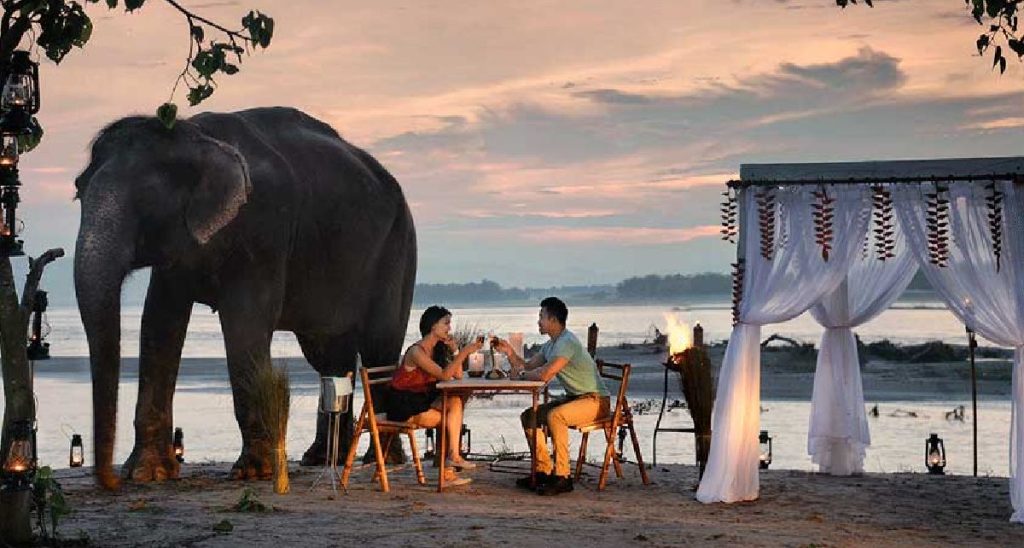
luxury wildlife tour

Are you looking for an unforgettable luxury holiday in Nepal? Whether you want to trek the majestic Everest Base Camp, explore the cultural treasures of Kathmandu, or experience the serene beauty of Pokhara, Nepal offers the perfect blend of adventure and comfort. With Himalayan Circuit, you can enjoy the best trekking and luxury tours in Nepal that combine world-class service, breath taking views, and cultural richness.

Luxury Trekking in Nepal: Explore the Himalayas in Comfort

Nepal is home to some of the world’s most famous trekking routes. However, you don’t have to compromise comfort for adventure. With our luxury trekking packages, you’ll enjoy high-end lodges, delicious meals, and top-notch services while exploring the natural wonders of Nepal.

  1. Everest Base Camp Luxury Trek

One of the most iconic treks in the world is the Everest Base Camp Trek. This trek brings you close to the world’s highest peak, Mount Everest, offering stunning views of the Himalayas. With luxury trekking options, you’ll stay in luxurious mountain lodges that offer comfortable rooms, hot showers, and gourmet meals. Relax in front of a fire after a long day of hiking, and enjoy the spectacular views of the Everest region.

  1. Annapurna Sanctuary Luxury Trek

The Annapurna Sanctuary Trek takes you through beautiful forests, traditional villages, and the stunning Annapurna mountain range. With a luxury trekking package, you’ll stay in cozy lodges with high-end facilities and personal services. Enjoy panoramic views of the Annapurna range while relishing fine dining and comfort.

  1. Manaslu Circuit Trek – Luxury Adventure

The Manaslu Circuit Trek offers an off-the-beaten-path adventure, showcasing the remote beauty of Nepal. As part of our luxury package, you’ll enjoy boutique lodges, private guides, and exceptional service, ensuring that you experience this less-crowded region in comfort.

Luxury Tours in Nepal: Discover Culture and Nature

If trekking isn’t your thing, don’t worry! Nepal has plenty to offer through its luxury tours. From exploring ancient temples in Kathmandu to going on a wildlife safari in Chitwan, luxury tours allow you to enjoy the cultural richness and natural beauty of Nepal with ease.

    4. Kathmandu Valley Heritage Tour

Kathmandu, Nepal’s capital, is home to several UNESCO World Heritage Sites. Explore Durbar Square, Pashupatinath Temple, and Swayambhunath Stupa (Monkey Temple) with a private guide, and stay in luxury hotels offering the best comfort and service. This tour is perfect for history lovers and those looking to experience Nepal’s vibrant culture.

  1. Chitwan National Park Safari – A Luxurious Wildlife Experience

For a unique adventure, explore Chitwan National Park on a luxury safari. The park is home to rhinos, tigers, elephants, and many other species. Stay in high-end resorts, enjoy a jungle jeep safari, or take a boat ride on the Rapti River. Luxury resorts offer fantastic amenities like spas, infinity pools, and gourmet meals, ensuring a relaxing wildlife experience.

  1. Pokhara Lakeside Luxury Retreat

Pokhara is known for its serene lakes and stunning mountain views. On a luxury tour of Pokhara, stay in lakeside resorts with private villas and enjoy a range of activities like boating on Phewa Lake or paragliding with views of the Annapurna Range. Pokhara offers the perfect mix of relaxation and adventure.

Tailored Luxury Itineraries: Custom Holidays in Nepal

At Himalayan Circuit, we know that every traveler has unique preferences. That’s why we offer tailored luxury itineraries to ensure your holiday is exactly what you dream of. Whether you prefer a quiet cultural tour, an exciting trekking adventure, or a mix of both, we can design your ideal Nepal experience.

What’s Included in Our Luxury Nepal Packages?

  • Private Guides and Porters: Expert guides and friendly porters make your journey smooth and enjoyable.
  • High-End Accommodation: Stay in the best hotels, luxury lodges, and resorts across Nepal.
  • Gourmet Meals: Indulge in delicious meals from top chefs, offering both local and international cuisine.
  • Private Transport: Enjoy comfortable, private vehicles for all your travels.
  • Exclusive Experiences: Take scenic helicopter rides, go on private tours, and enjoy personalized service throughout your trip.

Why Choose Himalayan Circuit for Your Luxury Nepal Holiday?

  • Expert Knowledge: With years of experience in Nepal tourism, we offer the best advice and services.
  • Comfort and Service: We guarantee a smooth and comfortable journey with world-class service at every step.
  • Eco-Friendly and Responsible Travel: We care about Nepal’s environment and local communities and promote sustainable tourism.
  • Tailored to You: Our custom itineraries ensure you have the best holiday experience based on your preferences.

Book Your Luxury Nepal Holiday Today!

Nepal’s stunning landscapes, rich culture, and amazing wildlife await you. Whether you’re looking for an adventure-packed trekking experience or a relaxing cultural tour, Himalayan Circuit offers luxury holidays that combine comfort with unforgettable experiences.

Visit Himalayan Circuit today to plan your dream holiday in Nepal and start your journey of a lifetime.

Nepal Diary: Best Things To Do in Nepal – A Complete Guide

Best things to do in Nepal/ trekking

Nepal is a must- visit destination for travelers seeking stunning mountain landscapes, rich cultural heritage, and thrilling adventures. Whether you’re interested in trekking in Nepal, exploring wildlife, or learning about local culture, Nepal offers a wide variety of experiences. At Himalayan Circuit, we specialize in creating custom tours in Nepal that showcase the best of this incredible country. Here’s why Nepal should be at the top of your travel bucket list.

1. Trekking in Nepal: Explore the Heart of the Himalayas

Nepal is famous for its trekking trails, which attract adventurers from all over the world. Some of the best treks in the world can be found here, offering stunning views of the Himalayas and remote villages. From the Everest Base Camp trek to the Annapurna Circuit, there’s something for every kind of traveler.

  • Everest Base Camp Trek: The Everest Base Camp trek is one of the most popular treks in the world. It takes you to the base of Mount Everest, the tallest mountain on Earth. This trek is perfect for those seeking an unforgettable adventure through Sherpa villages and Buddhist monasteries, all with incredible views of Everest.
  • Annapurna Circuit Trek: Known for its diverse landscapes, the Annapurna Circuit trek offers stunning mountain views, scenic valleys, and picturesque villages. This trek is perfect for those who want to experience the beauty of the Annapurna Range and enjoy a multi-day adventure through different terrains.
  • Langtang Valley Trek: If you’re looking for a quieter trek with breathtaking views, the Langtang Valley trek is a hidden gem. This trek offers beautiful views of snow-capped peaks, glaciers, and alpine meadows, making it a great alternative to the more crowded routes.

2. Nature and Wildlife in Nepal: A Paradise for Nature Lovers

Nepal’s diverse landscapes include everything from lush jungles to high-altitude meadows. The country is home to a variety of wildlife, including the endangered Bengal tiger, one-horned rhinoceros, and many rare bird species. The Chitwan National Park and Bardia National Park are some of the best places to visit for wildlife safaris.

  • Chitwan National Park: Located in Nepal’s Terai region, Chitwan National Park is a UNESCO World Heritage Site and one of the best places for a wildlife safari. You can explore the park on an elephant ride, jeep safari, or even a boat ride along the Rapti River to spot rhinos, tigers, and other wildlife.
  • Bardia National Park: For a more off-the-beaten-path experience, Bardia National Park is an excellent choice. It’s less crowded than Chitwan, offering a peaceful and immersive wildlife experience. The park is home to elephants, tigers, and rhinos, making it a paradise for nature lovers.

3. Nepal’s Rich Culture: Explore Ancient Temples and Festivals

Nepal’s culture is deeply influenced by Hinduism and Buddhism. The country is filled with UNESCO World Heritage Sites, including ancient temples, stupas, and palaces. The city of Kathmandu is the cultural heart of Nepal, where you can experience traditional festivals, dance, and cuisine.

  • Kathmandu Valley: The Kathmandu Valley is a cultural hub with historical sites like Swayambhunath Stupa (Monkey Temple), Pashupatinath Temple, and Durbar Square. This area is rich in history, offering visitors a chance to explore centuries-old temples and shrines.
  • Pokhara: Known for its natural beauty, Pokhara is also a great place to experience Nepal’s cultural festivals. Tihar and Dashain are celebrated with colorful processions, traditional dances, and family gatherings. Pokhara is also the gateway to the Annapurna region, making it the perfect place to relax after a trek.

4. Adventure Activities in Nepal: Thrills for Every Traveler

Nepal offers more than just trekking. If you’re an adventure enthusiast, Nepal is the perfect place to try activities like paragliding, white-water rafting, and mountain biking. These activities allow you to experience Nepal’s landscapes from unique perspectives.

  • Paragliding in Pokhara: If you want to see Nepal from the sky, paragliding over Pokhara offers breathtaking views of the Annapurna Range and Phewa Lake. It’s one of the most popular adventure activities in Nepal, giving you a bird’s-eye view of the stunning landscape.
  • White-water Rafting in Nepal: Nepal’s fast-flowing rivers, like the Trishuli River and the Bhote Koshi River, are perfect for white-water rafting. Whether you’re a beginner or an experienced rafter, these rivers offer exciting rapids and amazing scenery.
  • Mountain Biking: For those who love cycling, Nepal has some of the best mountain biking trails. Kathmandu Valley, Pokhara, and the Annapurna region all offer diverse routes for mountain bikers of all levels.

5. Spiritual Sites in Nepal: Connect with Peace and Tranquility

Nepal is a spiritual destination for many travelers. The country is home to several sacred sites for Hindus and Buddhists, offering a peaceful retreat from the hustle and bustle of daily life.

  • Lumbini: Lumbini is the birthplace of Buddha, making it a must-visit spiritual destination. The Maya Devi Temple and the Sacred Garden are perfect places for reflection and peace.
  • Muktinath: Situated in the Annapurna region, Muktinath Temple is sacred to both Hindus and Buddhists. The temple is located at the foot of the Himalayas, and the views are simply stunning.

Your Custom Nepal Adventure

At HimalayanCircuit, we specialize in crafting custom Nepal tours that suit your unique interests. Whether you’re looking to explore Nepal’s culture, embark on an epic trekking adventure, or discover the beauty of Nepal’s wildlife, we’ll design an itinerary just for you. Our expert guides, local knowledge, and commitment to responsible tourism ensure that your Nepal adventure will be memorable.

Why Visit Nepal?

Nepal offers so much more than mountains. From the majestic Himalayas to the peaceful jungles of Chitwan, Nepal is a land of adventure, beauty, and culture. At Himalayan Circuit, we are ready to help you explore the best of Nepal with a personalized tour that fits your travel style. Start planning your adventure today and make your dream trip to Nepal come true!

Nepal Diary: Frequently Asked Questions for Traveling in Nepal

FAQs about traveling to Nepal

Planning a trip to Nepal? At Himalayan Circuit, we are dedicated to making your journey unforgettable. Whether you’re visiting for the first time or returning for more adventure, we’ve put together a list of frequently asked questions (FAQs) about traveling to Nepal to help you prepare. This guide covers everything from visa requirements to travel tips, ensuring your trip to Nepal goes smoothly.

1. Do I need a visa to visit Nepal?

Yes, most international travelers need a tourist visa to visit Nepal. You can obtain a 15-day visa for $30 USD (or the equivalent in Nepali Rupees) upon arrival at Tribhuvan International Airport in Kathmandu or at land border entry points. You can also apply for an eVisa online before your trip via the Nepal eVisa website. Visa extensions are available if you wish to stay longer.

2. When is the best time to travel to Nepal?

Best Time to Visit Nepal: A Quick Guide

The best time to visit Nepal is during autumn (September to November) and spring (March to May). These seasons offer clear skies, mild temperatures, and excellent conditions for trekking, sightseeing, and outdoor adventures.

Autumn (September to November)

Autumn provides crisp weather, fresh trails, and stunning Himalayan views, making it ideal for trekking. It’s also the season for major festivals like Dashain and Tihar, adding a cultural touch to your visit.

Spring (March to May)

Spring brings warmer temperatures and blooming rhododendron forests, perfect for trekking and exploring Nepal’s natural beauty. It’s also the best time for clear views of the Himalayas.

Winter (December to February)

Winter can be cold, especially in higher altitudes, but it’s still great for lower-altitude treks and cultural tours in places like Kathmandu and Pokhara.

Monsoon (June to August)

The monsoon season brings heavy rains, making trekking challenging. However, if you’re focused on cultural sightseeing, the lush landscapes can still be beautiful.

3. What vaccinations do I need before traveling to Nepal?

Vaccinations are recommended for travelers heading to Nepal. Common vaccines include:

  • Routine vaccines: MMR, DTaP, Polio, Flu.
  • Travel-related vaccines: Hepatitis A, Hepatitis B, Typhoid, and Malaria (if visiting high-risk areas). It’s important to visit your healthcare provider 4-6 weeks before your trip. For more information on vaccinations, check out the CDC Travel Health page.

4. What currency is used in Nepal, and how can I exchange money?

The official currency in Nepal is the Nepalese Rupee (NPR), denoted as NRs. Notes are available in denominations of 5, 10, 20, 50, 100, 500, and 1000 rupees, while coins are available in 1, 2, and 5 rupees. While US dollars are accepted in major tourist areas, it’s recommended to use local currency for everyday purchases.

How to Exchange Money in Nepal

You can exchange foreign currency at banks, money exchange offices, or ATMs in cities like Kathmandu, Pokhara, and Chitwan. For the most accurate rates, visit Nepal Rastra Bank or reliable exchange counters.

Using Credit Cards in Nepal

In Kathmandu and other major cities, you can use credit cards (Visa, MasterCard, American Express) at many tourist spots, but cash is preferred in rural areas and remote villages. Always carry enough cash for your trip.

ATMs in Nepal

ATMs are available in larger cities, and most charge a fee (around 500 NPR) for foreign card withdrawals. ATM access is limited in remote areas, so it’s best to withdraw enough cash before heading out.

Cash on Trekking Routes

If you’re trekking in Nepal, cash is king. While some popular trekking routes may have ATMs, they are limited, and fees are high. Carry enough Nepalese Rupees to cover your entire trek.

For up-to-date exchange rates, visit Nepal Rastra Bank.

5. Is Nepal a safe destination for tourists?

Yes, Nepal is generally a safe destination for travelers. The country is peaceful, and the locals are welcoming. However, like any travel destination, it’s important to remain cautious, especially in unfamiliar areas.

Safety Tips for Traveling in Nepal:

  1. Be Mindful of the Monsoon Season
    Mudslides and rockslides are common during the monsoon (June to August), especially in remote regions. Check the weather before trekking.
  2. Stay Safe in Crowded Areas
    Petty theft can occur in busy tourist spots. Keep your belongings secure.
  3. Trekking Safety
    Hire a certified guide for trekking in high-altitude areas and be mindful of altitude sickness.
  4. Respect Local Culture
    Nepal has a rich cultural heritage—respect local traditions and customs to ensure a positive experience.

For more detailed safety advice, check out our Safe Trip Abroad Handbook, available on our website.

Nepal is a generally safe country for tourists, but being cautious and prepared will help you have a worry-free trip.

6. What are the best transportation options in Nepal?

In Nepal, you’ll find several transportation options:

  • Flights: We recommend flying with Buddha Air, which is known for its reliable domestic flights. You can book flights from Kathmandu to Pokhara, Chitwan, and other cities. Visit Buddha Air for more information.
  • Tourist buses: Comfortable and affordable, these buses connect major tourist cities like Kathmandu, Pokhara, and Chitwan.
  • Private vehicles: Great for flexibility and comfort, ideal for group travel.
  • Public transport: Taxis and local buses are available, though they can be crowded and less reliable.

7. What are the food available in Nepal?

Nepal offers a rich and diverse food culture influenced by its many regions and ethnic groups. From traditional Nepali dishes to street food and international cuisine, there’s something for every traveler to enjoy. Here’s a guide to the food in Nepal that you can expect during your visit:

1. Traditional Nepali Cuisine:

  • Dal Bhat: The cornerstone of Nepali meals, dal bhat consists of lentil soup (dal) served with steamed rice (bhat). This hearty dish is often accompanied by vegetables, pickles (achar), and sometimes meat or fish. It’s a nutritious and filling meal that is typically eaten twice daily by locals.
  • Momo: Nepali dumplings, filled with spiced meat (usually chicken, pork, or buffalo) or vegetables, are a popular street food and snack. They can be steamed or fried and are often served with a spicy dipping sauce.
  • Sel Roti: This traditional Nepali rice donut is made from rice flour, sugar, and milk, commonly served during festivals and celebrations.

2. Nepali Street Food:

  • Chatamari: Known as Nepali pizza, chatamari is a rice crepe topped with meat, eggs, or vegetables. It’s a favorite in the Newar community and can be found in Kathmandu and Bhaktapur.
  • Samosas: These fried, triangular pastries are filled with spiced potatoes, peas, and sometimes meat. Samosas are a popular snack and street food throughout Nepal.

3. Spices and Flavors:

Nepali cuisine is flavorful, with an emphasis on spices like turmeric, cumin, garlic, and ginger. Achar, a spicy pickle made from fruits, vegetables, or even meats, is often served alongside meals to add an extra layer of flavor.

4. Beverages in Nepal:

  • Chiya: Nepali tea is typically served with milk and sugar, and it’s a popular drink throughout the day, especially in the morning or during breaks.
  • Raksi: A traditional alcoholic drink made from rice or millet, raksi is commonly consumed during festivals and celebrations.

5. Vegetarian and Vegan Dishes:

Given Nepal’s strong Hindu and Buddhist influences, there are many vegetarian and vegan options. Dishes like vegetable curry, dal, lentils, and spinach-based dishes are widely available and commonly eaten.

6. International Cuisine:

In major tourist cities like Kathmandu and Pokhara, you’ll find international food options, including pizza, pasta, and even fast food chains. However, local Nepali cuisine is the real highlight of your visit.

When visiting Nepal, expect a variety of traditional Nepali foods like dal bhat, momos, and thukpa, along with delicious street food such as chatamari and samosas. Whether you prefer vegetarian or meat-based dishes, Nepal’s cuisine will offer something to satisfy every palate. Be sure to try these local specialties for an authentic food experience!


8. What should I pack for my trip to Nepal?

Packing for Nepal depends on your activities, but here’s a general packing list to help ensure you’re ready for anything, from trekking in the Himalayas to exploring Kathmandu.

1. Trekking Gear

If you’re planning on trekking, make sure to pack:

  • Comfortable hiking boots: Choose sturdy, well-broken-in boots for comfort and protection.
  • Warm clothing: Layering is key, especially in the mountains where temperatures can drop even in summer.
  • Quality backpack: A comfortable, well-fitting backpack is essential for carrying your gear during treks.
  • Sleeping bag: If you’re trekking, a good sleeping bag suitable for the altitude is necessary for comfort and warmth.

2. Clothing

Nepal’s weather can vary greatly by region and altitude:

  • Light clothes for warm weather: Cotton shirts, shorts, and comfortable shoes for lowland and city exploration.
  • Extra layers for cooler mountain temperatures: Fleece jackets, down jackets, and thermals are crucial for the chilly mountain evenings and early mornings.

3. Health and Personal Items

  • Medications: If you’re on any regular medication, make sure to bring enough for your entire trip, as some prescriptions may be hard to find.
  • Sunscreen: The Nepali sun can be intense, especially in higher altitudes. Be sure to pack high-SPF sunscreen to protect your skin.
  • Hand sanitizer: Handy for keeping clean when handwashing facilities are limited.
  • Insect repellent: Especially important if you’re traveling during the monsoon season (June to August) when mosquitoes are more prevalent.

4. Travel Essentials

  • Power adapter: Nepal uses Type C, D, and M plugs, so be sure to bring a universal adapter for your devices.
  • Camera: You’ll want to capture the stunning landscapes, vibrant culture, and historic sites. Don’t forget extra memory cards and batteries.
  • Good map: Whether you’re trekking or exploring cities, a reliable map of Nepal or a trekking guidebook can be invaluable.

5. Other Helpful Items

  • Water bottle: Stay hydrated, especially if you’re trekking in remote areas.
  • Travel insurance details: Always carry a copy of your travel insurance information in case of emergencies.
  • Flashlight or headlamp: Essential for trekking in remote areas where electricity might be scarce.

Your Nepal packing list will depend on your specific plans, but with these essential items for trekking, clothing, health, and travel essentials, you’ll be well-prepared for your adventure. Whether you’re trekking in the mountains or exploring the streets of Kathmandu, make sure you’re equipped for all of Nepal’s incredible experiences!

9. Do I need a guide for trekking in Nepal?

Hiring a licensed trekking guide is highly recommended when trekking in Nepal, especially in remote or high-altitude regions. A professional guide can ensure your safety, enrich your experience, and help you navigate Nepal’s stunning but challenging trekking routes. Here’s why hiring a guide is a smart choice for your trek:

1. Safety and Altitude Sickness Prevention

Trekking at high altitudes in Nepal, such as on the Everest Base Camp trek or the Annapurna Circuit, poses the risk of altitude sickness. A licensed trekking guide is trained to identify symptoms of altitude sickness and implement acclimatization techniques to help minimize risks. Guides also know the proper procedures to follow in case of emergency, ensuring your safety throughout the trek.

2. Local Expertise and Cultural Insights

A licensed guide will offer local knowledge and cultural insights, enriching your experience as you explore Nepal’s mountain villages, temples, and natural beauty. They can explain the region’s history, share local stories, and suggest hidden gems along the trekking trail that you might miss on your own.

3. Navigating Trekking Routes and Trails

Nepal’s trekking routes can be challenging, especially in remote areas with rugged terrain. A certified trekking guide is familiar with the trails and ensures that you stay on the right path. They also help manage difficult sections of the trek, ensuring you don’t get lost or waste time on incorrect routes.

4. Logistics and Permits

Guides handle all the essential logistics of your trek, including arranging permits, accommodation, and meals along the way. Their knowledge of local guesthouses and restaurants will help you find the best places to rest, ensuring a comfortable and stress-free trekking experience.

5. A More Enjoyable Experience

Beyond safety and logistics, a guide makes your trekking experience more enjoyable. They can recommend the best spots for photography, help you engage with locals, and make your trek more culturally immersive. A guide helps you get the most out of your Nepal trek, whether you’re hiking through villages, monasteries, or national parks.

While some trekkers may choose to go solo, hiring a licensed guide for trekking in Nepal is strongly recommended, especially for high-altitude treks or remote regions. Guides enhance your safety, help you prevent altitude sickness, and provide valuable cultural insights that make your trek more memorable. To ensure a smooth and enjoyable experience, it’s always best to book your licensed trekking guide through a trusted agency.

For more information on certified guides, visit the Nepal Tourism Board.

10. How can I prevent altitude sickness in Nepal?

Altitude sickness is common above 2,500 meters (8,200 feet). To reduce the risk:

  • Ascend slowly and allow time for acclimatization.
  • Drink plenty of water and avoid alcohol.
  • If you feel symptoms like headache or dizziness, descend to a lower altitude and seek medical help immediately. For more information, visit the CDC Travel Health page on altitude sickness.

11. How can I stay connected in Nepal?

Staying connected in Nepal is easy, whether you’re in Kathmandu, Pokhara, or the Himalayas. With reliable mobile networks, affordable data plans, and eSIM technology, keeping in touch is hassle-free. Here’s everything you need to know about staying connected in Nepal:

  1. Purchase a Local SIM Card in Nepal

One of the most affordable and convenient ways to stay connected is by purchasing a local SIM card. NTC Nepal (Nepal Telecom) and NCell Nepal offer competitive data plans, voice calls, and SMS services for both short-term and long-term visitors. You can buy a SIM card at Tribhuvan International Airport in Kathmandu, local mobile shops, or service centers in major cities like Pokhara and Chitwan. Be sure to bring your passport for SIM registration.

  1. eSIM Options for Travelers in Nepal

If you have an eSIM-compatible phone, Nepal offers a great option for staying connected without needing a physical SIM card. NTC Nepal and NCell Nepal both provide eSIM services, allowing you to activate local mobile data without the hassle of swapping SIM cards. You can also use global eSIM providers like Airalo, Truphone, or GigSky for international data plans that work in Nepal.

  1. Mobile Network Coverage in Nepal

In major cities like Kathmandu and Pokhara, mobile network coverage is reliable, and you can easily access mobile data and voice calls. However, as you head into more remote areas or embark on trekking routes in the Himalayas, mobile coverage can be spotty. For areas with limited coverage, consider renting a satellite phone for uninterrupted communication.

  1. Wi-Fi Access in Hotels and Cafes

Free Wi-Fi is widely available in hotels, cafes, and tourist spots in cities like Kathmandu and Pokhara. However, Wi-Fi speeds can be slower in more rural areas. In popular tourist spots, you can enjoy free internet access, though it may not always be as fast as you’re used to.

  1. Use Messaging Apps and Social Media

Most messaging apps like WhatsApp, Facebook Messenger, and Viber work well in Nepal, especially if you have mobile data or Wi-Fi. These apps are widely used by locals and travelers alike, allowing for easy communication, including voice calls and video chats.

Whether you’re in a city or trekking through remote areas, staying connected in Nepal is easy with a local SIM card, eSIM service, and reliable Wi-Fi options. eSIM technology offers an added convenience for those with compatible devices, eliminating the need for physical SIM cards. If you’re venturing into the mountains, be prepared for limited mobile coverage and consider satellite phones for communication. With these simple steps, you’ll enjoy seamless connectivity during your Nepal adventure.

For more details on SIM cards, check NTC Nepal or NCell Nepal.

12. What cultural norms should I follow in Nepal?

Nepal is a country steeped in rich cultural traditions and religious customs. As a visitor, it’s essential to respect these local norms to ensure a positive and respectful experience. Here are some key cultural etiquette tips to follow when traveling in Nepal:

1. Remove Your Shoes Before Entering Temples and Sacred Sites

In Nepal, it is customary to remove shoes when entering temples, monasteries, or any sacred sites. This is a sign of respect for the holy space and is an important part of Nepali culture. You may also be asked to remove your shoes when visiting local homes or certain cultural buildings.

2. Greet with Namaste

The traditional Nepali greeting is Namaste, where you press your palms together in a prayer-like gesture and bow slightly. This respectful greeting is commonly used when meeting someone or saying goodbye. It’s a sign of goodwill and respect for others, especially in the context of Nepal’s Hindu and Buddhist traditions.

3. Dress Modestly, Especially in Religious Sites

Nepal is a conservative society, especially in religious and rural areas. Modest dress is important when visiting religious sites like temples and monasteries. For both men and women, covering the shoulders and knees is considered respectful. Avoid wearing revealing clothing in sacred areas or when interacting with local communities.

4. Avoid Public Displays of Affection

Public displays of affection, such as kissing or hugging, are generally not appropriate in Nepal, particularly in more rural or conservative areas. While this may be accepted in some tourist spots, it’s best to refrain from such behavior to respect local customs.

5. Be Mindful of Local Customs and Traditions

Nepal is home to a diverse population with varying ethnic and religious practices. Always be respectful and ask for permission before taking photos of people, particularly in rural areas or sacred spaces. Also, when engaging with local customs, always take care to approach them with respect and openness.

By following these cultural norms in Nepal, you’ll show respect for the country’s traditions and ensure a more fulfilling travel experience. Removing shoes, greeting with Namaste, dressing modestly, and avoiding public affection are just a few ways to honor Nepal’s cultural values. Remember, understanding and respecting local customs will help you connect with the Nepali people and make your trip more enjoyable. For more travel tips and personalized assistance, visit HimalayanCircuit.com and start planning your adventure in Nepal!

13. Is Nepal only for trekkers?

Absolutely not! While Nepal is globally renowned for its trekking adventures, it offers a wide variety of attractions for all types of travelers. Whether you’re interested in culture, wildlife, or simply relaxing in stunning landscapes, Nepal has something for everyone. Here’s what else you can enjoy in Nepal besides trekking:

1. Cultural Tours in Kathmandu Valley

Nepal is rich in history and culture, and the Kathmandu Valley is a treasure trove of UNESCO World Heritage Sites. Explore the ancient cities of Kathmandu, Patan, and Bhaktapur, with their stunning temples, palaces, and Durbar Squares. Discover Nepal’s vibrant art and architecture while learning about its fascinating history.

2. Wildlife Safaris in Chitwan and Bardia National Parks

For nature enthusiasts, Nepal is home to incredible wildlife safaris in Chitwan National Park and Bardia National Park. Experience the thrill of spotting bengal tigers, one-horned rhinoceroses, and a variety of birds and animals. These parks offer unforgettable wildlife experiences, perfect for families and adventure seekers alike.

3. Scenic Boat Rides on Phewa Lake in Pokhara

If you’re looking for a more relaxing experience, enjoy a serene boat ride on Phewa Lake in Pokhara. Surrounded by lush hills and the stunning Annapurna Range, the lake offers a peaceful setting for leisurely activities suhttps://himalayancircuit.com/tour/pokhara-city-tourch as kayaking, fishing, or just enjoying the view.

4. Explore Nepal’s Temples, Monasteries, and Tibetan Settlements

Nepal is home to several temples, monasteries, and Tibetan settlements that offer insight into the country’s rich spiritual heritage. Visit sacred places like the Swayambhunath Stupa (Monkey Temple), Lumbini (the birthplace of Buddha), and the monasteries in the Everest region to deepen your cultural and spiritual connection with Nepal.

5. Adventure Sports and Outdoor Activities

For those seeking adrenaline, Nepal offers a range of adventure sports including paragliding in Pokhara, white-water rafting on the Trisuli River, and mountain biking in the hills. Whether you’re a thrill-seeker or a nature lover, there’s plenty to do beyond trekking.

Nepal is not just for trekkers; it’s a diverse destination with a wealth of cultural, natural, and spiritual experiences. Whether you’re interested in exploring ancient temples, going on a wildlife safari, or enjoying outdoor adventures, Nepal offers something for every traveler.

Start planning your Nepal itinerary today and discover the many faces of this beautiful country!

We hope this FAQ has helped you prepare for your trip. At Himalayan Circuit, we’re here to assist with all your travel needs. If you have any more questions or need help planning your trip, don’t hesitate to reach out.

Get ready to explore the breath-taking beauty, rich culture, and warm hospitality of Nepal!
Kathmandu Diary: 10-Day Kathmandu & Chitwan Tour Experience

kathmandu-and-chitwan-10-day-tour

Nepal is a land of captivating history, culture, and wildlife, and if you’re looking to explore it all without trekking, the perfect combination of Kathmandu and Chitwan National Park awaits you. In  this Kathmandu and Chitwan 10-day itinerary takes you through the spiritual and historical heart of Kathmandu and then immerses you in the natural beauty and wildlife of Chitwan. Whether you’re a history buff, wildlife lover, or simply looking to experience Nepal’s best, this journey has it all.

Day 1-3: Explore the Heart of Kathmandu

Kathmandu, the vibrant capital of Nepal, is a treasure trove of ancient architecture, sacred temples, and lively markets. As the starting point of your adventure, Kathmandu offers a chance to immerse yourself in Nepal’s rich cultural heritage.

Must-Visit Cultural Sites in Kathmandu

  • Pashupatinath Temple: As one of the holiest Hindu temples in Nepal, Pashupatinath is located on the bank of the Bagmati River and draws thousands of pilgrims each year. The intricate temple architecture and the spiritual ceremonies make it a must-visit spot. It’s an unforgettable place for anyone interested in Hindu culture and rituals.
  • Swayambhunath Stupa (Monkey Temple): Swayambhunath, also known as the Monkey Temple, is perched on a hill offering panoramic views of Kathmandu. Surrounded by monkeys, prayer flags, and statues of Buddha, this site gives you insight into Nepal’s Buddhist culture. The serenity of the place makes it a peaceful stop on your journey.
  • Boudhanath Stupa: This massive stupa is one of the largest in Nepal and a significant Buddhist pilgrimage site. It’s a beautiful spot for reflection, with visitors walking around the stupa while chanting mantras and spinning prayer wheels. The site is lively, spiritual, and visually stunning.
  • Kathmandu Durbar Square: This UNESCO World Heritage Site is home to historic palaces, temples, and courtyards. Despite the damage caused by the 2015 earthquake, the square still holds immense cultural value, offering insight into the grandeur of Nepal’s royal past.

Day Trips to Patan and Bhaktapur:

  • Patan: A short trip from Kathmandu, Patan is known for its stunning temples, the grand Durbar Square, and traditional Newari architecture. Patan Museum, located in the square, is home to exquisite collections of religious art.
  • Bhaktapur: This medieval city, famous for its well-preserved architecture, is perfect for history enthusiasts. Explore the narrow alleys, temples, and pagodas that make Bhaktapur feel like stepping into the past. Don’t miss the iconic Bhaktapur Durbar Square and its beautiful brick architecture.

Day 4-6: Wildlife Adventure in Chitwan National Park

Next, it’s time to head south to Chitwan National Park, Nepal’s first national park and a UNESCO World Heritage Site. Located in the southern Terai plains, Chitwan offers one of the best wildlife safaris in Asia, known for its incredible biodiversity and thrilling wildlife encounters.

Wildlife Adventures in Chitwan National Park

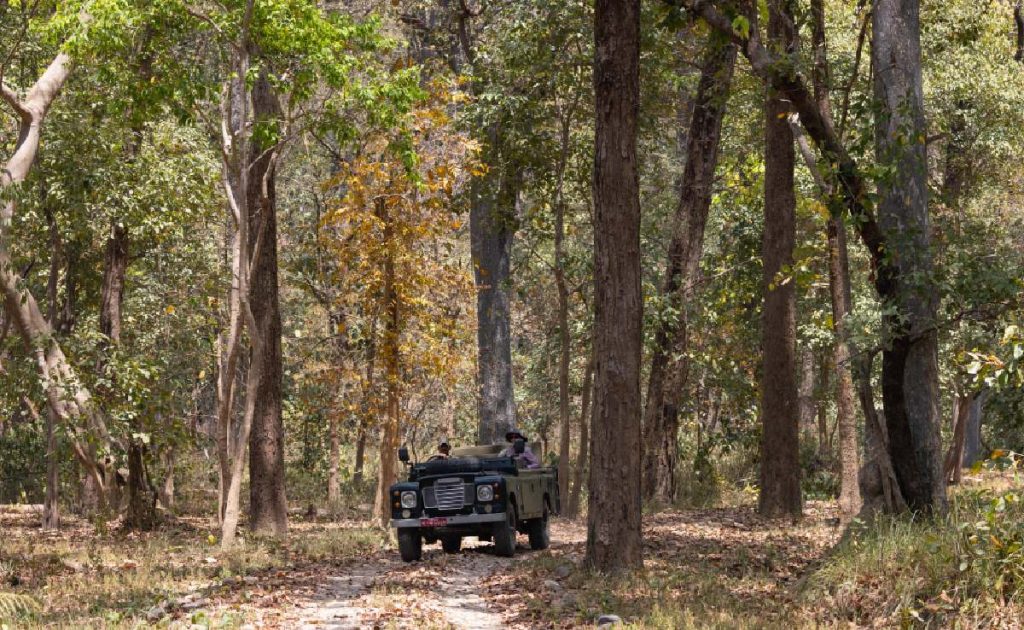
  • Jeep Safaris: Explore Chitwan’s wildlife-rich jungles on an exciting jeep safari. You’ll have the opportunity to spot the rare one-horned rhino, Bengal tigers, wild elephants, deer, and a variety of birds. A knowledgeable guide will take you through the park, sharing fascinating details about the park’s ecosystem.
  • Canoe Rides: A canoe ride on the Rapti River is a peaceful way to observe the park’s wildlife. Glide along the water and catch glimpses of crocodiles sunbathing on the banks, as well as various bird species. It’s a tranquil experience that complements the thrilling jeep safaris.
  • Cultural Visit to Tharu Villages: Chitwan is also home to the Tharu people, an indigenous group with a unique culture and way of life. Visiting a Tharu village offers a chance to see traditional dance performances, sample local food, and understand their ancient customs. It’s an enriching cultural experience that adds depth to your Chitwan visit.

Day 7-10: Return to Kathmandu & Scenic Views of the Himalayas

After your wildlife adventure in Chitwan, return to Kathmandu for a relaxing end to your trip. You can spend a few more days soaking in the city’s energy or take a scenic day trip to Nagarkot.

Optional Day Trip to Nagarkot

For a stunning view of the Himalayas, a trip to Nagarkot is highly recommended. Located just 32 kilometres from Kathmandu, Nagarkot offers breath-taking sunrise views of the Himalayas, including Mount Everest on clear days. The views of the snow-capped peaks in the morning light are the perfect way to wrap up your Nepal journey.

Why You Should Visit Kathmandu & Chitwan

This 10-day Nepal itinerary offers the perfect mix of culture and adventure. From the temples of Kathmandu to the wildlife safaris in Chitwan, you’ll experience the best of both worlds. This trip is ideal for travelers who want to dive into the country’s rich cultural heritage and explore its natural beauty, all without needing to trek.

  • In Kathmandu, explore ancient temples, royal palaces, and vibrant squares that will leave you in awe of Nepal’s spiritual and architectural heritage.
  • In Chitwan, embark on an unforgettable safari through dense jungles and enjoy sightings of endangered species in one of the world’s most famous wildlife reserves.

Whether you’re capturing the stunning architecture of Kathmandu or spotting wildlife in Chitwan, this adventure will offer you a truly diverse and enriching Nepalese experience.

Nepal Diary: Complete Ultimate Travel Guide to Nepal

Trekking in the Himalayas

Nepal is a land of breathtaking mountains, rich cultures, and unforgettable experiences. From trekking to Everest Base Camp to exploring the ancient temples of Kathmandu, Nepal offers something for every kind of traveler. Himalayan Circuit is here to help make your dream Nepal adventure come true. As a trusted Nepal tour and trekking operator, we provide you with expert guidance, safe travel, and a genuine connection to Nepal’s beauty and culture. Explore the Ultimate Nepal travel guide with Himalayan Circuit.

Why Choose Himalayan Circuit? 

When you plan a trip to Nepal, it’s important to choose the right company to guide you. Here’s why Himalayan Circuit is the perfect choice.

  • Local Experts: Our guides are from Nepal’s mountains, so they know the best trails and the culture inside out. They’ll share stories and information that go beyond what you’d find in any guidebook.
  • Customized Experiences: Whether you’re a first-time trekker or an experienced adventurer, we’ll design a trip that fits your style. We offer trekking packages in Nepal like the Annapurna Circuit and the Manaslu Circuit, as well as tours to the most famous sights.
  • Safety First: Your safety is our priority. We make sure you’re well-prepared with proper acclimatization and guide you every step of the way.
  • Sustainable Travel: We believe in responsible tourism that respects nature and supports local communities. Our tours are designed to leave a positive impact on the places we visit.

Explore Nepal Beyond Trekking: Tours with Himalayan Circuit

While trekking in Nepal is an amazing experience, the country has much more to offer. From the bustling streets of Kathmandu to the peaceful lakeside town of Pokhara, Nepal’s cities are full of history, culture, and adventure. Here’s a look at some of our popular Nepal tour packages in the ultimate Nepal travel guide with Himalayan Circuit.

Kathmandu Valley Tour: Dive into Nepal’s History

Kathmandu is the heart of Nepal, with ancient temples, busy markets, and amazing architecture. Our Kathmandu Valley tour includes:

  • Swayambhunath (Monkey Temple): A must-see spot offering panoramic views of the city and a glimpse into Nepal’s spiritual life.
  • Pashupatinath Temple: One of the holiest Hindu temples, located on the banks of the Bagmati River, offering a unique look into Nepalese traditions.
  • Boudhanath Stupa: This peaceful stupa is a center for Tibetan Buddhism in Nepal. You can walk around the stupa, spinning prayer wheels for good luck.
  • Bhaktapur and Patan Durbar Squares: These ancient squares are full of history, with temples and palaces that tell the story of Nepal’s past.

This tour is a great way to learn about Nepal’s cultural heritage and connect with the country’s spiritual side.

Chitwan National Park Tour: Explore Nepal’s Wildlife

Chitwan National Park is one of the best places to see wildlife in Nepal. Located in the Terai region, this park is home to rhinos, tigers, and elephants. Our Chitwan wildlife tour includes:

  • Jungle Safari: Go on a jeep or elephant ride through the park and spot wildlife in their natural habitat.
  • Canoeing on the Rapti River: Paddle along the river and watch for crocodiles and birds.
  • Tharu Cultural Experience: Meet the local Tharu people, learn about their culture, and explore their village.

Chitwan is the perfect place to relax and enjoy Nepal’s natural beauty while learning about its diverse wildlife.

Pokhara: The Gateway to the Himalayas

Pokhara is a beautiful lakeside town known for its peaceful atmosphere and stunning views of the Annapurna mountain range. Our Pokhara tour includes:

  • Phewa Lake: Take a boat ride on the lake, with views of the snow-capped mountains reflected in the water.
  • Sarangkot: Visit this hilltop for one of the best sunrises you’ll ever see over the Himalayas.
  • Devi’s Fall and Gupteshwor Cave: Explore these natural wonders and enjoy the peaceful surroundings.
  • Tibetan Refugee Camp: Visit the camp and learn about the Tibetan refugees who live here. You can also buy handmade crafts to support their community.

Pokhara is a perfect base for trekking to the Annapurna Circuit and other famous trekking routes.

Lumbini: The Birthplace of Buddha

Lumbini is a spiritual place for Buddhists around the world, as it is the birthplace of Lord Buddha. Our Lumbini tour includes:

  • Maya Devi Temple: The sacred site where Buddha was born. It’s one of the most important places in Buddhist tourism.
  • Lumbini Garden: A peaceful place for meditation, surrounded by monasteries and beautiful sculptures.
  • The Ashoka Pillar: A historical monument marking the spot where Buddha was born.

Visiting Lumbini is a spiritual experience, where you can reflect on the teachings of Buddha and find peace.

Trekking with Himalayan Circuit: Discover Nepal’s Natural Beauty

Nepal’s trekking routes are famous for their stunning scenery and challenges. Whether you’re looking to trek to Everest Base Camp or explore the Annapurna Circuit, we have the perfect trekking package for you.

Popular Treks with HimalayanCircuit.com

  1. Annapurna Circuit Trek
  • Duration: 12-21 days
  • Max Elevation: Thorong La Pass (5,416 meters / 17,769 feet)
  • Difficulty: Moderate to Challenging

The Annapurna Circuit is one of the most popular treks in Nepal. You’ll experience diverse landscapes, from forests and waterfalls to high-altitude desert regions, with stunning views of the Annapurna and Dhaulagiri mountain ranges.

  1. Everest Base Camp Trek
  • Duration: 12-16 days
  • Max Elevation: Kala Patthar (5,545 meters / 18,192 feet)
  • Difficulty: Challenging

This iconic trek brings you to the foot of the world’s highest mountain, Mount Everest. Along the way, you’ll pass through Sherpa villages, visit ancient monasteries, and see breathtaking views of Mount EverestLhotse, and Nuptse.

  1. Langtang Valley Trek
  • Duration: 7-12 days
  • Max Elevation: Kyanjin Ri (4,773 meters / 15,659 feet)
  • Difficulty: Moderate

The Langtang Valley Trek offers beautiful views of glaciers, valleys, and Tibetan culture. It’s less crowded than other treks, making it perfect for those seeking peace and adventure.

  1. Manaslu Circuit Trek
  • Duration: 14-20 days
  • Max Elevation: Larkya La Pass (5,160 meters / 16,929 feet)
  • Difficulty: Challenging

The Manaslu Circuit Trek takes you through remote villages, high-altitude passes, and beautiful landscapes. It’s one of the less-visited treks, making it perfect for those seeking a more secluded adventure.

Your Adventure Starts Here with Himalayan Circuit

Whether you’re looking to experience Nepal’s culture or embark on a thrilling trek in the HimalayasHimalayanCircuit.com is here to help you every step of the way. We’ll take care of the details, so you can focus on making unforgettable memories.

Start planning your Nepal adventure today with Himalayan Circuit and let us guide you through this amazing country.

Wildlife & Nature: National Parks for an Exciting Wildlife Safari

An exciting wildlife safari in Nepal offers beautiful scenery and a unique wildlife adventure experience for nature lovers, birdwatchers, and wilderness enthusiasts. You can enjoy a wildlife safari after trekking in Nepal and enjoy the surroundings of jungles, which is an excellent place to spend time with your family. 

A visit to Nepal, the Himalayan nation, will not only offer mountain trekking and white-water rafting trips, but also jungle safaris in magnificent national parks. The country is home to 14 national parks and wildlife reserves, many of which are tropical jungles teeming with exotic birds and diverse wildlife.

Taking a wildlife safari in Nepal gives you the chance to see the rarest and most endangered wildlife on the planet.  A Jungle Safari tour in Nepal is best enjoyed between March and April, September, October, November, and December, making it the perfect adventure for travelers of all ages.

A number of national parks in Nepal provide fantastic opportunities for wildlife safaris where you can observe a wide array of flora and fauna in their natural habitats. A wildlife safari tour in Nepal can last from 2 days to 7 days, depending on the preferences and schedules of visitors.

Here is a list of Nepal’s most popular wildlife safaris:

  • Chitwan National Park:

Chitwan National Park is a UNESCO World Heritage Site established in 1973 and the most visited National Park for wildlife safari in Nepal.  The Chitwan National Park is mostly covered by tropical and subtropical moist deciduous forests including grasslands, riverine forests, and sal forests. 

The Chitwan National Park is a protected jungle area full of wildlife, including the iconic Royal Bengal Tiger, one-horned rhinoceros, Asian elephants, and a variety of birds. 

You can enjoy jungle safaris, elephant rides, and nature walks at Chitwan National Park as well as bird watching, canoeing, and viewing wildlife such as tigers, rhinoceroses, and elephants.

You can stay at hotels such as Meghauli Serai (Taj Safari), Tigerland Safari Resort, Barahi Jungle Lodge and Green Mansions Jungle Resort around Chitwan National Park. 

  • Bardia National Park:

Located in Nepal’s far-western region, the Bardia National Park is renowned for its rich floral diversity and is a hidden gem for wildlife lovers. This park established in 1988 is an excellent place to observe Bengal tigers, elephants, leopards, and even the endangered Gangetic dolphin.

The park offers Jeep safaris, boating, and rafting, bird watching, overnight camping, and treehouses for those who want to explore the park’s diverse habitats, such as salt forests and grasslands. Additionally, Bardia offers the chance to explore traditional villages and experience Tharu culture.

The majority of Bardia National Park is covered by subtropical moist deciduous forests and riverine forests. You can stay at hotels such as Tiger Tops Karnali Lodge, Bardia Jungle Cottage, Rhino Lodge & Hotel Bardia, Nepal Wildlife Resort, and Bardia Adventure Resort around Bardiya National Park.

  • Koshi Tappu Wildlife Reserve:

Koshi Tappu Wildlife Reserve established in 1976 is regarded as a birdwatcher’s paradise.  Known to be home to over 485 species of birds, including migratory birds and endangered species, Koshi Tappu offers a unique opportunity to experience Nepal’s avian wonders. 

Koshi Tappu Wildlife Reserve consists primarily of wetlands, grassland, and riverine forest. The reserve offers boating and elephant and wild buffalo tracking, along with rafting on the Sapta Koshi River and dolphin watching along the Gangetic River.

Koshi Tappu Wildlife Reserve is primarily made up of wetlands, grasslands, and riverine forests. You can stay at hotels such as Koshi Tappu Wildlife Camp, Koshi Camp, and Koshi River Resort around Koshi Tappu Wildlife Reserve.

  • Sagarmatha National Park:

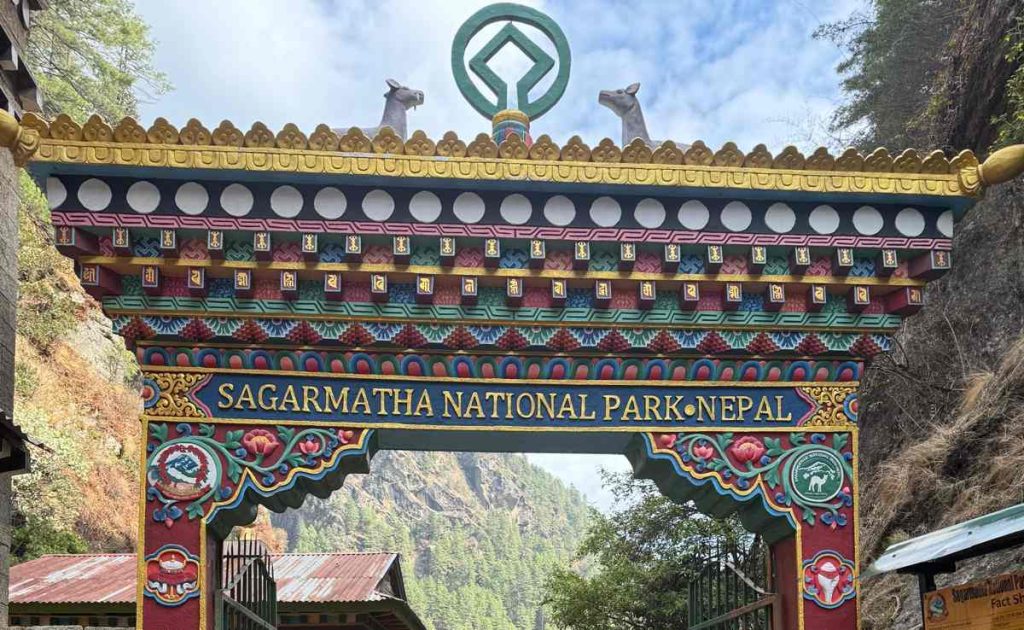
Sagarmatha National Park, founded in 1976, is known for its incredible views of Mount Everest, but it also is home to a variety of wildlife. There is a variety of wildlife in this national park in the Khumbu region of Nepal, such as Himalayan musk deer, snow leopards, and Himalayan tahr.

The park’s trails offer a great chance to spot elusive wildlife surrounded by stunning alpine scenery. Sagarmatha National Park includes forests of birch, rhododendron, and juniper trees, as well as subalpine and alpine vegetation.

Sagarmatha National Park is renowned for its Himalayan landscapes and Mount Everest, and offers trekking opportunities to see its unique mountain ecosystems. You can stay at hotels such as Yeti Mountain Home, Lukla, Hotel Everest View, Himalayan Lodge and Tashi Delek Lodge around Sagarmatha National Park.

  • Langtang National Park:

The Langtang National Park is Nepal’s first Himalayan national park established in 1976, and is the perfect place to experience a wildlife safari. The park is home to deer, monkeys, and the endangered red panda and Himalayan black bear.

Enjoy a trek through the Langtang Valley, surrounded by snow-capped peaks, and explore the park’s lush forests and alpine meadows. You can visit ancient monasteries along the way and experience the local Tamang culture.

There are various types of forests in Langtang National Park, including subtropical, temperate, and alpine forests, and common tree species include oak, maple, rhododendron, and pine.

Langtang National Park has diverse flora and fauna, as well as scenic landscapes and hiking trails for those who enjoy trekking and hiking. You can stay at hotels such as Langtang View Resort, Hotel Red Panda and Langtang Ri Hotel & Lodge around Langtang National Park.

  • Makalu Barun National Park:

The Makalu Barun National Park established in 1992 is an ideal choice for those who are looking for a wildlife safari that is truly remote and adventurous. Located in Eastern Nepal, this park is home to rare and elusive species like the red panda and clouded leopard.

The Makalu Barun National Park features diverse vegetation, including oaks, rhododendrons, firs, and junipers, as well as subtropical, temperate, and alpine forest types. Here you can enjoy the pristine beauty of the park, from towering peaks to dense rhododendron forests, as you trek through challenging terrain.

The Makalu Barun National Park offers a unique jungle experience with pristine wilderness, where you can hike through dense forests, catch sight of glacial lakes, and explore high-altitude meadows. 

You can stay at hotels such as Makalu Homestay, Sherpa Guide Lodge, and Makalu View Lodge around Langtang National Park.

There are diverse safari experiences to choose from in Nepal’s national parks and wildlife reserves, making it an ideal destination for wildlife enthusiasts of all ages. Every destination in Nepal gives a unique glimpse into the country’s rich biodiversity, from the dense jungles of Chitwan to the remote wilderness of Bardia.

With Himalayan Circuit Treks, you can experience exotic wildlife while also supporting conservation efforts and local communities. Get ready to explore Nepal’s wild wonders when you pack your binoculars, camera, and sense of adventure.

Wildlife & Nature: Explore Chitwan National Park, a UNESCO Site

The Chitwan National Park in Nepal’s southern belt offers a perfect balance between wildlife viewing and cultural exploration. It is a wonderful example of how nature provides a delicate balance between human interaction and the beauty of the natural world.

The Chitwan National Park is home to a wide range of activities, including elephant rides, jungle safaris, canoeing, elephant bathing, canoeing, jungle walks, elephant breeding centers, tharu cultural programs, watching the sunset from the riverbank, bird watching, etc. 

There is also a diverse range of vegetation in the park, including tropical and subtropical forests, grasslands, and freshwater wetlands. This park has over 500 species of birds, as well as a Bengal tiger, Asian elephant, leopard, sloth bear, and crocodile, among others.

Overview of Chitwan National Park

Located in Nepal’s Terai region, in the south-central part of the country, the Chitwan National Park has a total area of 932 square kilometers. Chitwan is a land with unique flora and fauna and has one of the last populations of single-horned Asiatic rhinoceros, as well as Bengal Tigers.

Besides the wildlife and ecosystem of Chitwan National Park, the Tharu people have lived there for centuries and have contributed greatly to the conservation of the park’s culture, customs, and way of life.

You can enjoy guided nature walks in the national park and learn about its plants and animals. The park also offers opportunities for you to experience the culture and traditions of the Tharu people by visiting their traditional villages and participating in cultural activities.

History of Chitwan National Park

The Chitwan National Park was established in 1973 as Nepal’s first national park. The park was created to protect wildlife and natural resources and to conduct research and conservation. 

The Chitwan National Park was designated a World Heritage Site by UNESCO in 1984 based on its ecological, cultural, and recreational importance. Additionally, the park is part of the Chitwan-Annapurna Landscape, which is vital to biodiversity conservation and sustainable development.

Things to do in this World Heritage Site

  • You can explore the park’s wildlife and diverse ecosystems on an elephant safari or in a jeep.
  • You will have a great time bird-watching in Chitwan as the park has over 500 different species of birds. 
  • See the wide variety of wildlife in the park, including tigers, rhinoceroses, crocodiles, birds, and mammals.
  • Take a drive through the park in a jeep for a different perspective.
  • Explore the Rapti River in a canoe or raft and see crocodiles and other aquatic creatures.
  • Discover Tharu culture and traditions by visiting nearby villages.
  • Visit the Elephant Breeding Center to observe baby elephants up close and learn about elephant conservation.
  • Explore the park’s diverse flora and fauna on a guided nature walk or hike. 
  • Swim with the elephants in Rapti River and get up close to these gentle giants.
  • Observe the Tharu stick dance and cultural show performed by the locals.

The significance of Chitwan National Park’s status as a UNESCO Natural Heritage Site:

  • A Sanctuary of Biodiversity

There is a wide variety of flora and fauna in Chitwan National Park. Its lush forests, grasslands, and wetlands are a haven for countless species, such as Bengal tigers, one-horned rhinoceros, Asian elephants, and a variety of birds. 

The park’s diversity can be attributed to several factors, such as intact ecosystems and its commitment to conservation efforts.

  • Successes in conservation:

The UNESCO status of Chitwan National Park honors its outstanding conservation achievements, which have been instrumental in saving endangered species, like the one-horned rhinoceros. 

This success story demonstrates how conservation initiatives can have a positive impact by restoring habitats, combating poaching, and engaging communities.

Cultural Heritage Preservation: 

The Chitwan National Park is famous for its biodiversity, but it is also home to indigenous communities, such as the Tharu. Tharu’s rich cultural heritage has been preserved through sustainable tourism practices and community involvement. 

Immerse yourself in the traditions of the Tharu people, witnessing their unique art, music, dance, and cuisine. Besides the natural heritage of Chitwan National Park, it also protects the cultural diversity of the country.

Ecotourism and Sustainable Practices:

The eco-friendly lodges and resorts within Chitwan National Park adhere to sustainable principles, including using renewable energy, managing waste, and supporting local communities. 

Following sustainable tourism practices will minimize your environmental impact while you experience Chitwan National Park’s wonders. 

With guided safaris, nature walks, and bird-watching tours, you can discover the park’s diverse flora and fauna while maintaining the ecosystem’s integrity.

A UNESCO Natural Heritage Site, Chitwan National Park is a testament to Nepal’s commitment to preserving its natural and cultural heritage, reflecting the country’s commitment to preserving its rich heritage. 

This park is a model for maintaining the delicate balance of humans and nature due to its thriving biodiversity, successful conservation efforts, sustainable tourism practices, and community involvement.

The Himalayan circuit offers the chance to make unforgettable memories while experiencing Chitwan’s wilderness serenity while traversing Nepal’s natural heritage.

Wildlife & Nature: Explore Tiger Tracking Adventures in Nepal

Tiger in Bardia National Park

Nepal is not just a country full of mountains and temples, but it’s also a country full of wildlife, so tiger tracking tours are perfect for adventure and nature lovers. Among the most thrilling jungle experiences in Nepal are tiger tracking in Chitwan National Park, Bardia National Park and Koshi Tappu Wildlife Reserve.

You can view the flora and fauna and learn about the historical heritage and culture along with watching wild animals and scenery while relaxing. Tiger tracking tours in Nepal primarily focus on observing animal tracks, signs, and sounds, particularly the sounds of tigers. 

The diverse ecosystems and protected areas of Nepal make it the perfect destination for tracking and observing Bengal tigers in their natural habitat. With this tiger tracking tour, you’ll experience some exhilarating moments and improve your tracking abilities.

In this blog, the Himalayan Circuit Treks aims to explore three popular tiger tracing destinations in Nepal: Bardiya National Park, Chitwan National Park, and Koshi Tappu Wildlife Reserve.

Tiger Tracing Tour in Bardiya National Park:

A Bardia tiger tracking tour offers jungle walks, elephant safaris, bird watching, and canoeing. Along with a Tiger tracking tour, you will also experience elephant bathing, traditional shows, dances, and many other activities.

Since this trip is especially conducted in Bardia National Park, it will include an active exploration of the park’s diverse wildlife, especially the Bengal tiger. As the national park was originally set aside for hunting, Bardia National Park is remote, challenging, and offers wildlife a unique adventure.

The trip is ideal for those who are passionate about animals and would like to learn more about them. A visit to Bardia National Park will allow you to spot the Royal Bengal Tiger, among other beautiful animals, including Wild Elephants, great one-horned rhinos, black bucks and swamp deer. 

The Tiger Tracking Tour includes not only tiger tracking adventures, but also other jungle activities within the national park, such as river safaris, jeep safaris, the traditional Tharu dance within the hotel or resort, and many more activities that will enhance your senses.

Tiger Tracing Tour in Chitwan National Park:

A haven for wildlife enthusiasts and nature lovers alike, Chitwan National Park is renowned for its rich biodiversity, but one species stands out among all of them – the majestic Bengal tiger. Experience a tiger tracing tour in Chitwan National Park if you’re looking for an unforgettable adventure.

The park is listed as a UNESCO World Heritage site and offers a rare opportunity to see Bengal tigers in their natural habitat. A park guide and tracker will assist you in exploring the park’s lush forests, grasslands, and riverine landscapes while providing information about their conservation efforts.

There are many exciting wildlife experiences on a Chitwan Tiger Tracking Tour, including elephant bathing, sunset watching, and jeep safaris in addition to tiger tracking. In addition, the itinerary includes a visit to a Tharu community and a breeding center for elephants and crocodiles.

If you’re looking for an exciting adventure, where you can observe the beauty of the Bengal tiger up close, Chitwan National Park awaits you. Experience the enchanting jungles and the roar of the wild to awaken your spirit of exploration and conservation.

Tiger Tracing Tour in Koshi Tappu Wildlife Reserve:

Koshi Tappu Wildlife Reserve is a hidden gem for nature lovers and wildlife lovers in Nepal’s Terai region. It’s known for its amazing variety of avian species and its wetlands, but it’s also home one of the most elusive and magnificent creatures on the planet: the Bengal tiger. 

You’ll discover the reserve’s remarkable diversity of wildlife as you explore its lush grasslands and marshlands. Koshi Tappu Wildlife Reserve guarantees an unforgettable Tiger Tracing Tour experience for those who embark on it.

You can observe an array of wildlife in their natural habitat as you traverse the reserve’s extensive network of trails. A tiger encounter is the ultimate goal of the tour, but it offers so much more, from the tranquil wetlands to the mesmerizing sounds of birds, to just being immersed in nature’s embrace.

The Koshi Tappu Wildlife Reserve offers more than just an adventure; it provides the opportunity to experience nature at its purest. It is the beauty and resilience of these magnificent creatures that inspire us in our appreciation of the complexity of the animal kingdom.

Religious significance of Tiger in Nepal:

The tiger is a symbol of strength, power, and ferocity, attributes associated with Durga, the goddess who rides a tiger and is revered as fierce and protective. Worshipers seek Durga’s blessings for courage and protection by worshiping the tiger as a manifestation of her.

Manjushree is also associated with the tiger in some regions of Nepal, and it represents his courage and strength as he overcomes obstacles on his spiritual journey.

Nepal reveres tigers as sacred animals and depictions of them appear in religious art, sculpture, and temple carvings as symbols of divine power. The conservation of tigers plays a powerful cultural and spiritual role in Nepal, where nature, religion, and humanity must be balanced through tiger conservation.

Efforts in the tiger Conservation:

The Nepalese government has taken significant steps to preserve tigers, which further contributed to the growth of tigers in this country. This iconic species has been protected through various initiatives implemented by the government and conservation organizations.

Nepal’s tiger conservation efforts are focused on providing tigers with a safe haven and sustaining their populations within protected areas such as national parks and wildlife reserves. Additionally, the government has stepped up law enforcement and conservation programs at the community level to curb poaching.

With the importance of international support for tiger conservation, Nepal has welcomed renowned personalities like Leonardo DiCaprio to raise awareness. He was able to observe the conservation efforts underway in Nepal during his visit, and he expressed his support for these efforts as well as brought tiger conservation to the attention of a global audience.

How to protect tigers?

A number of measures need to be taken to protect tigers. The International Union for Conservation of Nature (IUCN) provides guidelines and strategies for tiger’s conservation. A number of national parks and wildlife reserves have been established in Nepal to protect tigers and their habitats, including Bardia and Chitwan.

Promoting Tiger Tracking Tourism:

Developing responsible and sustainable practices is crucial for promoting Tiger Tracking Tourism. The number of tourists should be limited, trained guides should be used, and maintaining a safe distance from the animals is essential for minimizing disturbance to tigers.

Himalayan Circuit Treks’ Tiger Tracking Tourism contributes to the country’s tourism revenue and promotes its image as a wildlife conservation destination. 

Himalayan Circuit Treks provides well-managed and ethical tiger tracking experiences to visitors in order to contribute to the economy and conservation of the country.

Final Words:

The Tiger Tracing Tour destinations in Nepal not only offer the thrill of tracking tigers, but also offer a chance to experience the incredible biodiversity and rich cultural heritage of the country. 

So, pack your bags, grab your binoculars, and prepare for an unforgettable experience in the land of Himalayas booking your Tiger Tracing Tour with the Himalayan Circuit Treks.

Wildlife & Nature: Helpful Tips for Wildlife Safaris in Nepal

A wildlife safari tour in Nepal offers you a rare opportunity to experience the natural wonders and observe majestic wildlife up close. There is something special about Nepal’s diverse ecosystem and biodiversity, which makes it an exceptional destination for nature lovers. 

Nepal is home to several national parks and reserves, from the Terai lowlands to the High Himalayas that protect the country’s biodiversity. You can encounter wild animals in Nepal’s natural habitat and experience authentic off-the-beaten-path wildlife experiences on a safari.

You can experience the extraordinary biodiversity and natural beauty of Nepal through wildlife safaris. Nepal offers wildlife enthusiasts a variety of wildlife experiences, from dense jungles in Chitwan National Park to breathtaking scenery in Bardia National Park.

To fully enjoy this unforgettable experience, you need to prepare and be aware of certain things beforehand. Himalayan Circuit Treks recommends nine things that should be kept in mind while on a wildlife safari in Nepal in order to ensure a fulfilling and responsible experience.

  1. Choose the Right Time and Place:

Wildlife safari tours in Nepal are more adventurous when you choose the right season and location to view specific wildlife species. There are a variety of factors that influence wildlife sightings, including season, migration patterns, and weather.

  1. Be proactive and secure permits:

For a seamless safari experience, it is essential to obtain the necessary permits in advance, since permits are required for wildlife safaris in Nepal’s national parks, which are often limited and require advance planning. 

Moreover, hiring an experienced guide or tour operator can make the trip safer and provide valuable insight.

  1. Pack smart:

For a comfortable and safe wildlife safari, you should pack the right gear and essentials. You should wear lightweight, breathable clothing that is appropriate for the weather conditions. 

A wide-brimmed hat, insect repellents, and sunblock are among the things you’ll need to keep yourself protected. It would be beneficial to take along binoculars, a camera, and a field guide when traveling to observe wildlife.

  1. Respect Wilderness:

Wildlife safaris are mainly intended to observe wildlife in their natural habitat without disturbing or endangering them, so respecting wildlife and staying at a safe distance is essential. 

The approach, touch, or provoked behavior of a person may disrupt the natural behavior of an animal, which is why an experienced guide’s instructions are crucial to the safety of both humans and animals.

  1. Practicing responsible photography:

Photography is an essential part of a wildlife safari, but responsible photography should be practiced to prevent disruption to the animals. 

Keeping the animals’ personal space and not intruding on their natural habitat is vital to capturing memorable photographs ethically, so avoid flash photography and loud camera noises.

  1. Safety First:

There are certain risks associated with wildlife safaris, so personal safety and well-being should be prioritized. 

To prevent illness, make sure that you have a first aid kit on hand, have the right medical insurance, and remain up-to-date on your vaccinations. 

Follow safety regulations, use designated trails, and communicate with fellow travelers about planned routes to ensure a hassle-free and secure experience.

  1. Preserve the Environment:

Wildlife safaris should adhere to strict litter disposal practices, and visitors should leave no traces of their visit. Conservation of the environment should be at the forefront of every safari. 

To conserve wildlife’s natural tendencies and promote their wellbeing, it is important to reduce plastic waste and transport it back for proper disposal, as well as respect fire bans, noise pollution bans, and feeding wildlife bans.

  1. Contribute to local communities and conservation efforts:

When you book a wildlife safari in Nepal, you are supporting local economies and conservation efforts by staying in local accommodations, buying local crafts, and supporting local initiatives. Participating in local conservation projects or participatory programs can help to preserve Nepal’s biodiversity.

  1. Follow Your Guide: 

It is recommended to hire a local expert guide who is knowledgeable about the area, animal behavior, and safety protocols when visiting a wildlife safari. It will be easier for you to enjoy your adventure if you follow their instructions and follow their lead.

Wildlife safaris in Nepal are a magical escape into the natural world. Observing these simple, yet crucial guidelines will ensure your safety and the welfare of the wildlife you hope to see. 

A wildlife safari in Nepal offers much more than just seeing animals: it allows you to connect with nature and appreciate Nepal’s rich biodiversity. 

Experience the adventure of a lifetime with Himalayan Circuit Treks, packed with enthusiasm, patience, and respect for nature.

5 Best National Park Tour in Nepal

jungle walk in chitwan national park

There is a popular saying about Nepal, “Green forests are the wealth of Nepal”. In these forests, you will find some of the most beautiful landscapes, some of the most magnificent creatures, and some truly spectacular natural perspectives. 

A variety of landscapes, species of wildlife, and complex ecosystems can be found throughout Nepal. From the low lands of the Terai region to the high Himalayan mountain ranges, Nepal has something for everyone.

Nepal’s National Parks Tour is the ideal place for those who want to dwell in the wild and experience the adventures that only nature can offer. Twelve National Parks span the country, offering the most diverse range of experiences in the world. 

Here we’ve compiled five of Nepal’s best national park tours.

  • Chitwan National Park

foreigner in chitwan national park

Best time to visit: Oct-Dec and June-Sept

A trip to the Chitwan National Park in Nepal is not to be missed if you are a wildlife enthusiast. Located in the Terai region of Nepal, Chitwan National Park is one of the largest playgrounds for wild animals. 

The main attraction of the park is the chance it offers to ride elephants, jungle safari, canoe expeditions, bird watching, hike along nature trails, and raft down the river. This park is best visited between May and September.

The park is also home to a number of unique bird species, wild animals, flora, and fauna, which has led to its reputation as the second-best wildlife viewing park in the Serengeti. 

The diversity of wildlife travelers can find on safaris includes monkeys, sloth bears, leopards, crocodiles, and one-horned rhinos, as well as tigers if they’re lucky.  

  • Sagarmatha National Park

Sagarmatha National park

Best season to travel: Mar-May and Sept-Nov

The Sagarmatha National Park in northeast Nepal is one of the most scenic places on Earth, surrounded by giant mountains, deep ravines, and Himalayan glaciers.  The national park is 135 kilometers from Kathmandu and is listed as a World Heritage Site by UNESCO.

Aside from this majestic beast, the rugged mountain terrain of the Himalayas is home to a wide range of animals, including the hare, Himalayan mouse hare (pika), bear, marten, lynx, and Himalayan Thar. The site is also a habitat for rare animals and birds, like red pandas and snow leopards. 


A wildlife sanctuary spanning more than 1100 square kilometers is recognized by Birdlife International as an eminent bird sanctuary, making it an important tourist attraction for mountaineers and birdwatchers. 

  • Bardiya National Park

Bengal tiger in bardia national park

Best Time to visit: Sept-Dec and Feb-March 

Among the most beautiful and biologically diverse protected areas in Nepal, Badiya national park is becoming a prime attraction today due to its regenerated vegetation and wildlife.

There are excellent opportunities to observe wildlife, including endangered species. Bardia is known as the home to the Bengal tiger and the Asian elephant as well as the greater one-horned rhinoceros.

Bardiya is home to more than 400 species of birds, including the endangered Bengal florican and Sarus crane. Karnali and Babai rivers offer excellent fishing opportunities for anglers as you can find 125 recorded species of fish including the golden mahseer.

In Bardia, you can find 50 different types of mammals, including gharial crocodiles, marsh mugger crocodiles, leopards, swamp deer, and gray langur monkeys. 

Visit Bardiya National Park if you are interested in exploring nature and wildlife, and experiencing the Nepali and Tharu cultures.


  • Shivapuri National Park

foreigners in shivapuri national park

Best season to travel: March to June and April

A national park located north of the Kathmandu Valley, Shivapuri National Park is the second-highest peak in the surrounding hills. There are numerous sharp ridges radiating from its peak, which is 2732m high. 

Shivapuri National Park represents the mid-hills of Nepal’s landscape and is the only national park that is attached to the capital. Kathmandu National Park offers scenic beauty that spreads within four districts: Sindhupalchowk, Nuwakot, and Dhading. 

Shivapuri National Park is a paradise for flora and fauna, with 177 species of birds, including nine endangered species, 19 species of mammals, and 150 species of butterflies.

Shivapuri National Park is home to a diverse ecosystem with 24 species of mammals, including the Common Leopard, the Himalayan Black Bear, Goral, Jungle Cat, and 2,122 plant species.

The park offers a popular hiking route as well as cycling trails for both foreigners and locals. Among the activities, you can engage in at Shivapuri National Park are bird watching, jungle trekking, cycling, trekking, and hiking.

  • Langtang National Park

Langtang national park

Best time to travel: Sept-Now and April-June 

A place of fascination for wildlife lovers as well as trekkers since its establishment in 1976, Langtang National Park has long been a place of curiosity and intrigue. The Langtang National Park stretches over 1710 km, including parts of Rasuwa district, Nuwakot district, and Sindhupalchowk district. 

The National Park is home to Gosainkunda and its corresponding lakes, both of which are of great religious and cultural significance. With its unique culture, dresses, home-style, ornaments, and customs, the Langtang valley is a great fusion for travelers. 

Nepal’s Langtang national park offers some of the best trekking opportunities.   There is no better way to experience Nepal’s beauty than through a trek along the Langtang, where you can find stunning vistas, meadows, glacial lakes and the amazing Himalayas. 

The Langtang National Park is an amazing National Park in Nepal where you can explore the varied flora and fauna of the mountains. Trekking, mountaineering, rafting, kayaking and pilgrimage are popular activities in this area. 

The beautiful national parks of Nepal are not only a safe haven for animals and plants but also a reflection of the stunning natural beauty of the country. Explore the national parks of Nepal and witness nature’s astounding beauty.  

If you are also interested in visiting Nepal and are planning to do trekking and tours and would like to experience National Park Tours, you can contact the Himalayan Circuit Team and book the tour packages. 

Wildlife Photography Tour in Nepal

Baby and Mother rhino together.

The art of wildlife photography combines a love of photography with an appreciation for nature, offering photographers the chance to capture breathtaking images of animals in their natural habitat. The incredible diversity and wildlife of Nepal make it an unforgettable destination for wildlife photography.

Nepal is known for its magnificent mountains and breathtaking landscapes. Nepal is an ideal destination for wildlife photographers due to its high mountains and lush valleys. A wildlife photography journey in this breathtaking Himalayan country is like walking into a wildlife archive.

A wide variety of wildlife can be found in Nepal, including many endangered and elusive species. With a unique biodiversity, Nepal is a popular destination for wildlife tourists, offering photographers a wide range of wildlife in its unique habitats, from the tropical Terai plains to the magnificent Himalayas.

A wildlife photography trip to Nepal is like stepping into a history book filled with rare and exotic animals in a breathtaking environment. This blog aims to provide an exploration of Nepal’s wildlife, a guide to the best spots for photography, and some tips for capturing these life-changing experiences.

Top Destinations for Wildlife Photography:

Chitwan National Park:

The Chitwan National Park is one of the most famous wildlife parks in Asia. The dense forest covered an area of 952 square kilometers, with 729 square kilometers reserved for buffer zones. 

Chitwan’s subtropical climate offers an ideal habitat for a wide variety of birds, mammals, and reptiles, including the Big 3 of Nepalese wildlife: Royal Bengal tigers, Asian elephants, and Greater One-Horned Rhinos. 

The region is also home to several animal species, including wild water buffalo, four-horned antelopes, swamp deer, and spotted linsangs. This safari trip allows you to photograph and view wildlife from a large safari vehicle.


Bardia National Park:

The Bardia National Park in Nepal, which covers 968 square kilometers, was established in 1976 and later declared a protected area. It encompasses a total of 507 square kilometers. The Babai River crosses the area and this area is surrounded by grasslands, forests, and rivers.

The park is home to over 435 resident and migratory birds and 642 species of animals. The unspoiled wilderness around Bardia National Park is famous for bear chases, Rajbang tigers marking their territory, and elephant sightings. There is a majestic royal Bengal tiger living among the untamed wildlife in its natural habitat.  

The wildlife safari experience will thrill you and fill your camera with wildlife photos. Designed specifically for those who love wildlife photography, this trip gives you the chance to capture everything through your camera lens.

Koshi Tappu Wildlife Reserve:

Wildlife photography is a passion for many, and what better way to satisfy this passion than to take a hike in nature? The Koshi Tappu Wildlife Sanctuary, located in eastern Nepal, offers a unique photographic and wildlife experience.

The Koshi Tappu Wildlife Sanctuary covers an impressive 175 square kilometers and is Nepal’s oldest wildlife sanctuary. Koshi Tappu Wildlife Sanctuary is known for its diverse birdlife and biodiversity on the Saptakoshi River plains. 

Koshi Tappu is a paradise for bird watchers and photographers, with more than 500 species of birds, including migratory birds from Siberia and Tibet. The reserve is home to a variety of wildlife, including wild water buffalo, whales, dolphins, and the elusive Bengal tiger as well as an abundance of birds.

Sagarmatha National Park:

The Sagarmatha National Park is situated in the heart of the majestic Himalayas, making it a paradise for nature lovers and wildlife photographers alike. With some of the world’s most famous and endangered species at its doorstep, the Sagarmatha National Park offers a unique chance to discover their magnificent natural world.

Located in the Solu-Khumbu region of Nepal, Sagarmatha National Park offers breathtaking scenery and a variety of wildlife, ranging from dense plain forests to towering Himalayan peaks. This habitat is home to a wide variety of wildlife and flora, providing a haven for wildlife photographers. 

Trekking through Everest National Park for wildlife photography promises to be an unforgettable experience. With its fascinating biodiversity, breathtaking landscapes, and rich cultural heritage, the park provides an ideal backdrop for capturing the wild beauty of the Himalayas.

A wildlife photography trip in Nepal is a dream come true for every avid wildlife photographer. Nepal offers some of the most unique creatures in the world, with diverse wildlife, beautiful scenery, and knowledgeable guides. 

Wildlife photography tours in Nepal provide a unique opportunity to see natural wonders up close. Prepare yourself to capture unforgettable moments when you visit this incredible country with the Himalayan Circuit Treks.