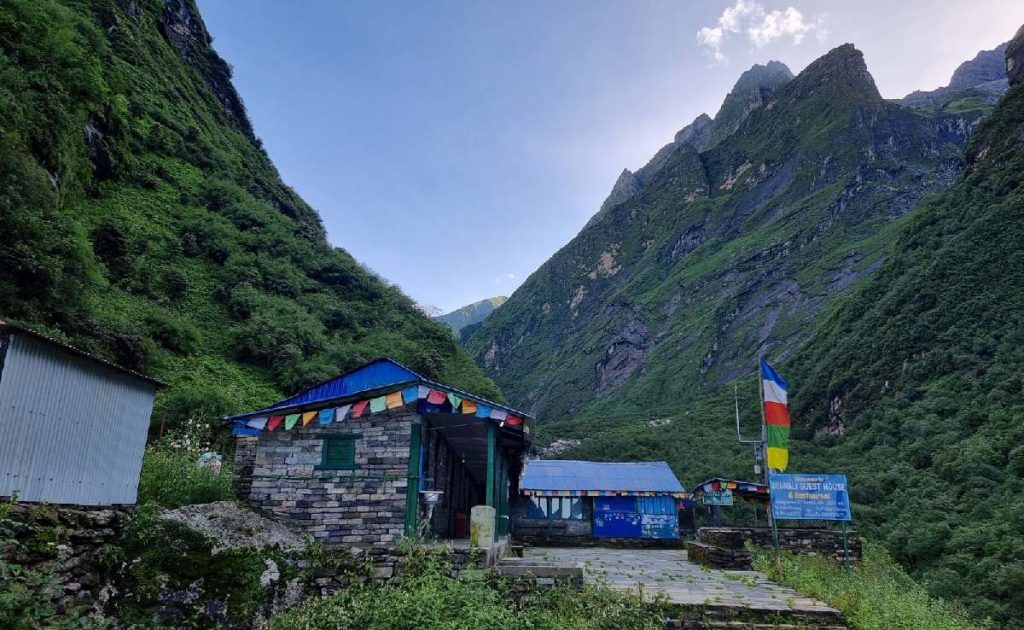
Upper Mustang: Trek Blends Culture and Desert Mystique

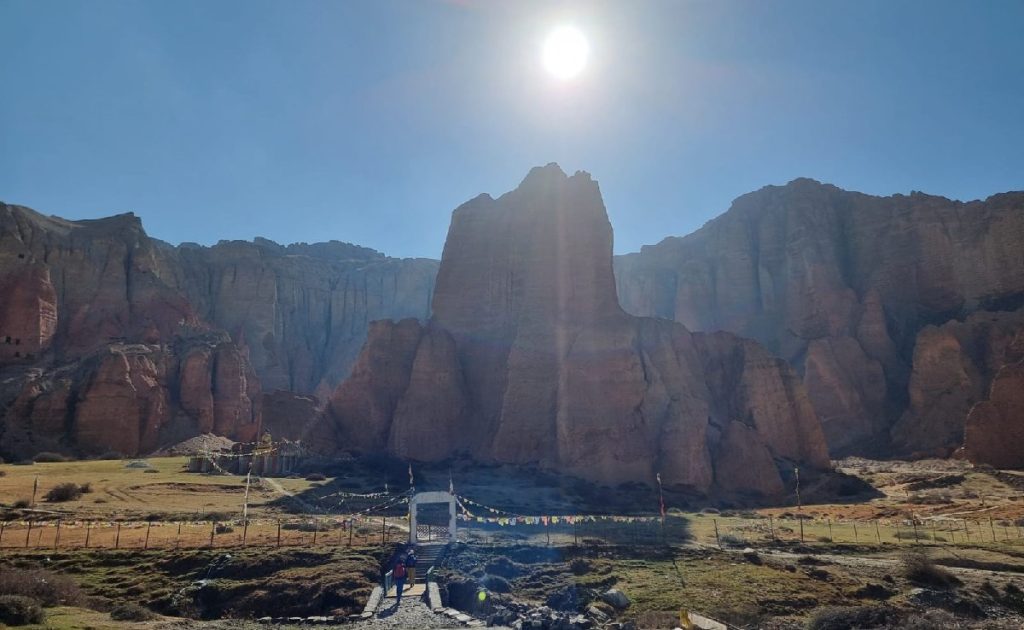
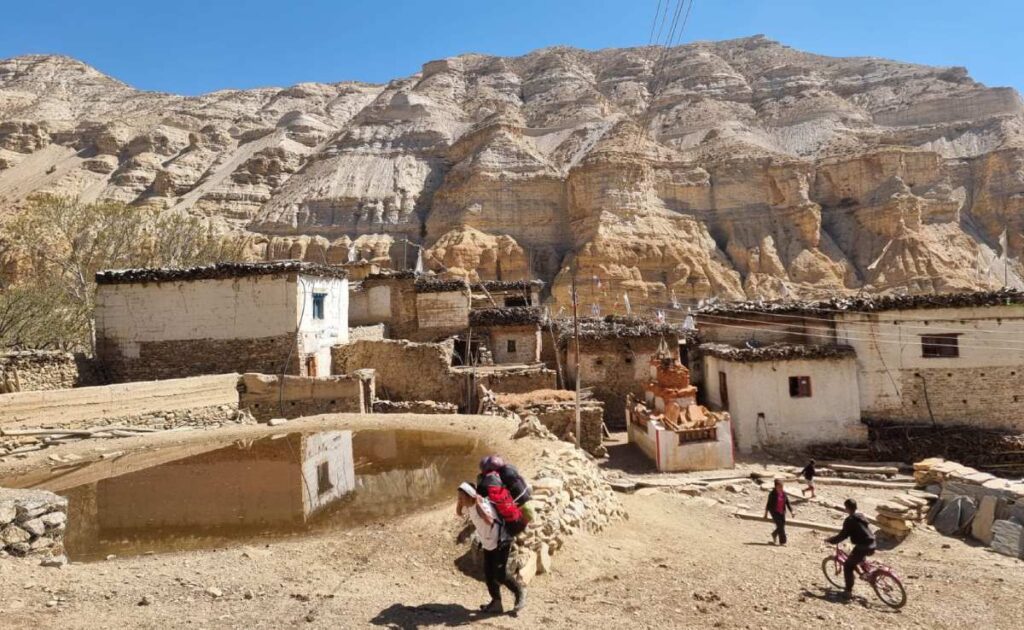
Discover the Upper Mustang Trek, a journey into Nepal’s “Last Forbidden Kingdom,” nestled beyond the towering Annapurna and Dhaulagiri peaks. For centuries, this remote land remained sealed, preserving a vibrant time capsule of ancient Tibetan traditions. Since opening to trekkers in 1992, Upper Mustang invites adventurers and cultural explorers to uncover its surreal deserts, sacred monasteries, and timeless heritage.

A Realm Frozen in Time

Once a thriving trade hub between Nepal and Tibet, Upper Mustang was the heart of the Kingdom of Lo. For example, its medieval capital, Lo Manthang, founded in 1380 by Ame Pal, still stands as a fortress of culture, encircled by a 6-meter-high wall. Even after the last king, Jigme Dorje Palbar Bista, passed in 2016, the region’s Tibetan heritage thrives—untouched by time.

Furthermore, Nepal shielded Upper Mustang from outsiders for decades to preserve its sanctity and proximity to Tibet. Consequently, it earned the title “Forbidden Kingdom,” safeguarding one of the world’s purest Tibetan Buddhist cultures. When the gates opened in 1992, a rare window into this sacred world was revealed.

The Trek of a Lifetime: Why Upper Mustang Captivates

Upper Mustang

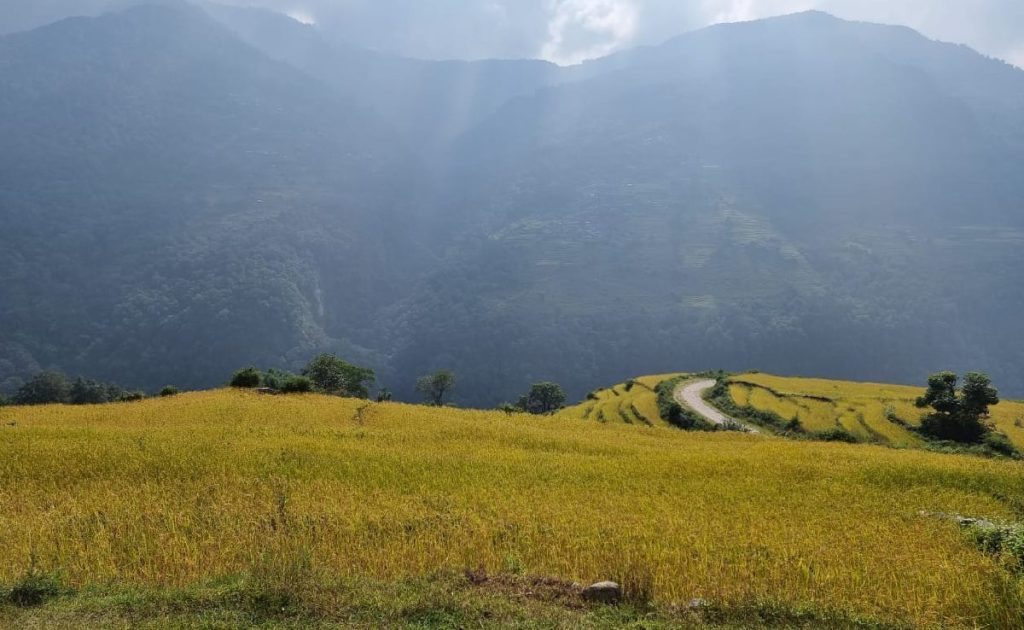
Unlike Nepal’s lush, alpine trails, Upper Mustang offers a surreal journey through a high-desert wonderland. Here’s why it’s unforgettable:

  • Otherworldly Landscapes: Picture wind-carved cliffs and golden rock formations glowing under a vast sky. For instance, in the rain shadow of Annapurna and Dhaulagiri, Mustang’s arid terrain feels like a Martian plateau. Meanwhile, dazzling views of Nilgiri and Dhaulagiri peaks add breathtaking contrast.

  • Living Tibetan Heritage: Immerse yourself in a culture unchanged for centuries. Specifically, you can visit 500-year-old monasteries adorned with vibrant murals or explore mysterious sky caves holding ancient relics. Additionally, the Tiji Festival in Lo Manthang—a three-day spectacle of masked dances—banishes evil spirits in vibrant style.

  • Exclusive Adventure: Strict permits limit visitors, ensuring an intimate trek. Therefore, this isn’t Everest’s hustle—it’s a pilgrimage through a sacred, silent land.

  • Cultural Connection: For example, chatting with monks or sipping butter tea in village teahouses lets you feel the pulse of a living Buddhist tradition.

Journey Through the Forbidden: Trek Highlights

A 12- to 16-day trek begins with a scenic flight from Pokhara to Jomsom, launching you into Upper Mustang’s magic. Key stops include:

  • Kagbeni: The gateway village, where prayer flags dance and the Kali Gandaki River roars.
  • Chele & Syangboche: Meanwhile, these cliffside hamlets feature ancient cave dwellings carved into rock faces.
  • Geling & Ghami: Wander past endless mani walls and golden barley fields swaying in the wind.
  • Charang: For instance, marvel at a red-walled monastery and a crumbling palace steeped in history.
  • Lo Manthang: The heart of Mustang, a walled city of royal palaces and gompas humming with chants.
  • Chhoser Caves: Additionally, optional detours lead to eerie, ancient caves hiding archaeological treasures.

At a moderate 3,800m max altitude, this trek focuses less on grueling climbs and more on history and culture. Typically, expect 5-6 hours of daily trekking, ideal for fit adventurers with a thirst for discovery.

Planning Your Trek: Permits & Logistics

To protect its fragile heritage, Upper Mustang’s exclusivity comes with specific rules:

  • Permit: A Restricted Area Permit (RAP) costs USD 500 per person for 10 days, plus USD 50/day thereafter.
  • Group Size: For example, a minimum of 2 trekkers, accompanied by a licensed Nepali guide, is required.
  • Access: Fly or drive to Jomsom, then trek from Kagbeni, the official entry point.

As a result, these measures keep Mustang pristine, ensuring your journey supports local communities and conservation.

Who Should Trek Upper Mustang?

This trek is perfect for:

  • Cultural Explorers: Dive into Tibetan Buddhist traditions and ancient history.
  • Adventure Seekers: For instance, those craving a trail far from tourist crowds will love it.
  • Seasoned Nepal Travelers: Ready to venture beyond Annapurna or Everest? This is your trek.
  • Spiritual Wanderers: Additionally, it’s ideal for those seeking meditation in sacred spaces.

While moderate fitness is needed, the real requirement is a heart open to wonder and respect for Mustang’s sanctity.

Treading Lightly: Responsible Tourism

Thanks to careful stewardship, Upper Mustang’s magic endures. Specifically:

  • Community Lodges: Stay in local teahouses, directly supporting families.
  • Conservation: For example, the Annapurna Conservation Area Project (ACAP) protects the region’s ecology and culture.
  • Eco-Ethics: Moreover, strict waste rules preserve the pristine landscape.

Thus, your trek becomes a commitment to safeguarding a sacred legacy.

Step Into the Forbidden Kingdom

Upper Mustang isn’t just a trek; it’s a portal to a forgotten world. Prayer flags ripple in the desert breeze, monks chant in candlelit gompas, and ancient caves guard stories of lost eras. In other words, this is where the Himalayas meet the surreal, where every step feels like a pilgrimage.

Ready to explore? Let Himalayan Circuit , experts in Nepal’s hidden gems, craft your fully guided Upper Mustang adventure—permits, guides, and cultural insights included.

Annapurna Region: Lodges Blend Comfort and Himalayan Heritage

Discover how Annapurna trekking transformed from tough camping trips in the 1950s to today’s cozy, community-driven lodge adventures, blending comfort with Himalayan magic.

Picture yourself in a warm tea house, enjoying a hot meal while gazing at Annapurna’s snow-covered peaks. For modern trekkers, this is the heart of the journey—comfy beds, friendly hosts, and stunning views. However, trekking in Nepal wasn’t always so inviting. It started as a rugged, self-reliant adventure. This is the story of how Annapurna’s trekking culture evolved into a sustainable, culturally rich experience that draws adventurers from around the globe.

The First Steps: Camping Treks (1950s)
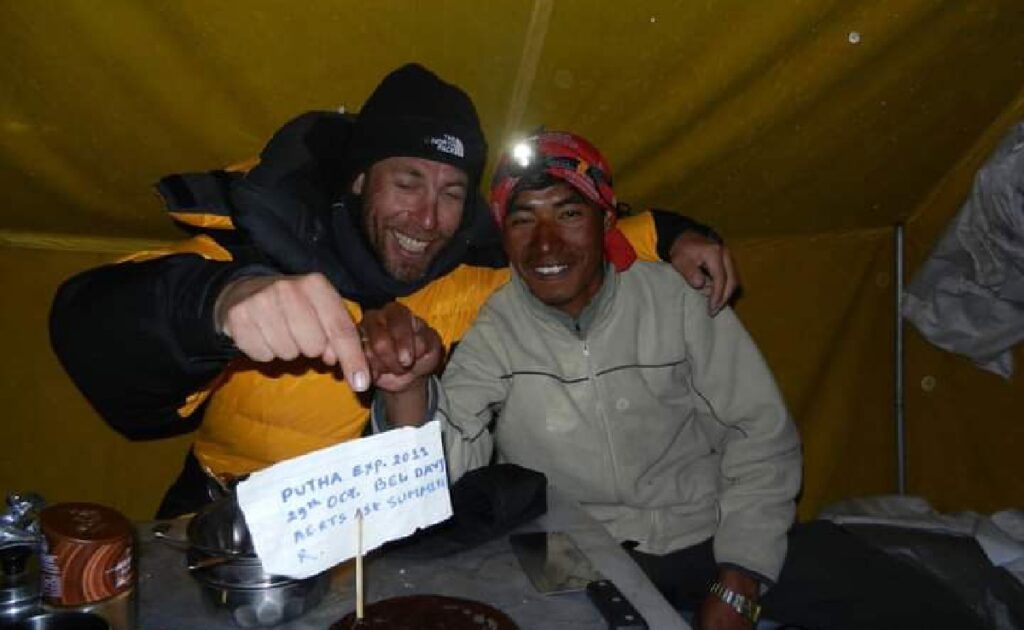
In the 1950s, trekking for fun didn’t exist in Nepal. Visitors came for climbing mountains or conducting research. For example, Lt. Col. Jimmy Roberts, a British Gurkha officer, saw Annapurna’s potential for adventure. He launched Nepal’s first guided treks, which were tough to organize. Specifically, these trips needed:

  • Large teams of porters to carry supplies

  • Tents, sleeping bags, and cooking stoves

  • Chefs to make meals

  • Food for weeks on remote trails As a result, these early treks opened Annapurna’s beauty to adventurers, but they were expensive and kept trekkers separate from local communities.

The Camping Boom: Tented Treks (1960s–1970s)
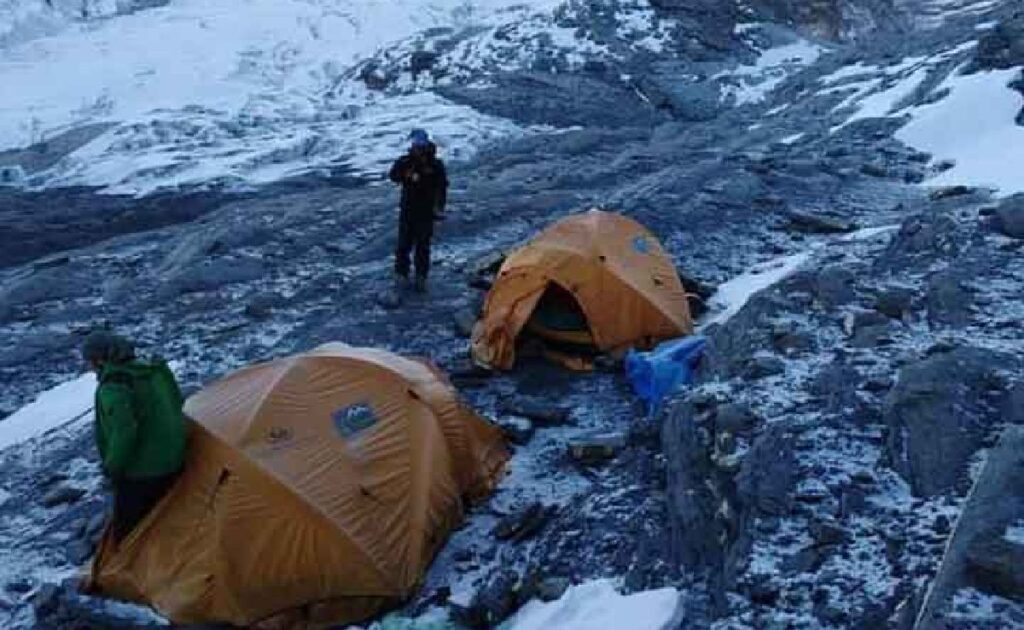
In the 1960s, Nepal welcomed more global travelers, and trekking became a way to explore the Himalayas without climbing peaks. Agencies in Kathmandu and Pokhara offered camping treks, with Annapurna’s valleys and villages as top destinations. However, these trips had challenges:

  • High costs due to many support staff

  • Little connection with locals, as trekkers relied on their own teams

  • Harm to trails and forests from large groups Consequently, these issues pushed the need for a better, more sustainable way to trek.

The Tea House Shift: Rise of Lodges (1980s–1990s)
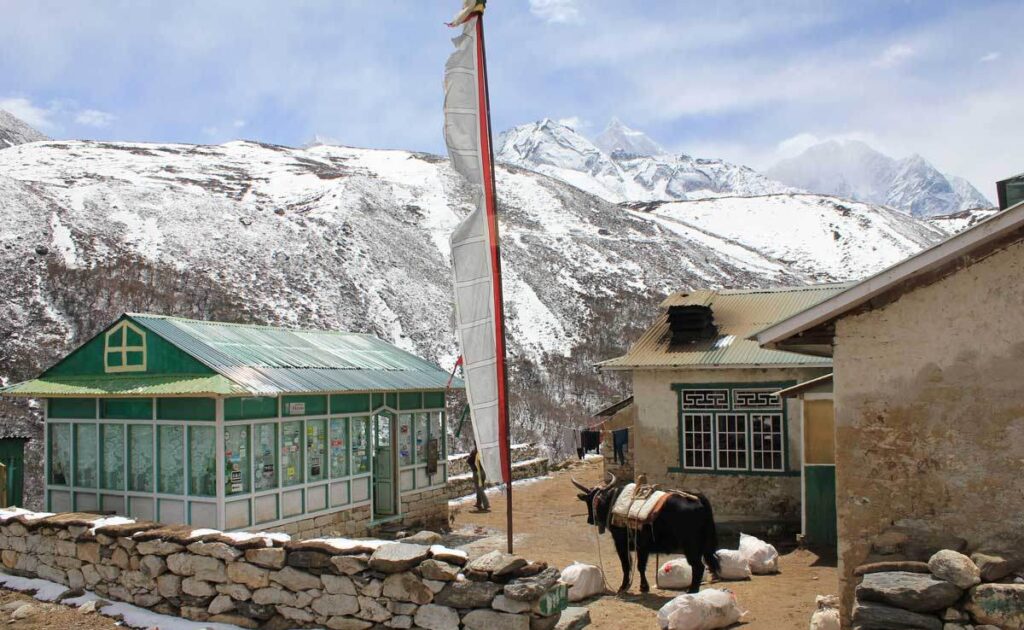
In the 1980s, a local initiative changed everything. Families along routes like the Annapurna Circuit, Annapurna Base Camp, and Ghorepani–Poon Hill opened their homes to trekkers. These “tea houses” offered simple rooms, shared bathrooms, and warm meals like dal bhat. For instance, this shift allowed trekkers to:

  • Travel light without heavy gear

  • Bond with Nepali families and culture

  • Support village economies As a result, lodge trekking became cheaper, more flexible, and deeply engaging, making Annapurna open to more explorers.

Today’s Lodges: Comfort and Connection (2000s–Present)
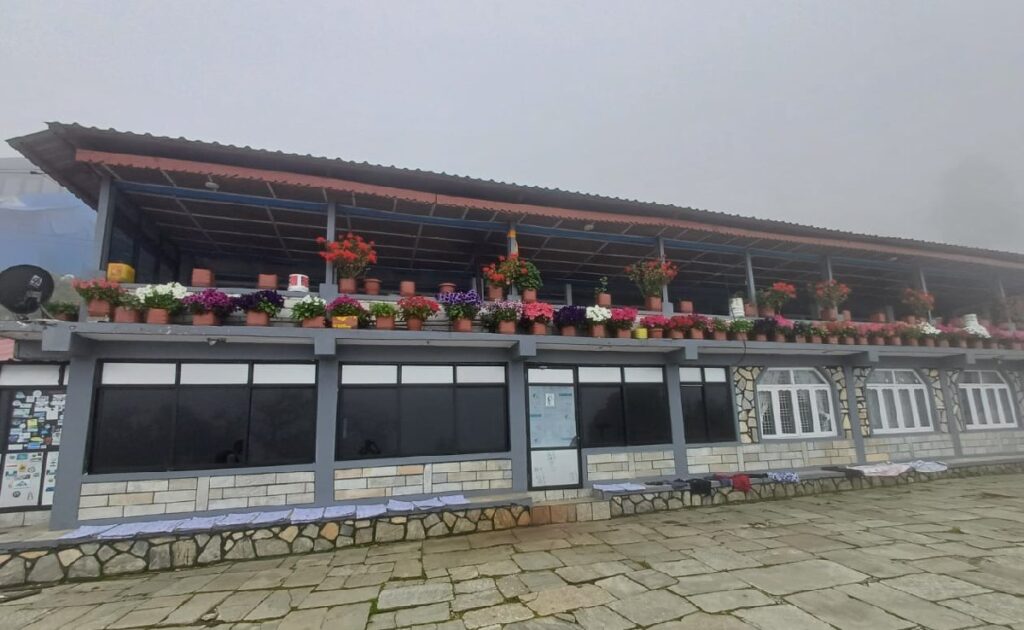
By the 2000s, lodge trekking became Annapurna’s main attraction. As tourism grew, tea houses improved. Today, trekkers enjoy:

  • Cozy rooms with warm blankets

  • Hot showers powered by solar energy

  • Meals from Nepali classics to Western dishes

  • Wi-Fi and trail signs in some villages Despite these upgrades, many lodges are still family-run, keeping the authentic charm. For example, sharing tea in Ghandruk or waking to mountain views in Tadapani feels personal and unforgettable.

Why It Works: A Sustainable Model

The move from camping to lodges is a win for everyone. Here’s why:

  • Villages thrive: Lodge income helps families afford schools and healthcare.

  • Nature benefits: Fewer porters mean less strain on trails and forests.

  • Trekkers win: Lightweight travel suits all ages and skill levels. Moreover, projects like the Natural Annapurna Trekking Trails (NATT) promote green practices, protect trails, and ensure fair pay for guides and porters.

Keeping the Magic Alive

As roads reach deeper into the Himalayas, preserving lodge trekking’s spirit is key. For instance, efforts include:

  • Eco-friendly lodges to reduce waste

  • Community projects to boost local economies

  • Training for hosts to improve hospitality

  • Trail protection to keep the wilderness alive These steps ensure Annapurna remains a special place for meaningful travel.

Why Annapurna Awaits

From Jimmy Roberts’ bold treks to today’s welcoming tea houses, Annapurna’s story is one of adventure and connection. Lodge trekking blends excitement, comfort, and bonds with Nepal’s people and landscapes. At Himalayan Circuit, we’re passionate about guiding you through sustainable, authentic treks that create lasting memories.

Ready to explore Annapurna’s trails? Join Himalayan Circuit for the best lodge routes and cultural experiences. Contact us to start your journey!
Annapurna Region: Poon Hill Sunrise and Himalayan Views

In the Annapurna region, one of Nepal’s most popular experiences does not come from climbing a peak, but from a quiet hilltop at dawn. The Poon Hill Trek leads you above the Magar village of Ghorepani to a must-see sunrise viewpoint. As a result, it attracts thousands of trekkers every year.

However, behind the crowds and camera flashes lies a story of how a simple local trail grew into a world-famous trekking highlight.

From Local Footpath to Global Icon

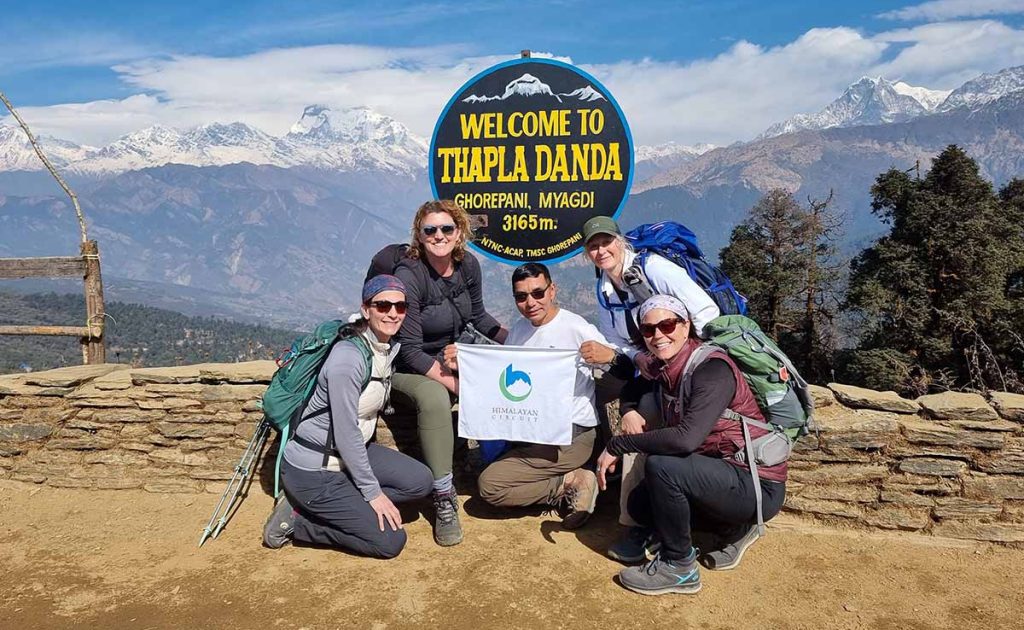
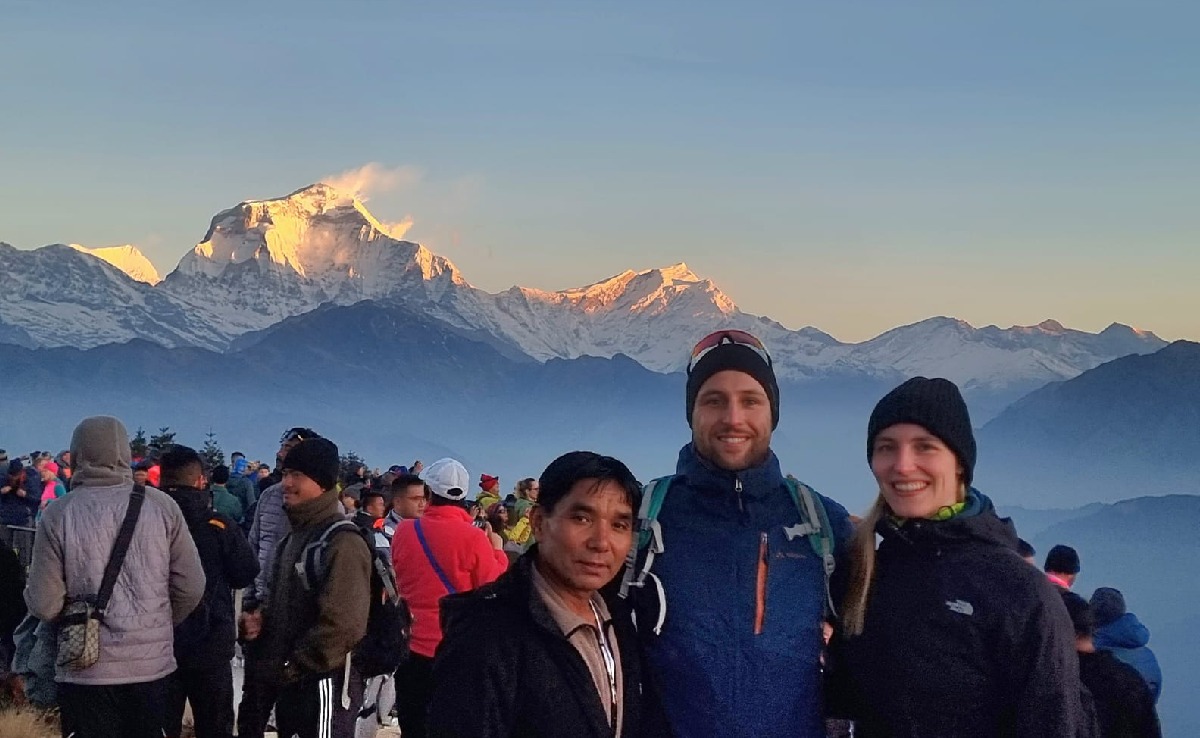
4 Clients with 1 Guide in Thapla Danda

Originally, local Magar communities used the trail for practical purposes. Villagers from Ghorepani and nearby areas climbed the ridge to collect firewood, graze livestock, or check the weather for planting and harvesting.

Later, the hill was named after the Poon Magar ethnic group, one of the oldest indigenous communities in the region.

In the 1970s and 1980s, international trekking started gaining popularity in Annapurna. Some trekkers were guided by locals to the top of the ridge just in time for sunrise. This experience, in turn, left a lasting impression and spread by word of mouth.

The Panoramic View

At 3,210 meters above sea level, Poon Hill offers a full 360° view of the Annapurna and Dhaulagiri ranges. When the sun rises, snowy peaks such as Annapurna South (7,219m), Machhapuchhre (6,993m), Hiunchuli, and Dhaulagiri I (8,167m) glow in gold, orange, and pink.

Meanwhile, trekkers watch the play of light, shadow, and silence, which no photo can fully capture. Over time, this sunrise became a signature attraction for those seeking a short but powerful Himalayan adventure.

Ghorepani Village: The Gateway to Sunrise

Ghorepani, a charming Magar village nestled in rhododendron forests, serves as the gateway to Poon Hill. Once, it was a stop for traders and mule caravans. By the early 1990s, it had grown into a lively lodge village.

Typically, trekkers spend the night in Ghorepani and begin the pre-dawn hike to Poon Hill, which takes 45 minutes to an hour. During the hike, headlamps twinkle along the stone-paved trail, marking the path for those climbing the ridge.

In addition, local families and lodges actively maintain the trail, protect the forests, and welcome thousands of trekkers with warmth and hospitality.

Why Poon Hill is Ideal

  • Short and Scenic: The trek can be completed in 4–6 days round-trip from Pokhara.
  • Culturally Rich: Walk through Magar and Gurung villages and stay in family-run lodges.
  • Low Altitude Risk: At 3,210m, altitude sickness is unlikely.
  • Perfect for Beginners: No technical skills are needed.
  • Flexible Connections: Easily combine with longer treks such as [ABC Trek link]

Therefore, whether it is your first Himalayan trek or a detour from a longer journey, Poon Hill delivers great reward for modest effort.

How Poon Hill Became a Must-Do

Unlike many trekking destinations promoted by tour operators, Poon Hill’s fame grew naturally. Initially, local guides suggested the sunrise experience to visiting trekkers. As a result, it eventually became known as the “Poon Hill Sunrise Trek.”

Later, tour agencies worldwide began offering it as the perfect introduction to Nepal. Consequently, a simple village path became a global trekking icon.

Ensuring Sustainability

With growing popularity comes responsibility. Therefore, sustainable trekking practices are essential. Key measures include:

  • Maintaining trails and controlling erosion
  • Reducing waste and limiting plastics
  • Supporting local lodges and guides
  • Promoting cultural respect and awareness

In addition, organizations like ACAP, local cooperatives, and eco-conscious tour operators like us Himalayan Circuit work to preserve the Poon Hill trek route. In 2024, the Annapurna Conservation Area welcomed 244,045 foreign trekkers, highlighting the importance of responsible trekking.

Annapurna Region: How Altitude Gain Shapes ABC Trek

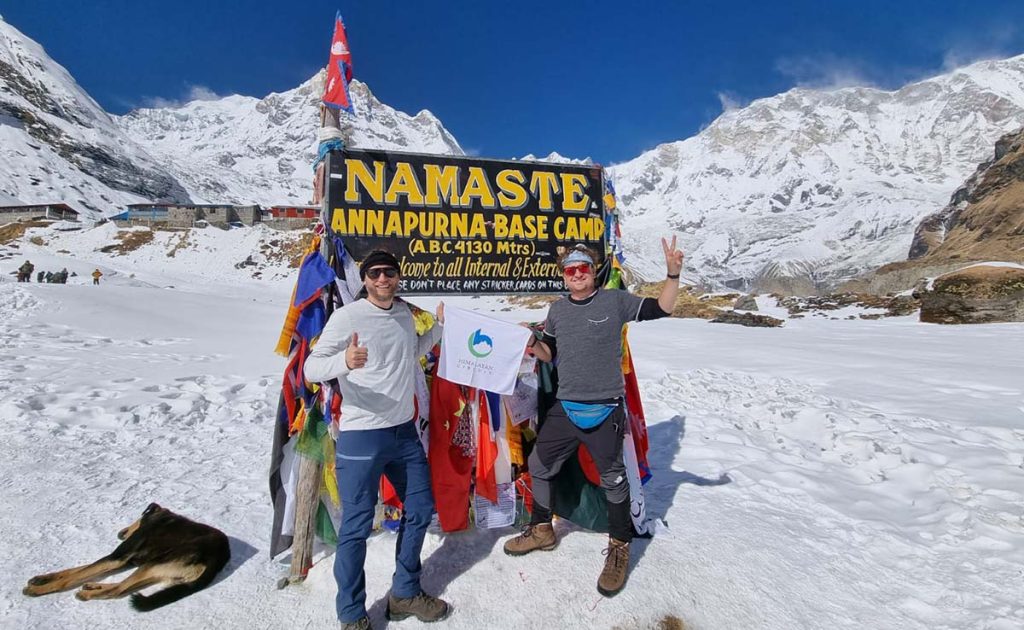
Two Trekkers holding himalayan circuit Banner in Annapurna Base Camp

Trekking to Annapurna Base Camp is more than just a mountain adventure — it’s a journey into the soul of Nepal. As you walk deeper into this natural masterpiece, glaciers begin to shine, rivers roar beside you, and the warmth of ancient villages keeps your spirit grounded. The gradual ABC trek altitude gain adds a quiet rhythm to the journey, shaping how you move, breathe, and experience the Himalayas.

The Annapurna Base Camp trek (ABC trek) showcases Nepal’s remarkable Himalayan landscape and rich cultural heritage. The route gains altitude gradually — from around 1,000 meters at the starting point to 4,130 meters at base camp — making the elevation itself a key part of the story. This slow but steady climb offers not only changing landscapes but also the chance to connect more deeply with nature and your own resilience.

ABC trek altitude gain view from Poon Hill
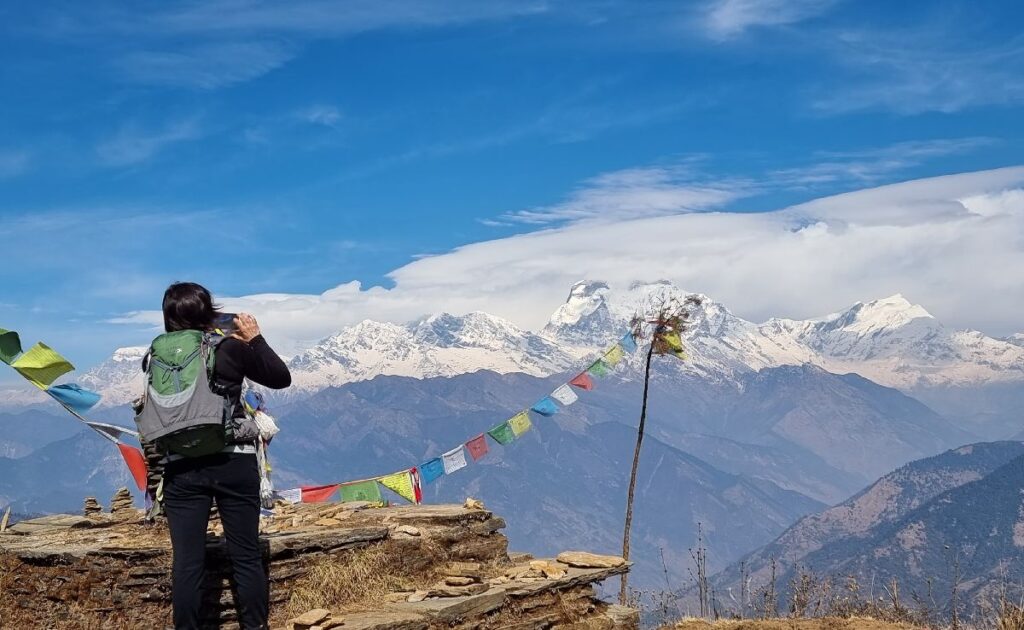
One of the most rewarding altitude milestones: the golden views from Poon Hill.

Overview of the Annapurna Base Camp Trek

The ABC trek leads you to the base of Mount Annapurna, within the Annapurna Conservation Area in Gandaki Province. Depending on your chosen route and pace, you can complete the trek in 7 to 12 days.

The journey begins at Nayapul and winds through Gurung and Magar villages, offering a beautiful cultural experience along with the scenery. Highlights include the panoramic sunrise from Poon Hill, the sacred Machhapuchhre Base Camp, and the rejuvenating hot springs at Jhinu Danda.

Spring (March–May) and autumn (September–November) are the best times to trek — offering clear skies, pleasant temperatures, and vibrant rhododendron blooms or post-monsoon freshness.

Altitude Gain Throughout the Trek

The most fascinating part of the trek is the ABC trek altitude gain — how the elevation changes step by step, shaping both the physical experience and the surrounding environment.

Here’s a general breakdown of altitude progression:

Location Altitude (m) Approx. Gain
Nayapul ~1,010 Starting Point
Ulleri 2,070 +1,060 m
Ghorepani 2,840 +770 m
Poon Hill 3,210 +370 m (optional hike)
Tadapani 2,610 Descent
Chhomrong 2,170 Further descent
Sinuwa 2,360 +190 m
Deurali 3,230 +870 m
Annapurna Base Camp 4,130 +900 m

As you rise higher, your breath shortens, the air gets cooler, and the forested trails give way to alpine landscapes and the dramatic amphitheater of the Annapurna Sanctuary. Each elevation point carries its own sense of achievement.

Acclimatization and Health Tips

If there’s one golden rule for the ABC trek, it’s this: don’t rush.
Your body needs time to adjust to the changing altitude, and pushing too hard can risk altitude sickness — even below 4,000 meters.

Tips to stay safe and healthy:

  • Walk slow and steady, especially above 2,500 meters.
  • Stay hydrated — drink water frequently, even if you’re not thirsty.
  • Eat warm, digestible meals and avoid alcohol or heavy fried foods.
  • Rest when needed, and listen to your body.
  • Carry a basic first aid kit with essentials like Diamox, antiseptic cream, and band-aids.
  • If symptoms like headache, nausea, or dizziness appear — descend and inform your guide.

Altitude should never be taken lightly, but with awareness and care, it becomes part of the beauty of the trek.

Packing Tips for High-Altitude Trekking

When packing for the ABC trek, aim for function over excess. Every item should serve a purpose — because each gram adds up, especially when the air gets thinner.

Must-pack essentials:

  • Layered clothing (base layers, insulation, waterproofs)
  • Quality trekking boots and socks
  • Trekking poles (especially helpful for steep descents)
  • Warm jacket, gloves, and hat
  • Reusable water bottle or hydration bladder
  • Headlamp and power bank
  • First aid kit and personal meds

A manageable backpack lightens the strain on your body and lets you focus more on the scenery — not your shoulders.

The gradual altitude gain of the Annapurna Base Camp trek might seem like just numbers on a map — but in truth, it’s what gives the journey its rhythm. It’s a quiet force that shapes every part of your experience: the views, the pace, your breath, and even your thoughts.

The ABC trek is not just about reaching 4,130 meters. It’s about how you get there — with patience, presence, and deep respect for the mountains.

Let the altitude teach you humility. Let the landscapes remind you to pause. And let each step pull you closer to something more meaningful than just a destination.

Adventure Sports: Nepal Hanging Bridge Adventure Experience

Yak crossing a hanging bridge in Nepal, with scenic mountain views.

Across Nepal’s landscapes, hanging bridges built with metal cables and wooden or metal planks connect remote communities. These hanging bridges in Nepal are not only engineering marvels but gateways to adventure. They offer exciting crossings over rivers, deep valleys, and mountain scenery. Whether you are trekking or exploring countryside trails, these bridges bring a memorable thrill.

High Altitude Thrills: Finest Hanging Bridges in Nepal

The Hillary Bridge: Gateway to Everest

The Hillary Bridge is an iconic entrance to the Everest region. It is named after Sir Edmund Hillary and stands as a symbol of adventure, history, and resilience. The bridge spans the Dudh Koshi River at an altitude of 135 meters. It leads trekkers toward the bustling Namche Bazaar.

Crossing this swinging bridge while hearing the river below is both humbling and exciting. You will meet hikers, yaks, and porters along the way. The fluttering prayer flags bring a sense of peace, making this crossing unforgettable.

Samrong Khola Footbridge: Pathway to Annapurna Base Camp

The Samrong Khola Footbridge is a striking route towards Annapurna Base Camp (ABC). It stretches 287 meters long and rises 135 meters above the Samrong Khola. It is the longest and tallest suspension bridge in the Kaski region.

The bridge links distant villages and offers clear views of valleys, peaks, and rivers. Trekkers often pause here to enjoy the peaceful surroundings and the breathtaking view of Mt. Annapurna.

Kushma Mudikuwa Footbridge: A Hidden Gem in Parbat

Located in Kushma, Parbat, the Kushma Mudikuwa Footbridge is both scenic and impressive. The bridge spans 359 meters and allows travelers to enjoy panoramic views of hills and valleys.

It is part of the historic Footbridge Trail of Parbat and follows the legacy of the Kushma Gyadi Bridge. The crossing is peaceful and offers beautiful natural surroundings.

Gandaki Golden Bridge: Timeless Beauty

The Gandaki Golden Bridge once held a height record and remains a beloved landmark. It hangs 122 meters above the river and offers great views of nearby mountains and rivers.

The bridge’s golden fences make it a favorite spot for photographers and visitors. Whether you cross it or pause to admire, it is a treat for the eyes.

Kushma Bungee Footbridge: For the Brave-hearted

The Kushma Bungee Footbridge, known as “The Cliff,” offers one of the highest bungee jumps in the world. It hangs 200 meters above the ground and gives clear views of the valley below.

Even if you don’t plan to jump, walking across the bridge is a thrilling experience. The cool breeze and height make the crossing exciting.

Nepal’s suspension bridges are more than crossings. They connect people, places, and cultures against the backdrop of the Himalayas. Whether you are trekking, seeking adventure, or enjoying nature, these bridges leave a lasting memory.

When you visit Nepal, explore these remarkable structures. Each bridge has its own story and scenery. You will discover not just new paths but a deeper connection to Nepal’s landscapes and communities.

Annapurna Region: Astam Eco Village in Annapurna Foothills

Astam Eco Village

Looking for a peaceful escape from the noise and crowds of the city but don’t have time for a long trek? Astam Eco Village is the perfect destination! Nestled at the base of the Annapurna Himalayas, this eco-village offers breathtaking views of the mountains without the need for an exhausting trek. It’s ideal for anyone seeking tranquility, an authentic Nepali village experience, and a chance to learn about sustainable farming.

Highlights of the Astam Eco Village Trek

Incredible 360-Degree Views

Astam Eco Village offers some of the best panoramic views of the Annapurna range. From here, you can see the iconic Machhapuchhre (Fishtail) Mountain and the entire Annapurna range. Whether you’re watching the sunrise over Annapurna or the sunset behind Fishtail, the scenery is absolutely stunning.

The Shortest and Easiest Trek Near Pokhara

If you’re short on time but still want to experience the beauty of the Annapurna region, Astam Eco Village is the perfect trek for you. This short, easy hike takes only a few hours and offers incredible mountain views. It’s one of the best short treks near Pokhara, perfect for those looking for a quick adventure.

Experience Traditional Nepali Village Life

Astam Eco Village is a great place to immerse yourself in traditional Nepali village life. As you explore the village, you’ll see how locals live and work in harmony with nature. The village follows sustainable farming practices, making it an excellent example of eco-friendly living. You’ll get a glimpse into rural life and understand the importance of sustainability in the Annapurna region.

Sustainable Farming and Alternative Resource Use

Astam is committed to sustainability. The village uses organic farming methods to grow food and has adopted alternative resources to protect the environment. If you’re interested in eco-tourism in Nepal, Astam is a must-visit. It’s a great place to learn about how communities work with nature to maintain a sustainable lifestyle.

Enjoy Organic Food

After your trek, enjoy a delicious organic lunch made with fresh, local produce grown in the village. You’ll taste the best of Nepali farm-to-table cuisine while connecting with the village’s sustainable farming practices.

Learn About Village Farming Life

Farming is at the heart of life in Astam Eco Village. During your visit, you can observe or even participate in various farming activities. The community grows rice, maize, and other crops using organic methods. Learn about their agricultural practices that protect the environment and ensure the health of the land for future generations.

Beautiful Sunrise and Sunset Views

The sunrise and sunset views from Astam Eco Village are some of the best in the region. The sunlight hitting the peaks of the Annapurna range and Machhapuchhre creates a magical atmosphere. Whether you wake up early for the sunrise or return in time for the sunset, you’re guaranteed a breathtaking experience.

Why Choose Astam Eco Village?

Astam Eco Village is perfect for those who want to explore the Annapurna region but don’t have time for a long trek. It’s an eco-friendly village where you can enjoy stunning views of the Annapurna Himalayas, learn about sustainable farming, and experience traditional Nepali village life. Whether you’re a nature lover, an eco-tourist, or simply looking for a relaxing day trip, Astam has something to offer.

What You Need to Know

  • Best Time to Visit: The ideal time to visit Astam Eco Village is in the spring (March–May) and autumn (September–November), when the weather is clear and the views are best.
  • Difficulty: Easy. This is a gentle hike suitable for all fitness levels. Perfect for beginners or anyone looking for a short trek.
  • What to Bring: Comfortable shoes, sunscreen, a hat, a water bottle, and a camera. If you plan to stay overnight, bring a light sleeping bag and extra clothing.
  • Cost: The trek is free, but you’ll spend money on meals and possibly accommodation in the village.

If you’re looking for a short, easy trek to experience the beauty of the Annapurna region, Astam Eco Village is the place to be. With incredible sunrise and sunset views, a glimpse into sustainable farming, and an authentic Nepali village experience, this trek offers all the rewards without the challenges of a long hike.

Astam Eco Village is a perfect blend of nature, culture, and sustainability. It’s one of the best Nepal hiking destinations for those who are short on time but want to experience the beauty of the Annapurna foothills.

So, pack your bags, put on your hiking shoes, and get ready for a peaceful and rewarding adventure at Astam Eco Village—one of the most serene and scenic places near Pokhara!

Nepal Diary: 10-Day Culture, Adventure & Himalayas

Welcome to Nepal, a beautiful country filled with towering mountains, rich culture, and exciting adventures! Whether you’re coming to explore the temples of Kathmandu, trek through the stunning Annapurna mountains, or relax by the lakes in Pokhara, Nepal offers something for everyone. Here’s a simple 10-day Nepal itinerary to help you plan your unforgettable Nepal journey.

Day 1: Arrival in Kathmandu – Welcome to Nepal

Your adventure starts in Kathmandu, the lively capital city of Nepal. After landing at Tribhuvan International Airport(1,400m / 4,593ft), our team will greet you and take you to your hotel. Spend the afternoon exploring Thamel, a popular area full of shops, cafes, and local restaurants. Don’t forget to try momo (Nepali dumplings) or dal bhat (lentil curry with rice) for a taste of local food.

Day 2: Kathmandu City Tour – Discover Nepal’s History

On Day 2, explore the cultural heart of Kathmandu. Visit Swayambhunath (also called the Monkey Temple) (1,402m / 4,600ft), a stunning Buddhist stupa with panoramic views of the city. Next, head to Boudhanath Stupa (1,350m / 4,429ft), one of the largest stupas in the world. Spend time walking around and spinning the prayer wheels to feel the peaceful energy.

In the afternoon, visit Kathmandu Durbar Square (1,400m / 4,593ft), a historic area with beautiful temples and palaces. If you have time, take a short trip to Patan or Bhaktapur, two ancient cities known for their amazing architecture and art.

Day 3: Fly to Pokhara – Your Lakeside Getaway

On Day 3, fly or drive to Pokhara (827m / 2,713ft), a peaceful city surrounded by mountains and lakes. The flight takes just 25 minutes, or you can enjoy a scenic 6-7 hour drive. Once in Pokhara, check into your hotel and relax by Phewa Lake. You can take a boat ride, visit the Tal Barahi Temple on an island, or enjoy the calm atmosphere by the lake. In the evening, take a walk along the lakeside to enjoy the stunning views.

Day 4-6: Annapurna Trek – Hiking in the Himalayas

For the next three days, get ready for an exciting trek in the Annapurna region. The Ghorepani Poon Hill Trek is one of the most popular short treks, offering amazing views of the Himalayas and a chance to experience local culture.

Day 4: Drive to Nayapul (1,010m / 3,313ft), the start of your trek. From there, hike to Tikhedhunga (1,570m / 5,151ft) or Ulleri (2,050m / 6,726ft), passing through lush forests and traditional villages.
Day 5: Continue trekking to Ghorepani (2,874m / 9,429ft), a beautiful village surrounded by rhododendron trees.
Day 6: Wake up early to hike to Poon Hill (3,210m / 10,531ft) for a breathtaking sunrise view of the Annapurnaand Dhaulagiri mountain ranges. Afterward, trek to Tadapani (2,630m / 8,629ft) for the night.

If you prefer a different trek, other great options include the Ghandruk – Landruk Trek, Dhampus-Australian Camp Trek, or Mardi Himal Trek.

Day 7-8: Relax and Explore Pokhara

After your trek, head back to Pokhara (827m / 2,713ft) to relax and enjoy some free time.

Day 7: Visit Peace Pagoda (1,100m / 3,609ft) for a stunning view of Pokhara and the surrounding mountains. You can also check out Devi’s Fall and Gupteshwor Cave, or try exciting activities like paragliding or zip-lining for a rush of adrenaline.
Day 8: Take it easy with a walk around the lakeside, visit local shops, or simply relax with a book at one of Pokhara’s cozy cafes.

Day 9: Return to Kathmandu – Last Day in Nepal

On Day 9, return to Kathmandu (1,400m / 4,593ft). Use your last evening in Nepal to explore the city or do some shopping. Asan Bazaar is a great place to experience local life, while the Garden of Dreams offers a peaceful escape. Enjoy a farewell dinner at a traditional Nepali restaurant and reflect on your amazing journey.

Day 10: Departure – Farewell to Nepal

On your final day, our team will take you to the airport for your flight home. As you leave Nepal, take one last look at the majestic Himalayas and cherish the beautiful memories from your 10-Day Nepal Itinerary.

This 10-day Nepal itinerary offers a perfect mix of culture, adventure, and relaxation. From the ancient temples of Kathmandu to the serene lakes of Pokhara and the spectacular Annapurna trek, you’ll experience the best of Nepal. Whether you’re a first-time traveler or a seasoned adventurer, this trip will leave you with unforgettable memories.

Planning your trip with Himalayan Circuit ensures you have the best experience in Nepal, with expert guides, safe treks, and hassle-free travel. Get ready to explore Nepal’s incredible beauty, culture, and adventure – all in one trip!

Luxury Travel: Ultimate Luxury Trekking & Tours Experience in Nepal

luxury wildlife tour

Are you looking for an unforgettable luxury holiday in Nepal? Whether you want to trek the majestic Everest Base Camp, explore the cultural treasures of Kathmandu, or experience the serene beauty of Pokhara, Nepal offers the perfect blend of adventure and comfort. With Himalayan Circuit, you can enjoy the best trekking and luxury tours in Nepal that combine world-class service, breath taking views, and cultural richness.

Luxury Trekking in Nepal: Explore the Himalayas in Comfort

Nepal is home to some of the world’s most famous trekking routes. However, you don’t have to compromise comfort for adventure. With our luxury trekking packages, you’ll enjoy high-end lodges, delicious meals, and top-notch services while exploring the natural wonders of Nepal.

  1. Everest Base Camp Luxury Trek

One of the most iconic treks in the world is the Everest Base Camp Trek. This trek brings you close to the world’s highest peak, Mount Everest, offering stunning views of the Himalayas. With luxury trekking options, you’ll stay in luxurious mountain lodges that offer comfortable rooms, hot showers, and gourmet meals. Relax in front of a fire after a long day of hiking, and enjoy the spectacular views of the Everest region.

  1. Annapurna Sanctuary Luxury Trek

The Annapurna Sanctuary Trek takes you through beautiful forests, traditional villages, and the stunning Annapurna mountain range. With a luxury trekking package, you’ll stay in cozy lodges with high-end facilities and personal services. Enjoy panoramic views of the Annapurna range while relishing fine dining and comfort.

  1. Manaslu Circuit Trek – Luxury Adventure

The Manaslu Circuit Trek offers an off-the-beaten-path adventure, showcasing the remote beauty of Nepal. As part of our luxury package, you’ll enjoy boutique lodges, private guides, and exceptional service, ensuring that you experience this less-crowded region in comfort.

Luxury Tours in Nepal: Discover Culture and Nature

If trekking isn’t your thing, don’t worry! Nepal has plenty to offer through its luxury tours. From exploring ancient temples in Kathmandu to going on a wildlife safari in Chitwan, luxury tours allow you to enjoy the cultural richness and natural beauty of Nepal with ease.

    4. Kathmandu Valley Heritage Tour

Kathmandu, Nepal’s capital, is home to several UNESCO World Heritage Sites. Explore Durbar Square, Pashupatinath Temple, and Swayambhunath Stupa (Monkey Temple) with a private guide, and stay in luxury hotels offering the best comfort and service. This tour is perfect for history lovers and those looking to experience Nepal’s vibrant culture.

  1. Chitwan National Park Safari – A Luxurious Wildlife Experience

For a unique adventure, explore Chitwan National Park on a luxury safari. The park is home to rhinos, tigers, elephants, and many other species. Stay in high-end resorts, enjoy a jungle jeep safari, or take a boat ride on the Rapti River. Luxury resorts offer fantastic amenities like spas, infinity pools, and gourmet meals, ensuring a relaxing wildlife experience.

  1. Pokhara Lakeside Luxury Retreat

Pokhara is known for its serene lakes and stunning mountain views. On a luxury tour of Pokhara, stay in lakeside resorts with private villas and enjoy a range of activities like boating on Phewa Lake or paragliding with views of the Annapurna Range. Pokhara offers the perfect mix of relaxation and adventure.

Tailored Luxury Itineraries: Custom Holidays in Nepal

At Himalayan Circuit, we know that every traveler has unique preferences. That’s why we offer tailored luxury itineraries to ensure your holiday is exactly what you dream of. Whether you prefer a quiet cultural tour, an exciting trekking adventure, or a mix of both, we can design your ideal Nepal experience.

What’s Included in Our Luxury Nepal Packages?

  • Private Guides and Porters: Expert guides and friendly porters make your journey smooth and enjoyable.
  • High-End Accommodation: Stay in the best hotels, luxury lodges, and resorts across Nepal.
  • Gourmet Meals: Indulge in delicious meals from top chefs, offering both local and international cuisine.
  • Private Transport: Enjoy comfortable, private vehicles for all your travels.
  • Exclusive Experiences: Take scenic helicopter rides, go on private tours, and enjoy personalized service throughout your trip.

Why Choose Himalayan Circuit for Your Luxury Nepal Holiday?

  • Expert Knowledge: With years of experience in Nepal tourism, we offer the best advice and services.
  • Comfort and Service: We guarantee a smooth and comfortable journey with world-class service at every step.
  • Eco-Friendly and Responsible Travel: We care about Nepal’s environment and local communities and promote sustainable tourism.
  • Tailored to You: Our custom itineraries ensure you have the best holiday experience based on your preferences.

Book Your Luxury Nepal Holiday Today!

Nepal’s stunning landscapes, rich culture, and amazing wildlife await you. Whether you’re looking for an adventure-packed trekking experience or a relaxing cultural tour, Himalayan Circuit offers luxury holidays that combine comfort with unforgettable experiences.

Visit Himalayan Circuit today to plan your dream holiday in Nepal and start your journey of a lifetime.

Annapurna Region: Ghandruk & Landruk Himalayan Trek

Rice terraces in Ghandruk village

Ghandruk & Landruk Tranquil Trek offers a relaxing yet unforgettable journey through the stunning Annapurna region of Nepal. Ideal for families, beginners, and those seeking a moderate trek, this trail blends breathtaking mountain views, cultural experiences, and easy hiking.

Whether you’re visiting Nepal for the first time or you’re a seasoned trekker looking for a gentle route, this trek provides a perfect balance of adventure and relaxation, with plenty of opportunities to explore local villages, ancient cultures, and the majestic Himalayas.

Why Choose the Ghandruk & Landruk Trek?

  • Gentle Trails: Short, comfortable trekking days with gradual slopes make this trek ideal for all fitness levels.
  • Stunning Views: Capture panoramic views of the Annapurna and Machhapuchhre (Fishtail Peak) mountain ranges.
  • Cultural Insights: Visit Ghandruk and Landruk, where you can experience the traditions of the Gurung people.
  • Australian Camp: A peaceful spot perfect for sunrise and sunset views of the Annapurna and Dhaulagiri ranges.

Day-by-Day Itinerary for Ghandruk & Landruk Tranquil Trek

Day 1: Arrival in Kathmandu

Arrive at Kathmandu, Nepal’s capital, known for its rich history and culture. After checking into your hotel, enjoy a leisurely stroll through Thamel, the bustling tourist hub. Relax and prepare for your adventure.

  • Elevation: 1,400 meters / 4,593 feet
  • Overnight: Kathmandu

Day 2: Drive to Pokhara

Drive to Pokhara, a scenic lakeside city at the base of the Annapurna range. The 6-7 hour drive offers views of villages, rivers, and terraced fields. After checking in, enjoy a boat ride on Phewa Lake and explore the lakeside area.

  • Elevation: 820 meters / 2,690 feet
  • Distance: 200 km / 124 miles
  • Duration: 6-7 hours by road

Day 3: Drive to Phedi & Trek to Pothana

Start your trek with a 1-hour drive to Phedi. From there, a 3-4 hour trek takes you to Pothana, a peaceful village with panoramic views of the Annapurna mountains. Walk through rhododendron forests and enjoy the majestic views of Machapuchare (Fishtail Peak).

  • Elevation: Pothana (1,890 meters / 6,201 feet)
  • Distance: 9 km / 5.5 miles
  • Duration: 3-4 hours

Day 4: Trek from Pothana to Landruk

Trek from Pothana to Landruk, passing through terraced fields and local villages. The hike takes about 5-6 hours, offering spectacular views of the Annapurna range. Visit traditional Gurung villages to learn about local culture.

  • Elevation: Landruk (1,640 meters / 5,381 feet)
  • Distance: 10 km / 6.2 miles
  • Duration: 5-6 hours

Day 5: Trek from Landruk to Ghandruk

Today’s trek takes you to Ghandruk, a beautiful Gurung village with stone houses and stunning views. The trek takes about 5 hours and passes through terraced fields and forests. Ghandruk is famous for its rich culture and incredible views of the Annapurna massif.

  • Elevation: Ghandruk (2,012 meters / 6,601 feet)
  • Distance: 10 km / 6.2 miles
  • Duration: 5 hours

Day 6: Trek from Ghandruk to Nayapul & Drive to Pokhara

Descend from Ghandruk to Nayapul (about 5-6 hours), passing through scenic forests and villages. Afterward, drive back to Pokhara for some relaxation. Enjoy an evening by Phewa Lake or explore the city further.

  • Elevation: Nayapul (1,070 meters / 3,510 feet)
  • Distance: 15 km / 9.3 miles
  • Duration: 5-6 hours trekking + 1.5-hour drive

Day 7: Drive Back to Kathmandu

Drive back to Kathmandu (6-7 hours) and enjoy the scenic beauty along the way. Once you arrive, you’ll have some free time to shop for souvenirs or explore local landmarks like Swayambhunath (Monkey Temple).

  • Elevation: 1,400 meters / 4,593 feet
  • Distance: 200 km / 124 miles
  • Duration: 6-7 hours by road

Day 8: Departure

On your final day, you’ll be transferred to Tribhuban International Airport for your flight back or onward travel. Reflect on the amazing journey you’ve experienced through the Annapurna region.

Essential Trekking Tips

  1. Fitness: This trek is suitable for all fitness levels. A moderate fitness level will make the journey more enjoyable.
  2. Best Time to Trek: The best seasons to trek are Spring (March-May) and Autumn (September-November), offering clear skies and amazing views.
  3. Packing: Pack light and bring comfortable trekking shoes, warm layers, sunscreen, a camera, and a water bottle.
  4. Altitude: The highest point is Ghandruk at 2,012 meters (6,601 feet). Altitude sickness is unlikely, but take it slow and stay hydrated.
  5. Hydration: Carry a refillable water bottle and purification tablets for safe drinking water.
  6. Cultural Etiquette: Respect the local customs, especially in villages like Ghandruk and Landruk, where you can learn about the Gurung way of life.
  7. Guides & Porters: Consider hiring a local guide or porter. They provide valuable insight into local culture and offer assistance during the trek.

The Ghandruk & Landruk Tranquil Trek in the Annapurna region is an ideal trek for those seeking a relaxed adventure with stunning views, cultural experiences, and easy-paced hiking. Whether you’re a first-time trekker or an experienced hiker looking for a gentle route, this trek will leave you with unforgettable memories of Nepal’s natural beauty and the warm hospitality of the Gurung people.

Nepal Diary: Best Things To Do in Nepal – A Complete Guide

Best things to do in Nepal/ trekking

Nepal is a must- visit destination for travelers seeking stunning mountain landscapes, rich cultural heritage, and thrilling adventures. Whether you’re interested in trekking in Nepal, exploring wildlife, or learning about local culture, Nepal offers a wide variety of experiences. At Himalayan Circuit, we specialize in creating custom tours in Nepal that showcase the best of this incredible country. Here’s why Nepal should be at the top of your travel bucket list.

1. Trekking in Nepal: Explore the Heart of the Himalayas

Nepal is famous for its trekking trails, which attract adventurers from all over the world. Some of the best treks in the world can be found here, offering stunning views of the Himalayas and remote villages. From the Everest Base Camp trek to the Annapurna Circuit, there’s something for every kind of traveler.

  • Everest Base Camp Trek: The Everest Base Camp trek is one of the most popular treks in the world. It takes you to the base of Mount Everest, the tallest mountain on Earth. This trek is perfect for those seeking an unforgettable adventure through Sherpa villages and Buddhist monasteries, all with incredible views of Everest.
  • Annapurna Circuit Trek: Known for its diverse landscapes, the Annapurna Circuit trek offers stunning mountain views, scenic valleys, and picturesque villages. This trek is perfect for those who want to experience the beauty of the Annapurna Range and enjoy a multi-day adventure through different terrains.
  • Langtang Valley Trek: If you’re looking for a quieter trek with breathtaking views, the Langtang Valley trek is a hidden gem. This trek offers beautiful views of snow-capped peaks, glaciers, and alpine meadows, making it a great alternative to the more crowded routes.

2. Nature and Wildlife in Nepal: A Paradise for Nature Lovers

Nepal’s diverse landscapes include everything from lush jungles to high-altitude meadows. The country is home to a variety of wildlife, including the endangered Bengal tiger, one-horned rhinoceros, and many rare bird species. The Chitwan National Park and Bardia National Park are some of the best places to visit for wildlife safaris.

  • Chitwan National Park: Located in Nepal’s Terai region, Chitwan National Park is a UNESCO World Heritage Site and one of the best places for a wildlife safari. You can explore the park on an elephant ride, jeep safari, or even a boat ride along the Rapti River to spot rhinos, tigers, and other wildlife.
  • Bardia National Park: For a more off-the-beaten-path experience, Bardia National Park is an excellent choice. It’s less crowded than Chitwan, offering a peaceful and immersive wildlife experience. The park is home to elephants, tigers, and rhinos, making it a paradise for nature lovers.

3. Nepal’s Rich Culture: Explore Ancient Temples and Festivals

Nepal’s culture is deeply influenced by Hinduism and Buddhism. The country is filled with UNESCO World Heritage Sites, including ancient temples, stupas, and palaces. The city of Kathmandu is the cultural heart of Nepal, where you can experience traditional festivals, dance, and cuisine.

  • Kathmandu Valley: The Kathmandu Valley is a cultural hub with historical sites like Swayambhunath Stupa (Monkey Temple), Pashupatinath Temple, and Durbar Square. This area is rich in history, offering visitors a chance to explore centuries-old temples and shrines.
  • Pokhara: Known for its natural beauty, Pokhara is also a great place to experience Nepal’s cultural festivals. Tihar and Dashain are celebrated with colorful processions, traditional dances, and family gatherings. Pokhara is also the gateway to the Annapurna region, making it the perfect place to relax after a trek.

4. Adventure Activities in Nepal: Thrills for Every Traveler

Nepal offers more than just trekking. If you’re an adventure enthusiast, Nepal is the perfect place to try activities like paragliding, white-water rafting, and mountain biking. These activities allow you to experience Nepal’s landscapes from unique perspectives.

  • Paragliding in Pokhara: If you want to see Nepal from the sky, paragliding over Pokhara offers breathtaking views of the Annapurna Range and Phewa Lake. It’s one of the most popular adventure activities in Nepal, giving you a bird’s-eye view of the stunning landscape.
  • White-water Rafting in Nepal: Nepal’s fast-flowing rivers, like the Trishuli River and the Bhote Koshi River, are perfect for white-water rafting. Whether you’re a beginner or an experienced rafter, these rivers offer exciting rapids and amazing scenery.
  • Mountain Biking: For those who love cycling, Nepal has some of the best mountain biking trails. Kathmandu Valley, Pokhara, and the Annapurna region all offer diverse routes for mountain bikers of all levels.

5. Spiritual Sites in Nepal: Connect with Peace and Tranquility

Nepal is a spiritual destination for many travelers. The country is home to several sacred sites for Hindus and Buddhists, offering a peaceful retreat from the hustle and bustle of daily life.

  • Lumbini: Lumbini is the birthplace of Buddha, making it a must-visit spiritual destination. The Maya Devi Temple and the Sacred Garden are perfect places for reflection and peace.
  • Muktinath: Situated in the Annapurna region, Muktinath Temple is sacred to both Hindus and Buddhists. The temple is located at the foot of the Himalayas, and the views are simply stunning.

Your Custom Nepal Adventure

At HimalayanCircuit, we specialize in crafting custom Nepal tours that suit your unique interests. Whether you’re looking to explore Nepal’s culture, embark on an epic trekking adventure, or discover the beauty of Nepal’s wildlife, we’ll design an itinerary just for you. Our expert guides, local knowledge, and commitment to responsible tourism ensure that your Nepal adventure will be memorable.

Why Visit Nepal?

Nepal offers so much more than mountains. From the majestic Himalayas to the peaceful jungles of Chitwan, Nepal is a land of adventure, beauty, and culture. At Himalayan Circuit, we are ready to help you explore the best of Nepal with a personalized tour that fits your travel style. Start planning your adventure today and make your dream trip to Nepal come true!

Pokhara Diary: Kathmandu & Pokhara Cultural Exploration Tour

Nepal's Cultural and Adventure Escape

This 10-day itinerary is perfect for first-time visitors who want to experience Kathmandu and Pokhara: Nepal’s Cultural and Adventure Escape—trek to stunning mountain viewpoints, relax by peaceful lakes, and explore the ancient temples of Kathmandu, all in just 10 days.

Day 1-3: Kathmandu – Explore Nepal’s Cultural Heart

Start your Nepal adventure in the bustling capital city, Kathmandu. Dive into its rich history, spiritual sites, and vibrant atmosphere by visiting some of the most iconic UNESCO World Heritage sites:

  • Swayambhunath Stupa (Monkey Temple): Known for its panoramic views of the city and monkeys roaming around, this ancient stupa offers a fascinating blend of culture and natural beauty.
  • Durbar Square: This historical palace complex is a perfect introduction to Kathmandu’s medieval architecture and royal heritage.
  • Boudhanath Stupa: One of the largest stupas in Nepal, offering a serene environment to observe Tibetan Buddhist rituals and the daily life of pilgrims.
  • Pashupatinath Temple: A sacred Hindu site on the banks of the Bagmati River, where you can witness traditional cremation ceremonies and vibrant spiritual activities.

If you have extra time, take a day trip to nearby towns like Bhaktapur or Patan to experience more of Nepal’s medieval architecture, traditional arts, and crafts.

Day 4-7: Annapurna Trek (Short Trek) – Stunning Views of the Annapurna Range

Leave the city behind and head into the mountains for a 3-day trek to Ghorepani and Poon Hill. This trek offers stunning panoramic views of the Annapurna and Dhaulagiri mountain ranges, and the sunrise at Poon Hill is one of Nepal’s most unforgettable experiences.

  • Day 1: Drive or fly to Pokhara, then drive to Nayapul (about 1.5 hours). Begin your trek to Tikhedhunga or Ulleri, passing through villages and scenic landscapes.
  • Day 2: Trek to Ghorepani for a rest day with beautiful views of the Annapurna Range.
  • Day 3: Wake up early to hike up to Poon Hill for a breathtaking sunrise. Afterward, trek to Tadapani and continue the descent to Pokhara.

This short trek is perfect for beginners and offers an unforgettable experience in the heart of the Himalayas, without requiring advanced trekking skills.

Day 8-10: Pokhara & Kathmandu – Adventure and Relaxation

Pokhara: After completing your trek, take some time to relax in Pokhara, a peaceful lakeside city. Spend your days enjoying the stunning natural beauty and outdoor activities:

  • Phewa Lake: Enjoy a leisurely boat ride or just relax by the lake with the Annapurna mountains in the backdrop.
  • World Peace Pagoda:   Hike up to the pagoda for panoramic views of the Pokhara valley, Phewa Lake, and the towering peaks of the Annapurna range.
  • Sarangkot: For an early morning adventure, hike or drive up to Sarangkot to catch the incredible sunrise over the Annapurna Range and Machapuchare (Fishtail Mountain).

Optional: If you’re looking for some excitement, paragliding is a must-do activity in Pokhara. Experience soaring above the valley with incredible views, or try zip-lining for a rush of adrenaline.

Kathmandu: On your last day, either return to Kathmandu by a short flight (25 minutes) or drive back (6 hours). Once back, you can either relax or visit any remaining cultural sites that you may have missed at the start of your trip, or even enjoy a day trip to Nagarkot for a Himalayan sunrise before departure.

Why Visit Kathmandu & Pokhara?

Kathmandu and Pokhara are two of the most popular destinations in Nepal. Kathmandu offers rich cultural experiences with its temples, historic sites, and vibrant atmosphere. Pokhara, on the other hand, is a beautiful, peaceful city known for its natural beauty, lakes, and adventure activities like trekking, paragliding, and boating.

This 10-day itinerary allows you to explore the best of Kathmandu and Pokhara: Nepal’s Cultural and Adventure Escape, combining cultural sightseeing with outdoor adventure and stunning natural beauty. Whether you’re trekking to Poon Hill or relaxing by Phewa Lake, this trip offers the perfect balance of excitement and relaxation. Ideal for first-time visitors, it’s a great way to experience the heart of Nepal.

Annapurna Region: Annapurna Circuit Cycling Tour

A popular trekking route in Nepal, the Annapurna Circuit is regarded as one of the world’s most iconic trekking destinations. Imagine exploring this breathtaking region on two wheels. Wouldn’t that be amazing? 

Annapurna Circuit Cycling Tour offers an unparalleled perspective on the majestic Himalayan landscapes and provides an exhilarating and challenging experience for cycling enthusiasts. 

The Annapurna Circuit is a mythical and remote region known for its dramatic landscapes, breathtaking beauty, and legendary population. With the Annapurna Circuit Mountain Biking Tour, you have the opportunity to explore the Himalayas in a new way.

An adventure into some of the world’s most beautiful landscapes awaits you on the Annapurna Circuit Cycling Tour. A popular trekking route in Nepal, this epic journey is gaining popularity among cycling enthusiasts looking for a challenging and unique ride.

Overview of the Annapurna Circuit:

Annapurna Circuit is known for trekking, but cyclists also find the route a mecca for adventure. Along its 160 miles (260 kilometers), the circuit encircles the Annapurna Massif and reaches an elevation of 17,769 feet (5,416 meters).  

Taking on challenging terrain has many benefits, such as affording stunning views, learning about local culture, and conquering breathtaking mountain views.

Highlights of the Trip:

  • Smooth gradual biking in the shadow of the most beautiful peaks on the earth along with Rhododendron and Pine forest to a Tibetan-influenced valley.
  • A visit to an ancient Buddhist monastery, monuments and their traditional stone walled villages.
  • Muktinath temple with its 108 bronze waterfalls and Dhola Mebar Gompa (an ancient Buddhist monastery where the sacred flame of natural gas burns behind a chimney just above the spring).
  • Opportunity to meet the Gurung, Manangis, and Thakali communities and their cultural mix. 
  • Muktinath temple and its 108 water spouts, Dhola Mebar Gompa (an ancient Buddhist monastery with a holy flame burning behind a grill just above a spring), and other religious shrines. 
  • A professional guide and porter who carries your goods.

The Thrills of Cycling the Annapurna Circuit:

  • Stunning scenery:

Through lush subtropical forests, picturesque villages, and rugged alpine terrain, the Annapurna Circuit offers breathtaking scenery. The majestic Annapurna and Dhaulagiri mountain ranges are all around you as you pedal, including Annapurna I, the world’s 10th-highest peak. 

There is a dramatic change in landscape as you ascend and descend, from terraced rice fields to arid high desert plateaus. Each turn of the road reveals a different view, each more breathtaking than the last.

  • Adventure Challenges:

A cycle trip around the Annapurna Circuit is more than just a sightseeing excursion; it is an exciting and challenging journey. The trail is a mixture of smooth dirt roads and technical single-track, with steep ascents and thrilling descents. 

The circuit includes several notable spots, including the infamous Thorong La Pass, at an elevation of 17,769 feet (5,416 meters). Getting to the summit is an accomplishment many cyclists strive for, and the feeling of accomplishment is indescribable.

  • Cultural immersion

Annapurna Circuit offers more than just scenic beauty; where you can interact with the various ethnic groups that live here, including Gurungs, Thakalis, and Manangis. The local hospitality will warm your heart while you enjoy traditional Nepali cuisine along the way. Make sure you try Dal Bhat, the staple meal of Nepal, which is both delicious and energizing.

  • Wildlife encounters: 

A variety of wildlife can be found along the Annapurna Circuit, including birds, deer, and the very rare snow leopard. Your cycling trip may provide an opportunity to see some of these creatures. The adventure is made even more exciting by the chance to meet Nepal’s unique wildlife up close and personal.

When is the best time to go?

A cycling tour of the Annapurna Circuit is best enjoyed in spring (March to May) and autumn (September to November). The weather is relatively stable during these periods, with clear skies and mild temperatures. Rhododendron blossoms are most vibrant during spring, whereas the autumn season offers breathtaking mountain views due to clearer skies following the monsoon season.

The Annapurna Circuit Cycling Tour offers physical challenges, stunning landscapes, cultural immersion, and thrilling exploration. Enjoy the beauty and culture of the Annapurna region on this journey through the Himalayas. 

Whether you’re an experienced cyclist seeking a new challenge or a nature enthusiast looking for a new way to connect with the Himalayas, this journey is an incredible experience. 

Embark on a two-wheeled adventure with the Himalayan Circuit Treks through the Annapurna Circuit for a breathtaking glimpse of the world around you. Enjoy the splendor of the Annapurna Circuit on your pedal-powered adventure.

Trekking during the Holi Festival in Nepal

Holi Celebration

Nepal is a land of diverse cultures and traditions, with its unique festivals and stunning natural beauty. One of the most vibrant festivals in Nepal is Holi, also known as the Festival of Colors. This festival celebrates the victory of good over evil and the arrival of spring. 

Trekking during the Holi Festival in Nepal is a unique and unforgettable experience that combines the joy and festivity of Holi with the natural beauty of Nepal’s landscapes. This tour will take you on a journey to some of the best trekking destinations in Nepal during the Holi Festival.

You will witness and participate in the traditional Holi celebrations of different ethnic groups while trekking through remote villages, scenic routes, and diverse landscapes. You will have an opportunity to interact with the locals, explore the culture and traditions of Nepal, and create unforgettable memories.

The Holy festivals in Nepal are celebrated with great enthusiasm and are a wonderful time to explore the country’s rich culture and natural beauty. To learn more about Holi festival tour in Nepal, you can check out our blog Holi Festival Tour in Nepal.

The colorful and joyous festival is celebrated across the country, and it is a perfect time to experience the beauty of Nepal’s landscapes and culture through trekking. The Himalayan Circuit presents the highlights of trekking during the Holi Festival in Nepal and some of the best trekking destinations.

Why Trek During Holi?

Trekking in lust green forst

Trekking during Holi offers a unique and unforgettable experience. Not only can you enjoy the natural beauty of Nepal’s mountains and landscapes, but you can also witness and participate in the festivities of Holi. 

The trekking trails in Nepal are usually less crowded during the festival, as many locals are celebrating with their families and friends. This means you can enjoy a quieter and more peaceful trekking experience, with plenty of opportunities to immerse yourself in the local culture.

Another benefit of trekking during Holi is the weather. Spring is one of the best times to trek in Nepal, as the weather is usually clear and dry. This means you can enjoy stunning views of the Himalayas and other natural landscapes. 

The days are also longer during the spring, giving you more time to explore and enjoy the scenery.

Best trekking destinations during the Holi Festival Tour:

Himalayan circuit offers you the best trekking destinations in Nepal for Holi festival tours:

Everest base camp

Spring is one of the best times to trek to Everest Base Camp, as the weather is usually clear and dry. The trek takes around two weeks and offers stunning views of the Himalayas, as well as the chance to experience the unique Sherpa culture.

Annapurana Base Camp

This trek is one of the most popular and adventurous treks in Nepal, offering stunning views of the Annapurna range, diverse landscapes, and rich cultural experiences. 

During the Holi Festival, you can trek through remote villages and experience the traditional Holi celebrations of the Gurung and Thakali people.

Langtang Valley

Langtang Valley trek is another great option during the Holy Festival in Nepal. The trek takes around 7-9 days and offers breathtaking views of the Langtang mountain range. You can also experience the cultural traditions of the local communities during the festival.

Upper Mustang

The Upper Mustang region is a remote area in Nepal that is rich in Tibetan culture and history. Trekking in this region is particularly stunning during the Holy Festival, as you can witness local traditions and festivities. 

The trek typically takes around 10-14 days and can be done during the spring or autumn. 

Island Peak

The Khumbu region, located in northeastern Nepal, is home to many of the world’s highest peaks, including Mount Everest. 

This area is particularly beautiful during the Holy Festival, and you can experience local traditions and festivities. The trek typically takes around 10-14 days and can be done during the spring or autumn. 

  • Trek to Tsum Valley:

The Tsum Valley is a hidden gem in Nepal that is rich in Buddhist culture and history. The trek to Tsum Valley is particularly beautiful during the Holy Festival, as you can witness local traditions and festivities. 

The trek typically takes around 14-18 days and can be done during the spring or autumn.

Trekking during the Holi Festival in Nepal is a fantastic way to experience the beauty of Nepal’s landscapes and culture. It is a unique and unforgettable experience that should be on every trekker’s bucket list. 

Nepal offers a variety of trekking destinations, each with its own charm, and during Holi, you can experience the traditional Holi celebrations of different ethnic groups. 

Book your trip with the Himalayan Circuit with the right planning and preparation to create unforgettable memories. So, pack your bags and come to Nepal to experience the best of both worlds!

Top 10 Treks Around the World

Trekking in lust green forst

It is often said that, “the best view comes after the hardest climbs”. All you require is a fit pair of legs, sturdy pair of lungs and a strenuous sprit to tackle the trekking trails. There are several factors to consider when determining the top mountains in the world, and some of the tallest peaks are relatively easy to climb. 

No matter your level of experience or altitude preference, you’ll find a trekking route to fit your needs. There are lots of options for every level of trekkers. Here, we’ve put together a list of best treks throughout the world, from jungle trails to breathe-taking mountain trails of Nepal.

Trekking in Annapurna region

Distance: 131 km (81 miles)

Duration: 15-21 Days

Level: Moderate to challanging

Annapurna Circuit has been named as the best long-distance treks in the world, as you will get to see diverse climatic zones, world’s deepest Kaligandaki gorge (2,520 m), world’s highest Tilicho Lake (4919m), Mt. Dhaulagiri (8167 m), Mt. Annapurna I (8091 m) and diverse Nepalese landscape and culture. The Annapurna trek is a great way to see a little bit of everything that Nepal has to offer. As you journey down from the highest point of the trek Throng La Pass (5416 m), you will see Tibetan-influenced temples, Hindu temples, and the local communities of the Mustang Valley.

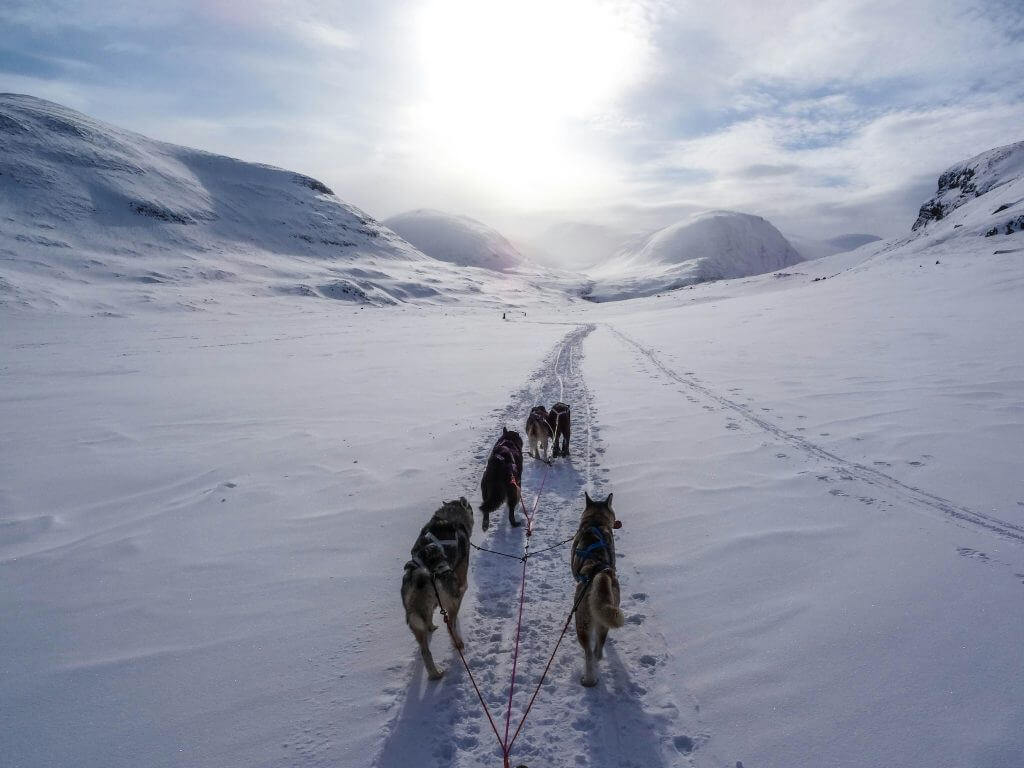
  • Kungsleden (The King’s Trail)

kungsleden, sweden

Distance: 105 km

Duration: 10-12 days

Level: Easy to moderate

The Kungsleden trekking trail takes you through one of Sweden’s most beautiful mountain landscapes and is ideal for first-time hikers as well as experienced mountaineers. This trekking trail is popularly known as the ‘King of Trails’ and reaches an altitude of 3,770 feet of elevation at the Tjäktja Pass, the highest point of the trek. Kungsleden offers high mountain peaks, birch and coniferous forest, lakes and wetlands, and passes through four national parks i.e. Sarek, Abisko, Pieljekaise and Stora Sjöfallet, which are among the most breathtaking place on earth.

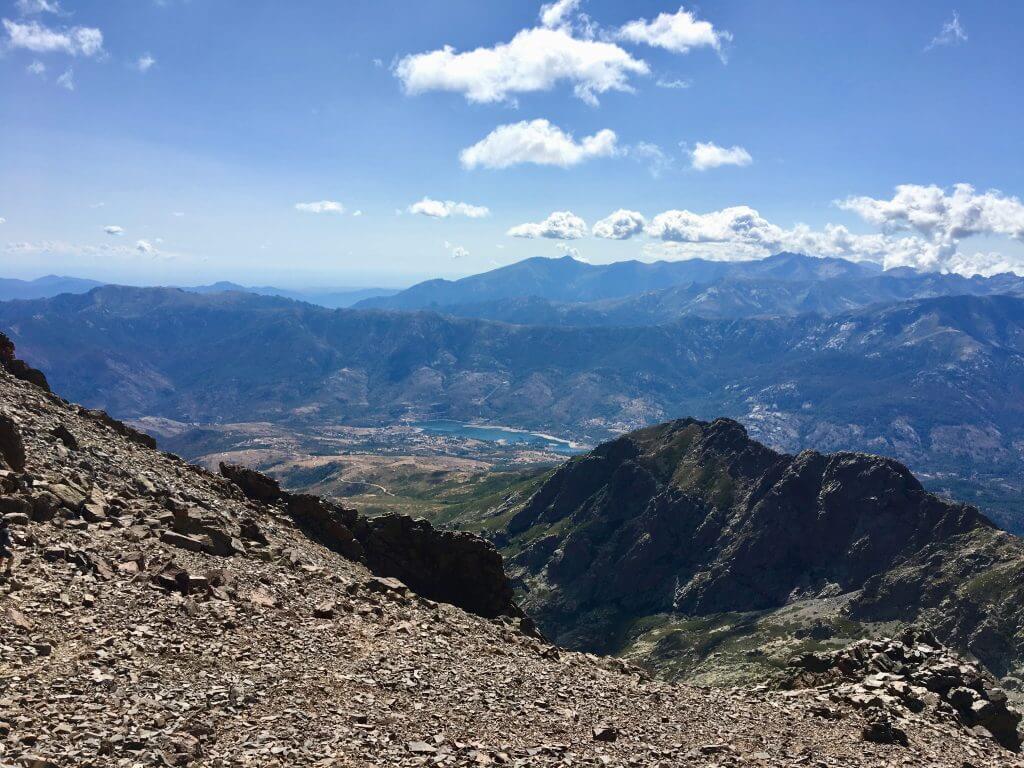
  • GR20, Corsica, France

GR20, France, Croatia

Distance: 168 km (Round trip)

Duration: 15 days

Level: Difficult

The GR20 is one of Europe’s toughest and longest long-distance trekking trails with a highest altitude of 2141 meters. Mountain walkers with a good sense of balance are required for this trek as it includes scrambling, ladders, the use of chains, and a confident footstep while climbing the rocky landscape and mountain ridges. This is one of the best trekking trails of the world with spectacular views and stunning rock formations.

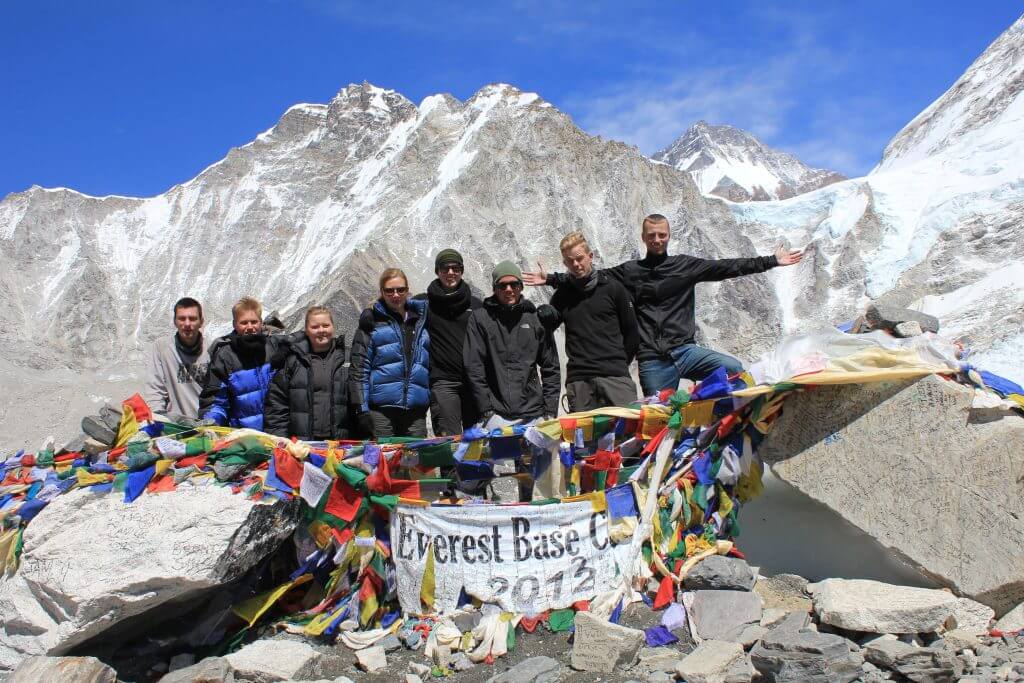
Everest base camp

Distance: 80 miles (130km) round trip

Duration: 2 weeks

Level: Moderate

Getting to Everest base camp is more than just a trek since every bend in this trail feels like “the path to heaven. In this trekking region you can see the world’s tallest mountain, Mt Everest (8848m), which is the Jewel of Nepal. The Khumbu glacier, winding river valleys, mountain monasteries, and Sherpa villages will test your endurance and muscles to the limit.

Kanchanjunga

Distance: 220 km

Duration: 21 Days

Level: Difficult

Kanchenjunga trekking route is one of the unexplored trekking routes located in eastern Nepal that offers wonderful snow-capped mountains, scenic routes, delightful views and breathetaking views of the Himalayas. As we walk along this trekking route, we will get to see amazing valleys, amazing cultures and traditions, spectacular views of frozen lake, massive wildlife in Kanchenjunga conservation area and a glimpse of third highest mountain on earth, Mt. Kanchenjunga (8586m).

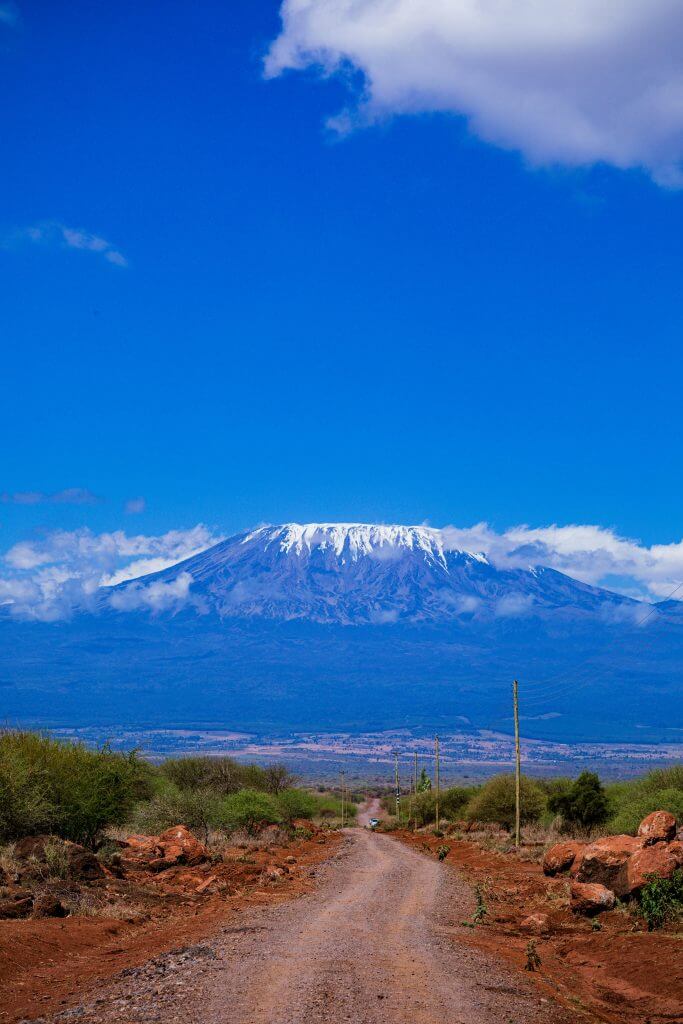
  • Kilimanjaro, Tanzania 

Kilimanjaro

Distance: 37-90 km

Duration: 5-9 days

Level: Moderate

A trip to Mount Kilimanjaro (5895m) on the African continent is an experience of a lifetime since it’s the tallest freestanding mountain in the world. The trekking trail leads from hot deserts of Africa to alpine fields, snow-covered peaks, tropical rain forests, and moorlands of Kilimanjaro in just a few days – the perfect for those seeking something new. 

  • Markha Valley Trek, Ladakh, India

Distance: 80km

Duration: 6-7 days

Level: Moderate

Markha Valley Trek offers a great deal of value for a classic trekking route and is a fantastic option for trekking in summer months in the Himalayas. As you trek through the Markha Valley in Ladakh, you will experience some of northern India’s most spectacular scenery, beautiful villages surrounded by towering mountains, as well as many monasteries that have earned this region the nickname “Little Tibet”. Home stays are available along the trek, which offers an in-depth look into local life. This trek reaches a maximum elevation of 5260m at Kongmaru La.

  • Routeburn Track, New Zealand

Distance: 32km

Duration: 3-4 days

Level: Moderate

A walk along the Routeburn Track opens up a breathtaking panoramic view of snow-capped peaks, glacial valleys, glistering alpine lakes and Routeburn River. It features impressive views of Mt Tutuko (2746m), Fiordland’s highest peak, the stunning  kōtukutuku (tree fuschia), and Harris Saddle, the track’s highest elevation at 1,255 metres. Also, the Routeburn Track offers great options for guided and independent day hikes. 

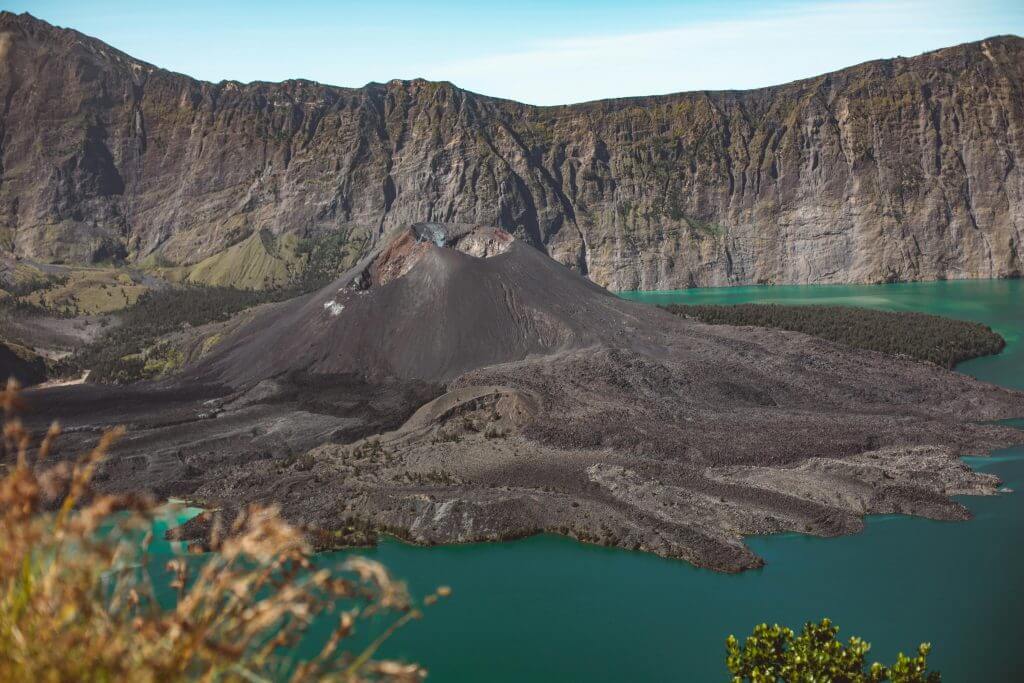
  • Gunung Rinjani, Indonesia

Gunung Rinjani

Distance: 24 km

Duration: 2 Days

Level: Moderate

Mount Rinjani(3726m) popularly known as Gunung Rinjani, is an active volcano on the Indonesian Island of Lombok in Indonesia and has been a favorite destination for backpackers. A variety of religious activities take place in the mountain, which is sacred to both the Hindus and the Sasak tribes. Mount Rinjani is a part of Gunung Rinjani National Park, which covers 41,330 hectares where the tropical flora and fauna of Southeast Asia and Australasia meets. 

  • The Haute Route, France-Switzerland

Distance: 125 miles (200km)

Duration: 10-12 days

Level: Medium-High

The beautiful route takes you to the wildest part of Switzerland as you pass deep valleys, rocky peaks, endless glaciers, lagoons of surreal colors, and village huts filled with friendly people and pure mountain air. The route begins in Chamonix, in front of the famous Mont Blanc, which is the highest mountain in Europe. After crossing over several passes that reach nearly 3,000 meters high, the tour comes to an end in Zermatt.

Going to the mountains is like going home and wilderness is a necessity. The best trekking trails around the world are waiting for your footsteps, so when are you going on your next trek?

Mardi Himal Trek

A Mardi Himal Trek offers the beauty of the Nepali mountains with fewer crowds, authentic teahouses, stunning rhododendron forests, and incredible Annapurna Mountain Range views. Mardi Himal trek offers a breathtaking experience surrounded by green hills and snow capped mountains while you walk in pristine forests filled with oaks and rhododendrons.

There are stunning views of Annapurna and Dhaulagiri on the west and Machhapuchhre and Manaslu on the east as one hike along a high ridge with the Mardi Himal range behind. You can get up close to mighty peaks such as Mardi Himal, Machhapuchhre, Annapurna South, and Hiunchuli.

Trekking on Mardi Himal involves walking on a narrow ridgeline surrounded by spectacular Annapurna Massifs. Budding photographers and filmmakers will have ample opportunities to capture dramatic mountain images thanks to the unobstructed and exposed views. The Mardi Himal Trek in the Annapurna region is a good choice for novices and experienced trekkers alike.

Mardi Himal Trek Highlights:

Fishtail mountain

  •         You will begin your trip in Pokhara, Nepal’s most popular tourist destination. 
  •         You will get to see the sights of Annapurna and Machhapuchhre up close.
  •         You will get to discover rich mountain cultures, incredible landscape, lush green jungles, and breathtaking natural scenery.
  •         This trek will allow you to see the sky-dominating Annapurna South (7219m), Himchuli (7893m), Lamjung Himal (6,983m), Machhapuchhre             (6993m), Mardi Himal (5587m), and many more impressive peaks. 
  •         You will get to witness a breathtaking sunset from Mardi Camp over Fishtail.

Why you’ll love this trip?

Mardi Himal Trek

Located on a side trail of the Annapurna Base Camp hike, the Mardi Himal Trek offers great views of lesser-known parts of the Annapurna Massif. This trek is a little rougher, a bit more exciting, and most importantly, less crowded than other treks in the Annapurna Region.

You will reach Mardi Himal Base Camp at 4,500 meters (17,763 ft). This trek originally had a limited number of teahouses, but since about 2011, there have been many teahouses available along the trail.

A trip to Mardi Himal trek offers a picturesque and overwhelming experience surrounded by green hills and snowcapped mountains along with walks in the pristine forest filled with rhododendrons and oak trees.

The Mardi Khola valley with snow-covered Annapurna can be enjoyed while sharing meals with friends and strangers after you reach the Mardi Base Camp (4500 m) after acclimatizing at the two high camps.

The Mardi Himal trek leads along a high ridge with views of the Annapurna range and Dhaulagiri in the west and the Machhapuchhre and Manaslu mountain range in the east.

Unique experiences in Mardi Trek:

Mountains above clouds

  •         Mardi Himal Trek is a short trekking tour in the Mardi Himal that takes you to high altitudes of the Himalayas, so you can see the mountain ranges up close and unobstructed.
  •         The Mardi Himal Trek route consists of eight camps where you can enjoy the views, including Base Camp (4,500 meters), High Camp (3,600 meters), Babal Dada Low Camp (3,150 meters), Kokar Forest Camp (2,600 meters), Pitam Deurali (2,100 meters), (1,750 meters), etc.
  •         The Mardi Himal Trek is a moderately challenging trek in the Annapurna region. The first couple of days are easy, and then the latter days become more challenging as you gain elevation toward base camp. This trek, however, is comparatively easy compared to others in the Annapurna region.
  •         Mardi Himal trekking adventure takes you through green and peaceful forests, offering a wonderful experience of walking through the wilderness.
  •         As the Mardi Himal Trek follows a fairly simple route, it is one of the best options for solo trekkers.


Mardi Himal Trek Route:

Path-to-mardi

Mardi Himal Trek takes you to the top of Mardi Himal in the Annapurna region of Nepal. Pokhara is the starting point for the Mardi Himal trek, after which you take the drive to Kande and trek from there to Pothana or Deurali.

Then we move to the low camp, then on to the high camp, and finally on to Mardi base camp. Then we trek down to Siding after the wonderful experience in base camp. Afterward, we return to Pokhara by private vehicle (jeep, car, van, etc.).

Mardi Himal Trek: How difficult is it?

snow in mardi

You don’t need super fitness for this trek, however moderate fitness is still required since you’re trekking through the Himalayas of Nepal. You will have to cross some rocky sections near the high camp and base camp.

The Mardi Himal Trek is a normal to moderate-level trek in the Annapurna region. Trekking with a basic level of fitness is possible, but a good training program will make your trek more rewarding. The trek does not require climbing skills.

When to trek?

Sunrise from mardi

Mardi Trek is best done in the autumn, from mid-September to mid-October, and from late November to early December. March–May is the second best season of the year to go to Mardi trekking.

The skies are clear during December – January – February, but the weather can get very cold and snowfall can close passes. May to June is Nepal’s hot pre-monsoon season, which is still a good time to trek to Mardi.

During the winter, the paths going to the Mardi Himal are usually covered in snow, and the weather becomes exceedingly dry and frigid. Snow-covered mountains and visual splendor, however, make this time of year a memorable one.

A hike up the Mardi Himal will surely remain in your memory. There will always be something to cherish about the scenic beauty and the enthralling atmosphere.

Experience a true adventure by trekking to Mardi with the Himalayan Circuit, which will bring you through a lush forest of pines, rhododendrons, oaks, and dense Gurung villages.

The Best Trekking Trails in the Annapurna Region

Annapurana Base Camp

A walk in nature is like witnessing a thousand miracles. Trekking in Nepal gives you the chance to relax and awaken your inner spirituality, inspired by its natural beauty, cultural diversity, and the gracious hospitality of its people. 

Nepal is a dreamland for adventure lovers, with majestic mountains, gentle slopes, and fertile valleys. There is a vast variety of terrains, from steamy jungles and the lowlands of Terai to the highest peaks on earth. People of all ages and capabilities can trek in Nepal, choosing to climb to wild and lofty places or easy, short hikes.

The Annapurna trekking trails are considered some of the best in the world, thanks to the spiritual and visual experiences they offer. Snow-covered slopes, tropical jungles, bamboo forests, eco-systems, and a diversity of cultures make it a perfect trekking destination.

Located in the North-central part of Nepal, the Annapurna region includes 30 peaks higher than 6,000 metres. In 1950, Maurice Herzog became the first to reach the summit. The region is bordered on the East by the Marshyangdi River, the Kali Gandaki Gorge in the West, the Pokhara Valley in the South, and the Nepal-Tibetan border in the North. 

According to Hindu mythology, the mountain is the home of the goddess Annapurna, who nourishes her people with food and water.


What makes the Annapurna Trekking Trails so special?

Annapurna

Trekking is in between hiking and climbing: walking along a variety of trails with your equipment during the day and camping in the mountains at night. Trekking trails in Annapurna can take days or even weeks to complete depending on their length.

The trails here display environmental and cultural diversity, such as bamboo forests, tropical jungles, snow-covered slopes, and the humbling Himalayas. Here are some more reasons to visit this beautiful place:

  • The trekking trails in this region are very well protected and the authorities of Nepal are working hard to increase safety for tourists, especially in the case of medical emergencies.
  • The climate is mild during the trekking season, so you won’t get too hot!
  • There is a wide variety of accommodations in the Annapurna trekking region, from traditional tea house lodges to Western-style luxury hotels.
  • Visiting the snowy peaks, interacting with the local people, and experiencing the cultural and spiritual sites, such as Buddhist Stupas and Hindu shrines, are just a few of the experiences that will make the trip memorable.
  • Enjoy the delicious local cuisine, such as momo (Nepalese dumplings), nutritious soups, traditional Dal bhat and yak burgers.
  • The Annapurna region is a great place for trekkers of all levels of experience. 
  • The area offers affordable prices.


Top Trekking Trails in Annapurna:

Trekking in Annapurna region

The Annapurna Sanctuary is a short and easy trek that takes you up to 1,130 metres in altitude and offers comfortable accommodation. Starting in Pokhara it passes rhododendrons, birches, oaks, and bamboo plants. Upon reaching the Sanctuary, you can see Machhapuchre, Fang, Gangapurna, Annapurna I, moraine fields, and glaciers.

ThorangLa Pass

The Annapurna Circuit trek is considered one of the world’s classics as you pass through conifer forests, murky jungle rivers, and ice wastes. The snow-covered Thorung La Pass (5,416m), the Hindu holy site Muktinath (3,750m), river gorges, and Buddhist pilgrimage sites make it one of the best trekking destinations in the world.

Poon Hill

The Poon Hill trek offers beautiful forests, enchanting villages and stunning mountain views that showcase what trekking in Nepal has to offer. Seeing the sunrise passing through the shining Annapurna I (8,091m), Himchuli (6,441m), and Fishtail (6,993m) is the major highlight of this trek. Poonhill itself is another major attraction. 

  • Tilicho trek

Tilicho Lake

The Tilicho trek gives you the chance to explore the highest lake in the world. Trekking starts from Manang and continues through pine forests and screed slopes to a pass at 5,005m with spectacular views of the lake. It is one of the finest routes in Nepal, combining a varied landscape, people, culture, and many waterfalls.

  • Khopra Ridge trek

Landscape view of Himalaya

The Khopra Danda trek offers a peaceful journey through beautiful villages, lush forests, and lofty viewpoints alongside Annapurna South. The main attractions are views of Dhaulagiri (8,167m) and Khayer Lake (4,600m).

  • Nar-Phu trek

Trekking in mountains

The trail follows wild and difficult terrain that is particularly suitable for braver trekkers. Attractions include narrow gorges, yak herding, stone houses, prayer flags, Kang La Pass and high mountains. Trekkers also call it Kang La Pass trek, as you need to cross it at 5,320m.

The Annapurna trekking trails appeal to those seeking an adventurous journey in the Nepali Himalayan region while experiencing diverse scenery, geology, and climates. Check out the Himalayan Circuit website if you are looking for exciting trek packages in the Annapurna region. 

Pack your bags and get ready to witness the unexpected beauty of these natural wonders in Nepal!