Nepal Diaries: 6 Hidden Gems Beyond Nepal’s Popular Trails

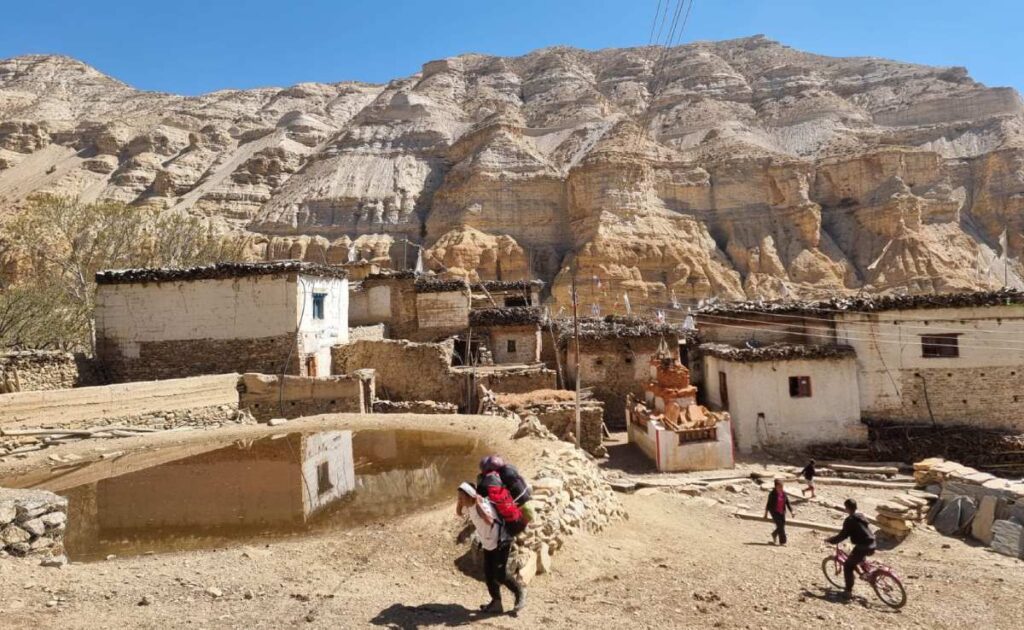
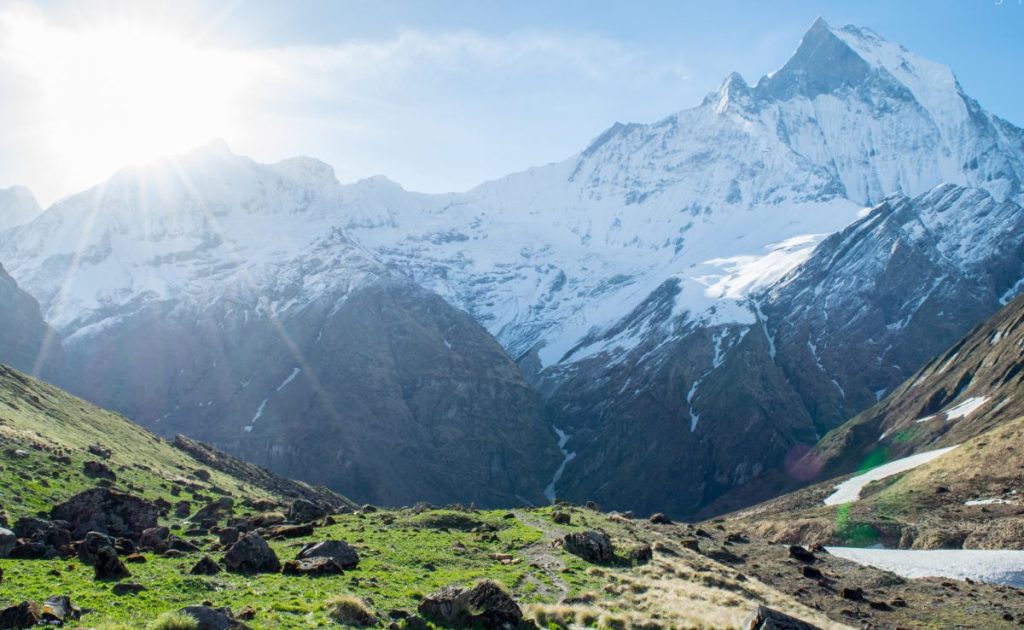
Everest, Annapurna, Kathmandu, and Pokhara are world-famous. However, Nepal offers far more than its iconic peaks and lively cities. Across the hills and deep into the far west, you will find hidden gems in Nepal, quiet villages, serene lakes, sacred meadows, and gentle trails that invite you to slow down.

Moreover, these places provide authentic culture, local cuisine, and warm hospitality often without the crowds. If you prefer meaningful travel and unique experiences, then these off-the-beaten-path destinations are well worth adding to your itinerary with us. Ultimately, they reward patience with depth and genuine connection.

Why Explore Hidden Gems in Nepal?

Choosing lesser-known destinations often leads to a more peaceful and fulfilling experience. In particular, you will enjoy pristine nature, intact traditions, and deeper interactions with local communities. As a result, your trip becomes more personal, more reflective, and more memorable.

Additionally:

  • You will capture striking landscapes without the usual lines and noise.
  • You will support communities through fair, locally led tourism.
  • You will find time to relax, take photos, go on gentle hikes, and simply be present.

In short, Nepal’s quieter corners combine culture, nature, and calm in a single journey. Consequently, they appeal to travelers seeking depth rather than speed.

Hidden Gems in Nepal (with Practical Tips)

1) Tansen (Palpa): Heritage, Hills, and Handicrafts
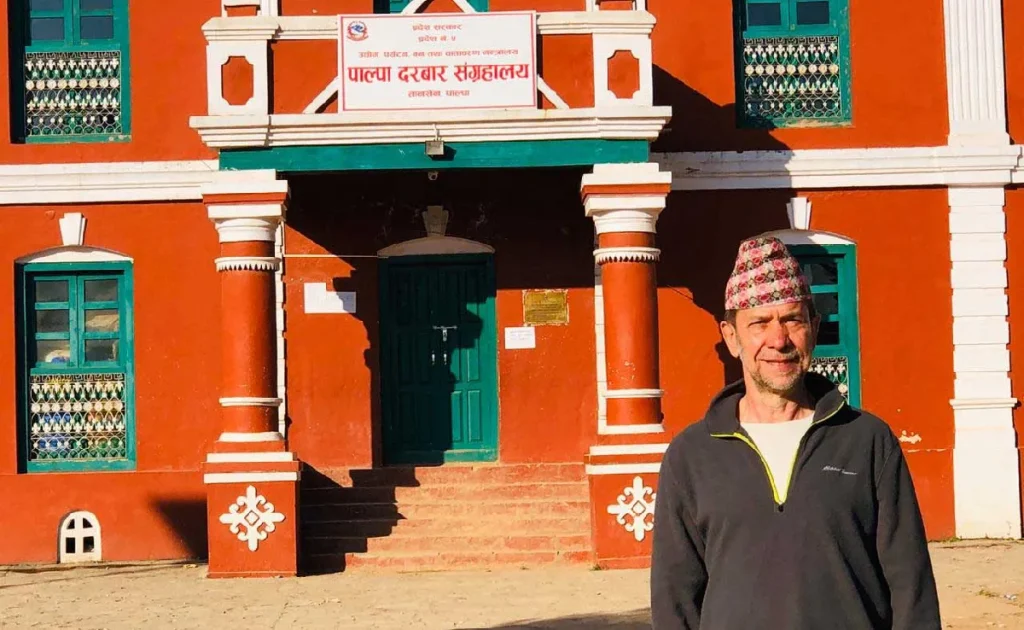
Palpa - The hidden gems of Nepal

Why go: A charming hill town in western Nepal with Newari houses, narrow lanes, and sacred temples, ideal for culture lovers who value tranquility. Notably, the historic core remains walkable and welcoming.
Highlights: Rani Mahal (often called the “Taj Mahal of Nepal”), family-run eateries, and artisan-made textiles and metalwork.
Best time: October–April (clear skies and pleasant temperatures).
How to get there: About 7–8 hours by road from Pokhara or 8–9 hours from Kathmandu.

Pro tip: For sunrise, start early at Srinagar Hill. On clear days, the panorama is exceptional. Furthermore, late afternoons offer soft light for photography.

2) Khaptad National Park: Sacred Meadows of the Far West

Why go: A serene, spiritually significant plateau with rolling grasslands, mixed forests, and wide mountain panoramas ideal for nature and peace seekers. Beyond the scenery, the area carries strong cultural reverence.
Highlights: Khaptad Baba Ashram, seasonal wildflowers, and open-sky meadows frequented  by herders.
Best time: April–June and September–November.
How to get there: Fly to Dhangadhi or Bajhang, then continue by road and trail with a local guide.

Pro tip: Trails are less marked. Therefore, hire a local guide for navigation and cultural context. In addition, check park regulations ahead of time.

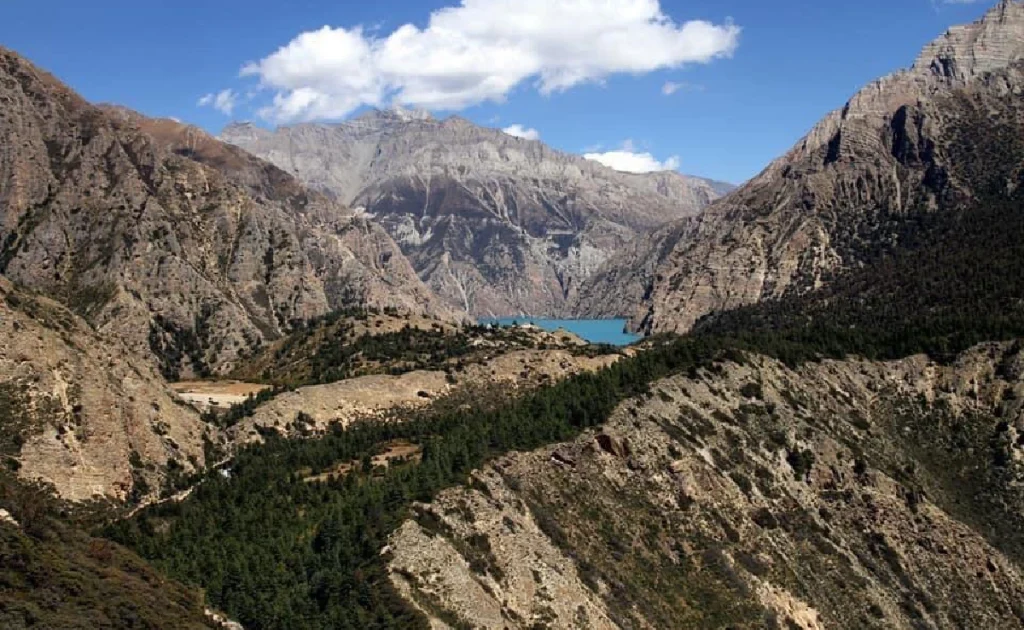
3) Rara Lake: Nepal’s Shimmering Blue Jewel

Why go: Nepal’s largest lake, wrapped in tranquil forests and gentle hills, remote, pristine, and photogenic. Even at midday, the water remains strikingly blue.
Highlights: Lakeside walks, non-motorized boating, sunrise reflections, and birdwatching.
Best time: September–November and April–June.
How to get there: Fly via Nepalgunj to Talcha (Mugu), then a short trek to the lake. Alternatively, go overland for a longer yet scenic route.

Pro tip: Pack layers; even on sunny days the weather can shift quickly. Consequently, a windproof jacket and warm hat are helpful.

4) Ilam (Eastern Nepal): Tea Gardens and Soft Morning Light
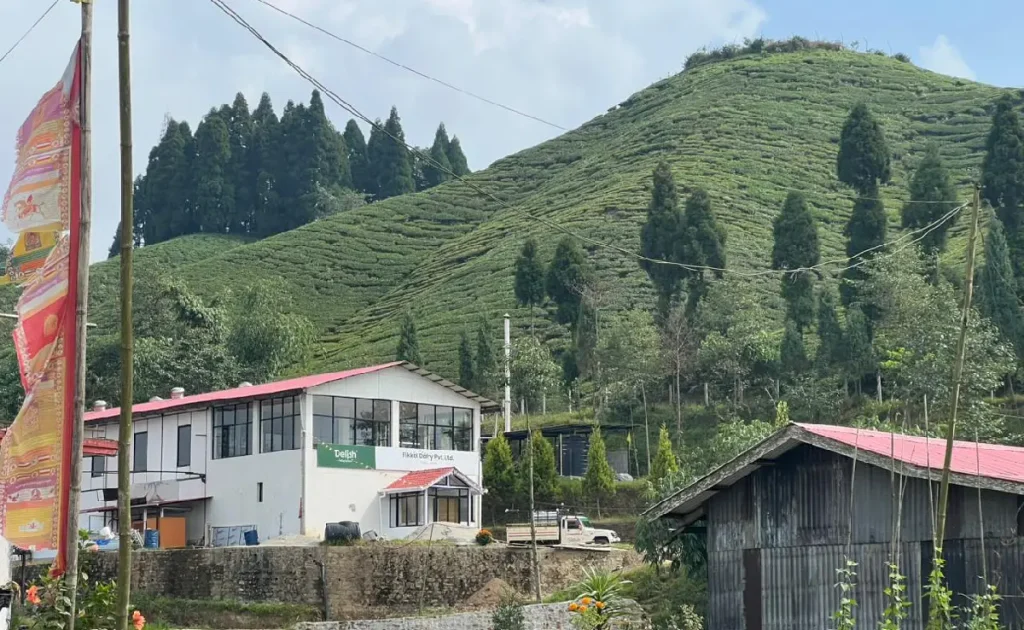
Why go: Rolling tea estates, cool weather, and peaceful rural life, ideal for slow travel and mindful mornings. In contrast to busier hubs, Ilam rewards unhurried explorers.
Highlights: Garden walks, village stays, sunrise viewpoints, and organic teas.
Best time: October–December for clear skies; March–May for lush, green hills.
How to get there: Fly to Bhadrapur and drive 3–4 hours; or travel overland from Kathmandu (long yet beautiful).

Pro tip: Visit a local tea cooperative for tasting and farm-to-cup stories. Additionally, plan a golden-hour photo walk along the tea rows.

5) Gokyo Lakes: Quiet Majesty in the Everest Region
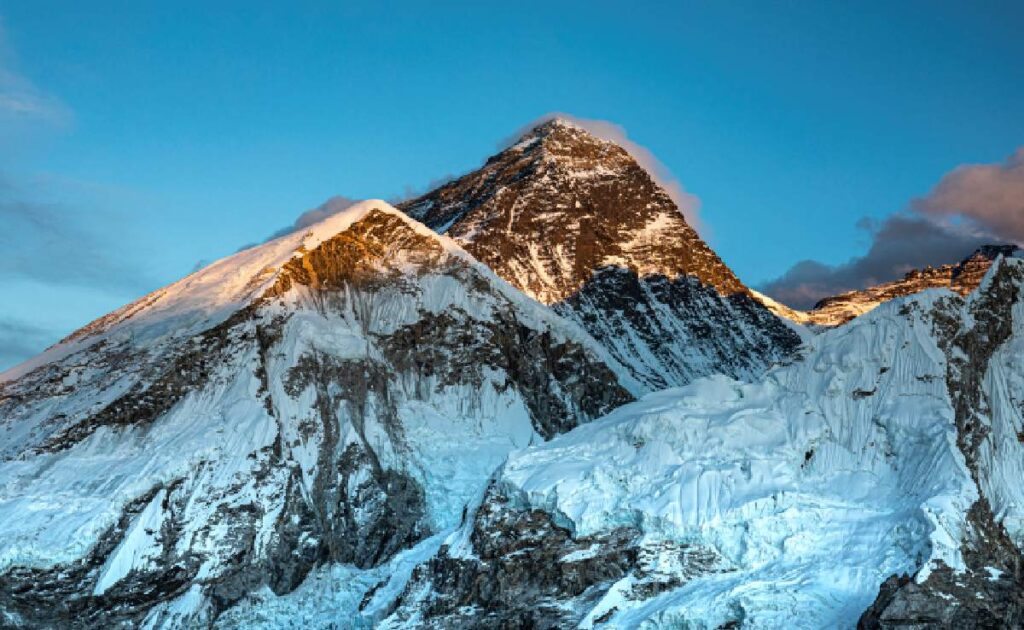
Why go: A spectacular alternative to the classic Everest Base Camp route, with fewer crowds and surreal blue lakes. Moreover, views from Gokyo Ri reveal glaciers and high peaks in every direction.
Highlights: The chain of Gokyo Lakes, Ngozumpa Glacier vistas, and sunrise from Gokyo Ri.
Trek grade: Moderate to strenuous (due to altitude).
Best time: March–May and October–November.
How to get there: Fly to Lukla, then trek via the quieter Gokyo Valley.

Pro tip: Acclimatize slowly. Add a rest day around Machhermo or Dole to enjoy the scenery and stay safe. Consequently, you reduce the risk of AMS.

6) Ruby Valley: Culture-Rich Trails Between Langtang and Manaslu

Why go: A lesser-known trekking corridor with Tamang and Gurung villages, hot springs, and open mountain views, perfect for cultural immersion. Because lodges are simpler, the experience remains genuinely local.
Highlights: Village homestays, traditional kitchens, hillside farms, and quiet ridgelines.
Trek grade: Easy to moderate (flexible routes for different fitness levels).
Best time: October–December and March–May.
How to get there: Drive from Kathmandu to Syabrubesi or Dhading trailheads; then trek with a local guide.

Pro tip: Choose community lodges or homestays to keep your spending local and your experience authentic. In addition, ask about seasonal festivals or gatherings.

Practical Tips for Offbeat Travel in Nepal

  • Plan for time: Remote journeys can be long; therefore, build buffers for weather, permits, and road conditions.
  • Cash matters: ATMs are scarce; consequently, carry sufficient cash in small denominations.
  • Pack smart: Layers, a warm jacket, snacks, a power bank, a water filter, and a basic first-aid kit. Moreover, bring sun protection for high altitudes.
  • Hire local guides: For safety, translation, route finding, and respectful access to sacred spaces. As a bonus, you’ll gain stories you’d otherwise miss.
  • Travel kindly: Respect local customs, minimize plastic, and choose ethical operators. Ultimately, your choices shape better futures for host communities.

There is so much more to Nepal than its famous peaks and popular trails. From Tansen’s heritage lanes and Ilam’s tea terraces to Rara’s mirror-like waters, Khaptad’s sacred meadows, Gokyo’s blue lakes, and Ruby Valley’s welcoming villages these hidden gems in Nepal invite you to slow down and connect deeply.

When you are ready to avoid the crowds and discover authentic Nepal, we can help design a quiet, culturally rich journey that matches your pace and interests. In the end, a thoughtful route turns travel into a meaningful exchange.
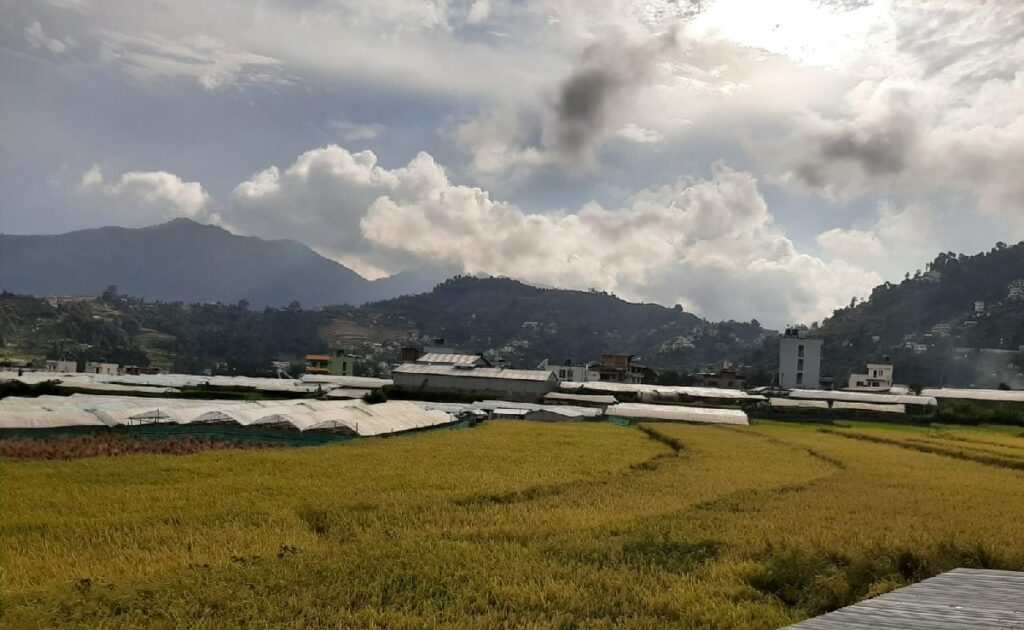
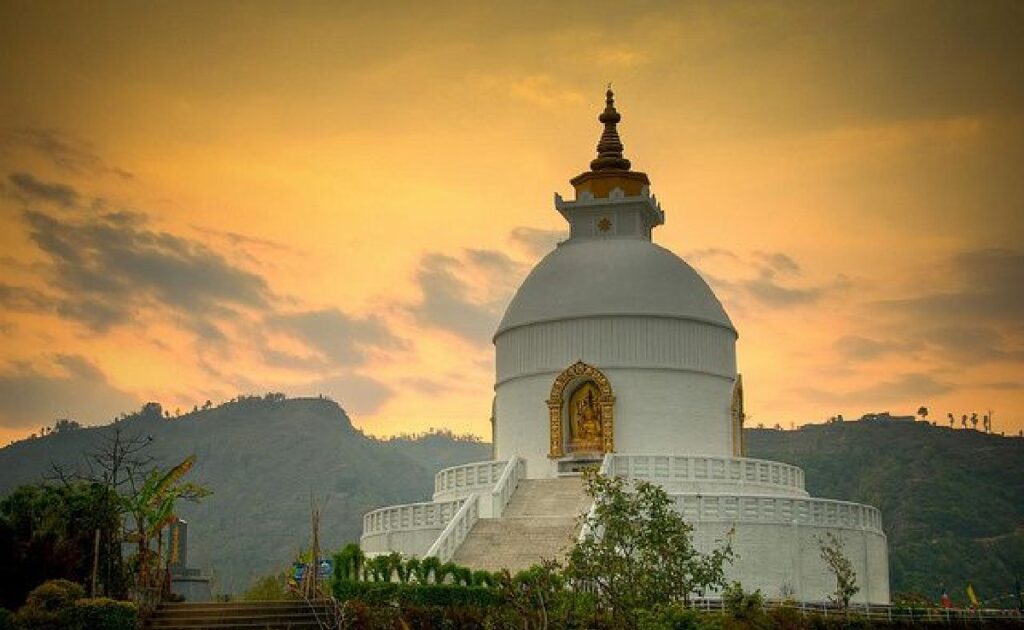
Nepal Diaries: Nepal in September – Weather, Trekking & Festivals

Nepal in September marks the transition from the monsoon season to early autumn. Rainfall begins to decrease, the landscapes turn lush and green, and travel conditions slowly improve. For many travelers, September offers a calm and rewarding way to explore Nepal before the busy trekking season begins.

The first half of the month may still bring occasional rain. From mid-September onward, mornings become clearer and mountain views start to appear. Daily life in Nepal follows a steady rhythm shaped by festivals and post-monsoon routines. As a result, September feels peaceful, authentic, and naturally vibrant.

Weather in Nepal in September

weather in September

The weather in Nepal in September changes gradually throughout the month. Early September still experiences some monsoon influence, with afternoon showers and occasional evening thunderstorms. As the month progresses, rainfall becomes lighter and less frequent.

In cities such as Kathmandu and Pokhara, daytime temperatures usually stay in the mid-20s°C. Higher-altitude regions feel cooler and more comfortable. Cloud cover slowly lifts, which improves visibility and creates better conditions for outdoor activities and travel.

Trekking in Nepal in September

Many travelers ask if trekking in Nepal in September is possible. The answer is yes.

Trails that remain muddy during peak monsoon begin to dry. Leeches also become less common as rainfall decreases. Some high-altitude treks may need extra care in early September, but conditions improve significantly later in the month.

September suits short treks, village walks, and lower-altitude routes very well. Popular trekking regions reopen fully and remain quieter than in October. Because of this, teahouses offer better availability and a relaxed atmosphere. Clear mornings make the best time for hiking, while afternoons stay warm and comfortable.

Festivals and Cultural Events in September

Teej festival - which falls on september
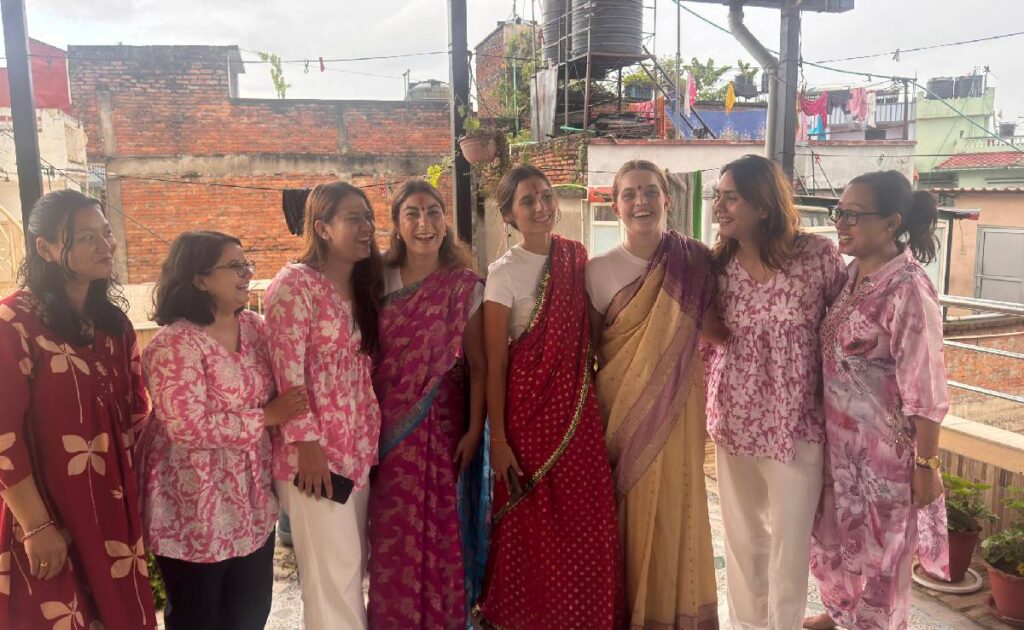
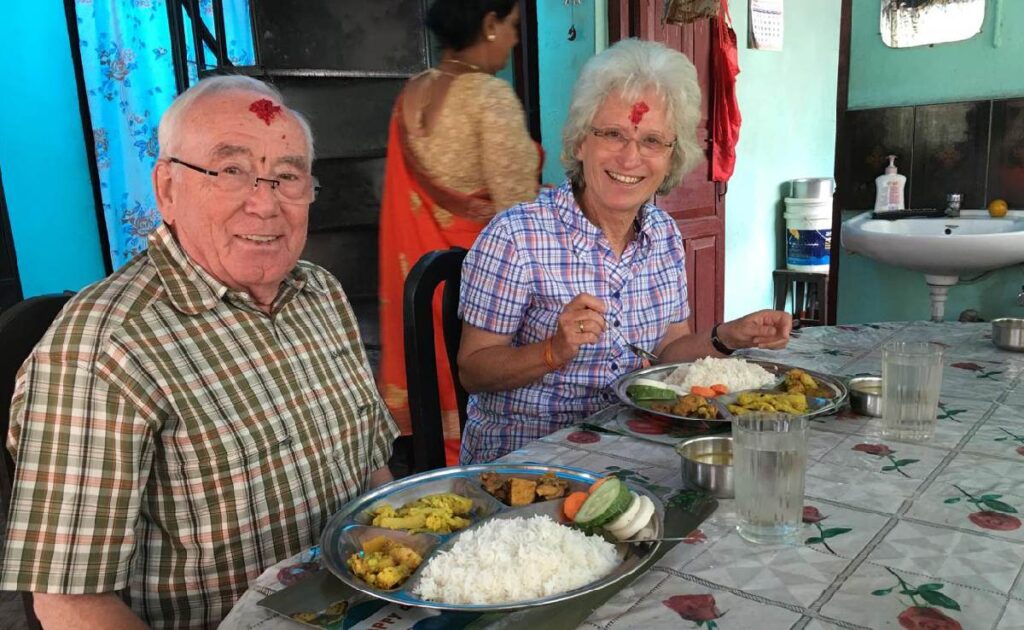
Foreigners celebrating teej frestival in traditional Nepali attire.

September is a culturally rich month in Nepal. Several important festivals take place, offering travelers a deeper connection with local traditions.

Indra Jatra is one of the most significant festivals in the Kathmandu Valley. Locals celebrate the god of rain with masked dances, chariot processions, and traditional music. Streets around Kathmandu Durbar Square fill with color, energy, and ritual performances.

Teej, an important Hindu festival celebrated by women, often falls in September based on the lunar calendar. Women wear red clothing, fast, dance, and visit temples. The festival adds strong emotion and cultural depth to towns and cities.

These events remain largely local and non-commercial, giving visitors a genuine cultural experience.

Wildlife and Nature Experiences

Nepal in September showcases nature at its most vibrant. Hills, forests, and terraced rice fields appear fresh and green after the monsoon rains. Rivers and waterfalls run full, shaping dramatic landscapes across the country.

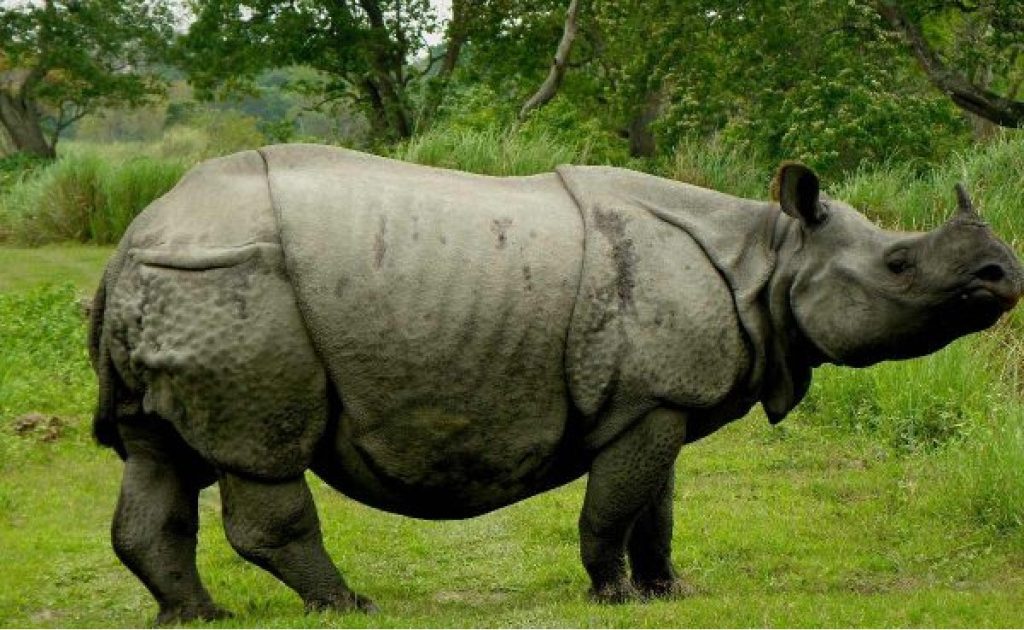
National parks in the Terai, such as Chitwan and Bardia, look greener and more alive. Wildlife activity increases, and birdlife becomes especially active in wetlands and forest areas. While humidity remains high, nature feels energetic and thriving.

This month works well for lakeside walks in Pokhara, forest hikes in Shivapuri, and countryside exploration among farming communities.

Travel Tips for Nepal in September

Flexibility plays an important role when traveling in Nepal in September. Early in the month, rain can still cause minor delays. From mid-September onward, travel becomes smoother and more predictable.

Pack a light rain jacket, quick-dry clothing, and comfortable walking shoes with good grip. Plan outdoor activities early in the morning for the best weather and visibility. Toward the end of the month, accommodation demand increases, so booking in advance helps.

September rewards travelers who enjoy shoulder seasons. It offers comfort, natural beauty, and cultural depth without heavy crowds.

Final Thoughts on Nepal in September

Nepal in September offers a balance of greenery, culture, and improving travel conditions. While skies may not stay blue every day, the country feels fresh, festive, and peaceful. Nature remains lush, and local life continues at a gentle pace.

For travelers who value nature, culture, and quiet exploration, September is an excellent time to visit Nepal. With the right preparation and flexible plans, the month allows you to experience Nepal in an authentic and memorable way.

So, be flexible to weather, pack your necessary gears and book your trip to Nepal during September with Himalayan Circuit.

Nepal Diary: Exploring Bus Travel in Nepal – Tips & Dos/Don’ts

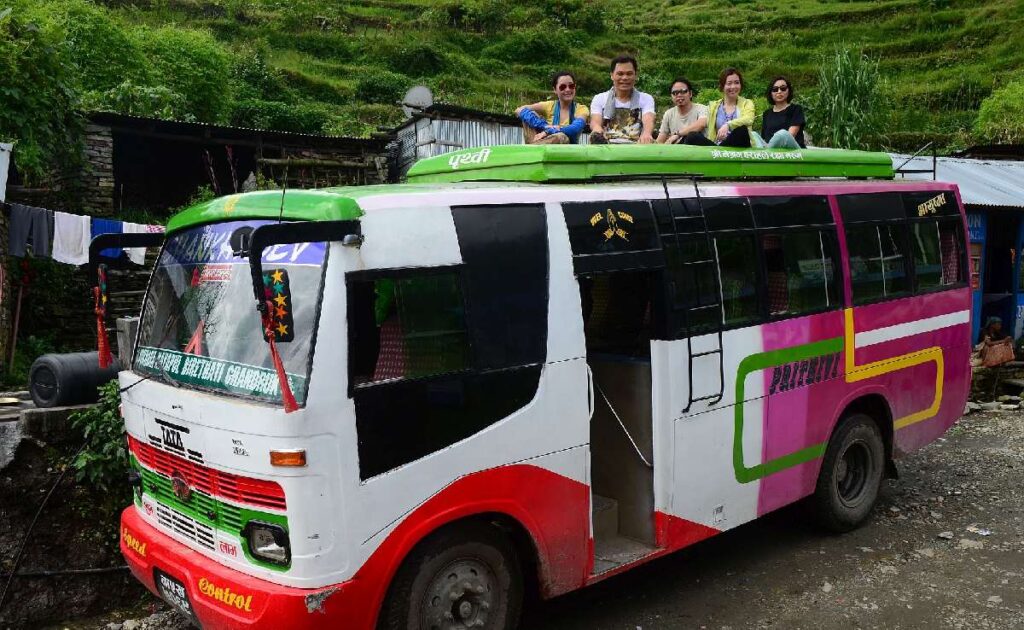
Travelling by bus is one of the easiest, most affordable, and convenient ways to explore Nepal. Bus travel in Nepal lets you relax, enjoy the scenery, and experience the countryside, mountains, and bustling cities—all from your window.

Whether you’re a first-time visitor or a seasoned traveler, following some simple guidelines can make your journey smooth and enjoyable. Let’s plan your bus trip together!

Why Bus Travel in Nepal is Popular

Firstly, tourist buses offer a stress-free way to explore Nepal. You can sit back, enjoy the views, and let professional drivers handle the logistics. Moreover, buses are comfortable, budget-friendly, and perfect for both short and long-distance trips. In addition, they allow you to witness Nepal’s beauty from a unique perspective.

Dos for a Comfortable Bus Ride

1. Book in Advance
Firstly, reserve your seat early, especially during peak season. This ensures you get your preferred seat and the best views.

2. Arrive Early
Also, reach the station at least 15–20 minutes before departure. By doing so, you avoid last-minute stress and guarantee smooth boarding.

3. Pack Smartly
Carry a small bag with essentials like water, snacks, a travel pillow, headphones, or a book. Additionally, avoid overpacking to make it easier to store your bag and move around.

4. Respect Your Seatmates
Furthermore, keep your belongings within your space and avoid leaning into someone else’s area. Respecting personal boundaries ensures a peaceful journey for everyone.

5. Stay Hydrated
Long bus rides can be dehydrating. Therefore, sip water regularly and carry well-packaged mineral water.

6. Bring Entertainment
Bus trips can get monotonous. For example, bring books, audiobooks, movies, music, or podcasts to stay entertained.

7. Be Polite to the Bus Staff
Drivers and assistants work hard to ensure your safety. Hence, be courteous, follow instructions, and dispose of trash responsibly.

Don’ts to Avoid on a Bus

1. Don’t Be Late
Buses follow tight schedules. Otherwise, arriving late can delay your trip or cause you to miss the ride entirely.

2. Avoid Overpacking
Large, heavy bags create storage issues and make traveling uncomfortable. So, pack only what you need.

3. Don’t Be Noisy
Keep conversations low and avoid loud phone calls. This way, everyone enjoys a calm environment.

4. Don’t Ignore Rest Stops
Take advantage of scheduled breaks to use the restroom, stretch, or grab a snack. In addition, rest stops help you stay refreshed and energized.

5. Don’t Panic in Case of Delays
Traffic or unexpected situations can cause delays. Therefore, stay patient; the bus staff will do their best to get you to your destination safely.

6. Don’t Leave Valuables Unattended
Always keep your belongings with you during stops. Otherwise, you risk losing them or having them stolen.

7. Don’t Distract the Driver
Avoid unnecessary conversation with the driver and refrain from strong-smelling food or heavy perfumes. Safety always comes first.

Travel Tips for Bus Journeys in Nepal

  • Additionally, enjoy the scenery from your window—mountains, rivers, and local villages make the ride memorable.

  • Carry a light jacket for cooler mountain areas.

  • Keep small snacks handy for long journeys.

  • Choose seats with the best views if possible, usually by the window.

  • Finally, be patient and flexible—roads in Nepal can be busy and unpredictable.

By following these dos and don’ts, bus travel in Nepal becomes more than just transportation—it’s part of the adventure. Then, relax, enjoy the views, and let professionals handle the logistics.

Book your tour with Himalayan Circuit, hop on a bus, and create lasting memories on the road!

Nepal Diaries – Trekking, Festivals, and Adventures in May

Himalayan peaks in Nepal – Nepal best travel destination

Are you thinking about visiting Nepal in May? You’re choosing one of the best times to explore the country. May sits perfectly between the cold of late winter and the heavy monsoon rains. The mornings are usually clear, afternoons are warm, and the evenings are pleasant.

From colorful festivals to trekking and wildlife adventures, May offers the perfect combination of culture, nature, and adventure. Let’s plan this trip together!

Weather in Nepal in May

May in Nepal is generally warm and a bit humid, especially in the lower lands like Kathmandu, Pokhara, and the Terai plains.

  • Kathmandu: Daytime temperatures range from 20°C to 30°C, while nights remain cool.
  • Pokhara: Slightly warmer than Kathmandu.
  • Terai (Chitwan, Bardiya): Can get very hot, sometimes above 35°C during the day.

In the hills and mountains, temperatures drop as you gain altitude. Compared to winter, the weather is milder. Expect crisp mornings and chilly nights above 3,000 meters.

Trekking & Outdoor Activities

May is ideal for trekking in regions like Annapurna, Everest, and Langtang. Trails are clear, tea-houses are open, and you avoid the busy autumn peak season.

Tips for trekking in May:

  • Start early in the morning to avoid afternoon heat.
  • Afternoon hikes may feel warm and humid, especially at lower altitudes.
  • Shorter treks around Pokhara, like Poon Hill, are perfect this month.
  • Paragliding and boating on Phewa Lake are also great options.

Festivals & Cultural Events

Holi Celebration

Nepal in May is full of colorful celebrations. The most important festival is Buddha Jayanti, celebrating the birth, enlightenment, and death of Lord Buddha.

  • Lumbini: Major celebrations at Buddha’s birthplace.
  • Kathmandu: Boudhanath and Swayambhunath stupas shine with butter lamps, prayer flags, and decorations.
  • Local communities: Many smaller festivals (jatras) involve music, rituals, and traditional dances.

Experiencing these festivals gives you a real taste of Nepalese culture and spirituality.

Wildlife & Nature Experiences

May is lively for nature lovers. National parks like Chitwan and Bardiya are full of sounds from birds and animals.

  • Animals such as deer, monkeys, elephants, and tigers are easier to spot near water sources.
  • Trekking paths and village hills bloom with colorful flowers.
  • Rhododendron blossoms may still be visible, and forests are green and fresh.

Travel Tips for Nepal in May

Here’s how to make the most of your trip:

  • Pack light, comfortable clothes for warm and humid weather.
  • Bring a light jacket or fleece for cooler nights and higher altitudes.
  • A rain jacket is useful because pre-monsoon showers are common.
  • Sunglasses, a hat, and sunscreen are essential.
  • Start hikes early in the day and drink plenty of water.
  • Mosquito repellent is recommended, especially in the Terai.
  • Book transport and accommodation in advance around holidays to avoid crowds.

Final Words

Visiting Nepal in May is all about enjoying warm mornings, clear mountain views, and vibrant cultural life. Trails are quieter than autumn, nature is lush, and festivals make every city and village come alive.

With a little planning and the right travel tips, May offers the perfect mix of culture, adventure, and nature. So, let’s plan your trip together and make it unforgettable!

Nepal Diaries: Rhododendrons, Festivals, and the Spirit of Spring

Hike from Dhampus to Australian Camp

March is one of the best months to visit Nepal. Winter slowly gives way to spring, rhododendrons bloom along the hillsides, and trekking trails look inviting. The combination of mild warmth, clear skies, and beautiful landscapes makes March ideal for sightseeing, cultural experiences, and outdoor adventures.

Whether you are a first-time visitor, traveling with family, or planning to combine city tours, short treks, and wildlife exploration, March offers something for everyone.

Weather in March

Himalayan peaks in Nepal – Nepal best travel destination

March marks the beginning of spring in Nepal. Daytime temperatures in Kathmandu and the mid-hills range from 18°C to 25°C, making sightseeing very comfortable. Early mornings and evenings are cooler, especially in Kathmandu, Pokhara, Chitwan, and other major cities.

Skies are generally clear, and trekking trails are safer than in icy winter months. You may experience short spring showers toward the end of the month, so a light rain jacket can be useful. In the mountains, unexpected cold or new snowfalls can occur, so pack warm hats and gloves if you plan to explore higher elevations.

Trekking and Outdoor Activities

Everest Base Camp Trek

March is one of the best months for trekking in Nepal. Weather is stable, trails are clear, and crowds are moderate.

Tips: Start hikes early to avoid afternoon haze, dress in warm layers, and monitor snow conditions in higher passes. If you’re new to the region, hiring a local guide is recommended for flexibility and safety.

Festivals and Cultural Events

Holi Celebration

March is lively with colorful festivals:

  • Holi, the Festival of Colors: Kathmandu, Patan, and Pokhara transform into playful clouds of color. Join in, but protect your camera and wear clothes you don’t mind getting messy.
  • Local Jatras and Temple Fairs: Smaller festivals happen in hill towns and around the Kathmandu Valley. These are excellent opportunities to experience Newar culture and try seasonal sweets.

Ask your hotel or guide about local events so you can join respectfully, dress modestly, and buy colors from trusted shops.

Wildlife and Nature Experiences

If you want a break from the mountains, visit Nepal’s Terai lowlands in March.

  • Chitwan and Bardiya National Parks: Clear skies and warmer days make wildlife spotting easier. Look for rhinos, tigers, deer, gharials, and a variety of birds.
  • Mountain Flora: In the hills and mountains, rhododendrons and wildflowers bloom, making treks even more scenic.

Spring is perfect for hikes around Pokhara or the Kathmandu Valley. Don’t forget your binoculars and follow park regulations to protect wildlife.

Travel Tips for March

  • Pack layers: T-shirts for midday, fleece or jackets for evenings, and windproof outerwear for hiking.
  • Footwear: Good trekking boots are essential, as some trails may be wet or muddy.
  • Sun protection: Higher altitudes mean stronger UV rays. Bring sunscreen, sunglasses, and a hat.
  • Protect valuables: Use zip-lock bags or dry bags for phones and cameras, especially during festivals.
  • Cash: ATMs work in major towns, but bring cash for mountain lodges.
  • Flights: Check domestic flight schedules; weather can still cause delays.

So, is March a good time to visit Nepal? Absolutely. You can enjoy pleasant sightseeing weather, ideal trekking conditions, blossoming hillsides, and colorful festivals all in one trip.

March allows for a well-rounded itinerary, a few days of city tours in Kathmandu, trekking in Annapurna or Langtang, and a wildlife trip in Chitwan can all fit together.

Be flexible with the weather, pack your gear wisely, and experience the beauty and culture of Nepal this March with Himalayan Circuit.

Nepal Diary: Exploring Nepal Solo – Adventures, Culture & Safety

Solo travel in Nepal is more than a trend—it’s a personal journey filled with freedom, culture, and self-discovery. In 2025, both TripAdvisor and Much Better Adventures confirmed what many travelers already know: Nepal ranks among the best destinations in the world for solo adventurers. With its welcoming people, peaceful atmosphere, and breathtaking landscapes, it offers a rare mix of adventure and serenity. Moreover, the country provides independent travelers with both safety and meaning.

Recognized Worldwide

The global spotlight on Nepal continues to shine.
According to Much Better Adventures, the country holds the #7 spot among the Top Solo Adventure Travel Destinations 2025.
Meanwhile, TripAdvisor ranked Kathmandu #2 on its list of Best Solo Travel Destinations 2025.

Together, these rankings highlight how Nepal perfectly balances natural beauty, adventure, and cultural connection.

Why Nepal is Perfect for Solo Travelers

Safe • Peaceful • Respectful

The cultural value of Atithi Devo Bhava (“Guest is God”) lies at the heart of Nepali hospitality. Solo travelers often experience genuine warmth and respect from locals. While exploring villages or hiking in the hills, you might be offered tea, directions, or even a meal—often given from the heart, with no expectation in return. This kindness fosters a feeling of safety and belonging throughout the journey.

Peace-Loving & Welcoming

People in Nepal are known for their friendliness, calm nature, and sense of community. Violent crime against tourists is extremely rare, and the overall environment feels peaceful and respectful. Furthermore, English is widely spoken in tourist areas, especially among guides and hotel staff, making communication simple.
Additionally, the hostel and guesthouse culture helps solo travelers meet others easily—turning strangers into travel companions.

Top Destinations for Solo Travelers in Nepal

Kathmandu Valley

Solo Travelling in Nepal

Wander through UNESCO World Heritage temples, colorful streets, and spiritual landmarks. You might join a walking tour, learn to cook Nepali dishes, or attend a yoga or meditation class. Because of this variety, Kathmandu offers both excitement and peaceful reflection.

Chitwan & Bardiya National Parks

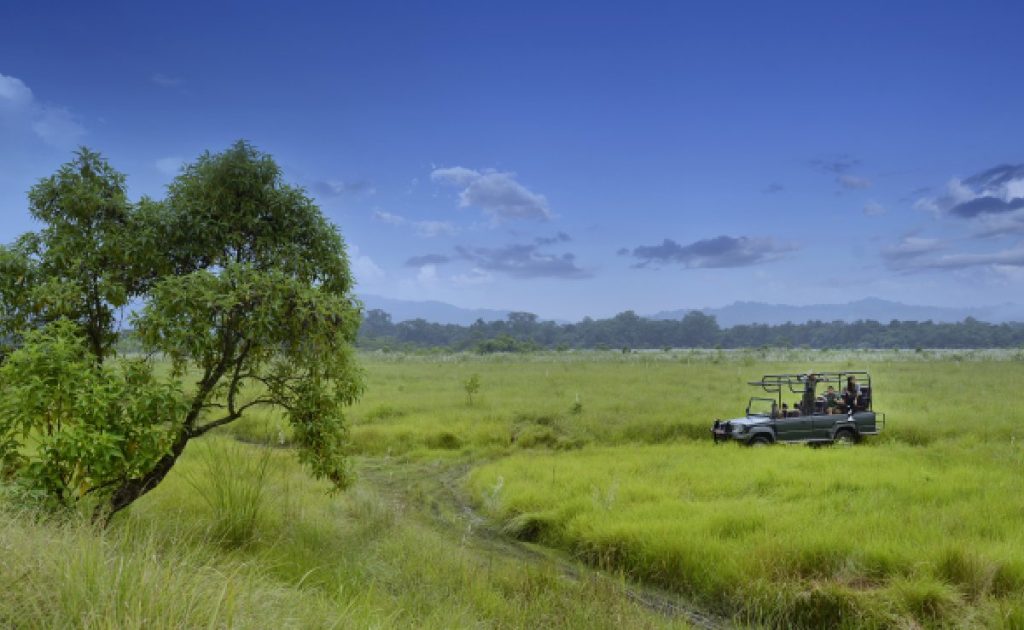
Set off on thrilling jungle safaris where you can spot rhinos, elephants, and even tigers. These well-organized tours are ideal for solo travelers, as they allow you to join small groups while staying independent. In turn, it’s a wonderful way to connect with both nature and fellow explorers.

Pokhara

The city by the lake offers calm and adventure in perfect balance. Enjoy paragliding, boating, or simply watching sunsets over Machhapuchhre. The lakeside cafés create the perfect setting to meet new friends or enjoy quiet moments alone. Because of its laid-back vibe, Pokhara remains a favorite among solo travelers.

Lumbini

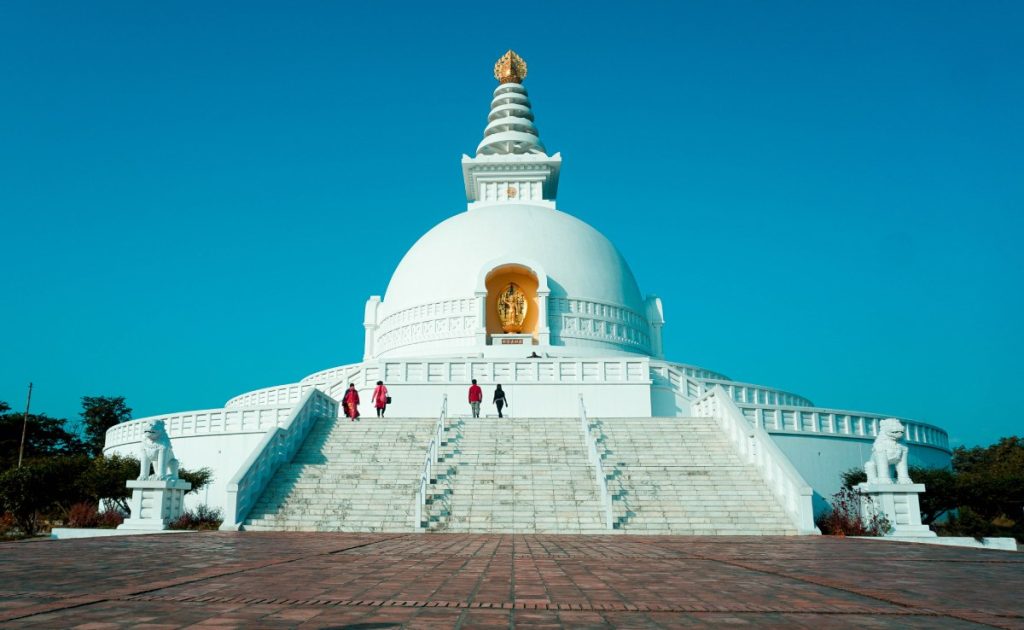
Lumbini Peace Stupa

The birthplace of Buddha invites you into an atmosphere of peace and reflection. This quiet town is ideal for solo visitors seeking spiritual depth and historical insight. Consequently, Lumbini offers a calm escape from Nepal’s busier regions.

Ghorepani–Poon Hill Trek

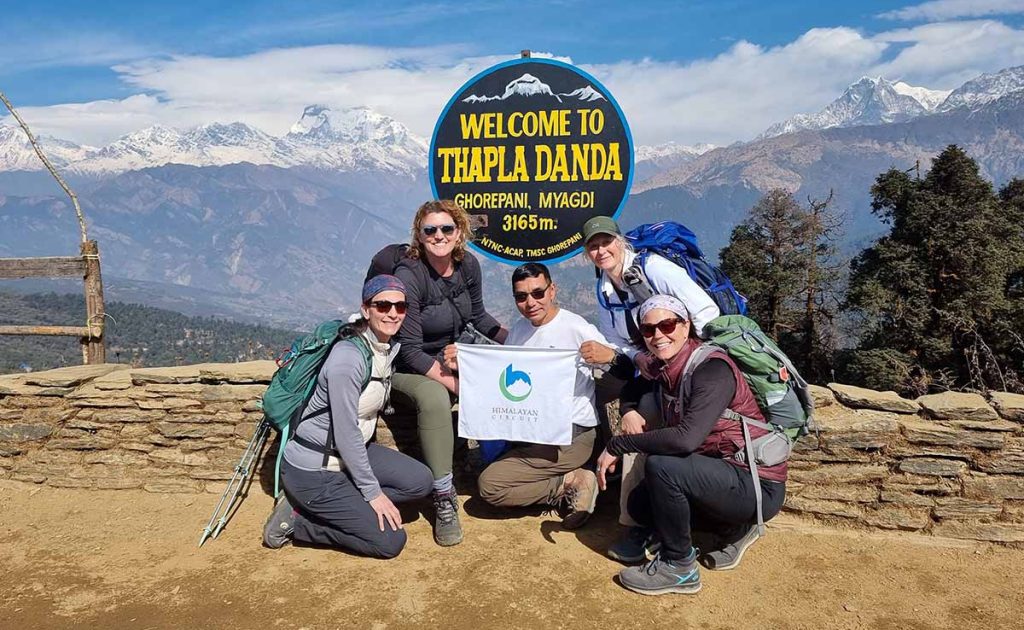
4 Clients with 1 Guide in Thapla Danda

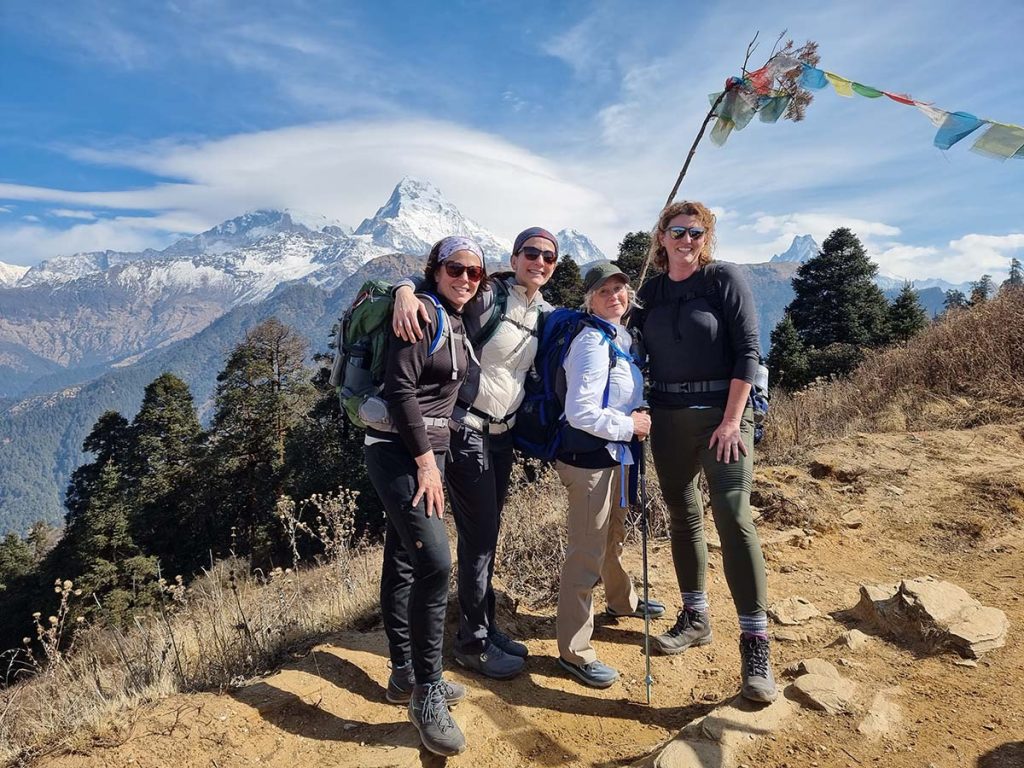
Short, scenic, and sociable—this trek is ideal for independent hikers. Trails are well-marked, and guesthouses are easy to find, ensuring a safe and comfortable experience. Therefore, many solo trekkers choose Poon Hill as their first Himalayan adventure.

Embrace the Nepali Culture

Cultural Etiquette

A simple “Namaste” (palms together) goes a long way in showing respect. Remove shoes before entering temples or homes, avoid pointing feet toward people or sacred objects, and don’t touch anyone’s head. Bargaining in local markets is normal—just smile and stay polite. These small gestures help you connect more deeply with Nepali people.

Food for Solo Travelers

Eating alone in Nepal is easy and enjoyable. Restaurants offer diverse menus, and many street food stalls (choose clean ones) serve delicious, freshly made snacks. Be sure to try dal bhat, momo, and a cup of Masala Chiya (Milk tea with various spices) ! In many cases, sharing a meal leads to friendly conversations with locals or other travelers.

Meeting Fellow Travelers

Hostels, trekking lodges, and cafés are natural meeting spots. Participating in yoga retreats, workshops, or group hikes also helps build friendships on the road. As a result, solo travel in Nepal rarely feels lonely—many travelers leave with new lifelong friends.

Your Solo Journey, Perfected by Himalayan Circuit

Traveling solo doesn’t mean traveling alone. At Himalayan Circuit, we design private, personalized adventures tailored to solo explorers. Our goal is to make every step of your journey safe, smooth, and unforgettable.

  • Tailored itineraries: Crafted to match your interests, pace, and comfort.
  • Trusted local guides: Friendly, knowledgeable, and supportive.
  • Safe stays & transport: Carefully selected for quality and security—including female-friendly guesthouses.
  • Authentic experiences: Meaningful interactions with locals and Nepali culture.
  • 24/7 support: Our team is always available to assist you throughout your trip.

Time to Answer the Himalayas’ Call

If you’ve been dreaming of traveling solo in Nepal, now is the perfect time. Book your flight, arrive in Kathmandu, and let your story unfold. The country has a special way of calling travelers back—again and again—with its mountains, culture, and kindness.

We thank Much Better Adventures, TripAdvisor, and global travel experts for recognizing Nepal as one of the world’s best solo destinations.

Begin Your Solo Adventure with Himalayan Circuit

Are you ready to explore Nepal on your own terms?
Contact us to start planning your Himalayan journey today.
>Travel smart. Travel safe. Travel solo—with us.

Namaste & Welcome!

Festivals & Culture: Dashain Festival in Nepal – Celebration of Tradition

As autumn paints Nepal in warm colors, the air becomes crisp, and the country fills with excitement. Meanwhile, streets sparkle with lights, Lingey Ping (bamboo swings) sway in village courtyards, and delicious aromas float through the air. The Dashain Festival in Nepal is the most beloved celebration of the year, bringing joy, family reunions, cultural pride, and spiritual renewal.

In 2025, Dashain begins on September 22 with Ghatasthapana and ends on October 6 with Kojagrat Purnima. Therefore, for travelers, Dashain offers a rare chance to witness Nepal’s soul come alive.

What is Dashain?

Dashain, also called Vijaya Dashami, lasts 15 days. It celebrates the victory of good over evil, honoring Goddess Durga’s triumph over the demon Mahishasura. This victory, therefore, represents righteousness and divine protection.

Although rooted in Hindu tradition, Dashain is celebrated by almost every Nepali, no matter their caste or religion. As a result, it is Nepal’s longest and most important festival, marked by deep devotion, colorful rituals, and joyful gatherings. During Dashain, schools, offices, and shops close, and people travel across the country and from abroad to be with their families.

Dashain’s Celebration Calendar


Dashain follows the Hindu lunar calendar, beginning on the bright fortnight of the month of Ashwin. Each day holds a special meaning:

  • Day 1 – Ghatasthapana (September 22, 2025)
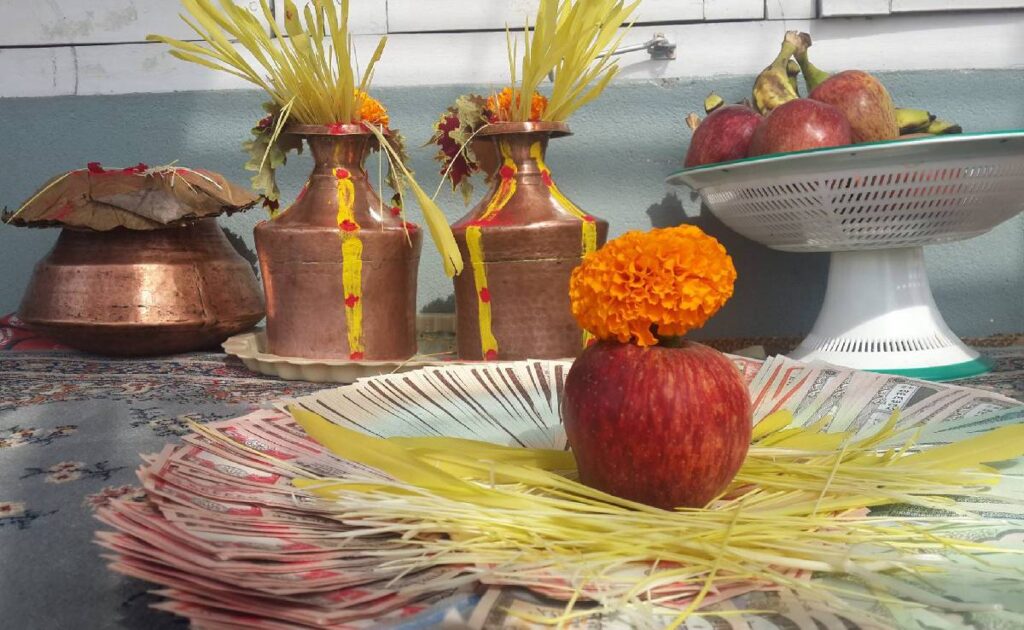
    The festival begins with placing a Kalash (sacred pot) filled with holy water, sown with barley seeds (Jamara) — symbols of blessings and prosperity. Families light oil lamps, prepare sacred spaces (Dashain Ghar), and pray to Goddess Durga.

  • Day 7 – Phulpati (September 29, 2025)
    On Phulpati, sacred flowers, banana stalks, sugarcane, and Jamara travel from Gorkha to Hanuman Dhoka in Kathmandu in a grand procession. This day also marks the start of mass journeys as people return home.

  • Days 8–9 – Maha Ashtami & Maha Navami
    These days honor Goddess Kali, a fierce form of Durga. During this time, rituals include animal sacrifices at temples and Ayudha Puja, where tools, vehicles, and weapons are blessed for protection and success.

  • Day 10 – Bijaya Dashami (October 2, 2025)
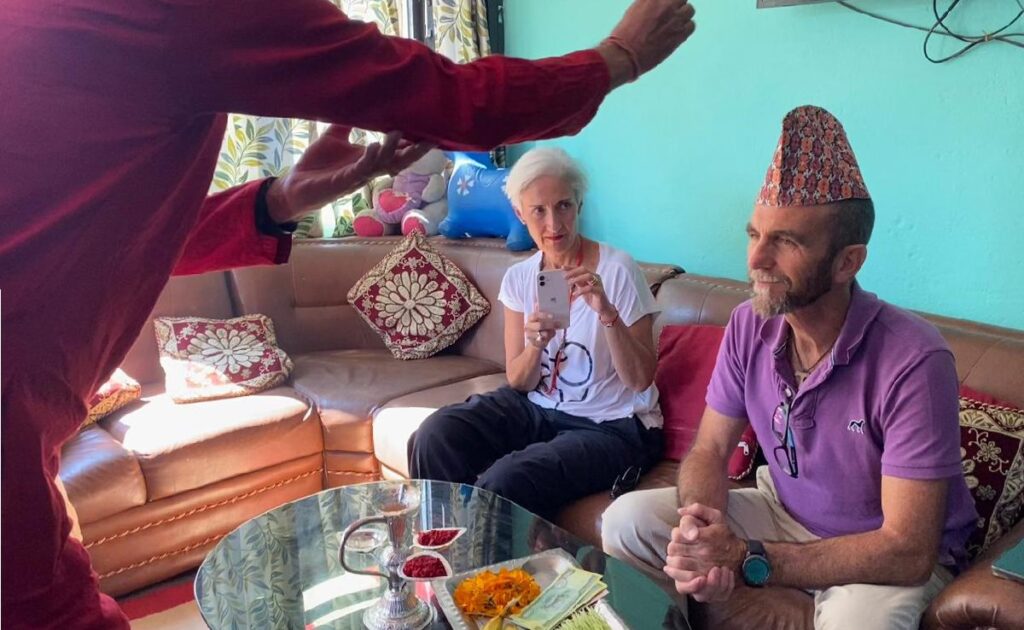
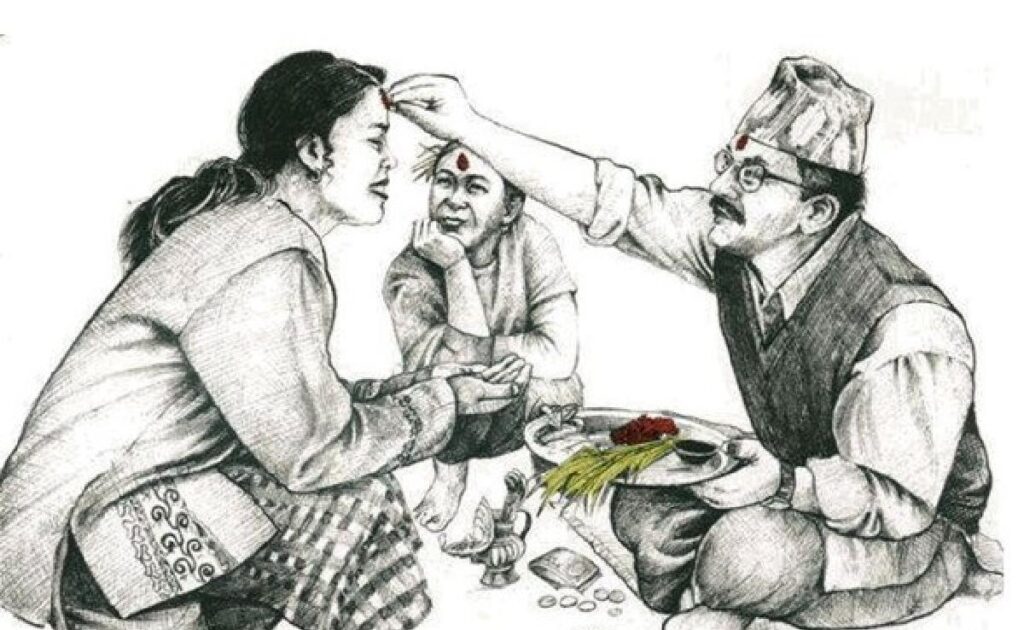
    The most important day, Bijaya Dashami, sees elders applying Tika (rice, yogurt, and vermilion) and Jamara on younger relatives’ foreheads. Thus, they offer blessings for health, wealth, and long life. This ritual continues for five days as families visit one another.

  • Day 15 – Kojagrat Purnima (October 6, 2025)
    Dashain concludes with Kojagrat Purnima, a full moon night dedicated to Goddess Lakshmi, the goddess of wealth. People stay awake all night, believing that the goddess blesses the vigilant.

Why Dashain is Special for Travelers

Dashain is not just a festival; it is a reflection of Nepal’s heart and culture.

Cultural Unity

Dashain is celebrated across Nepal — from the hills of Mustang to the Terai plains. In fact, it brings together people of all ethnicities, faiths, and regions.

Family Reunions

During Dashain, families reunite, travel home, and reconnect with traditions.

Spiritual Renewal

It is a time of prayer, reflection, and hope for the year ahead.

Perfect Trekking Season

Dashain falls in autumn — Nepal’s best trekking time. Therefore, clear skies, mild temperatures, and vibrant villages make treks like Annapurna Base Camp, Everest, and Langtang even more magical.

Experiencing Dashain: What to Expect

Travelers can expect:

  • Authentic rituals — witness centuries-old traditions and join families for Tika ceremonies.
  • Festive atmosphere — colorful kites in the sky, bamboo swings in courtyards, music, laughter, and storytelling.
  • Delicious food — enjoy Khasi ko Masu (spiced goat curry), achar (pickles), gundruk ko achar (fermented leafy greens), and Raksi (millet wine).

Tips for Travelers During Dashain

  • Book transport and accommodation early — everything fills up fast.
  • Respect customs — remove shoes at homes and temples, dress modestly, and ask before joining rituals.
  • Join celebrations — locals welcome visitors warmly.
  • Explore beyond Kathmandu — visit Bandipur, Lwang, or Astam for an authentic experience.

Dashain is More Than a Festival — It’s an Experience

Dashain is the heartbeat of Nepal. It is laughter, blessings, music, food, togetherness, and tradition. For travelers, it is a rare chance to truly feel Nepal.

Whether trekking the Himalayas, exploring ancient cities, or sharing a meal with a local family, Dashain offers memories that last a lifetime.

Therefore, pack your bags, open your heart, and come experience Dashain 2025 — Nepal’s grand celebration of culture, family, and spirit.

Nepal Travel News: Safe Journeys After the Gen Z Awakening

A Peaceful Youth Movement in Nepal

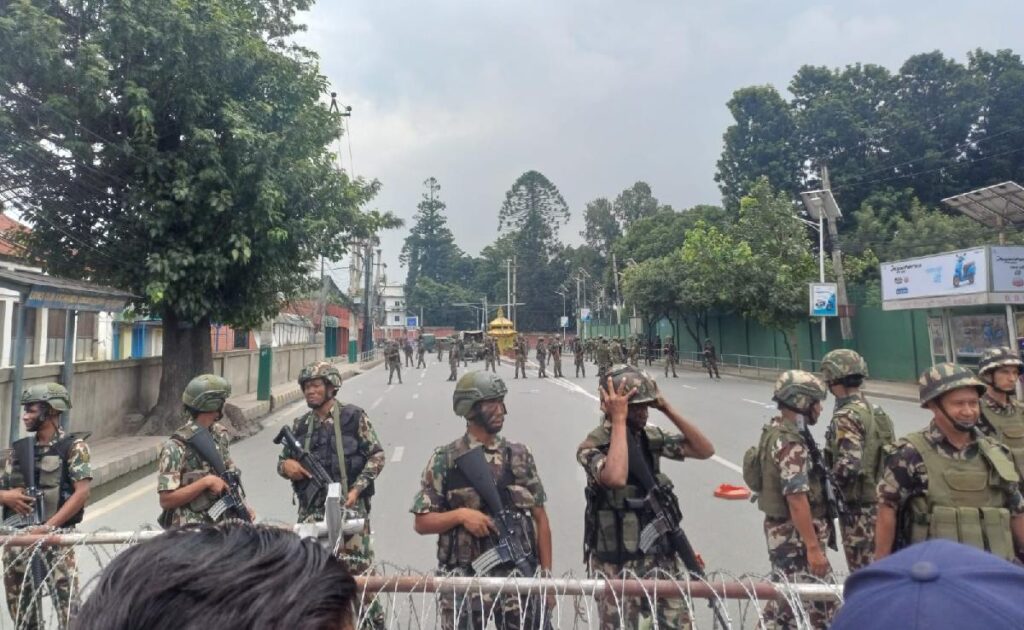
Ensuring safety for everyone: Army presence on the roads during recent demonstrations in Nepal

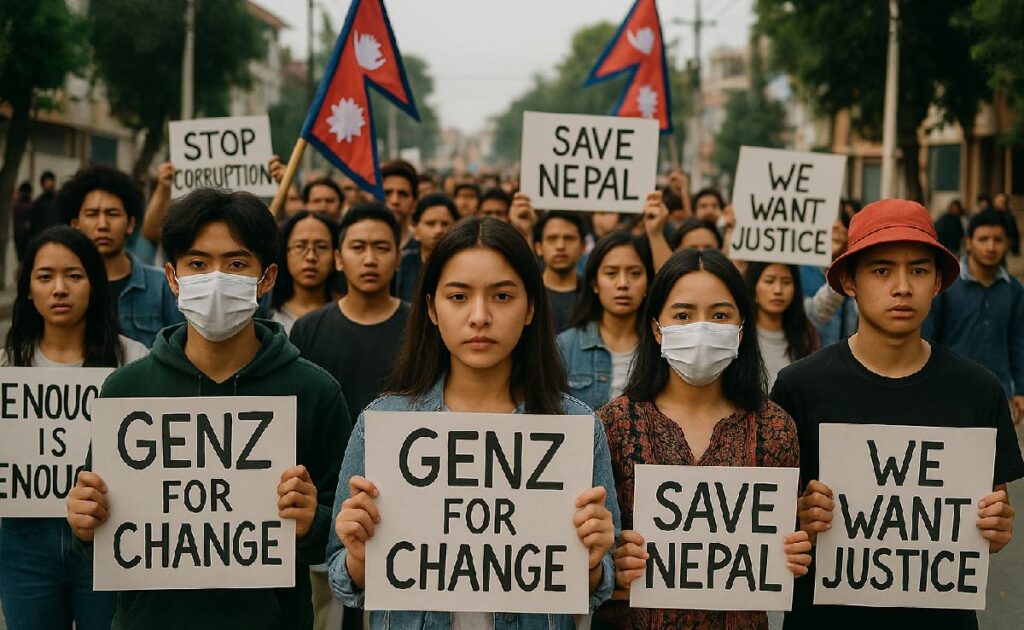
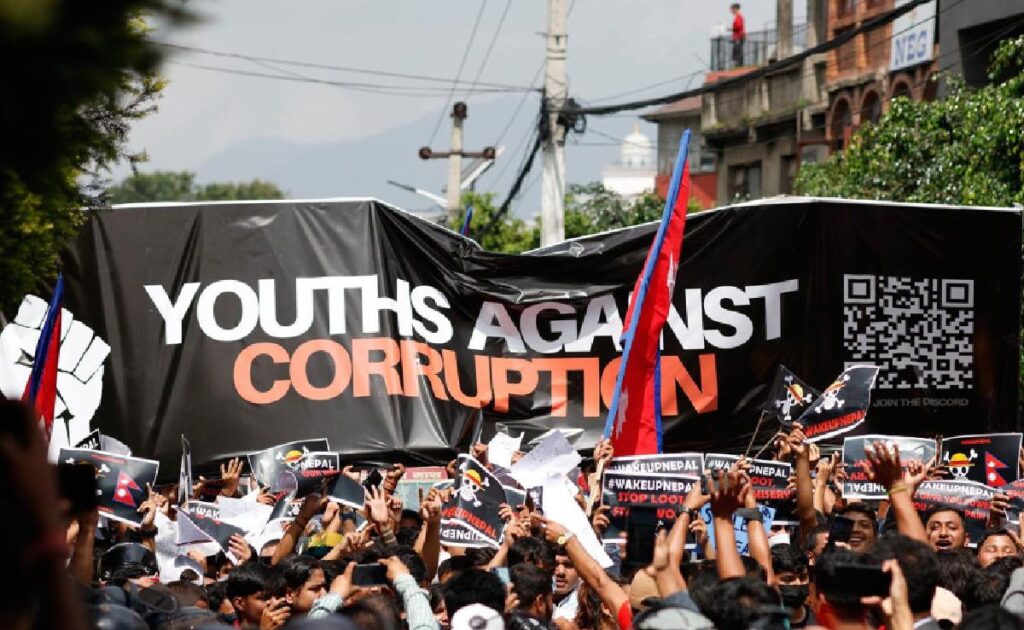
In early September 2025, Nepal entered a historic moment. On September 8 and 9, young people across the country raised their voices in large-scale demonstrations. While global headlines created concerns, Nepal travel safety 2025 remained strong, with peaceful protests that showed the unity and determination of Gen Z. This movement highlighted the energy, awareness, and growing democratic voice of Nepal’s youth.

What made these demonstrations different was their digital strength. They were organized through TikTok, Discord, Instagram, and Facebook. In this way, young Nepalis mobilized with clear purpose and discipline. At the same time, the phrase Nepo Babies became popular, showing a rejection of hereditary politics and unearned privilege.

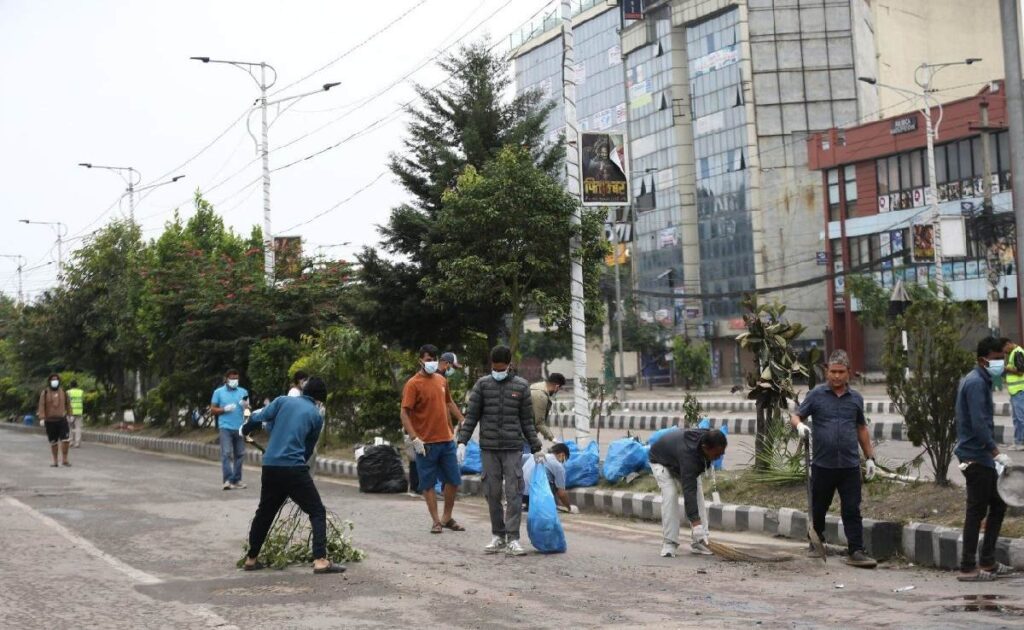
In many areas, the demonstrations stayed peaceful and respectful. Protesters made efforts to protect public spaces and, in several cases, even helped tourists continue their travel plans safely.

Nepal Travel Safety 2025: What Travelers Should Know About Recent Events

Nepali youth taking a stand for transparency and accountability.

Some demonstrations included unrest, but tourists were not affected, and local guides and communities ensured that travel continued smoothly throughout the country.

This was not an anti-tourism movement, it was against corruption. Therefore, protesters avoided disturbing tourism services. In fact, many of them helped tourists pass safely through protest areas.

For example, one travel vlogger, @wehatethecold, posted videos showing locals guiding tourist vehicles. His story proved that Nepal’s cultural value Atithi Devo Bhava (Guests are Gods) is alive even during unrest.

While a few luxury hotels linked to politicians were targeted, no harm was done to airports, trekking trails, heritage sites, or transport hubs. In short, Nepal’s travel infrastructure remained intact.

Travel Impact: Minimal and Managed

During the two-day protest, there were short-term disruptions. For instance, some flights were delayed, and a few shops closed. However, no tourists were harmed. In addition, local guides and homestays continued to support visitors.

The Nepal Tourism Board also released a public message. They confirmed that Nepal was safe, and that the Gen Z movement showed democratic maturity, not instability.

Swift Return to Normal

Youth in action: Gen Z volunteers cleaning streets after the demonstrations.

Within 48 hours, daily life in Nepal returned to normal. Roads reopened, flights resumed, and all tourism services restarted. Consequently, travelers are once again enjoying one of Nepal’s best seasons: autumn.

At the same time, local businesses responded quickly. Tour operators and homestays began offering flexible bookings and discounts. Their goal was to encourage visitors and rebuild confidence.

The Positive Role of Gen Z

The youth movement gave new energy to Nepal’s democracy. As a result, young voices are now part of national discussions. There is also more focus on ethical governance, digital transparency, and fair development.

For travelers, this shift means a stronger tourism system built on fairness, sustainability, and cultural respect. Moreover, you can expect more eco-friendly treks, community tours, and easy-to-use digital tools.

In addition, Gen Z is inspiring new businesses. Young Nepalis are building apps, travel platforms, and ethical tour companies. These efforts connect visitors directly with local communities.

Why Nepal Is Safe to Visit Now

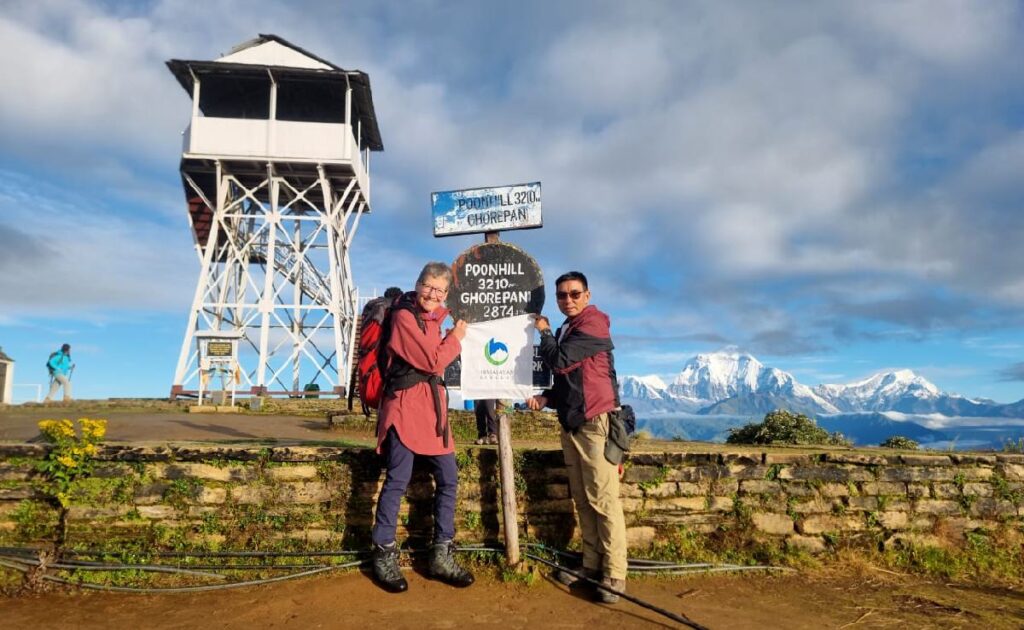
Trekking safely amid recent events: Our guest enjoys the breathtaking views from Poon Hill while travel operations in Nepal continue smoothly.

Here are the main reasons to plan your trip with confidence:

  • Peaceful environment in both cities and villages
  • Fully operational airports, hotels, and trekking routes
  • Helpful local guides and communities
  • Clear safety assurances from the tourism board
  • No travel restrictions or advisories
  • Real-time support through digital tools

Therefore, whether you want trekking, culture, or spiritual renewal, Nepal is ready for you.

Nepal Is Stronger Than Ever

The Gen Z awakening has not weakened Nepal, it has strengthened it. On the contrary, the country is calm, united, and determined to give visitors a safe and memorable experience.

From the Himalayas to the valleys, the atmosphere is positive. As a result, travelers will find resilience, hospitality, and renewal.

Travel With Confidence

Nepal safe to travel

Nepal is open and safe. Finally, book your trip today and experience a country where youth-led change meets timeless hospitality.

At Himalayan Circuit, we are back in the office, our trips are running, and our guides are ready to welcome you. Come explore Nepal, where resilience and hospitality never fade.

Nepal Travel News: Best Time to Visit with a Month-Wise Plan

Flute

Wondering about the best time to visit Nepal?

Here’s the truth — every month is the best time to visit in Nepal because it offers something completely different. One moment you’re trekking through snowy Himalayan trails, and the next, you’re dancing in a colorful festival, sipping tea in a peaceful hill town, or spotting rhinos deep in the jungle.

At Himalayan Circuit, we believe that one trip is never enough to truly experience Nepal. That’s why we’ve put together a month-by-month travel guide — showing you the best places to visit, the top festivals to enjoy, and the unique experiences waiting for you throughout the year.

Month Destination/Activity Why Visit? Key Festival(s) Image
January Kathmandu Valley Heritage Tour Crisp air, great visibility, fewer crowds. Swasthani Puja, Maghe Sankranti
February Chitwan National Park Safari Best wildlife viewing during dry season. Maha Shivaratri kathmandu-and-chitwan-10-day-tour
March Annapurna Foothills Trek Colorful hills, clear skies. Holi – Festival of Colors Himalayan peaks in Nepal – Nepal best travel destination
April Bhaktapur & Nagarkot Sunrise New Year celebrations + spring vibes. Bisket Jatra Himalayan peaks in Nepal – Nepal best travel destination
May Bandipur & Gorkha Heritage Tour Cooler hill escape, cultural depth. Buddha Jayanti  Bandpur
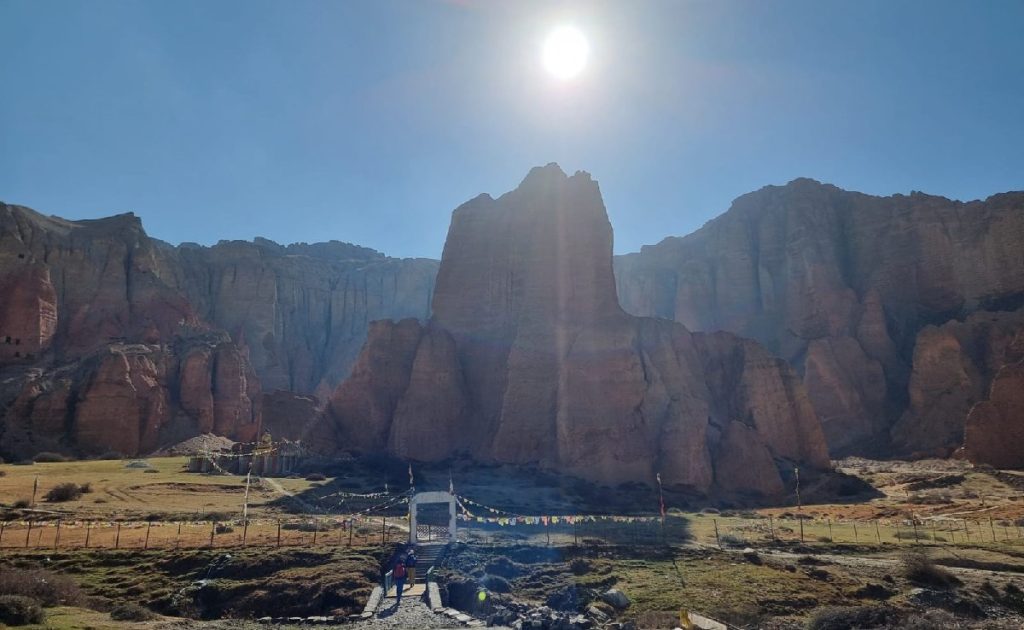
June Upper Mustang Trek Rain-shadow region, unique landscapes. Tiji Festival Upper Mustang
July Pokhara Lakeside & Sarangkot Fewer tourists, vibrant nature. Ropain Jatra Ropai Jatra
August Helambu Trek Lush landscapes, fewer crowds. Gai Jatra Chispani
September Langtang Valley Trek Rejuvenated trails, clear skies. Indra Jatra
October Everest Base Camp Trek Peak trekking conditions. Dashain Everest Base Camp Trek
November Lumbini & Bardia National Park Ideal wildlife and spiritual tourism mix. Tihar Tiger in Bardia National Park
December Ilam Tea Gardens & Eastern Hills Winter serenity without the chill. Mani Rimdu Ilam Chiya Bagaan

A Country That Changes With the Seasons

Nepal is more than just Everest and temples — it’s a 12-month journey waiting to unfold. From east to west, each region offers its own magic, shaped by the rhythm of nature and Nepal’s deep-rooted culture. For example, you might be trekking among blooming rhododendrons in March, chasing tigers in the jungles of Bardia in November, or sipping fresh tea in the hills of Ilam in December. No matter when you visit, there’s always something exceptional happening here.

Travel Better with a Local Partner

As a result, planning the right trip at the right time can make your experience even more meaningful. That’s where we come in. As a local tour operator, Himalayan Circuit is your trusted companion in discovering Nepal authentically. Whether you’re coming in spring or winter, we’ll help you plan a journey that aligns with the best each month has to offer. Because here in Nepal — every month is a good month to visit.

Nepal Travel News: A Decade as the Best Travel Destination

Annapurna Family Trek

Why Nepal?

Nepal is widely recognized as the best travel destination in South Asia—and for good reason—it’s a place that awakens your senses, calms your soul, and fills you with adventure. From snow-covered peaks to jungle safaris, from spiritual calm to buzzing city streets, Nepal offers something truly special: diversity, depth, and discovery.

A Decade of Global Recognition

Over the past ten years,These consistent global rankings highlight why Nepal is considered the best travel destination by major outlets year after year. For example, it was named Best Value Destination by Lonely Planet in 2017, and Kathmandu was ranked #2 worldwide for solo travel by TripAdvisor in 2025.

Moreover, respected travel platforms like Forbes, National Geographic Traveller, Wanderlust, CNN Travel, and Time Magazine have spotlighted Nepal for its thrilling adventures, deep cultural roots, conservation work, and inspiring recovery after natural disasters.

Even during the quiet pandemic years (2020–2021), Nepal remained in the hearts of many future travelers. Despite limited movement, the country continued building a story of hope, resilience, and sustainability.

Global Recognition Through the Years (2015–2025)

Year Global Recognition Highlights
2015 Forbes: “10 Coolest Places to Visit” • Lonely Planet: Best Places to Travel in October • TripAdvisor: Kathmandu in Top 20 Destinations
2016 NatGeo Traveller: Cool List #6 • Rough Guides: #1 Destination • Forbes & Fodor’s: Top Global Destination
2017 Lonely Planet: Best Value Destination • Ranked #5 in “Best in Travel 2017”
2018 Much Better Adventures: Featured trekking routes (EBC, Annapurna, Langtang, Western Nepal)
2019 Forbes: Bucket List Destination • Lonely Planet: Kathmandu Top 10 Cities (#5) • Wanderlust: Conservation success • CNN: Ghandruk among “Most Picturesque Towns in Asia”
2020–21 (Pandemic) — Limited travel features, but Nepal stayed in the spotlight as a top future adventure spot
2022 Lonely Planet: Top 8 Countries to Visit
2023 TravellersQuest: Top Packages • Time 100 Next: Kathmandu Mayor Featured
2024 Time Magazine: Bardiya (Burhan Camps) in “100 Greatest Places” • Wanderlust: Wildlife & Culture Focus • Adventure.Travel: Top 5 Nepal Sites (Rara, Illam, Gosaikunda, Bandipur, Tansen) • Travelstride: Partnered Global Tour Operators
2025 Lonely Planet: Top Destination & Terai Region Featured • Much Better Adventures: #7 in Solo Adventure Travel • TripAdvisor: Kathmandu #2 Solo Destination, #21 Overall, #7 Cultural City

Best Places to See in Nepal

Nepal is full of breathtaking landscapes and soulful experiences. Whether you’re into mountains, history, or peace and quiet, here are some of the most loved places:

  • Everest Base Camp & Annapurna Circuit – Iconic treks with world-class views
  • Langtang Valley, Manaslu, and Mustang – Peaceful, scenic, and culturally rich
  • Kathmandu Valley – Ancient cities, Durbar Squares, Boudhanath, and Swayambhu
  • Chitwan & Bardiya National Parks – Wildlife havens with tigers, rhinos, and elephants
  • Lumbini – The sacred birthplace of the Buddha
  • Pokhara – A lakeside town with Himalayan reflections and relaxing vibes
  • Rara Lake, Gosaikunda, Tansen, Bandipur, Illam – Hidden gems with serene beauty

A Personal Invitation to All Travelers

Dear Travelers,
Nepal welcomes you with open arms, majestic mountains, golden temples, lush jungles, and kind-hearted people. Whether you’re seeking high-altitude adventure, timeless heritage, or quiet reflection, this land has something for your soul.

To make your journey even more special, let Himalayan Circuit be your travel companion in Nepal. We offer more than just tours—we create meaningful, safe, and unforgettable experiences, fully personalized for your needs.

Come. Explore. Experience Nepal.

Your journey begins with Himalayan Circuit.
Namaste & Welcome!

Nepal Diary: Bhutan, Tibet & Nepal – A Cultural Explorer

Multi country tour - Nepal, Bhutan and Tibet

Multi country trips with Nepal are a remarkable way to explore the Himalayas. Combining Nepal with nearby countries like Bhutan and Tibet makes the journey even more enriching.

With smooth travel connections and close borders, visiting these destinations from Nepal is both convenient and secure. Tibet lies to the north of Nepal, while Bhutan is a short distance east of India. Together, these countries offer stunning mountain landscapes, ancient monasteries, rich cultural traditions, and heritage that feels untouched by the modern world.

Nepal’s central location in South Asia makes it the ideal starting point for exploring the region.

Best Multi-Country Trips from Nepal

Nepal, Bhutan, and Tibet Tour

This journey takes you through three of the most inspiring destinations in Asia within a single itinerary.

Begin in Nepal, where you can explore the heritage sites of Kathmandu, witness sunrise views from Sarangkot in Pokhara, and enjoy a wildlife safari in Chitwan. Then fly to Bhutan, where peaceful monasteries, dramatic valleys, and the famous Tiger’s Nest hike await. After Bhutan, continue to Tibet, where you’ll visit UNESCO World Heritage sites in Lhasa, admire the beauty of Yamdrok Lake, and experience deep spiritual traditions.

This tour blends natural beauty, cultural depth, and spiritual experiences into one seamless journey.

Nepal and Bhutan Tour

Nepal and Bhutan Tour

This tour brings together ancient temples, quiet monasteries, and dramatic Himalayan scenery.

In Bhutan, visit fortress monasteries like Punakha Dzong, explore the iconic Tiger’s Nest near Paro, and enjoy the calm atmosphere of Thimphu. Bhutan’s peaceful spirit offers a deep sense of serenity.

Before reaching Bhutan, Nepal welcomes you with vibrant energy. You’ll visit sacred sites, take in views of snowcapped peaks, and even trek in the mountains. Together, Nepal and Bhutan create a unique experience filled with culture and timeless beauty.

Nepal and Tibet Tour

Nepal Tibet Tour

This tour combines the cultural richness of Nepal with the spiritual depth of Tibet.

In Nepal, explore the ancient cities of Kathmandu, Bhaktapur, and Patan. Their architecture and traditions offer a true taste of Nepali heritage. After that, travel overland or by flight to Tibet, often called the “roof of the world.” Visit Lhasa’s iconic sites like Potala Palace and Jokhang Temple, and explore Barkhor Street’s bustling market life.

Beyond Lhasa, discover Yamdrok Lake, the historic town of Gyantse, and Rongbuk Monastery near Everest Base Camp. This tour offers a deep connection to both land and spirit.

Nepal and India Buddhist Circuit Tour

Lumbini

This trip is designed for those seeking to follow the path of the Buddha across Nepal and India.

Start in Nepal with spiritual sites like Boudhanath and Swayambhunath in Kathmandu. Then visit Lumbini, the birthplace of Lord Buddha, where you can explore ancient ruins and international monasteries.

Cross into India to continue the journey through major Buddhist pilgrimage sites. In Bodhgaya, visit the Bodhi Tree where Buddha attained enlightenment. Explore other important sites like Sarnath, Rajgir, and Kushinagar, each rich with historical and spiritual significance.

Simikot Kailash Tour

Nepal- Kailash tour

The Simikot to Kailash tour is a unique blend of adventure, culture, and spiritual discovery.

Begin in the remote northwest of Nepal, trekking through villages and forests before reaching the Tibetan plateau. The highlight of the tour is the sacred Mount Kailash Kora, a pilgrimage route respected by Hindus, Buddhists, Jains, and Bon followers.

Along the way, you’ll see prayer flags fluttering in the wind, peaceful monasteries, and the sacred Lake Manasarovar. This journey offers deep spiritual meaning and connection with nature.

Travel Logistics and Tips

  • Nepal offers a visa on arrival, but permits for Bhutan and Tibet must be arranged in advance through registered tour operators.

  • The best travel seasons are March to May and September to November, when the weather is stable and views are clear.

  • Direct flights from Kathmandu are available to Paro (Bhutan), Lhasa (Tibet), and major cities in India.

  • In remote areas, ATMs may not be available, so it’s best to carry enough local currency.

  • Pack warm clothes, comfortable walking or trekking shoes, and any essential gear.

  • Make sure your travel insurance includes high-altitude coverage and emergency evacuation.

  • Hiring experienced local guides can enhance your experience, especially with permits, language, and cultural understanding.

  • Respect local customs and dress modestly, especially at religious sites and monasteries.

Multi-country trips from Nepal are made easy by the region’s close geography and well-established travel routes. From the peaceful highlands of Tibet to the serene monasteries of Bhutan and the sacred sites of northern India, these journeys blend naturally.

Each destination brings its own unique character, but together they create a smooth and deeply rewarding travel experience. With thoughtful planning and the right support, you can explore this region in a way that is immersive, meaningful, and unforgettable.

Pack your bags and get ready for an inspiring multi-country journey from Nepal with Himalayan Circuit—an experience you’ll cherish for a lifetime.

Nepal Diary: Road Trip Highlights from Kathmandu to Chitwan

Travel is more than just moving from one place to another — it’s about embracing new destinations, cultures, and experiences. So why rush when every mile offers something worth exploring? The 175 km Kathmandu to Chitwan road trip via the Prithvi Highway captures this perfectly. It offers a journey that is as rewarding as the destination itself.

This route connects the vibrant urban life of Kathmandu with the serene natural beauty of Chitwan. Along the way, it weaves through cultural landmarks, religious sites, and scenic landscapes. Therefore, the journey becomes a memorable part of any Nepal adventure.
Here are some of the best spots and activities along the Kathmandu to Chitwan road trip:

Chandragiri Hills

Start your journey with a peaceful walk at Chandragiri Hills. The panoramic views of the Himalayas are spectacular from here. In addition, visit the Bhaleshwar Mahadev Temple, which adds a spiritual touch to the surroundings. For adventure seekers, a cable car ride over the lush forests offers sweeping views of Kathmandu Valley. You can also opt for a short hike to enjoy the natural beauty.

CHandragiri hills

Manakamana Temple

The Manakamana Temple is a perfect cultural and spiritual stopover along the Prithvi Highway. Dedicated to the goddess Bhagawati, this hilltop temple is popular among devotees. A scenic cable car ride from Kurintar takes you to the temple. From here, you can enjoy panoramic views of the Trishuli River and surrounding hills.

Trishuli River Rafting

For a burst of adventure, consider rafting on the Trishuli River. Half-day and full-day rafting trips are available along the highway. Travelers can float past terraced fields, rolling hills, and scattered villages. This activity, therefore, adds the right amount of thrill and scenic charm to your trip.

Rafting in Seti River

Malekhu

Take a break in Malekhu, a riverside town known for its local fish delicacies. You can enjoy freshly caught fish from the Trishuli River, prepared with local spices. In addition, small shops here offer snacks, fruits, and handmade goods reflecting local culture.

Jalbire Waterfall

Located near Mugling, Jalbire Waterfall (also known as Lamo Jharna) is a beautiful 60-meter cascade surrounded by lush greenery. After a long drive, this spot offers a refreshing break. You can dip in the cool waters, listen to birdsong, and immerse yourself in nature.

Devghat

Just before reaching Chitwan, consider a side trip to Devghat. It is a revered pilgrimage site where the Trishuli and Kali Gandaki rivers meet. Known for its mythological and spiritual significance, Devghat is home to ashrams, Sanskrit schools, and temples. In fact, it’s especially popular during Makar Sankranti. This site offers a glimpse into Nepal’s deep-rooted Vedic traditions.

The Kathmandu to Chitwan road trip, with its cultural stops and scenic diversions, is one of the best ways to experience Nepal’s diverse landscapes and heritage. From the calm of Chandragiri Hills at the start to the wildlife safaris of Chitwan at the end, this route lets you slow down and truly connect with Nepal — its people, nature, and spirit.

Take the Kathmandu to Chitwan road trip offered by Himalayan Circuit and discover Nepal the way it’s meant to be seen — one unforgettable stop at a time.

Slide Background
Nature & Landscape
Get ready for a challenging but beautiful high-altitude trek

Nepal is known for her three distinct ecological zones namely Terai Hills and Himalayas You can experience the plain landscapes and the dense jungles with the wild animals Hills have the terraces for ..

previous arrowprevious arrow
next arrownext arrow

Nepal Diary: 10-Day Mountains, Culture & Wildlife

10 Day Nepal Itinerary

Nepal is a country of incredible natural beauty, rich history, and diverse culture. From the bustling streets of Kathmandu to the serene landscapes of Bandipur, this 10-day Nepal itinerary is perfect for those seeking a mix of cultural exploration, wildlife adventures, and stunning mountain views.

This 10-day Nepal itinerary includes: Kathmandu, Chitwan, Bandipur, Nagarkot, and Bhaktapur

Day 1-2: Kathmandu – Explore the Cultural Heart of Nepal

Start your journey in Kathmandu, the vibrant capital of Nepal. Known for its ancient temples and historical sites, Kathmandu offers a unique blend of culture and spirituality.

  • Pashupatinath Temple: A UNESCO World Heritage Site, this sacred Hindu temple is one of the most important pilgrimage sites in Nepal. Don’t miss the evening aarti (ritual) by the Bagmati River.
  • Swayambhunath (Monkey Temple): Offering panoramic views of Kathmandu Valley, this ancient stupa is a must-visit. It’s a great spot to see the city and interact with playful monkeys.
  • Boudhanath Stupa: Another UNESCO-listed site, Boudhanath is one of the largest stupas in Nepal. Here, you can witness Tibetan Buddhist rituals and enjoy a peaceful atmosphere.

Tip: Explore the bustling streets of Thamel for souvenirs, local food, and a taste of Kathmandu’s nightlife.

Day 3-5: Chitwan National Park – Wildlife Safari Adventure

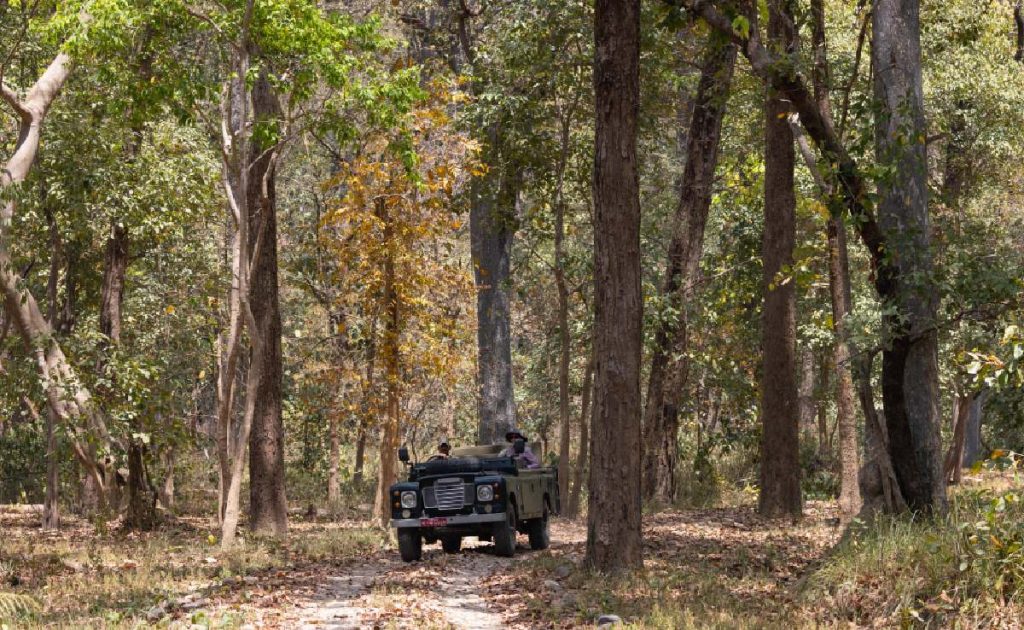
Next, travel to Chitwan National Park (5-6 hours by car), one of the best places in Nepal for wildlife experiences. The park is home to rare animals like the one-horned rhinoceros, Bengal tigers, and exotic birds.

  • Jeep Safari: Go on a thrilling jeep safari through the jungle, where you might spot rhinos, tigers, and elephants.
  • Canoe Ride: Paddle along the Rapti River and spot crocodiles, birds, and lush greenery.
  • Tharu Village Visit: Explore a local Tharu village to learn about the culture and lifestyle of this indigenous group.

Tip: Stay in a jungle lodge for an authentic experience, and enjoy local Tharu dances in the evening.

Day 6-7: Bandipur – Peaceful Hilltop Retreat

From Chitwan, take a scenic drive to Bandipur, a charming hilltop village known for its traditional Newar culture and stunning mountain views. It’s a great place to relax and enjoy the beauty of the Himalayas.

  • Village Walks: Wander through the cobblestone streets and enjoy the traditional architecture of Bandipur. Visit local temples and enjoy the peaceful surroundings.
  • Hiking: Take a short hike to Tundikhel for panoramic views of the Annapurna and Manaslu ranges.
  • Relax: Enjoy a cup of local tea while admiring the beautiful landscape.

Tip: If you’re into caves, make sure to visit Siddha Cave, one of the largest caves in Nepal.

Day 8: Nagarkot – Stunning Himalayan Sunrise

After Bandipur, head to Nagarkot (4-5 hours by car), famous for its sunrise and sunset views of the Himalayas.

  • Sunrise Viewpoint: Wake up early for a spectacular sunrise view of Mount Everest and the surrounding peaks.
  • Hiking and Relaxation: Enjoy a nature walk or simply relax and take in the breathtaking mountain scenery.

Tip: Stay in a mountain resort for the best views of the Himalayas.

Day 9: Bhaktapur or Panauti & Namo Buddha – Cultural Exploration

On Day 9, you have two options for cultural exploration:

  • Option 1: Bhaktapur
    Visit Bhaktapur Durbar Square, a UNESCO World Heritage Site known for its stunning palaces, temples, and traditional Newar architecture. Don’t forget to try juju dhau (king curd), a local delicacy.
  • Option 2: Panauti & Namo Buddha
    Panauti is a charming town filled with ancient temples. Continue to Namo Buddha, a sacred Buddhist site offering peace and fantastic views of the mountains.

Day 10: Departure – Last Day in Kathmandu

On your final day, relax in Kathmandu before your departure.

  • Visit Durbar Square for a last look at Kathmandu’s royal history.
  • Stroll through the Garden of Dreams, a peaceful spot to unwind.

Tip: Shop for souvenirs in Thamel or relax in a café before heading to the airport.

Travel Tips for Nepal:

  • Weather: The weather varies across Nepal. Kathmandu and Chitwan are warm, while Bandipur and Nagarkot are cooler, especially in the mornings and evenings.
  • Local Currency: Nepalese Rupee (NPR). Carry cash as some rural areas may not have ATMs.
  • Health & Safety: Travel insurance is recommended. Carry basic medications for stomach issues or altitude sickness.
  • Cultural Respect: Always dress modestly, especially when visiting temples or sacred sites.

This 10-day Nepal itinerary offers a perfect blend of culture, wildlife, and natural beauty. From the ancient temples of Kathmandu to the peaceful mountains of Bandipur and Nagarkot, and the wildlife adventures in Chitwan, Nepal is a country full of unforgettable experiences.

Ready to explore Nepal? Plan your trip with this detailed itinerary and create memories that will last a lifetime!


Nepal Diary: 10-Day Journey Through Culture, Wildlife & Mountains

Nepal is a country of incredible natural beauty, rich history, and diverse culture. From the bustling streets of Kathmandu to the serene landscapes of Bandipur, this 10-day Nepal itinerary is perfect for those seeking a mix of cultural exploration, wildlife adventures, and stunning mountain views.

This 10-day Nepal itinerary includes: Kathmandu, Chitwan, Bandipur, Nagarkot, and Bhaktapur.

Day 1-2: Kathmandu – Explore the Cultural Heart of Nepal

Start your journey in Kathmandu, the vibrant capital of Nepal. Known for its ancient temples and historical sites, Kathmandu offers a unique blend of culture and spirituality.

  • Pashupatinath Temple: A UNESCO World Heritage Site, this sacred Hindu temple is one of the most important pilgrimage sites in Nepal. Don’t miss the evening aarti (ritual) by the Bagmati River.
  • Swayambhunath (Monkey Temple): Offering panoramic views of Kathmandu Valley, this ancient stupa is a must-visit. It’s a great spot to see the city and interact with playful monkeys.
  • Boudhanath Stupa: Another UNESCO-listed site, Boudhanath is one of the largest stupas in Nepal. Here, you can witness Tibetan Buddhist rituals and enjoy a peaceful atmosphere.

Tip: Explore the bustling streets of Thamel for souvenirs, local food, and a taste of Kathmandu’s nightlife.

Day 3-5: Chitwan National Park – Wildlife Safari Adventure

Next, travel to Chitwan National Park (5-6 hours by car), one of the best places in Nepal for wildlife experiences. The park is home to rare animals like the one-horned rhinoceros, Bengal tigers, and exotic birds.

  • Jeep Safari: Go on a thrilling jeep safari through the jungle, where you might spot rhinos, tigers, and elephants.
  • Canoe Ride: Paddle along the Rapti River and spot crocodiles, birds, and lush greenery.
  • Tharu Village Visit: Explore a local Tharu village to learn about the culture and lifestyle of this indigenous group.

Tip: Stay in a jungle lodge for an authentic experience, and enjoy local Tharu dances in the evening.

Day 6-7: Bandipur – Peaceful Hilltop Retreat

From Chitwan, take a scenic drive to Bandipur, a charming hilltop village known for its traditional Newar culture and stunning mountain views. It’s a great place to relax and enjoy the beauty of the Himalayas.

  • Village Walks: Wander through the cobblestone streets and enjoy the traditional architecture of Bandipur. Visit local temples and enjoy the peaceful surroundings.
  • Hiking: Take a short hike to Tundikhel for panoramic views of the Annapurna and Manaslu ranges.
  • Relax: Enjoy a cup of local tea while admiring the beautiful landscape.

Tip: If you’re into caves, make sure to visit Siddha Cave, one of the largest caves in Nepal.

Day 8: Nagarkot – Stunning Himalayan Sunrise

After Bandipur, head to Nagarkot (4-5 hours by car), famous for its sunrise and sunset views of the Himalayas.

  • Sunrise Viewpoint: Wake up early for a spectacular sunrise view of Mount Everest and the surrounding peaks.
  • Hiking and Relaxation: Enjoy a nature walk or simply relax and take in the breathtaking mountain scenery.

Tip: Stay in a mountain resort for the best views of the Himalayas.

Day 9: Bhaktapur or Panauti & Namo Buddha – Cultural Exploration

On Day 9, you have two options for cultural exploration:

  • Option 1: Bhaktapur
    Visit Bhaktapur Durbar Square, a UNESCO World Heritage Site known for its stunning palaces, temples, and traditional Newar architecture. Don’t forget to try juju dhau (king curd), a local delicacy.
  • Option 2: Panauti & Namo Buddha
    Panauti is a charming town filled with ancient temples. Continue to Namo Buddha, a sacred Buddhist site offering peace and fantastic views of the mountains.

Day 10: Departure – Last Day in Kathmandu

On your final day, relax in Kathmandu before your departure.

  • Visit Durbar Square for a last look at Kathmandu’s royal history.
  • Stroll through the Garden of Dreams, a peaceful spot to unwind.

Tip: Shop for souvenirs in Thamel or relax in a café before heading to the airport.

Travel Tips for Nepal:

  • Weather: The weather varies across Nepal. Kathmandu and Chitwan are warm, while Bandipur and Nagarkot are cooler, especially in the mornings and evenings.
  • Local Currency: Nepalese Rupee (NPR). Carry cash as some rural areas may not have ATMs.
  • Health & Safety: Travel insurance is recommended. Carry basic medications for stomach issues or altitude sickness.
  • Cultural Respect: Always dress modestly, especially when visiting temples or sacred sites.

This 10-day Nepal itinerary offers a perfect blend of culture, wildlife, and natural beauty. From the ancient temples of Kathmandu to the peaceful mountains of Bandipur and Nagarkot, and the wildlife adventures in Chitwan, Nepal is a country full of unforgettable experiences.

Ready to explore Nepal? Plan your trip with this detailed itinerary and create memories that will last a lifetime!

Nepal Diary: Top Regions to Visit and Experience in Nepal

Lumbini Peace Stupa

Nepal is a land of stunning landscapes, rich culture, and thrilling adventures. From the towering Himalayas to peaceful jungles, each region offers something unique. Whether you want a relaxing getaway, an exciting trek, or a deep cultural dive, Nepal has it all. This guide will help you choose best region to visit in Nepal on your interests.

1. Kathmandu Valley: Nepal’s Cultural Heart

Kathmandu Valley is the cultural epicenter of Nepal, filled with ancient temples, vibrant streets, and rich traditions. It’s perfect for those interested in history and culture.

  • Kathmandu: Explore iconic landmarks like the Swayambhunath Stupa (Monkey Temple), Pashupatinath Temple, and Durbar Square. Discover local markets and indulge in traditional Nepali cuisine.
  • Bhaktapur & Patan: These ancient cities just outside Kathmandu showcase stunning temples and beautiful squares. Experience the old-world charm and Newar culture.

Ideal for: History enthusiasts, culture seekers, and those who appreciate ancient architecture.

2. Annapurna Region: A Trekker’s Paradise

Known worldwide for its trekking routes, the Annapurna Region offers breath taking views and various trekking options for all fitness levels.

  • Annapurna Circuit: This classic trek takes you around the Annapurna Massif, providing spectacular views of peaks like Annapurna I and Machapuchare. The landscape changes from lush forests to high-altitude deserts.
  • Ghorepani Poon Hill Trek: A shorter trek perfect for photographers, with incredible sunrise views over the Annapurna and Dhaulagiri ranges.

Ideal for: Trekking lovers, nature enthusiasts, and those wanting to see the Himalayas up close.

3. Everest Region: The Ultimate Trek to the Highest Peak

The Everest Region is home to the world’s tallest mountain, offering awe-inspiring treks and dramatic landscapes.

  • Everest Base Camp Trek: Walk to the base of Mount Everest, passing through Sherpa villages and Buddhist monasteries, while surrounded by stunning Himalayan scenery.
  • Gokyo Lakes Trek: A less crowded trek with incredible views of Everest and turquoise glacial lakes.

Ideal for: Experienced trekkers and anyone wanting to experience Mount Everest firsthand.

4. Langtang Region: A Peaceful Escape

For those seeking a quieter trek, the Langtang Region offers serene landscapes and Tibetan culture.

  • Langtang Valley Trek: This trek takes you through lush forests and offers stunning views of the Langtang Himal. You’ll also explore traditional Tibetan villages along the way.

Ideal for: Nature lovers and those looking for a peaceful trekking experience.

5. Chitwan & Bardia: A Wildlife Lover’s Dream

If wildlife is your focus, the Terai Region is a must-visit. Both Chitwan and Bardia National Parks offer exceptional wildlife experiences.

  • Chitwan National Park: A UNESCO World Heritage site, home to rhinos, Bengal tigers, and elephants. Explore the park through jeep safaris, elephant rides, or boat trips.
  • Bardia National Park: A less crowded alternative, perfect for spotting wildlife and birdwatching.

Ideal for: Wildlife enthusiasts and nature lovers.

6. Pokhara: Adventure & Relaxation in One

Pokhara is Nepal’s adventure capital, surrounded by the majestic Annapurna Mountain Range. It’s also a great place to relax by Phewa Lake.

  • Paragliding: Experience stunning aerial views of Pokhara and its surrounding mountains.
  • Adventure Activities: In addition to trekking, enjoy boating, mountain biking, and zip-lining.

Ideal for: Adventure seekers and those who want to unwind by the lake.

7. Lumbini: A Spiritual Retreat

For a peaceful and spiritual experience, Lumbini, the birthplace of Buddha, offers a tranquil space for meditation and reflection.

  • Lumbini Garden: Visit the Maya Devi Temple, marking the birthplace of Buddha, and explore nearby monasteries built by various countries.

Ideal for: Spiritual travelers and those seeking peace and serenity.

How to Choose the Right Region for You

Each region of Nepal offers unique experiences. If you’re into culture, Kathmandu Valley is a great choice. For trekking, Annapurna and Everest regions offer some of the best trails. Wildlife lovers should head to Chitwan or Bardia, while adventure enthusiasts will love Pokhara. Langtang is perfect for a peaceful trek, and Lumbini is ideal for spiritual retreats.

At HimalayanCircuit, we specialize in creating personalized tours to suit your interests. Whether you’re looking to trek in the Himalayas, explore Nepal’s wildlife, or dive into its rich culture, we’ll help you plan the trip of a lifetime.

Nepal Diary: Complete Ultimate Travel Guide to Nepal

Trekking in the Himalayas

Nepal is a land of breathtaking mountains, rich cultures, and unforgettable experiences. From trekking to Everest Base Camp to exploring the ancient temples of Kathmandu, Nepal offers something for every kind of traveler. Himalayan Circuit is here to help make your dream Nepal adventure come true. As a trusted Nepal tour and trekking operator, we provide you with expert guidance, safe travel, and a genuine connection to Nepal’s beauty and culture. Explore the Ultimate Nepal travel guide with Himalayan Circuit.

Why Choose Himalayan Circuit? 

When you plan a trip to Nepal, it’s important to choose the right company to guide you. Here’s why Himalayan Circuit is the perfect choice.

  • Local Experts: Our guides are from Nepal’s mountains, so they know the best trails and the culture inside out. They’ll share stories and information that go beyond what you’d find in any guidebook.
  • Customized Experiences: Whether you’re a first-time trekker or an experienced adventurer, we’ll design a trip that fits your style. We offer trekking packages in Nepal like the Annapurna Circuit and the Manaslu Circuit, as well as tours to the most famous sights.
  • Safety First: Your safety is our priority. We make sure you’re well-prepared with proper acclimatization and guide you every step of the way.
  • Sustainable Travel: We believe in responsible tourism that respects nature and supports local communities. Our tours are designed to leave a positive impact on the places we visit.

Explore Nepal Beyond Trekking: Tours with Himalayan Circuit

While trekking in Nepal is an amazing experience, the country has much more to offer. From the bustling streets of Kathmandu to the peaceful lakeside town of Pokhara, Nepal’s cities are full of history, culture, and adventure. Here’s a look at some of our popular Nepal tour packages in the ultimate Nepal travel guide with Himalayan Circuit.

Kathmandu Valley Tour: Dive into Nepal’s History

Kathmandu is the heart of Nepal, with ancient temples, busy markets, and amazing architecture. Our Kathmandu Valley tour includes:

  • Swayambhunath (Monkey Temple): A must-see spot offering panoramic views of the city and a glimpse into Nepal’s spiritual life.
  • Pashupatinath Temple: One of the holiest Hindu temples, located on the banks of the Bagmati River, offering a unique look into Nepalese traditions.
  • Boudhanath Stupa: This peaceful stupa is a center for Tibetan Buddhism in Nepal. You can walk around the stupa, spinning prayer wheels for good luck.
  • Bhaktapur and Patan Durbar Squares: These ancient squares are full of history, with temples and palaces that tell the story of Nepal’s past.

This tour is a great way to learn about Nepal’s cultural heritage and connect with the country’s spiritual side.

Chitwan National Park Tour: Explore Nepal’s Wildlife

Chitwan National Park is one of the best places to see wildlife in Nepal. Located in the Terai region, this park is home to rhinos, tigers, and elephants. Our Chitwan wildlife tour includes:

  • Jungle Safari: Go on a jeep or elephant ride through the park and spot wildlife in their natural habitat.
  • Canoeing on the Rapti River: Paddle along the river and watch for crocodiles and birds.
  • Tharu Cultural Experience: Meet the local Tharu people, learn about their culture, and explore their village.

Chitwan is the perfect place to relax and enjoy Nepal’s natural beauty while learning about its diverse wildlife.

Pokhara: The Gateway to the Himalayas

Pokhara is a beautiful lakeside town known for its peaceful atmosphere and stunning views of the Annapurna mountain range. Our Pokhara tour includes:

  • Phewa Lake: Take a boat ride on the lake, with views of the snow-capped mountains reflected in the water.
  • Sarangkot: Visit this hilltop for one of the best sunrises you’ll ever see over the Himalayas.
  • Devi’s Fall and Gupteshwor Cave: Explore these natural wonders and enjoy the peaceful surroundings.
  • Tibetan Refugee Camp: Visit the camp and learn about the Tibetan refugees who live here. You can also buy handmade crafts to support their community.
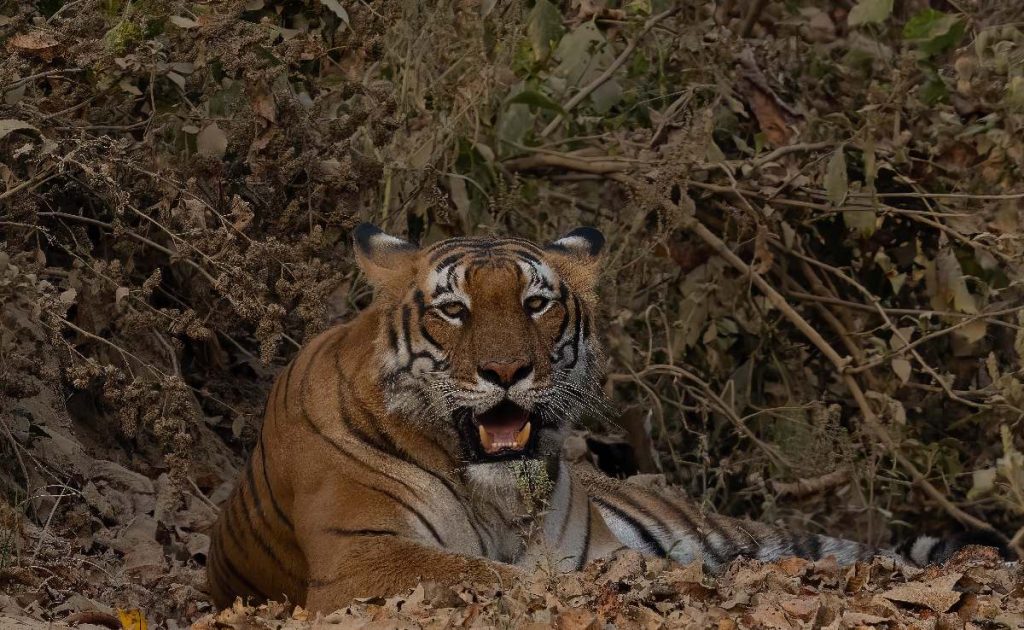
Pokhara is a perfect base for trekking to the Annapurna Circuit and other famous trekking routes.

Lumbini: The Birthplace of Buddha

Lumbini is a spiritual place for Buddhists around the world, as it is the birthplace of Lord Buddha. Our Lumbini tour includes:

  • Maya Devi Temple: The sacred site where Buddha was born. It’s one of the most important places in Buddhist tourism.
  • Lumbini Garden: A peaceful place for meditation, surrounded by monasteries and beautiful sculptures.
  • The Ashoka Pillar: A historical monument marking the spot where Buddha was born.

Visiting Lumbini is a spiritual experience, where you can reflect on the teachings of Buddha and find peace.

Trekking with Himalayan Circuit: Discover Nepal’s Natural Beauty

Nepal’s trekking routes are famous for their stunning scenery and challenges. Whether you’re looking to trek to Everest Base Camp or explore the Annapurna Circuit, we have the perfect trekking package for you.

Popular Treks with HimalayanCircuit.com

  1. Annapurna Circuit Trek
  • Duration: 12-21 days
  • Max Elevation: Thorong La Pass (5,416 meters / 17,769 feet)
  • Difficulty: Moderate to Challenging

The Annapurna Circuit is one of the most popular treks in Nepal. You’ll experience diverse landscapes, from forests and waterfalls to high-altitude desert regions, with stunning views of the Annapurna and Dhaulagiri mountain ranges.

  1. Everest Base Camp Trek
  • Duration: 12-16 days
  • Max Elevation: Kala Patthar (5,545 meters / 18,192 feet)
  • Difficulty: Challenging

This iconic trek brings you to the foot of the world’s highest mountain, Mount Everest. Along the way, you’ll pass through Sherpa villages, visit ancient monasteries, and see breathtaking views of Mount EverestLhotse, and Nuptse.

  1. Langtang Valley Trek
  • Duration: 7-12 days
  • Max Elevation: Kyanjin Ri (4,773 meters / 15,659 feet)
  • Difficulty: Moderate

The Langtang Valley Trek offers beautiful views of glaciers, valleys, and Tibetan culture. It’s less crowded than other treks, making it perfect for those seeking peace and adventure.

  1. Manaslu Circuit Trek
  • Duration: 14-20 days
  • Max Elevation: Larkya La Pass (5,160 meters / 16,929 feet)
  • Difficulty: Challenging

The Manaslu Circuit Trek takes you through remote villages, high-altitude passes, and beautiful landscapes. It’s one of the less-visited treks, making it perfect for those seeking a more secluded adventure.

Your Adventure Starts Here with Himalayan Circuit

Whether you’re looking to experience Nepal’s culture or embark on a thrilling trek in the HimalayasHimalayanCircuit.com is here to help you every step of the way. We’ll take care of the details, so you can focus on making unforgettable memories.

Start planning your Nepal adventure today with Himalayan Circuit and let us guide you through this amazing country.