Annapurna Region: Poon Hill Sunrise and Himalayan Views

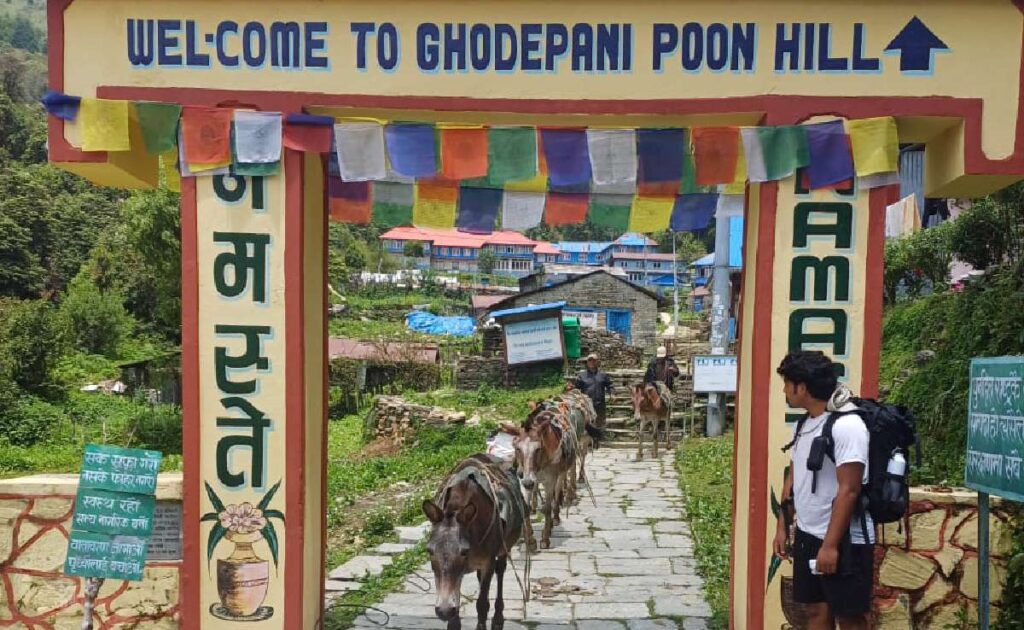
In the Annapurna region, one of Nepal’s most popular experiences does not come from climbing a peak, but from a quiet hilltop at dawn. The Poon Hill Trek leads you above the Magar village of Ghorepani to a must-see sunrise viewpoint. As a result, it attracts thousands of trekkers every year.

However, behind the crowds and camera flashes lies a story of how a simple local trail grew into a world-famous trekking highlight.

From Local Footpath to Global Icon

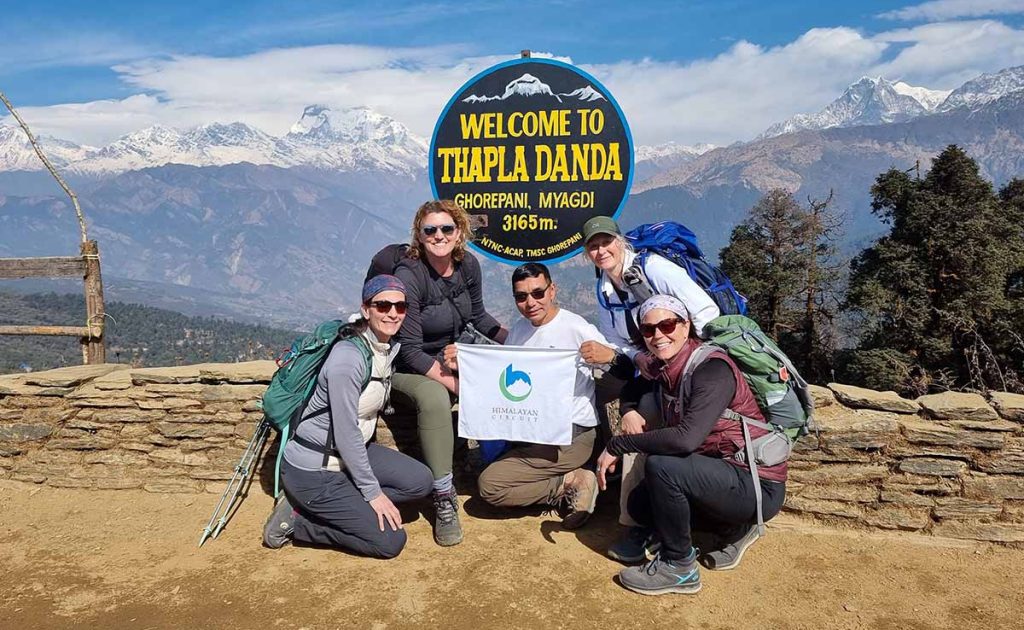
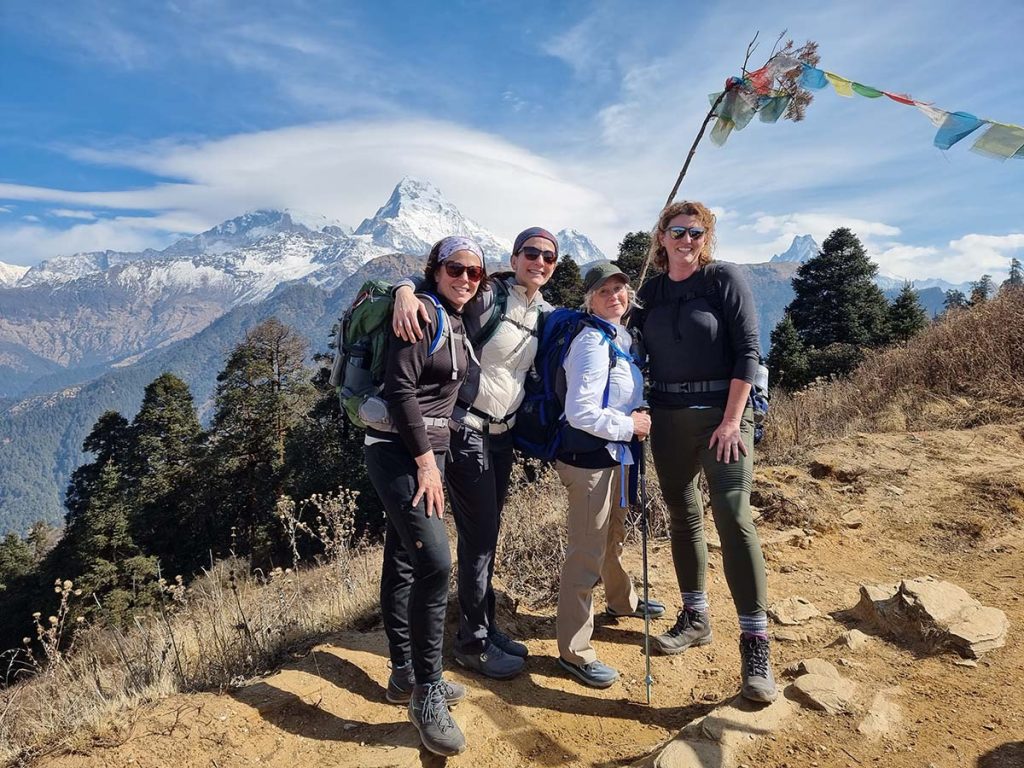
4 Clients with 1 Guide in Thapla Danda

Originally, local Magar communities used the trail for practical purposes. Villagers from Ghorepani and nearby areas climbed the ridge to collect firewood, graze livestock, or check the weather for planting and harvesting.

Later, the hill was named after the Poon Magar ethnic group, one of the oldest indigenous communities in the region.

In the 1970s and 1980s, international trekking started gaining popularity in Annapurna. Some trekkers were guided by locals to the top of the ridge just in time for sunrise. This experience, in turn, left a lasting impression and spread by word of mouth.

The Panoramic View

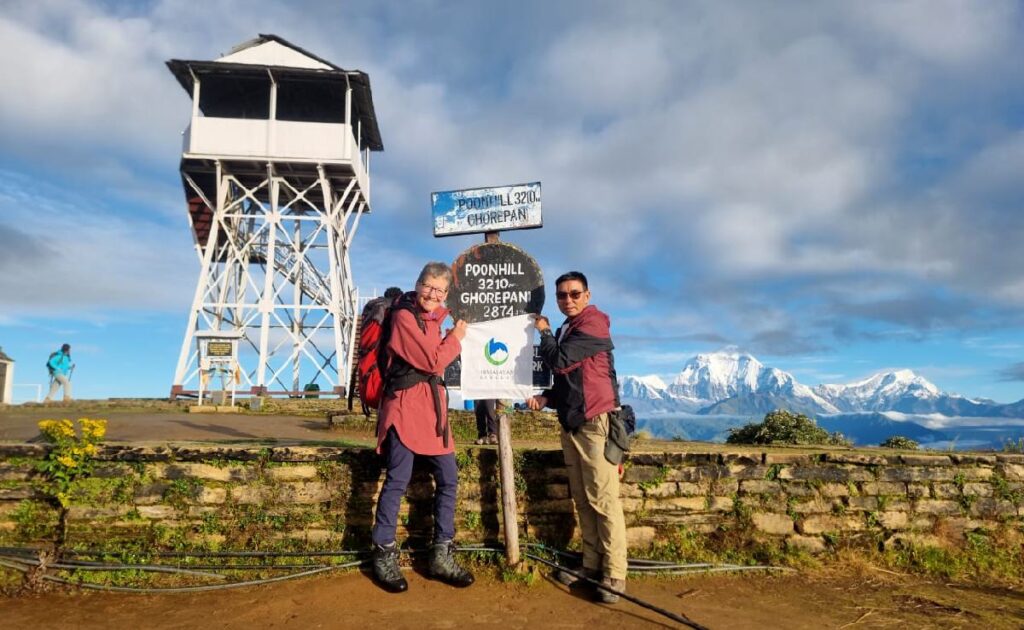
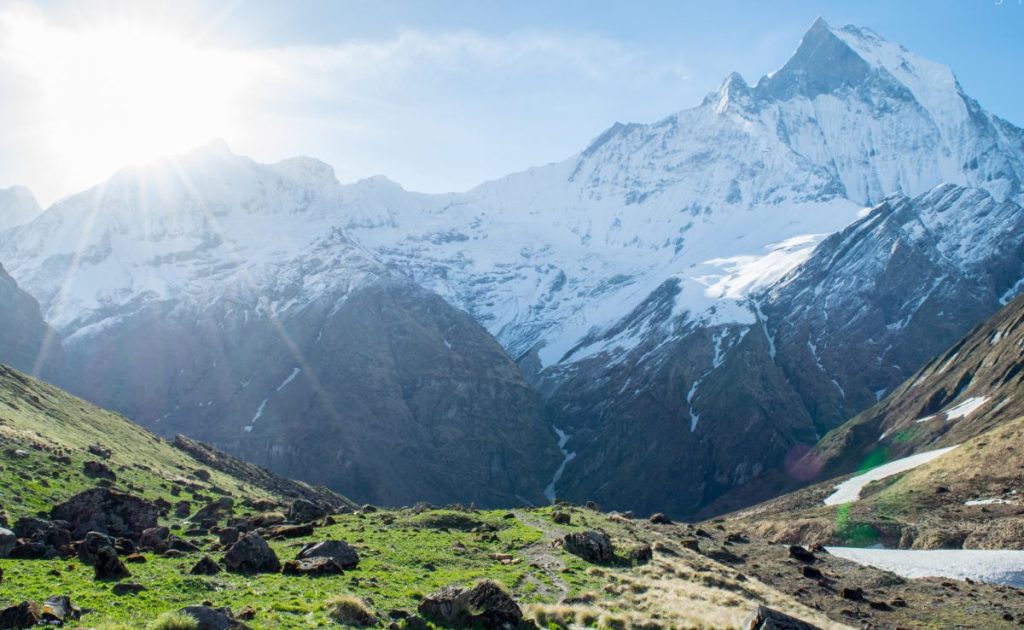
At 3,210 meters above sea level, Poon Hill offers a full 360° view of the Annapurna and Dhaulagiri ranges. When the sun rises, snowy peaks such as Annapurna South (7,219m), Machhapuchhre (6,993m), Hiunchuli, and Dhaulagiri I (8,167m) glow in gold, orange, and pink.

Meanwhile, trekkers watch the play of light, shadow, and silence, which no photo can fully capture. Over time, this sunrise became a signature attraction for those seeking a short but powerful Himalayan adventure.

Ghorepani Village: The Gateway to Sunrise

Ghorepani, a charming Magar village nestled in rhododendron forests, serves as the gateway to Poon Hill. Once, it was a stop for traders and mule caravans. By the early 1990s, it had grown into a lively lodge village.

Typically, trekkers spend the night in Ghorepani and begin the pre-dawn hike to Poon Hill, which takes 45 minutes to an hour. During the hike, headlamps twinkle along the stone-paved trail, marking the path for those climbing the ridge.

In addition, local families and lodges actively maintain the trail, protect the forests, and welcome thousands of trekkers with warmth and hospitality.

Why Poon Hill is Ideal

  • Short and Scenic: The trek can be completed in 4–6 days round-trip from Pokhara.
  • Culturally Rich: Walk through Magar and Gurung villages and stay in family-run lodges.
  • Low Altitude Risk: At 3,210m, altitude sickness is unlikely.
  • Perfect for Beginners: No technical skills are needed.
  • Flexible Connections: Easily combine with longer treks such as [ABC Trek link]

Therefore, whether it is your first Himalayan trek or a detour from a longer journey, Poon Hill delivers great reward for modest effort.

How Poon Hill Became a Must-Do

Unlike many trekking destinations promoted by tour operators, Poon Hill’s fame grew naturally. Initially, local guides suggested the sunrise experience to visiting trekkers. As a result, it eventually became known as the “Poon Hill Sunrise Trek.”

Later, tour agencies worldwide began offering it as the perfect introduction to Nepal. Consequently, a simple village path became a global trekking icon.

Ensuring Sustainability

With growing popularity comes responsibility. Therefore, sustainable trekking practices are essential. Key measures include:

  • Maintaining trails and controlling erosion
  • Reducing waste and limiting plastics
  • Supporting local lodges and guides
  • Promoting cultural respect and awareness

In addition, organizations like ACAP, local cooperatives, and eco-conscious tour operators like us Himalayan Circuit work to preserve the Poon Hill trek route. In 2024, the Annapurna Conservation Area welcomed 244,045 foreign trekkers, highlighting the importance of responsible trekking.

Nepal Opens 97 Peaks for Free Climbing Beyond Everest

Nepal, the land of majestic mountains and unparalleled adventure, is making headlines again. The government has opened 97 previously restricted peaks for free climbing to promote tourism in its remote western regions. This bold move aims to diversify mountaineering tourism, reduce congestion on Mount Everest, and create income opportunities for local communities.

(CNNNews18BBC)

Why Nepal is Opening New Peaks

For decades, Mount Everest has dominated the mountaineering scene in Nepal, attracting thousands of climbers annually. However, overcrowding, rising costs, and environmental concerns have prompted authorities to shift attention to lesser-known regions.

Benefits of the initiative include:

  • Affordable Adventure: Permit fees for 97 peaks are waived for the next two years, making Himalayan mountaineering accessible to more adventurers.
  • Economic Upliftment: Tourism in Karnali and Sudurpashchim provinces, which have limited infrastructure, will generate jobs and income for local communities.
  • Decongesting Everest: Encouraging climbers to explore alternative peaks will reduce pressure on Everest’s heavily trafficked routes.

Himal Gautam, Director at the Department of Tourism, said:
“The aim is to bring more visitors to remote regions, create jobs, and generate income for local communities. This initiative will also help promote Nepal’s unexplored mountain destinations.”

Details of the Newly Accessible Peaks

  • Number of Peaks: 97 (77 in Karnali, 20 in Sudurpashchim)
  • Altitude Range: 5,870 meters (19,258 ft) – 7,132 meters (23,399 ft)
  • Notable Peaks: Saipal (7,030 m), Api (7,132 m), Api West (7,076 m)

Many of these peaks remain “virgin,” awaiting their first climbers, offering a unique opportunity to explore untouched Himalayan landscapes.

New Rules for Mount Everest Climbers

Alongside opening new peaks, Nepal is introducing stricter regulations for Everest aspirants:

  • Climbers must first scale at least one 7,000-meter peak within Nepal.
  • Everest permit fees will increase from USD 11,000 to USD 15,000 per person, effective September 1, 2025.
  • These measures aim to ensure climbers are experienced and to maintain safety and environmental standards.

(Outside OnlineTravel and Tour World)

Challenges and Considerations

While this initiative is a game-changer, climbers should be aware of the following:

  • Remote Access: Sudurpashchim is 535 km from Kathmandu, Karnali 400 km; both require flights and challenging road travel.
  • Limited Amenities: Basic accommodation and services; climbers must prepare adequately.
  • Environmental Responsibility: Increased tourism may impact fragile ecosystems. Authorities are implementing safety and sustainability guidelines.

Why You Should Consider These Peaks

  • Discover untouched regions of Nepal away from the Everest crowd.
  • Experience authentic Himalayan adventure with fewer climbers on the trails.
  • Contribute to local communities and sustainable tourism.

Whether you are a seasoned climber or an aspiring adventurer, these newly opened peaks provide an affordable, challenging, and rewarding experience in the Himalayas.

Plan Your Adventure with Himalayan Circuit

Himalayan Circuit can help craft custom itineraries, obtain permits, and arrange local guides for these new peaks. Explore Nepal beyond Everest and experience the hidden gems of the western Himalayas.

Email: connect@himalayancircuit.com
WhatsApp / Cell: +977 9851121494

References:

  1. CNN Travel: Nepal opens 97 mountains for free climbing
  2. News18: Nepal opens untouched peaks for tourists
  3. BBC: Nepal opens 97 peaks for free climbing
  4. Travel + Leisure Asia: Nepal opens 97 remote peaks
  5. Outside Online: Everest & 97 Peaks
  6. Travel and Tour World: Free access to 97 peaks

Langtang Region: Altitude Guide & Acclimatization Tips

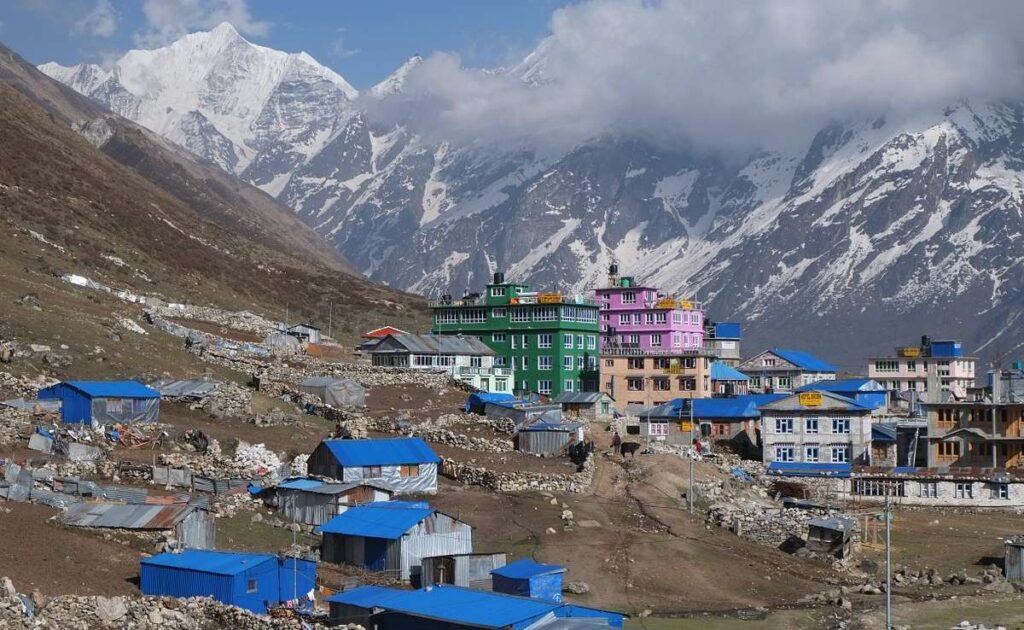
The Langtang trek in Nepal is a journey through changing landscapes — from lush forests and riverside trails to high alpine valleys surrounded by snowcapped peaks. Starting at just 1,460 meters in Syabrubesi, the trail climbs steadily to Kyanjin Gompa at 3,870 meters, offering dramatic elevation changes that define the Langtang trek altitude experience.

This rapid vertical gain — over 2,400 meters in just a few days — makes the trek both thrilling and physically demanding. The thinner air affects your body before you realize it, which is why understanding the altitude profile and preparing properly is essential for a safe, rewarding experience.

In this blog, we’ll explore how altitude impacts your trek day by day and share practical tips for acclimatization, gear, and pacing — so you can stay healthy and make the most of your Langtang adventure.

Langtang Trek Overview: Route, Distance & Highlights

Langtang Valley Elevation

The Langtang trek lies just north of Kathmandu and is one of Nepal’s most accessible yet rewarding treks. This 7 to 10-day journey covers roughly 60 to 75 kilometers and blends natural beauty, cultural encounters, and scenic mountain views into one unforgettable trail.

The trek starts from Syabrubesi (1,460 m), where you enter lush sub-tropical forests filled with bamboo, rhododendron, and river crossings. From here, the route gently ascends through villages like Lama Hotel (2,470 m) and Langtang Village (3,430 m) before reaching the spiritual and scenic hub of Kyanjin Gompa (3,870 m), nestled beneath Langtang Lirung (7,227 m).

As you ascend, the landscape shifts dramatically — dense forests give way to alpine woodlands, open meadows, and finally, a wide glacial valley. The mountains grow taller, the villages feel more remote, and the air becomes thinner and cooler with each step.

Langtang Trek Altitude Profile: Day-by-Day Breakdown

Altitude plays a subtle but powerful role in shaping your trekking experience. You’ll notice your breathing, energy levels, and pace shifting as you gain elevation — especially beyond 3,000 meters.

Here’s a breakdown of the altitude gain and key elevation points on a standard 7-day Langtang trek itinerary:

Day Route Elevation (m) Altitude Gain
Day 1 Syabrubesi 1,460
Day 2 Syabrubesi to Lama Hotel 2,470 +1,010 m
Day 3 Lama Hotel to Langtang Village 3,430 +960 m
Day 4 Langtang Village to Kyanjin Gompa 3,870 +440 m
Day 5 Acclimatization at Kyanjin Gompa 3,870
Day 6 Return to Lama Hotel 2,470 -1,400 m
Day 7 Lama Hotel to Syabrubesi 1,460 -1,010 m

Tip: Altitude affects everyone differently. Prioritize slow and steady walking, especially above 3,000 meters. Taking a rest day in Kyanjin Gompa for acclimatization significantly lowers your risk of altitude sickness.

What to Pack for High Altitude Trekking

At higher altitudes, your comfort and safety rely heavily on the right gear. Weather can shift rapidly, and your body will need support to adapt to colder temperatures and thinner air.

Here are key packing essentials for the Langtang trek:

  • Layered Clothing:

  • Base Layer: Moisture-wicking thermal tops and bottoms.
  • Mid Layer: Insulating fleece or down jacket.
  • Outer Layer: Waterproof and windproof shell jacket.
  • Trekking Shoes:
    Well-broken-in boots with good grip for rocky terrain.

  • Accessories:
    Hat, gloves, neck buff, sunglasses, sunscreen (high SPF), lip balm with UV protection.
  • Trekking Poles:
    Helps reduce strain on knees and improves balance on descents.

  • Water Purification:
    Bring a filter or purification tablets — safe water is critical at high altitude.

  • Energy Snacks:
    Carry nuts, energy bars, and dry fruits to refuel during long hiking days.

  • Medications:
    Include altitude sickness medication as advised by your doctor, along with personal prescriptions.

Tips for Acclimatization & Staying Healthy

  1. Follow the “climb high, sleep low” rule — especially around Kyanjin Gompa where you can do a short hike to a nearby ridge or Kyanjin Ri and descend back to sleep.
  2. Stay hydrated: Drink at least 3–4 liters per day, especially in dry mountain air.
  3. Eat well: Even if your appetite decreases, try to eat warm, carbohydrate-rich meals.
  4. Avoid alcohol: It worsens dehydration and altitude symptoms.
  5. Go slow: Listen to your body, rest when needed, and don’t rush the trek.

Let the Trek Teach You

The Langtang trek is more than just a physical journey — it’s a lesson in patience, presence, and inner clarity. With every step, you adjust to the terrain, the climate, and your own rhythm. There’s no need to rush. The mountains are not going anywhere.

Whether you’re walking through rhododendron forests or standing beneath the towering peaks of Langtang Lirung, remember — it’s not about how fast you get there, but how deeply you connect with the journey.

So take it slow. Stay aware. Let the trek unfold one step at a time.

Unique Experiences: How Federalism Impacts Nepal’s Tourism

Federalism in Nepal

In 2015, federalism in Nepal was officially adopted, marking a significant milestone after years of political challenges. This change introduced a new era of hope and opportunity by decentralizing power among three levels of government: federal, provincial, and local. Each tier now holds distinct responsibilities, including managing development priorities such as tourism—an essential pillar of Nepal’s economy.

Beyond administrative tasks like planning and budgeting, federalism in Nepal has encouraged governments to engage more with local communities to craft policies that reflect regional identities and needs. Consequently, tourism is evolving to become more inclusive and community-driven. No longer confined to traditional hubs like Kathmandu and Pokhara, it is flourishing across Nepal’s diverse provinces.

Understanding Nepal’s Federal Structure

Federalism in Nepal establishes a framework comprising one federal government, seven provincial governments, and 753 local governments, each with clearly defined roles. The federal government oversees national policies, while provincial governments address regional issues. Local governments manage the everyday needs of their communities.

This division enhances service efficiency and accountability, enabling each government level to operate autonomously yet collaboratively. Striking this balance supports national unity while empowering local autonomy, allowing Nepal to effectively serve its diverse population.
The Impact of Federalism on Tourism

Federalism empowers provinces to develop tourism strategies tailored to their unique strengths. This autonomy allows regions to promote local attractions, improve infrastructure, and foster community-based initiatives such as homestays and trained local guides. As a result, tourism is becoming more dispersed and sustainable, offering authentic experiences beyond the well-known destinations.

Below is an overview of how each province is utilizing federalism to shape its tourism landscape:

1. Koshi Province: Adventure and Authenticity

Everest Region Trek: Lukla to Tengboche Adventure
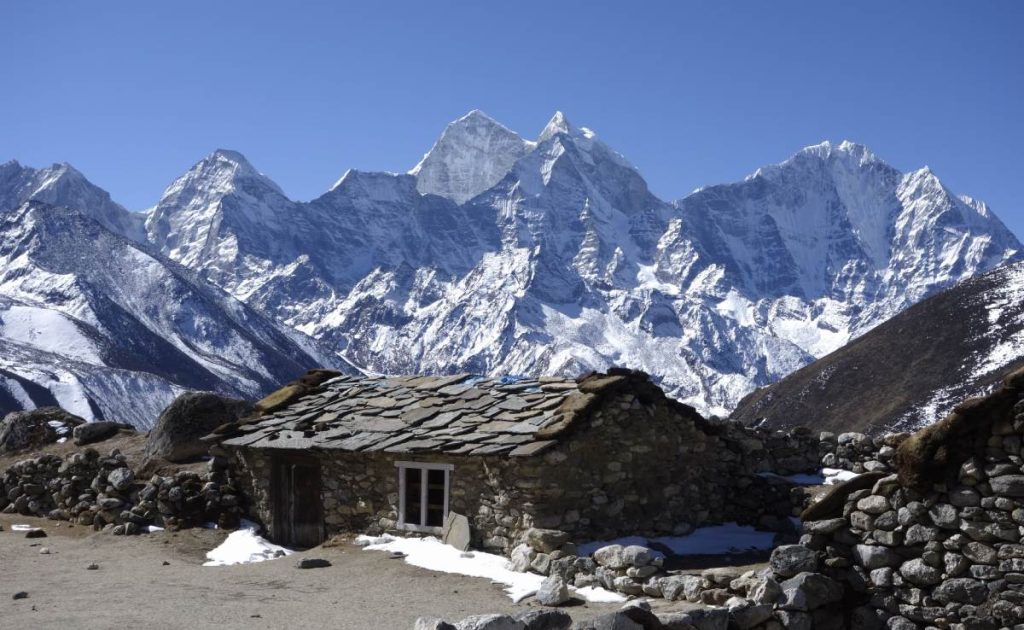
The majestic peaks of the Everest Region lie in Koshi Province.

Home to iconic peaks like Everest, Kanchenjunga, and Makalu, Koshi Province is renowned as an adventure tourism hotspot. However, tourism development here is marked by careful planning and community involvement. Improved infrastructure and connectivity are opening remote areas to visitors, while initiatives like homestays ensure that tourism benefits local residents. This approach preserves the region’s adventurous spirit and fosters meaningful travel experiences.

2. Madhesh Province: Cultural Richness and Wildlife

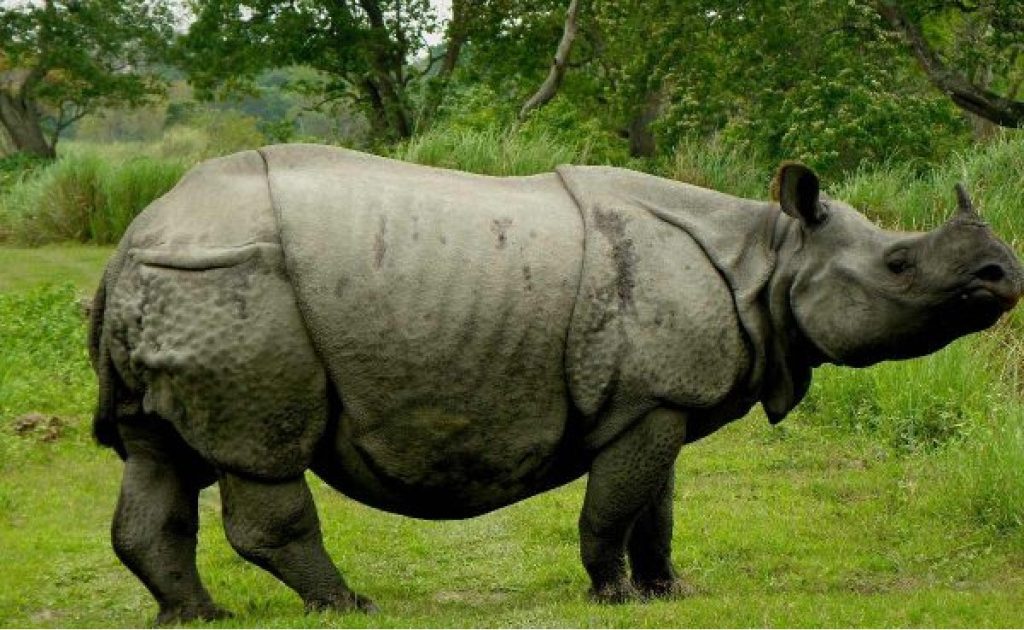
Rhino in Chitwan National Park
The endangered one-horned rhinoceros (Gainda), spotted in Chitwan National Park, which lies in Madhesh Province.

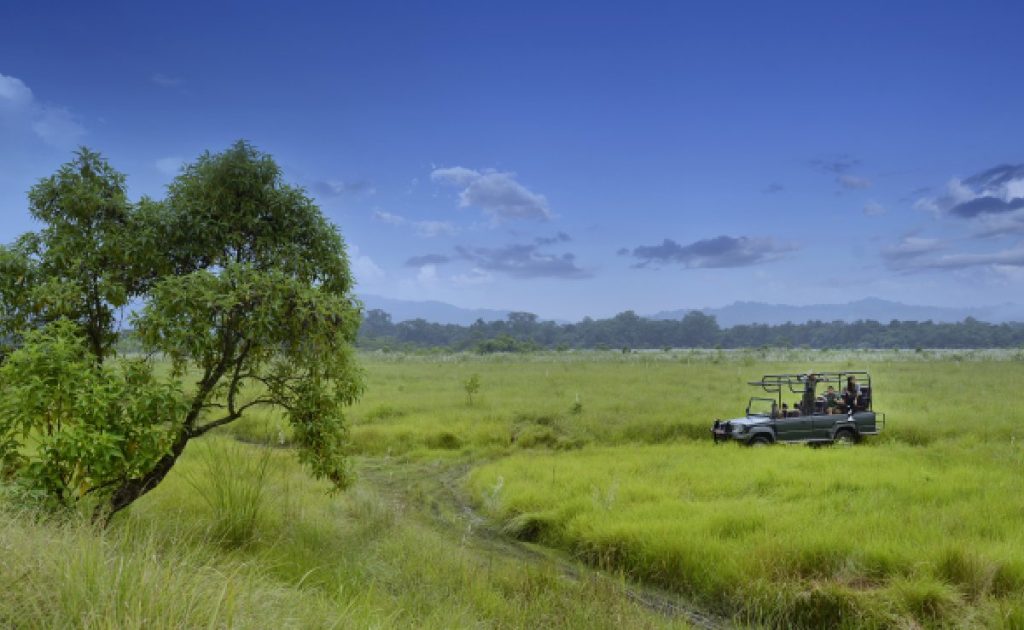
Madhesh Province offers a different but equally valuable tourism experience. Known for its vibrant cultural festivals, historic towns, and warm hospitality, it reflects Nepal’s diverse heritage. The province’s lowland Terai region is home to important wildlife reserves, including parts of the Chitwan National Park, attracting nature lovers and safari enthusiasts. Though tourism here is still developing, Madhesh holds great potential to enrich Nepal’s overall travel offerings.

3. Bagmati Province: Preserving Cultural Heritage

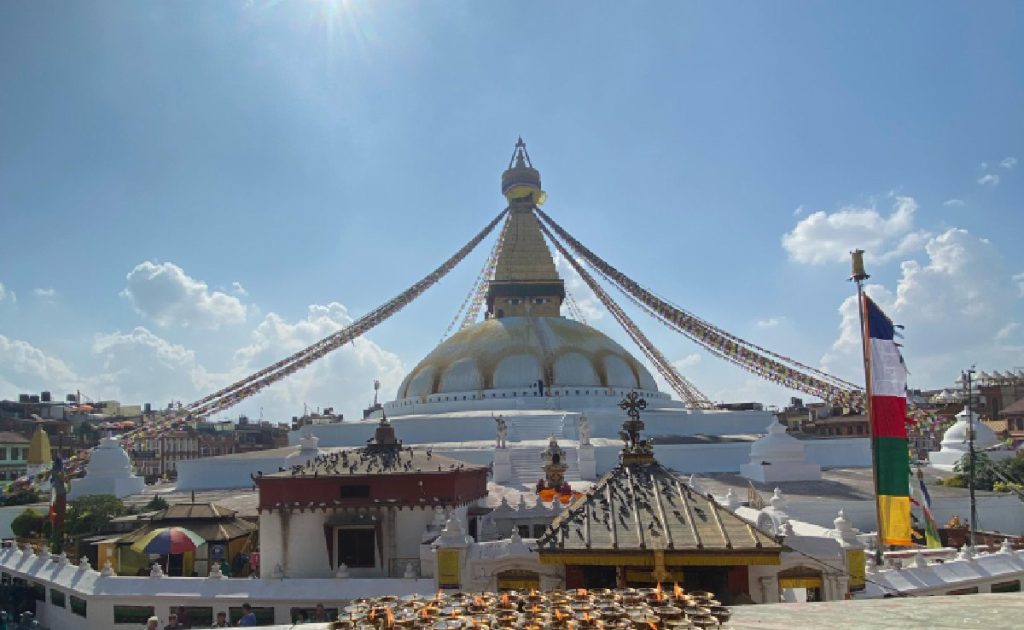
Boudhanath Stupa
 The largest dome-shaped stupa in the world, Boudhanath Stupa, lies in Bagmati Province. 

Bagmati Province, which includes the Kathmandu Valley, is Nepal’s cultural heartland. It boasts ancient temples, palaces, and UNESCO World Heritage Sites that chronicle Nepal’s rich history. Coordinated efforts between provincial and federal authorities have led to restoration projects and enhanced visitor facilities. These developments are helping cultural tourism thrive while safeguarding the valley’s historic character and offering a welcoming environment for visitors.

4. Gandaki Province: Embracing Eco-Friendly Tourism

4 Clients with 1 Guide in Thapla Danda
With the Annapurna range behind them, clients enjoy the beauty of Gandaki Province.

Gandaki Province captivates with its natural beauty, from serene lakes to the Annapurna trekking circuit. Here, tourism development prioritizes environmental conservation. Upgraded infrastructure and trekking routes have improved accessibility, while eco-friendly initiatives such as waste management programs and eco-lodges promote sustainable tourism. This balance ensures that the province’s natural charm remains intact for future generations.
5. Lumbini Province: Nurturing Spiritual Tourism

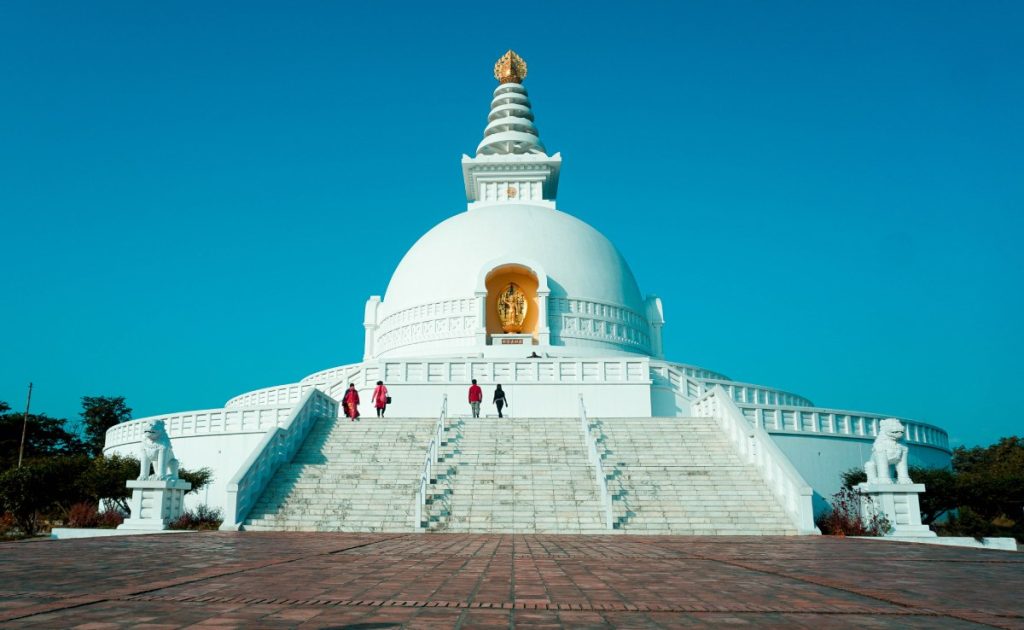
Lumbini Peace Stupa
Located in Lumbini Province, the World Peace Stupa of Lumbini stands as a symbol of harmony and devotion.
As the birthplace of Buddha, Lumbini Province holds profound spiritual significance. It attracts pilgrims and visitors from around the world. Recent investments in transportation, visitor centers, and heritage preservation enhance the visitor experience while respecting the area’s sacred character. This thoughtful development supports a sustainable model that honors Lumbini’s cultural and spiritual legacy.
6. Karnali and Sudurpashchim Provinces: Unlocking Hidden Potential

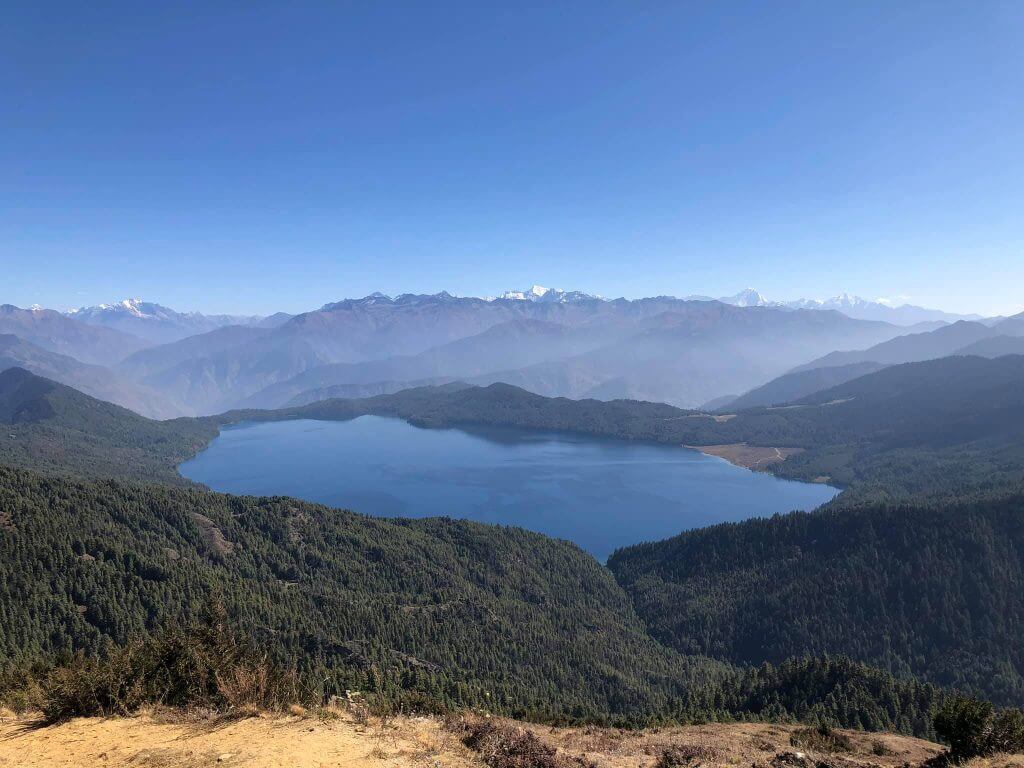
Rara Lake
The largest fresh water lake of Nepal, Rara lake, which lies in the Karnali Province

Karnali and Sudurpashchim, known for their vast rural landscapes and untouched natural beauty, have long remained off the beaten path. Recent infrastructure improvements and community skill-building programs are gradually opening these provinces to tourism. This growth is intentionally paced to preserve cultural integrity and environmental sustainability, fostering inclusive economic development that benefits local communities.

Looking Ahead: A Harmonious Future for Tourism in Nepal

Federalism in Nepal has paved the way for a more balanced and responsible approach to tourism. When all levels of government collaborate effectively, investments can be targeted to revive heritage sites, protect natural resources, and create authentic experiences that showcase each region’s unique character. This unified effort transforms Nepal’s diverse landscapes into a cohesive narrative of sustainable tourism, ensuring that the benefits of growth reach every corner of the country.

If you seek to explore Nepal beyond the usual routes, discover the stories and cultures woven into each province. Experience the country through journeys that reflect its true spirit and local pride.

Unique Experiences: Mardi Himal Tree Planting for Nature and Community

Mardi Himal Tree Planting initiative

Protecting the Himalayas and Supporting Communities

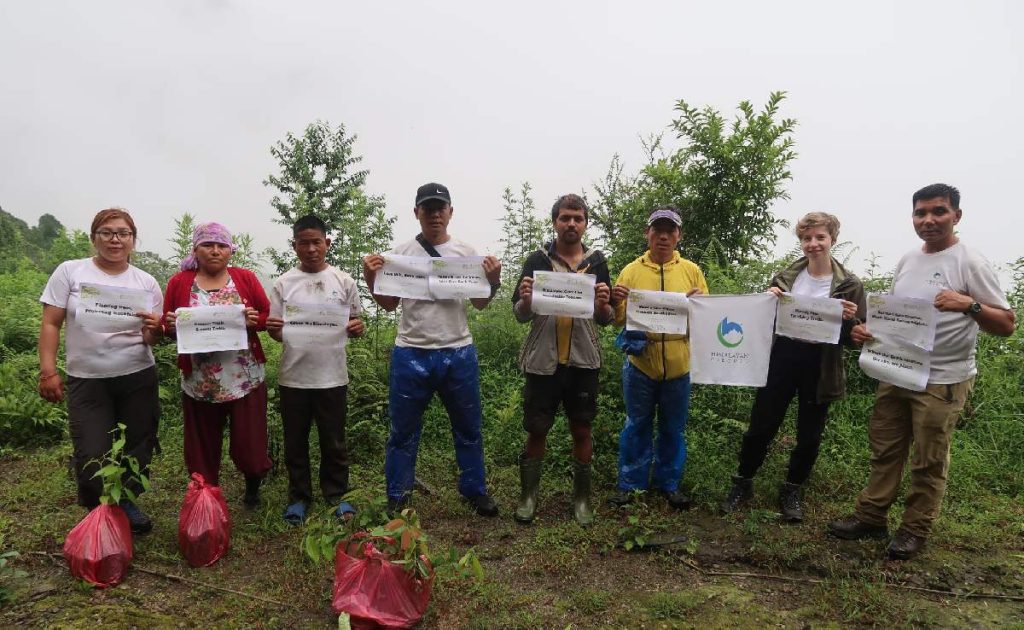
On July 5–6, 2025, Himalayan Circuit led a Mardi Himal tree planting initiative to help preserve the fragile Himalayan environment and support local communities. With deforestation and global warming threatening the region, planting trees has become more important than ever. This project not only contributes to environmental conservation but also provides meaningful work for our trekkers during the off-season when tourism slows down.

Choosing the Right Trees and Location

Local People Participating in Tree plantation.
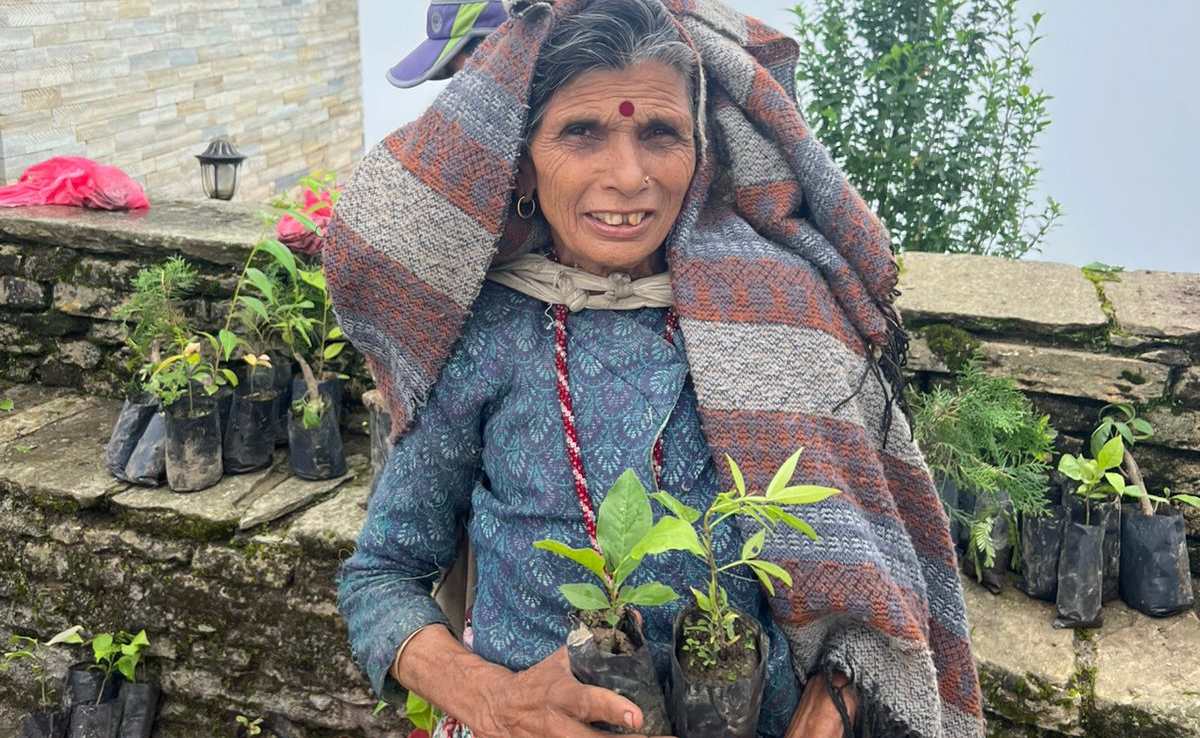
With gentle hands and deep roots, a grandmother joins the Mardi Himal reforestation — a true symbol of community commitment.

The trees were grown in a nursery run by the Pokhara Division Forest Office. Out of 280 seedlings planned, over 250 strong native trees were selected. These included Rhododendron (Nepal’s national flower), White Frangipani (Champ), Cinnamon, and Black Pepper (Timur).

The timing was perfect because monsoon rains help young trees grow. We planted the trees in Kalimati (“black soil”), a fertile area along the Mardi Himal Trek. Our team, led by Sanu Bhujel, worked with the Mardi Himal Eco-Village Hotel. This sustainable community grows organic food such as corn and rice. They helped us find good spots safe from cattle grazing.

Expert Tips from a Local Trekkers

One of our trekkers, Sagar, from the Kirant community, shared his tree-planting tips:

  1. Dig a hole about one foot deep in soft soil.
  2. Remove grass nearby because it grows fast and traps heat.
  3. Leave 3 to 4 meters distance between each tree.
  4. Most importantly, “Smile and enjoy the moment.”
Tree pleantation in Mardi himal route
Sagar in action — planting not just trees, but a deeper connection between people, nature, and the mountains we call home.

Building Strong Community Bonds

Connecting community through sustainability
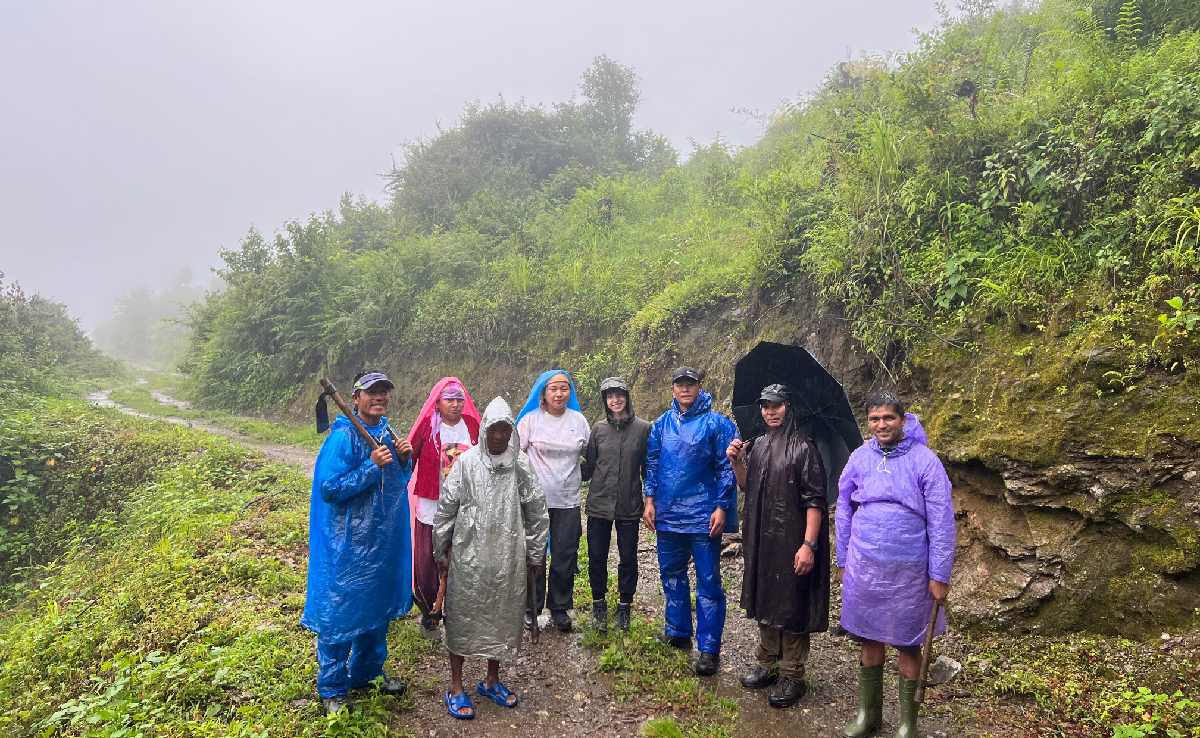
The faces behind the work — each smile a reminder of what’s possible when communities and nature come together.

During two busy planting days, strong bonds formed between our team and the local community. The Eco-Village promised to care for the trees by adding organic fertilizer and trimming grass. Sanu will visit again in six months to check on their growth.

Looking Ahead

Mardi Himal eco lodge
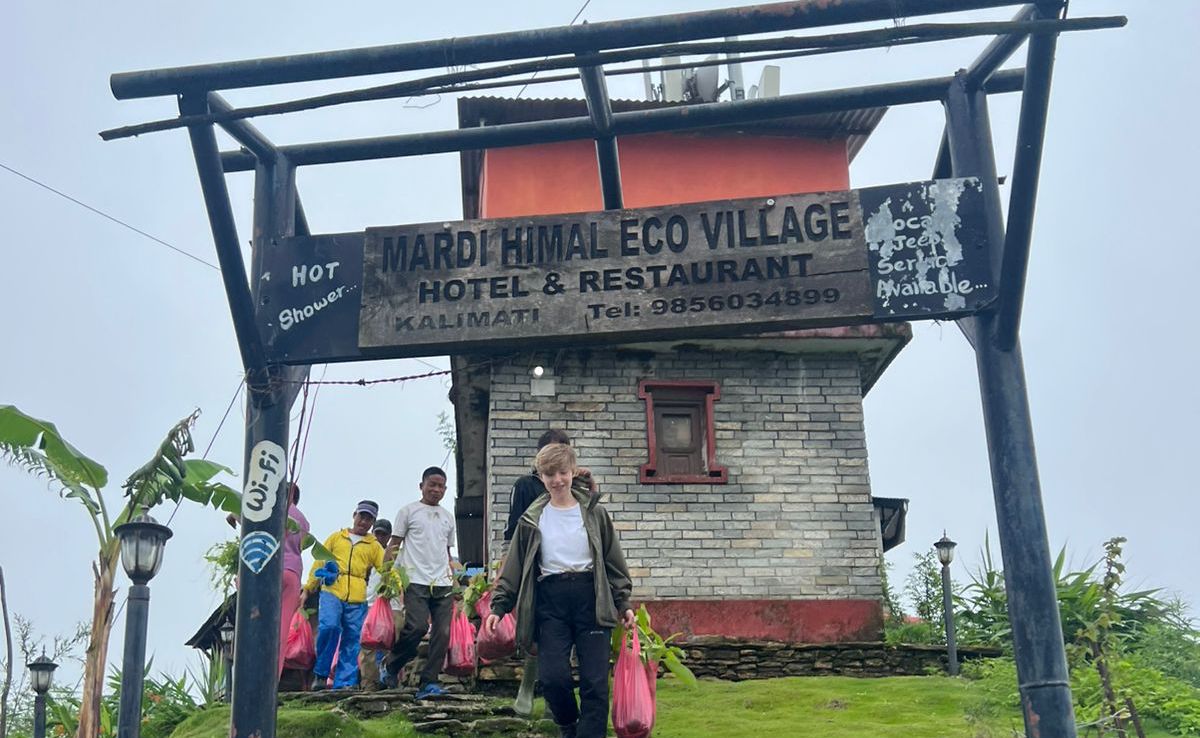
Mardi Himal Eco-Village Lodge — a true partner in sustainability, where organic farming, local wisdom, and conservation come together.

We ended the project with a warm farewell ceremony. It reminded us all of our shared duty to protect nature and build a Green and White Himalaya. We thank everyone who helped. We look forward to planting more trees next year with even more people.

Special thanks to Freedy, a key contributor to this project, for sharing her experience and insights during the tree-planting initiative.

As a side note, the Mardi Himal Eco-Village is also a fantastic spot for birdwatchers. It hosts over 125 bird species, including some endangered ones. You can learn more on their Instagram page.

Nepal Travel News: Best Time to Visit with a Month-Wise Plan

Flute

Wondering about the best time to visit Nepal?

Here’s the truth — every month is the best time to visit in Nepal because it offers something completely different. One moment you’re trekking through snowy Himalayan trails, and the next, you’re dancing in a colorful festival, sipping tea in a peaceful hill town, or spotting rhinos deep in the jungle.

At Himalayan Circuit, we believe that one trip is never enough to truly experience Nepal. That’s why we’ve put together a month-by-month travel guide — showing you the best places to visit, the top festivals to enjoy, and the unique experiences waiting for you throughout the year.

Month Destination/Activity Why Visit? Key Festival(s) Image
January Kathmandu Valley Heritage Tour Crisp air, great visibility, fewer crowds. Swasthani Puja, Maghe Sankranti
February Chitwan National Park Safari Best wildlife viewing during dry season. Maha Shivaratri kathmandu-and-chitwan-10-day-tour
March Annapurna Foothills Trek Colorful hills, clear skies. Holi – Festival of Colors Himalayan peaks in Nepal – Nepal best travel destination
April Bhaktapur & Nagarkot Sunrise New Year celebrations + spring vibes. Bisket Jatra Himalayan peaks in Nepal – Nepal best travel destination
May Bandipur & Gorkha Heritage Tour Cooler hill escape, cultural depth. Buddha Jayanti  Bandpur
June Upper Mustang Trek Rain-shadow region, unique landscapes. Tiji Festival Upper Mustang
July Pokhara Lakeside & Sarangkot Fewer tourists, vibrant nature. Ropain Jatra Ropai Jatra
August Helambu Trek Lush landscapes, fewer crowds. Gai Jatra Chispani
September Langtang Valley Trek Rejuvenated trails, clear skies. Indra Jatra
October Everest Base Camp Trek Peak trekking conditions. Dashain Everest Base Camp Trek
November Lumbini & Bardia National Park Ideal wildlife and spiritual tourism mix. Tihar Tiger in Bardia National Park
December Ilam Tea Gardens & Eastern Hills Winter serenity without the chill. Mani Rimdu Ilam Chiya Bagaan

A Country That Changes With the Seasons

Nepal is more than just Everest and temples — it’s a 12-month journey waiting to unfold. From east to west, each region offers its own magic, shaped by the rhythm of nature and Nepal’s deep-rooted culture. For example, you might be trekking among blooming rhododendrons in March, chasing tigers in the jungles of Bardia in November, or sipping fresh tea in the hills of Ilam in December. No matter when you visit, there’s always something exceptional happening here.

Travel Better with a Local Partner

As a result, planning the right trip at the right time can make your experience even more meaningful. That’s where we come in. As a local tour operator, Himalayan Circuit is your trusted companion in discovering Nepal authentically. Whether you’re coming in spring or winter, we’ll help you plan a journey that aligns with the best each month has to offer. Because here in Nepal — every month is a good month to visit.

Nepal Diary: Airport Arrival Guide – What You Need to Know

Airport arrival procedure in Nepal

First Impressions: Welcome to Nepal

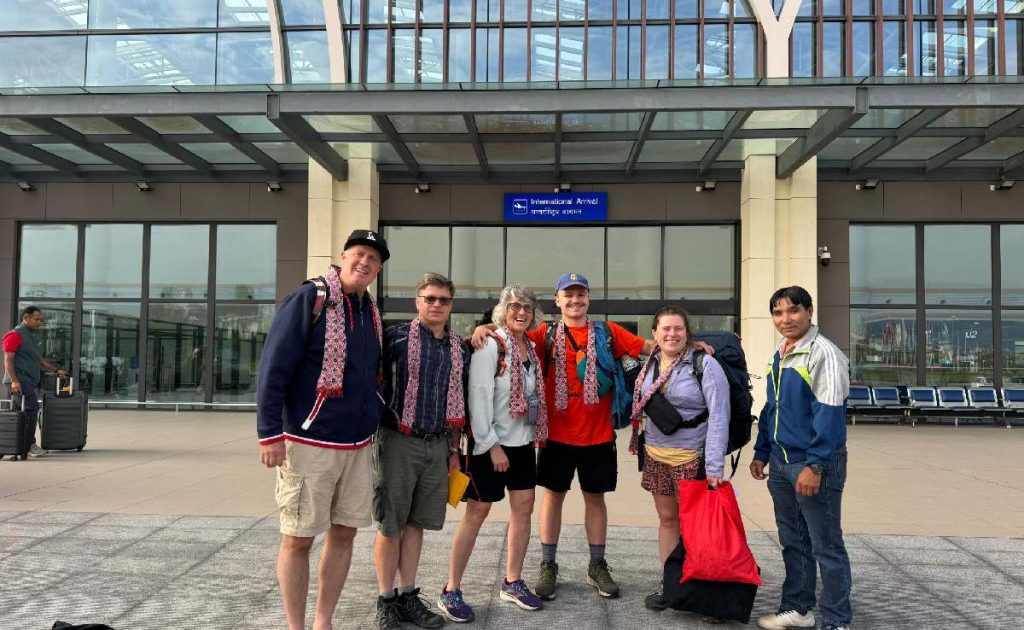
The airport arrival procedure in Nepal can be overwhelming for first-time visitors. Tribhuvan International Airport in Kathmandu is the main entry point, and understanding what to expect—from visa on arrival to hotel check-in—makes your journey smoother and stress-free.

Nepal is a land where towering mountains meet timeless traditions. Your first encounter with it usually begins at Tribhuvan International Airport in Kathmandu, where most travelers land.

The airport can get busy. But knowing what to expect will help you move through the process with ease. This guide by Himalayan Circuit walks you through everything—from immigration and baggage claim to SIM cards and hotel check-in.

At the Airport: What to Expect

As your plane descends into Kathmandu, you’ll see green hills and distant snowy peaks. The airport itself is small and lively, filled with voices from across the world.

After deplaning:

  • If you already have a visa, go to the “Foreigners with Visa” desk.
  • If not, use the visa machines, then head to “Foreigners without Visa”, pay your visa fee, and continue to immigration.

VIsa Machines

Immigration and Passport Control

Passport control is the next stop. During peak season, expect a short wait. Otherwise, the process is simple.

Join the correct queue—one for Nepali citizens, and one for foreigners. Keep these ready:

  • Your passport
  • Arrival form
  • Visa or visa payment receipt

Once the immigration check is complete, the next step in the airport arrival procedure in Nepal is collecting your luggage at the baggage claim area.

Baggage Claim and Customs

The baggage claim area is basic but functional. Look for your flight number on the screens above the belts. Keep in mind:

  • Sometimes only one belt works
  • Bags may show up on a different belt

Avoid paying porters unless you want help—trolleys are free. For lost or damaged luggage, go to the airline service desk nearby.

At customs, follow the:

  • Green channel if you have nothing to declare
  • Red channel if you’re carrying items like expensive electronics or large cash amounts

Random checks can happen, so keep receipts for valuable items.

Exiting the Airport: Transport and Help

After customs, you’ll exit through the arrival gate. Here, you’ll see:

  • Hotel representatives
  • Taxi counters with fixed rates

It’s safer and easier to book through official counters or your hotel, rather than bargaining outside.

Safety and Security Tips

Nepal is generally safe. Still, be smart:

  • Keep your passport and cash secure
  • Don’t share personal info with strangers
  • Ask for help only from uniformed staff, tourist police, or information desks

Currency Exchange and SIM Cards

Currency exchange booths and ATMs are available inside the airport. The rates may not be the best, but they’re fine for small amounts.

Before leaving, visit a telecom booth for a local SIM card. Ncell and NTC are the main providers. Skip the tourist packages—they cost more. A regular SIM should be around NPR 150.

Hotel Check-in

Once you’ve exchanged currency and bought your SIM, head to your hotel. Have your passport and booking confirmation ready. Most hotels will need them to register your stay.

Arriving in a new country is the start of a fresh adventure. While Nepal’s airport process may seem a bit formal, it’s designed to keep things smooth and secure.

With the right info in hand, you’ll move through the airport with confidence—and start focusing on what really matters: the beauty, culture, and warm hospitality that Nepal has to offer.

Nepal Diary: Planning Your Trip – What You Need to Know

Himalayan peaks in Nepal – Nepal best travel destination

If you’re looking for the best Nepal travel guidebooks to plan your next adventure, you’re in the right place. Nepal offers stunning natural beauty and deep cultural richness—all without breaking the bank. But to make the most of your trip, having the right travel guide is essential.

One of the best ways to prepare is by choosing a reliable travel guidebook that matches your travel style. For all the wanderers with Nepal on their bucket list, here’s a detailed review of the best travel guidebooks and essential tips to help you get started.

Why Visit Nepal?

Nepal is a fascinating country that attracts more visitors each year. One of the main reasons to visit is the people. There’s a saying: You come for the mountains, but you stay for the people. Their warmth and hospitality leave a lasting impression.

Nepal also offers incredible cultural diversity. All major world religions are represented here, and the country’s deep spiritual heritage is seen in its temples, rituals, and daily life.

Then there’s the landscape. Though small in size, Nepal is known worldwide for its dramatic scenery—from towering peaks to lush jungles. It’s also a country of festivals. With so many ethnic groups and traditions, Nepal celebrates something nearly every week, earning its title as the Land of Celebrations.

Top Travel Guidebooks for Nepal

Lonely Planet Nepal

Lonely Planet’s Nepal guidebook is one of the most trusted resources for travelers. It covers both famous destinations and off-the-beaten-path gems. You’ll find tips on exploring Pokhara’s lakes, wandering through the cultural streets of Kathmandu, spotting tigers in Bardiya, and trekking through the Himalayas. It’s a go-to companion for both first-timers and repeat visitors.

Rough Guide to Nepal

This guide takes you across the country—from the high Himalayas to the lowland Terai. It highlights key attractions like Everest, the Pokhara Valley, and Ilam’s tea estates. It also dives into Nepal’s spiritual sites, including Buddhist stupas and Hindu temples.

Outdoor adventurers will appreciate dedicated sections on trekking, rafting, and mountaineering. The language is clear and informative, perfect for practical planning.

Nepal Trekking Guidebook by Trailblazer

This one is a great pick for trekkers. It helps you plan your itinerary based on your interests and ability. The book covers everything from classic routes to lesser-known trails and even the demanding Great Himalaya Trail.

Detailed route guides include regions like Makalu, Kanchenjunga, Langtang, and Solukhumbu—ideal for anyone serious about trekking in Nepal.

Insight Guides Nepal

If you’re planning a longer stay and want cultural depth along with travel planning, this book is ideal. It combines inspiring photos with informative content in a magazine-style format.

Besides popular trekking regions like Annapurna and Everest, the book also explores historical cities like Kathmandu, Patan, and Bhaktapur. You’ll also find background on Nepal’s history, people, and traditions.

Nepal Travel Tips for First-Time Visitors

Visa and Entry Requirements

Most international visitors can get a visa on arrival at Tribhuvan International Airport. Just make sure to carry your passport and be ready to pay the applicable fee. Alternatively, you can apply for a visa online or through a Nepalese embassy or consulate before your trip. Tourist visas are typically valid for up to 90 days.

Best Time to Visit Nepal

Nepal’s peak tourist seasons are autumn (September to November) and spring (March to May). These months offer clear skies and pleasant temperatures—ideal for sightseeing and trekking.

If you’re trekking, these are the best times to go. Monsoon season (June to August) brings heavy rains and humidity, making high-altitude treks difficult. However, it’s a great time to visit the lush Terai region and spot wildlife in national parks.

Health and Safety Tips

Your health should be a top priority when traveling in Nepal. Before your trip, consult a doctor about recommended vaccinations like hepatitis, typhoid, tetanus, and rabies.

Trekking at high altitudes can lead to Acute Mountain Sickness (AMS). To reduce the risk, ascend slowly, drink lots of water, and consider carrying medication like Diamox. It’s also best to avoid tap water—stick to bottled water and eat at clean, hygienic places.

Pack a basic first-aid kit with medicines for common issues like colds, fevers, or stomach problems.

Nepal offers a one-of-a-kind travel experience with its breathtaking scenery, vibrant culture, and spiritual depth. Whether you choose Lonely Planet, Rough Guide, Trailblazer, or Insight Guides, having the right travel guidebook can make all the difference. And if you need personalized advice, feel free to reach out to us with your questions—we’re here to help.

Of course, traveling with a knowledgeable local guide adds even more value. They can lead you to hidden gems, help you connect with local culture, and ensure your journey is safe and enriching.

Let Nepal surprise you—and don’t forget to embrace its rhythm, respect its traditions, and soak in every moment.

Nepal Travel News: A Decade as the Best Travel Destination

Annapurna Family Trek

Why Nepal?

Nepal is widely recognized as the best travel destination in South Asia—and for good reason—it’s a place that awakens your senses, calms your soul, and fills you with adventure. From snow-covered peaks to jungle safaris, from spiritual calm to buzzing city streets, Nepal offers something truly special: diversity, depth, and discovery.

A Decade of Global Recognition

Over the past ten years,These consistent global rankings highlight why Nepal is considered the best travel destination by major outlets year after year. For example, it was named Best Value Destination by Lonely Planet in 2017, and Kathmandu was ranked #2 worldwide for solo travel by TripAdvisor in 2025.

Moreover, respected travel platforms like Forbes, National Geographic Traveller, Wanderlust, CNN Travel, and Time Magazine have spotlighted Nepal for its thrilling adventures, deep cultural roots, conservation work, and inspiring recovery after natural disasters.

Even during the quiet pandemic years (2020–2021), Nepal remained in the hearts of many future travelers. Despite limited movement, the country continued building a story of hope, resilience, and sustainability.

Global Recognition Through the Years (2015–2025)

Year Global Recognition Highlights
2015 Forbes: “10 Coolest Places to Visit” • Lonely Planet: Best Places to Travel in October • TripAdvisor: Kathmandu in Top 20 Destinations
2016 NatGeo Traveller: Cool List #6 • Rough Guides: #1 Destination • Forbes & Fodor’s: Top Global Destination
2017 Lonely Planet: Best Value Destination • Ranked #5 in “Best in Travel 2017”
2018 Much Better Adventures: Featured trekking routes (EBC, Annapurna, Langtang, Western Nepal)
2019 Forbes: Bucket List Destination • Lonely Planet: Kathmandu Top 10 Cities (#5) • Wanderlust: Conservation success • CNN: Ghandruk among “Most Picturesque Towns in Asia”
2020–21 (Pandemic) — Limited travel features, but Nepal stayed in the spotlight as a top future adventure spot
2022 Lonely Planet: Top 8 Countries to Visit
2023 TravellersQuest: Top Packages • Time 100 Next: Kathmandu Mayor Featured
2024 Time Magazine: Bardiya (Burhan Camps) in “100 Greatest Places” • Wanderlust: Wildlife & Culture Focus • Adventure.Travel: Top 5 Nepal Sites (Rara, Illam, Gosaikunda, Bandipur, Tansen) • Travelstride: Partnered Global Tour Operators
2025 Lonely Planet: Top Destination & Terai Region Featured • Much Better Adventures: #7 in Solo Adventure Travel • TripAdvisor: Kathmandu #2 Solo Destination, #21 Overall, #7 Cultural City

Best Places to See in Nepal

Nepal is full of breathtaking landscapes and soulful experiences. Whether you’re into mountains, history, or peace and quiet, here are some of the most loved places:

  • Everest Base Camp & Annapurna Circuit – Iconic treks with world-class views
  • Langtang Valley, Manaslu, and Mustang – Peaceful, scenic, and culturally rich
  • Kathmandu Valley – Ancient cities, Durbar Squares, Boudhanath, and Swayambhu
  • Chitwan & Bardiya National Parks – Wildlife havens with tigers, rhinos, and elephants
  • Lumbini – The sacred birthplace of the Buddha
  • Pokhara – A lakeside town with Himalayan reflections and relaxing vibes
  • Rara Lake, Gosaikunda, Tansen, Bandipur, Illam – Hidden gems with serene beauty

A Personal Invitation to All Travelers

Dear Travelers,
Nepal welcomes you with open arms, majestic mountains, golden temples, lush jungles, and kind-hearted people. Whether you’re seeking high-altitude adventure, timeless heritage, or quiet reflection, this land has something for your soul.

To make your journey even more special, let Himalayan Circuit be your travel companion in Nepal. We offer more than just tours—we create meaningful, safe, and unforgettable experiences, fully personalized for your needs.

Come. Explore. Experience Nepal.

Your journey begins with Himalayan Circuit.
Namaste & Welcome!

Nepal Travel News: How Homestay Tourism Has Evolved in Nepal

Welcome in sirubari

Nepal, a country renowned for its majestic Himalayas, vibrant cultures, and spiritual magnetism, has evolved into a multi-dimensional travel destination. Beyond its well-trodden trekking trails and heritage cities, one of the most transformative tourism trends in recent decades has been the development of homestay tourism. Homestays, as an alternative to commercial hotels, have empowered rural communities, preserved cultural heritage, and promoted sustainable and inclusive tourism. This article traces the chronological journey of homestay tourism in Nepal and analyzes its current landscape.

The Roots: Ecotourism and Community Participation

The seeds of homestay tourism in Nepal were sown in the late 1980s through the concept of community-based ecotourism. Ghandruk, a scenic Gurung village nestled in the Annapurna Conservation Area, became a pioneering site for this initiative. Managed under the auspices of the Annapurna Conservation Area Project (ACAP), this early experiment introduced the idea that local people could be key custodians and beneficiaries of tourism. The approach combined nature conservation, cultural preservation, and economic development.

By placing communities at the heart of tourism, this model demonstrated how tourism could serve as a tool for rural empowerment rather than exploitation. Although homestays were not formally structured at this stage, the Ghandruk pilot laid the conceptual foundation for future developments.

Timeline of Community Homestay Development in Nepal

Homestay tourism has become an engine of rural transformation in Nepal, evolving from modest conservation efforts to a thriving network of community-powered hospitality across the nation. The table below chronicles major developments—highlighting the communities involved, geographic expansion, and the progression toward sustainable and inclusive tourism.

Year / Period Community Homestays & Milestones Location / Entity Significance
Late 1980s Community-based ecotourism initiated Ghandruk (ACAP) Foundation for participatory tourism[1]
1998 First structured homestay community Sirubari, Syangja First model homestay village[2]
2000 Cultural immersion homestay started Ghale Gaun, Lamjung Gurung cultural tourism[2]
2002–2007 UNDP-backed homestay proliferation Mustang, Ilam, Poverty alleviation through tourism[3]
2008 Homestays recognized in tourism policy MoCTCA Policy-level inclusion[4]
2010 Homestay directives formalized Government of Nepal Legal framework established[5]
2009–2010 New community homestays Lwang Ghalel, Bhakunde Expansion to new hill villages[6]
2011 Tharu community homestay begins Dalla, Bardiya Terai eco-cultural tourism[7]
2012 CHN founded; new trekking homestay Panauti, Narchyang Digital access and offbeat trekking[8]
2013 Jungle and hill homestays expanded Amaltari, Patlekhet Wildlife and cultural blend[8]
2014 Homestays in eastern Nepal initiated Shree Antu (Ilam), Namje (Dhankuta) Tea and Magar heritage tourism[8]
2016 Homestays legally classified as tourism businesses Industrial Enterprises Act Eligible for loans and grants[9]
2019 Remote homestay expansion Chillikot, Dang Mid-west inclusion[10]
2020–2021 Pandemic pivot to domestic tourism Nationwide Hygiene protocols and local marketing[11]
2024 CHN’s Community Connect & Machhapuchchhre Homestay relaunched Kaski Post-COVID revival with 23 organic homes[12]

This enriched timeline reflects the growing complexity and reach of Nepal’s community homestay movement—from the early days in Sirubari and Ghandruk to recent additions in Eastern and mid-west regions. It demonstrates how policy frameworks, digital platforms like CHN, and renewed post-pandemic resilience have woven a diverse tapestry of community tourism across mountains, hills, and plains.

Conclusion

The history of homestay tourism in Nepal is not merely a record of projects and policies; it is a story of people and places—of ordinary families turning their homes into windows to Nepal’s heart and soul. From the pioneering model in Sirubari to the digital outreach of CHN’s Community Connect, homestays have evolved into more than just lodging—they are powerful tools for cultural preservation, economic inclusion, and responsible travel.

As Nepal continues to position itself as a sustainable tourism destination, investing in the homestay sector—through capacity building, quality assurance, infrastructure, and inclusive governance—will be key. In the face of globalization, climate change, and evolving travel preferences, homestays offer a grounded, human-scale approach that reconnects travelers with authenticity, communities with opportunity, and tourism with purpose.

References

Government of Nepal, Ministry of Culture, Tourism and Civil Aviation. (2008). Tourism Policy 2008. Kathmandu, Nepal: MoCTCA.

Government of Nepal, Ministry of Culture, Tourism and Civil Aviation. (2010). Homestay Operation Directives 2010 (2067 B.S.). Kathmandu: MoCTCA.

Nepal Tourism Board. (2019). Homestay Program in Nepal: Opportunities and Challenges. Kathmandu: NTB Research Division.

United Nations Development Programme (UNDP). (2007). Tourism for Rural Poverty Alleviation Programme: Final Evaluation Report. Kathmandu: UNDP Nepal.

Nepal Rastra Bank. (2021). Impact of Tourism on Rural Economies: A Study on Homestay and Local Enterprises. Kathmandu: NRB Publications.

Shrestha, P. M., & Shrestha, B. R. (2015). Community-based Homestay Tourism in Nepal: Practices and Prospects. The Gaze: Journal of Tourism and Hospitality, 7(1), 1–21. https://doi.org/10.3126/gaze.v7i0.14046

Regmi, R. R. (2020). Rural Tourism and Homestay in Nepal: A Study of Community Empowerment in Sirubari and Ghalegaun. Kathmandu University School of Management (Master’s Thesis).

By: HC Research Team

Adventure Sports: Himalayan ATV Adventures & Experiences

ATV Adventure Tours in Nepal: Thrill through the Himalayas

Nepal is a paradise for trekking and mountaineering with diverse landscapes and breathtaking Himalayan Mountains. Besides these, Nepal is also an exciting destination for off-road adventures. The ATV adventure trip is one of the most thrilling activities is a great way to experience nature and get some fresh air.

Whether you are adventure junkies or just want to ride through breathtaking scenes, ATV ride tour is a great way to explore high peaks, river valleys, and succulent forests of Nepal. Riding in the terrain through the steep hills of Pokhara, Chitwan’s jungle, or even in the Kathmandu Valley is more than just a ride; this is also a journey to explore the wild side of Nepal.

Why Choose an ATV Adventure in Nepal? 

  • Scenic immersion: ATV ride tour in Nepal offers an adventurous ride through rugged terrains, green hills, and local villages where you get close to nature. The smell of forest, the sound of birds, fresh air and a stop wherever the view demands a photo makes your ride more beautiful.
  • Thrilling off-road adventure: The ride through rugged terrains, dense forest, rocky paths, mountain passes, and rolling hills offers a variety of riding challenges making your journey thrilling and adventurous.
  • Customized for all level: ATV ride tour in Nepal offers something for all, weather you are a beginner or an experienced rider. The ATV tours are customized as per your skill and need.   
  • Group friendly: ATV ride tour in Nepal is a fun experience for all age groups, weather you are travelling solo, with friends or with families.

Top ATV Tour Destinations in Nepal:

  • Pokhara:

Pokhara, a peaceful city close to mountains and lakes is an excellent site for adventure junkies to engage in exciting experiences. ATV ride in Pokhara offers an exciting drive through the standing trails of Sarangkot with Phewa Lake, Mt. Annapurna, and Mt. Fishtail watching you from every turn. 

An ATV ride in Pokhara offers you the opportunity to explore the rich cultural, and historical sites of the region, as well as beautiful views of the Fewa Lake and the thrilling off-road track through the hills and forests.

The ATV ride tour in Pokhara will be the most pleasant thing that you can do in this beautiful city. The diverse landscape of Pokhara makes it a popular starting place for off-road activities. The ATV ride tour in Pokhara is convenient points like Sarangkot and Pame.   

  • Kathmandu Valley ATV tours:

An ATV ride tour in the Kathmandu Valley is a fun opportunity to move away from the movement of the city and look at the grand slopes, forest walks and historical communities. 

An ATV ride tour in the Kathmandu Valley offers blending adventure with cultural exploration while riding through the visit through Temples, Churches, Monasteries, talking with the local people, and enjoying the panoramic views of the valley.

Diverse landscapes of the valley, including both smooth dirt path and rugged off-road, makes it excellent for both a quick half-day ride and extended day ride. Many groups also ride at sunrise or sunset, which has scenes of the stunning Himalayas. 

  • Chitwan National Park ATV tours:

ATV rides in Chitwan National Park are a great way to experience off-road excitement, given wildlife. This is a great way to experience breathtaking scenes and wildlife of southern Nepal.    

ATV rides in Chitwan National give you the opportunity to see the specific nature and beauty of the park along with rhinoceros, elephants and other animals. Some ATV rides also include cultural activities such as visiting Tharu villages and seeing traditional performances.

Due to its flat but diverse landscape, Terai is ideal for beginners and who are looking for a beautiful ride rather than a technical challenge.    

  • Chitlang ATV tours:

Chitlang is a hidden gem located just two hours from Kathmandu. It is known for its terraced farm, rich history and peaceful natural surroundings.    An ATV can take you to jungles, rice fields and a small village. You can also discover the history and culture of Chitlang.

Chailang offers an incredible ATV adventure tour in Nepal, filled with breathtaking landscape, friendly locals and real compassion, whether you are riding on smooth open fields or difficult jungle trails.

The ATV ride tour in Nepal is an incredible off-road adventure in Nepal. Whether you’re new to ATVs or have been riding them for a long time, ATV ride tour in Nepal ensures an exciting journey for all. An ATV ride tour allows you to discover hidden secrets and breathtaking surroundings of Nepal.     

ATV ride tour enables you to see its natural beauty and cultural wealth from another point of view. Each corner and turn offers fresh discoveries. So, pack your bags and get prepared for a thrilling off-road experience in Nepal with the Himalayan Circuit that will last a lifetime.

Slide Background
Nature & Landscape
Get ready for a challenging but beautiful high-altitude trek

Nepal is known for her three distinct ecological zones namely Terai Hills and Himalayas You can experience the plain landscapes and the dense jungles with the wild animals Hills have the terraces for ..

previous arrowprevious arrow
next arrownext arrow

Nepal Travel News: Overview of Tourism Associations in Nepal

4 Clients with 1 Guide in Thapla Danda

Tourism Associations in Nepal play a vital role in shaping the country’s rapidly growing travel industry. Once known mainly for Mount Everest, Nepal has become a dream destination for travelers worldwide. Behind the scenes, these associations work hard to promote adventure, culture, and sustainable tourism — making Nepal’s tourism identity stronger each year.

Over the years, the tourism industry has expanded beyond trekking and mountaineering. It now includes adventure sports, cultural tourism, eco-tourism, and wellness travel. As a result, tourism contributes significantly to the national economy, creates employment, supports rural development, and connects Nepal with the global travel scene.

From the chaotic charm of Kathmandu and the scenic beauty of Pokhara to remote trekking routes and UNESCO World Heritage sites, travelers are often amazed by the experiences they can gain in such a small country.

Importance of Tourism Associations

Have you wondered how Nepal’s tourism industry stays organized, professional, and continues to grow? A big part of the credit goes to the country’s tourism associations. These organizations work behind the scenes to keep everything running smoothly.

They protect the interests of tour operators, guides, hoteliers, and adventure companies. At the same time, they help set quality standards, provide training, and ensure services are safe and reliable.

Tourism associations act as the glue that holds the entire travel industry together. Without them, it would be difficult to ensure quality, safety, and sustainability in this sector.

This blog explores the most influential organizations shaping Nepal’s tourism landscape.

Major Tourism Associations in Nepal

Nepal Tourism Board (NTB)

The Nepal Tourism Board is the national tourism organization, established in 1998. Its mission is to develop, promote, and market Nepal as a must-visit destination.

Since its formation, NTB has united the government and the private sector to promote Nepal through campaigns like “Visit Nepal.” It also helps boost local tourism entrepreneurs and create global visibility.

Nepal Association of Tour and Travel Agents (NATTA)

Founded in 1966 by forward-thinking travel professionals, NATTA is one of the oldest tourism organizations in Nepal. It is dedicated to strengthening Nepal’s tour and travel industry.

It represents a wide network of tour operators, travel agencies, and transport service providers across the country. NATTA also advocates for a better business environment and offers training programs to improve professionalism.

Hotel Association of Nepal (HAN)

HAN serves as the voice of Nepal’s hospitality industry. Its mission is to promote and strengthen hospitality services across the country.

Established in 1966/67, this non-profit organization works for the welfare of hoteliers. It ensures that hotels meet international standards while promoting sustainable practices. HAN also partners with the government and global tourism bodies to boost Nepal’s hospitality image.

Tourist Guide Association of Nepal (TURGAN)

TURGAN is a professional organization dedicated to the rights and welfare of licensed tourist guides and escorts. These individuals play a key role in welcoming and guiding visitors.

TURGAN promotes accurate information, ethical guiding practices, and enriching visitor experiences. In addition, it offers training and certification to ensure guides meet national and international standards.

Other Notable Associations

The Pacific Asia Travel Association (PATA) connects Nepal with broader Asia-Pacific travel trends and global markets.

The Trekking Agencies Association of Nepal (TAAN) represents trekking agencies. It ensures that trekking across the Himalayas is safe, well-regulated, and sustainable.

The Nepal Mountaineering Association (NMA) promotes mountaineering and coordinates climbing expeditions. It plays a major role in managing peak climbing activities.

For river adventures, the Nepal Association of Rafting Agents (NARA) supports rafting and kayaking operators. It promotes eco-friendly and safe practices in water sports.

The Tourism Entrepreneurs Women Association of Nepal (TEWAN) adds a gender-inclusive dimension. It empowers women through training, advocacy, and entrepreneurship support.

Together, these associations keep Nepal’s tourism industry thriving, exciting, and more inclusive than ever.

Driving Growth Through Collaboration

Nepal’s tourism industry depends heavily on the teamwork found within its associations. By bringing together diverse voices, these tourism associations in Nepal create a collaborative and innovative environment.

Their efforts build trust among stakeholders and provide stability in times of change. They also nurture talent and ensure long-term growth.

To conclude, it’s the people working behind the scenes — united by shared goals — who truly shape the future of tourism in Nepal.

Nepal Travel News: The International Airports in Nepal

Airport arrival procedure in Nepal

International airports in Nepal are playing a major role in reshaping the country’s tourism landscape. With the addition of modern gateways in Pokhara and Bhairahawa, Nepal is more connected than ever

However, things are changing. Nepal is now improving its aviation sector to support its growing tourism. The openings of Pokhara International Airport and Gautam Buddha International Airport in Bhairahawa have made travel easier and more direct.

These new airports help share tourism benefits across the country. They reduce travel time, support local economies, and allow visitors to reach different parts of Nepal more easily.

In this blog, The Himalayan Circuit gives you a detailed look at Nepal’s existing and upcoming international airports.

1. Tribhuvan International Airport – Kathmandu’s Main Gateway

Tribhuvan International Airport, once called Gauchaur Airport, is Nepal’s oldest and busiest international airport. Renamed in 1955, it’s located in Kathmandu, the heart of Nepal’s political and cultural life.

TIA has a 3,350-meter runway and connects Nepal to over 40 cities in 17 countries. Major airlines like Qatar Airways and Turkish Airlines operate flights here.

Thanks to its central location, travelers can quickly access key attractions such as Swayambhunath (Monkey Temple), Pashupatinath Temple, Patan, and Bhaktapur. These UNESCO World Heritage Sites are just a short drive away.

Moreover, TIA is the main starting point for treks to the Everest, Langtang, and Annapurna regions.

2. Bhairahawa’s Gautam Buddha International Airport

In May 2022, Gautam Buddha International Airport opened in Bhairahawa. Named after Lord Buddha, who was born nearby in Lumbini, this is Nepal’s second international airport.

The airport lies about 270 kilometers from Kathmandu. Its 3,000-meter runway and modern terminal can handle large planes and many passengers. This makes travel more convenient for both domestic and international tourists.

Because it is close to the Indian border, this airport offers easy access to southern Nepal. Its biggest advantage is its direct connection to Lumbini, a spiritual hub and UNESCO site.

In addition, travelers can explore Kapilvastu Museum and Chitwan National Park, both nearby.

3. Pokhara International Airport – Nepal’s New Tourism Hub

Pokhara International Airport, opened in 2023, is another major addition to Nepal’s aviation system. Built with help from China, this airport replaces the older domestic terminal.

It meets international standards with longer runways and upgraded terminals. As a result, reaching Pokhara—one of Nepal’s top tourist cities—is now quicker and more comfortable.

The airport is useful for those heading to the Annapurna region or Muktinath Temple. Visitors can also enjoy local highlights like Phewa Lake, Sarangkot, World Peace Pagoda, and Begnas Lake.

4. The Future of International Airports in Nepal – Nijgadh

Nijgadh International Airport is a proposed airport in Bara District, about 150 kilometers from Kathmandu. This large-scale project is being planned to reduce traffic at TIA.

It is expected to have one of the longest runways in South Asia and will handle millions of travelers every year. The goal is to create a major travel hub for the eastern and central Terai region.

The airport will also improve access to places like Parsa National Park and Gadhimai Temple, helping promote tourism and development.

Nepal’s international airports in Nepal plays a key role in tourism, trade, and cultural exchange. As more airports open and old ones improve, travel becomes smoother and more accessible.

For visitors, this means shorter trips, fewer layovers, and easier access to Nepal’s top destinations. In short, these gateways are shaping a more connected and welcoming future.

With every new flight, Nepal opens up a little more—inviting the world to experience its beauty, culture, and adventure.

Nepal Diary: Road Trip Highlights from Kathmandu to Chitwan

Travel is more than just moving from one place to another — it’s about embracing new destinations, cultures, and experiences. So why rush when every mile offers something worth exploring? The 175 km Kathmandu to Chitwan road trip via the Prithvi Highway captures this perfectly. It offers a journey that is as rewarding as the destination itself.

This route connects the vibrant urban life of Kathmandu with the serene natural beauty of Chitwan. Along the way, it weaves through cultural landmarks, religious sites, and scenic landscapes. Therefore, the journey becomes a memorable part of any Nepal adventure.
Here are some of the best spots and activities along the Kathmandu to Chitwan road trip:

Chandragiri Hills

Start your journey with a peaceful walk at Chandragiri Hills. The panoramic views of the Himalayas are spectacular from here. In addition, visit the Bhaleshwar Mahadev Temple, which adds a spiritual touch to the surroundings. For adventure seekers, a cable car ride over the lush forests offers sweeping views of Kathmandu Valley. You can also opt for a short hike to enjoy the natural beauty.

CHandragiri hills

Manakamana Temple

The Manakamana Temple is a perfect cultural and spiritual stopover along the Prithvi Highway. Dedicated to the goddess Bhagawati, this hilltop temple is popular among devotees. A scenic cable car ride from Kurintar takes you to the temple. From here, you can enjoy panoramic views of the Trishuli River and surrounding hills.

Trishuli River Rafting

For a burst of adventure, consider rafting on the Trishuli River. Half-day and full-day rafting trips are available along the highway. Travelers can float past terraced fields, rolling hills, and scattered villages. This activity, therefore, adds the right amount of thrill and scenic charm to your trip.

Rafting in Seti River

Malekhu

Take a break in Malekhu, a riverside town known for its local fish delicacies. You can enjoy freshly caught fish from the Trishuli River, prepared with local spices. In addition, small shops here offer snacks, fruits, and handmade goods reflecting local culture.

Jalbire Waterfall

Located near Mugling, Jalbire Waterfall (also known as Lamo Jharna) is a beautiful 60-meter cascade surrounded by lush greenery. After a long drive, this spot offers a refreshing break. You can dip in the cool waters, listen to birdsong, and immerse yourself in nature.

Devghat

Just before reaching Chitwan, consider a side trip to Devghat. It is a revered pilgrimage site where the Trishuli and Kali Gandaki rivers meet. Known for its mythological and spiritual significance, Devghat is home to ashrams, Sanskrit schools, and temples. In fact, it’s especially popular during Makar Sankranti. This site offers a glimpse into Nepal’s deep-rooted Vedic traditions.

The Kathmandu to Chitwan road trip, with its cultural stops and scenic diversions, is one of the best ways to experience Nepal’s diverse landscapes and heritage. From the calm of Chandragiri Hills at the start to the wildlife safaris of Chitwan at the end, this route lets you slow down and truly connect with Nepal — its people, nature, and spirit.

Take the Kathmandu to Chitwan road trip offered by Himalayan Circuit and discover Nepal the way it’s meant to be seen — one unforgettable stop at a time.

Slide Background
Nature & Landscape
Get ready for a challenging but beautiful high-altitude trek

Nepal is known for her three distinct ecological zones namely Terai Hills and Himalayas You can experience the plain landscapes and the dense jungles with the wild animals Hills have the terraces for ..

previous arrowprevious arrow
next arrownext arrow

Nepal Diary: Celebrating 10 Years of TravelLocal & Himalayan Circuit

Himalayan Circuit Team

For a remarkable decade, the collaboration between TravelLocal and Himalayan Circuit has flourished, fundamentally reshaping the landscape of personalized travel within the awe-inspiring Himalayas. Beginning in November 2014, this alliance was born from TravelLocal’s visionary approach: to connect adventurous travelers directly with the profound expertise of local insiders right from the initial planning stages. This core principle aimed to empower travelers by granting them direct access to the knowledge and passion of those who call the Himalayas home. Over the years, this initial vision has not only been realized but has also evolved into a powerful and responsive synergy, built on mutual trust, unparalleled local insight, and an unwavering commitment to crafting truly unforgettable, tailor-made journeys for every individual. This enduring partnership stands as a shining example of how collaboration can elevate the travel experience for both the explorer and the local community.

The impact of this partnership extends beyond just facilitating exceptional trips; it has played a crucial role in strengthening local tour operators like Himalayan Circuit from the ground up. By establishing a direct conduit between travelers and these destination experts, the collaboration eliminated the need for traditional intermediaries in the planning process. This “no middleman” approach not only streamlines communication and ensures a more personalized experience but also directly empowers local businesses. Travelers benefit from interacting directly with the “Destination Experts”. This direct engagement fosters a deeper connection and ensures that every aspect of the journey is meticulously tailored to the traveler’s specific desires and expectations, leading to higher satisfaction and more authentic experiences.

The success of this decade-long partnership is underpinned by several key pillars that consistently prioritize traveler satisfaction and operational excellence:

  • Satisfaction Guaranteed, Right from the Planning Phase: The journey begins with a thorough understanding of the traveler’s unique aspirations. Through clear and direct communication facilitated by TravelLocal’s platform, the expert team at Himalayan Circuit ensures that every detail of the itinerary is meticulously crafted and perfectly aligned with the client’s vision.
  • Extensive Local Knowledge and Dedicated Support: Himalayan Circuit’s strength lies in its deep-rooted local expertise. Their passionate team possesses an intimate understanding of the Himalayan terrain, culture, and hidden gems, translating into truly authentic and enriching experiences. Throughout the journey, travelers are supported by these dedicated local experts, ensuring a seamless and safe adventure.

The operational framework of this partnership boasts unique selling points designed to enhance the traveler’s experience:

  • Welcome Through the Main Point of Contact: Upon arrival, travelers are warmly greeted by their dedicated travel planner – the very person who helped craft their bespoke itinerary. This personal touch establishes immediate rapport and ensures a smooth transition into their Himalayan adventure.
  • Deep Understanding of Wishes and Flexibility: The entire operation is centered around understanding and fulfilling the traveler’s specific desires. Having been integral to the custom planning process, the on-ground team is well-equipped to cater to individual preferences. Furthermore, the private, custom-made nature of the trips allows for remarkable flexibility, even during the journey, enabling adjustments to accommodate unforeseen circumstances and enhance the overall experience.

Beyond the immediate travel experience, the partnership fosters continued service and a sense of trust:

  • Service Beyond Completion and TravelLocal’s Assurance: Both Himalayan Circuit and TravelLocal are committed to building lasting relationships with their clients, offering continued support and welcoming feedback even after the trip concludes. TravelLocal’s head office provides an additional layer of security and trust through its certifications and dedication to responsible travel practices.
  • A Mutually Beneficial and Responsible Model: The collaboration embodies a responsive and truly win-win model. A significant portion of the trip revenue directly benefits the local economies within the Himalayan regions, fostering sustainable tourism and empowering local communities. Travelers appreciate being both valued clients of TravelLocal and cherished guests of the local Himalayan Circuit team, creating a sense of shared value and responsibility.

Himalayan Circuit proudly celebrates this significant milestone of a decade in partnership with TravelLocal. Their collaborative spirit, unwavering commitment to quality, and shared passion for authentic and responsible travel have enabled us to craft countless extraordinary experiences for travelers from every corner of the globe. As we reflect on ten years of successful synergy, connecting travelers directly with our local expertise and crafting personalized Himalayan adventures, we eagerly anticipate many more years of shared success, continued growth, and the creation of even more unforgettable journeys in this majestic region. We invite you  on your own Himalayan adventure with our trusted partners at TravelLocal (travellocal.com) and explore the wonders of the Himalayas through the local knowledge of Himalayan Circuit (himalayancircuit.com). Connect with our dedicated Destination Experts, Anish for English-speaking markets and Shiva for the German-speaking market, to begin planning your tailor-made experience. Thank you, TravelLocal, for this exceptional partnership model that genuinely prioritizes the traveler and empowers local expertise. Together, we are truly reimagining the art of travel in the Himalayas, one personalized adventure at a time. Here’s to the next decade of shared success and breathtaking journeys!

Slide Background
Nature & Landscape
Get ready for a challenging but beautiful high-altitude trek

Nepal is known for her three distinct ecological zones namely Terai Hills and Himalayas You can experience the plain landscapes and the dense jungles with the wild animals Hills have the terraces for ..

previous arrowprevious arrow
next arrownext arrow

Nepal Diary: Your Mountain Flights Guide Experience in Nepal

Mountain Flight in Nepal

Watching the sunrise over the Himalayan peaks from a plane window is a memory that lasts forever. A mountain flight in Nepal offers a chance to witness some of the world’s highest mountains, including Mount Everest, Cho Oyu, and Lhotse, without the demands of trekking. From the comfort of your seat, soak in sweeping views of snow-covered summits rising above 8,000 meters.

The Everest scenic flight is perfect for travelers who want to experience the grandeur of the Himalayas but have limited time or physical constraints. This Himalayan sightseeing tour combines ease and elevation, making it one of the most accessible highlights of Nepal adventure tourism.

Why You Should Take a Mountain Flight in Nepal

  • See Mount Everest and other peaks up close without trekking

  • Experience the Himalayas from the comfort of a plane seat

  • Fits easily into short Nepal itineraries

  • Ideal for families, solo travelers, and seniors

  • No need for trekking gear or physical preparation

  • Safer and less weather-dependent than high-altitude treks

  • Capture stunning aerial photos and videos

  • Fly over glaciers, ridges, valleys, and Sherpa villages

  • Enjoy peaceful views of clouds, snowfields, and mountain terrain

  • Combine with other attractions in Nepal for a full adventure

The In-Flight Experience

A mountain flight in Nepal lasts about 45 minutes to 1 hour, operating daily from Tribhuvan International Airport, Kathmandu. Small aircraft with large windows ensure everyone has a clear view of the mountains.

As the flight departs early in the morning, you’ll leave behind the city and fly toward a world of snow and silence. The landscape shifts from green hills to deep valleys and then to jagged ridges and glistening peaks. You’ll get uninterrupted views of snow-covered summits and the endless sky.

Each passenger receives a mountain range map to identify peaks, and the pilot often announces landmarks as you fly by. Cameras click constantly as travelers capture the beauty around them. The aircraft flies close enough to the mountains to feel like you’re among them, not just above.

On the return leg, you’ll notice new angles and landscapes you missed on the way out, giving a fresh perspective on the Himalayas before landing back in Kathmandu.

Best Time for Mountain Flights in Nepal

The best months for a mountain flight in Nepal are January to May and September to December. During these seasons, skies are usually clear and visibility is excellent. You’ll see sparkling peaks, clear lakes, and glaciers in their full glory.

Flights operate year-round, but monsoon and winter months can bring unpredictable weather. It’s best to plan your flight in the recommended seasons for the clearest views.

The Himalayas have mesmerized travelers for generations. While trekking and climbing are classic ways to explore them, an Everest scenic flight offers an easy and breathtaking alternative. It’s one of the best ways to experience the beauty of Nepal’s mountains with minimal effort.

If your journey brings you to Nepal, don’t miss this adventure. Book your Everest scenic flight with Himalayan Circuit, sit back, and let the Himalayas take your breath away.